
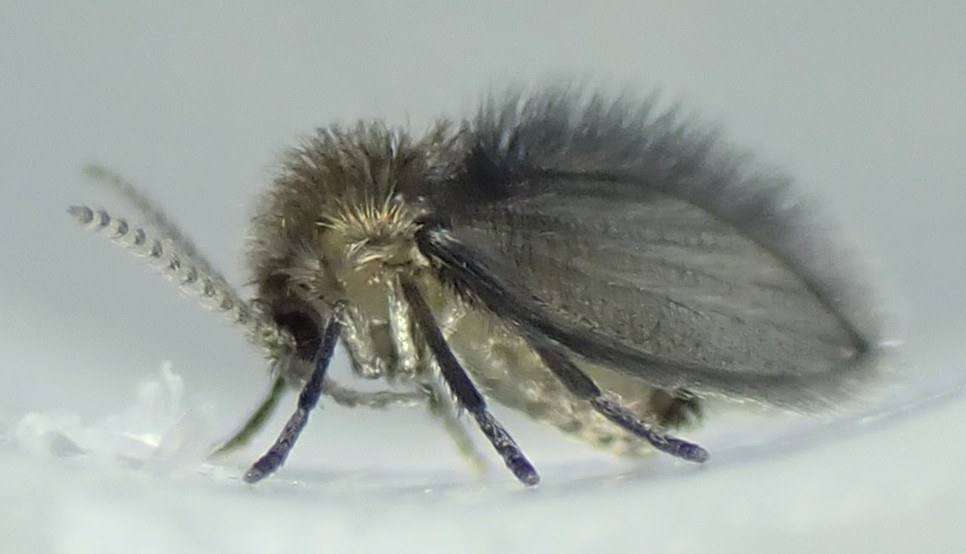
Drain Fly
Psychoda spp.
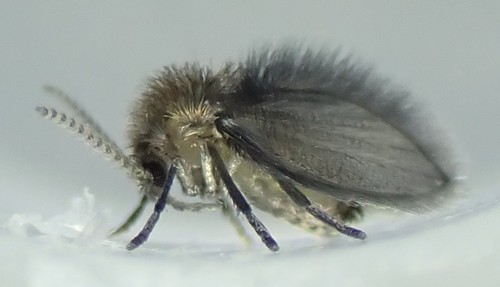
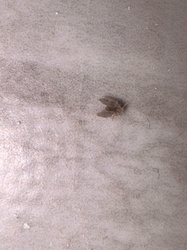
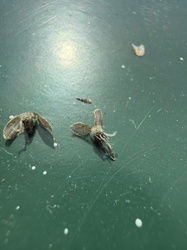
A tiny, fuzzy gray-tan fly with broad, moth-like wings held tent-fashion over its body, often seen resting motionless on bathroom walls near drains.
- Size
- 1.5-5 mm long
- Habitat
- Damp drains, sewage films, septic systems, and other gelatinous organic buildup indoors and outdoors
- Danger
- Nuisance pest
Spotted a bug like this?
Identify any bug or insect from a photo, free.
Overview
Drain flies belong to the family Psychodidae and are found worldwide, wherever a thin film of organic material builds up in standing moisture. Their larvae thrive in the gelatinous coating that develops inside drain pipes, sewage filters, and septic systems, feeding on the bacteria and organic matter within it.
Adults are weak fliers, rarely traveling far from the site where they developed, and are more often noticed resting quietly on nearby walls than actually flying. Their dense covering of hair and broad, rounded wings give them a moth-like appearance that accounts for their alternate common name.
While largely a nuisance rather than a structural concern, large indoor populations can build up quickly because of their short life cycle and the constant availability of organic film in poorly maintained drains.
How to Identify
- Small body, 1.5-5 mm long, densely covered in fine hairs
- Broad, rounded wings held tent- or roof-like over the body at rest
- Fuzzy, moth-like overall appearance
- Weak, fluttering, short-distance flight rather than sustained flying
- Tan to gray coloring
- Lookalikes: fruit flies are smoother-bodied with narrower, clear wings and red eyes, lacking the fuzzy moth-like look of drain flies
Habitat & Range
Drain flies occur worldwide wherever moisture and organic film accumulate, including drain pipes, sink overflow openings, sewage treatment filters, septic tanks, and occasionally overwatered potted plants. They are especially common indoors in bathrooms and kitchens near infrequently used drains.
Behavior & Diet
Adults rest motionless on walls near their breeding site during the day and become more active at night, feeding very little as adults. Larvae are semi-aquatic filter and scrape feeders, consuming bacteria, algae, and organic film that coats the wetted surfaces of drains and similar habitats, playing a minor decomposer role within these systems.
Life Cycle
Eggs are laid directly onto the gelatinous organic film found in drains and similar habitats. Larvae feed within this film for one to two weeks, passing through several instars, before pupating near the water's surface. Adults emerge shortly after, and the entire life cycle can be completed in as little as seven to fifteen days under warm, moist conditions, allowing indoor populations to build rapidly if breeding sites are not disturbed.
Frequently asked questions
Why do drain flies gather near bathroom drains?
Their larvae feed on the gelatinous organic film that builds up inside drain pipes, so adults tend to rest and breed near these sites.
How do drain flies differ from fruit flies?
Drain flies have a fuzzy, moth-like body with broad hairy wings held tent-like over the body, while fruit flies are smoother with narrower clear wings and red eyes.
How fast can a drain fly population grow?
Because their life cycle can be completed in as little as one to two weeks, populations can build up quickly wherever organic film persists.
Are drain flies strong fliers?
No, they are weak fliers that flutter only short distances and are usually seen resting on nearby walls.
Drain Fly guides
In-depth guides for identifying, understanding, and living alongside Drain Fly.
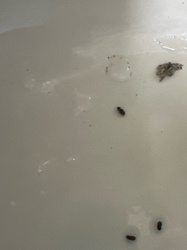
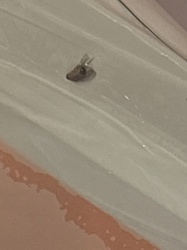
Drain Fly identified by the community
Real finds identified with Bug Identifier.


Other bugs you may enjoy
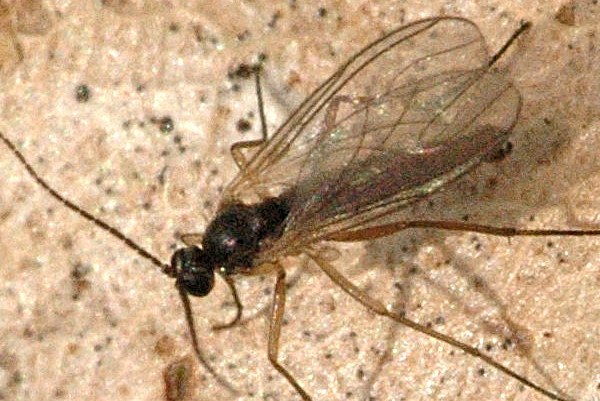
Aphid Midge
Gardens, greenhouses, and crops with aphids
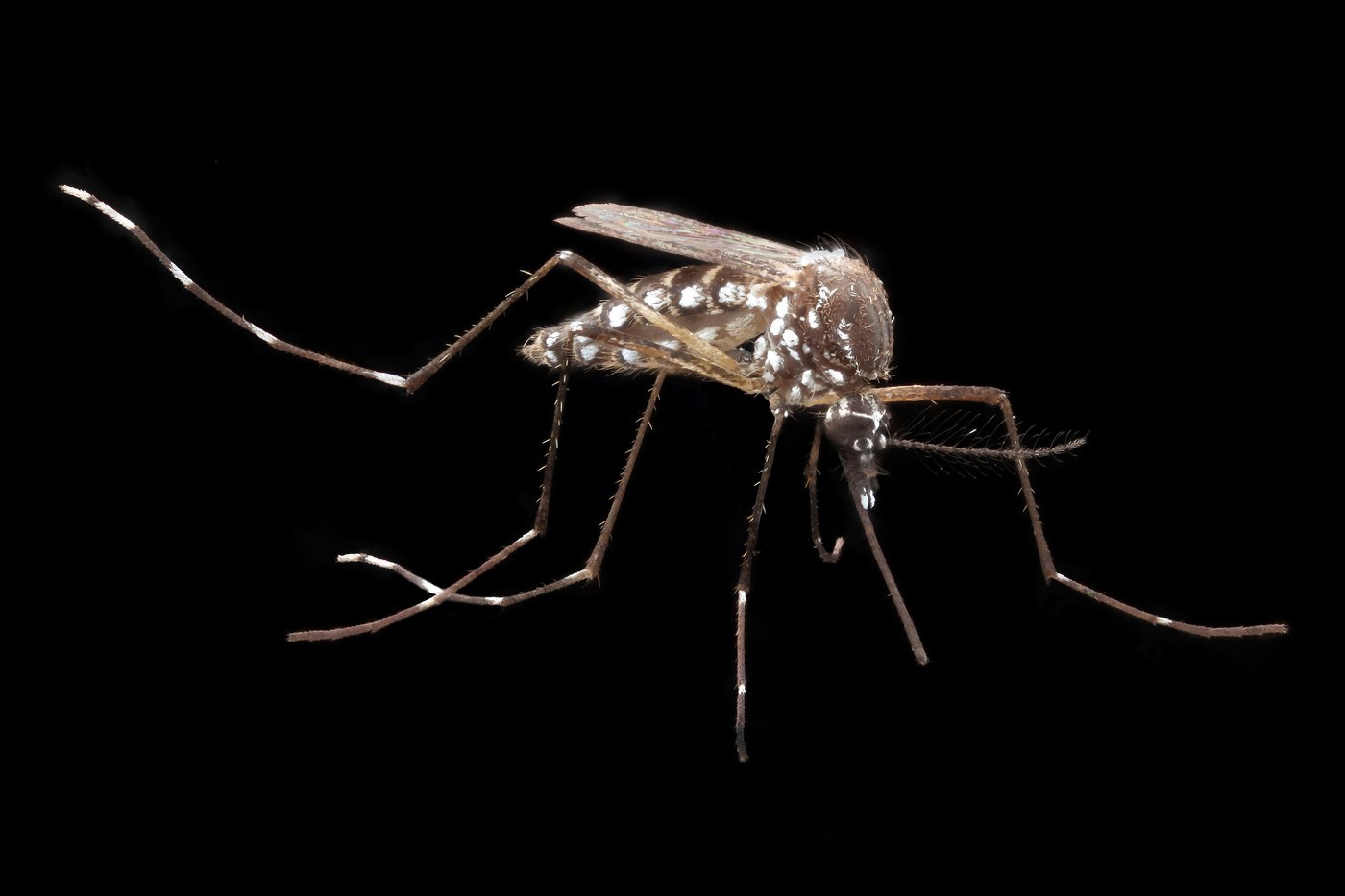
Yellow Fever Mosquito
Urban and peri-urban areas near small artificial water containers in tropical and subtropical regions worldwide
Root Maggot
Garden and field soil around the roots of cole crops and other vegetables
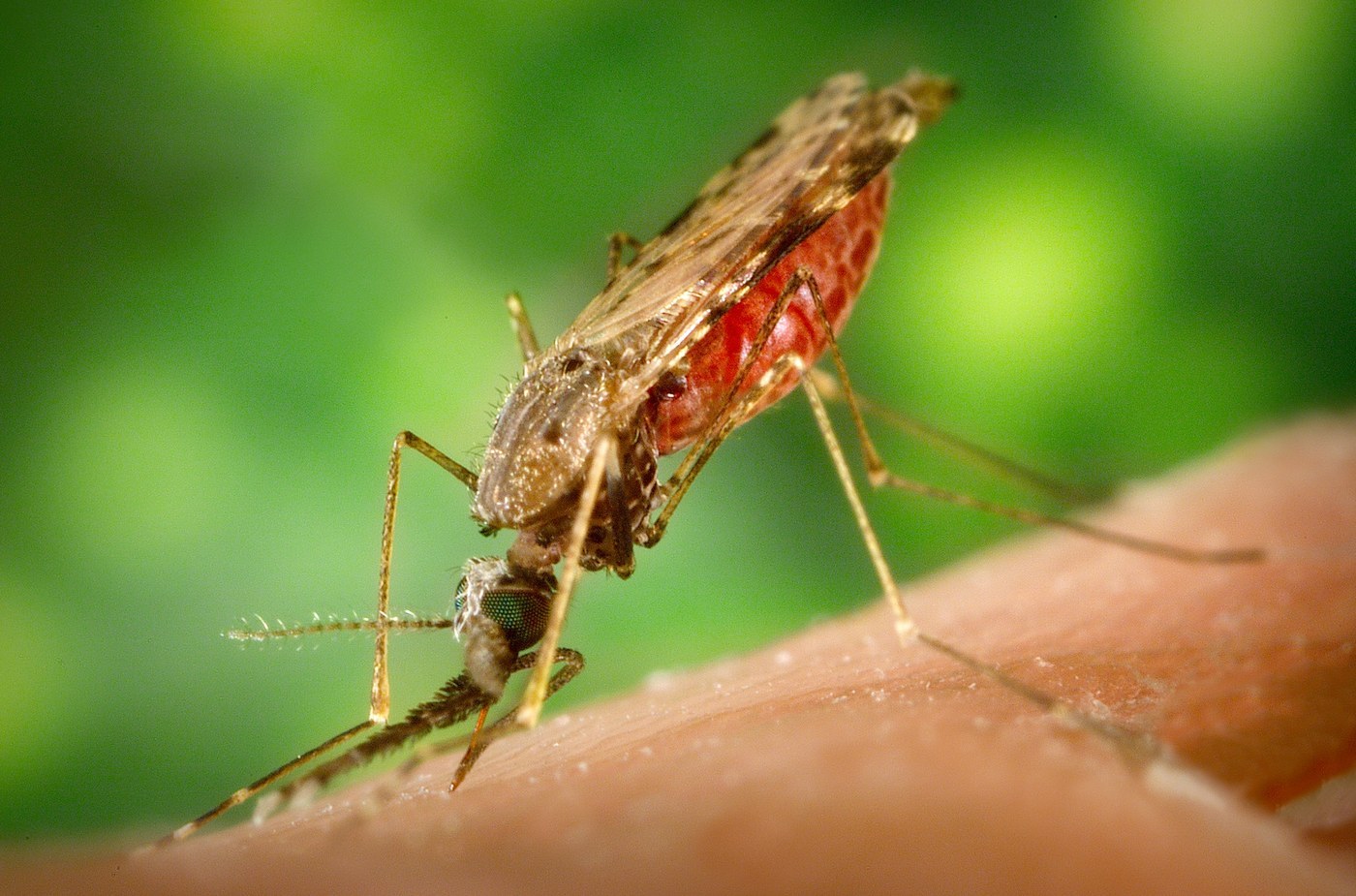
Anopheles Mosquito
Clean, still or slow-moving freshwater habitats such as marshes, ponds, and rice paddies
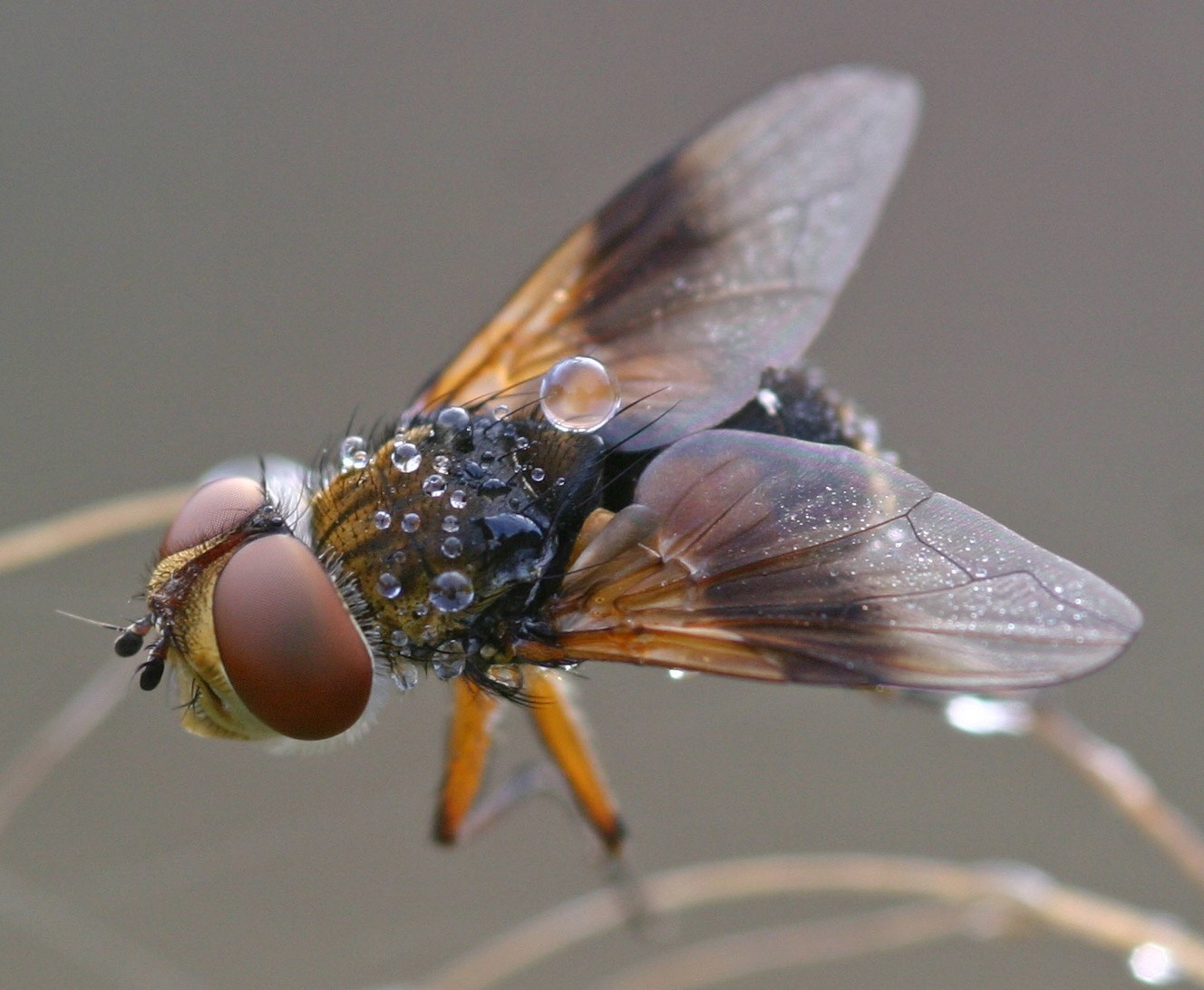
Tachinid Fly
Gardens, meadows, and woodlands wherever host caterpillars and other insects occur
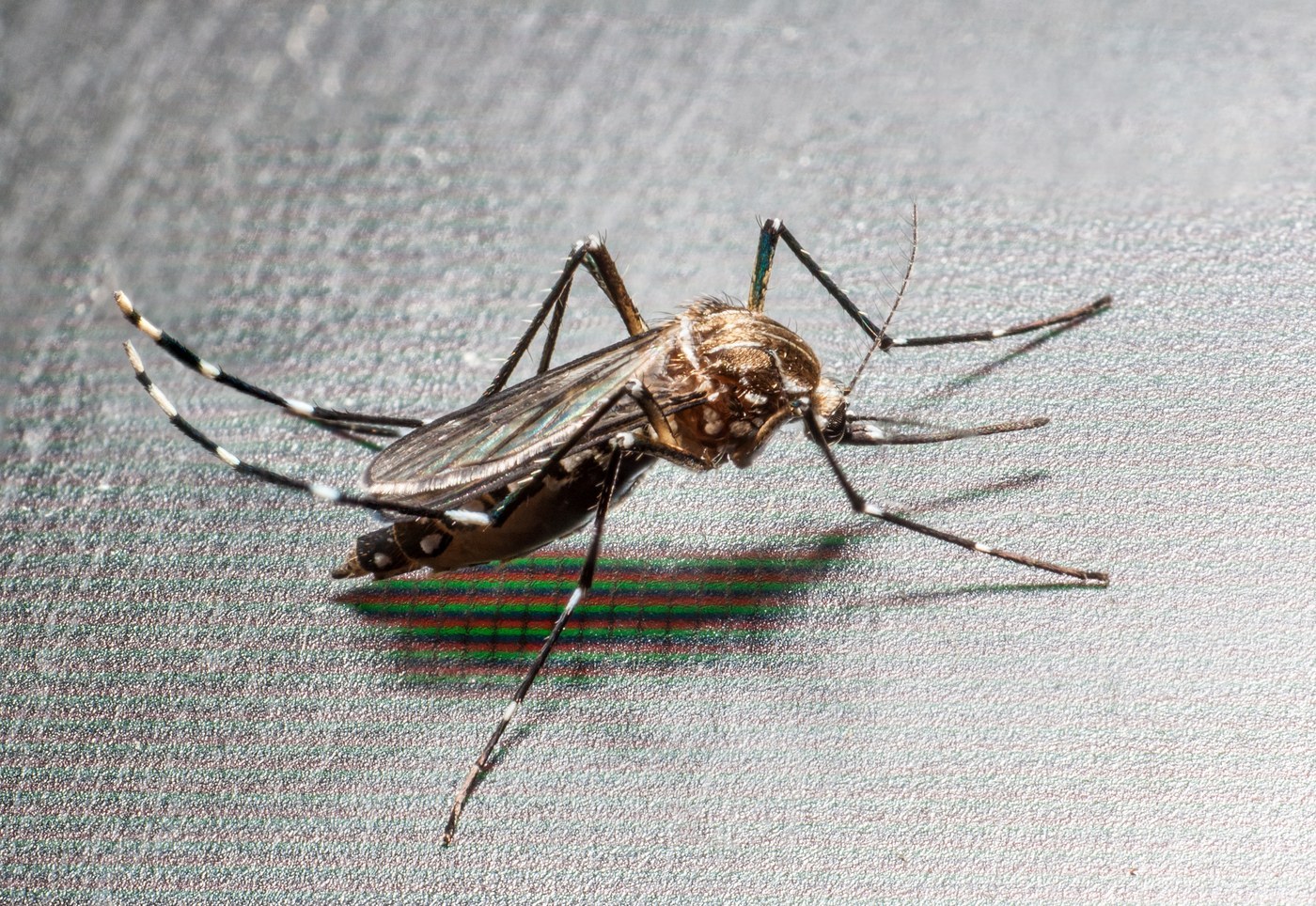
Asian Tiger Mosquito
Shaded urban and suburban areas near small water-holding containers, tires, and tree holes; native to Southeast Asia, now widespread
Tsetse Fly
Wooded savanna, riverine thickets, and forest edges across sub-Saharan Africa
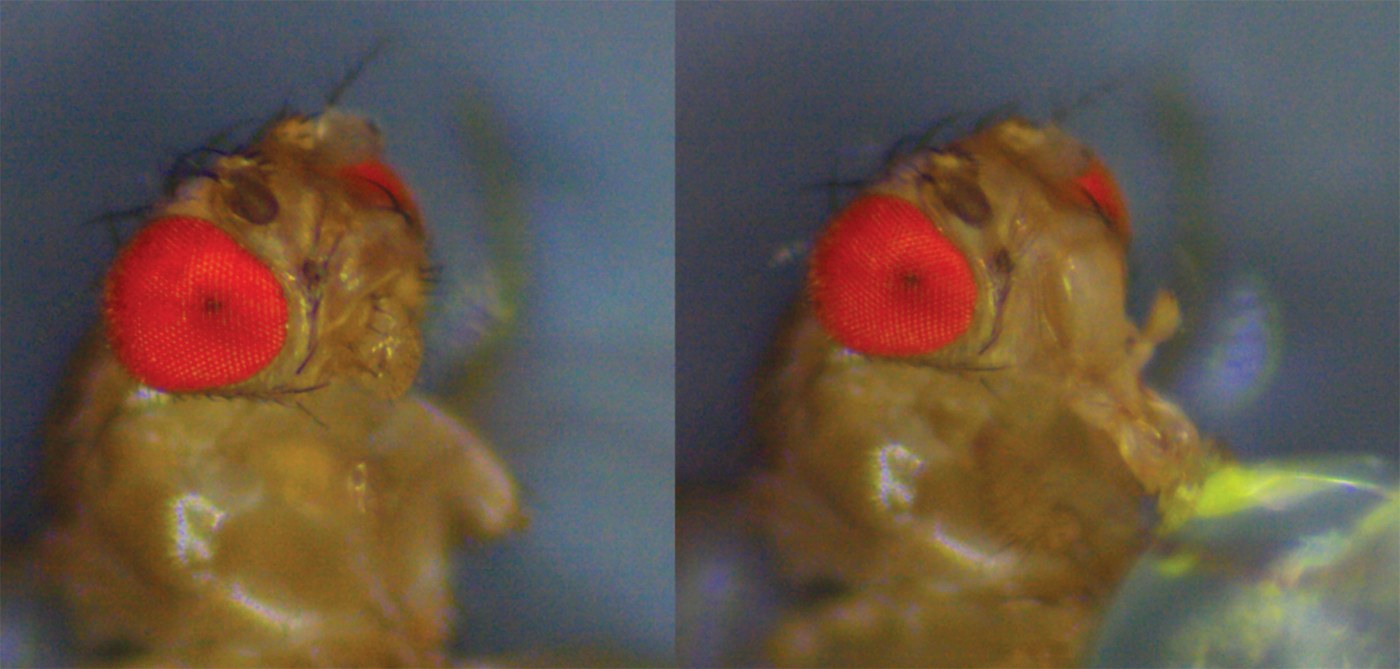
Vinegar Fly
Around overripe fruit, compost, and fermenting materials worldwide
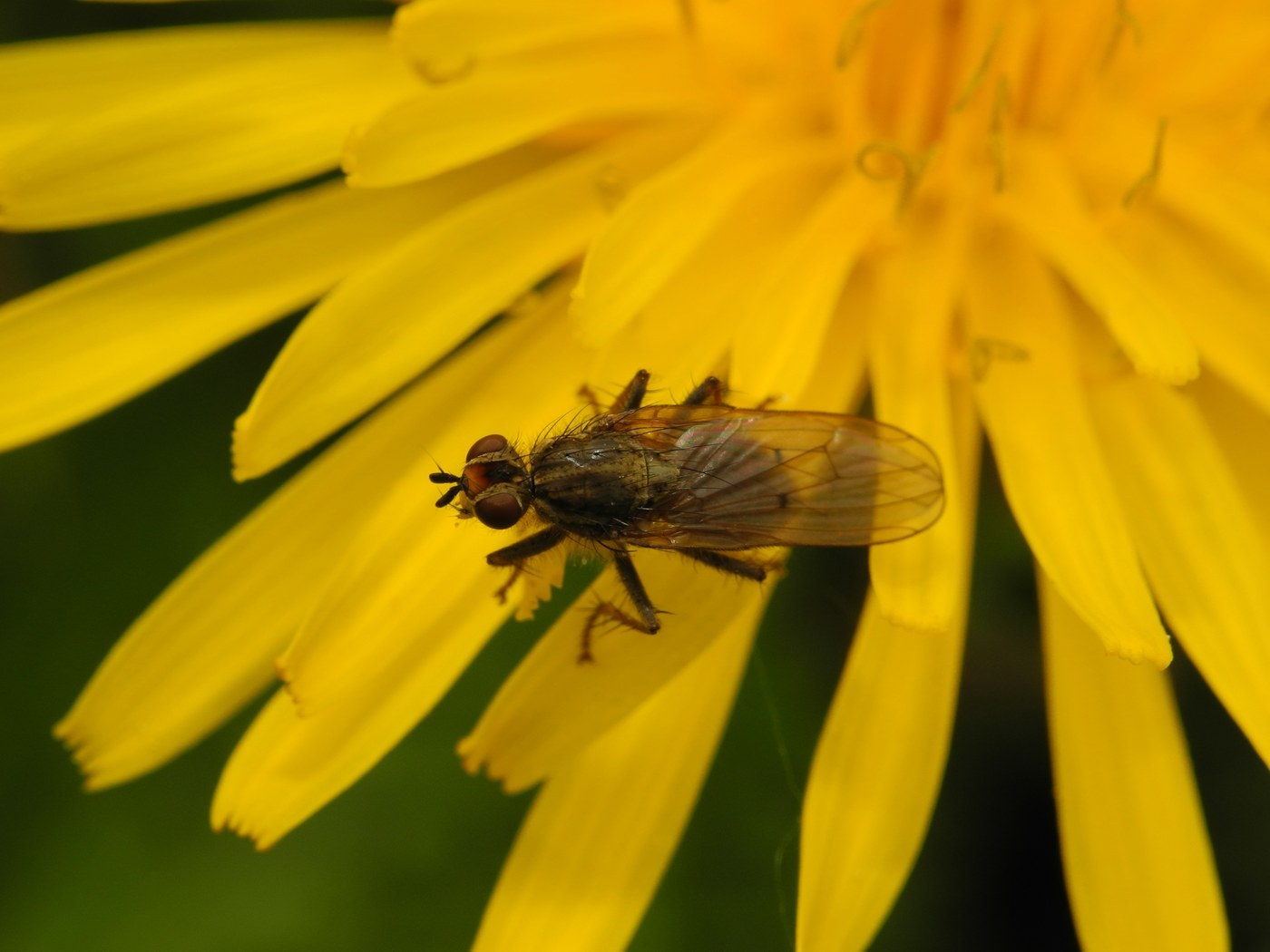
Yellow Dung Fly
Pastures and fields with fresh cattle dung
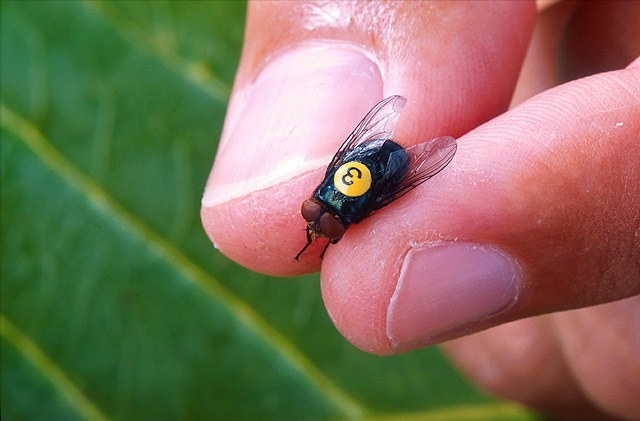
Screwworm Fly
Warm, humid lowlands of the Americas, especially near livestock and wildlife wounds
Soldier Fly
Wetland margins, decaying organic matter, and vegetation near water
Punkie
near marshes, mudflats, ponds, and other standing water