
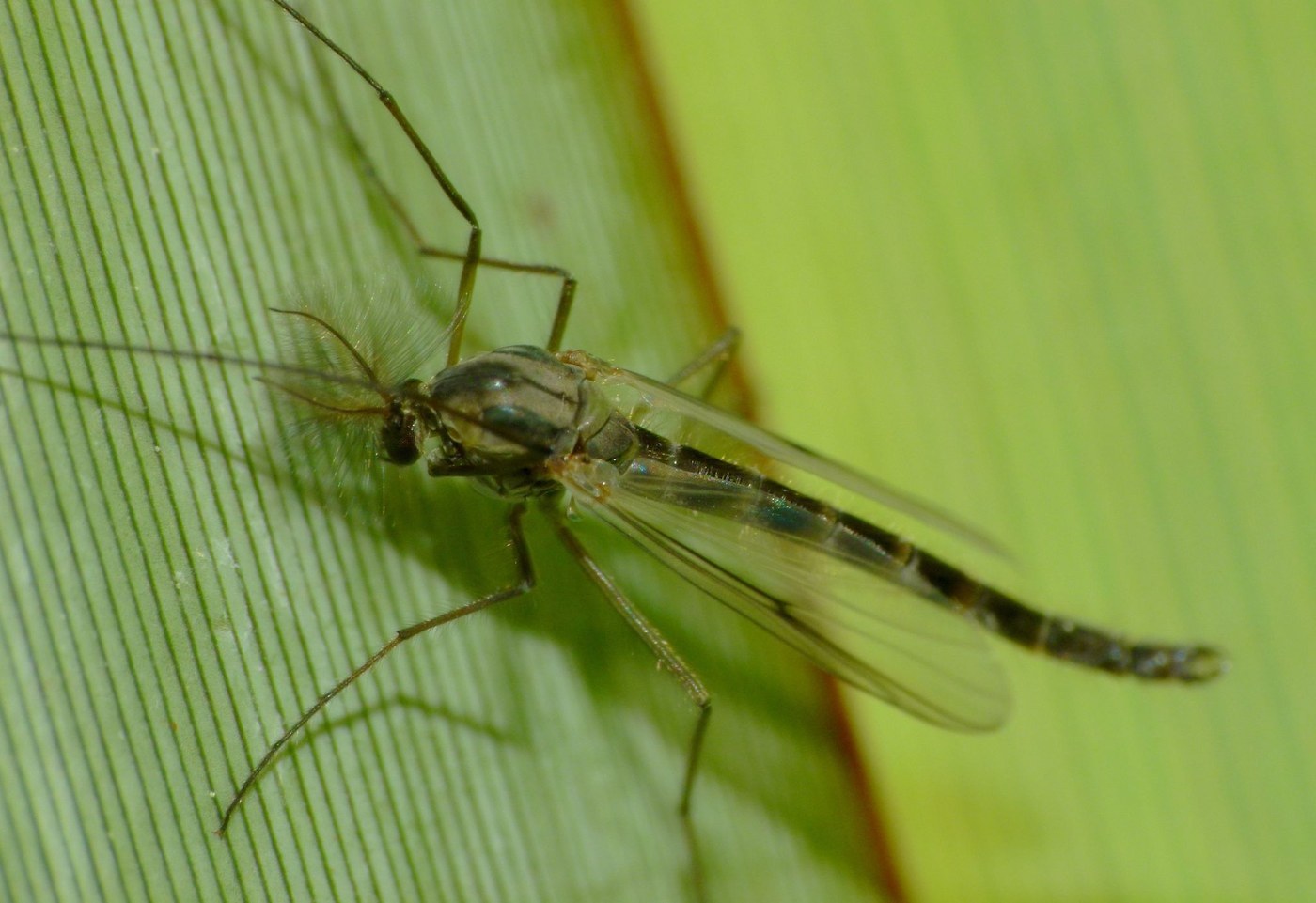
Non-Biting Midge
Chironomus spp.
A mosquito look-alike that gathers by the thousands in swirling mating swarms near lakes and ponds, despite lacking any ability to bite.
- Size
- 2-10 mm (about 0.1-0.4 in) long
- Habitat
- Lakes, ponds, rivers, and other freshwater bodies
- Danger
- Nuisance pest
Spotted a bug like this?
Identify any bug or insect from a photo, free.
Overview
Non-biting midges belong to the family Chironomidae, one of the most abundant and widespread insect families associated with freshwater habitats worldwide. At a glance they closely resemble mosquitoes, with a similarly slender body and long legs, but they lack the piercing mouthparts that mosquitoes use to feed on blood, making them harmless in that respect despite their sometimes overwhelming numbers.
Their aquatic larvae, often known as bloodworms for the reddish hemoglobin-rich forms found in low-oxygen sediment, are extraordinarily abundant in lakes, ponds, and slow rivers, where they play a major role in breaking down organic material and cycling nutrients. Because of their tolerance for a wide range of water quality, including oxygen-poor conditions that few other aquatic insects can survive, chironomid larvae are found in nearly every type of freshwater habitat.
Adult midges are best known for forming large, visible mating swarms over water or nearby structures at dusk, a spectacle that can appear as a shifting cloud of thousands of insects near lakeshores and riverbanks during warm months.
How to Identify
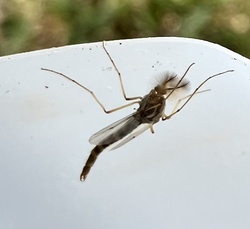
- Slender, mosquito-like body but without a piercing proboscis
- Males have prominent, feathery, plumose antennae used to detect swarming females
- Wings are held over the back at rest, similar to a mosquito's posture
- Often pale green, brown, or gray in color depending on species
- Larvae are worm-like, segmented, and often reddish where called bloodworms, found in aquatic sediment
Habitat & Range
Non-biting midges are found on every continent except Antarctica, in virtually any freshwater habitat from small ponds to large lakes and slow rivers. Larvae live in bottom sediment, submerged vegetation, or organic debris, and are especially numerous in nutrient-rich waters.
Adults emerge in large numbers near their breeding waters, often forming dense swarms at dusk during warm months, particularly in spring and summer near lakes and rivers.
Behavior & Diet
Adult non-biting midges do not feed at all in most species, since their mouthparts are reduced and non-functional, and their brief adult lives are devoted almost entirely to mating. Males form large aerial swarms that females fly into to mate, a behavior that produces the dense, buzzing clouds often seen near lights and shorelines.
Larvae, by contrast, feed actively on algae, detritus, and microorganisms in bottom sediments, making them important decomposers and a key link in aquatic food chains. Both larvae and adults are heavily preyed upon, serving as a major food source for fish, birds, bats, and other insects.
Life Cycle
Females lay gelatinous egg masses on the water surface, which sink and adhere to submerged surfaces or sediment. Larvae hatch within days and often construct silk-lined tubes in sediment or vegetation, feeding and developing through four instars over several weeks depending on temperature and species.
Mature larvae pupate within the sediment or attached structures, and pupae rise to the surface for adult emergence. Many generations can occur throughout a single warm season in productive waters, and larvae of many species overwinter in bottom sediment, resuming development as water temperatures rise in spring.
Frequently asked questions
Do non-biting midges bite people?
No, unlike mosquitoes they lack functional piercing mouthparts, and most adults do not feed at all.
Why do non-biting midges form such large swarms?
Adult males gather in dense mating swarms near water at dusk, which females fly into to find mates, creating the large visible clouds often seen near lakes.
What are bloodworms?
Bloodworms are the reddish, hemoglobin-rich larvae of certain non-biting midge species that live in low-oxygen sediment at the bottom of lakes and ponds.
Why are non-biting midges important in lakes and ponds?
Their larvae break down organic material in sediment and serve as a major food source for fish and other aquatic animals.
Non-Biting Midge guides
In-depth guides for identifying, understanding, and living alongside Non-Biting Midge.
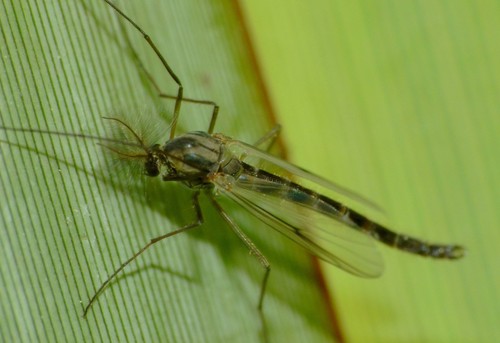
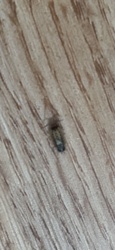
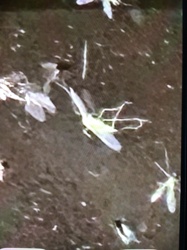
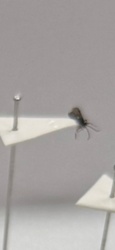
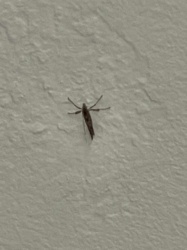
Non-Biting Midge identified by the community
Real finds identified with Bug Identifier.
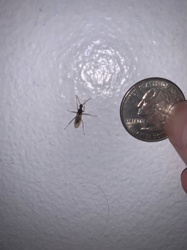
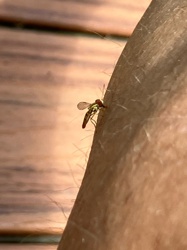
Other bugs you may enjoy
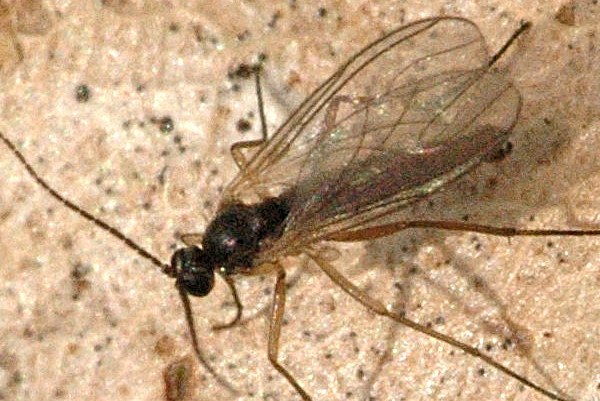
Aphid Midge
Gardens, greenhouses, and crops with aphids
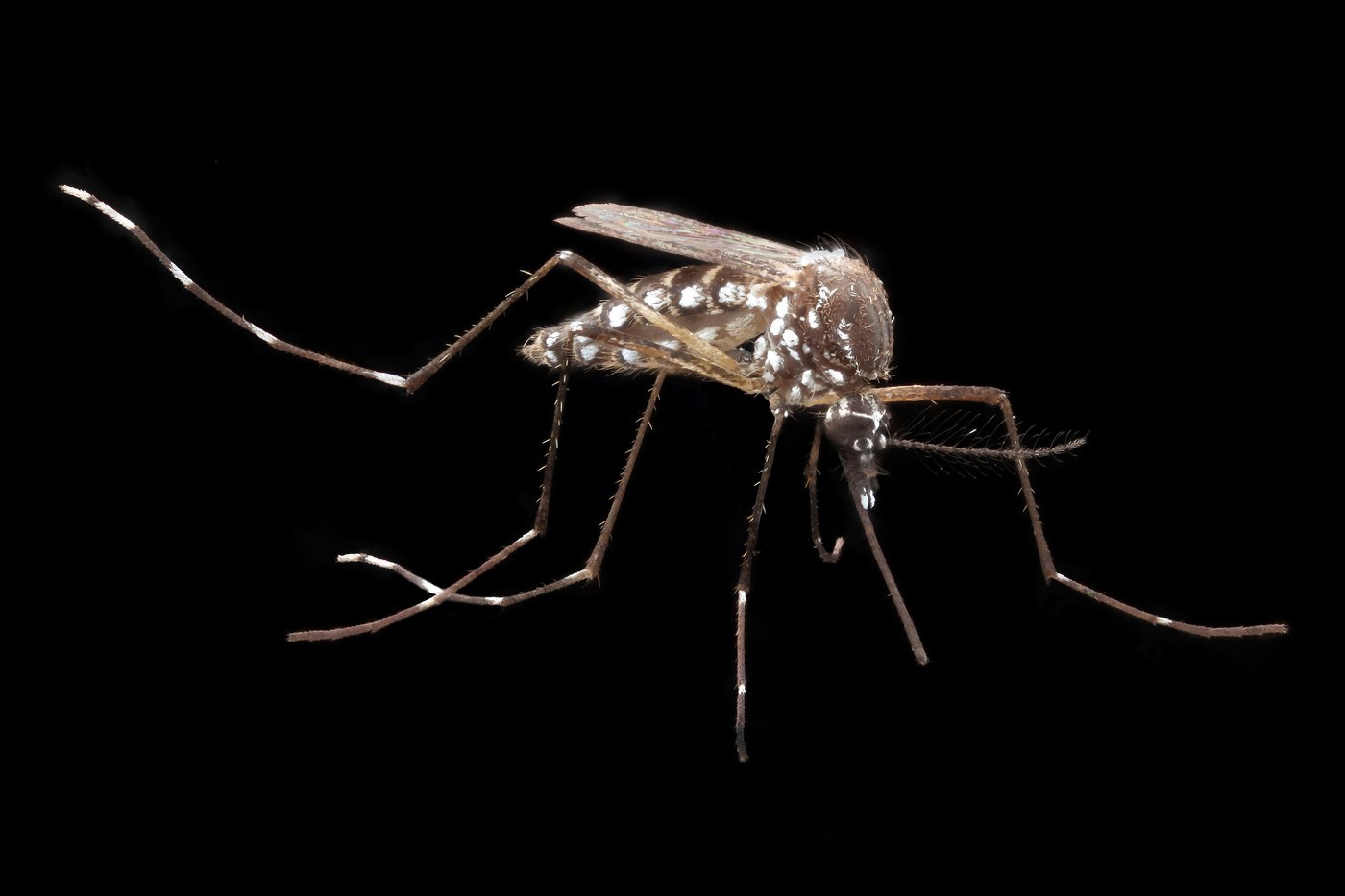
Yellow Fever Mosquito
Urban and peri-urban areas near small artificial water containers in tropical and subtropical regions worldwide
Root Maggot
Garden and field soil around the roots of cole crops and other vegetables
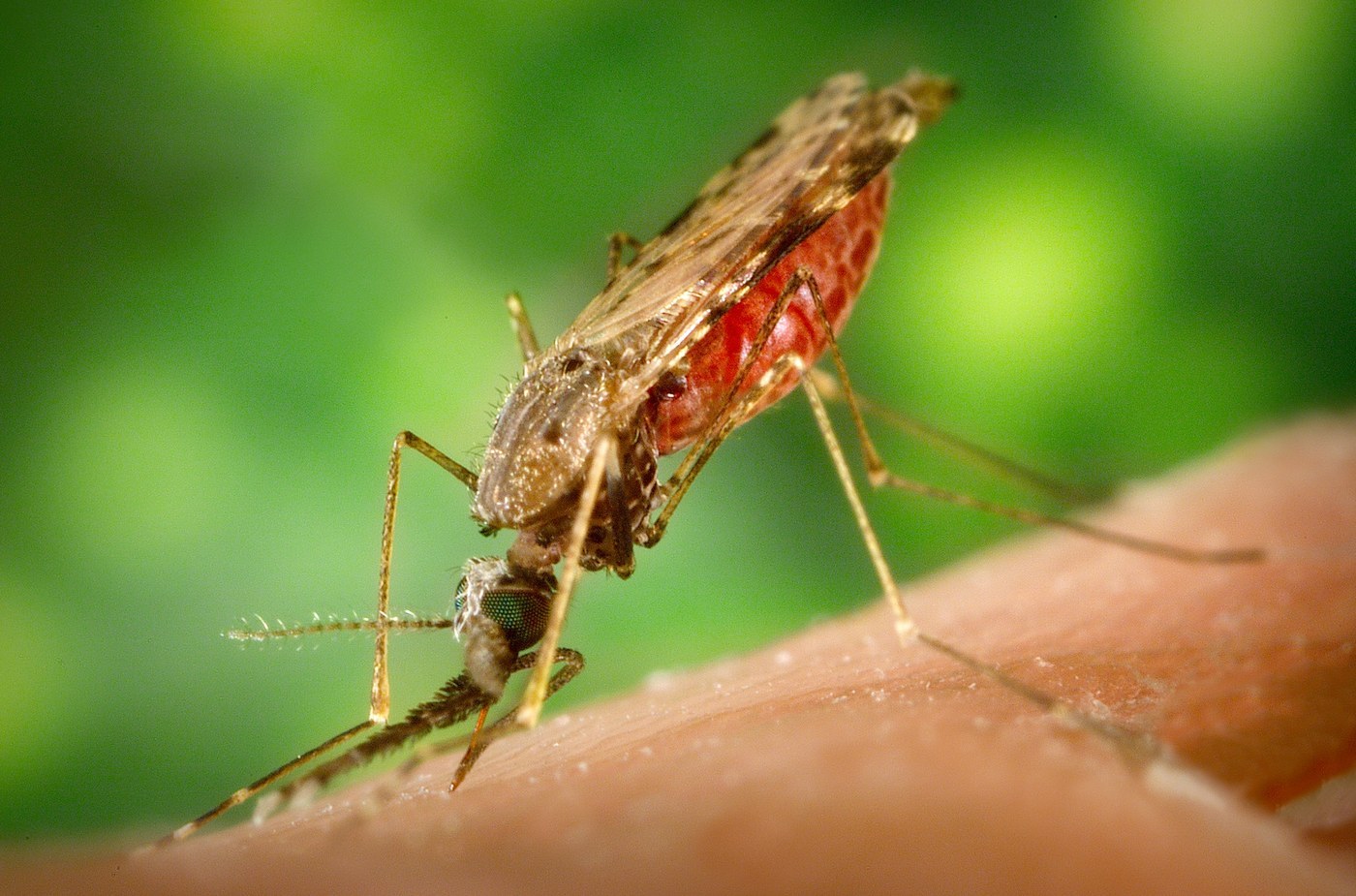
Anopheles Mosquito
Clean, still or slow-moving freshwater habitats such as marshes, ponds, and rice paddies
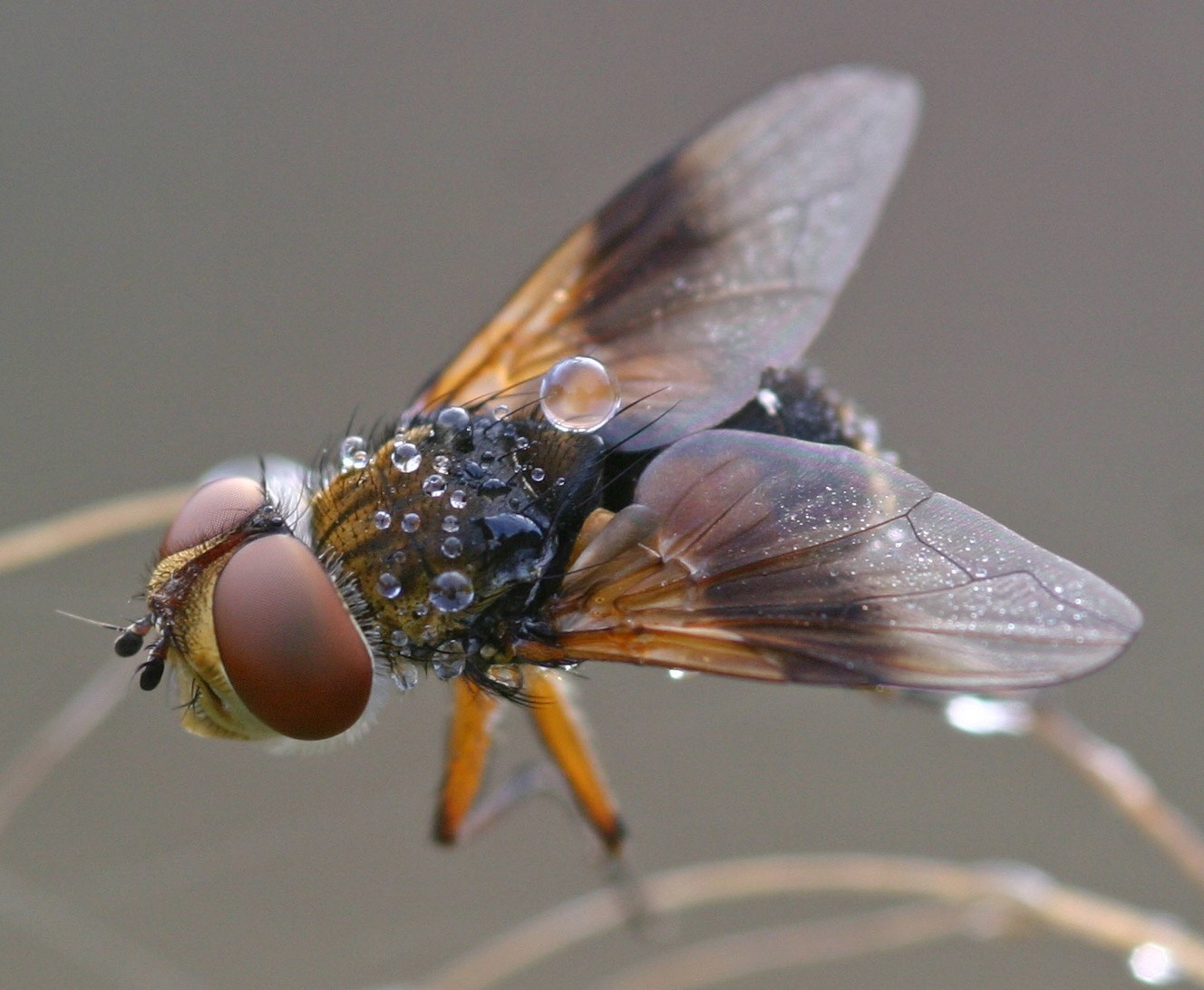
Tachinid Fly
Gardens, meadows, and woodlands wherever host caterpillars and other insects occur
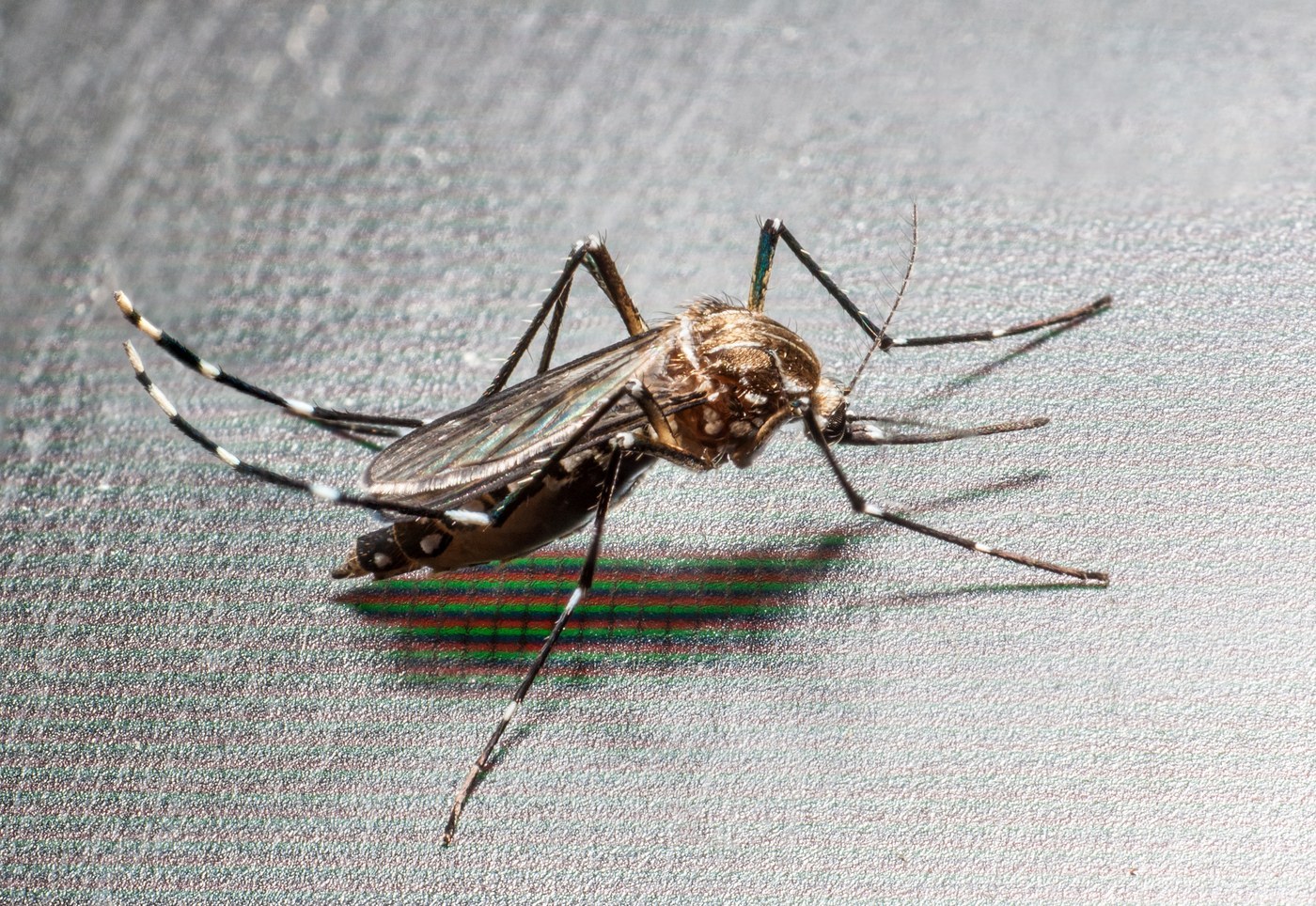
Asian Tiger Mosquito
Shaded urban and suburban areas near small water-holding containers, tires, and tree holes; native to Southeast Asia, now widespread
Tsetse Fly
Wooded savanna, riverine thickets, and forest edges across sub-Saharan Africa
Vinegar Fly
Around overripe fruit, compost, and fermenting materials worldwide
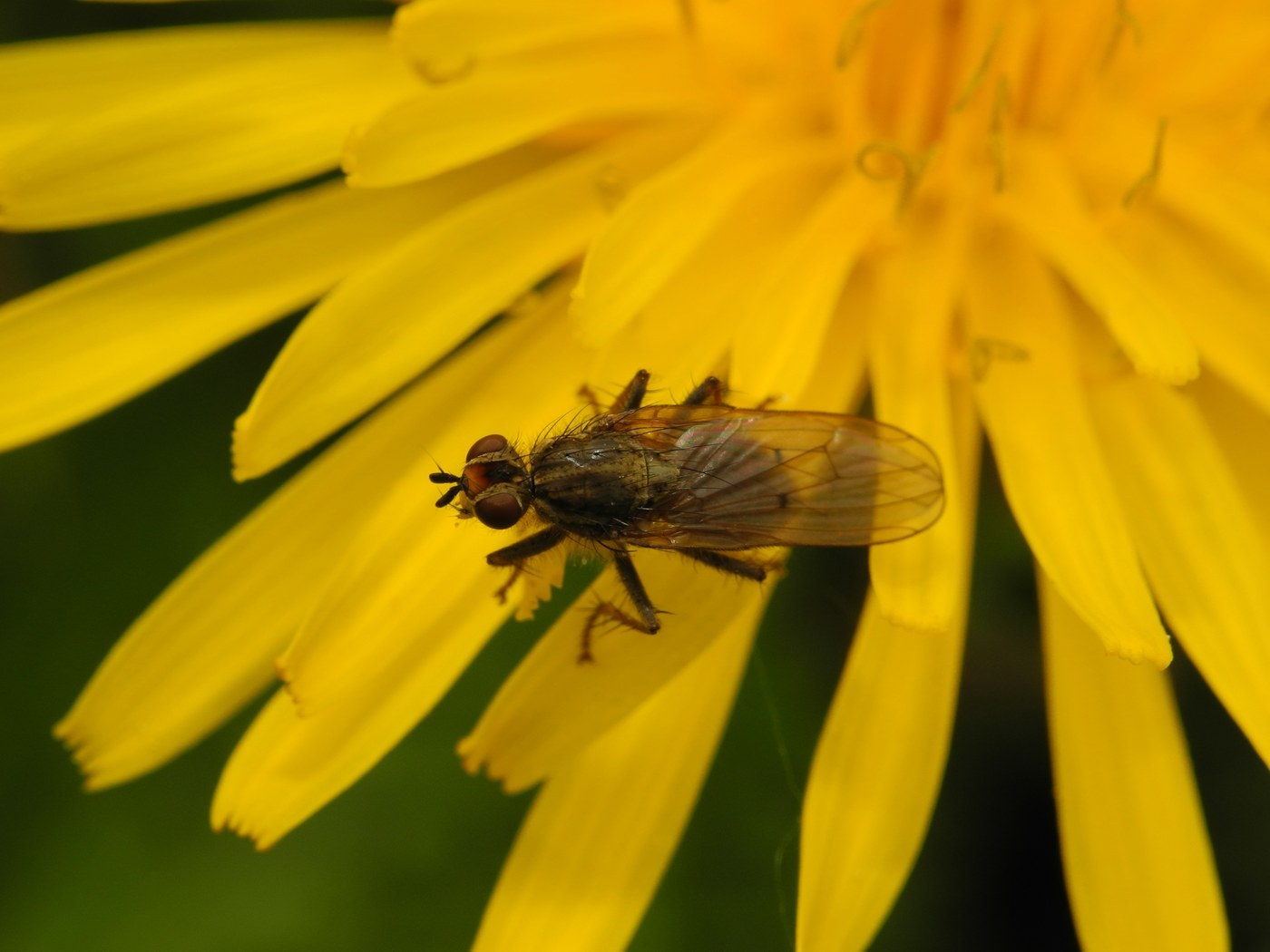
Yellow Dung Fly
Pastures and fields with fresh cattle dung
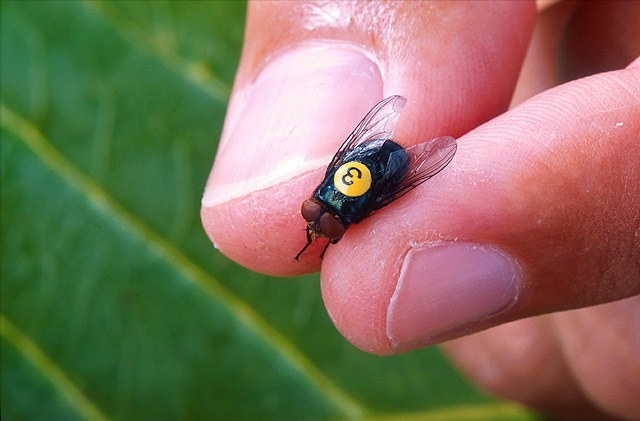
Screwworm Fly
Warm, humid lowlands of the Americas, especially near livestock and wildlife wounds
Soldier Fly
Wetland margins, decaying organic matter, and vegetation near water
Punkie
near marshes, mudflats, ponds, and other standing water