
Culex Mosquito
Culex spp.
A large, worldwide genus of plain brown mosquitoes recognizable by their blunt abdomens and habit of resting flat against surfaces.
- Size
- 4-10 mm (about 0.2-0.4 in) long
- Habitat
- Stagnant or organically enriched water in both urban and rural settings
- Danger
- Bites
Spotted a bug like this?
Identify any bug or insect from a photo, free.
Overview
Culex is one of the largest and most widespread mosquito genera, comprising hundreds of species distributed across nearly every inhabited region of the world. Its members are generally brownish and lack the bold striping seen in genera like Aedes, giving them a somewhat plain, uniform appearance that can make species-level identification challenging without close examination.
Members of this genus are highly adaptable, breeding in an enormous range of water sources, from natural wetlands and ditches to artificial containers such as tires, gutters, and ornamental ponds. Many species tolerate polluted or nutrient-rich water far better than mosquitoes in other genera, contributing to their success in human-altered landscapes.
Culex mosquitoes are primarily active from dusk into the night, and their genus is easily separated from Anopheles by their flat resting posture and blunt-tipped abdomen.
How to Identify
- Uniformly brown to tan body without strong banding on most species
- Blunt, rounded tip to the abdomen, in contrast to the pointed abdomen of Aedes
- Rests with the body held flat and parallel to the surface
- Larvae hang at a distinct angle from the water surface, suspended by a long breathing siphon
- Wings are narrow and uniformly scaled without strong contrasting patches
Habitat & Range
Culex mosquitoes occur on every inhabited continent, in habitats ranging from tropical wetlands to temperate suburbs. They breed in an unusually wide array of water sources, including ditches, marshes, storm drains, catch basins, discarded containers, and ornamental or neglected pools.
Adults are active mainly at dusk and after dark, sheltering during the day in dense vegetation, culverts, and other cool, humid, shaded sites close to their breeding habitat.
Behavior & Diet
Only females blood-feed, using the protein from a blood meal to develop eggs, while males subsist entirely on nectar and plant sugars. Culex females often feed on birds as well as mammals, and many species show a preference for feeding after dark.
Aquatic larvae filter-feed on algae, bacteria, and decaying organic matter, helping to process nutrients in still water bodies. The genus is an important food source for aquatic predators such as fish and dragonfly nymphs, as well as for birds and bats that feed on adults.
Life Cycle
Females deposit eggs in floating rafts of up to several hundred eggs on the surface of still water. Eggs hatch within one to two days, and larvae pass through four molts over roughly a week to ten days, feeding near the surface while hanging from their siphon.
The final molt produces a mobile, non-feeding pupa that completes development in one to a few days before the adult emerges at the water's surface. Culex mosquitoes produce many generations during warm months, and in temperate regions mated females overwinter in sheltered structures, becoming active again as temperatures warm.
Frequently asked questions
How do Culex mosquitoes differ from Aedes mosquitoes?
Culex species are generally plain brown with a blunt-tipped abdomen and rest flat against surfaces, while Aedes species are often boldly striped with a pointed abdomen.
What kind of water do Culex mosquitoes breed in?
They breed in a very wide range of still water, including ditches, containers, storm drains, and polluted or organically rich water that many other mosquitoes avoid.
When are Culex mosquitoes most active?
They are primarily active from dusk through the night, resting in shaded, humid areas during the day.
How can I recognize Culex larvae?
They hang at an angle from the water surface, suspended by a long breathing siphon, unlike the horizontally resting larvae of Anopheles.
Culex Mosquito guides
In-depth guides for identifying, understanding, and living alongside Culex Mosquito.
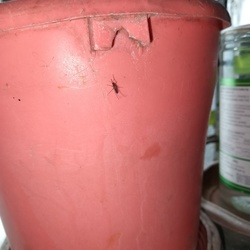
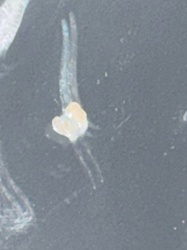
Culex Mosquito identified by the community
Real finds identified with Bug Identifier.
Other bugs you may enjoy
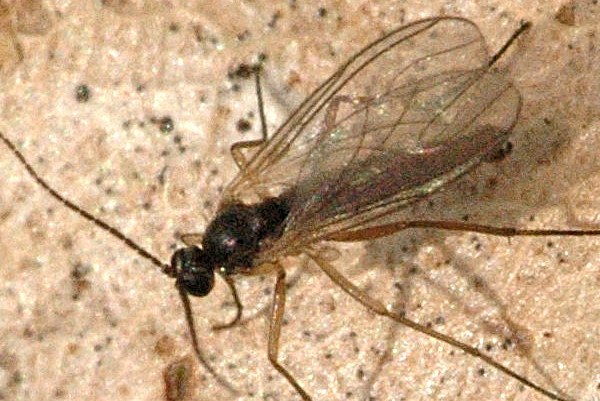
Aphid Midge
Gardens, greenhouses, and crops with aphids
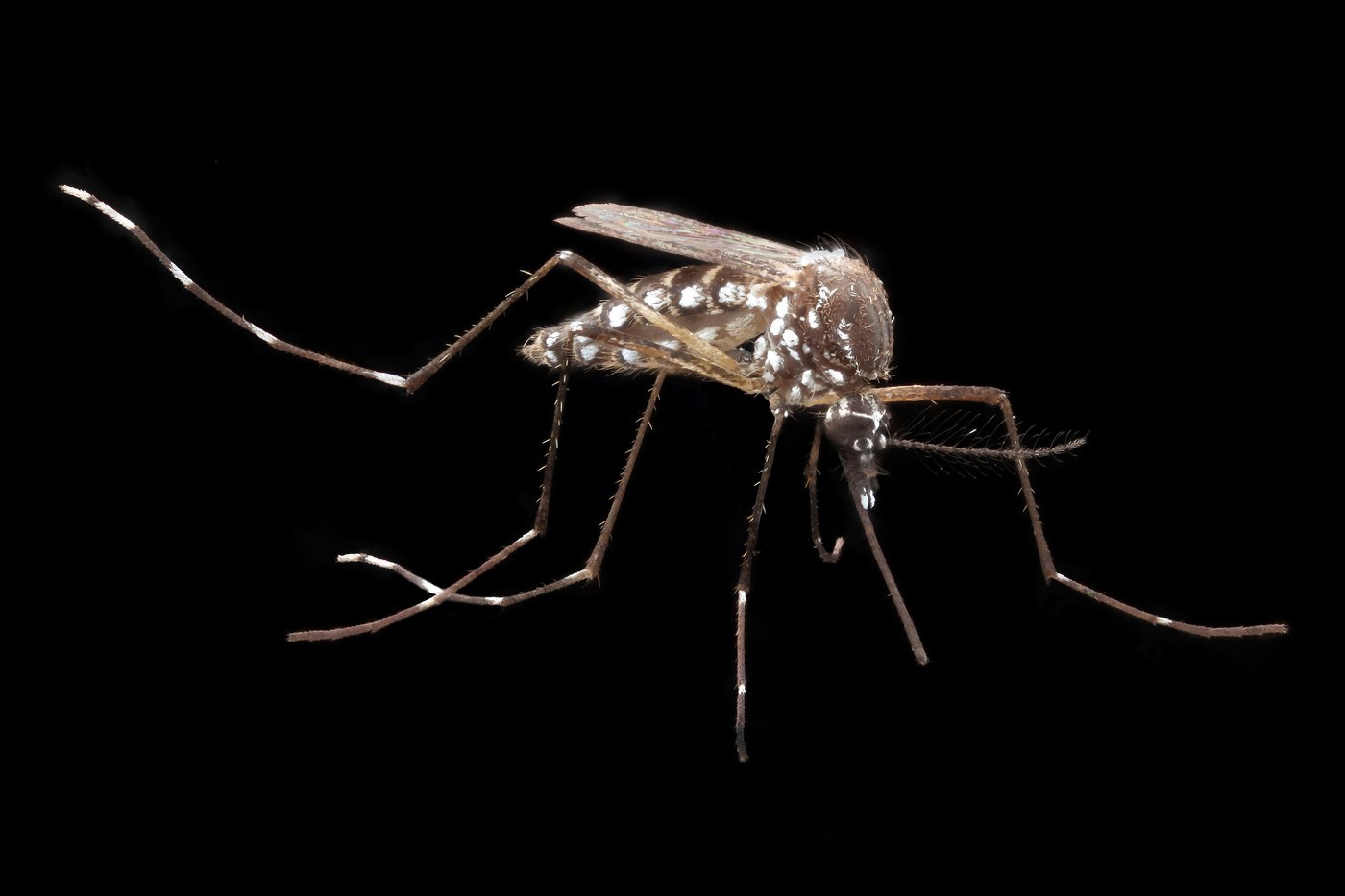
Yellow Fever Mosquito
Urban and peri-urban areas near small artificial water containers in tropical and subtropical regions worldwide
Root Maggot
Garden and field soil around the roots of cole crops and other vegetables
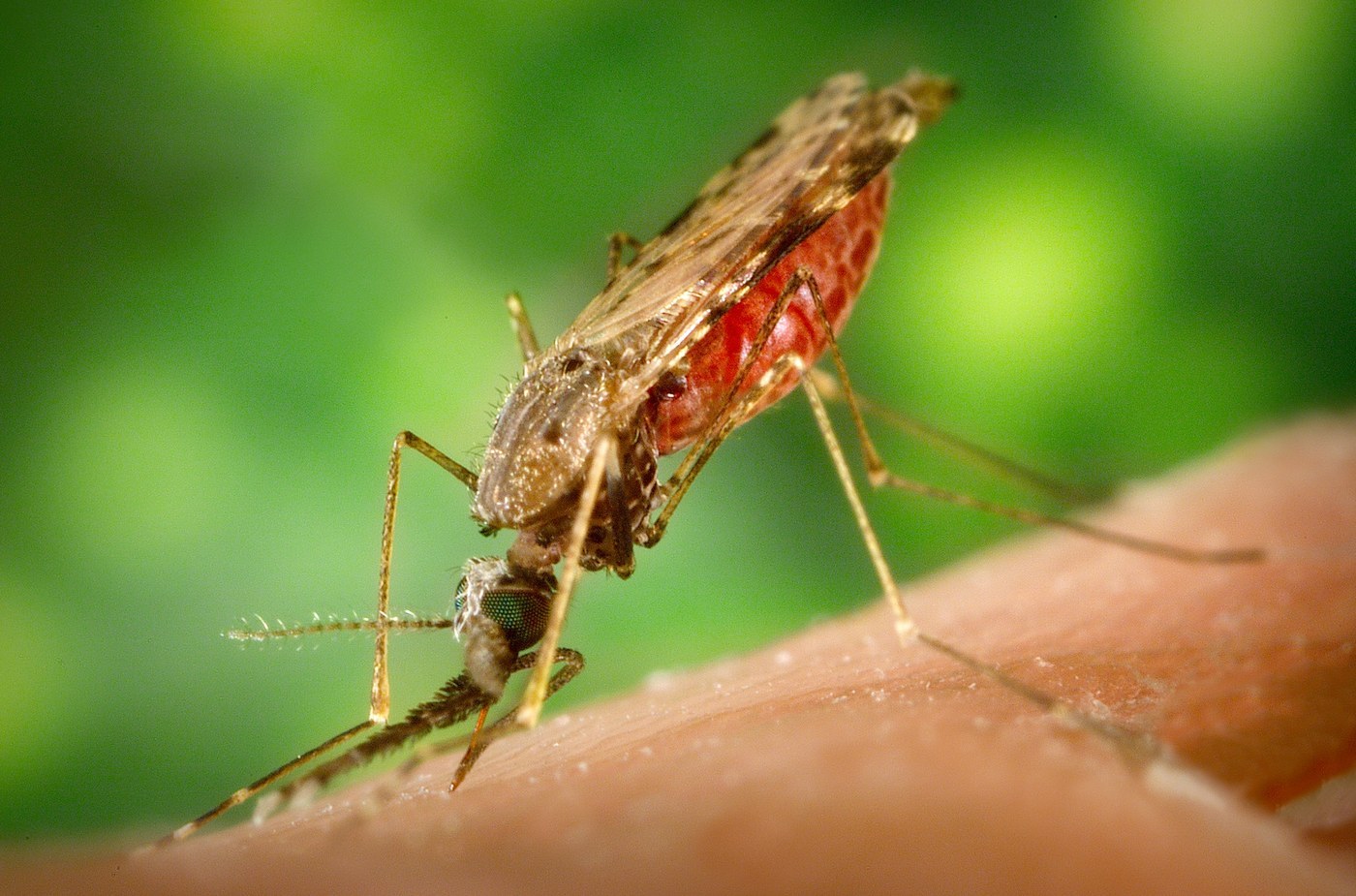
Anopheles Mosquito
Clean, still or slow-moving freshwater habitats such as marshes, ponds, and rice paddies
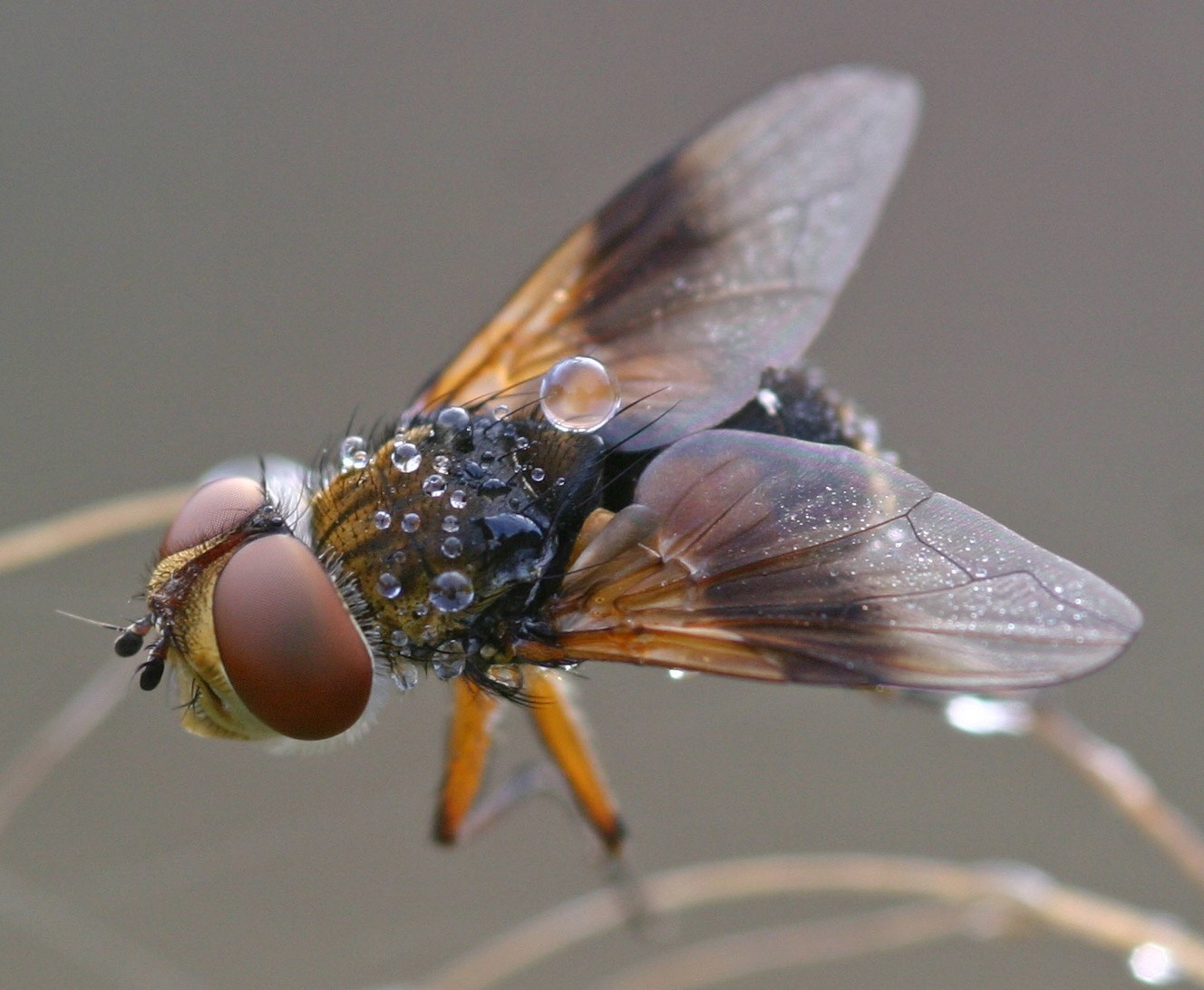
Tachinid Fly
Gardens, meadows, and woodlands wherever host caterpillars and other insects occur
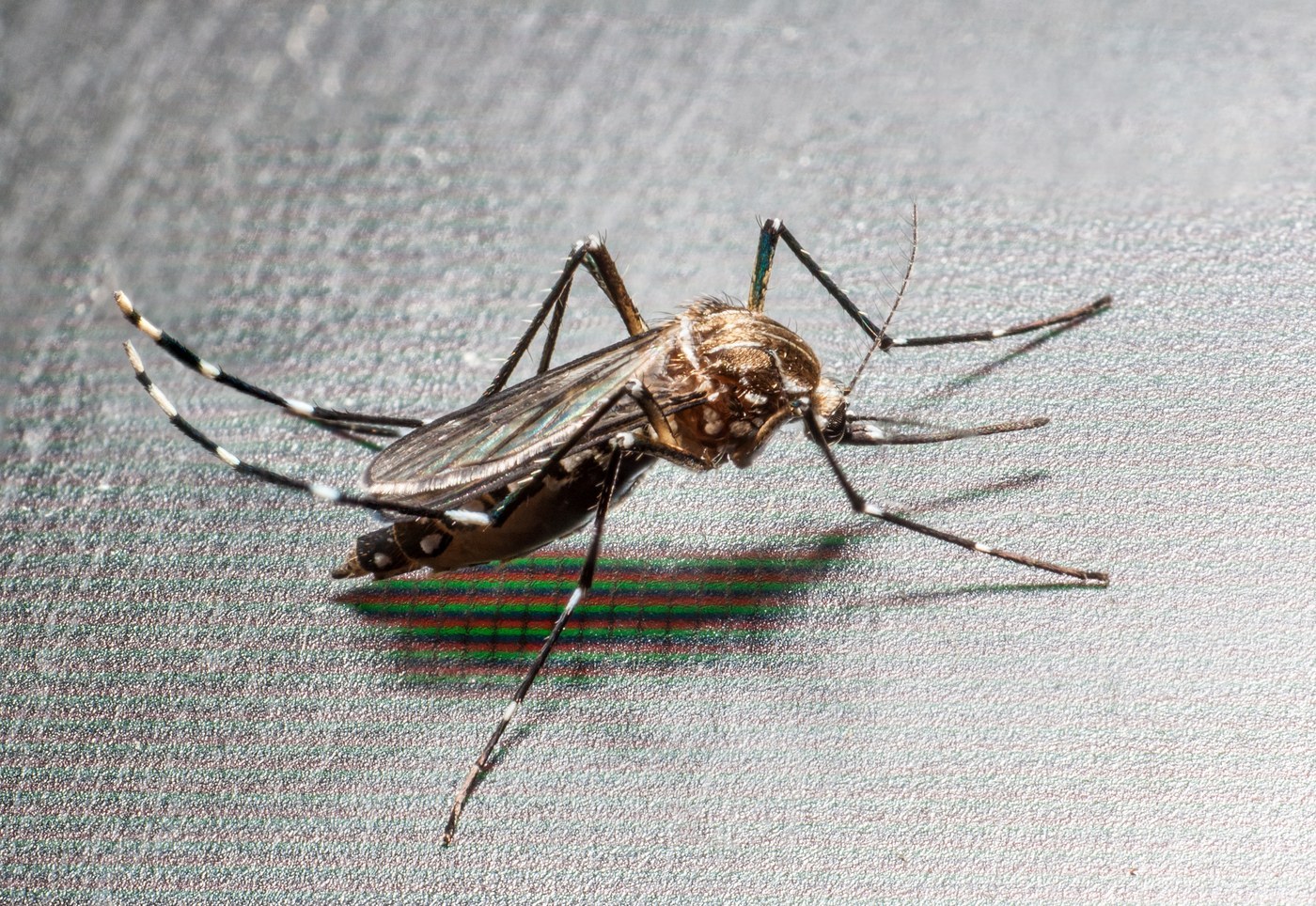
Asian Tiger Mosquito
Shaded urban and suburban areas near small water-holding containers, tires, and tree holes; native to Southeast Asia, now widespread
Tsetse Fly
Wooded savanna, riverine thickets, and forest edges across sub-Saharan Africa
Vinegar Fly
Around overripe fruit, compost, and fermenting materials worldwide
Yellow Dung Fly
Pastures and fields with fresh cattle dung
Screwworm Fly
Warm, humid lowlands of the Americas, especially near livestock and wildlife wounds
Soldier Fly
Wetland margins, decaying organic matter, and vegetation near water
Punkie
near marshes, mudflats, ponds, and other standing water