
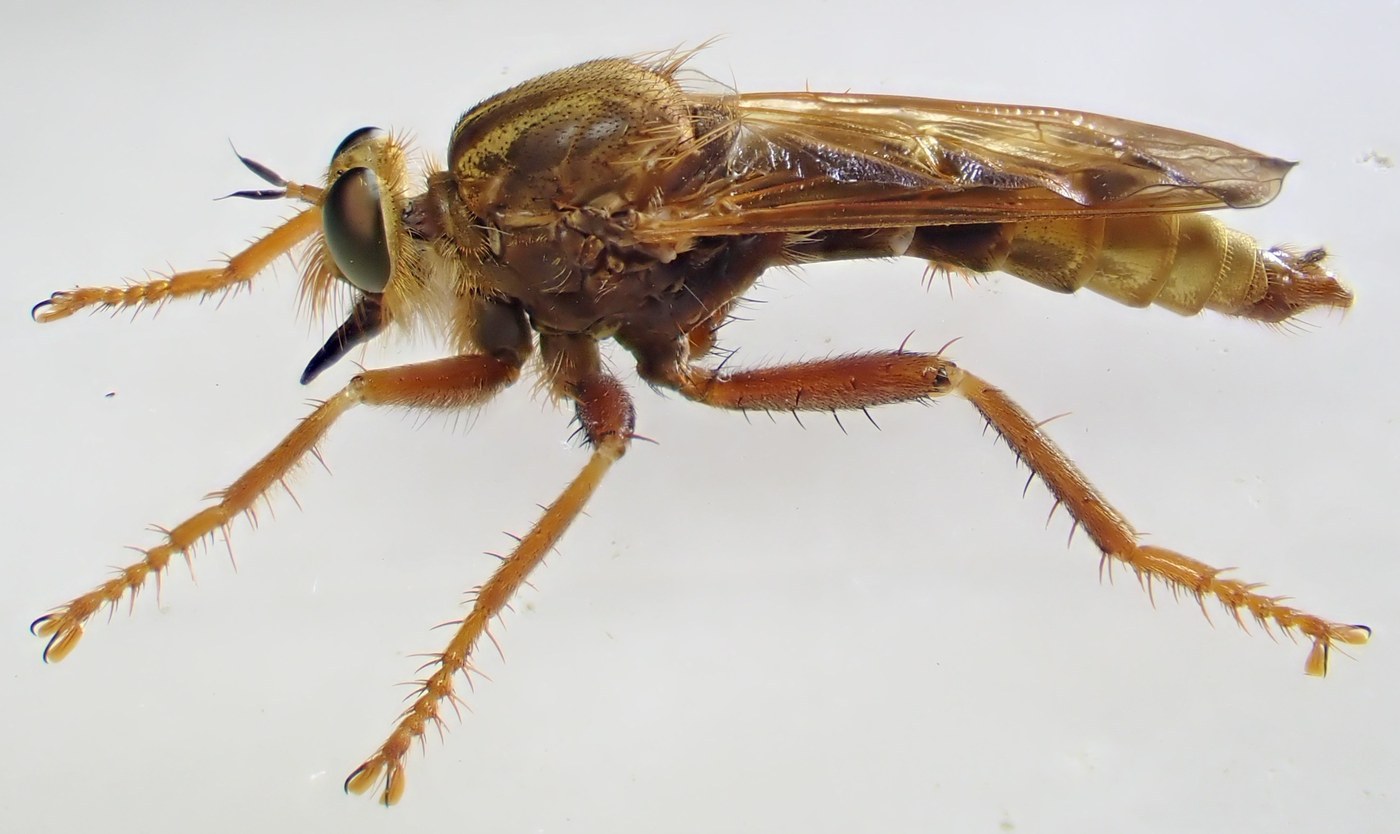
Robber Fly
Asilidae spp.
A powerfully built, bristly-faced predatory fly that ambushes other flying insects in midair, piercing them with a stout beak-like proboscis.
- Size
- 10–35 mm
- Habitat
- Open sunny areas, meadows, dunes, woodland edges, and gardens
- Danger
- Bites
Spotted a bug like this?
Identify any bug or insect from a photo, free.
Overview
Robber flies belong to the family Asilidae, a worldwide group of aggressive aerial predators among the true flies. They are named for their habit of snatching other insects out of the air or off perches, subduing prey with a stout, piercing proboscis rather than chewing mouthparts.
Morphologically distinctive, robber flies have a long, tapering abdomen, powerful spiny legs for seizing prey, and a dense tuft of bristles on the face called a mystax, which is thought to help protect the fly's head when it wrestles with struggling prey. Many species perch prominently on twigs, fence posts, or bare ground, launching short, fast sallies to intercept passing insects.
As generalist predators, robber flies help regulate populations of many other flying and ground-dwelling insects, including other flies, beetles, grasshoppers, and even other robber flies, making them significant mid-level predators in insect communities.
How to Identify
- Elongated body with a long, often tapering or humped abdomen and a distinctly hollowed-out top of the head between the large, widely separated eyes.
- Dense bristles (mystax) covering the face, giving a bearded appearance.
- Strong, spiny legs held forward for grasping prey in flight.
- Size ranges roughly 10–35 mm depending on species; body color often gray, brown, or black, sometimes with a bee-mimicking furry thorax in larger species.
- Lookalikes: bee-mimicking robber flies resemble bumble bees, but the fly's single pair of wings, piercing proboscis, and characteristic facial bristles distinguish it.
Habitat & Range
Robber flies occur worldwide, especially in open, sunny habitats with abundant perches — meadows, sand dunes, woodland edges, gardens, and dry open fields. Adults are most active on warm, sunny days from late spring through summer, often seen perched in wait or in fast pursuit flights.
Behavior & Diet
Adults are ambush predators, perching on an elevated spot with a clear view and launching rapid intercept flights to seize passing insects, which they then pierce with their proboscis to feed. Larvae, by contrast, live in soil or decaying wood and are largely predatory or scavenging on other soil-dwelling invertebrates and organic matter. Robber flies play a notable ecological role as generalist predators that help keep other insect populations in check.
Life Cycle
Development is by complete metamorphosis. Eggs are laid in soil, leaf litter, decaying wood, or plant tissue depending on species; larvae live and feed in these substrates, often over one or more years before pupating near the soil surface. Adults emerge in warm months and are typically active for a single flight season, with life cycle length varying considerably by species and climate.
Frequently asked questions
Is a robber fly the same as a bee?
No — some robber flies mimic bees or bumble bees in shape and fuzziness, but they are true flies with a single pair of wings and a piercing proboscis rather than chewing bee mouthparts.
What do robber flies eat?
They are predators of other flying and ground insects, including flies, beetles, grasshoppers, and occasionally bees or wasps, which they catch and pierce in midair or from a perch.
Why does it have a bristly, bearded face?
The dense facial bristles, called a mystax, are thought to help protect the fly's head and eyes while it subdues struggling prey.
Where are robber flies commonly seen?
Look for them perched on twigs, fence posts, or bare sunny ground in open meadows, gardens, or dune habitats, where they wait to intercept passing insects.
Robber Fly guides
In-depth guides for identifying, understanding, and living alongside Robber Fly.
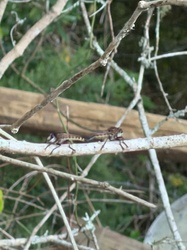
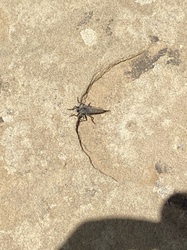
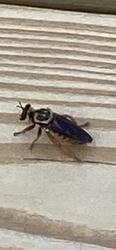
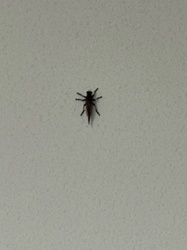
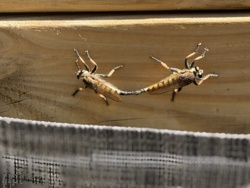
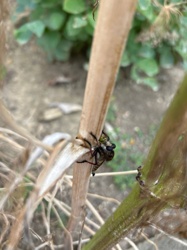
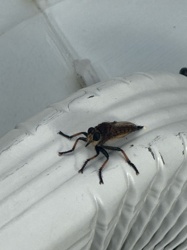
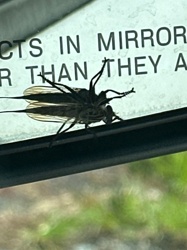
Robber Fly identified by the community
Real finds identified with Bug Identifier.

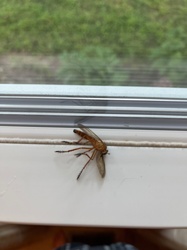
Other bugs you may enjoy
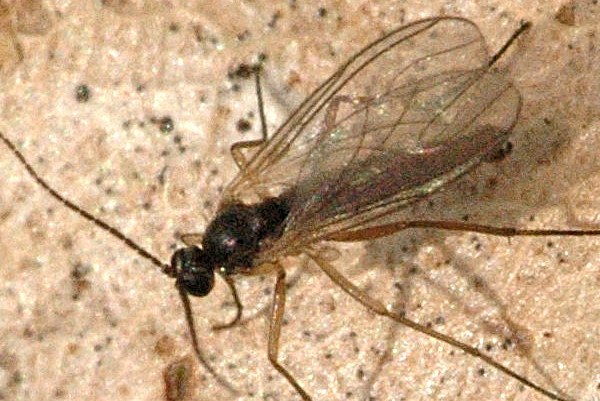
Aphid Midge
Gardens, greenhouses, and crops with aphids
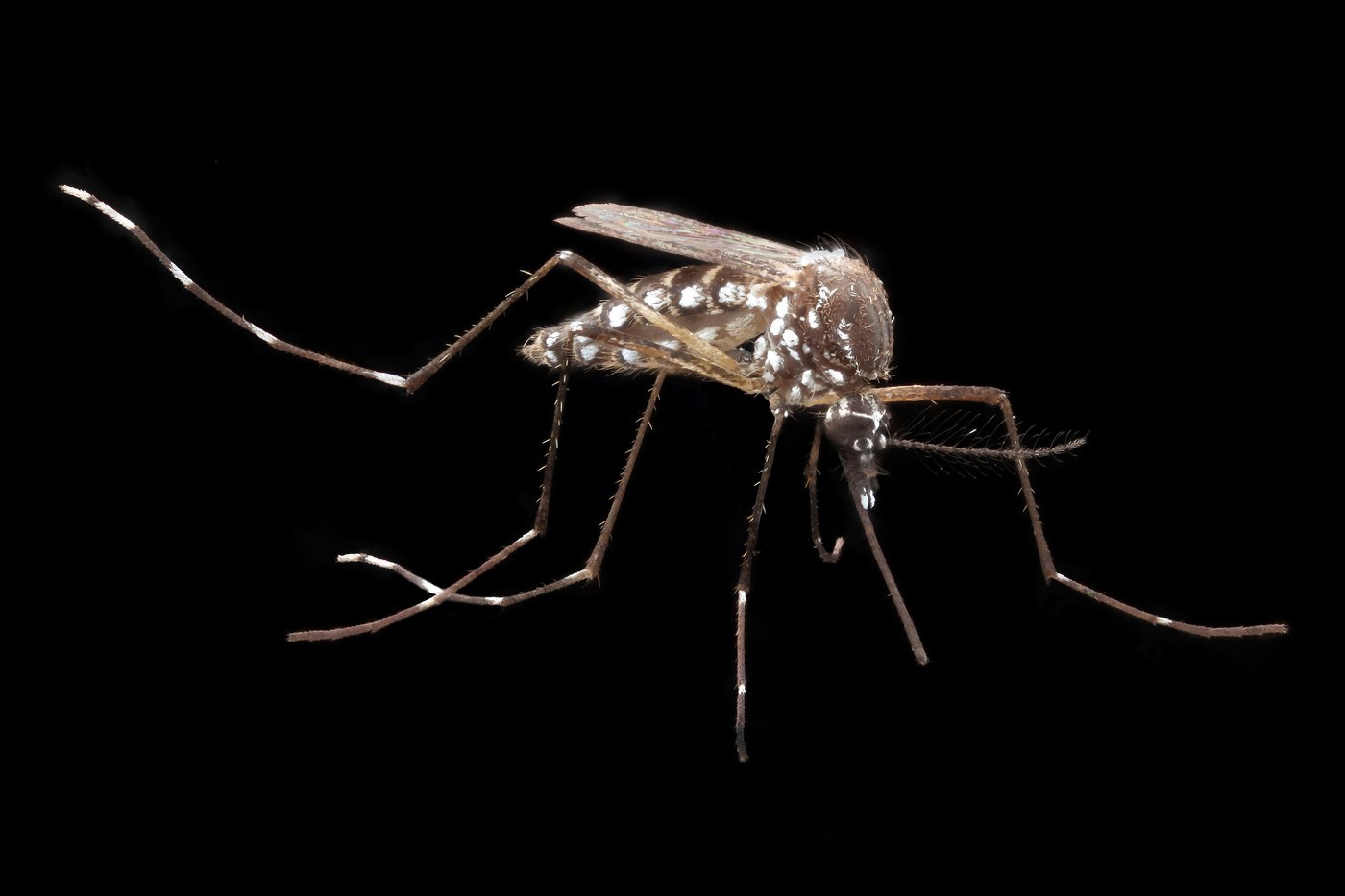
Yellow Fever Mosquito
Urban and peri-urban areas near small artificial water containers in tropical and subtropical regions worldwide
Root Maggot
Garden and field soil around the roots of cole crops and other vegetables
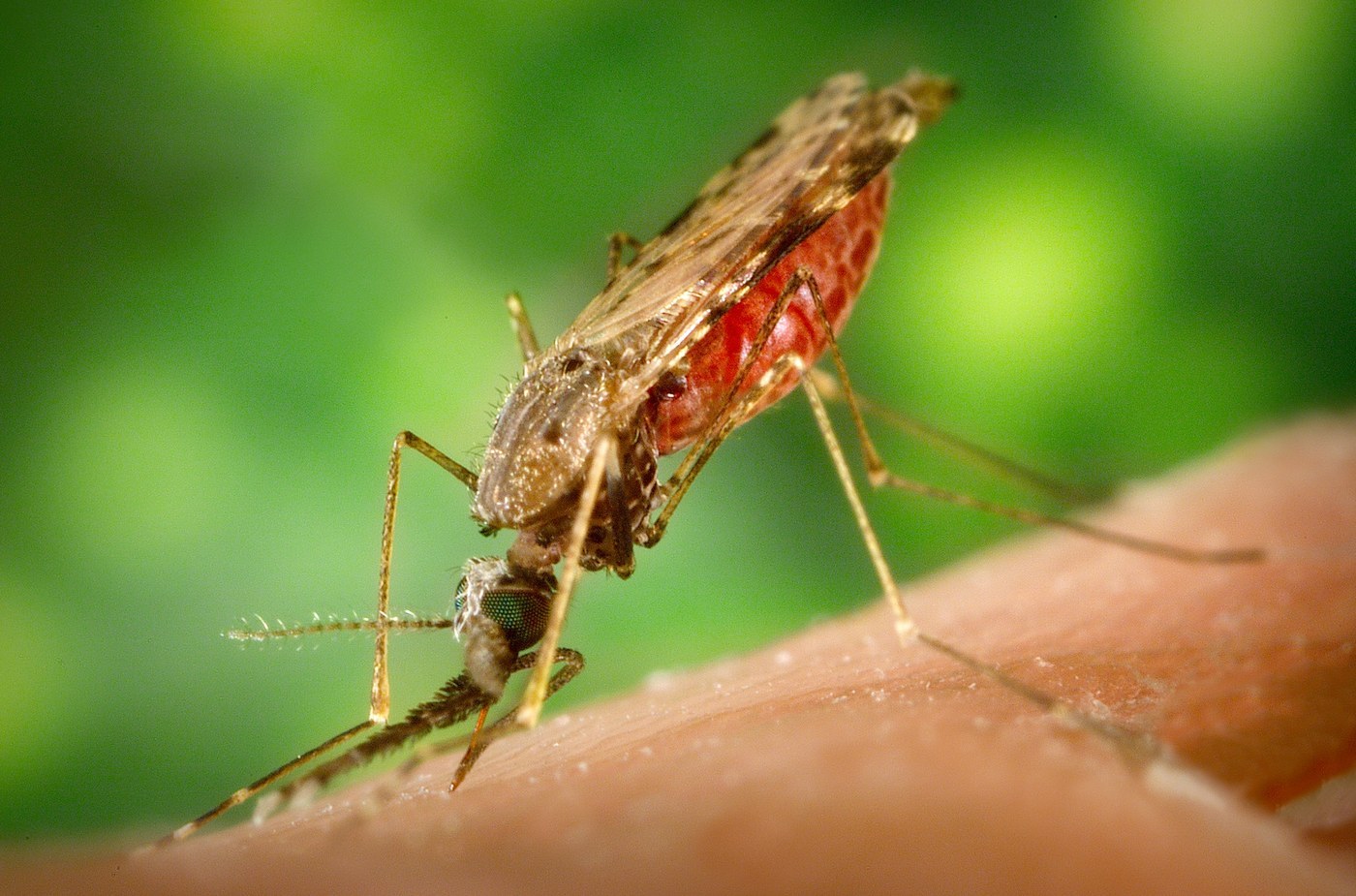
Anopheles Mosquito
Clean, still or slow-moving freshwater habitats such as marshes, ponds, and rice paddies
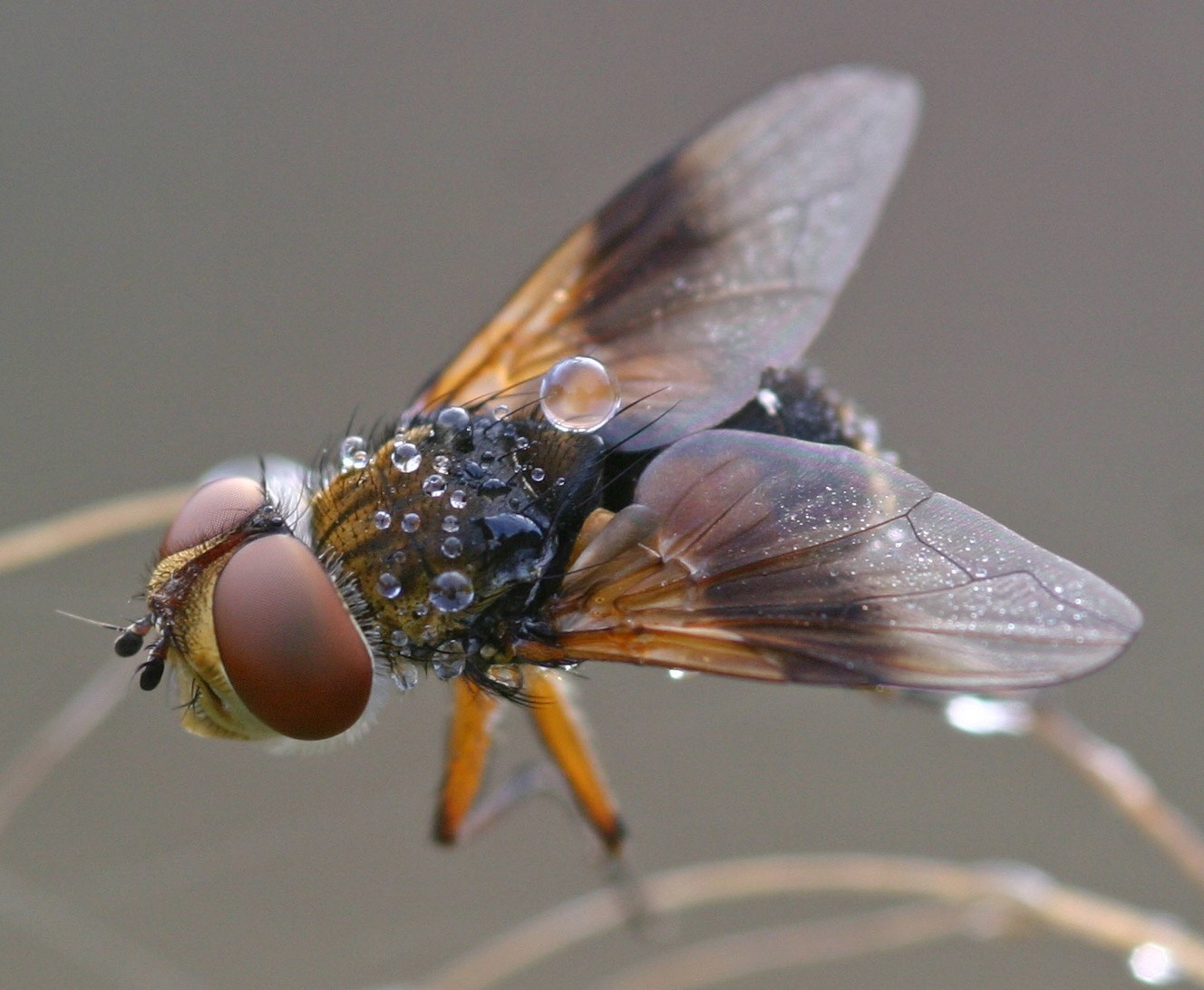
Tachinid Fly
Gardens, meadows, and woodlands wherever host caterpillars and other insects occur
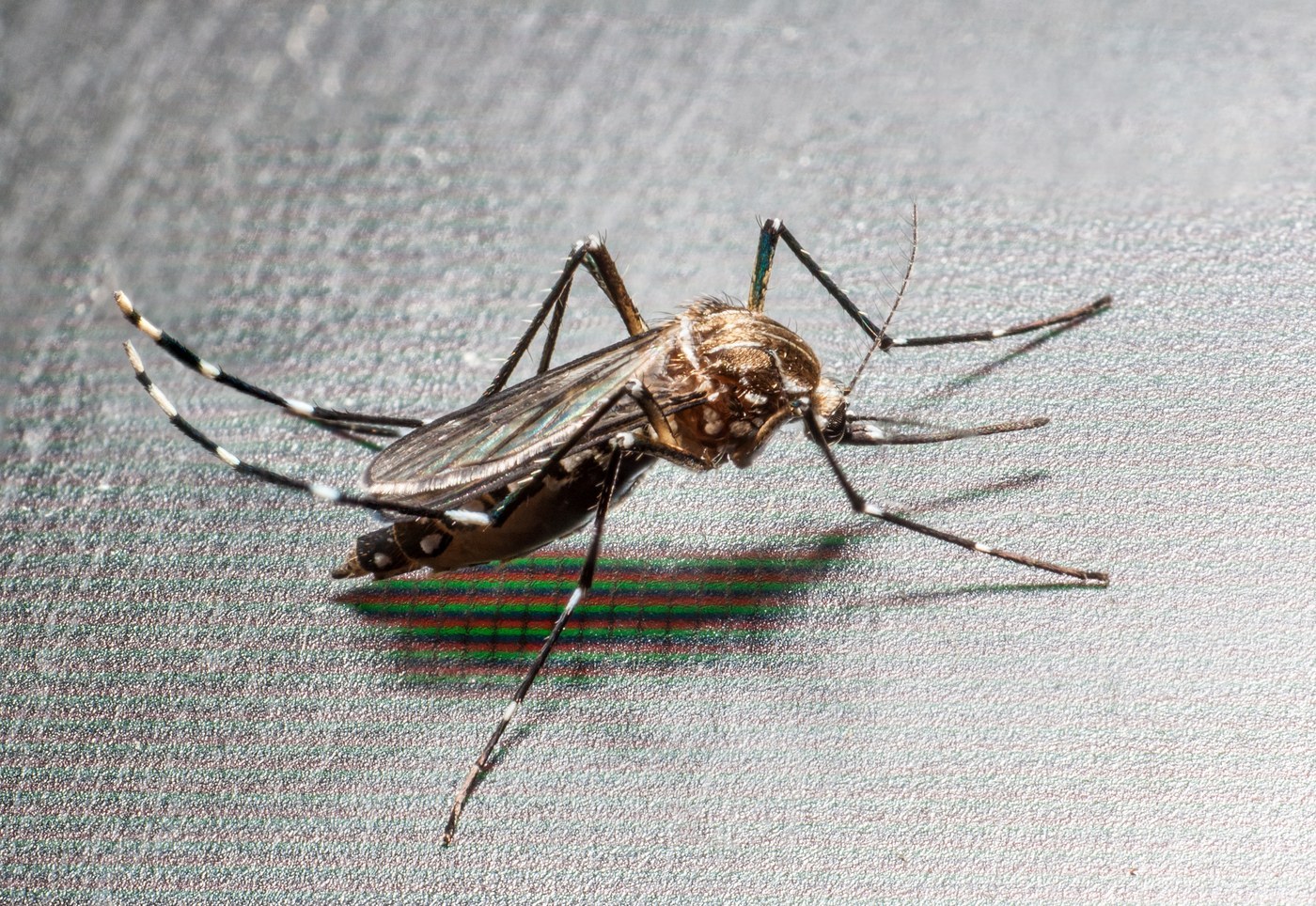
Asian Tiger Mosquito
Shaded urban and suburban areas near small water-holding containers, tires, and tree holes; native to Southeast Asia, now widespread
Tsetse Fly
Wooded savanna, riverine thickets, and forest edges across sub-Saharan Africa
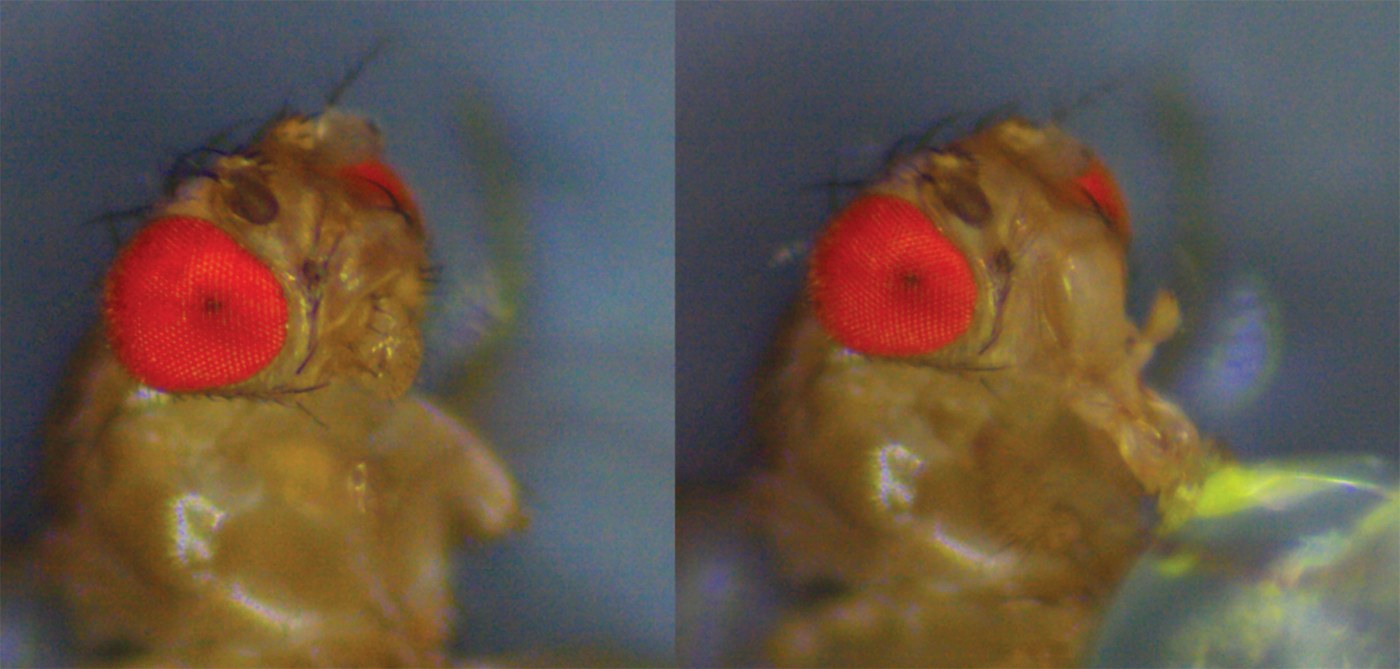
Vinegar Fly
Around overripe fruit, compost, and fermenting materials worldwide
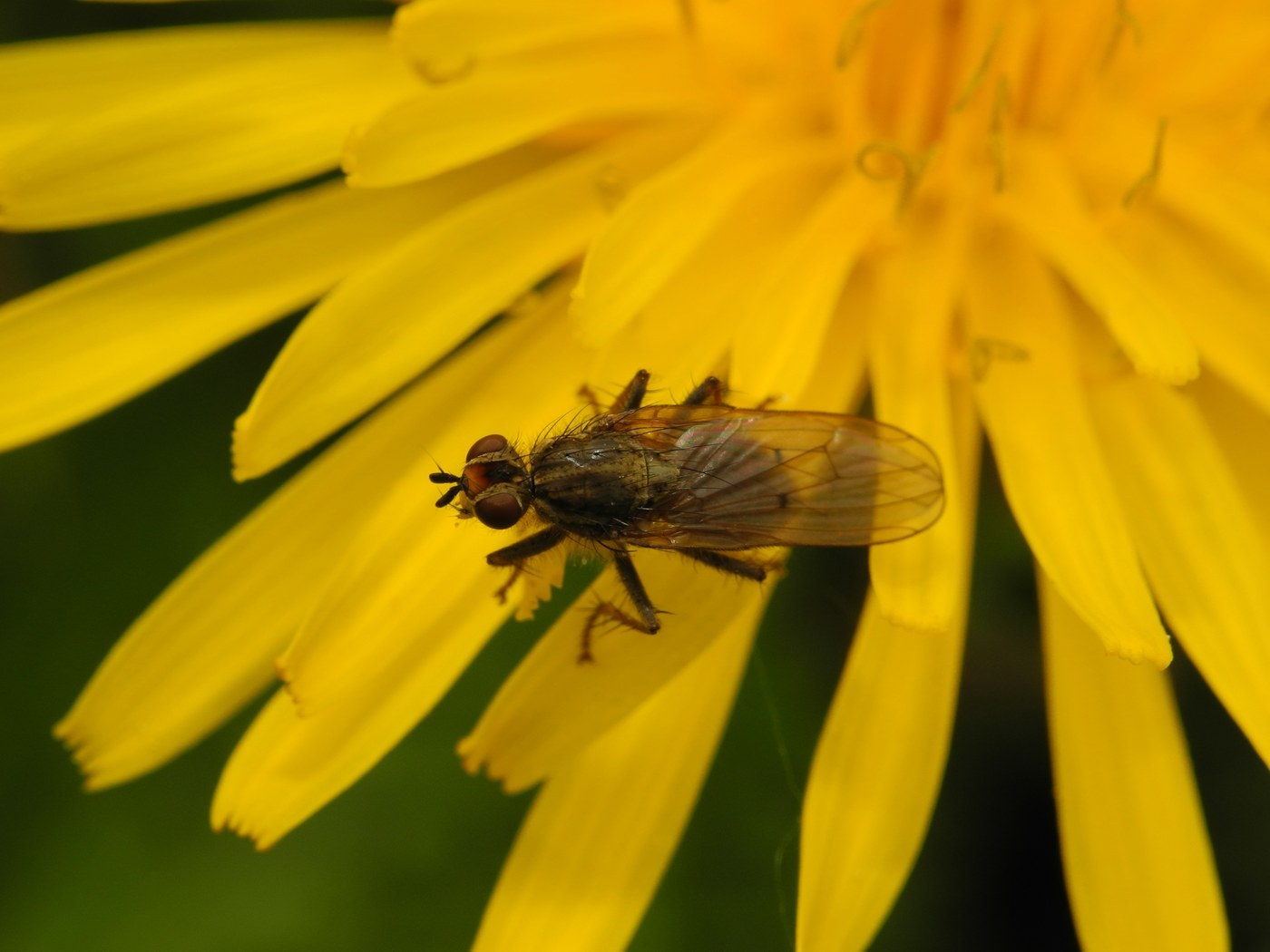
Yellow Dung Fly
Pastures and fields with fresh cattle dung
Screwworm Fly
Warm, humid lowlands of the Americas, especially near livestock and wildlife wounds
Soldier Fly
Wetland margins, decaying organic matter, and vegetation near water
Punkie
near marshes, mudflats, ponds, and other standing water