
Snipe Fly
Rhagio spp.
A slender, long-legged fly often seen perched head-down on a sunny tree trunk or fence post, patiently watching for smaller insects to ambush. Its tapered, wasp-like abdomen and habit of resting motionless with legs splayed give it a distinctive, almost sentry-like posture in woodland clearings.
- Size
- 8–15 mm, slender and tapered
- Habitat
- Tree trunks, woodland edges, and damp soil in forested and grassy areas
- Danger
- Harmless
Spotted a bug like this?
Identify any bug or insect from a photo, free.
Overview
Snipe flies belong to the family Rhagionidae, a group of moderately sized, slender flies most familiar through the widespread genus Rhagio, sometimes called down-looker flies for their habit of perching head-downward on tree trunks and fence posts while scanning for prey. Adults have a distinctly tapered, elongated abdomen and long legs, giving them a somewhat wasp-like or crane fly-like silhouette at a glance, though they are unrelated to either group.
Most adult snipe flies are predators of smaller insects, which they ambush from a stationary perch, though a few species also feed on nectar or plant fluids. The larvae are found in damp soil, leaf litter, or decaying wood, where they act as predators of other small soil-dwelling invertebrates, making the family predatory at both life stages in many species.
Snipe flies are widespread across temperate regions of the Northern Hemisphere and are commonly encountered by hikers and gardeners resting on sunlit tree trunks, fence posts, or foliage near woodland edges during the warmer months.
How to Identify
- Slender fly, roughly 8–15 mm long, with a narrow, tapered abdomen that comes to a point at the tip
- Legs are long and slender, often held out to the sides while perched
- Coloring ranges from mottled gray-brown to yellowish, sometimes with darker markings on the wings or abdomen
- Typically rests head-downward on tree trunks, posts, or foliage, a distinctive posture that aids identification in the field
- Distinguished from crane flies by a stouter thorax and shorter legs, and from robber flies by a less bristly face and less aggressive flight
Habitat & Range
Snipe flies are found across temperate woodlands, forest edges, hedgerows, and damp grassy areas throughout much of the Northern Hemisphere. Adults are most often seen resting on sunlit tree trunks, fence posts, or low vegetation near shaded, moist ground where the larvae develop, and activity peaks during the warmer months of late spring through summer.
Behavior & Diet
Adult snipe flies of the genus Rhagio are ambush predators, perching motionless on a trunk or post and darting out to capture small flying insects that pass nearby before returning to the same or a similar perch. Some species also visit flowers to feed on nectar or pollen as a supplementary food source. Larvae live in moist soil, leaf litter, or rotting wood, where they hunt small invertebrates, contributing to natural predator-prey dynamics within the leaf litter community, an ecological role shared with several other predatory fly larvae.
Life Cycle
Eggs are laid in damp soil or leaf litter near woodland edges, and the resulting larvae live and hunt within this moist substrate, feeding on other small invertebrates as they grow through several molts. Development can take one or more years depending on species and local conditions, with larvae typically overwintering in the soil. Pupation occurs in the same sheltered substrate, and adults emerge in spring or summer to mate and resume the perch-and-ambush hunting behavior typical of the family, generally producing one generation per year.
Frequently asked questions
Why do snipe flies perch head-down on tree trunks?
This posture gives them a good vantage point to spot passing small insects, which they ambush as part of their predatory feeding strategy.
Do snipe flies bite people?
Most Rhagio snipe flies are not associated with biting people; their predatory mouthparts are adapted for catching small insects rather than feeding on vertebrate blood.
What do snipe fly larvae eat?
Larvae live in moist soil or leaf litter, where they prey on other small invertebrates found in that habitat.
How can snipe flies be told apart from crane flies?
Snipe flies have a stouter thorax, a tapered pointed abdomen, and shorter legs compared to the very long, thread-like legs and fragile build of true crane flies.
Snipe Fly guides
In-depth guides for identifying, understanding, and living alongside Snipe Fly.
Other bugs you may enjoy
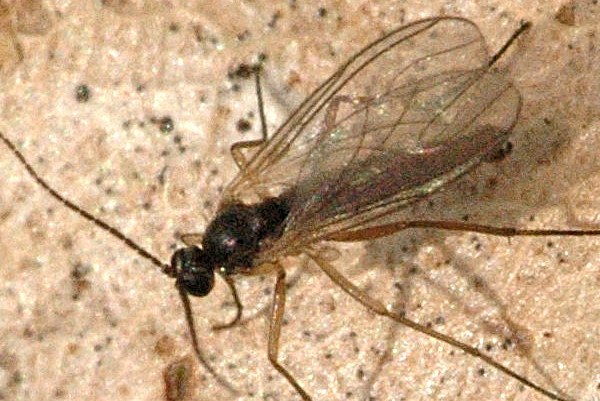
Aphid Midge
Gardens, greenhouses, and crops with aphids
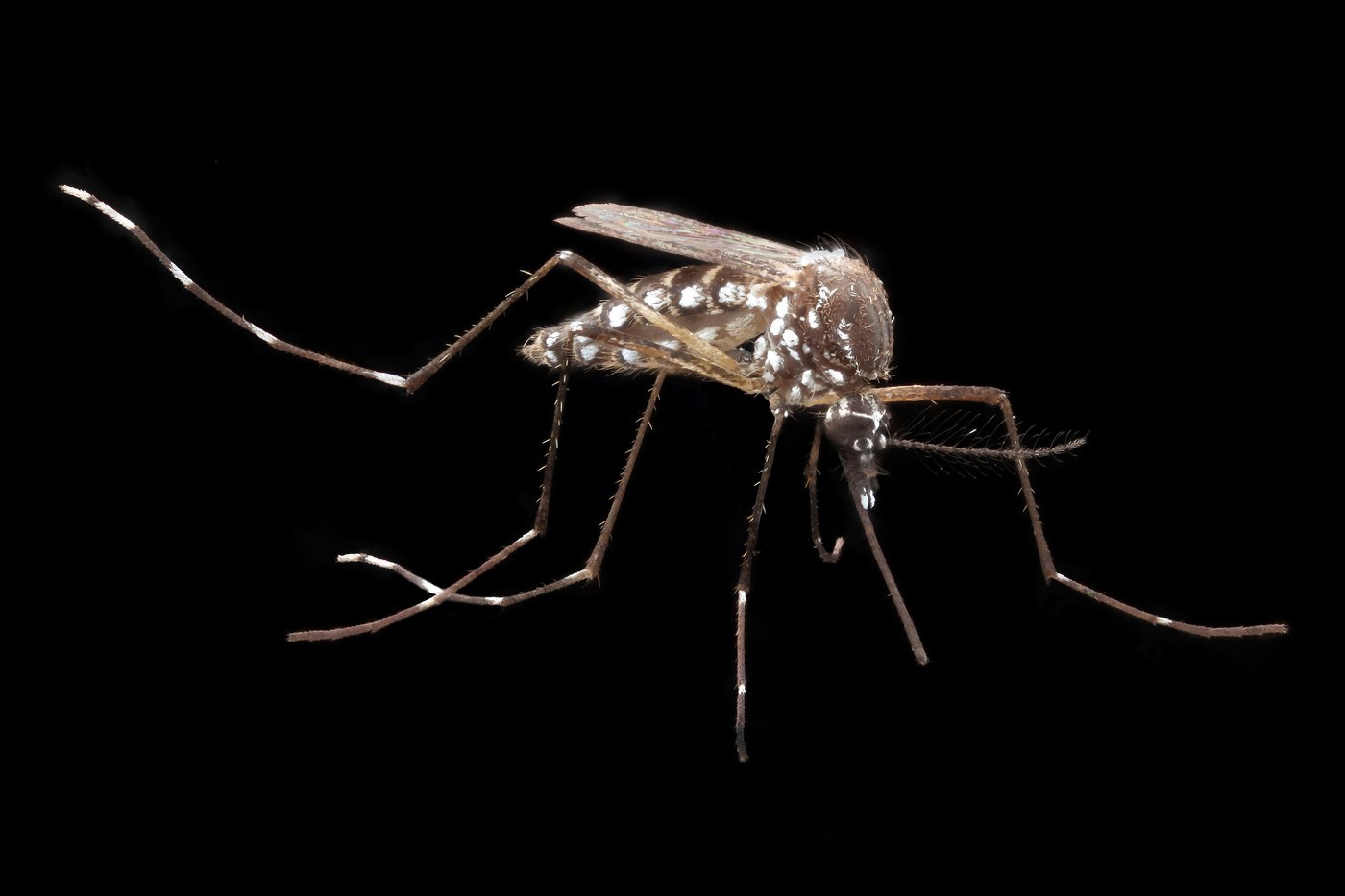
Yellow Fever Mosquito
Urban and peri-urban areas near small artificial water containers in tropical and subtropical regions worldwide
Root Maggot
Garden and field soil around the roots of cole crops and other vegetables
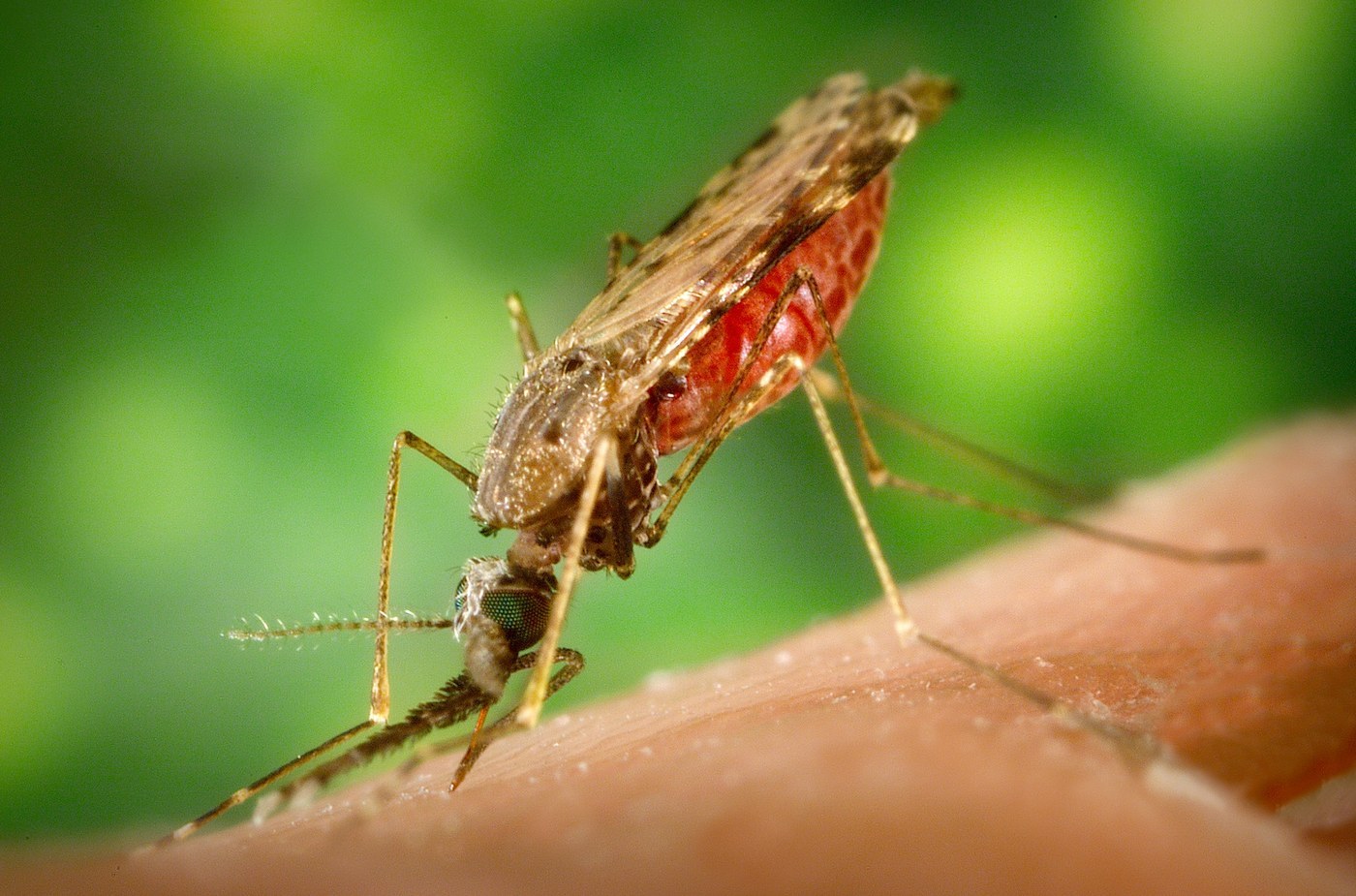
Anopheles Mosquito
Clean, still or slow-moving freshwater habitats such as marshes, ponds, and rice paddies
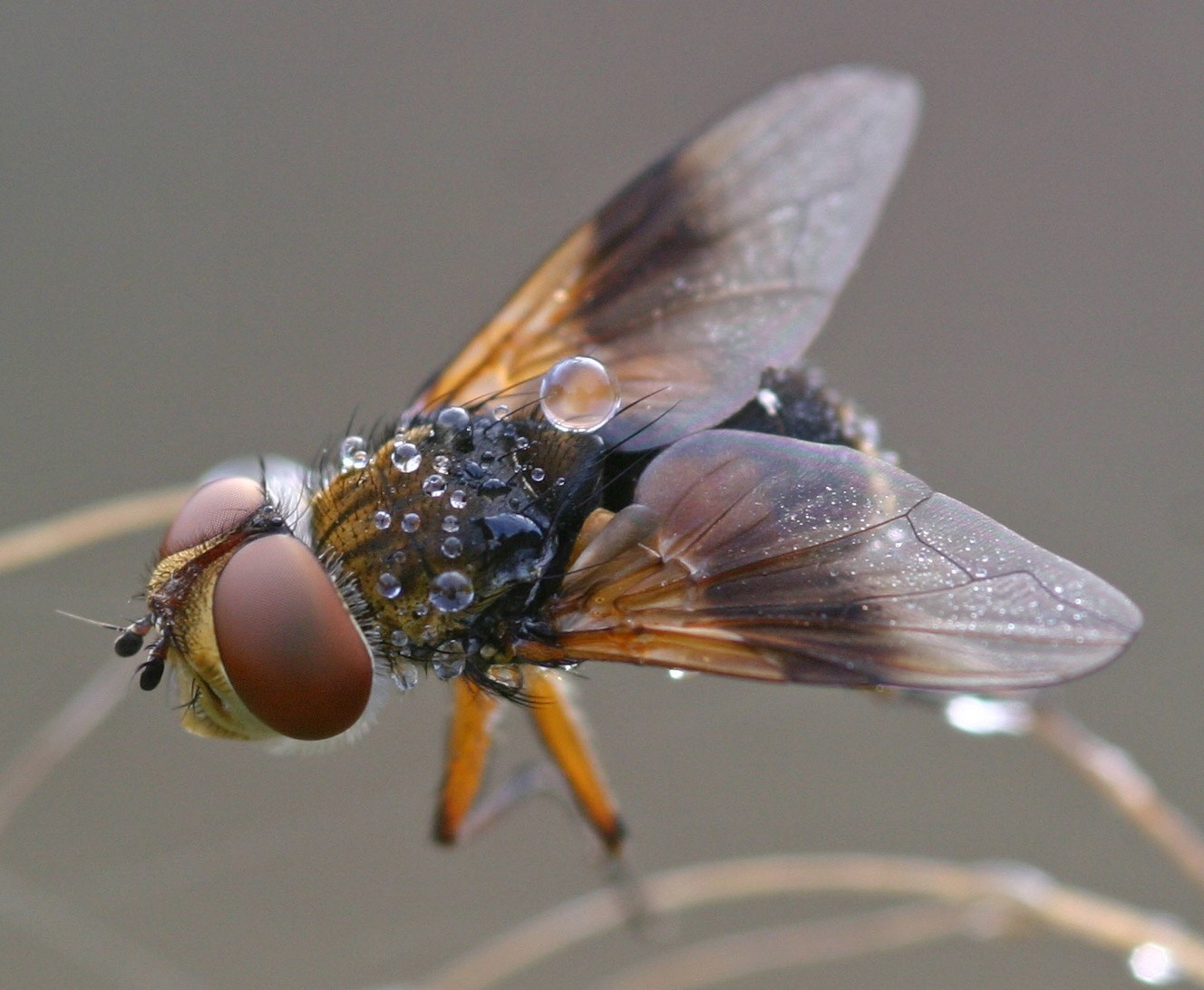
Tachinid Fly
Gardens, meadows, and woodlands wherever host caterpillars and other insects occur
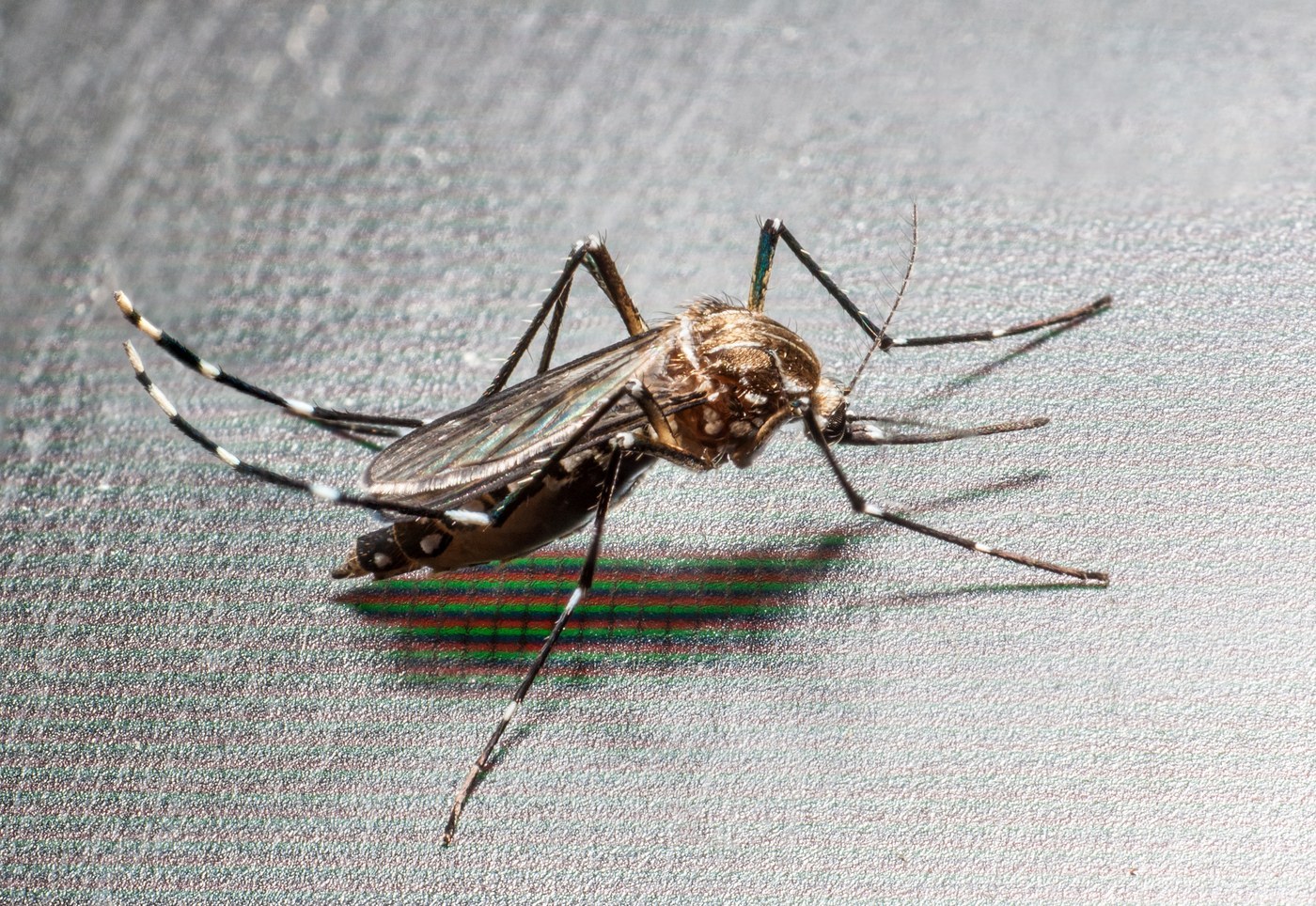
Asian Tiger Mosquito
Shaded urban and suburban areas near small water-holding containers, tires, and tree holes; native to Southeast Asia, now widespread
Tsetse Fly
Wooded savanna, riverine thickets, and forest edges across sub-Saharan Africa
Vinegar Fly
Around overripe fruit, compost, and fermenting materials worldwide
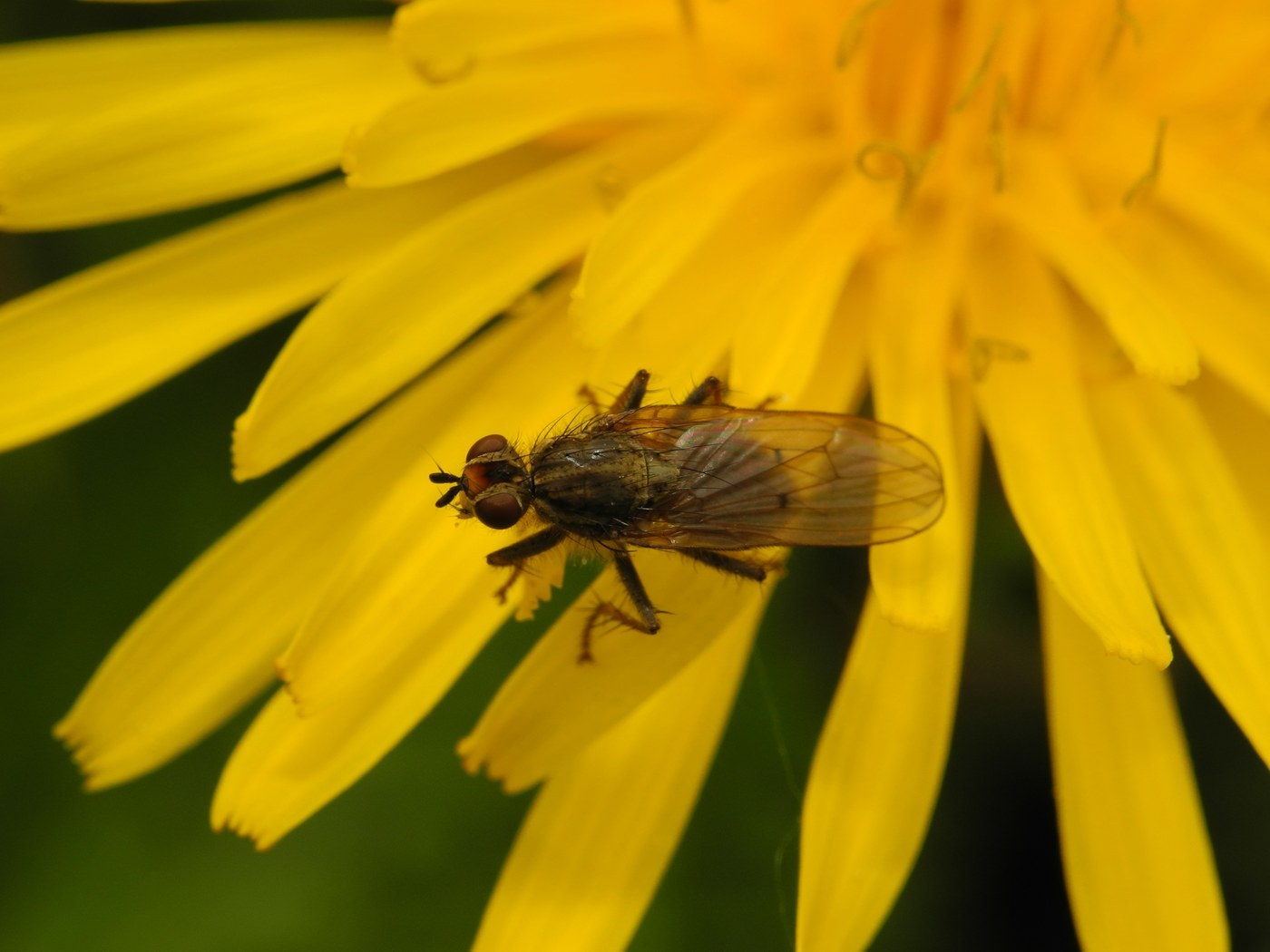
Yellow Dung Fly
Pastures and fields with fresh cattle dung
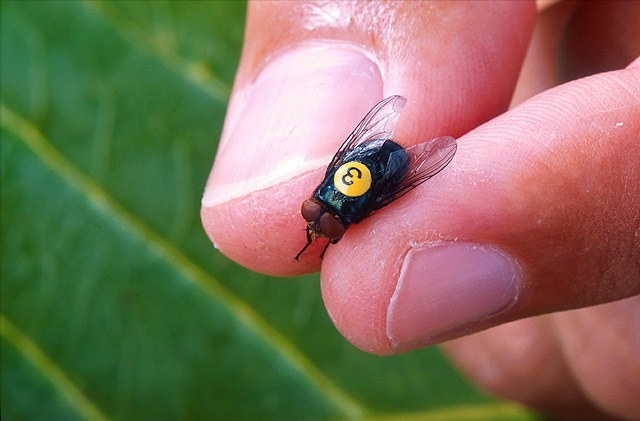
Screwworm Fly
Warm, humid lowlands of the Americas, especially near livestock and wildlife wounds
Soldier Fly
Wetland margins, decaying organic matter, and vegetation near water
Punkie
near marshes, mudflats, ponds, and other standing water