
Soft Tick
Ornithodoros spp.
A wrinkled, leathery, bean-shaped tick that hides by day in nests and cracks, emerging briefly at night to feed and then vanish again.
- Size
- 3-10 mm depending on species and life stage
- Habitat
- Rodent burrows, bird nests, caves, and rustic wooden structures
- Danger
- Bites
Spotted a bug like this?
Identify any bug or insect from a photo, free.
Overview
Soft ticks belong to the family Argasidae and differ markedly from the familiar hard ticks in both appearance and lifestyle. Rather than having a rigid dorsal shield, soft ticks have a flexible, leathery, wrinkled body without a visible scutum, giving them a rounded, bean-like or pear-shaped silhouette that can appear almost mite-like at a glance.
Unlike hard ticks, which attach for days at a time, soft ticks are typically nidicolous, meaning they live within the nest or burrow of their host rather than out on open vegetation. They emerge briefly at night to take a rapid blood meal, often lasting only minutes, before retreating back into cracks, crevices, or nesting material to digest and hide.
Members of the genus Ornithodoros are found across warmer regions of North America, often in association with rodent burrows, bat roosts, bird nests, or rustic cabins and outbuildings where animals have nested in wall or floor cavities.
How to Identify
- Leathery, wrinkled or granulated body surface lacking the hard, glossy shield (scutum) seen in hard ticks.
- Rounded, oval, or bean-shaped outline, often described as resembling a raisin or small bean.
- Mouthparts positioned underneath the body and not visible from directly above, unlike hard ticks whose mouthparts project forward.
- Coloration ranges from tan to dark brown, sometimes with a mottled or bumpy texture.
- Size varies by species and feeding state, generally 3-10 mm, with the body flattening or ballooning depending on how recently it has fed.
Habitat & Range
Soft ticks are most often encountered in warm, arid, or semi-arid regions of the southwestern and western United States, though various species occur more broadly. They inhabit the nests, burrows, and roosting sites of their hosts, including rodent burrows, bat caves, bird nests, and old wooden structures such as cabins, sheds, or barns where animals have taken up residence in wall voids or floor spaces. Activity is largely nocturnal and tied to the presence of a resting host nearby.
Behavior & Diet
Soft ticks feed exclusively on vertebrate blood, with different species specializing on hosts such as rodents, bats, or ground-nesting birds. Their feeding behavior is distinct from hard ticks in that they emerge briefly from hiding to take a fast meal, often completed within twenty to sixty minutes, then retreat to a nearby crevice. Because they can survive long periods, sometimes years, between meals, they are well adapted to the boom-and-bust availability of hosts in burrows and roosts, and they play an ecological role in regulating the populations of the small mammals and birds whose nests they inhabit.
Life Cycle
Female soft ticks lay eggs in small batches within their sheltered habitat, often repeating this after each of several blood meals over their lifetime, unlike hard ticks which lay one large mass and die. Eggs hatch into six-legged larvae that seek a host nearby, feed, and molt into nymphs. Soft ticks typically pass through several nymphal instars, each requiring its own blood meal before molting to the next stage, eventually reaching the eight-legged adult form. Adults can live for several years, taking repeated meals and laying eggs multiple times, making their life cycle longer and more flexible than that of most hard ticks.
Frequently asked questions
How do soft ticks differ from hard ticks?
Soft ticks have a flexible, leathery, wrinkled body without the rigid shield of hard ticks, and they typically live hidden in nests or burrows, emerging briefly at night to feed rather than attaching for days.
Where do soft ticks live?
They inhabit rodent burrows, bat roosts, bird nests, and rustic wooden structures such as cabins or sheds where a host animal has nested nearby.
How long does a soft tick feed?
Unlike hard ticks, soft ticks usually complete a blood meal quickly, often within twenty to sixty minutes, before retreating to a hiding spot.
Can soft ticks survive a long time without feeding?
Yes, many soft tick species can survive for months or even years between blood meals while sheltered in a burrow or nest.
Soft Tick guides
In-depth guides for identifying, understanding, and living alongside Soft Tick.
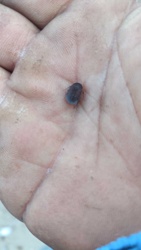
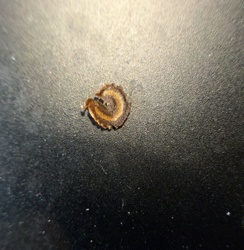
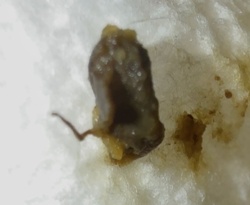
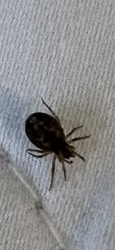
Soft Tick identified by the community
Real finds identified with Bug Identifier.
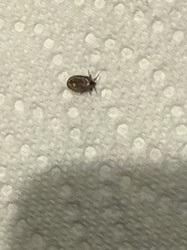
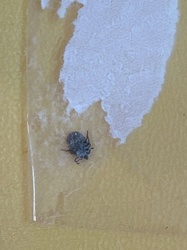
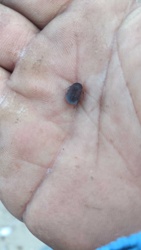

Other bugs you may enjoy
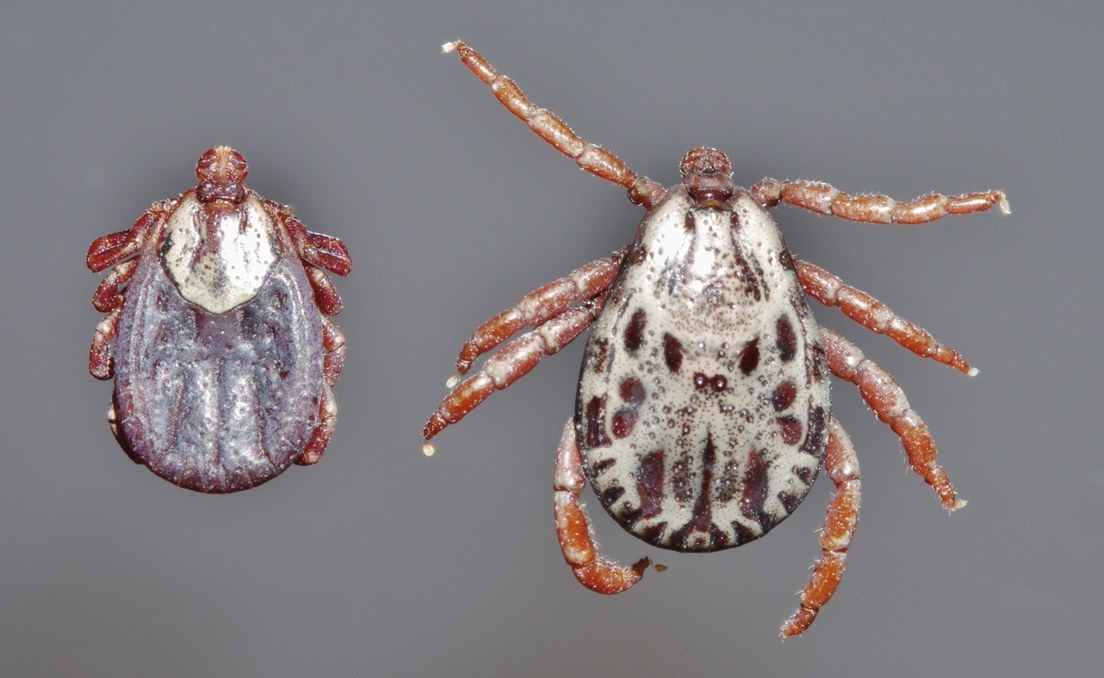
Wood Tick
Grassland, shrub-steppe, and open woodland of western North America
Yellow Scorpion
Arid scrubland, rocky slopes, and desert margins
Whip Spider
Tropical caves, rainforest leaf litter, and under bark
Water Mite
Ponds, lakes, streams, and other freshwater bodies
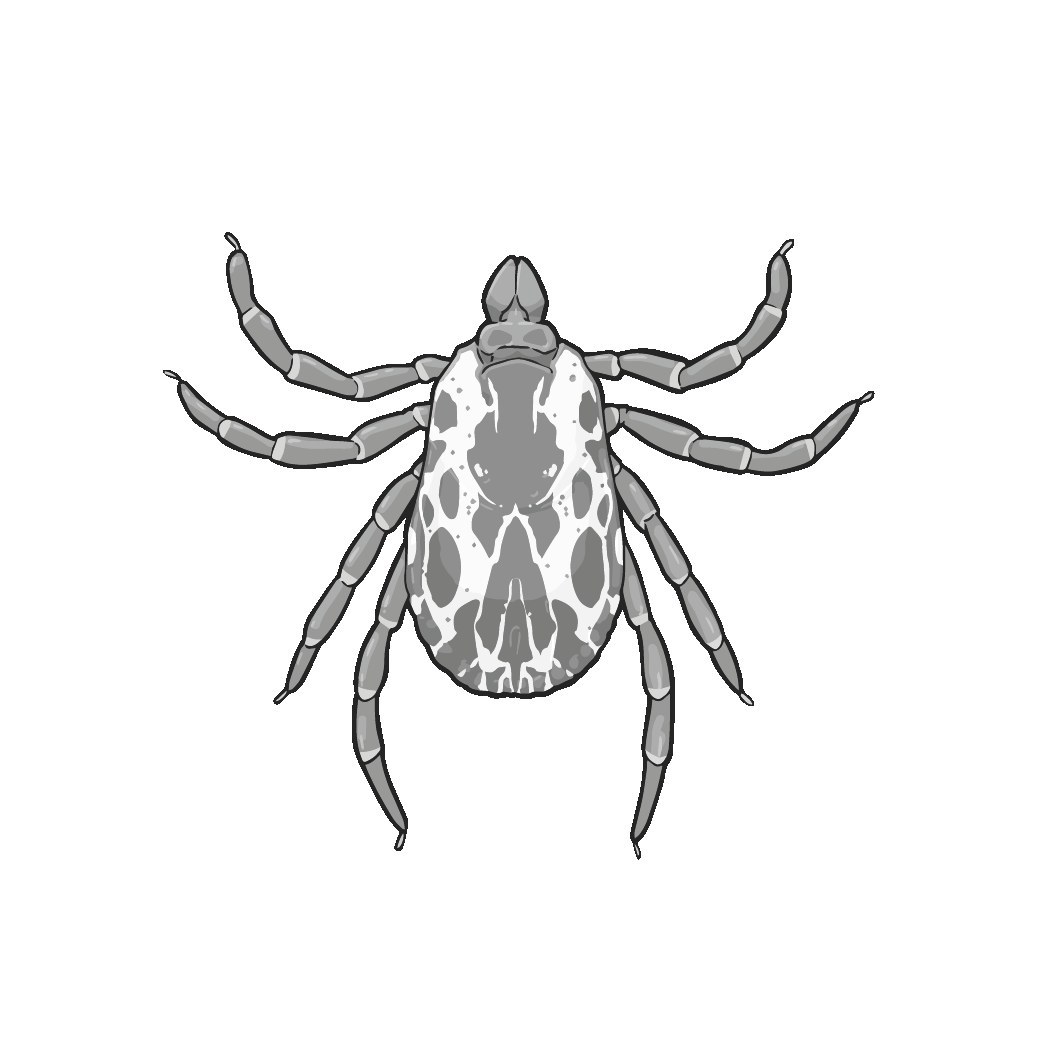
American Dog Tick
Grassy fields, trails, and low vegetation near woodlands
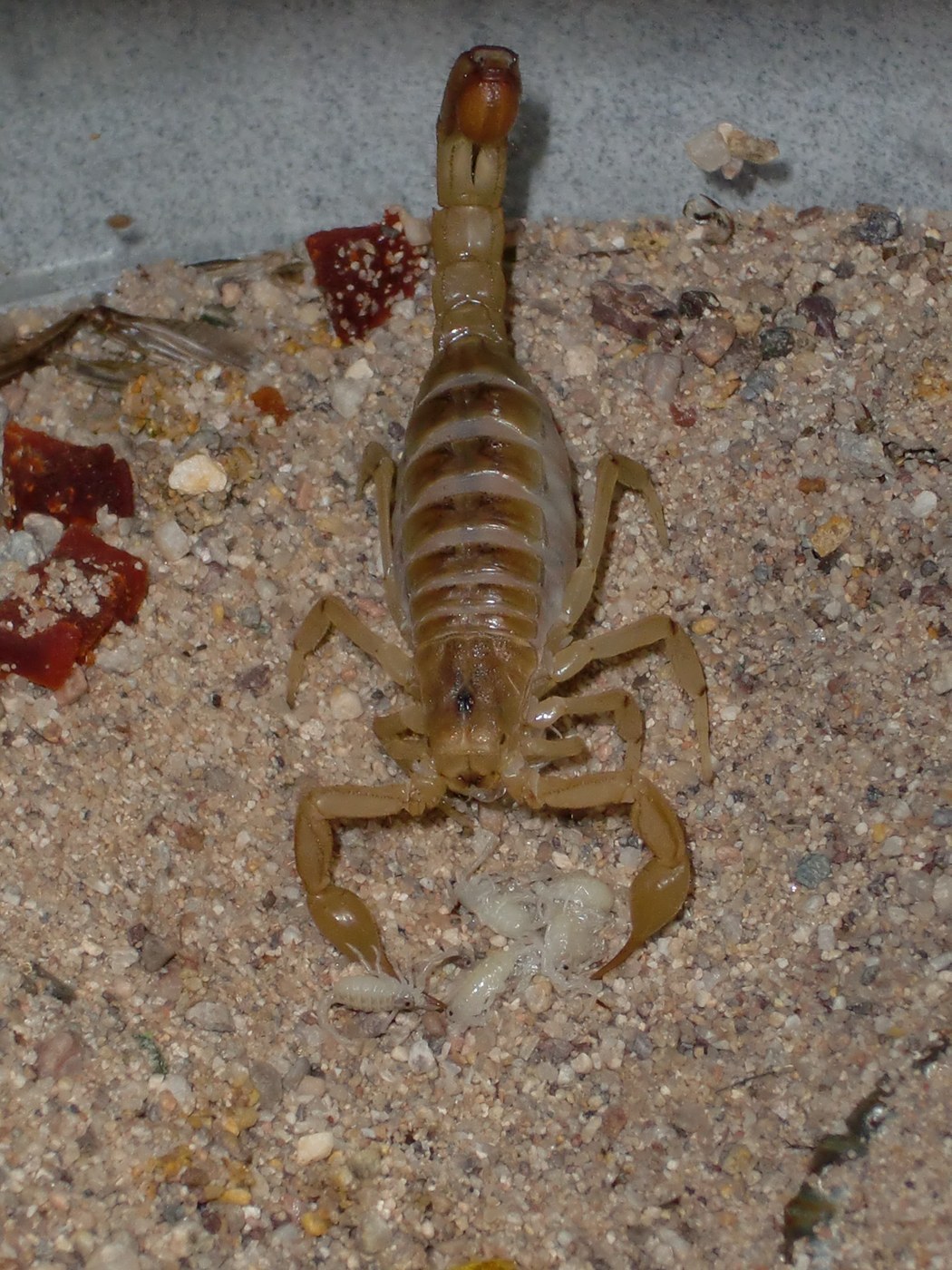
Arizona Bark Scorpion
Rocky desert terrain, tree bark, and structures in the Southwest
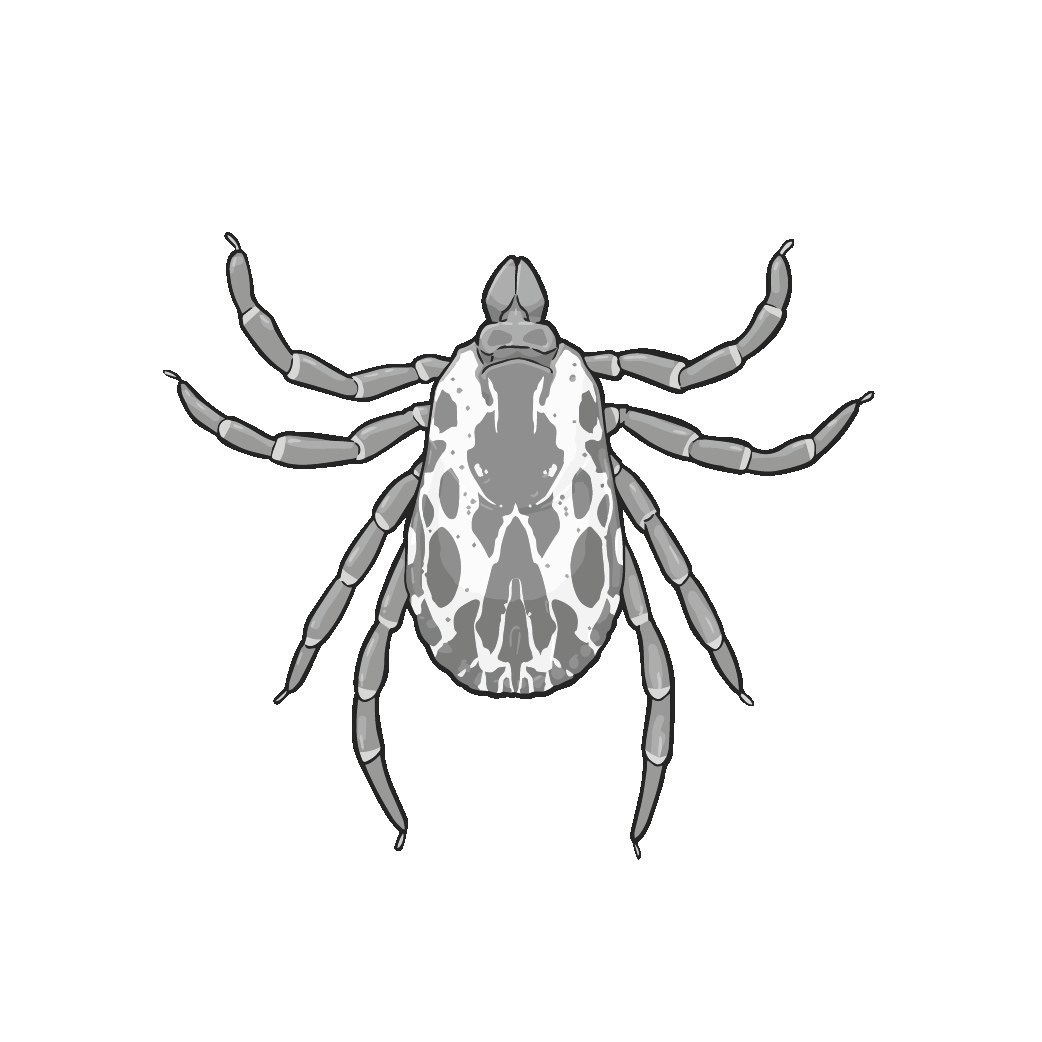
Tick
Tall grass, brush, woodland edges, and animal trails
Soil Mite
Soil, leaf litter, moss, and decaying organic matter worldwide
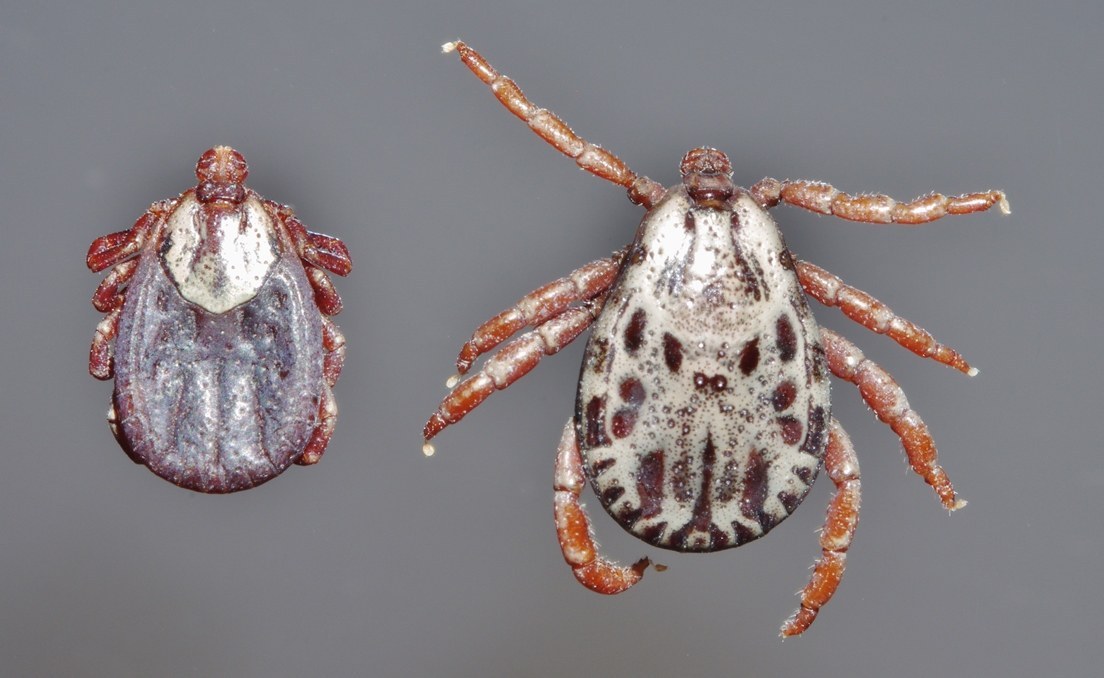
Rocky Mountain Wood Tick
Sagebrush shrublands, grasslands, and montane forest edges
Two-Spotted Spider Mite
Undersides of leaves on garden plants, crops, and houseplants
Spider Mite
Undersides of leaves on garden plants, houseplants, and field and orchard crops worldwide
Whip Scorpion
Tropical and subtropical caves, tree bark, and rock crevices worldwide