
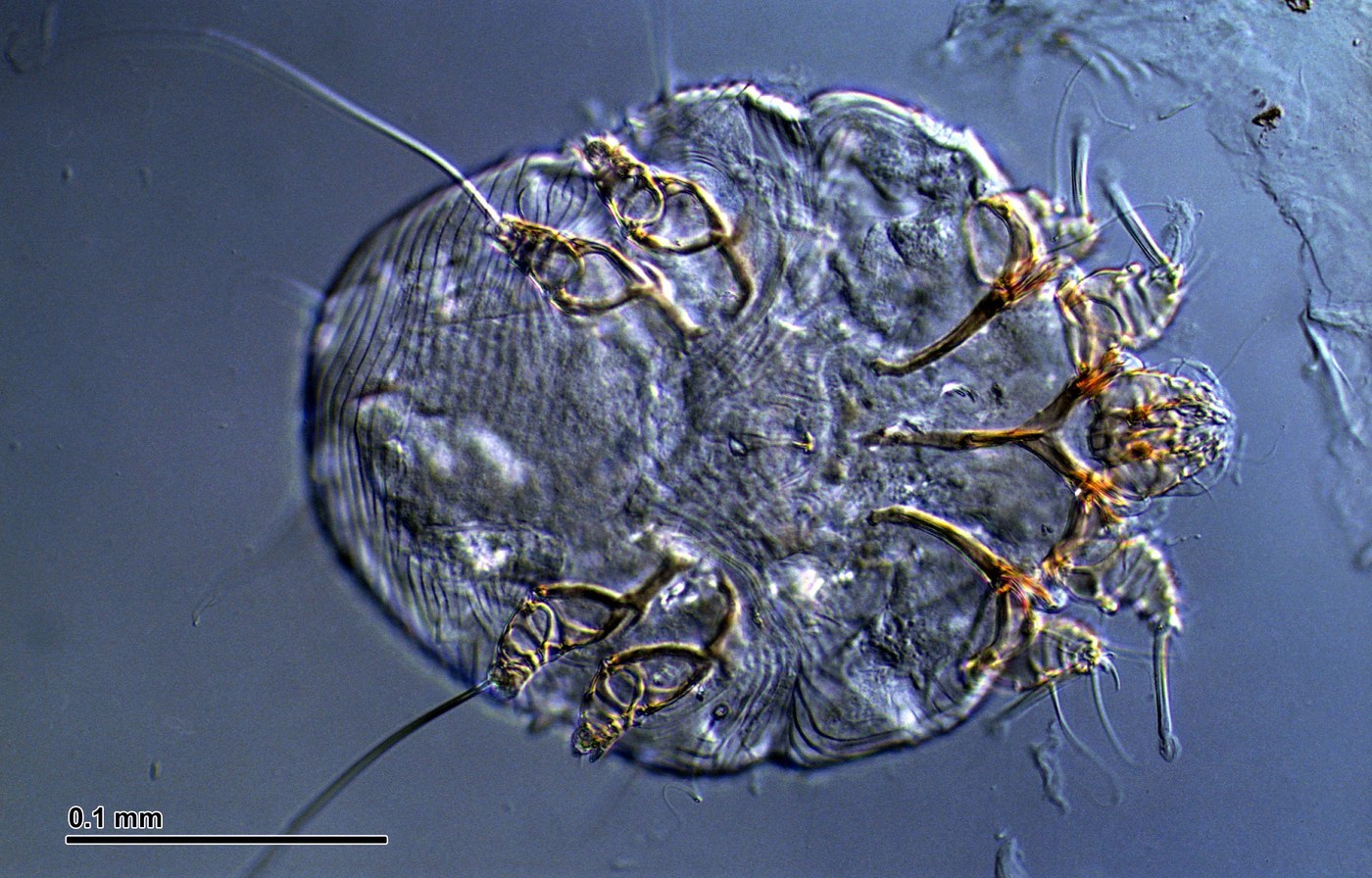
Itch Mite
Sarcoptes scabiei
A microscopic, rounded mite that spends its entire life cycle within the skin of a mammalian host, invisible without a microscope.
- Size
- 0.2-0.4 mm, microscopic
- Habitat
- Skin of mammalian hosts; not free-living in the environment
- Danger
- Bites
Spotted a bug like this?
Identify any bug or insect from a photo, free.
Overview
The itch mite is a microscopic parasitic arachnid found across a wide range of mammalian hosts worldwide, with host-specific variants adapted to different animal species. Unlike free-living mites found in soil, dust, or vegetation, this species spends its entire life cycle associated with the skin surface of its host and does not survive for long away from a host environment.
Adults have a rounded, saclike body with short, stubby legs, and are covered in fine spines and ridges that aid movement across and just beneath the outer skin layer. Because of their extremely small size, itch mites cannot be seen with the naked eye and are typically only identified through microscopic examination of skin samples.
This genus is found globally on a broad variety of mammal hosts, with populations generally showing some degree of host specificity, meaning mites adapted to one type of animal do not typically establish long-term populations on a different host species.
How to Identify
- Microscopic, rounded to oval body measuring roughly 0.2-0.4 mm, invisible without magnification.
- Pale, translucent to whitish coloration with a finely textured, spiny cuticle visible under a microscope.
- Four pairs of short, stubby legs, with the front two pairs typically more developed than the rear pairs.
- Lacks eyes and any external wings or obvious body segmentation visible to casual observation.
- Identification in practice relies on microscopic sampling rather than visual inspection, as the mite itself cannot be seen directly.
Habitat & Range
Itch mites are found wherever their mammalian hosts occur, essentially worldwide, but they are restricted to the immediate skin environment of a host animal rather than existing freely in soil, dust, or vegetation. They do not persist long once separated from a host, as they depend on host body warmth and skin tissue for survival. There is no distinct seasonal or geographic pattern beyond the distribution of susceptible host species themselves.
Behavior & Diet
Itch mites live and move within the outer layers of host skin, where they feed on skin tissue and fluids, completing their entire life cycle in this microhabitat rather than moving freely through the environment. They show close host association, often being specific to a particular group of mammal hosts, and transmission between individual hosts generally requires close or prolonged contact. Ecologically, they function as skin-associated parasites, forming part of the broader community of mites and other small organisms that interact with mammalian hosts.
Life Cycle
Female itch mites lay small numbers of eggs within the skin tissue of the host, which hatch into six-legged larvae after several days. Larvae molt into an eight-legged protonymph and then a tritonymph stage, each requiring further development time within the host skin environment, before finally molting into adults. The complete life cycle from egg to adult typically takes a few weeks, and because mites remain closely associated with a living host throughout, multiple overlapping generations can be present simultaneously.
Frequently asked questions
Can itch mites be seen without a microscope?
No, they are microscopic, measuring only about 0.2-0.4 mm, and can only be identified through magnified examination.
Do itch mites live freely in the environment?
No, they are closely associated with the skin of a mammalian host and do not persist for long once separated from a host.
What do itch mites feed on?
They feed on skin tissue and fluids within the outer layers of their host's skin.
Are itch mites specific to certain host animals?
Generally yes, populations tend to show host specificity, meaning mites adapted to one type of animal typically do not establish on an unrelated host species.
Itch Mite guides
In-depth guides for identifying, understanding, and living alongside Itch Mite.
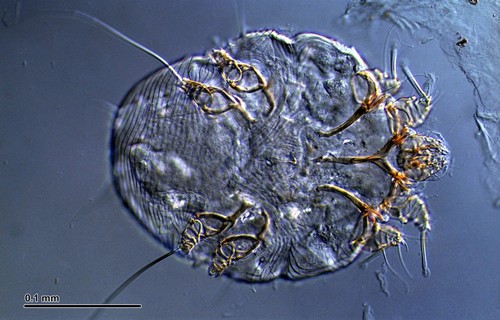
Itch Mite identified by the community
Real finds identified with Bug Identifier.
Other bugs you may enjoy
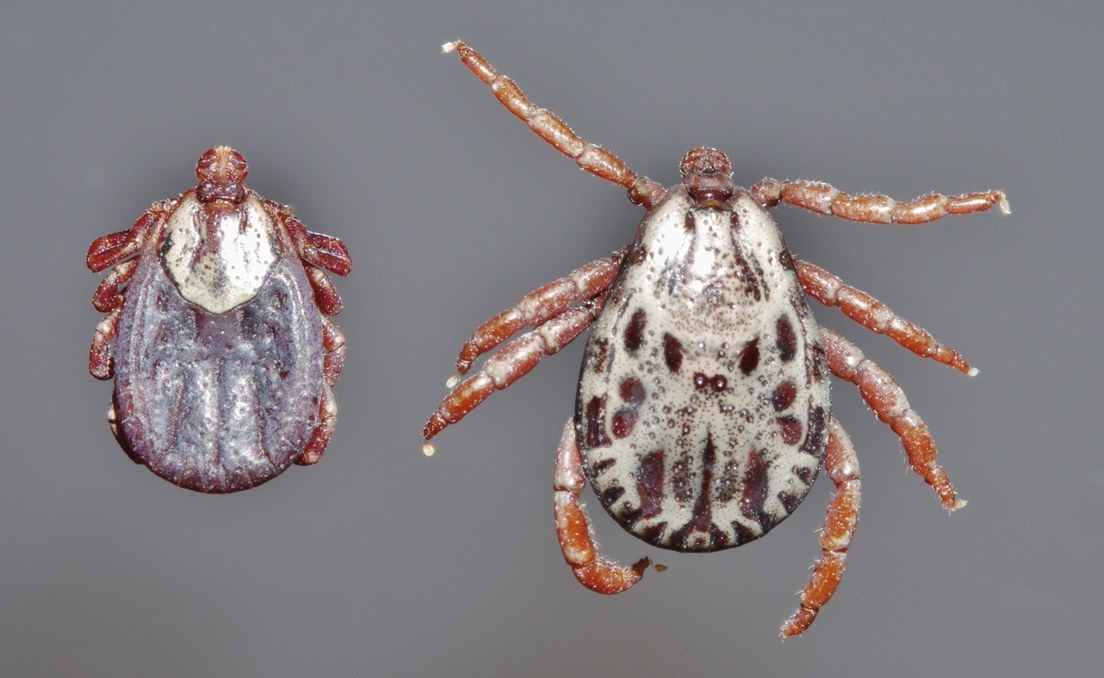
Wood Tick
Grassland, shrub-steppe, and open woodland of western North America
Yellow Scorpion
Arid scrubland, rocky slopes, and desert margins
Whip Spider
Tropical caves, rainforest leaf litter, and under bark
Water Mite
Ponds, lakes, streams, and other freshwater bodies
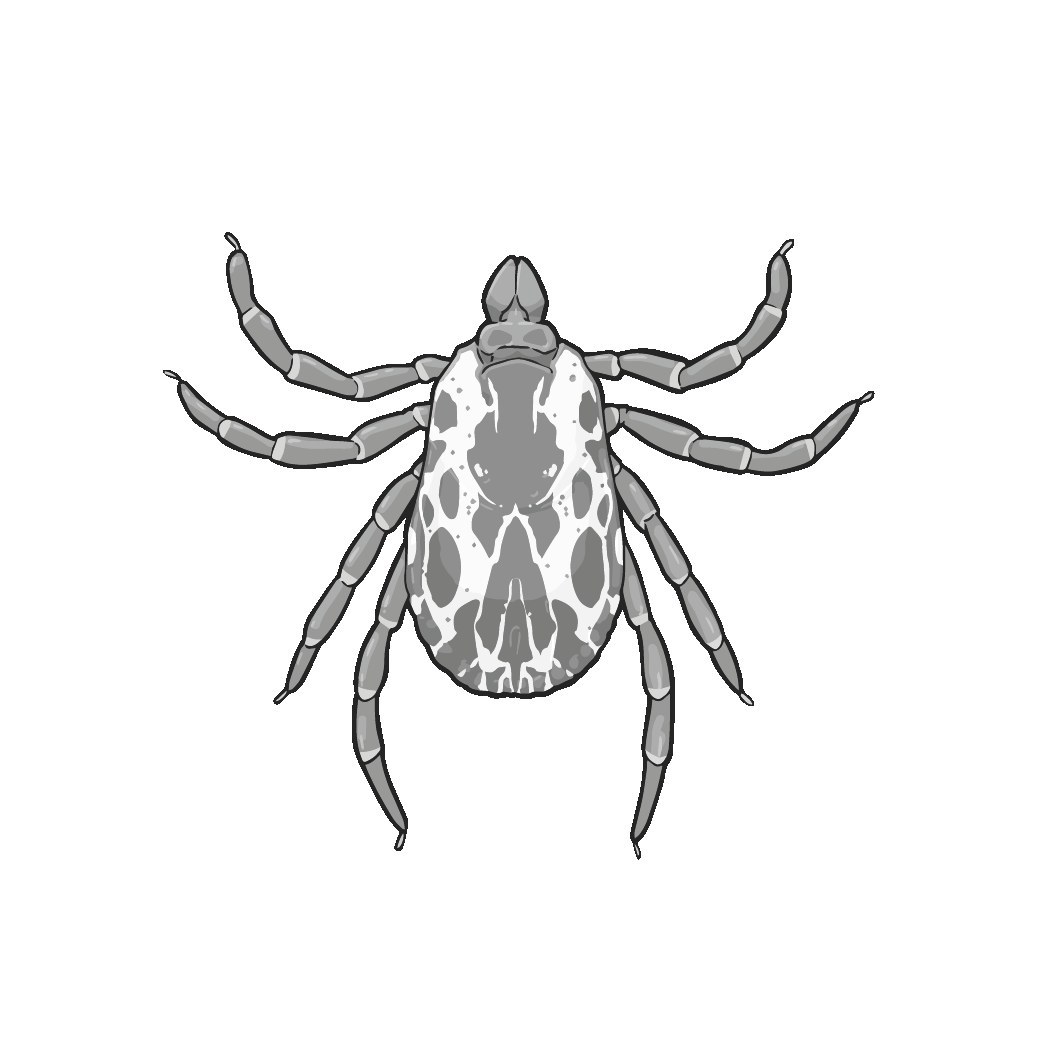
American Dog Tick
Grassy fields, trails, and low vegetation near woodlands
Arizona Bark Scorpion
Rocky desert terrain, tree bark, and structures in the Southwest
Tick
Tall grass, brush, woodland edges, and animal trails
Soil Mite
Soil, leaf litter, moss, and decaying organic matter worldwide
Rocky Mountain Wood Tick
Sagebrush shrublands, grasslands, and montane forest edges
Two-Spotted Spider Mite
Undersides of leaves on garden plants, crops, and houseplants
Spider Mite
Undersides of leaves on garden plants, houseplants, and field and orchard crops worldwide
Whip Scorpion
Tropical and subtropical caves, tree bark, and rock crevices worldwide