
Daddy Longlegs (Harvestman)
Phalangium spp.
A leggy, one-piece-bodied arachnid that scurries through leaf litter and garden beds on impossibly long, spindly legs, easily mistaken for a spider despite belonging to an entirely different arachnid order.
- Size
- Body length about 0.5–1 cm (0.2–0.4 in); leg span up to 5–7 cm (2–3 in)
- Habitat
- Gardens, forests, grasslands, and leaf litter, often in damp, shaded spots
- Danger
- Harmless
Spotted a bug like this?
Identify any bug or insect from a photo, free.
Overview
Harvestmen, commonly called daddy longlegs, belong to the arachnid order Opiliones, a group distinct from true spiders (order Araneae) despite the frequent confusion between the two. The order is enormously diverse, with thousands of species worldwide sharing the same basic body plan of a small, compact body carried on extremely long, thin legs.
The key anatomical difference from spiders is that a harvestman's body is fused into a single rounded segment, with no narrow waist separating a cephalothorax from an abdomen the way spiders have; harvestmen also lack silk glands and spinnerets, so they never build webs, and they lack venom glands, relying instead on speed, defensive secretions, and detachable legs to avoid predators.
Harvestmen are generalist scavengers and predators, feeding opportunistically on small invertebrates, fungi, plant material, and decaying organic matter, making them useful, unobtrusive contributors to the recycling of nutrients in gardens, forests, and grasslands worldwide.
How to Identify
- Small, oval, single-segment body with no visible waist or narrow constriction (unlike the two clearly separated body regions of a spider)
- Extremely long, thin, thread-like legs, often many times the length of the body
- Two eyes set on a small raised turret (ocularium) in the middle of the back, rather than the multiple eyes arranged across the front of a spider's head
- No silk-producing spinnerets and no ability to spin webs
- Coloration typically brown, tan, or gray, sometimes with mottled patterning
- Lookalikes: cellar spiders (true spiders with a distinct two-part body and web-building ability, also sometimes called 'daddy longlegs') and crane flies (winged insects, not arachnids)
Habitat & Range
Harvestmen are found nearly worldwide, from gardens and grasslands to forests and caves, generally favoring damp, shaded microhabitats such as leaf litter, under logs and stones, and among dense vegetation. Many species are most active at night and seek shelter in humid, sheltered spots during the day, though some are also commonly seen on walls, fences, and vegetation in the evening.
Behavior & Diet
Harvestmen are opportunistic omnivores, scavenging on dead insects and organic debris while also actively hunting small, soft-bodied invertebrates such as mites, small insects, and worms; many species will also feed on fungi, plant matter, and even bird droppings. When threatened, a harvestman may rely on its speed, bob its body rapidly, release a defensive odor, or shed a leg (which continues to twitch, distracting predators) to escape, none of which involves biting or venom. As generalist scavenger-predators, they play a useful role in breaking down organic matter and controlling small invertebrate populations in the habitats where they live.
Life Cycle
Mating in harvestmen typically involves direct transfer without the elaborate courtship displays seen in some spiders, and many species have a distinct copulatory organ used for direct fertilization. Females lay eggs in damp soil, leaf litter, or crevices, sometimes guarding them until they hatch. Young harvestmen resemble miniature adults and undergo gradual growth through a series of molts without a larval or pupal stage, a form of development known as incomplete or direct metamorphosis. In temperate regions, many species complete one generation per year, with eggs or young overwintering in sheltered locations before maturing the following season.
Frequently asked questions
Is a daddy longlegs a spider?
No, harvestmen belong to a separate arachnid order (Opiliones) distinguished by a single fused body segment, no silk spinnerets, and no venom glands.
Can a daddy longlegs bite?
Harvestmen lack venom glands and have small mouthparts used for feeding on tiny invertebrates and organic matter.
Do harvestmen spin webs?
No, they have no silk-producing spinnerets and do not build webs, unlike true spiders.
What do harvestmen eat?
They are opportunistic scavengers and predators, feeding on small invertebrates, fungi, plant matter, and decaying organic material.
Daddy Longlegs (Harvestman) guides
In-depth guides for identifying, understanding, and living alongside Daddy Longlegs (Harvestman).
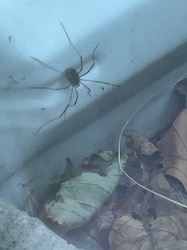
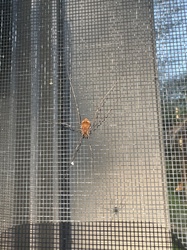
Daddy Longlegs (Harvestman) identified by the community
Real finds identified with Bug Identifier.

Other bugs you may enjoy
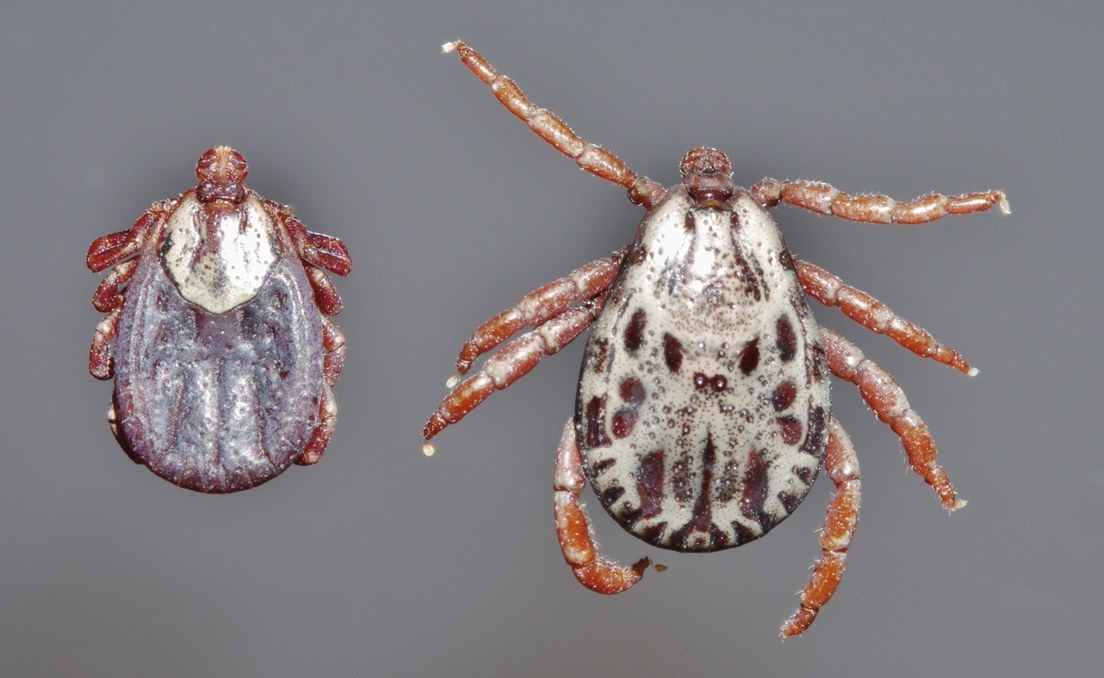
Wood Tick
Grassland, shrub-steppe, and open woodland of western North America
Yellow Scorpion
Arid scrubland, rocky slopes, and desert margins
Whip Spider
Tropical caves, rainforest leaf litter, and under bark
Water Mite
Ponds, lakes, streams, and other freshwater bodies
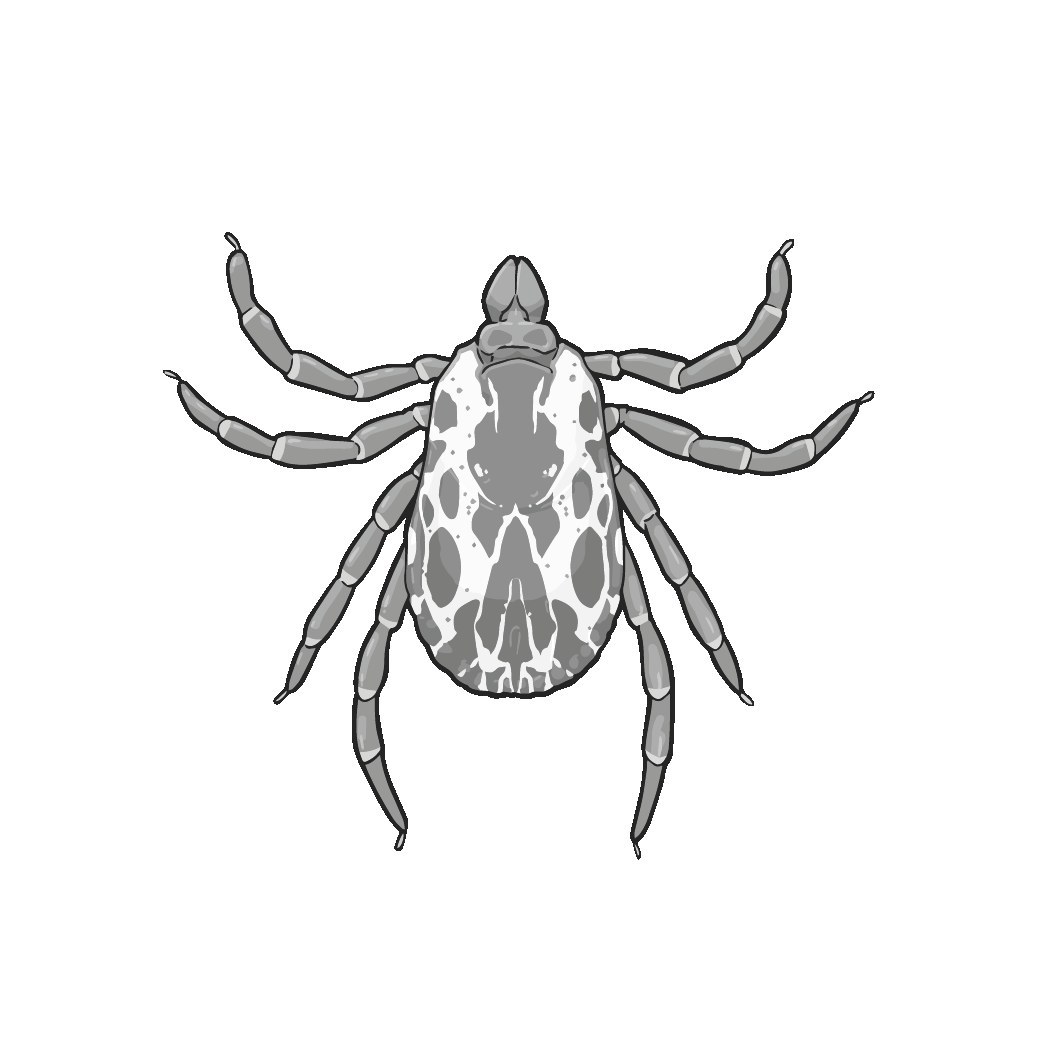
American Dog Tick
Grassy fields, trails, and low vegetation near woodlands
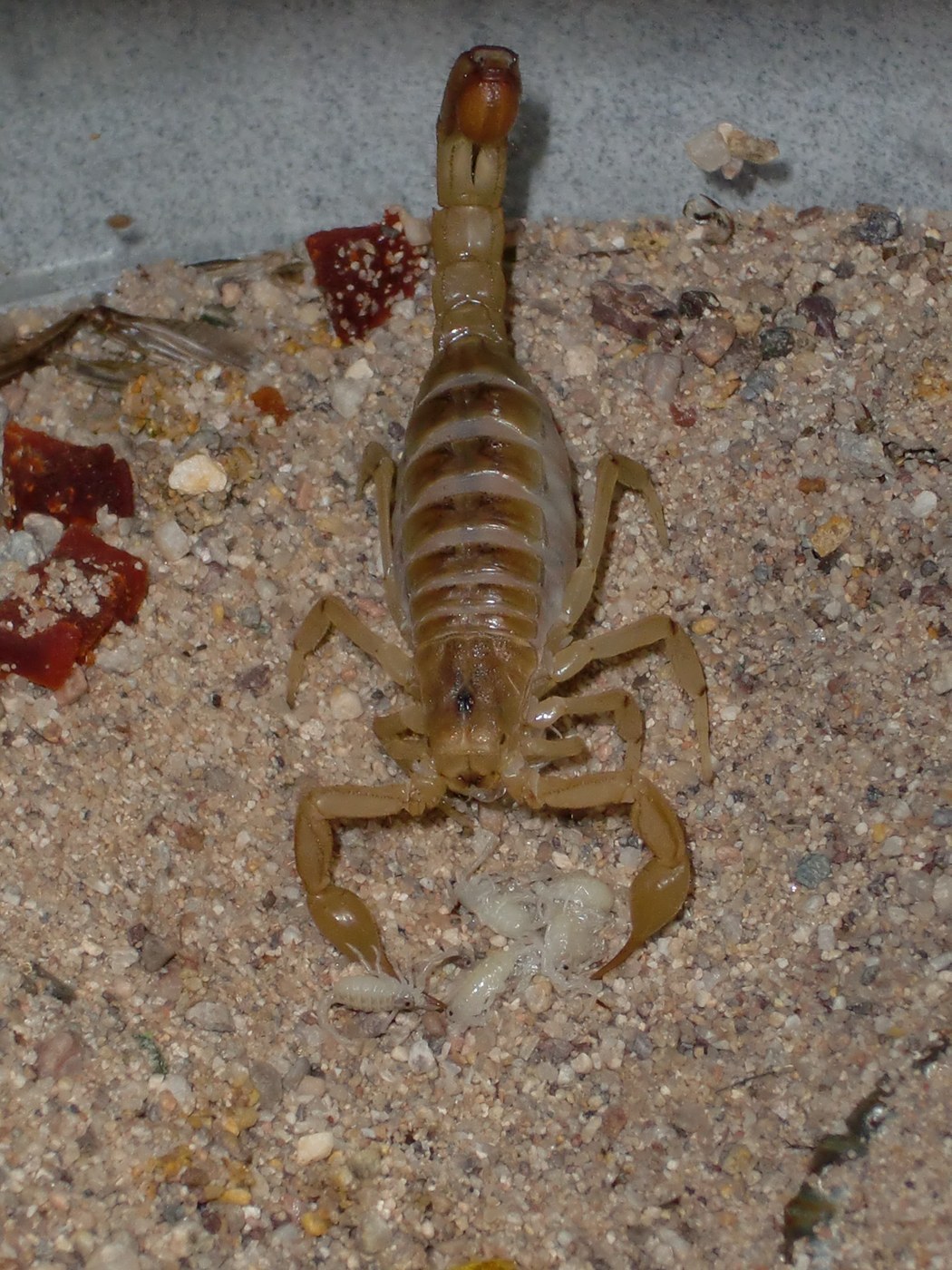
Arizona Bark Scorpion
Rocky desert terrain, tree bark, and structures in the Southwest
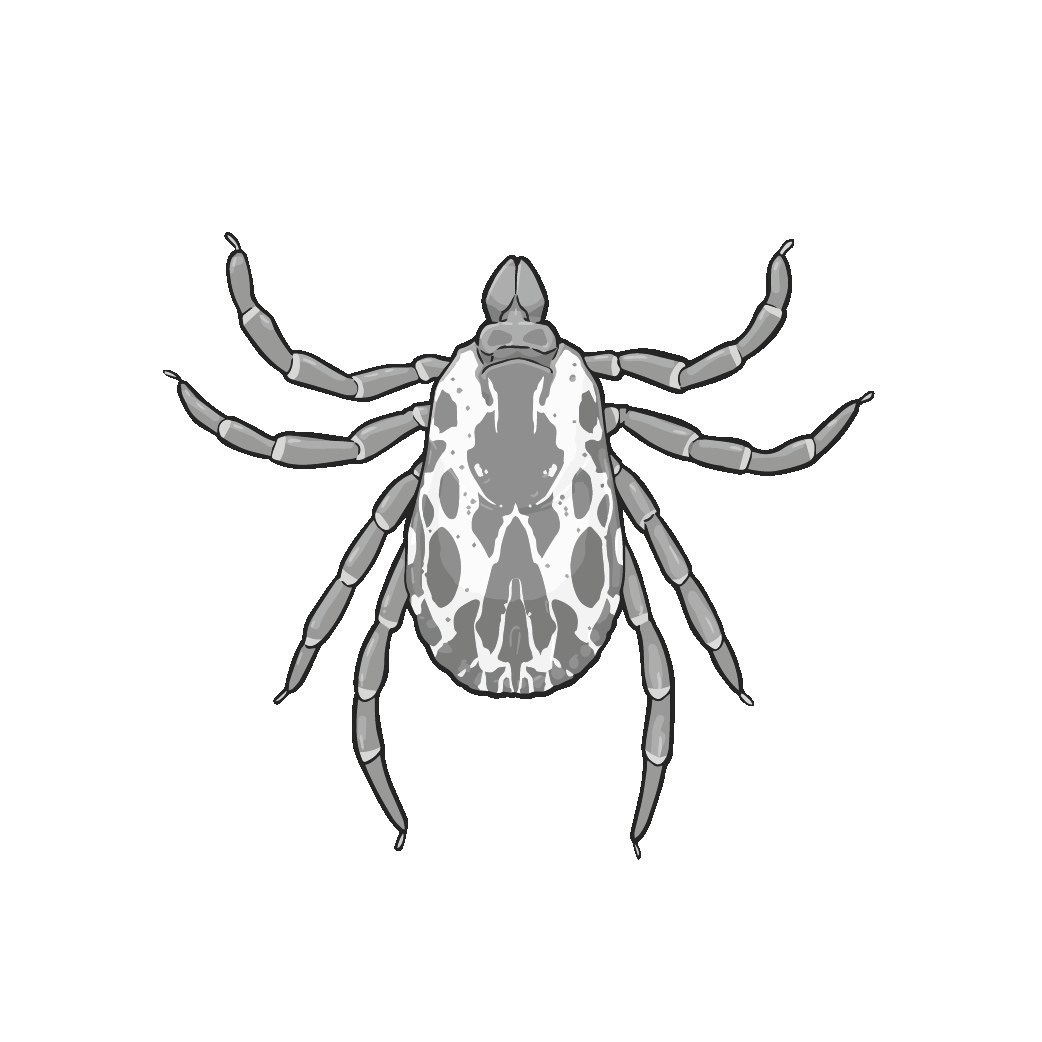
Tick
Tall grass, brush, woodland edges, and animal trails
Soil Mite
Soil, leaf litter, moss, and decaying organic matter worldwide
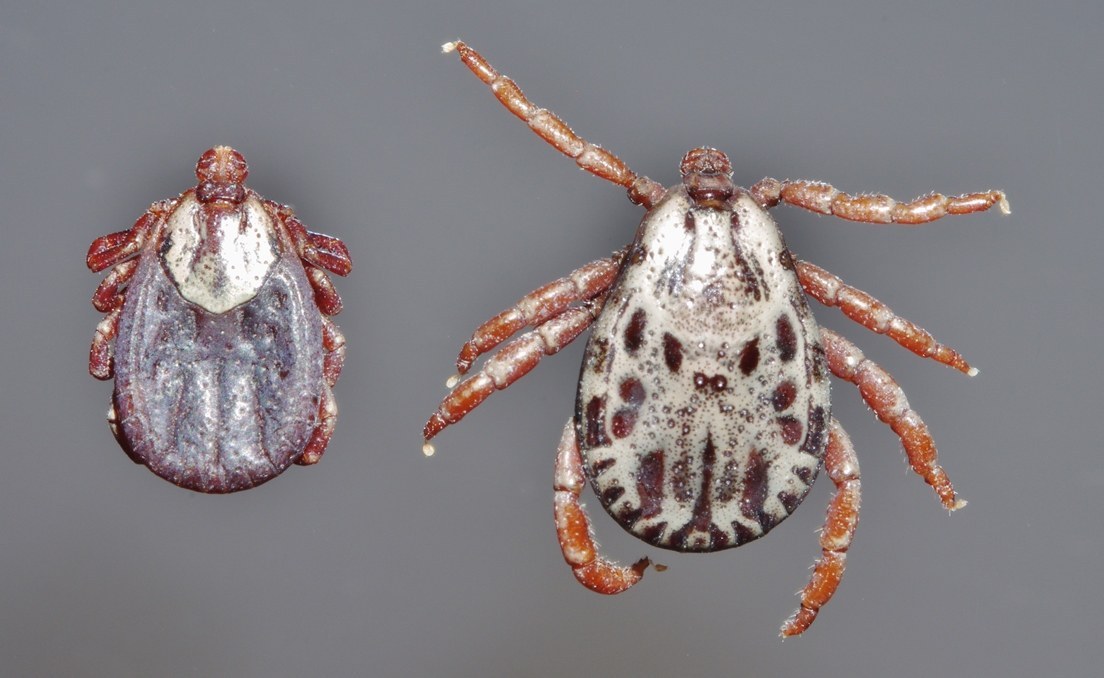
Rocky Mountain Wood Tick
Sagebrush shrublands, grasslands, and montane forest edges
Two-Spotted Spider Mite
Undersides of leaves on garden plants, crops, and houseplants
Spider Mite
Undersides of leaves on garden plants, houseplants, and field and orchard crops worldwide
Whip Scorpion
Tropical and subtropical caves, tree bark, and rock crevices worldwide