
Sun Spider
Solifugae spp.
A fast-running, fiercely built desert arachnid with oversized jaws, often mistaken for a giant spider despite belonging to an entirely different arachnid order.
- Size
- Body length 1-7 cm depending on species
- Habitat
- Arid deserts, scrublands and dry grasslands
- Danger
- Bites
Spotted a bug like this?
Identify any bug or insect from a photo, free.
Overview
Despite common names like sun spider or camel spider, these animals are not true spiders at all but belong to their own distinct order, Solifugae, within the arachnids. They are easily recognized by their disproportionately large, forward-pointing jaws (chelicerae), which are used for seizing and crushing prey, and by their fast, erratic running speed across open ground, which has fueled considerable folklore and exaggeration about their size and behavior.
Solifugids have a segmented, hairy body divided into a distinct head region bearing the massive jaws, and an elongated abdomen. They also possess a unique pair of leg-like sensory appendages called pedipalps that function almost like an extra pair of legs, giving the impression of having ten legs total, along with specialized racquet organs on the hind legs believed to detect vibrations or chemical cues.
Found in deserts and arid regions across most continents except Australia and Antarctica, sun spiders are primarily nocturnal, active hunters that avoid the intense heat of the day by sheltering in burrows or under rocks and debris.
How to Identify
- Large, robust, forward-pointing jaws (chelicerae) that are disproportionately large relative to body size
- Hairy, segmented body divided into a head-thorax region and an elongated abdomen
- Ten leg-like appendages total, including eight true legs and two elongated, leg-like pedipalps used for sensing and grasping
- Fast, erratic running gait across open sand or ground, often described as unusually quick for an arachnid
- Lookalikes include true spiders and whip scorpions, distinguished from sun spiders by the absence of such oversized jaws and the presence of true silk-producing spinnerets in spiders, which sun spiders lack
Habitat & Range
Sun spiders are found in deserts, semi-arid scrubland, and dry grasslands across Africa, the Middle East, Asia, and the Americas, notably absent from Australia and Antarctica. They typically shelter by day in burrows, under rocks, or in other cover to avoid extreme desert heat, becoming active at night or during cooler periods.
Behavior & Diet
Sun spiders are voracious, opportunistic predators that actively chase down insects, other arachnids, and occasionally small vertebrates, using speed and their powerful jaws to subdue prey rather than venom or silk. They lack venom glands entirely, relying instead on sheer mechanical force from their jaws to crush and consume prey. Their rapid, darting movement across open desert ground, sometimes seemingly chasing shade cast by a moving person, has contributed to considerable exaggerated folklore about their behavior.
Life Cycle
Females dig a burrow in which to lay a clutch of eggs, sometimes guarding them for a period after laying, an uncommon trait among arachnids. Young solifugids hatch and undergo a series of nymphal stages, gradually developing the proportionally large jaws and adult body form through repeated molts. Growth to maturity can take from several months to over a year depending on species and climate, with adults being relatively short-lived compared to many other arachnids.
Frequently asked questions
Is a sun spider a true spider?
No, it belongs to a separate arachnid order called Solifugae and is not a true spider, despite common names like sun spider or camel spider.
Does the sun spider have venom?
No, it lacks venom glands entirely and instead relies on its powerful jaws to physically crush and subdue prey.
Why does it run so fast?
Sun spiders are active, fast-moving hunters adapted to quickly chase down prey across open desert ground, which has given rise to considerable folklore about their speed and behavior.
Sun Spider guides
In-depth guides for identifying, understanding, and living alongside Sun Spider.
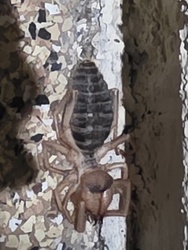
Sun Spider identified by the community
Real finds identified with Bug Identifier.

Other bugs you may enjoy
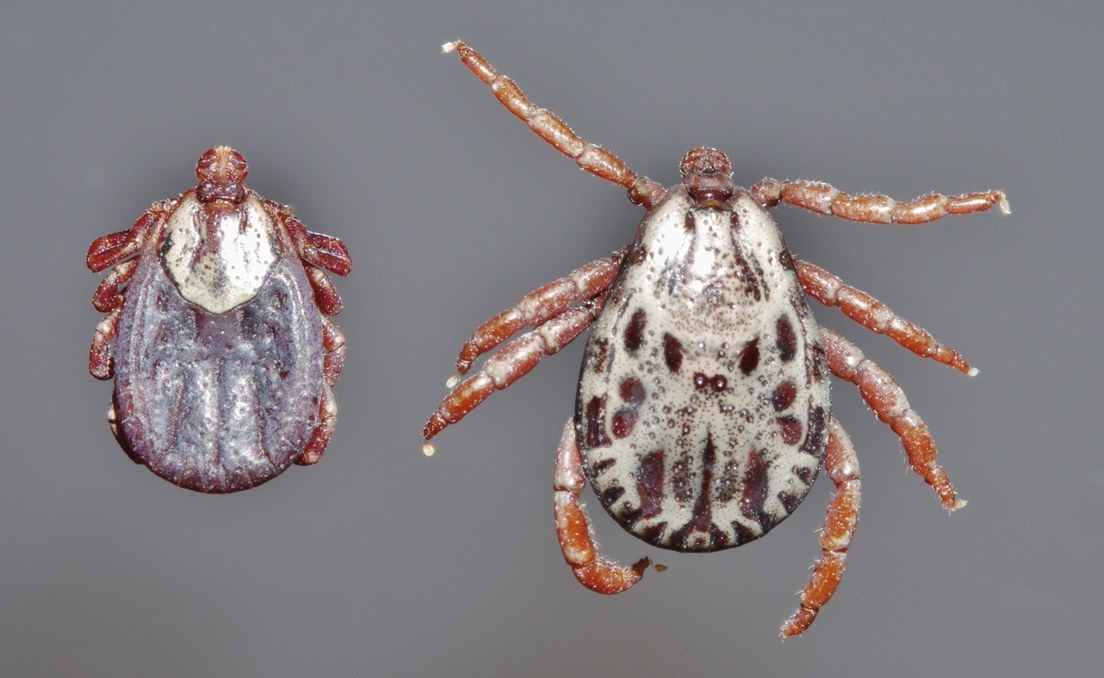
Wood Tick
Grassland, shrub-steppe, and open woodland of western North America
Yellow Scorpion
Arid scrubland, rocky slopes, and desert margins
Whip Spider
Tropical caves, rainforest leaf litter, and under bark
Water Mite
Ponds, lakes, streams, and other freshwater bodies
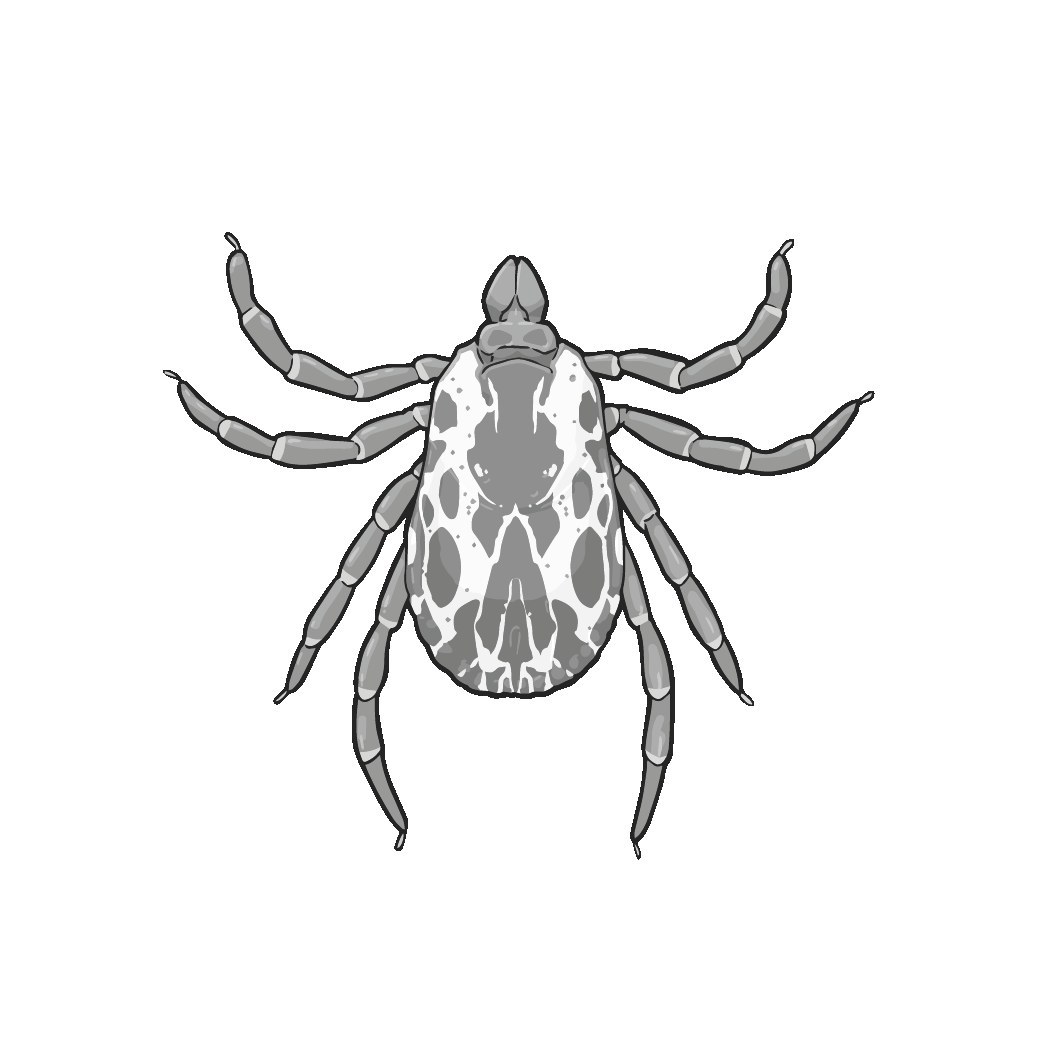
American Dog Tick
Grassy fields, trails, and low vegetation near woodlands
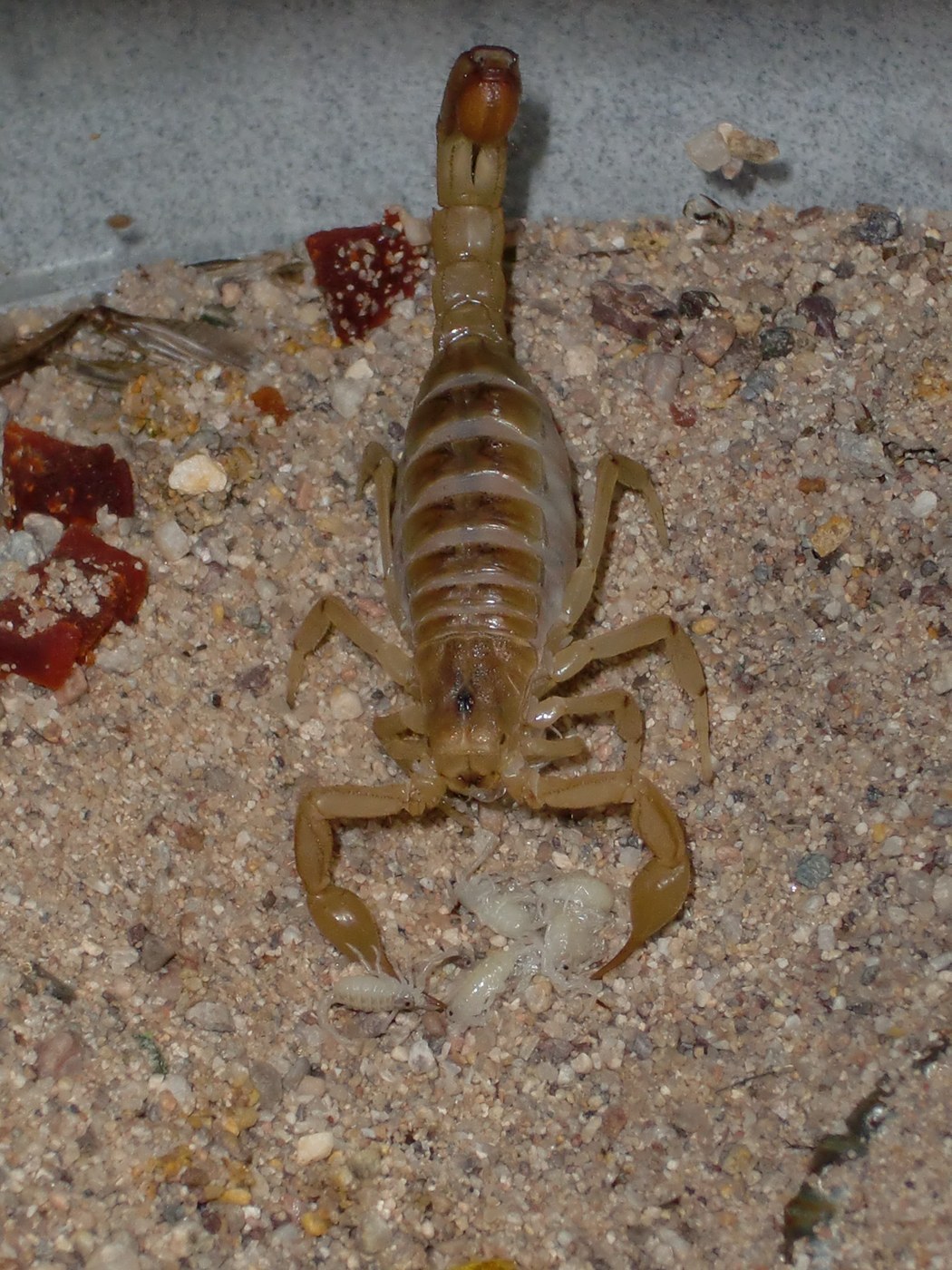
Arizona Bark Scorpion
Rocky desert terrain, tree bark, and structures in the Southwest
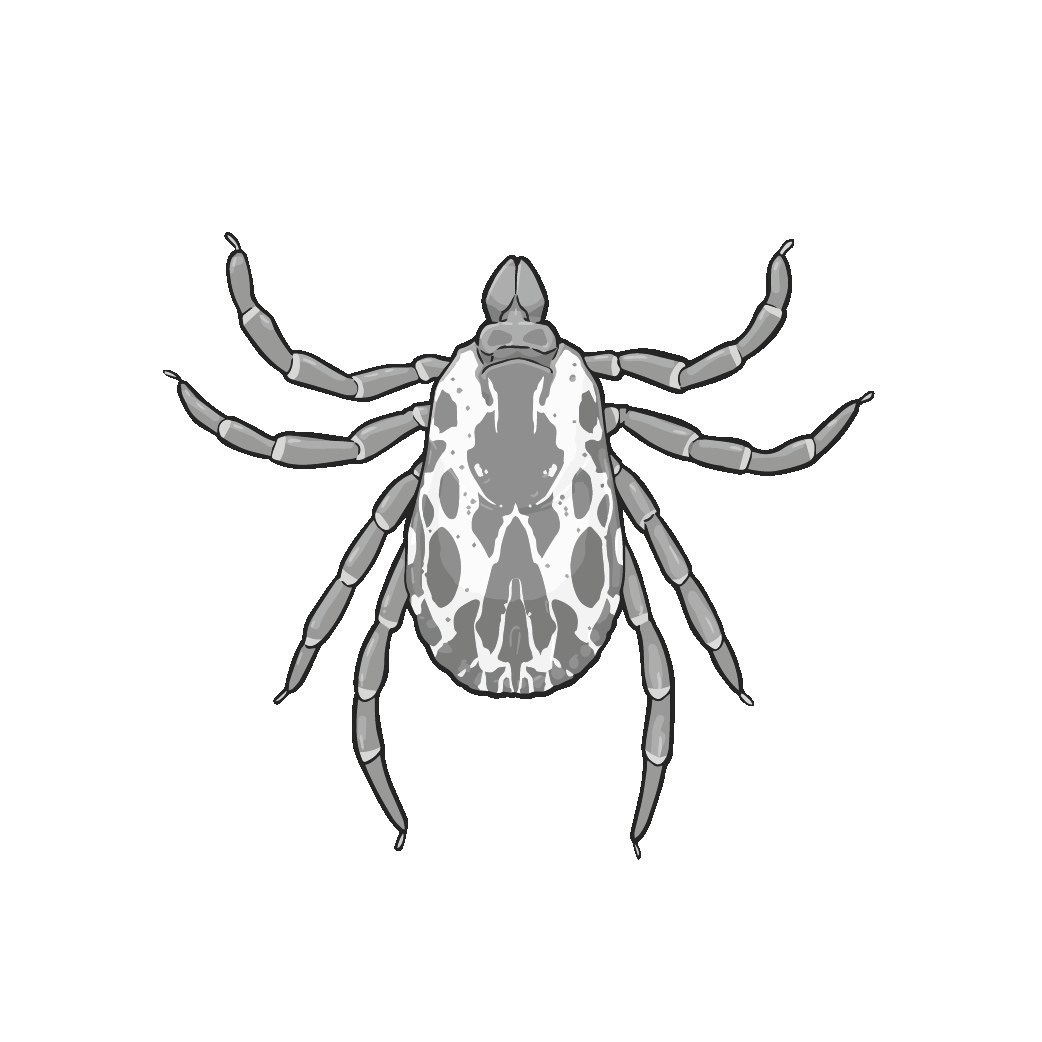
Tick
Tall grass, brush, woodland edges, and animal trails
Soil Mite
Soil, leaf litter, moss, and decaying organic matter worldwide
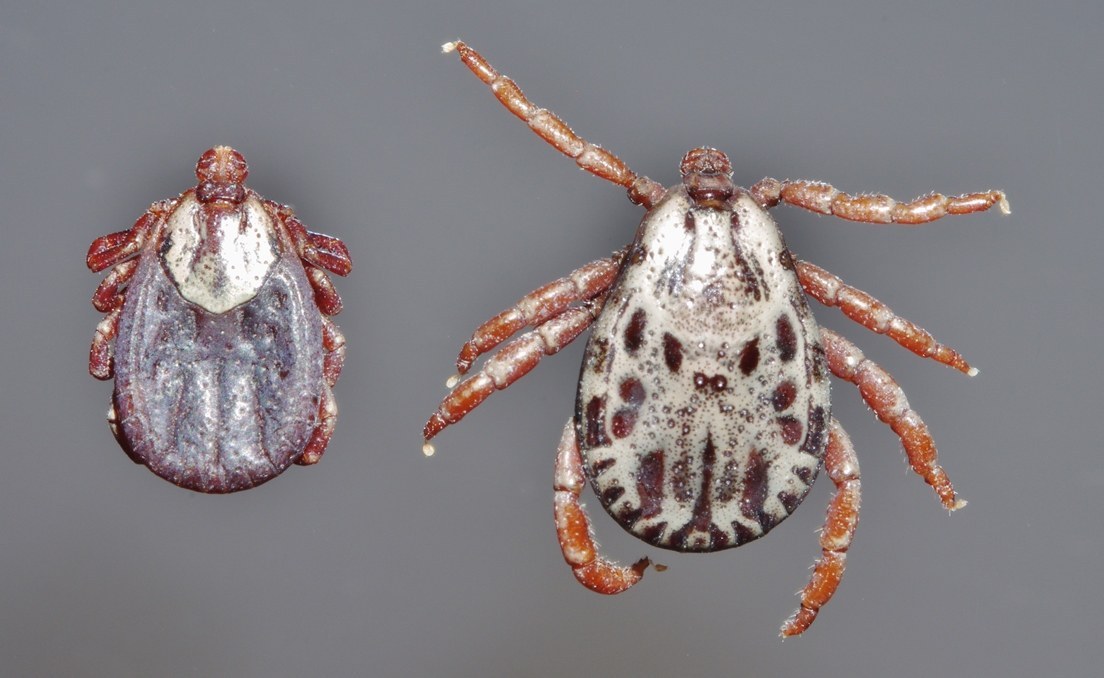
Rocky Mountain Wood Tick
Sagebrush shrublands, grasslands, and montane forest edges
Two-Spotted Spider Mite
Undersides of leaves on garden plants, crops, and houseplants
Spider Mite
Undersides of leaves on garden plants, houseplants, and field and orchard crops worldwide
Whip Scorpion
Tropical and subtropical caves, tree bark, and rock crevices worldwide