
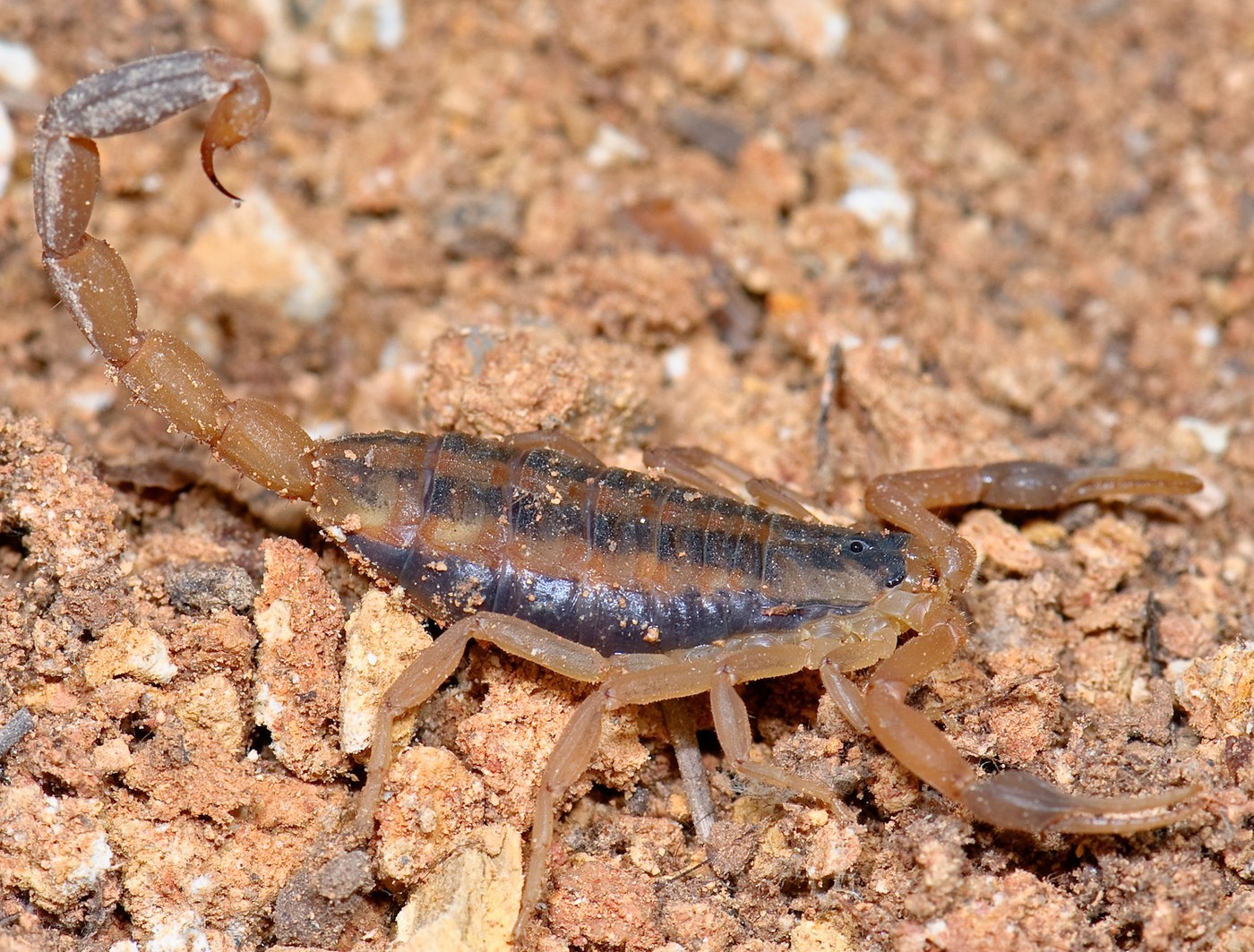
Striped Bark Scorpion
Centruroides vittatus
A slender, tan scorpion marked with two bold dark stripes down its back, often found tucked under bark, rocks, or debris across the central United States.
- Size
- 50-75 mm (2-3 inches) including tail
- Habitat
- Rocky outcrops, woodpiles, and leaf litter in dry regions
- Danger
- Stings
Spotted a bug like this?
Identify any bug or insect from a photo, free.
Overview
The striped bark scorpion is the most widely distributed scorpion in the United States, ranging across much of the south-central states from Texas and Louisiana north into Kansas and Missouri, and west into New Mexico. Its common name comes from the pair of broad, dark longitudinal stripes running down the length of its yellowish-tan back, a pattern that makes it relatively easy to identify compared to many other scorpion species.
This species has a slender build with long, thin pincers (pedipalps) and a narrow, whip-like tail (metasoma) tipped with a bulbous stinger. It is a nocturnal predator that spends daylight hours hidden beneath loose bark, rocks, logs, and leaf litter, emerging after dark to hunt for small invertebrate prey.
As with all scorpions, striped bark scorpions fluoresce a pale blue-green under ultraviolet light, a trait often used by naturalists to survey their presence at night using a UV flashlight.
How to Identify
- Slender, yellowish-tan to light brown body with two broad, dark brown to black stripes running down the back.
- A dark triangular marking is often present on the top of the head between the eyes.
- Long, narrow pedipalps (pincers) and a thin, elongated tail ending in a bulb-shaped telson and stinger.
- Adults typically measure 50-75 mm including the tail, making them a mid-sized scorpion.
- Distinguished from other bark scorpions by its stripes; lacks the uniform pale coloration of species like the Arizona bark scorpion.
Habitat & Range
Striped bark scorpions favor dry, rocky terrain, grasslands, and open woodlands throughout their range in the south-central United States. They are commonly found under rocks, loose tree bark, fallen logs, and accumulated leaf litter, and they readily shelter in and around human structures such as woodpiles, sheds, and building foundations. They are most active on warm nights from spring through fall and retreat underground or into deep cover during cold winter months.
Behavior & Diet
This scorpion is a nocturnal ambush predator, feeding primarily on small insects, spiders, and other arthropods that it captures with its pincers before subduing them. It is a solitary and largely sedentary animal, remaining hidden during the day and venturing only short distances at night to forage near its shelter. Within its ecosystem, it functions as both predator and prey, being hunted in turn by owls, larger reptiles, and other opportunistic predators.
Life Cycle
Striped bark scorpions, like other scorpions, are ovoviviparous, meaning the female carries developing embryos internally and gives live birth to fully formed miniature scorpions rather than laying eggs. The newborns climb onto their mother's back shortly after birth and remain there for protection until their first molt. Juveniles then disperse and undergo a series of molts over roughly one to two years before reaching sexual maturity, with adults capable of living for several years.
Frequently asked questions
How can I identify a striped bark scorpion?
Look for a slender, tan to light brown body with two broad dark stripes running down the back and a narrow tail tipped with a bulbous stinger.
Where do striped bark scorpions live?
They are found across the south-central United States, sheltering under rocks, loose bark, logs, and leaf litter in dry, rocky habitats and around structures like woodpiles.
Are striped bark scorpions active during the day?
No, they are nocturnal and spend daylight hours hidden under cover, emerging at night to hunt small insects and other arthropods.
Do striped bark scorpions lay eggs?
No, they give live birth to miniature scorpions, which then ride on their mother's back until their first molt.
Striped Bark Scorpion guides
In-depth guides for identifying, understanding, and living alongside Striped Bark Scorpion.
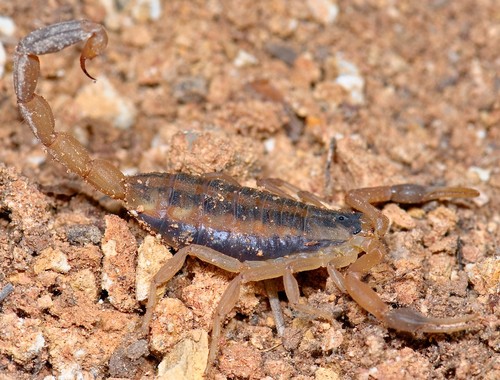
Striped Bark Scorpion identified by the community
Real finds identified with Bug Identifier.
Other bugs you may enjoy
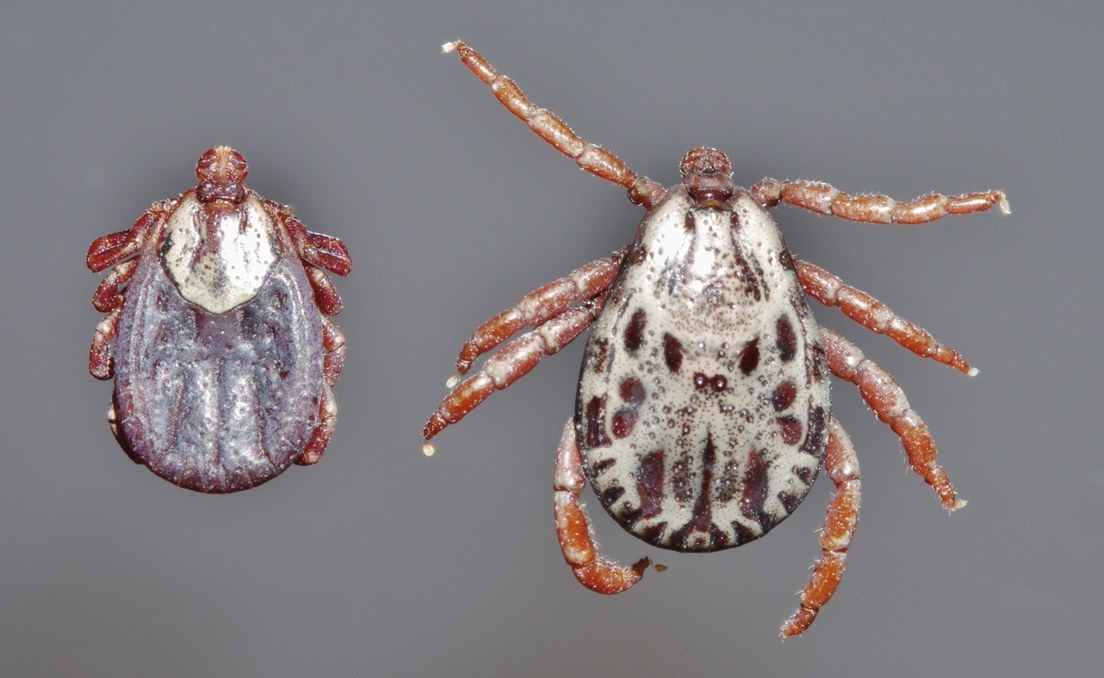
Wood Tick
Grassland, shrub-steppe, and open woodland of western North America
Yellow Scorpion
Arid scrubland, rocky slopes, and desert margins
Whip Spider
Tropical caves, rainforest leaf litter, and under bark
Water Mite
Ponds, lakes, streams, and other freshwater bodies
American Dog Tick
Grassy fields, trails, and low vegetation near woodlands
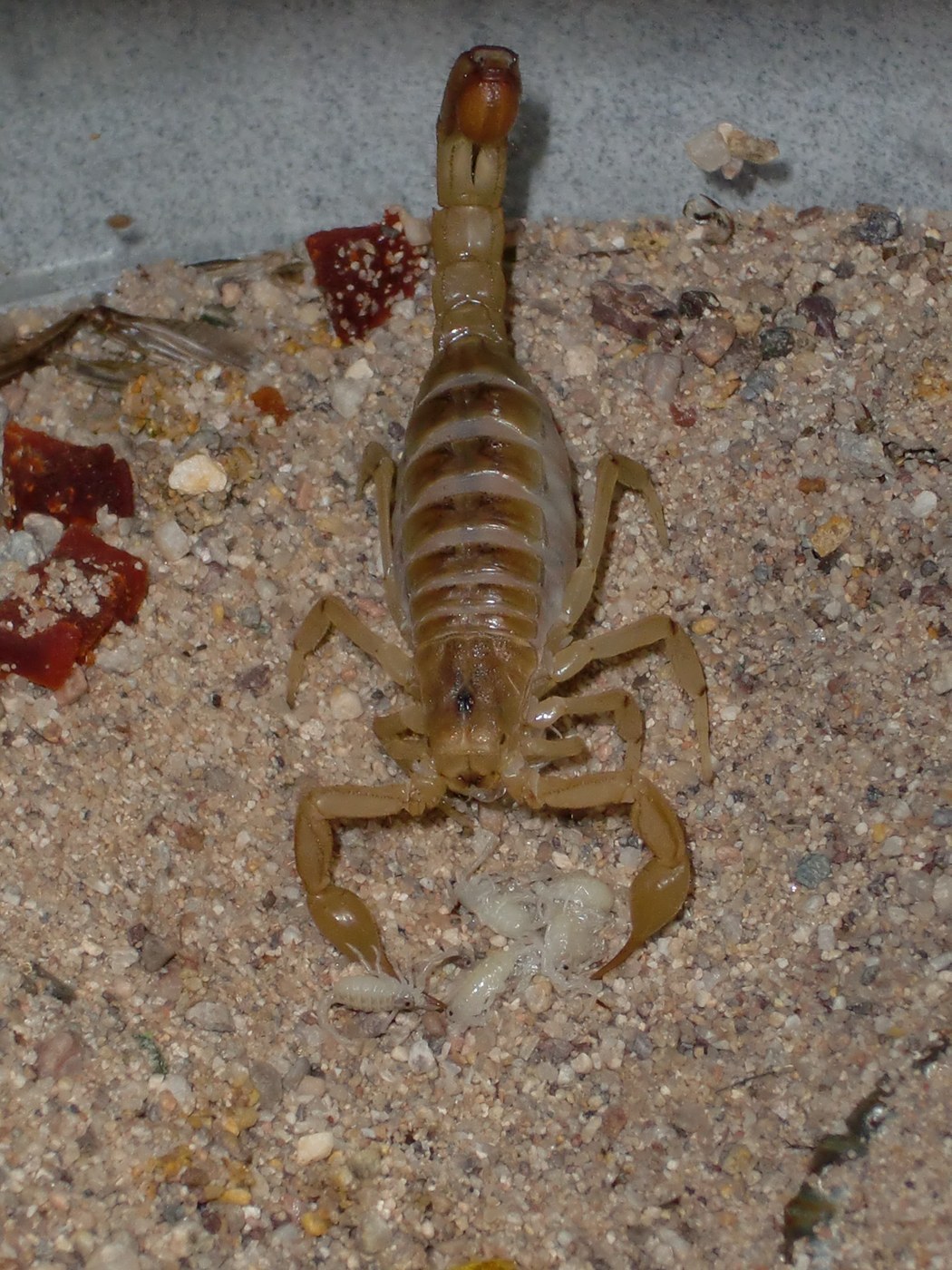
Arizona Bark Scorpion
Rocky desert terrain, tree bark, and structures in the Southwest
Tick
Tall grass, brush, woodland edges, and animal trails
Soil Mite
Soil, leaf litter, moss, and decaying organic matter worldwide
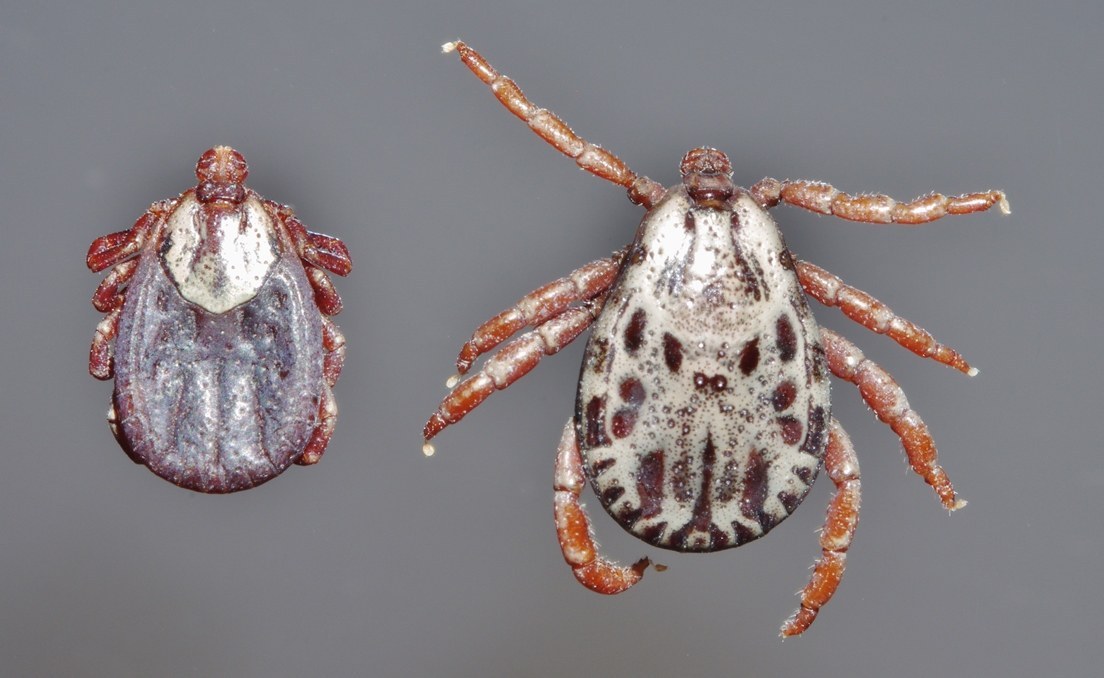
Rocky Mountain Wood Tick
Sagebrush shrublands, grasslands, and montane forest edges
Two-Spotted Spider Mite
Undersides of leaves on garden plants, crops, and houseplants
Spider Mite
Undersides of leaves on garden plants, houseplants, and field and orchard crops worldwide
Whip Scorpion
Tropical and subtropical caves, tree bark, and rock crevices worldwide