
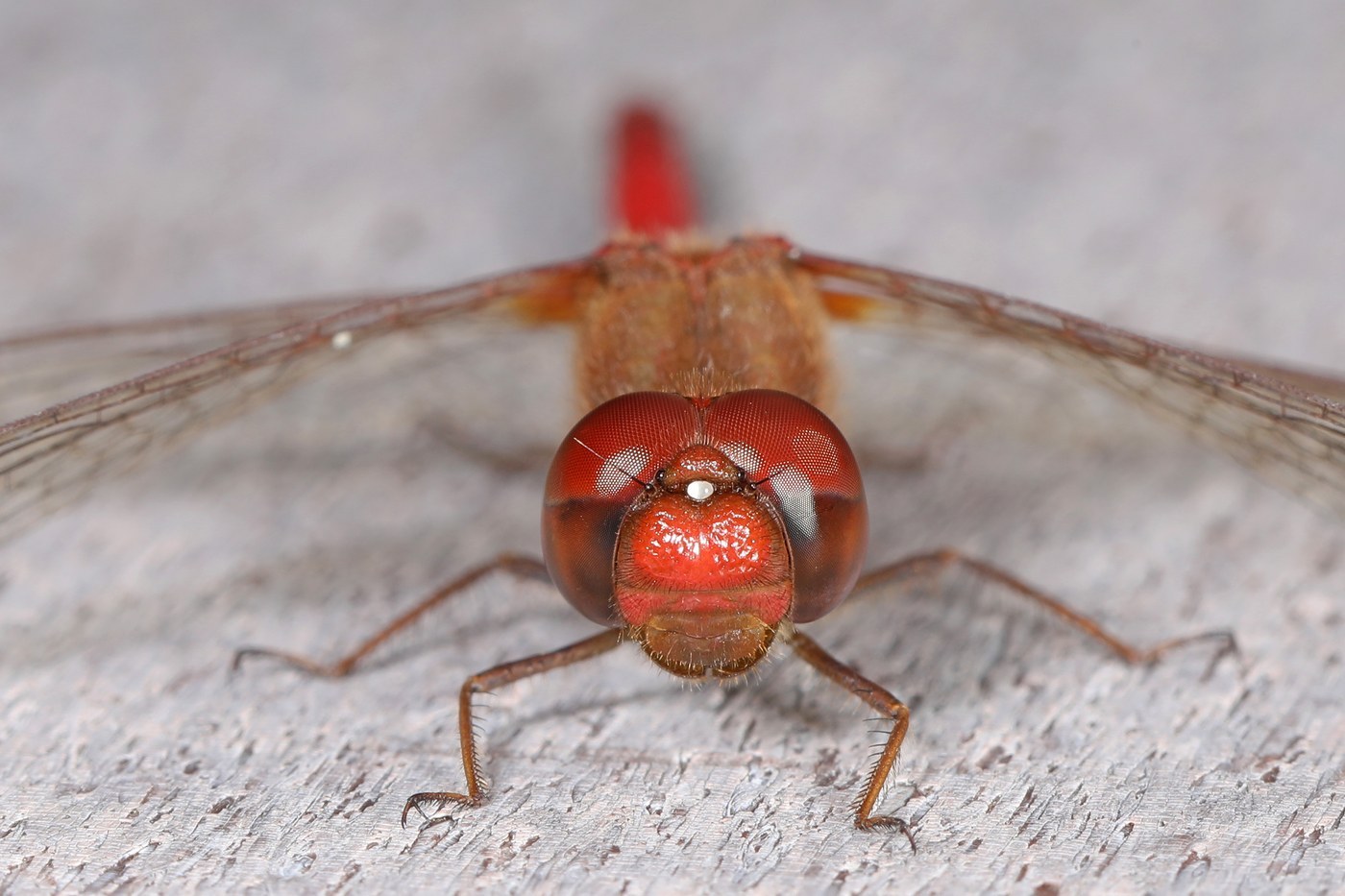
Autumn Meadowhawk
Sympetrum vicinum
One of the last dragonflies still flying as autumn cools, this small pale-legged meadowhawk can be found sunning on trails and pond banks well into November in many areas.
- Size
- Body about 1.1–1.4 in (28–35 mm) long; wingspan roughly 1.8–2.3 in (45–58 mm)
- Habitat
- Ponds, marshes, and slow streams, often lingering into late fall
- Danger
- Harmless
Spotted a bug like this?
Identify any bug or insect from a photo, free.
Overview
The Autumn Meadowhawk is a small member of the skimmer family Libellulidae, part of the meadowhawk group known for perching low and often far from water. It earns its common name from its habit of remaining active later into the year than nearly any other North American dragonfly, sometimes surviving light frosts.
Mature males show the typical rich red meadowhawk coloring, while females and immatures are a soft yellow-brown, but the species is most reliably identified by its legs, which are pale yellowish rather than black like most other meadowhawks.
Found across much of eastern and central North America with populations in parts of the west, the Autumn Meadowhawk is often the only dragonfly still visible along trails and pond edges once cooler weather has grounded other species.
How to Identify
- Small dragonfly with legs that are pale yellow to tan rather than black, a key feature distinguishing it from most other meadowhawks
- Mature males are red across the body; females and immatures are yellowish-brown
- Face and thorax lack strong black markings, giving a relatively plain, unmarked appearance compared to other Sympetrum
- Wings mostly clear with a light amber patch at the base
- Lookalikes: other Sympetrum meadowhawks are similar in size and shape but almost all have black or dark-striped legs
Habitat & Range
Found across eastern and central North America and locally in parts of the west, the Autumn Meadowhawk breeds in ponds, marshes, bogs, and slow streams, often ones with abundant emergent or shoreline vegetation. Adults commonly bask on sunny paths, wooden fences, and bare ground near water. True to its name, it is active later into fall than almost any other North American dragonfly, with sightings sometimes persisting into November.
Behavior & Diet
Like other meadowhawks, this species perches frequently on the ground or low vegetation in open sunny spots, darting out to snatch small flying insects such as gnats and midges before returning to the same perch. Its tolerance for cool temperatures allows it to remain active on sunny fall afternoons long after most other dragonflies have died off for the season, giving it an important late-season role as a predator of small flying insects. It also becomes an important food source for late-season insect-eating birds preparing for migration.
Life Cycle
Adults mate in a wheel formation, and females oviposit in tandem with the male, dipping the abdomen to release eggs over shallow water or damp shoreline vegetation. Eggs typically overwinter, hatching the following spring into aquatic nymphs that develop among submerged plants through the warmer months. Adults usually emerge in mid to late summer and remain on the wing far longer than related species, extending the flight season well into autumn before the final individuals succumb to cold weather.
Frequently asked questions
What is the easiest way to identify an Autumn Meadowhawk?
Check the legs: this species has pale yellowish legs, while nearly all other meadowhawks have black legs.
Why is it called the Autumn Meadowhawk?
It remains active later into fall than almost any other North American dragonfly, often still flying after the first light frosts.
Where do Autumn Meadowhawks lay their eggs?
Females release eggs over shallow water or damp shoreline vegetation while flying in tandem with the male; the eggs typically overwinter before hatching in spring.
What do Autumn Meadowhawks eat as adults?
They hunt small flying insects such as gnats and midges, snatching them from the air near their perch.
Autumn Meadowhawk guides
In-depth guides for identifying, understanding, and living alongside Autumn Meadowhawk.
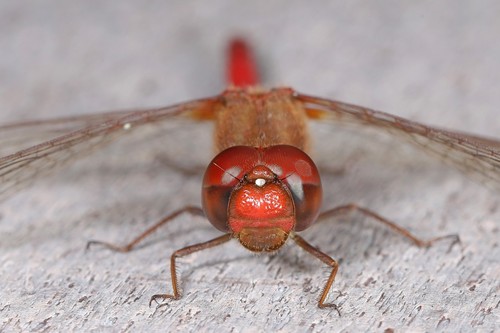
Autumn Meadowhawk identified by the community
Real finds identified with Bug Identifier.
Other bugs you may enjoy
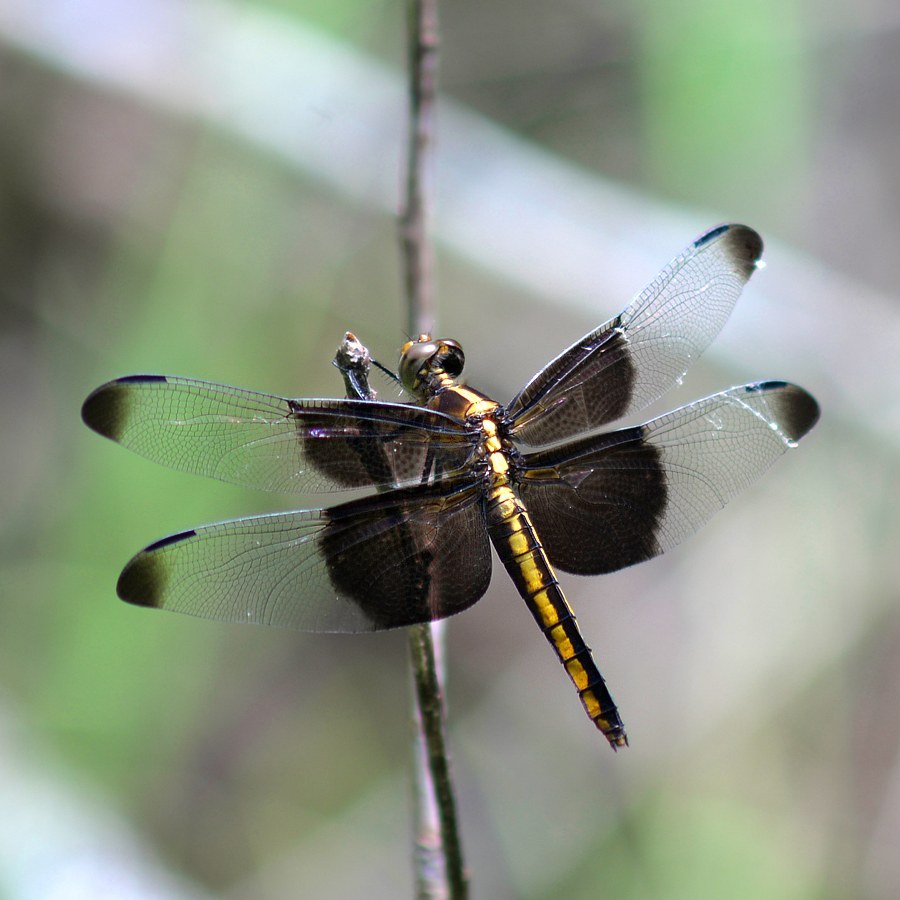
Widow Skimmer
ponds, lakes, and slow-moving streams with open shoreline vegetation across much of the United States
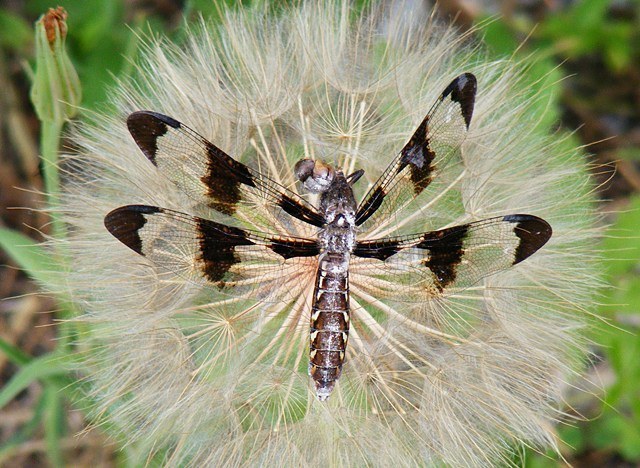
Twelve-spotted Skimmer
Ponds, lakes, and slow streams with open, sunny shorelines
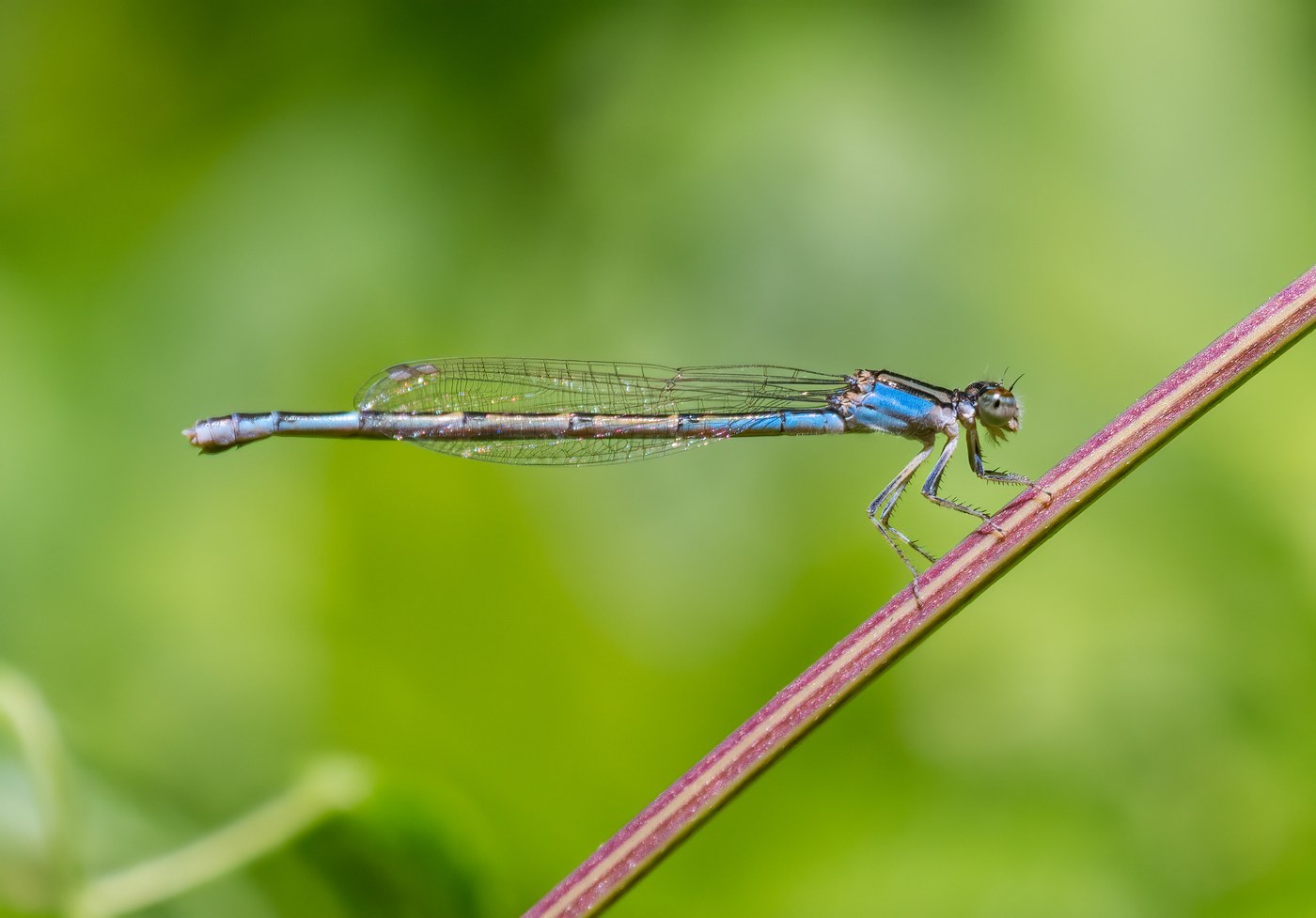
Azure Bluet
ponds, lakes, and slow streams with abundant aquatic vegetation
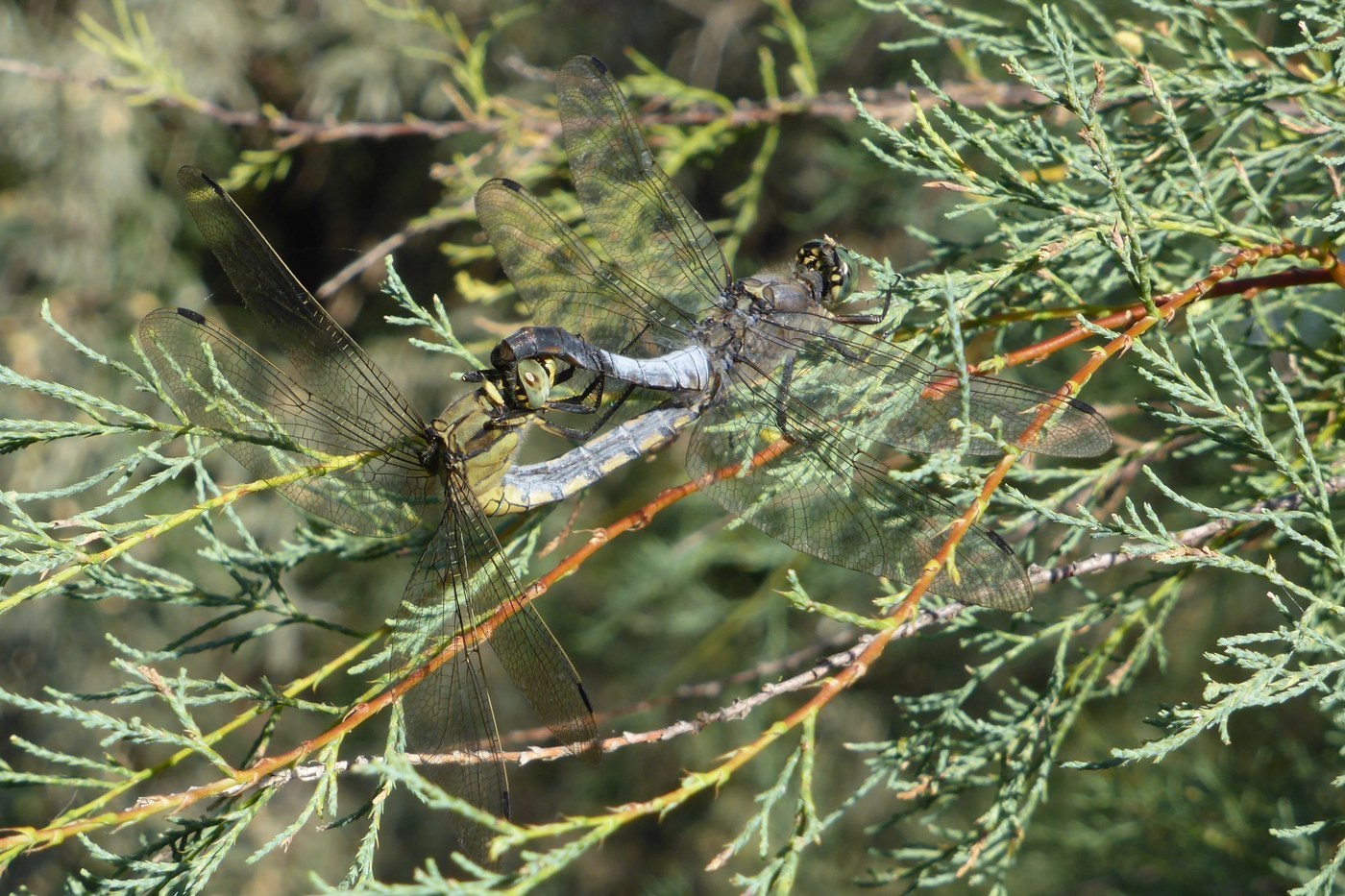
Spangled Skimmer
Ponds, lakes, and marshes with open sunny shorelines
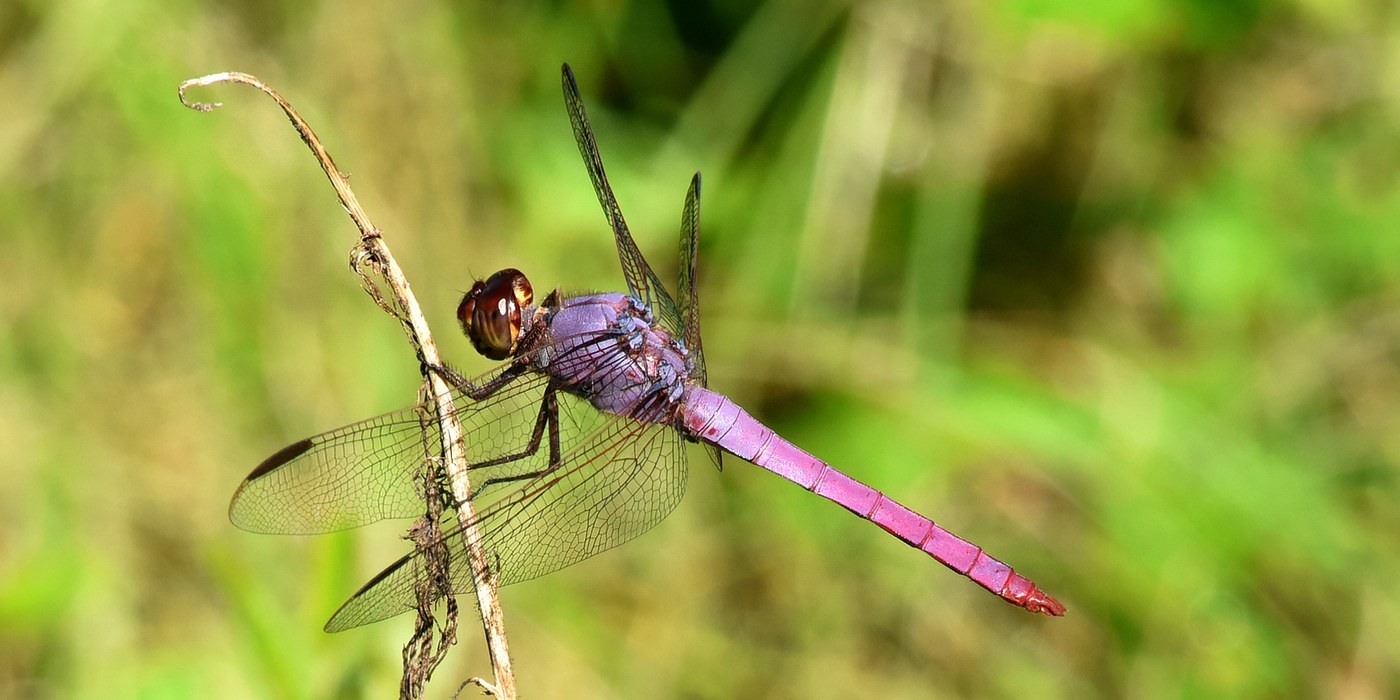
Roseate Skimmer
Ponds, ditches, and canals across the southern United States
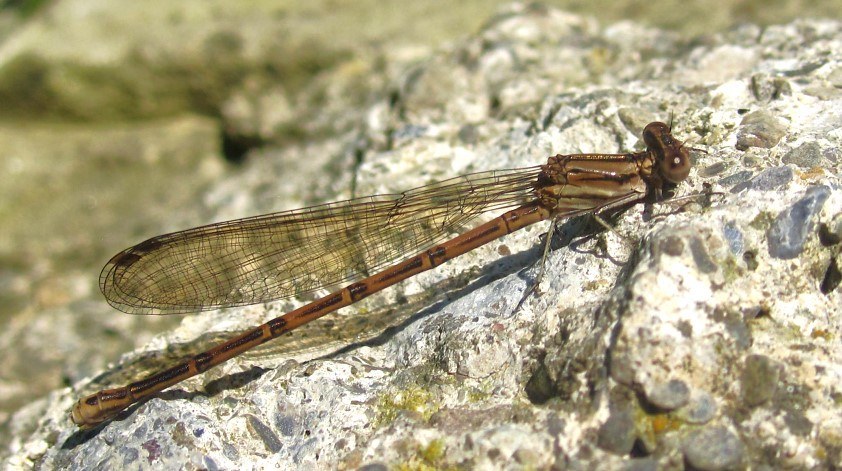
Variable Dancer
streams, rivers, and pond margins, especially in wooded or partly shaded settings
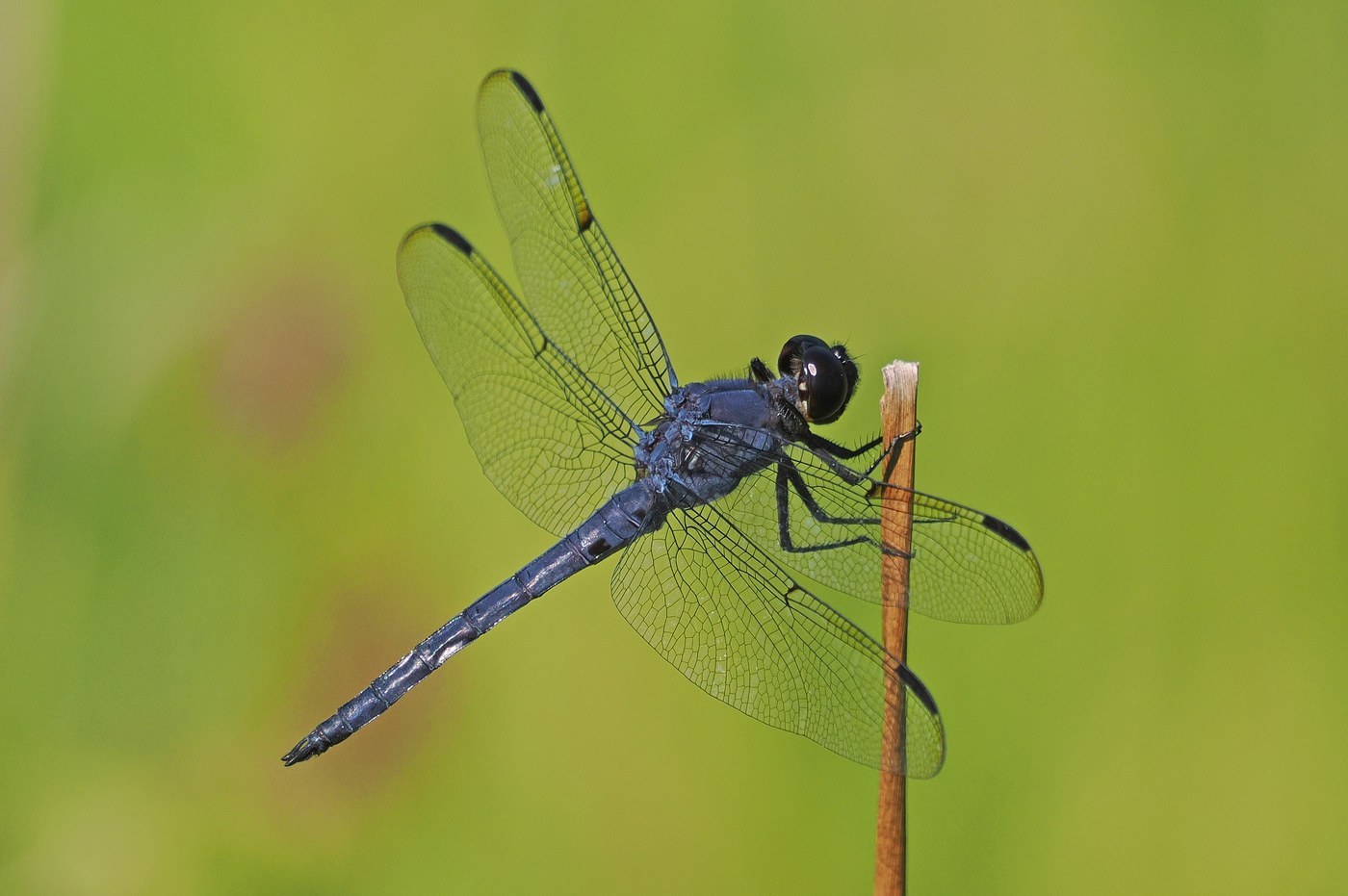
Slaty Skimmer
Still or slow-moving ponds, lakes, and marshes with open shoreline
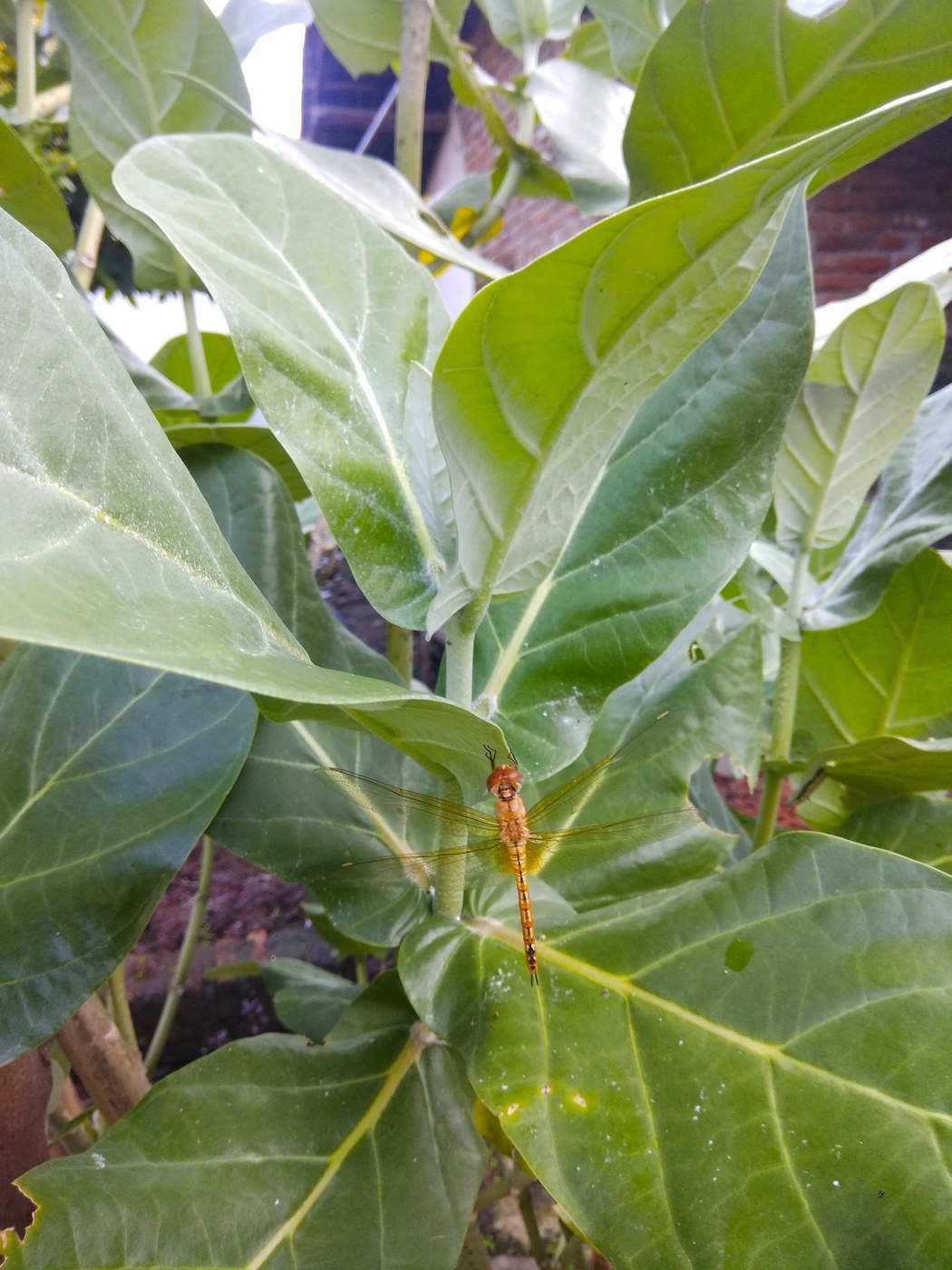
Wandering Glider
Temporary pools, open fields, and coastlines nearly worldwide
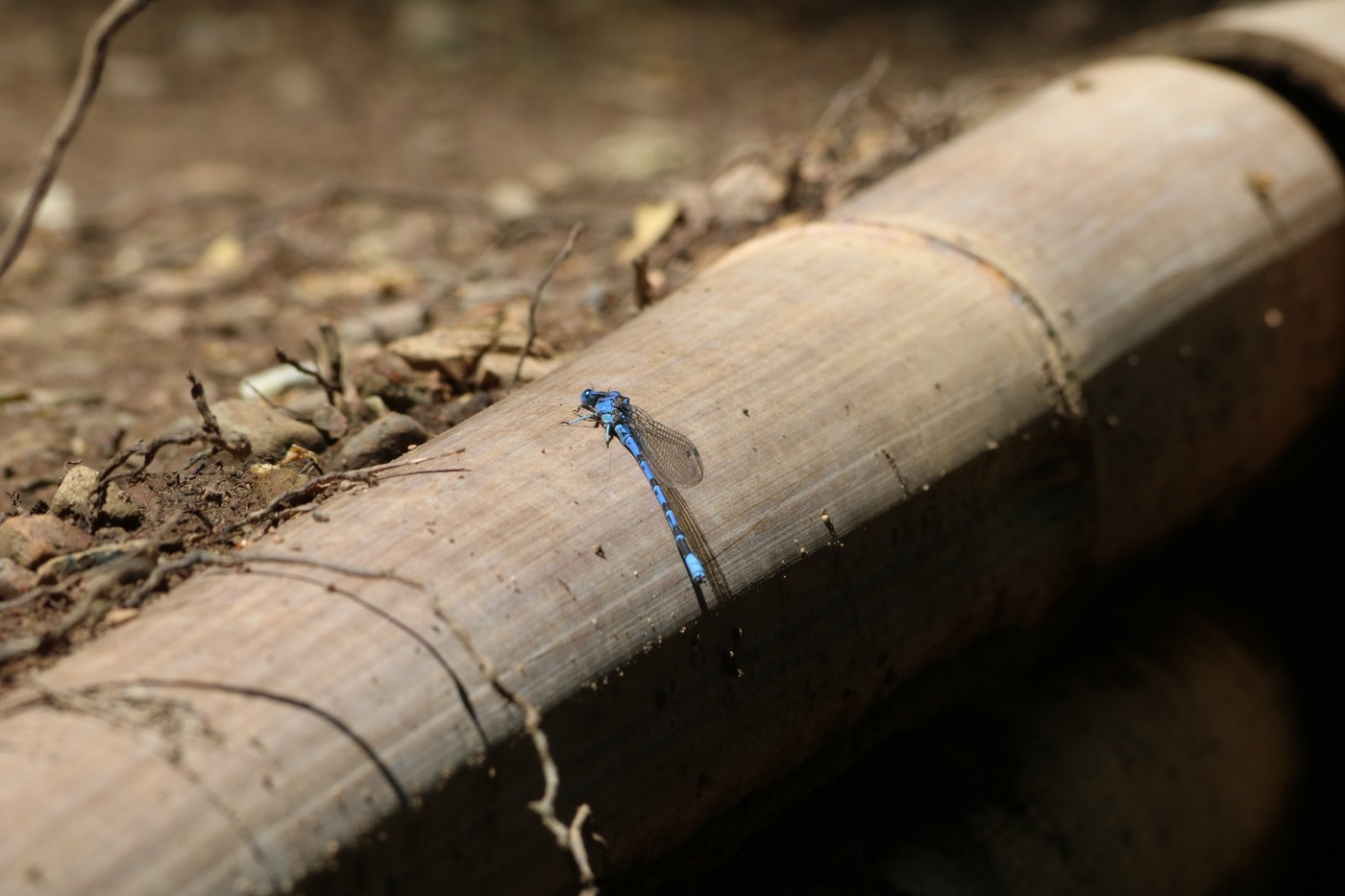
Vivid Dancer
rocky streams, seeps, and spring-fed creeks, often near thermal or warm springs
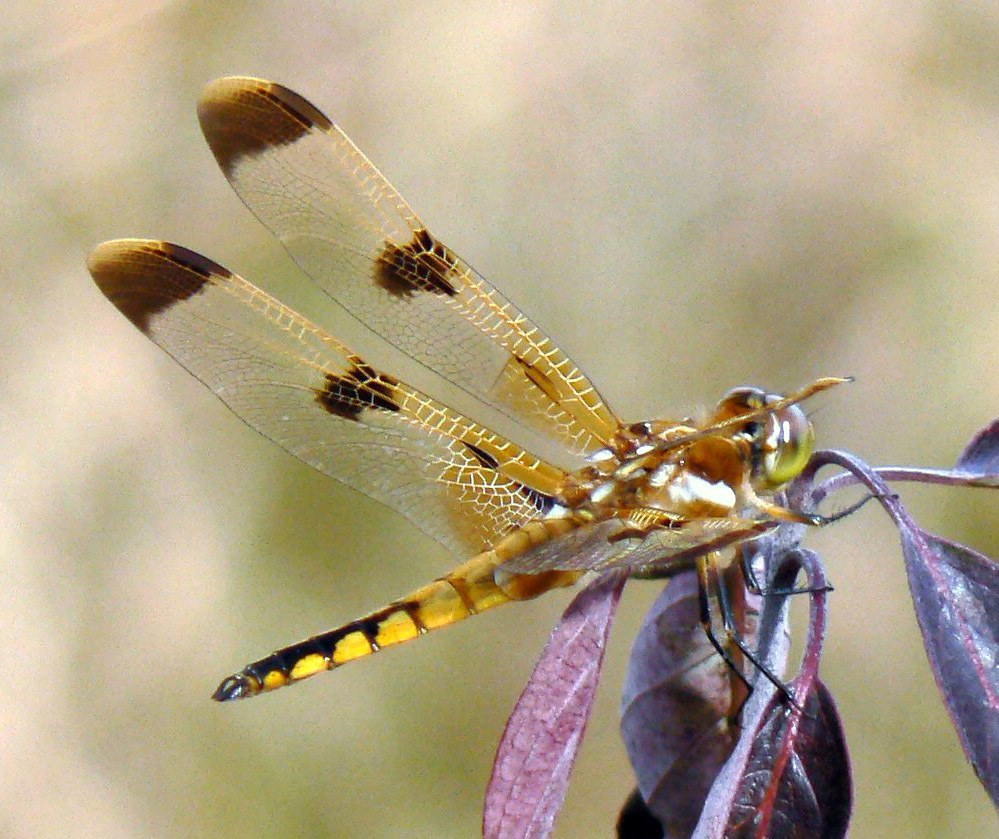
Painted Skimmer
Ponds, marshes, and slow-moving vegetated waters, including temporary pools
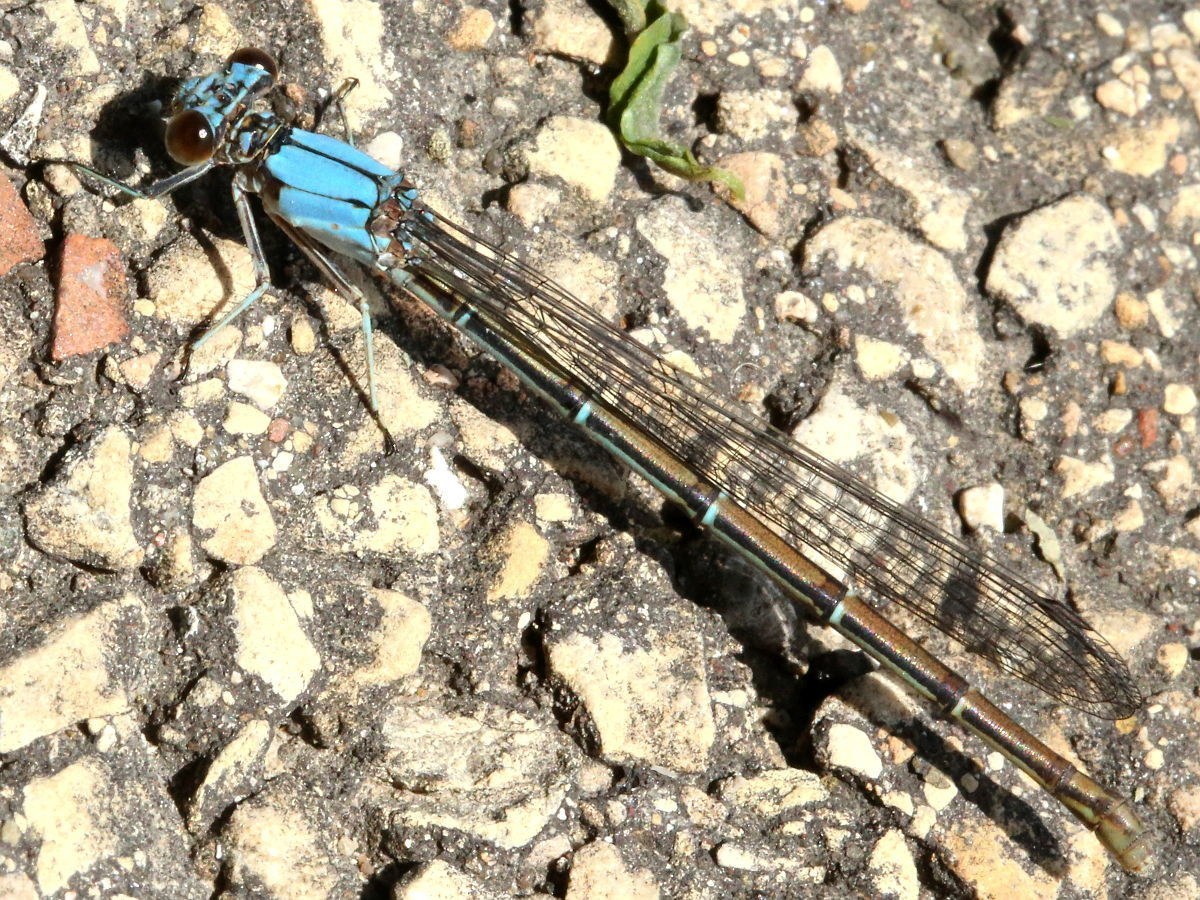
Powdered Dancer
rocky and gravelly rivers, streams, and lake shorelines
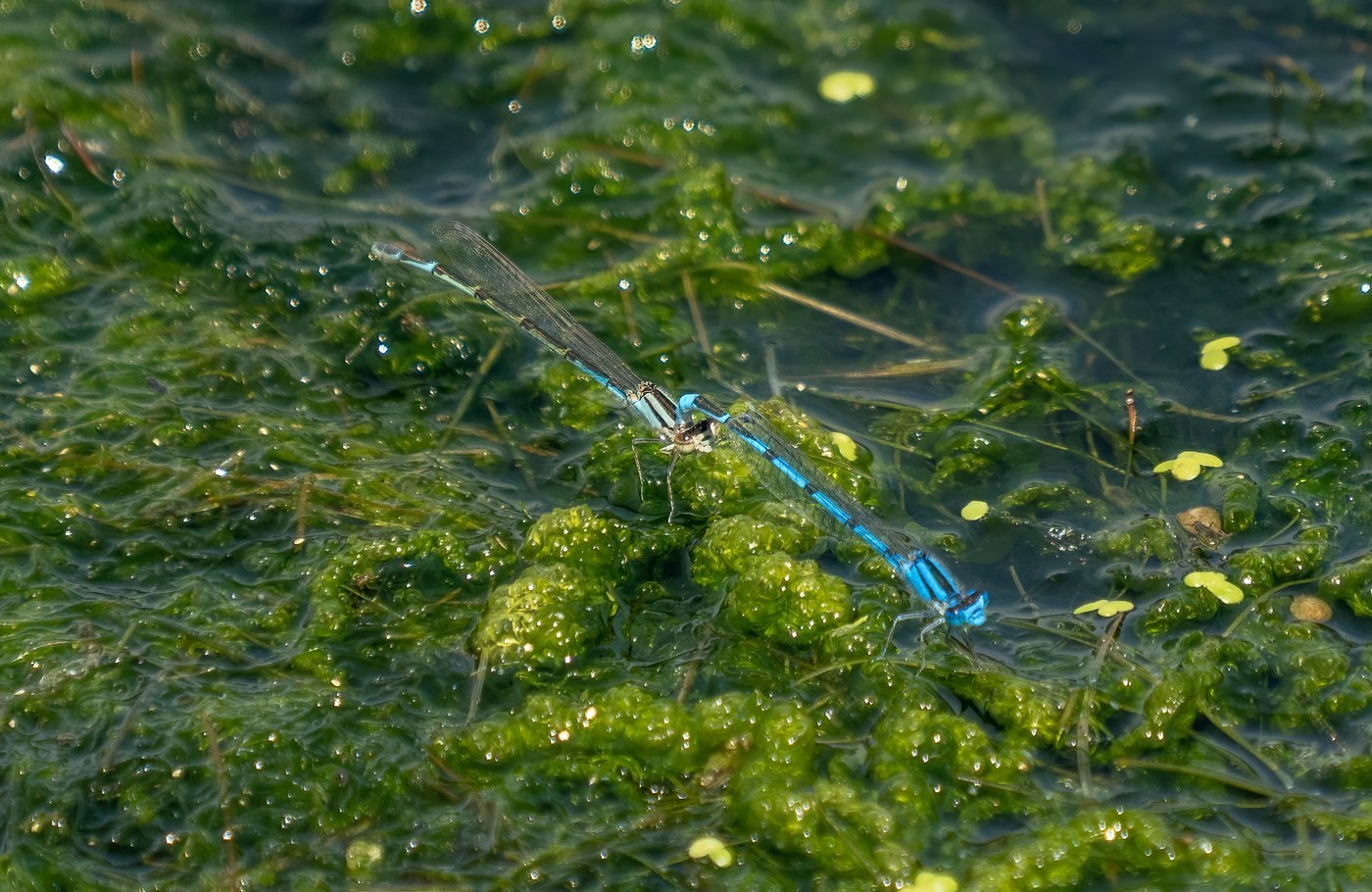
Northern Bluet
ponds, lakes, and marshes across cooler and northern regions