
Painted Skimmer
Libellula semifasciata
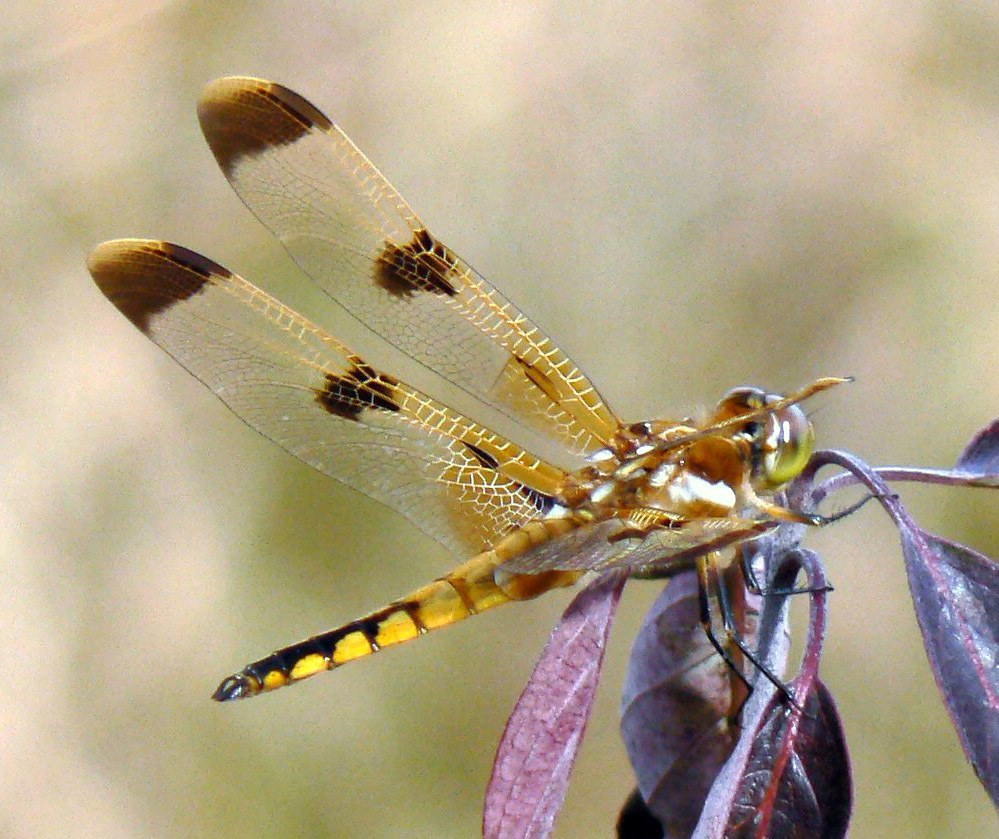
The Painted Skimmer's warm amber-and-brown mottled wings look like they were dabbed with a paintbrush, making this medium-sized skimmer one of the more artistically marked dragonflies in the East.
- Size
- Body length about 1.6-1.8 in (41-46 mm)
- Habitat
- Ponds, marshes, and slow-moving vegetated waters, including temporary pools
- Danger
- Harmless
Spotted a bug like this?
Identify any bug or insect from a photo, free.
Overview
The Painted Skimmer is a medium-sized dragonfly named for the mottled amber and brown patches decorating its wings, which give it a hand-painted appearance unlike the more solid-colored wing bands of many related skimmers. It is found across much of the eastern United States.
Both males and females share the boldly patterned wings, while the body is brownish with pale side markings, lacking the strong blue pruinescence seen in some other skimmer species. This species is often among the earlier skimmers to appear in spring in parts of its range.
How to Identify
- Wings marked with irregular amber-brown patches near the base and along the leading edge, giving a mottled or 'painted' look
- Body brown to reddish-brown with pale lateral stripes on the thorax
- Abdomen relatively slender for a skimmer, tapering toward the tip
- Sexes look broadly similar, unlike many skimmers where males become strongly pruinose
- Distinguished from the Calico Pennant and Halloween Pennant by its more irregular, less symmetrical wing patterning and stockier build
Habitat & Range
Painted Skimmers occupy ponds, marshes, and other still or slow-moving waters with ample vegetation, including some temporary or semi-permanent pools. The species ranges through the eastern United States, from New England south to Florida and west into the Midwest. Adults often appear in spring and continue flying into summer.
Behavior & Diet
Adults perch on twigs, grass stems, or low branches near water, making short sallies to catch small flying insects such as midges and mosquitoes. Males patrol territories along the shoreline and defend favored perches from rivals. The aquatic nymphs live among submerged vegetation and leaf litter, preying on small invertebrates, and serve as a food source for fish, amphibians, and wading birds within the wetland ecosystem.
Life Cycle
Females lay eggs directly into the water, tapping the surface with the abdomen tip while in flight over suitable vegetated habitat. The resulting nymphs live underwater for roughly one year in most areas, feeding on small aquatic invertebrates and molting repeatedly as they grow. When development is complete, nymphs climb out of the water onto emergent stems to undergo their final molt into winged adults, a hallmark of incomplete metamorphosis. Adults are relatively short-lived, spending their weeks-long adult stage feeding and reproducing near the breeding pond.
Frequently asked questions
What gives the Painted Skimmer its name?
The irregular amber and brown patches on its wings resemble brushstrokes of paint, distinguishing it from skimmers with more uniform wing markings.
Do male and female Painted Skimmers look different?
Unlike many skimmers, the sexes are fairly similar in coloration, both showing brown bodies and mottled wing patterns rather than one sex developing a blue pruinose bloom.
When are Painted Skimmers active?
They are often one of the earlier skimmers seen in spring in parts of the eastern United States and continue flying into summer.
Where do Painted Skimmer nymphs live?
The aquatic nymphs live among submerged vegetation and leaf litter in ponds and marshes, where they prey on small invertebrates.
Painted Skimmer guides
In-depth guides for identifying, understanding, and living alongside Painted Skimmer.
Other bugs you may enjoy
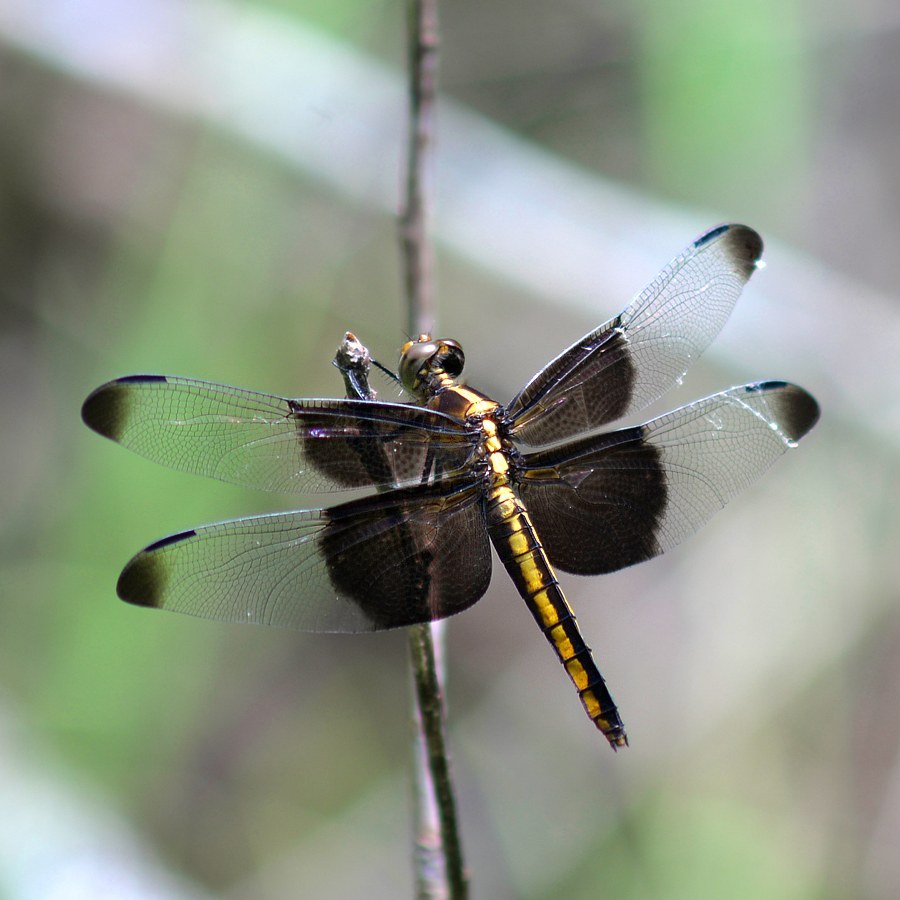
Widow Skimmer
ponds, lakes, and slow-moving streams with open shoreline vegetation across much of the United States
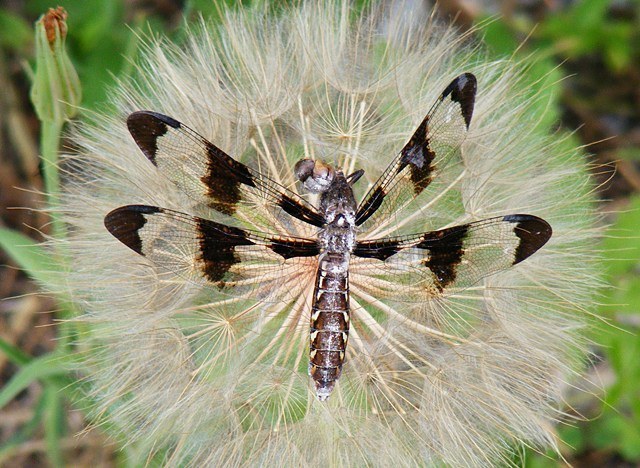
Twelve-spotted Skimmer
Ponds, lakes, and slow streams with open, sunny shorelines
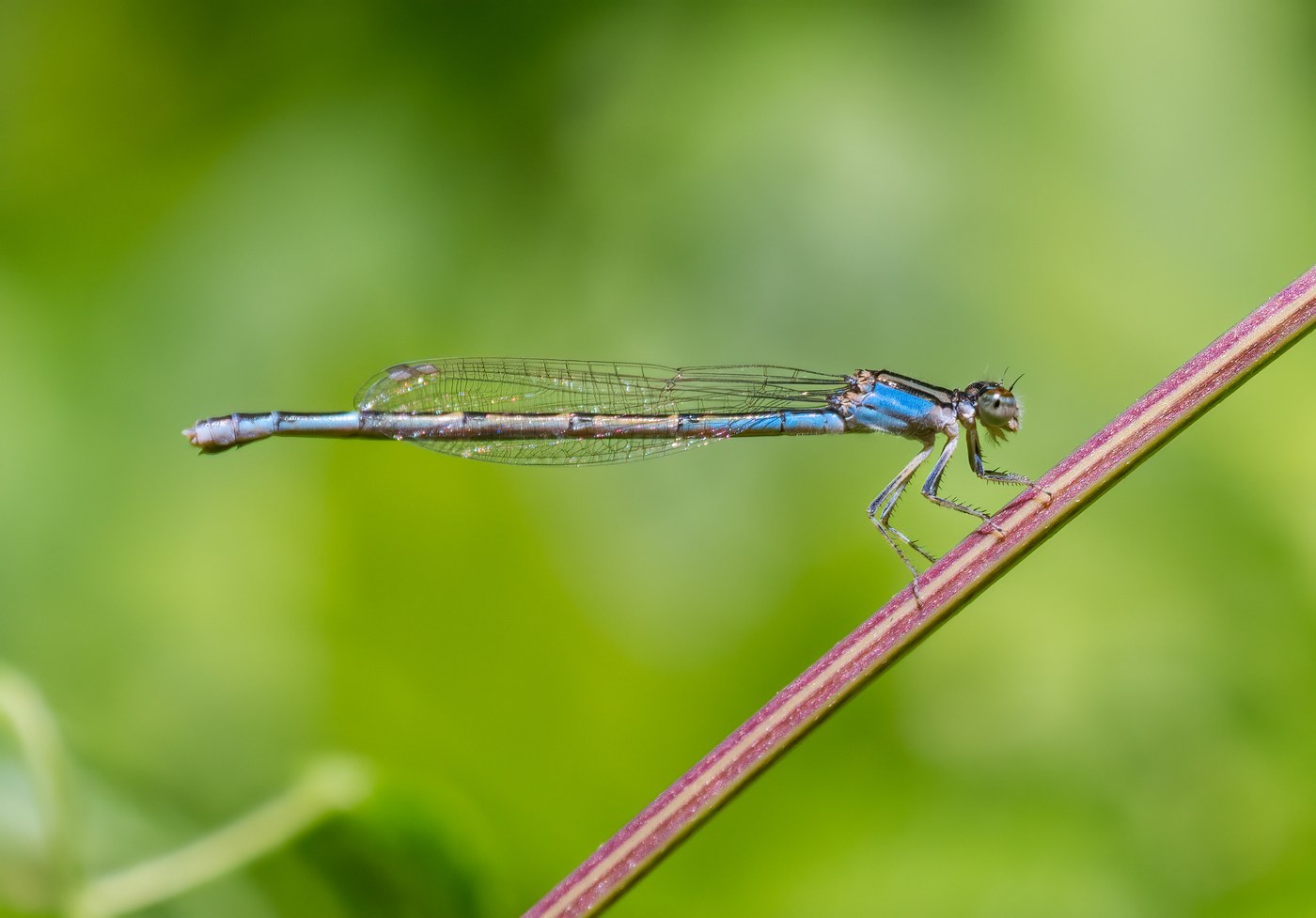
Azure Bluet
ponds, lakes, and slow streams with abundant aquatic vegetation
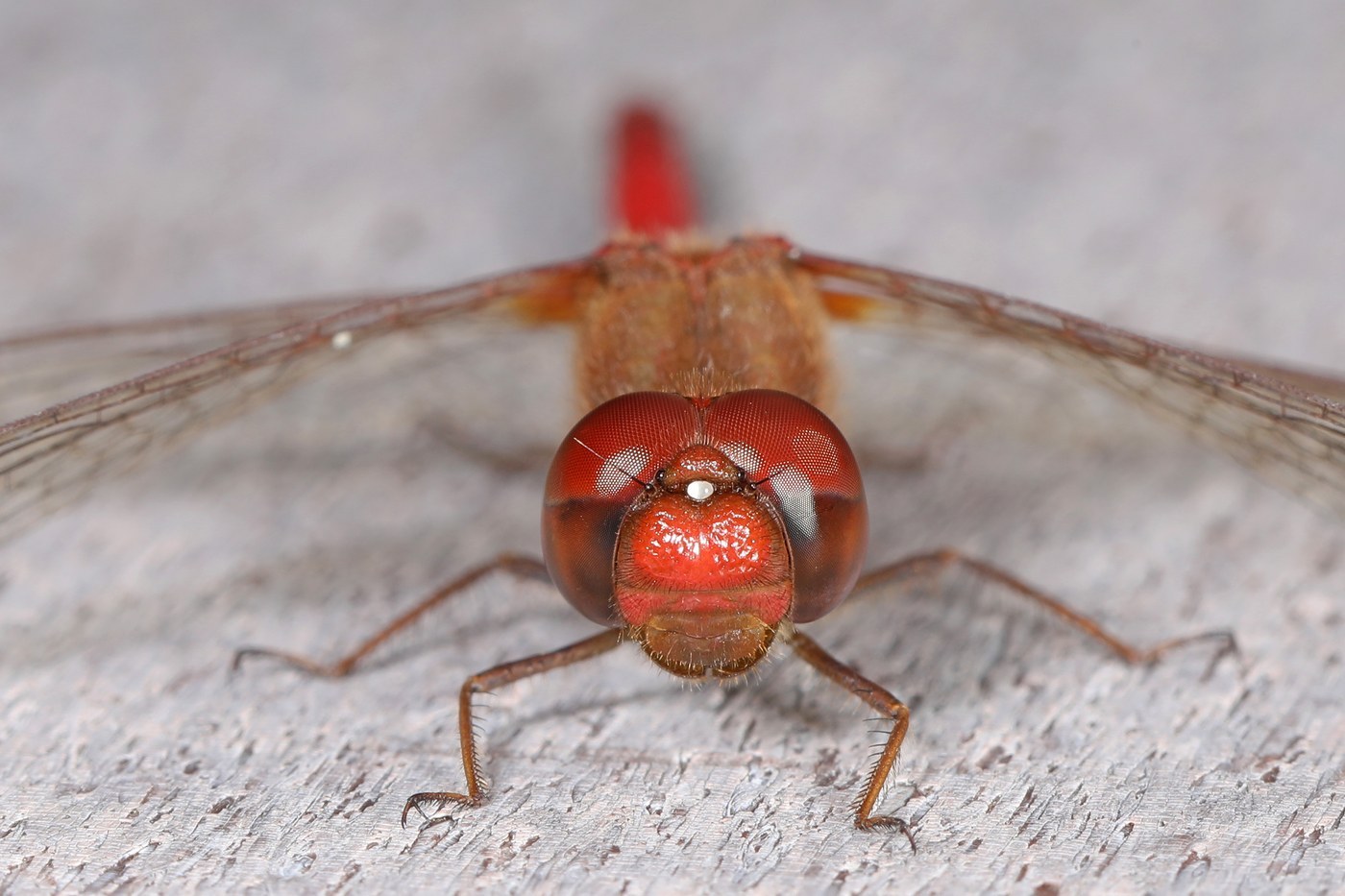
Autumn Meadowhawk
Ponds, marshes, and slow streams, often lingering into late fall
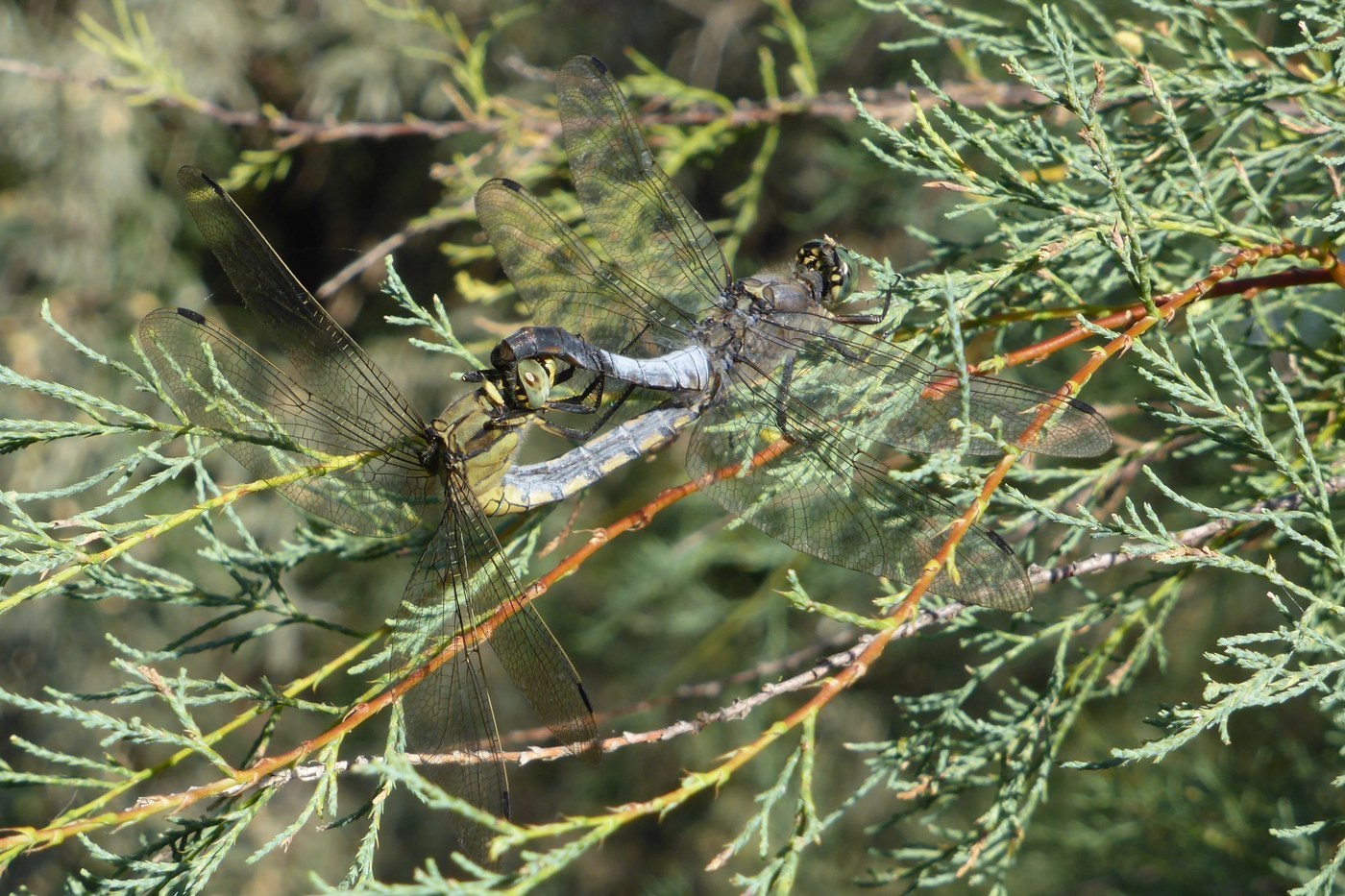
Spangled Skimmer
Ponds, lakes, and marshes with open sunny shorelines
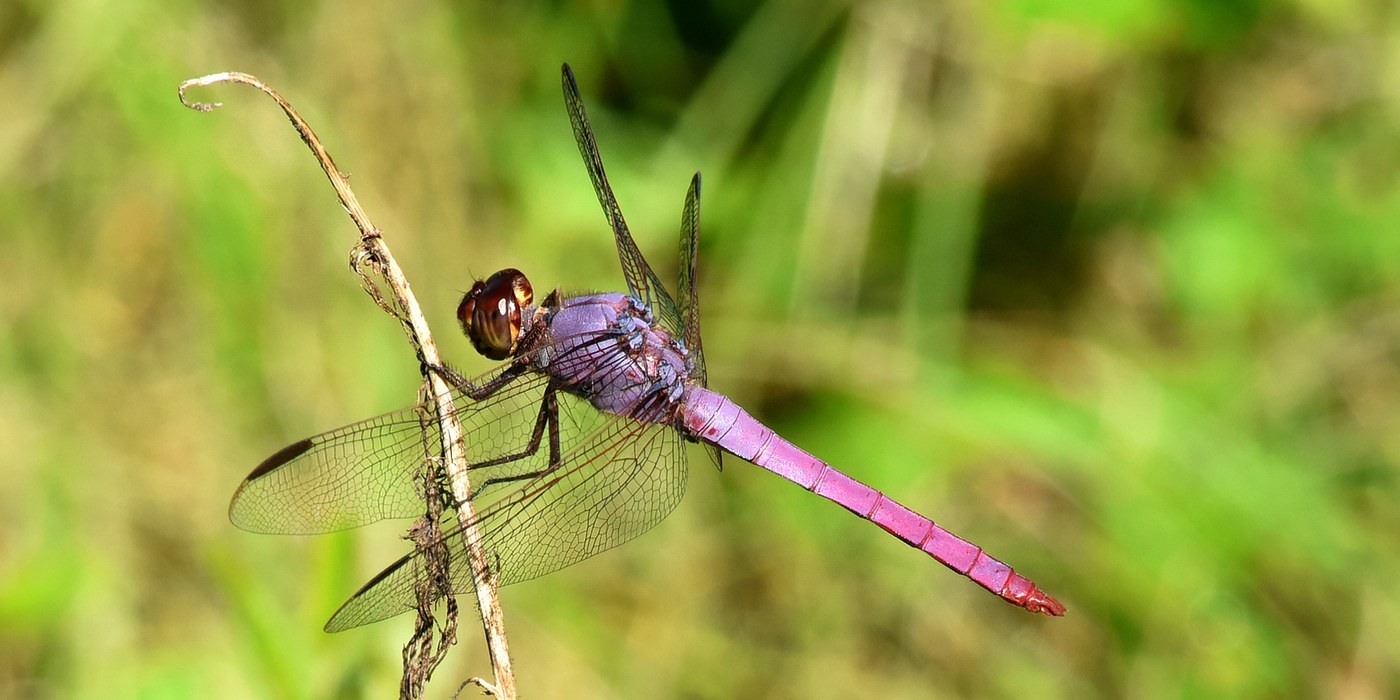
Roseate Skimmer
Ponds, ditches, and canals across the southern United States
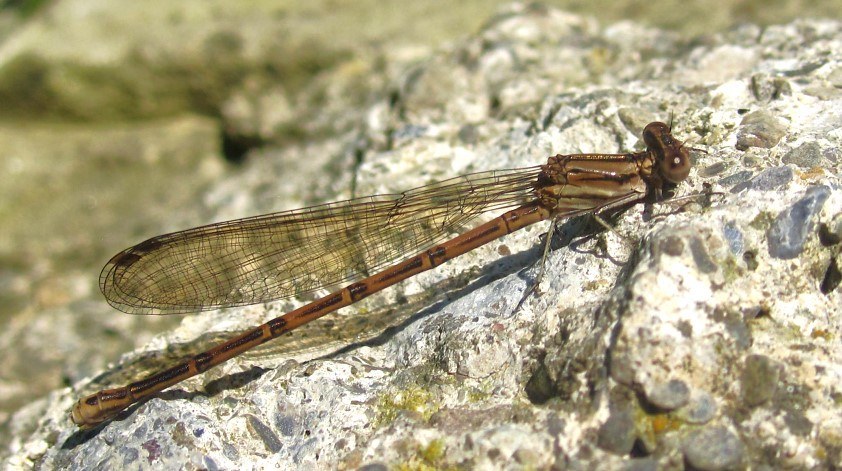
Variable Dancer
streams, rivers, and pond margins, especially in wooded or partly shaded settings
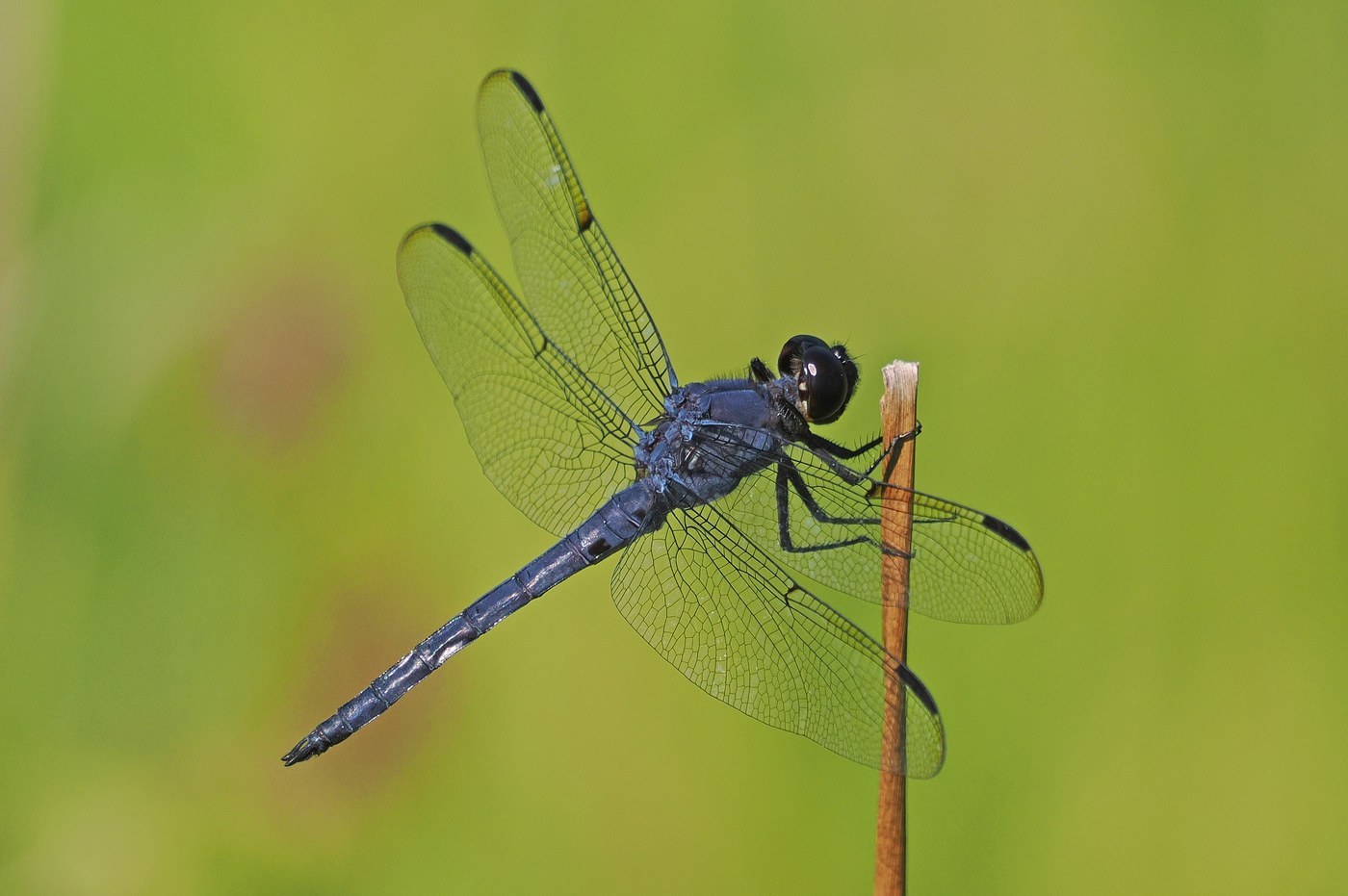
Slaty Skimmer
Still or slow-moving ponds, lakes, and marshes with open shoreline
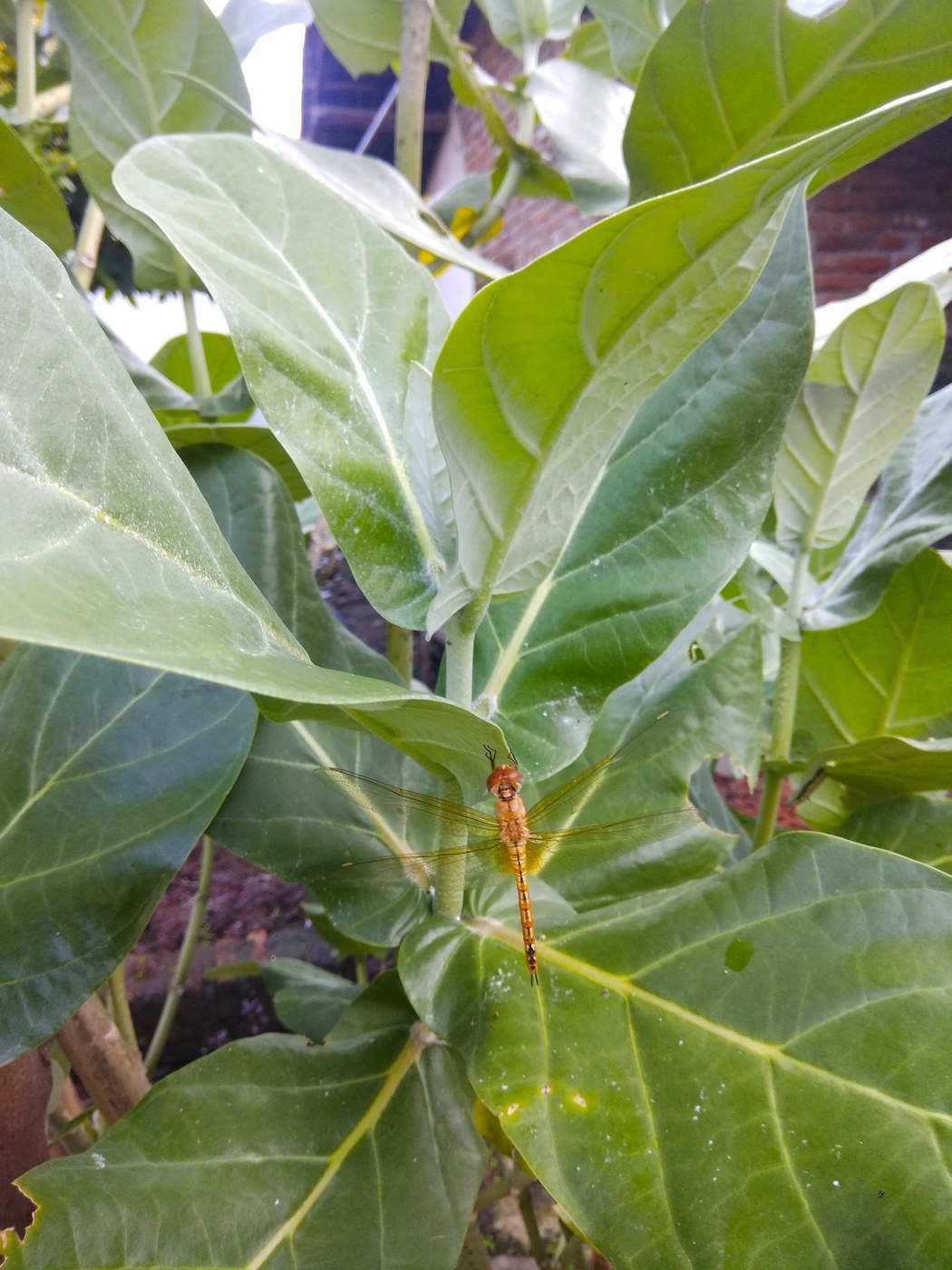
Wandering Glider
Temporary pools, open fields, and coastlines nearly worldwide
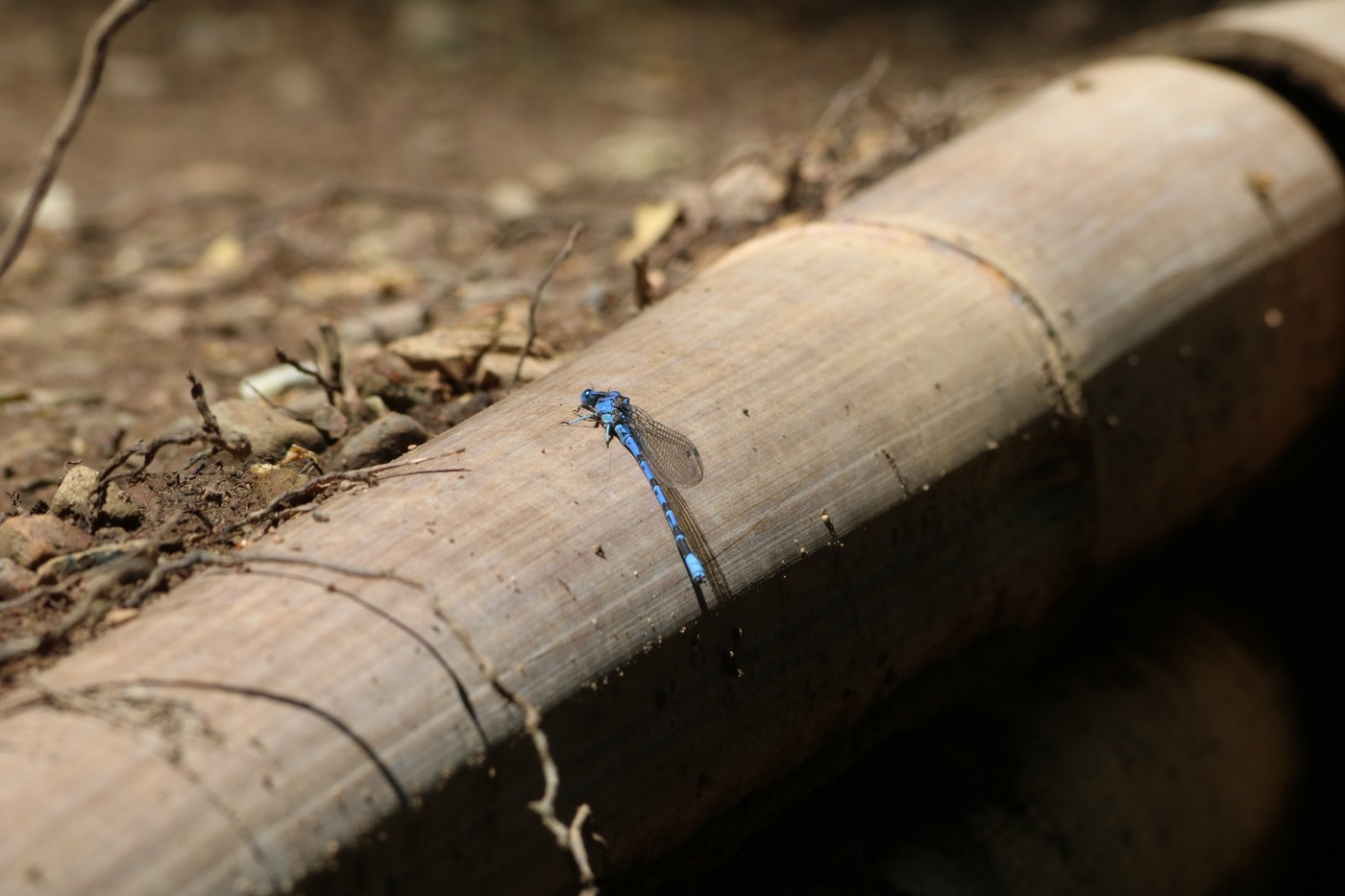
Vivid Dancer
rocky streams, seeps, and spring-fed creeks, often near thermal or warm springs
Powdered Dancer
rocky and gravelly rivers, streams, and lake shorelines
Northern Bluet
ponds, lakes, and marshes across cooler and northern regions