
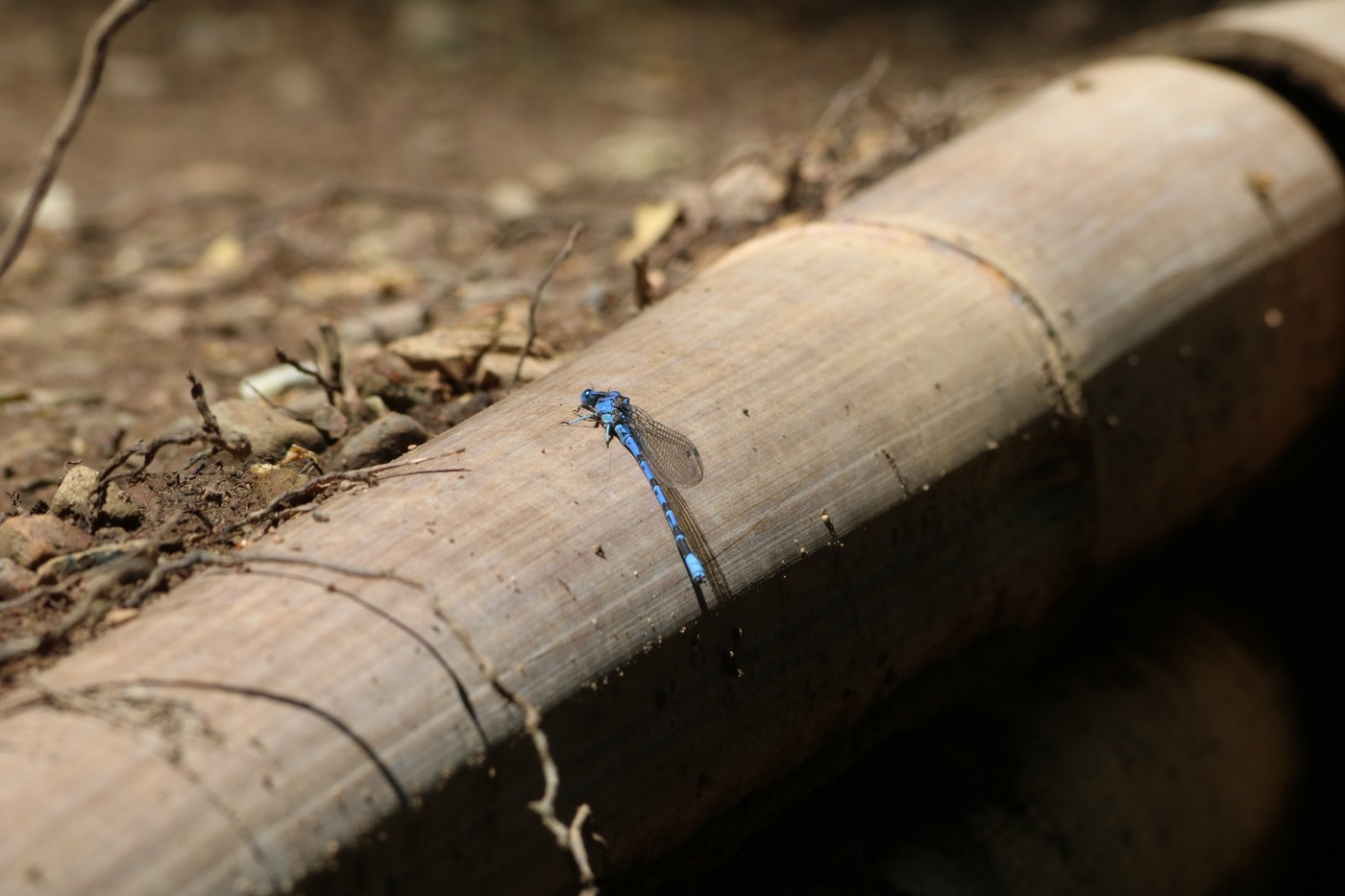
Vivid Dancer
Argia vivida
A brilliant violet-blue damselfly of western streams, the Vivid Dancer is one of the most striking members of the dancer genus and is notably tolerant of warm, mineral-rich waters.
- Size
- 1.1-1.4 in (28-36 mm) long
- Habitat
- rocky streams, seeps, and spring-fed creeks, often near thermal or warm springs
- Danger
- Harmless
Spotted a bug like this?
Identify any bug or insect from a photo, free.
Overview
The Vivid Dancer is a damselfly in the dancer genus Argia, part of the pond damsel family (Coenagrionidae), found across much of the western United States, western Canada, and into Mexico. It is named for the vivid violet-blue color of mature males, which stands out even among the generally colorful dancers.
Unlike many damselflies restricted to calm ponds, Vivid Dancers are strongly associated with flowing water, particularly rocky streams, seeps, and spring runs, and they show a notable tolerance for warm or thermally influenced waters, often being one of the few odonates found near hot springs. This adaptability allows them to occupy habitats across a wide elevational range, from lowland desert streams to mountain creeks.
As with other dancers, Vivid Dancers perch characteristically with their abdomens raised and often pumped up and down, a behavior thought to aid in thermoregulation or signaling. They are active predators of small flying insects and, as both nymphs and adults, form an important part of stream food webs in the arid and semi-arid West.
How to Identify
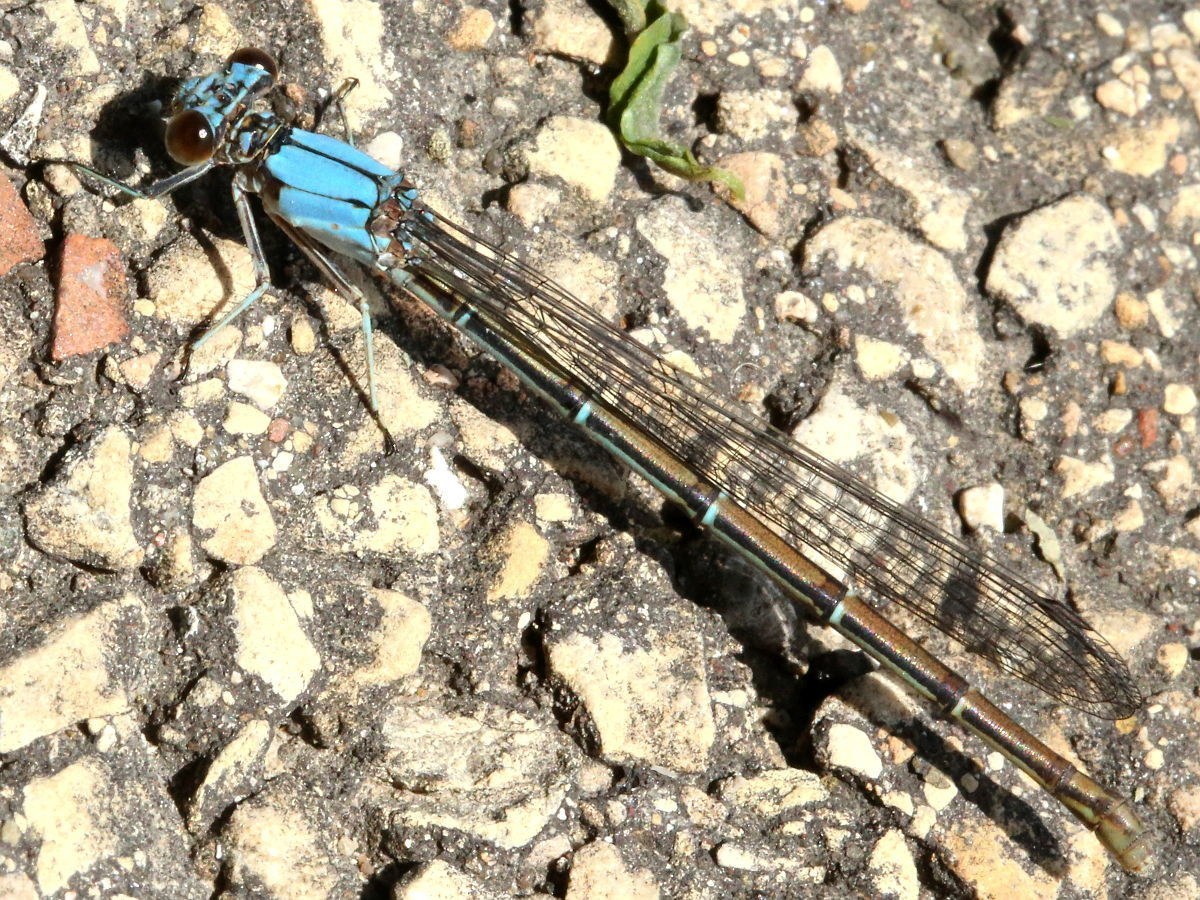
- Mature males: bright violet-blue thorax and abdomen with black markings, giving an especially saturated blue-purple appearance compared to other dancers
- Black stripe pattern on the thorax typical of Argia species
- Females duller, often tan, brown, or dull blue with heavier black markings
- Robust build for a damselfly, with a thicker body than many bluets
- Perches with wings closed and abdomen often held at an angle or pumped
- Lookalikes: other Argia dancers (Blue-fronted Dancer, Springwater Dancer) can appear similar; range, habitat (flowing versus still water), and close examination of terminal appendages help separate them
Habitat & Range
Vivid Dancers are closely tied to flowing water, favoring rocky or gravelly streams, seeps, spring runs, and creek margins, often at sites influenced by warm or mineral springs. They occur widely across the western United States (including the Southwest, Great Basin, and Pacific states), western Canada, and into Mexico, from low desert canyons up into montane streams. Adults are on the wing primarily in spring through fall, with the flight season varying by elevation and latitude.
Behavior & Diet
Adults perch on streamside rocks, gravel bars, and vegetation, making short flights to snatch small flying insects such as midges and gnats. Males are territorial along favorable stretches of stream and often engage in the characteristic dancer behavior of raising and lowering the abdomen while perched. Nymphs cling to submerged rocks and debris in flowing water, where they ambush small aquatic invertebrates. The species' tolerance of warm water allows it to persist in habitats too hot for many other odonates, making it an important predator and prey species in thermally influenced stream ecosystems.
Life Cycle
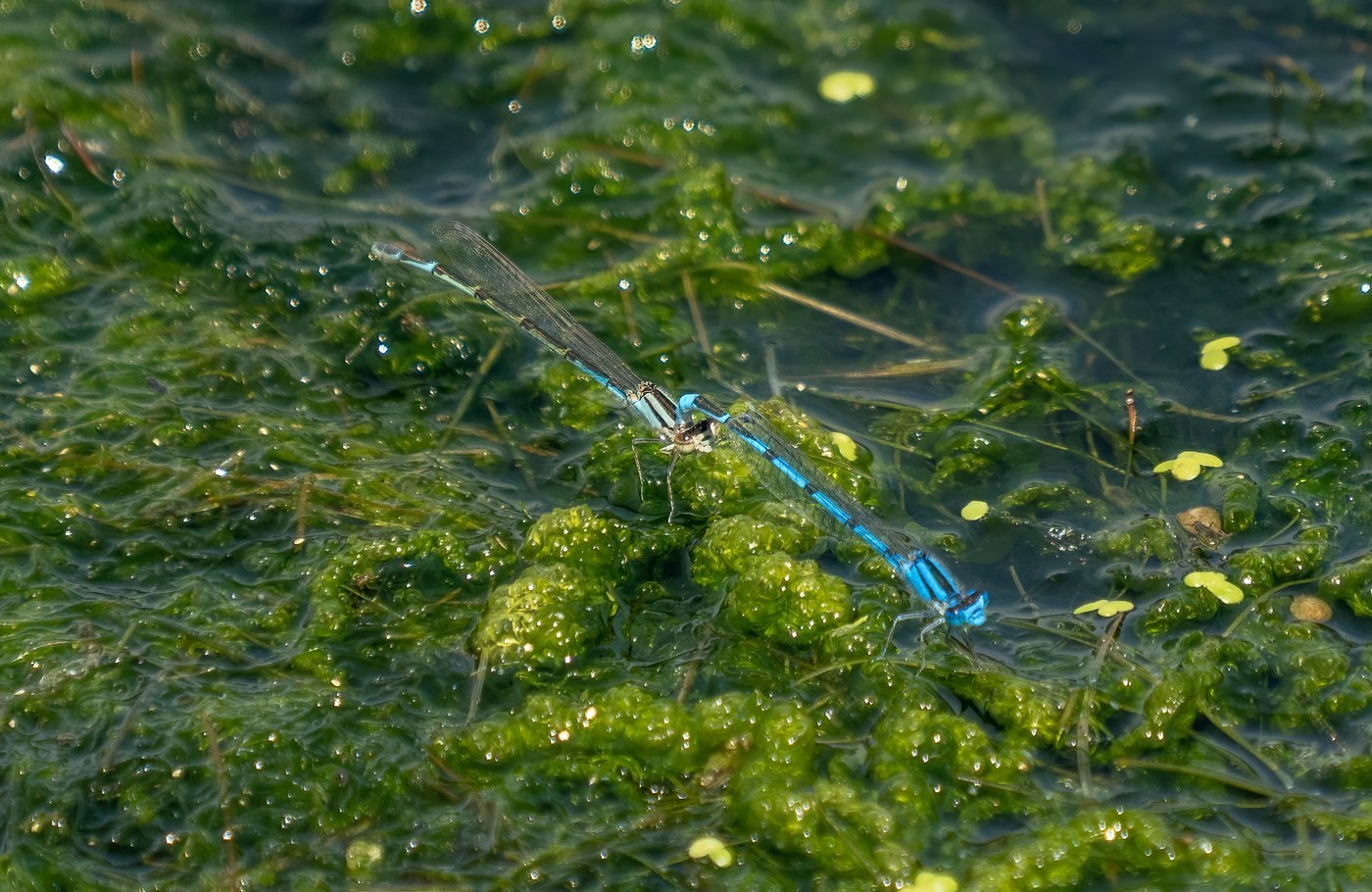
Vivid Dancers develop through incomplete metamorphosis, passing through egg, aquatic nymph, and adult stages without a pupal stage. After mating in the characteristic tandem wheel position, females lay eggs into submerged plant material or algae in flowing water, sometimes with the male remaining attached to guard her. Nymphs live among stream rocks and vegetation, molting repeatedly as they grow and prey on small aquatic organisms, using gills at the abdomen tip to extract oxygen from the water. When ready to emerge, nymphs crawl onto emergent rocks or vegetation for their final molt into winged adults. In warmer, thermally influenced habitats, multiple generations may occur within a year, while cooler mountain populations typically produce one generation with nymphs overwintering.
Frequently asked questions
What makes the Vivid Dancer's color distinctive?
Mature males show an especially saturated violet-blue coloration that is more intense than most other blue damselflies, giving the species its name.
Why is the Vivid Dancer associated with hot springs?
It shows unusual tolerance for warm, mineral-rich water and is often one of the few damselfly species found near thermal springs in the western United States.
Does the Vivid Dancer live in ponds or streams?
It is primarily a stream species, favoring rocky or gravelly flowing water rather than still ponds.
What is the abdomen-pumping behavior seen in dancers?
Dancer damselflies, including the Vivid Dancer, often raise and lower the abdomen while perched, a behavior characteristic of the genus Argia.
Vivid Dancer guides
In-depth guides for identifying, understanding, and living alongside Vivid Dancer.
Other bugs you may enjoy
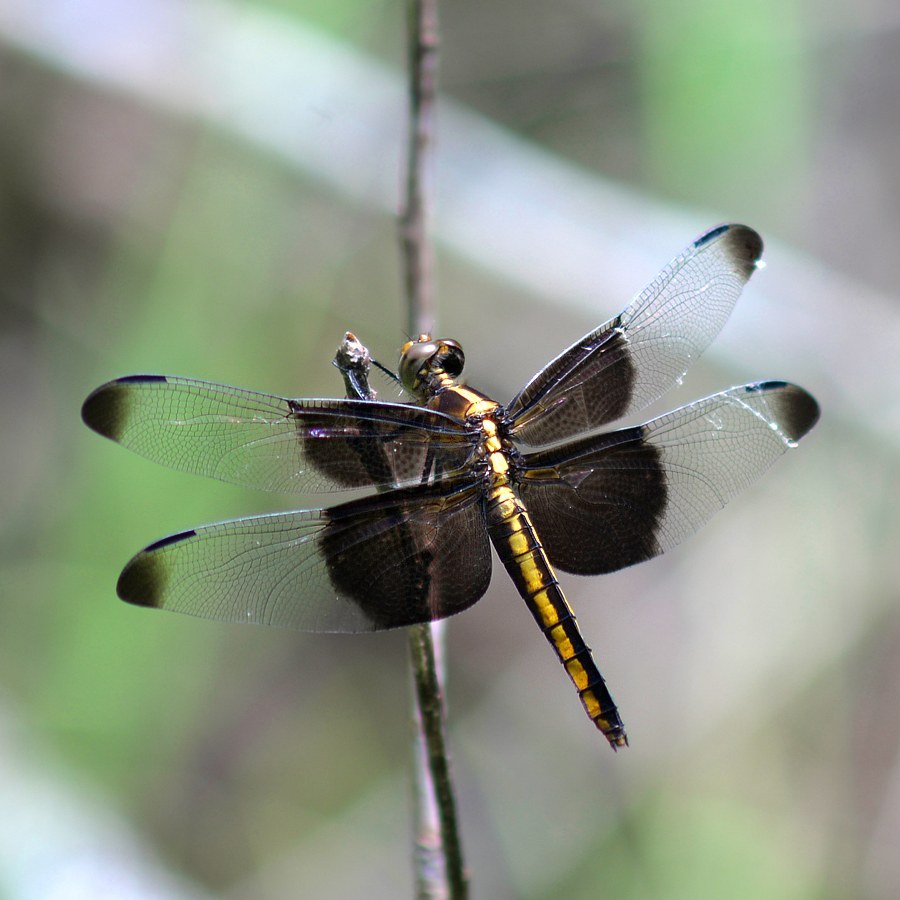
Widow Skimmer
ponds, lakes, and slow-moving streams with open shoreline vegetation across much of the United States
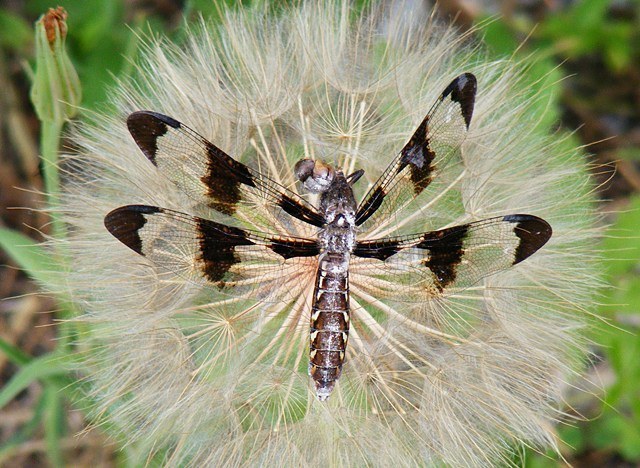
Twelve-spotted Skimmer
Ponds, lakes, and slow streams with open, sunny shorelines
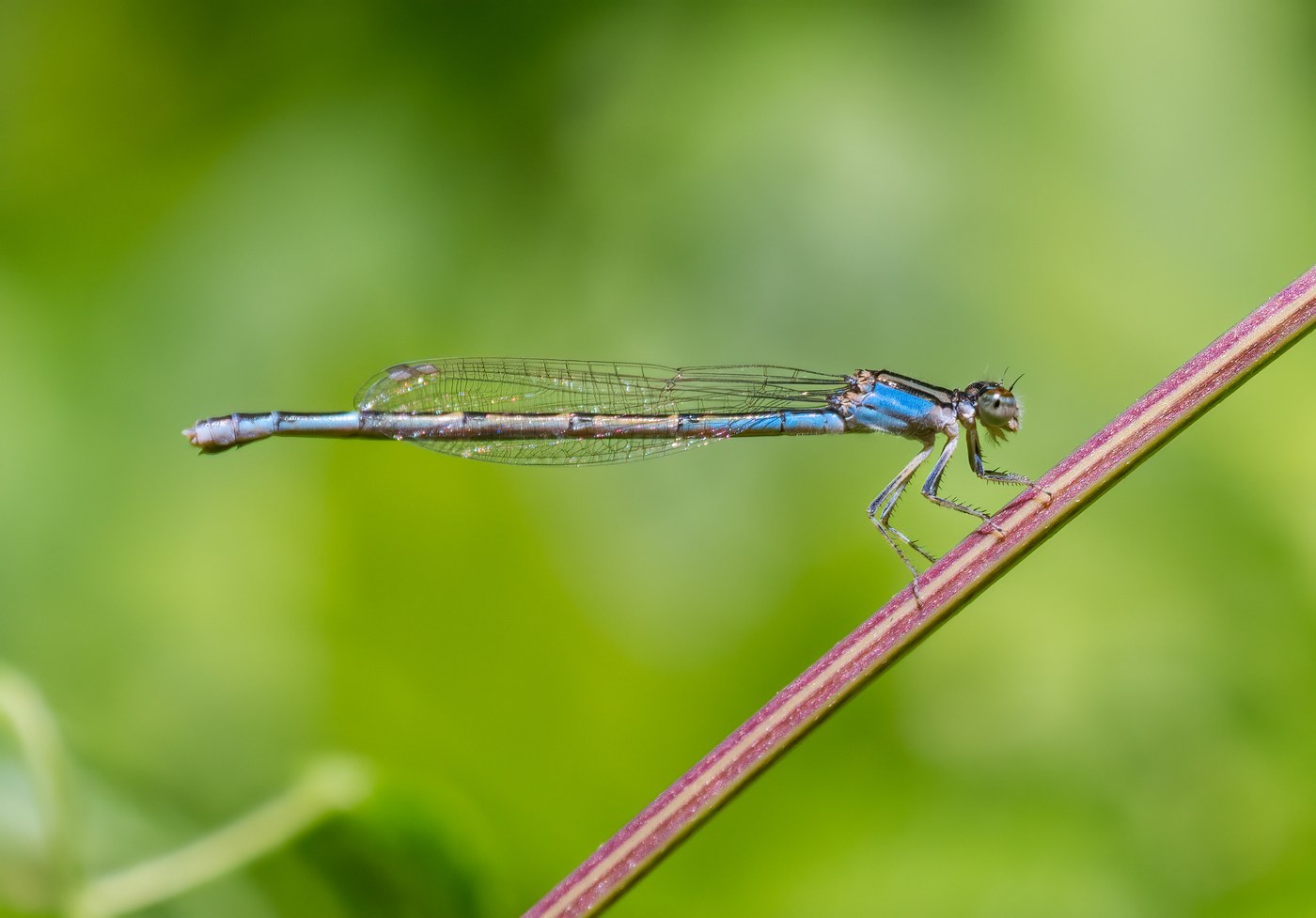
Azure Bluet
ponds, lakes, and slow streams with abundant aquatic vegetation
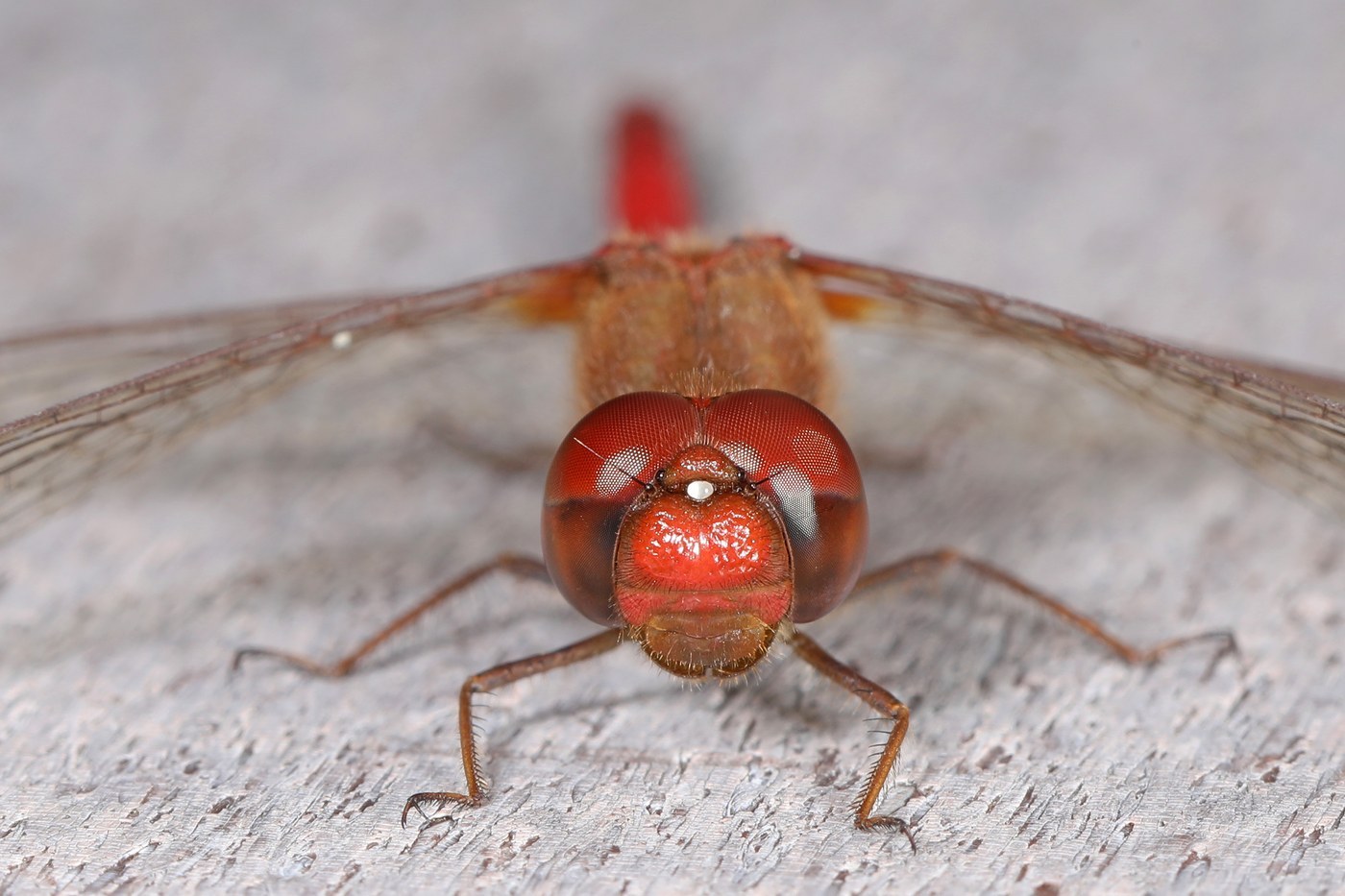
Autumn Meadowhawk
Ponds, marshes, and slow streams, often lingering into late fall
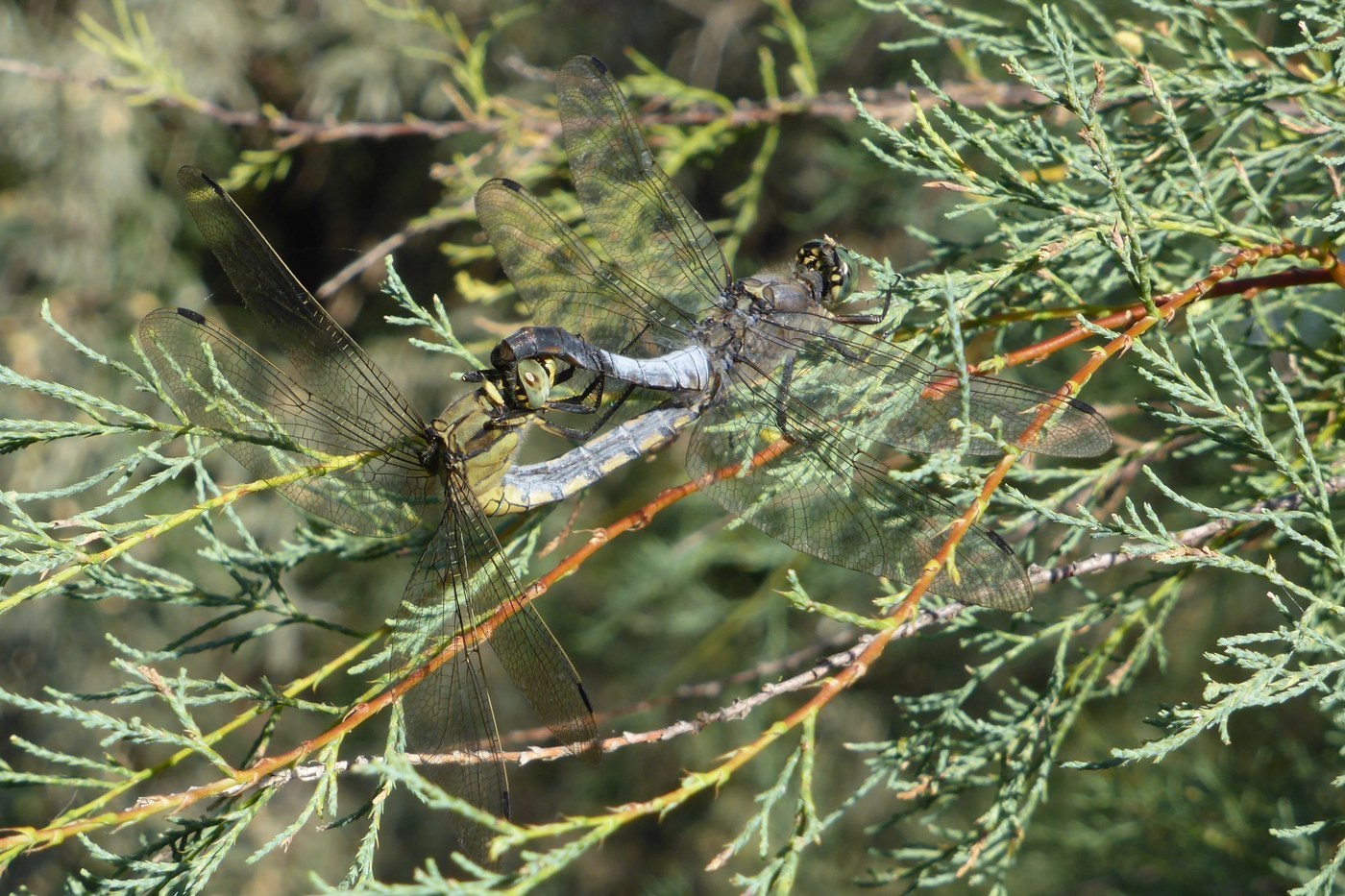
Spangled Skimmer
Ponds, lakes, and marshes with open sunny shorelines
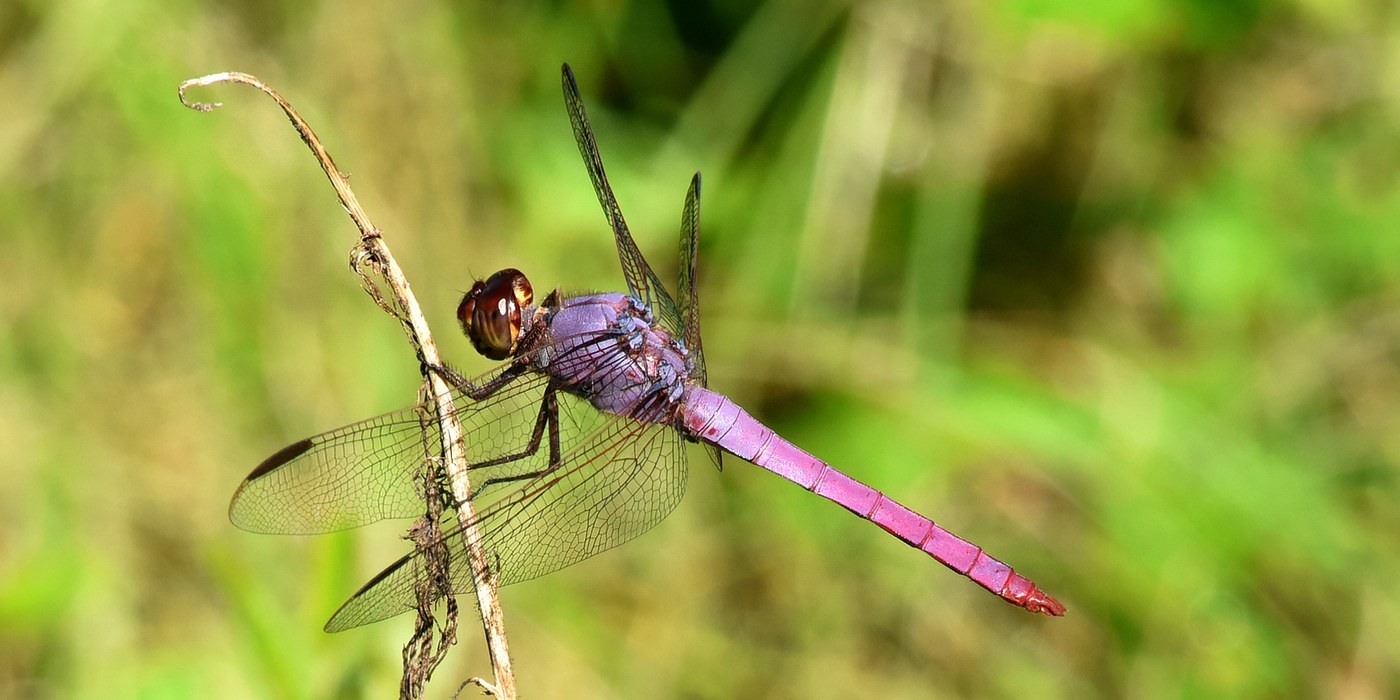
Roseate Skimmer
Ponds, ditches, and canals across the southern United States
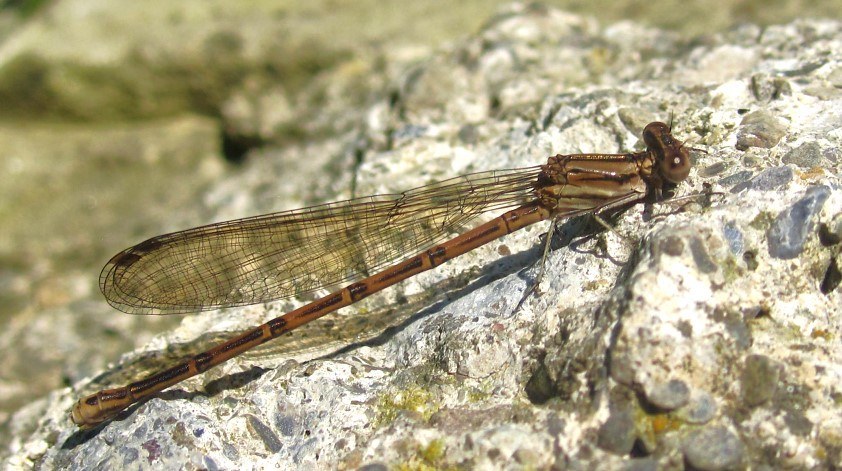
Variable Dancer
streams, rivers, and pond margins, especially in wooded or partly shaded settings
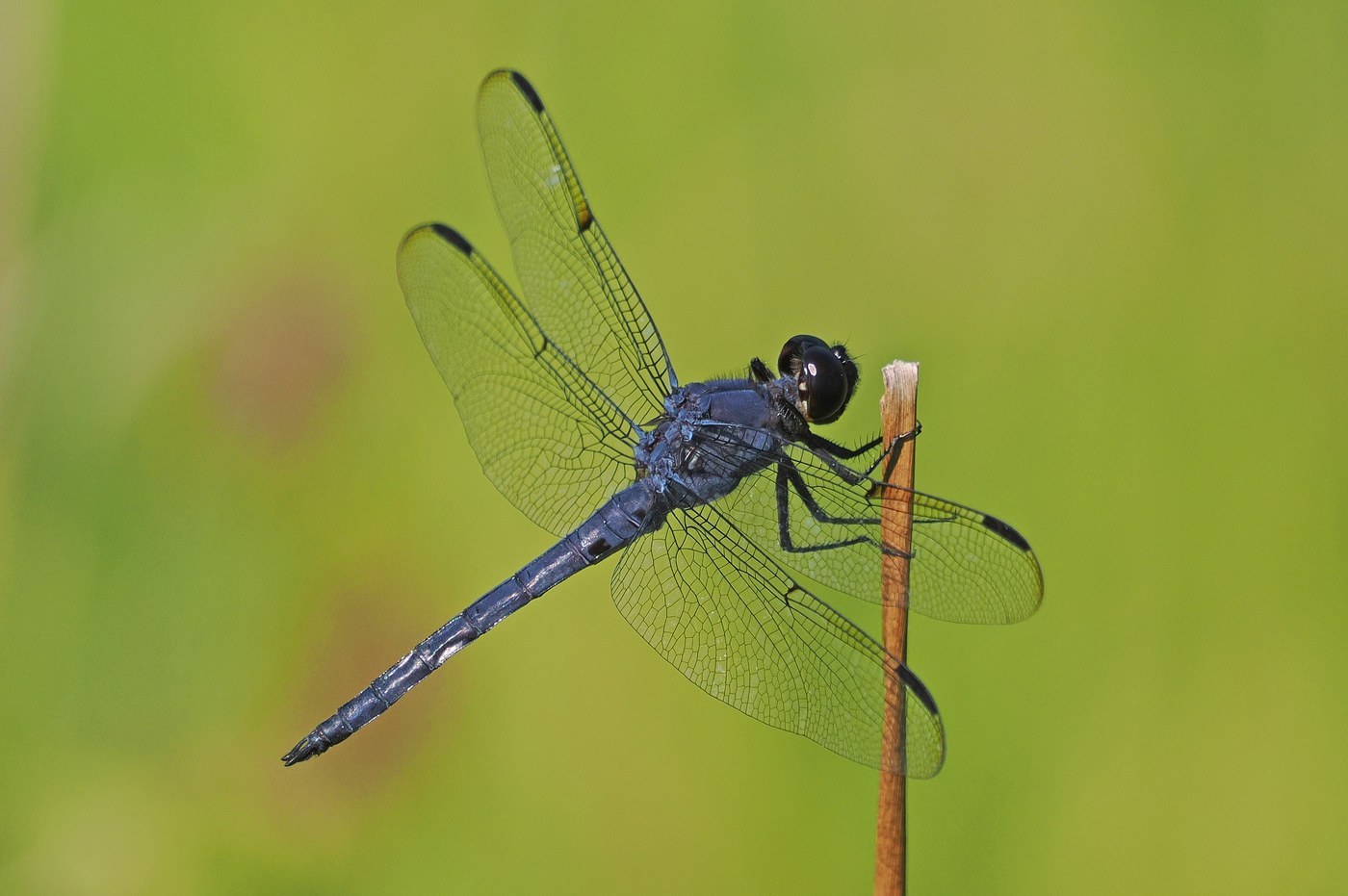
Slaty Skimmer
Still or slow-moving ponds, lakes, and marshes with open shoreline
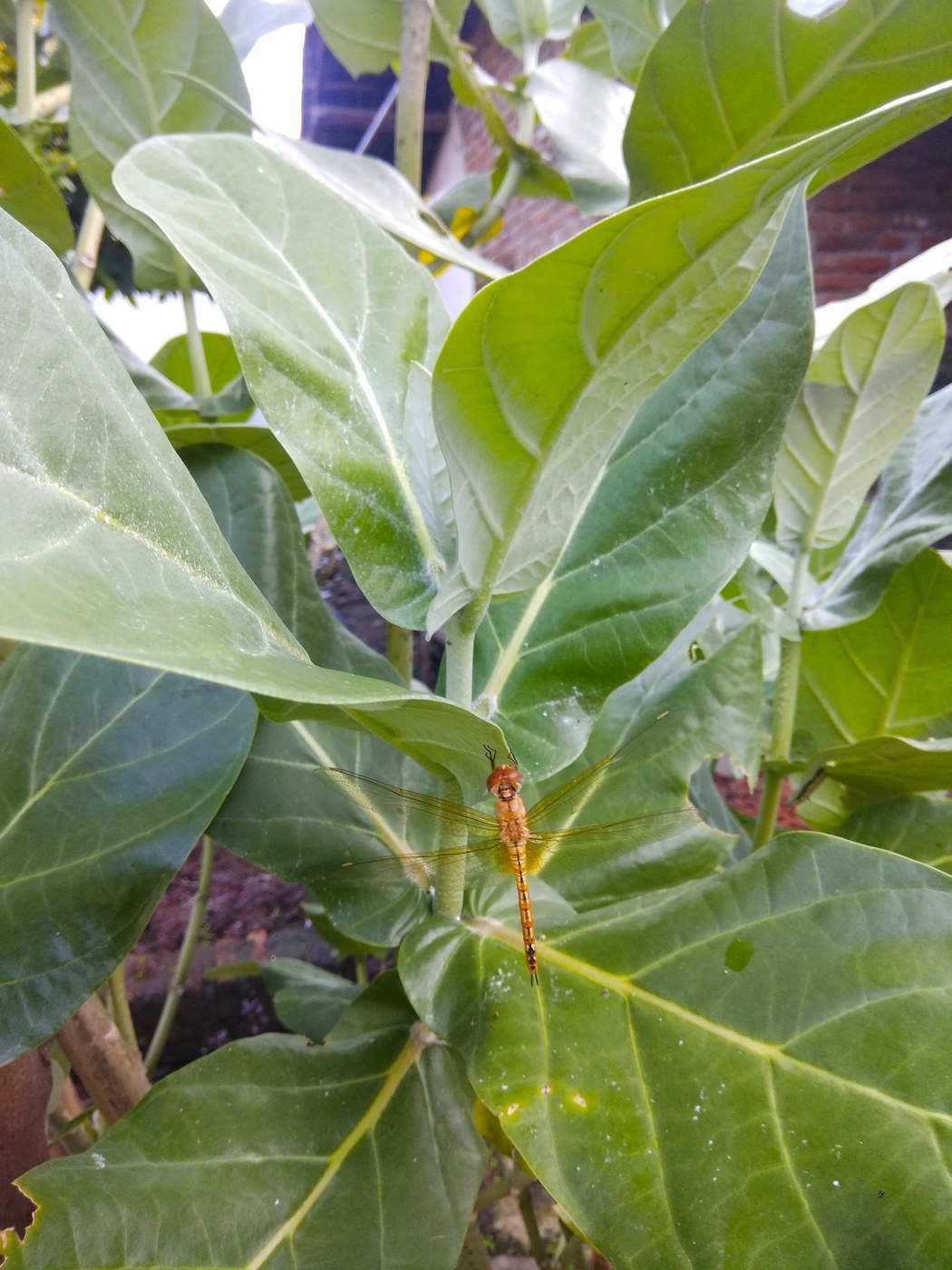
Wandering Glider
Temporary pools, open fields, and coastlines nearly worldwide
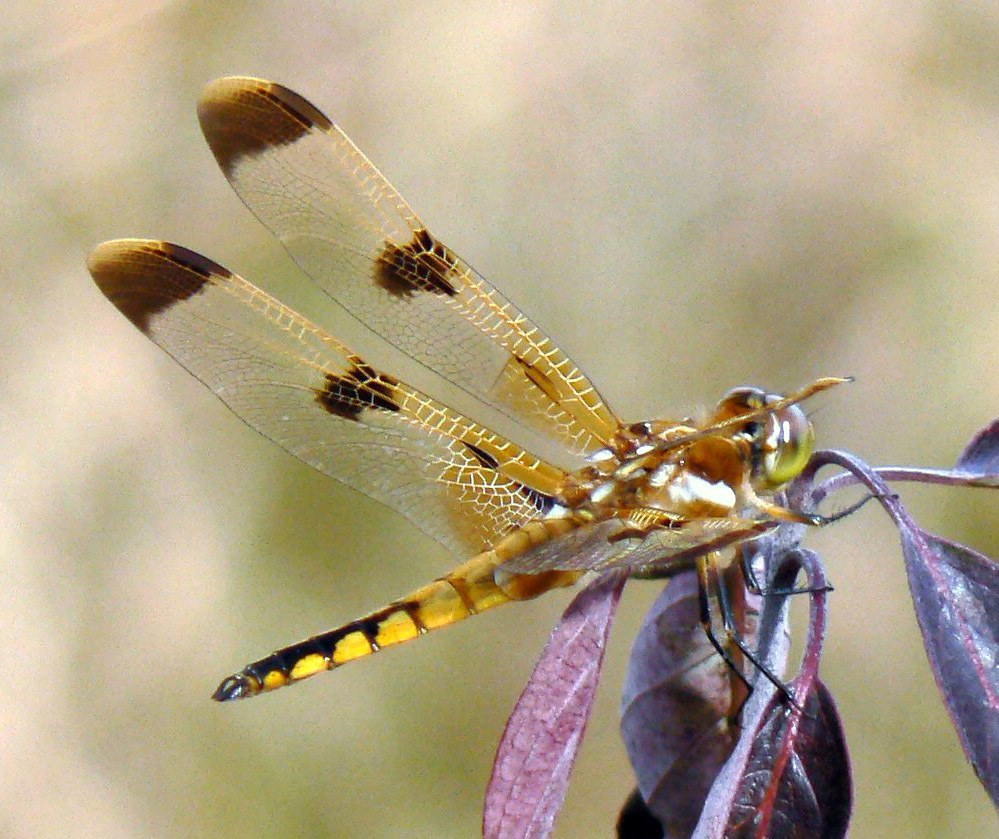
Painted Skimmer
Ponds, marshes, and slow-moving vegetated waters, including temporary pools
Powdered Dancer
rocky and gravelly rivers, streams, and lake shorelines
Northern Bluet
ponds, lakes, and marshes across cooler and northern regions