
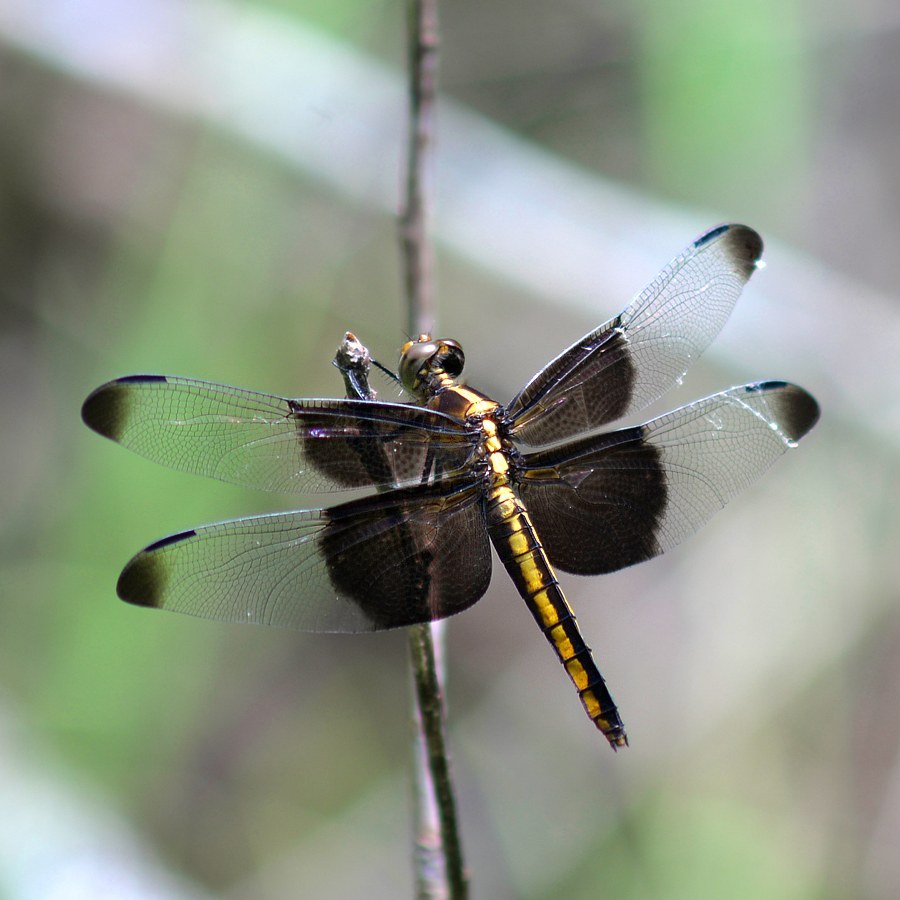
Widow Skimmer
Libellula luctuosa
A medium-sized dragonfly named for the broad, dark mourning-veil-like patches at the base of its wings, seen perched on shoreline vegetation across much of North America.
- Size
- 4.5–5 cm (1.8–2 in) long
- Habitat
- ponds, lakes, and slow-moving streams with open shoreline vegetation across much of the United States
- Danger
- Harmless
Spotted a bug like this?
Identify any bug or insect from a photo, free.
Overview
The widow skimmer is a medium-sized dragonfly widespread across much of the United States and southern Canada, easily recognized by the broad dark brown-to-black patches at the base of each wing, said to resemble the mourning veil of a widow. Mature males add a distinctive powdery white band beyond this dark patch, while females and immature individuals keep clear or lightly marked wings.
The species is a frequent sight perched on grass stems, twigs, and shrubs around ponds and lakes, where it makes short darting flights to catch flying insects and where males actively patrol territory along the shoreline.
How to Identify
- Medium dragonfly, body length about 4.5–5 cm
- Wide dark brown-black patches at the base of each wing, present in both sexes
- Mature males add a powdery white band on the wing beyond the dark patch, plus a pale blue, pruinose abdomen
- Females and immatures have a brown abdomen with pale yellow side stripes and lack the added white wing band
- Distinguished from the common whitetail by the combination of dark wing-base patches (both sexes) and, in males, an additional white band
Habitat & Range
Found around ponds, lakes, and slow-moving streams with open, well-vegetated shorelines across much of the United States and southern Canada.
Behavior & Diet
Perches on grass stems, twigs, and shrubs near water, making short sallies out to catch flying insects before returning to the same perch. Males patrol and defend territory along shorelines, using their wing patterns in visual displays toward rivals and potential mates. It preys on mosquitoes, flies, and other small flying insects.
Life Cycle
Eggs are laid in water among aquatic plants. Aquatic nymphs prey on small invertebrates and other aquatic life, developing over several months to about a year depending on climate. Nymphs crawl out of the water to molt into winged adults, typically producing one generation per year in cooler regions and more in warmer climates.
Frequently asked questions
Why is it called the widow skimmer?
For the dark patches at the base of its wings, likened to the dark mourning veil once worn by widows.
How do males differ from females?
Males have a pale blue abdomen and add a white band on the wing beyond the dark patch, while females stay brown-bodied and lack the white band.
What does it eat?
Small flying insects such as mosquitoes and flies, caught in flight.
Where is it commonly seen?
Perched on grass stems, twigs, or shrubs right around the edges of ponds, lakes, and slow streams.
Widow Skimmer guides
In-depth guides for identifying, understanding, and living alongside Widow Skimmer.
Widow Skimmer identified by the community
Real finds identified with Bug Identifier.
Other bugs you may enjoy
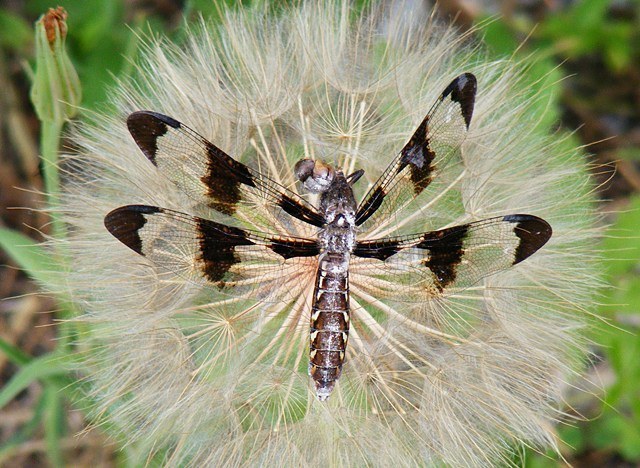
Twelve-spotted Skimmer
Ponds, lakes, and slow streams with open, sunny shorelines
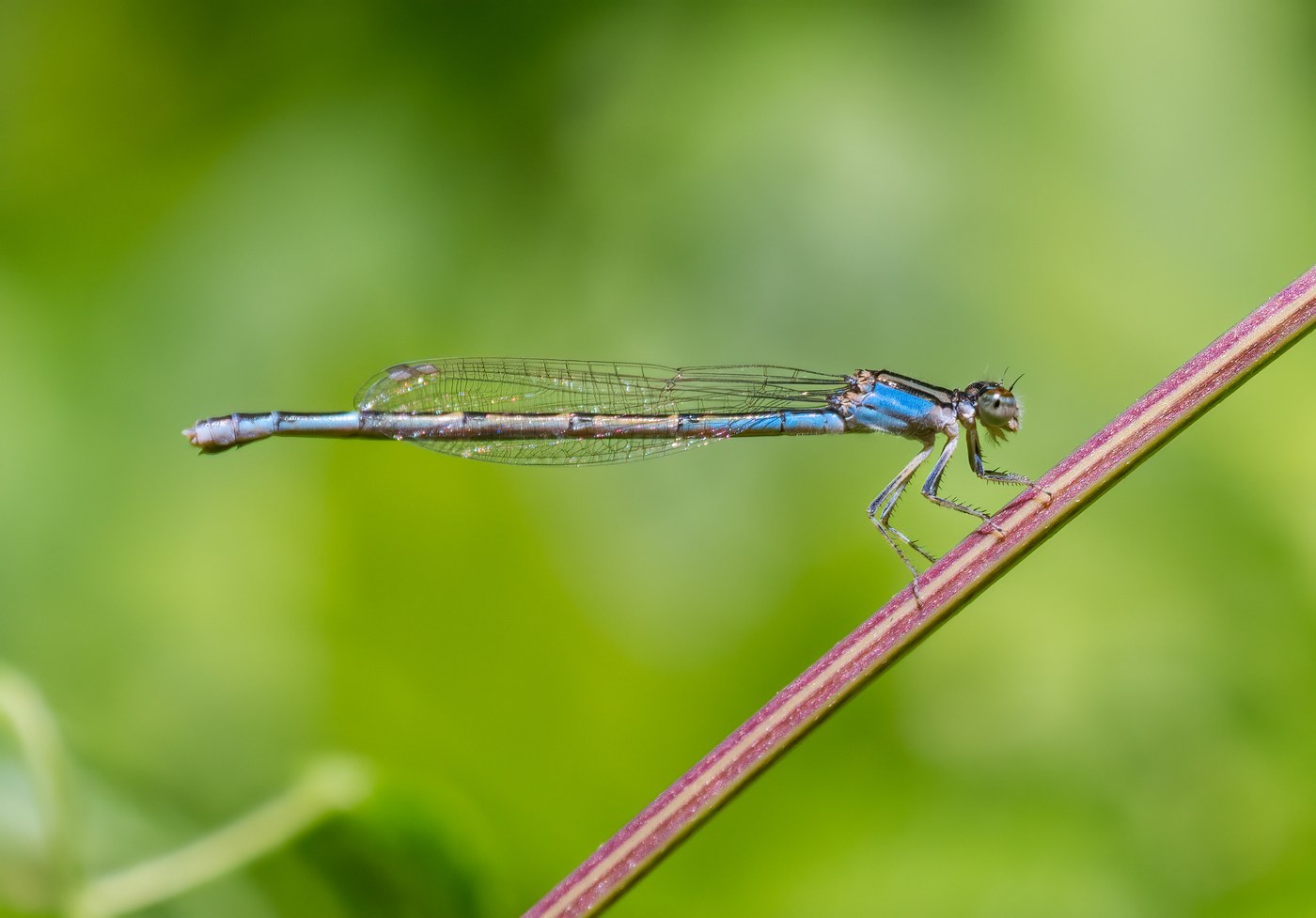
Azure Bluet
ponds, lakes, and slow streams with abundant aquatic vegetation
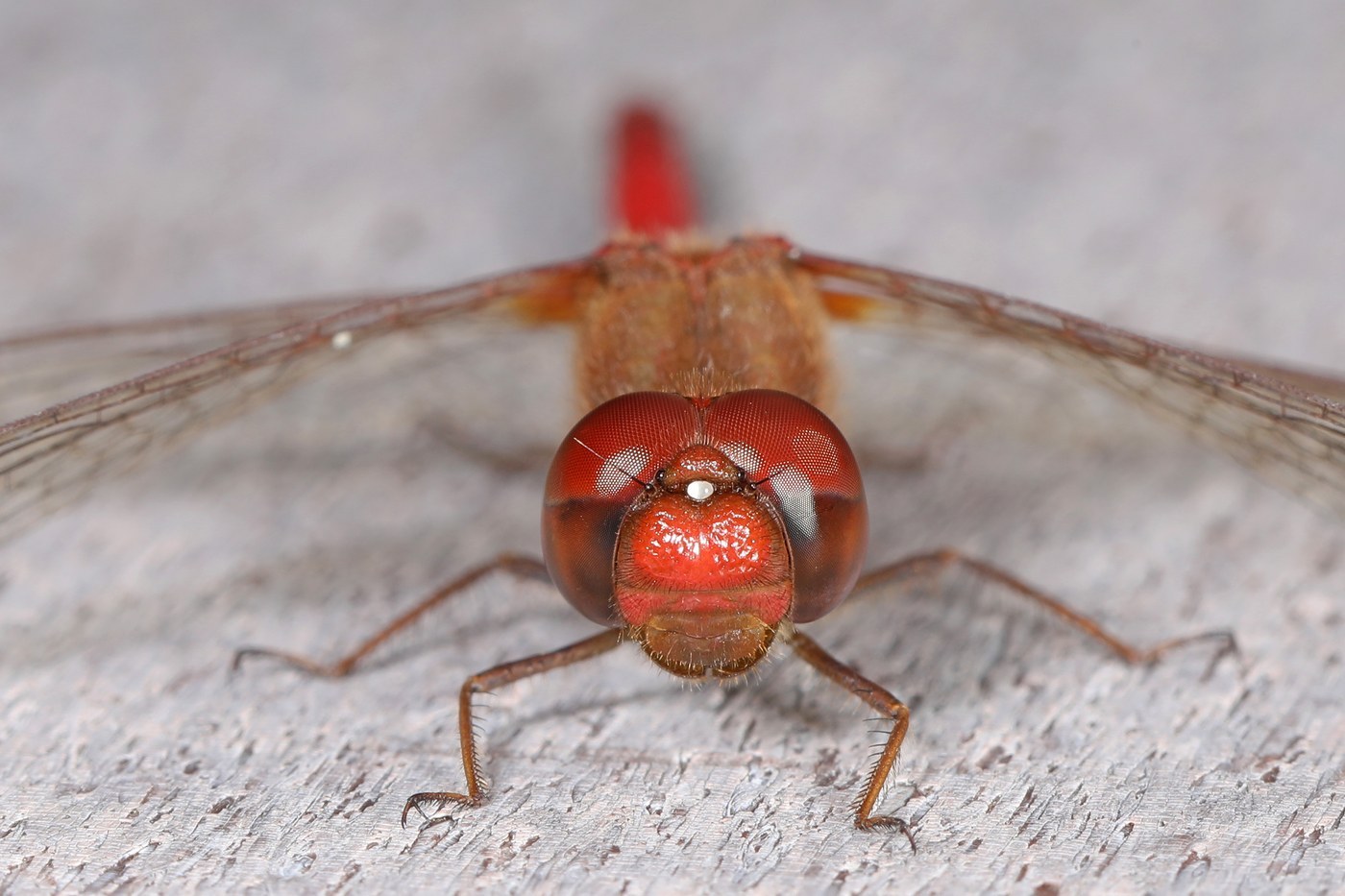
Autumn Meadowhawk
Ponds, marshes, and slow streams, often lingering into late fall
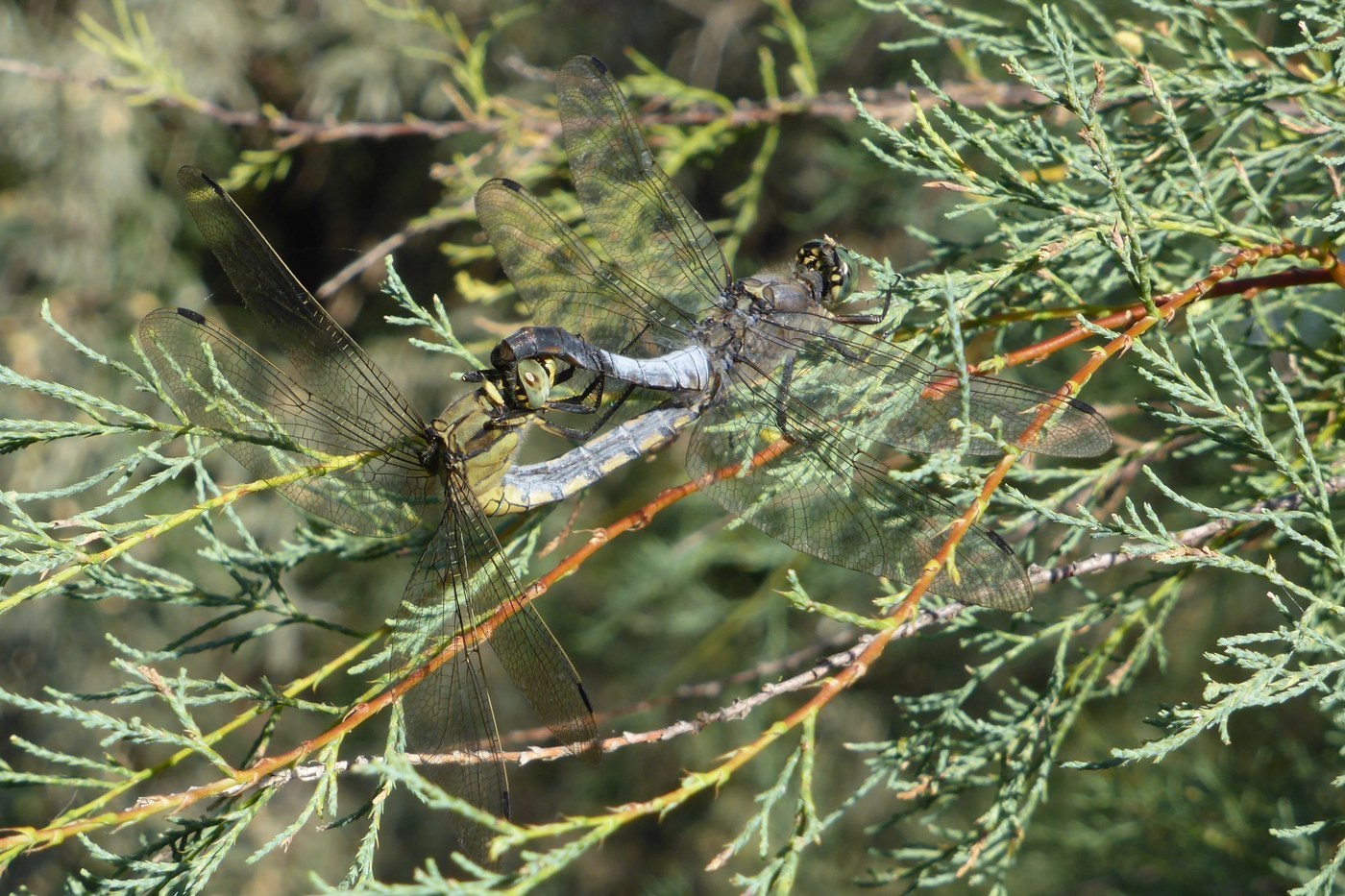
Spangled Skimmer
Ponds, lakes, and marshes with open sunny shorelines
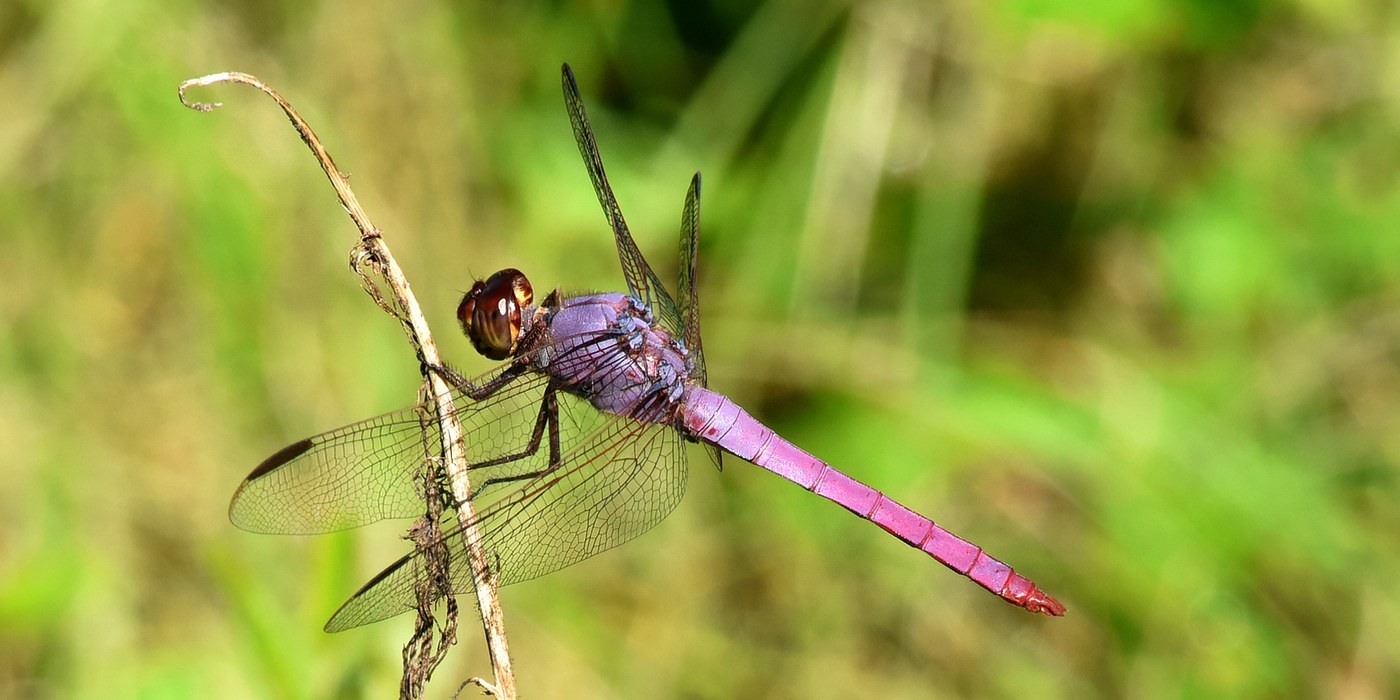
Roseate Skimmer
Ponds, ditches, and canals across the southern United States
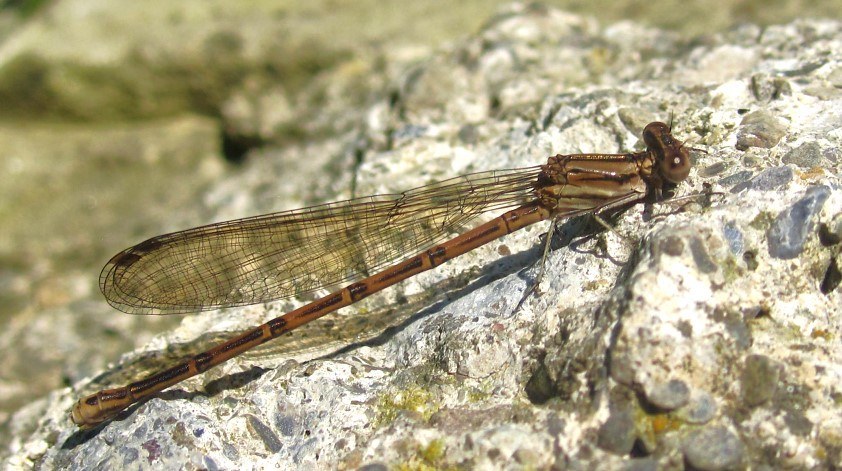
Variable Dancer
streams, rivers, and pond margins, especially in wooded or partly shaded settings
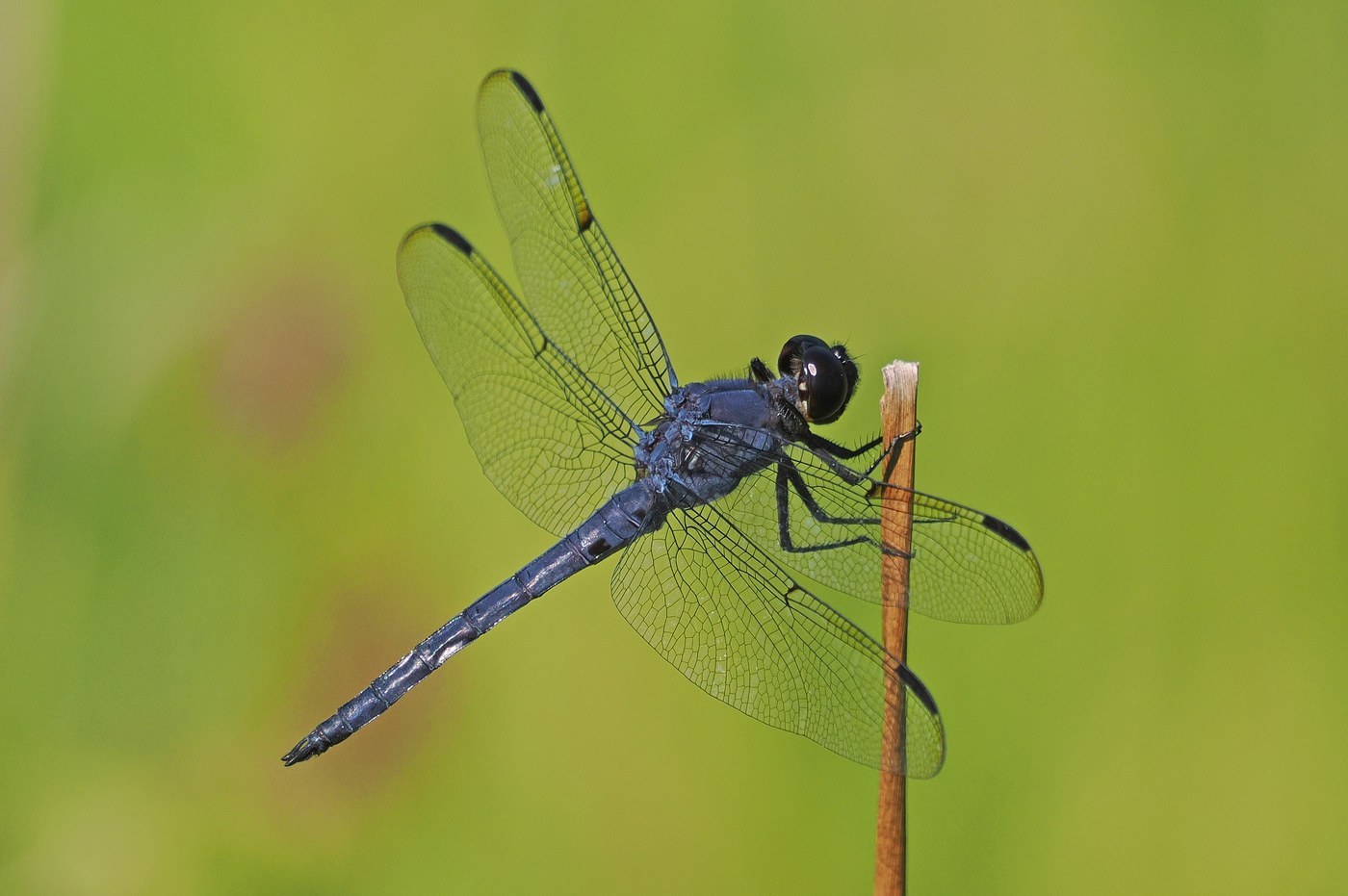
Slaty Skimmer
Still or slow-moving ponds, lakes, and marshes with open shoreline
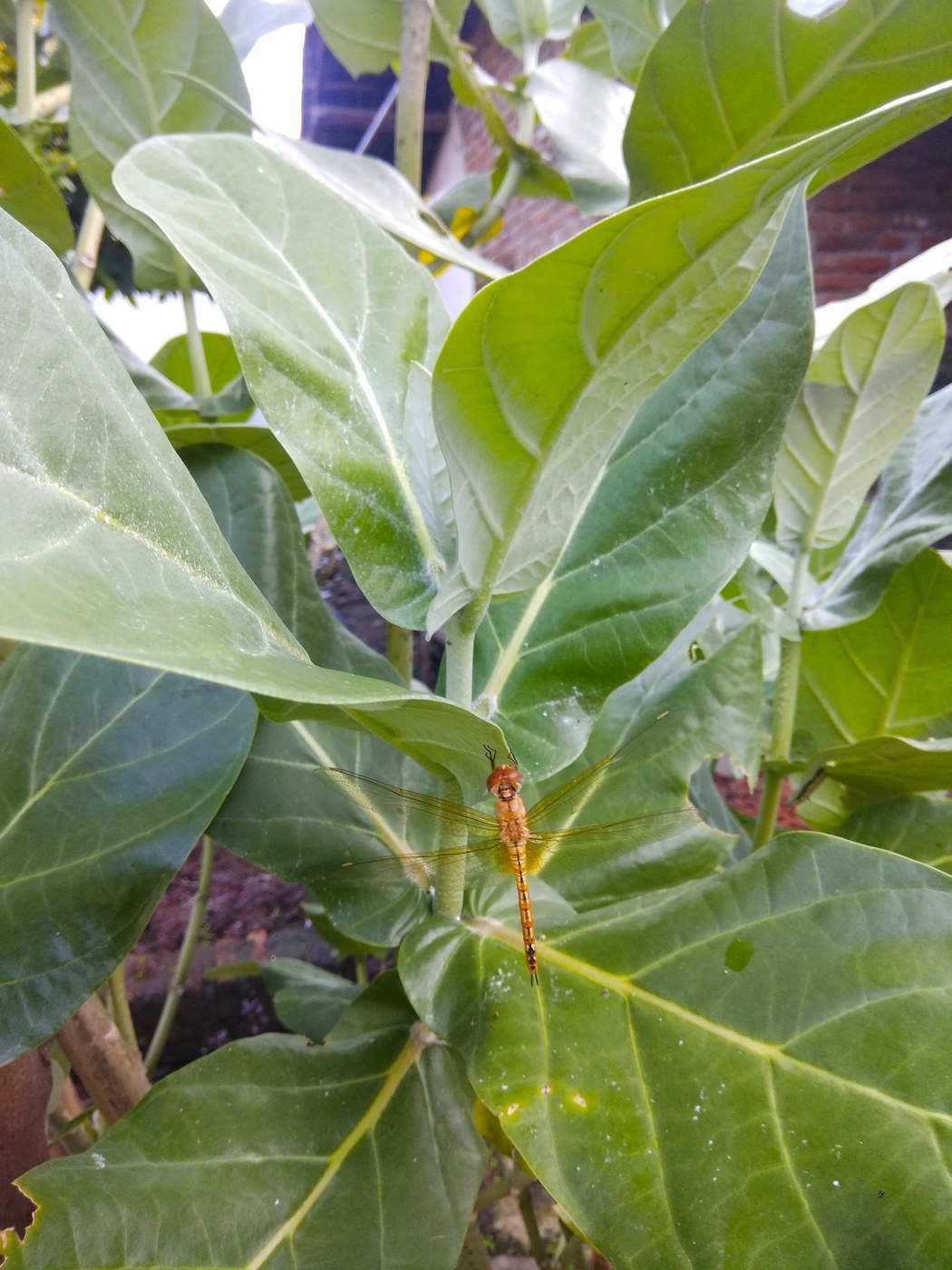
Wandering Glider
Temporary pools, open fields, and coastlines nearly worldwide
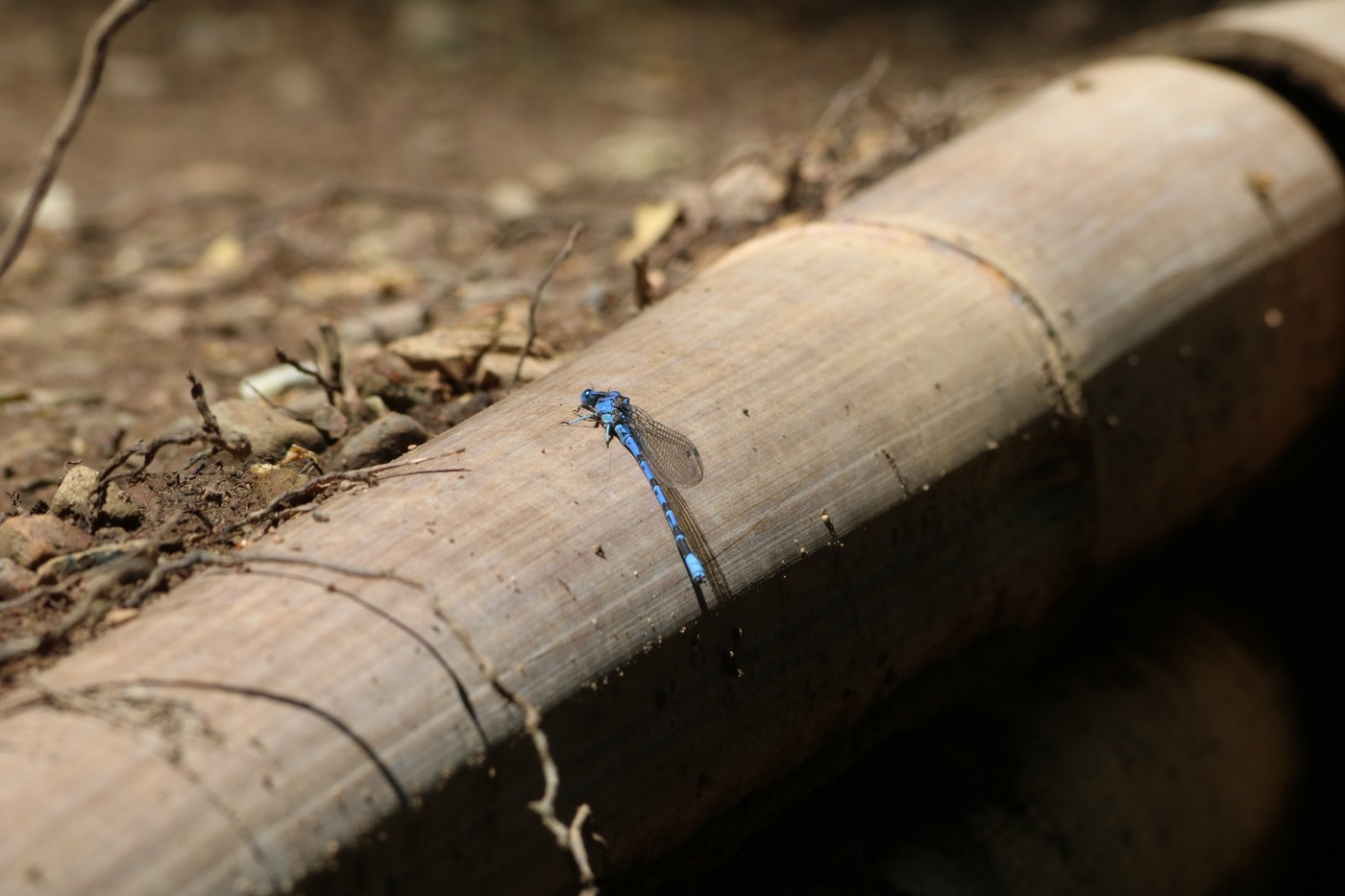
Vivid Dancer
rocky streams, seeps, and spring-fed creeks, often near thermal or warm springs
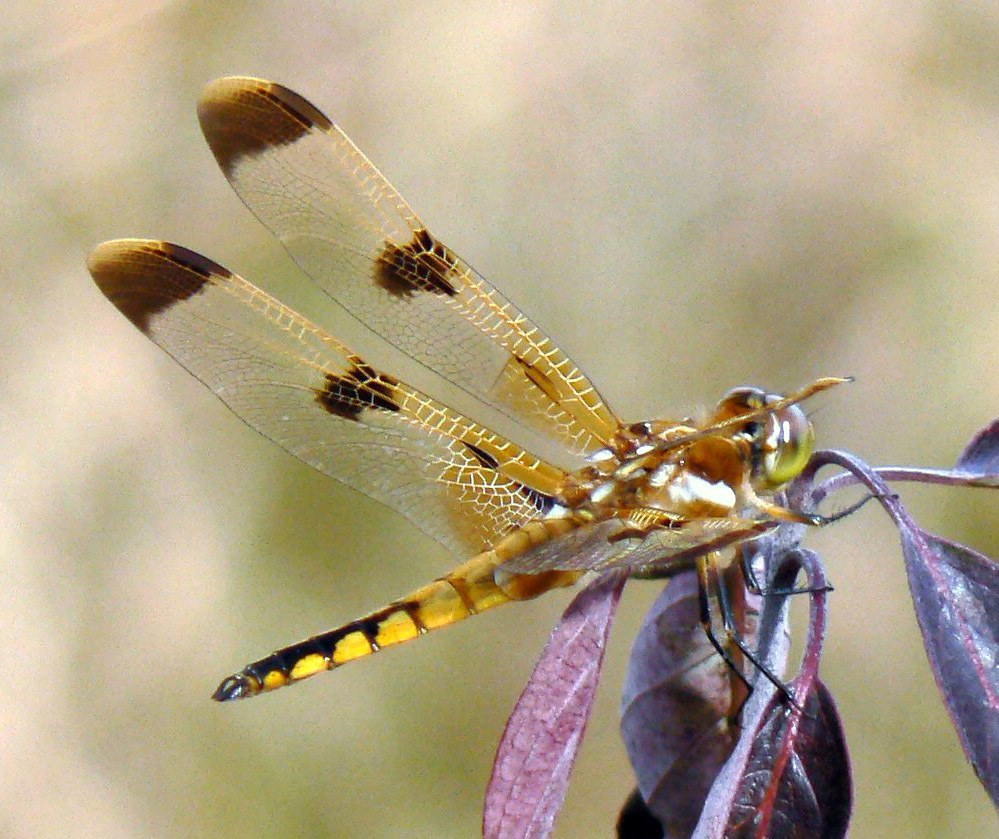
Painted Skimmer
Ponds, marshes, and slow-moving vegetated waters, including temporary pools
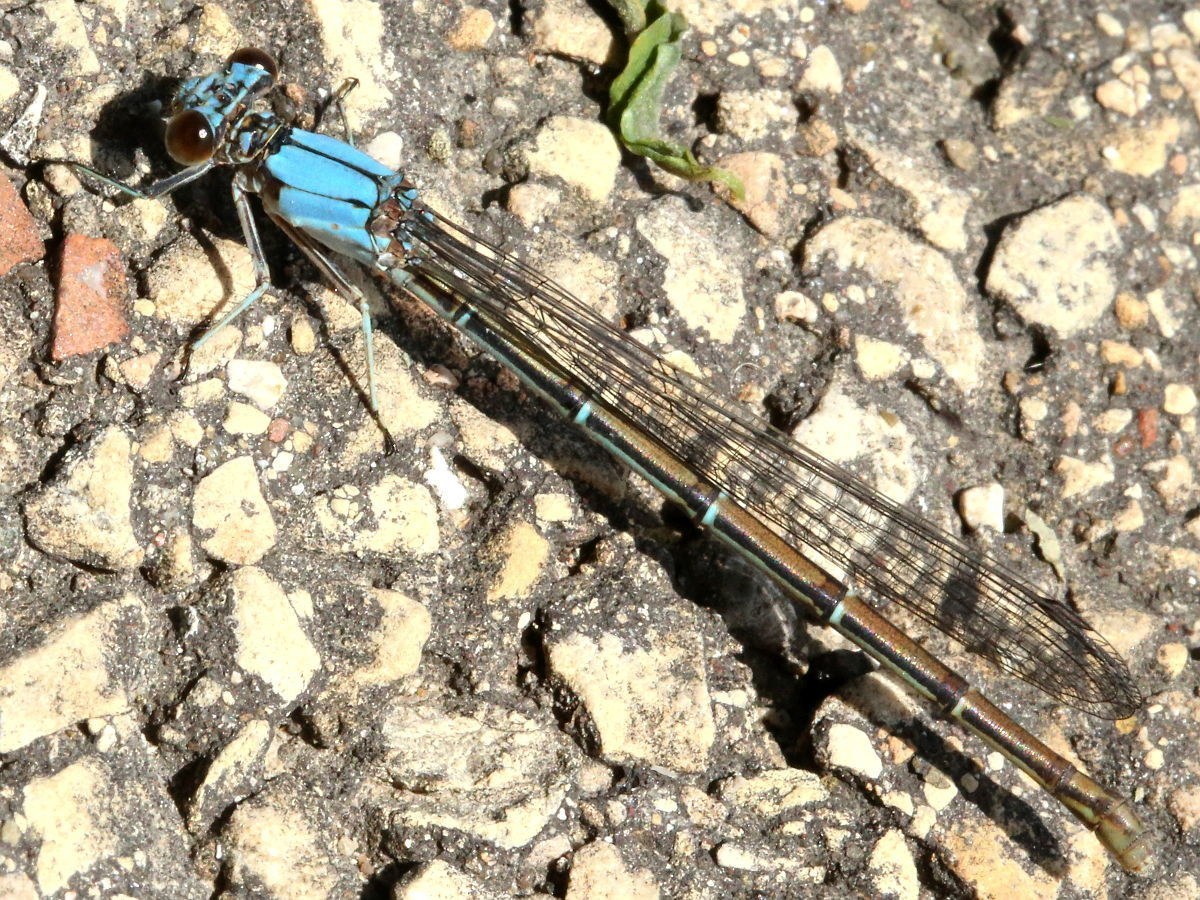
Powdered Dancer
rocky and gravelly rivers, streams, and lake shorelines
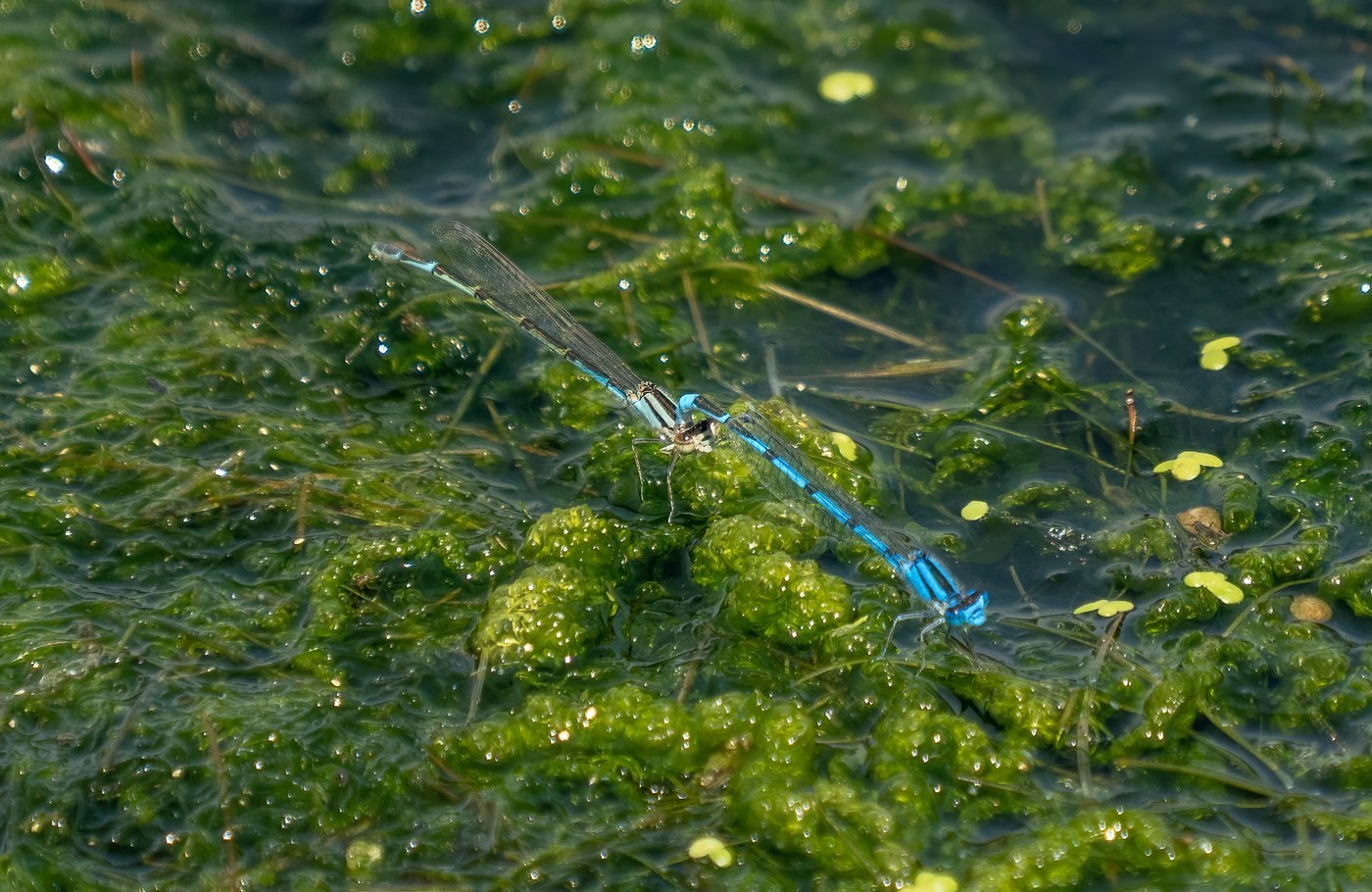
Northern Bluet
ponds, lakes, and marshes across cooler and northern regions