
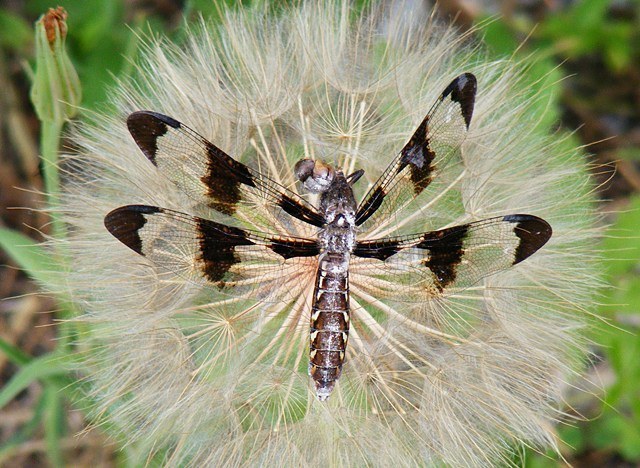
Twelve-spotted Skimmer
Libellula pulchella
A big, boldly patterned skimmer whose wings each carry three chocolate-brown patches, and whose mature males add chalky white flashes between them for a striking black-and-white flicker in flight.
- Size
- Body about 2–2.2 in (50–55 mm) long; wingspan roughly 3.3–3.9 in (85–100 mm)
- Habitat
- Ponds, lakes, and slow streams with open, sunny shorelines
- Danger
- Harmless
Spotted a bug like this?
Identify any bug or insect from a photo, free.
Overview
The Twelve-spotted Skimmer is one of the largest and most recognizable skimmers in North America, named for the twelve dark spots spread across its four wings (three per wing). It belongs to the family Libellulidae, the perchers and skimmers, whose members typically hunt from a favorite lookout rather than patrolling constantly on the wing.
Mature males add a second layer of pattern to the wings: chalky-white pruinescent patches develop between the dark spots, so a flying male flashes brown-and-white in alternating pulses. Females and young males lack this white pruinescence and instead show pale yellow stripes running down the sides of a mostly brown abdomen.
This species is common and conspicuous across most of the continental United States and southern Canada, often the largest dragonfly patrolling a farm pond or lake margin in summer.
How to Identify
- Large, heavy-bodied dragonfly with three brown spots on each of the four wings (12 total)
- Mature males add white pruinose patches between the brown spots, giving a flickering black-and-white wing pattern in flight
- Body brown, with males developing pale blue-gray pruinescence on the abdomen with age
- Females and immatures show yellow lateral stripes along the abdomen and lack white wing patches
- Lookalikes: Widow Skimmer (Libellula luctuosa) has broader dark wing bases and a white subapical band rather than three discrete brown spots; Common Whitetail (Plathemis lydia) has only a single dark basal wing patch
Habitat & Range
Found across most of the continental United States and southern Canada, this skimmer favors open ponds, lakes, and slow-moving streams with unshaded shorelines and some emergent or floating vegetation. It tolerates a range of water quality and is common at farm ponds, reservoirs, and marsh edges. Adults are on the wing from late spring through summer, with timing shifting earlier in southern latitudes and later in the north.
Behavior & Diet
Males are territorial, perching on grass stems, twigs, or bare ground near water and making short patrol flights to chase off rivals before returning to the same perch. Both sexes hunt small flying insects such as mosquitoes, midges, and other soft-bodied insects, snatching them out of the air with a basket formed by their spiny legs. As predators, adult skimmers help regulate populations of smaller flying insects around ponds and fields, while their aquatic larvae are important predators within pond food webs and prey for fish and wading birds.
Life Cycle
Females lay eggs by tapping the tip of the abdomen onto the water surface while flying, often unaccompanied by the male, scattering eggs over open water or vegetation. Eggs hatch into aquatic nymphs (naiads) that live among submerged vegetation and detritus, breathing through internal gills and ambushing prey with an extendable hinged labium. Depending on climate, the nymph stage lasts one to two years and passes through numerous molts before the mature nymph climbs emergent vegetation, splits its skin, and emerges as a soft, pale teneral adult that hardens and colors up over the following days.
Frequently asked questions
How can I tell a Twelve-spotted Skimmer from a Widow Skimmer?
Look at the wing pattern: the Twelve-spotted has three separate brown spots on each wing plus white patches between them in mature males, while the Widow Skimmer shows a solid dark patch at the wing base and a white band further out, without the same three-spot arrangement.
Why do the wings look different between males and females?
Mature males add chalky white pruinescence between the dark wing spots as they age, while females and young males keep clear wings marked only by the brown spots.
Where do Twelve-spotted Skimmers spend the winter?
They overwinter as aquatic nymphs living in pond sediment and vegetation, emerging as winged adults the following spring or summer once the water warms.
What do Twelve-spotted Skimmers eat?
Adults catch small flying insects such as mosquitoes and midges on the wing, while the aquatic nymphs prey on other invertebrates and small aquatic organisms in the pond.
Twelve-spotted Skimmer guides
In-depth guides for identifying, understanding, and living alongside Twelve-spotted Skimmer.
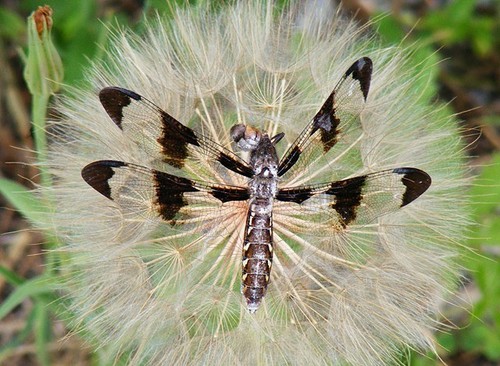
Twelve-spotted Skimmer identified by the community
Real finds identified with Bug Identifier.
Other bugs you may enjoy
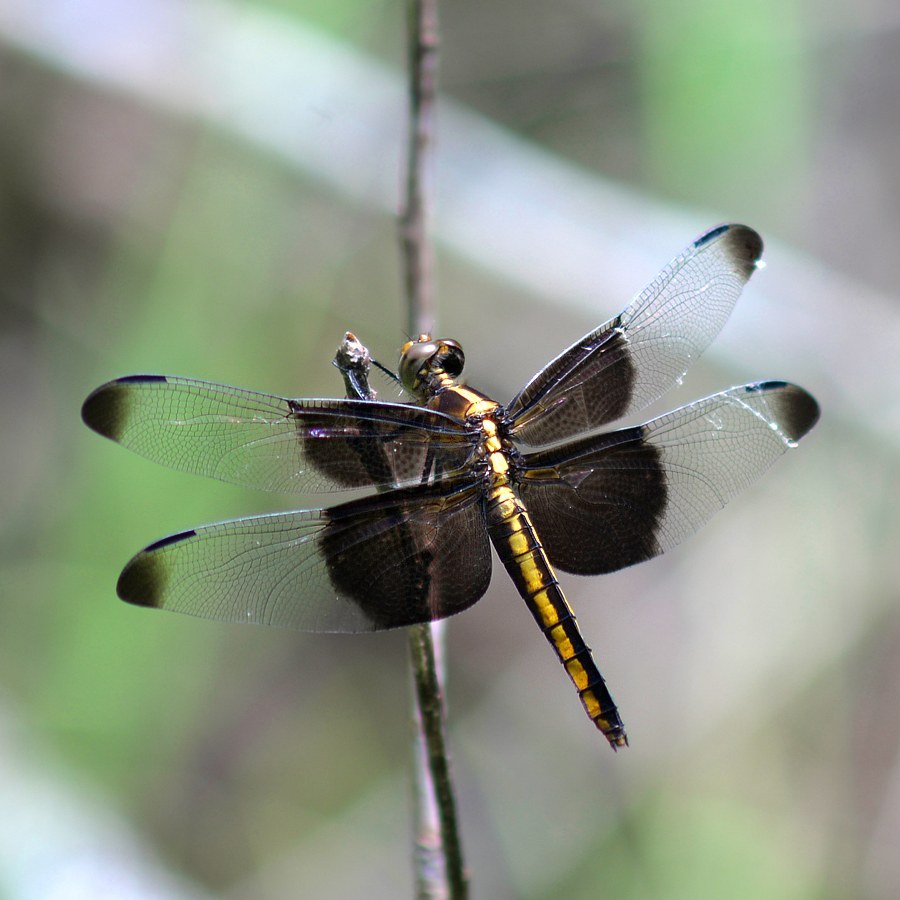
Widow Skimmer
ponds, lakes, and slow-moving streams with open shoreline vegetation across much of the United States
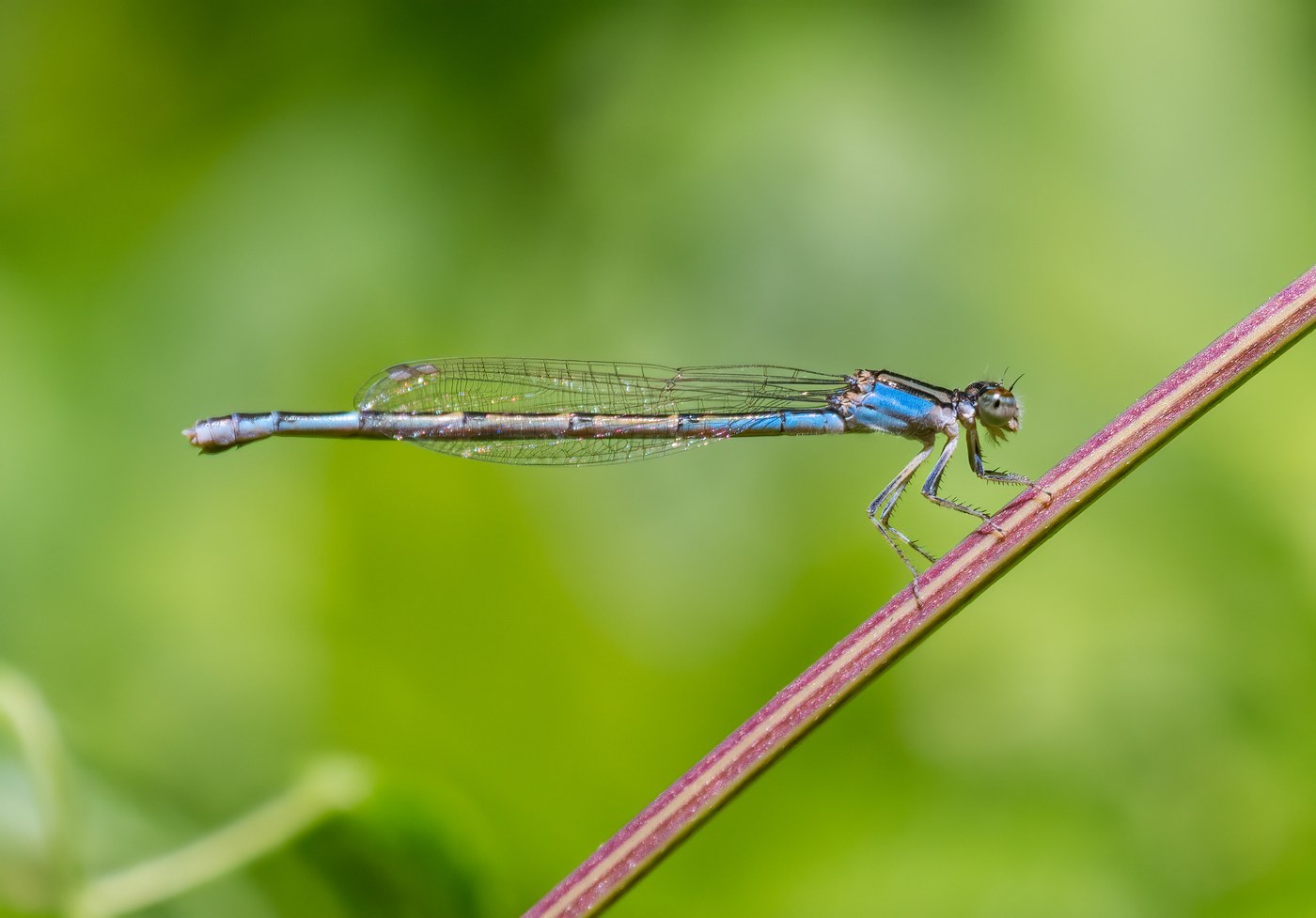
Azure Bluet
ponds, lakes, and slow streams with abundant aquatic vegetation
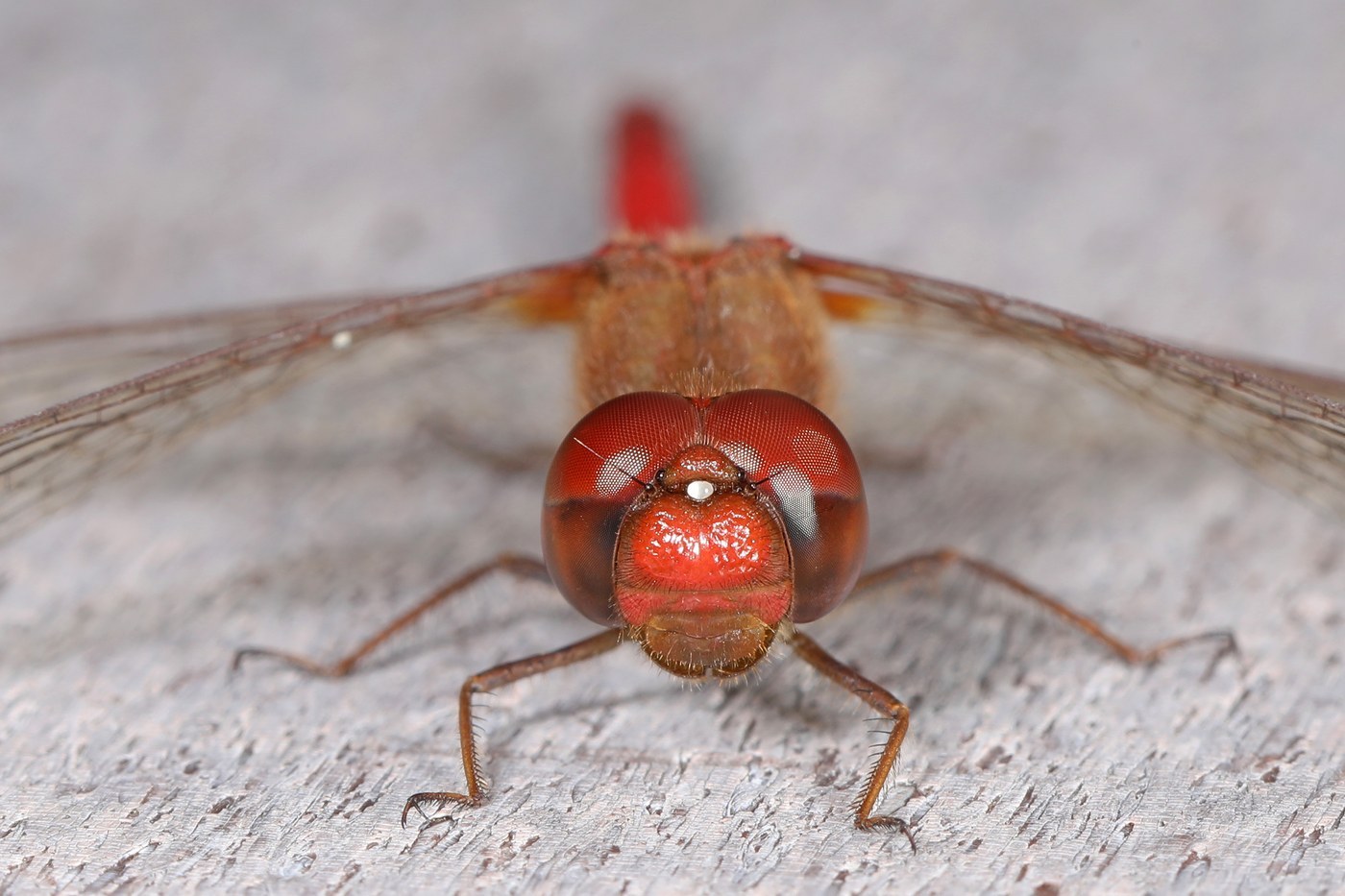
Autumn Meadowhawk
Ponds, marshes, and slow streams, often lingering into late fall
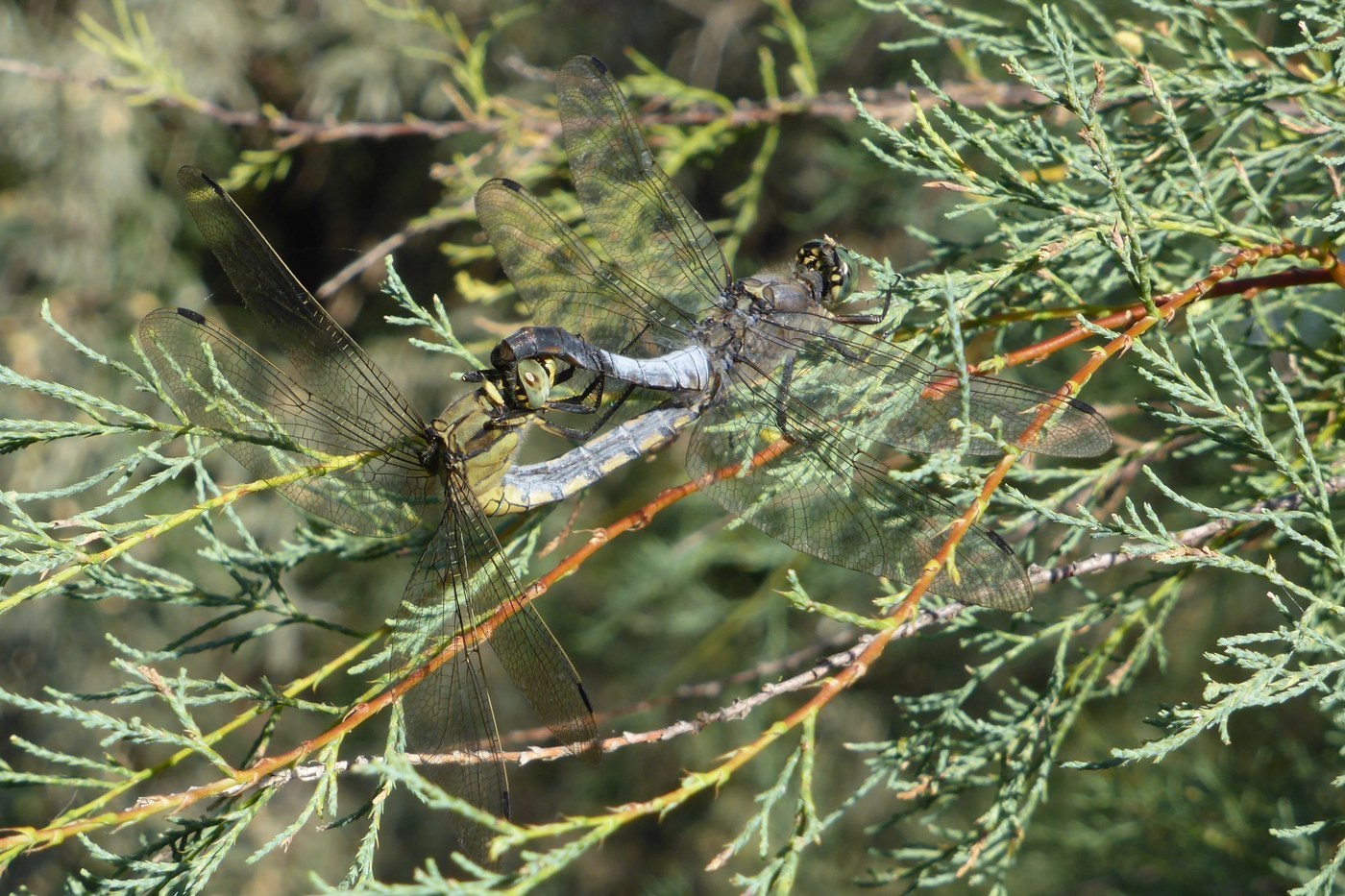
Spangled Skimmer
Ponds, lakes, and marshes with open sunny shorelines
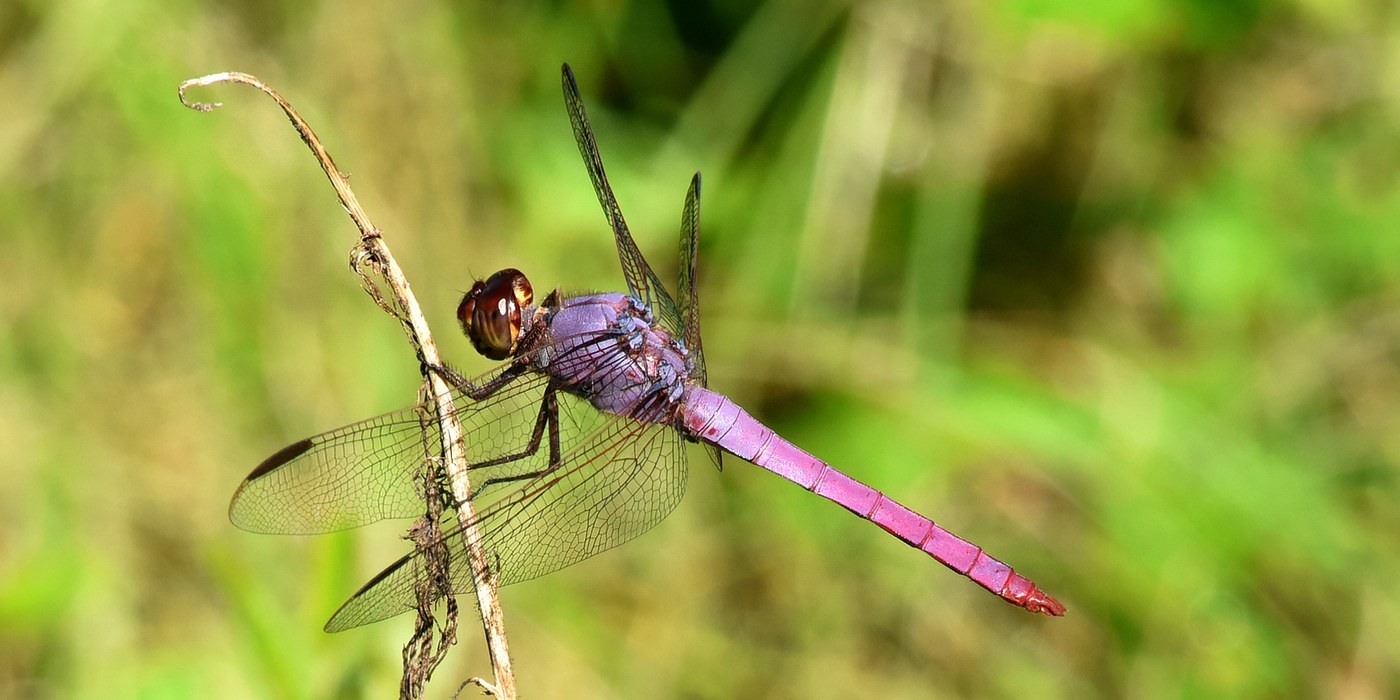
Roseate Skimmer
Ponds, ditches, and canals across the southern United States
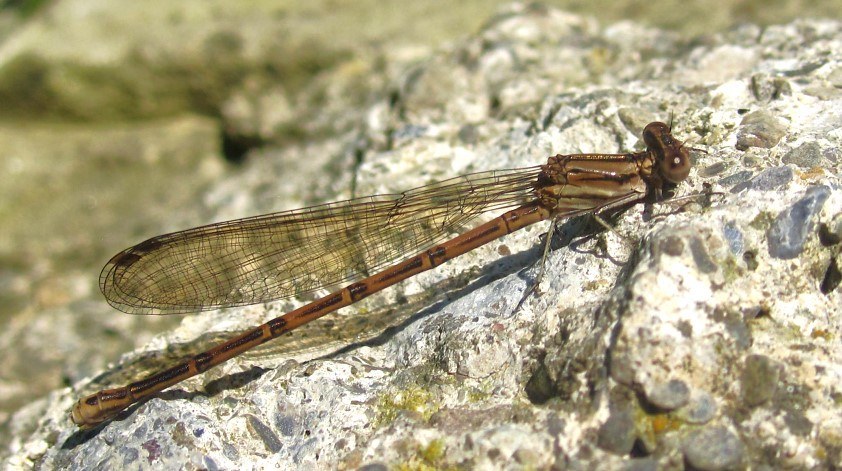
Variable Dancer
streams, rivers, and pond margins, especially in wooded or partly shaded settings
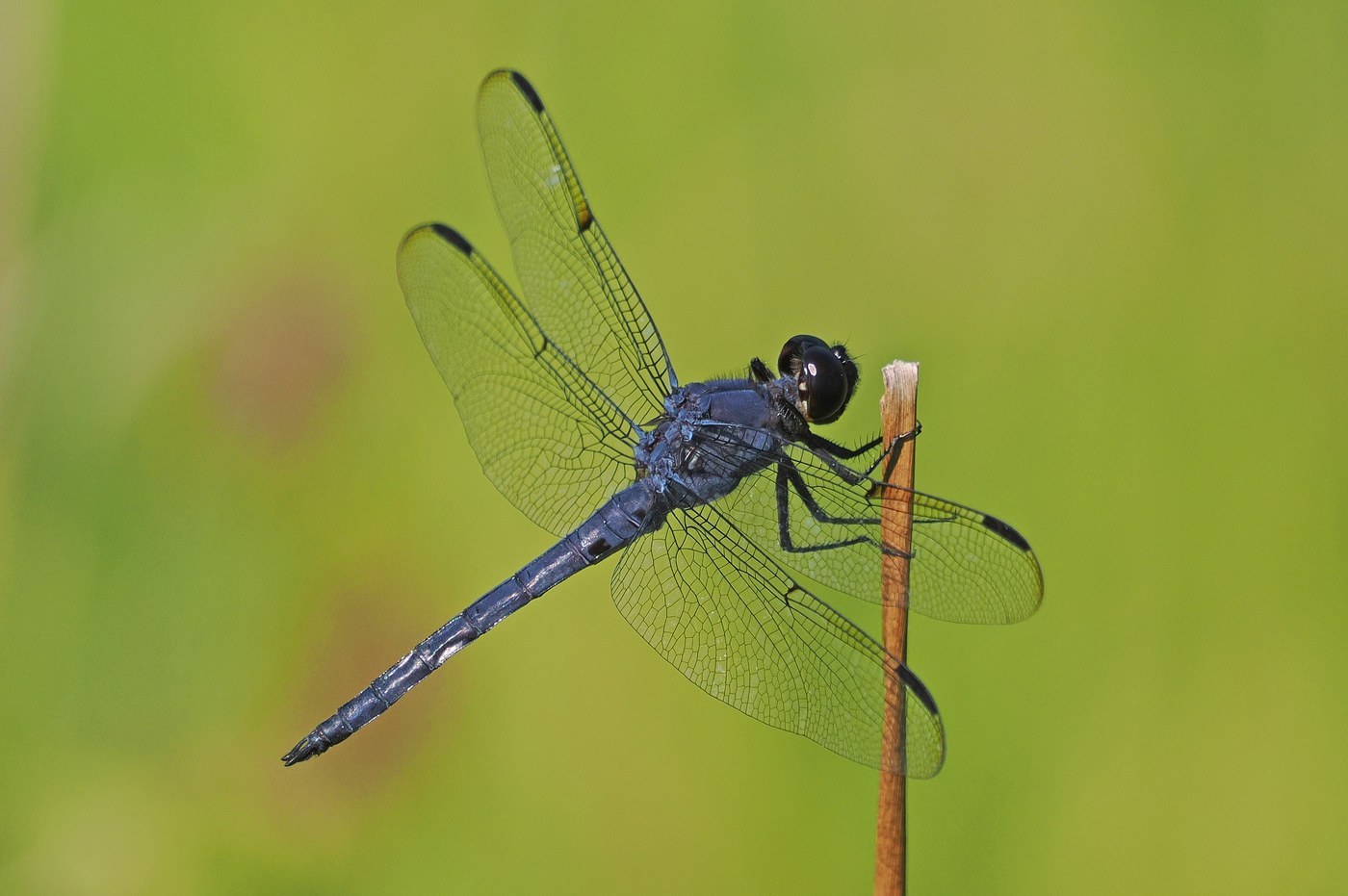
Slaty Skimmer
Still or slow-moving ponds, lakes, and marshes with open shoreline
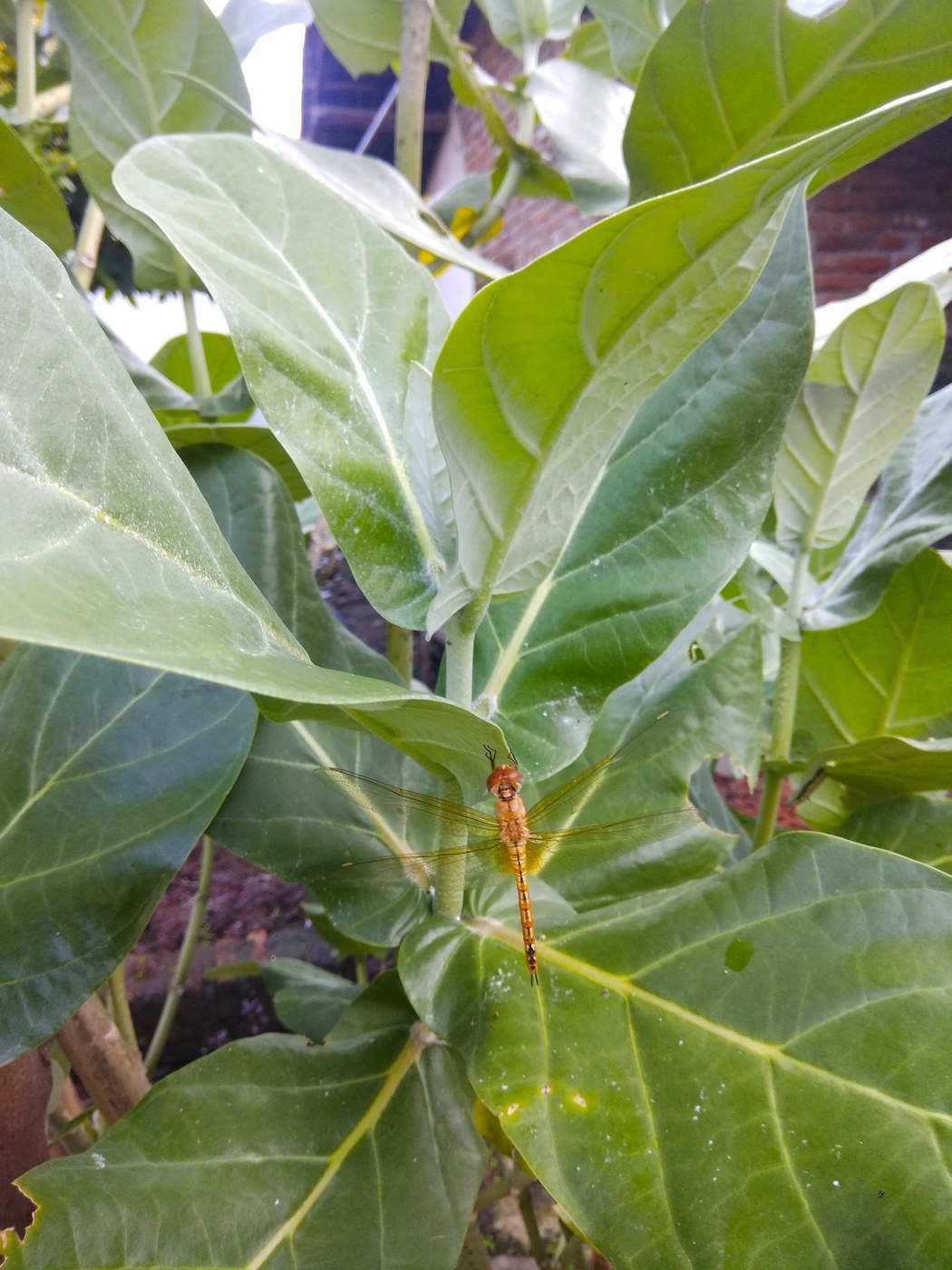
Wandering Glider
Temporary pools, open fields, and coastlines nearly worldwide
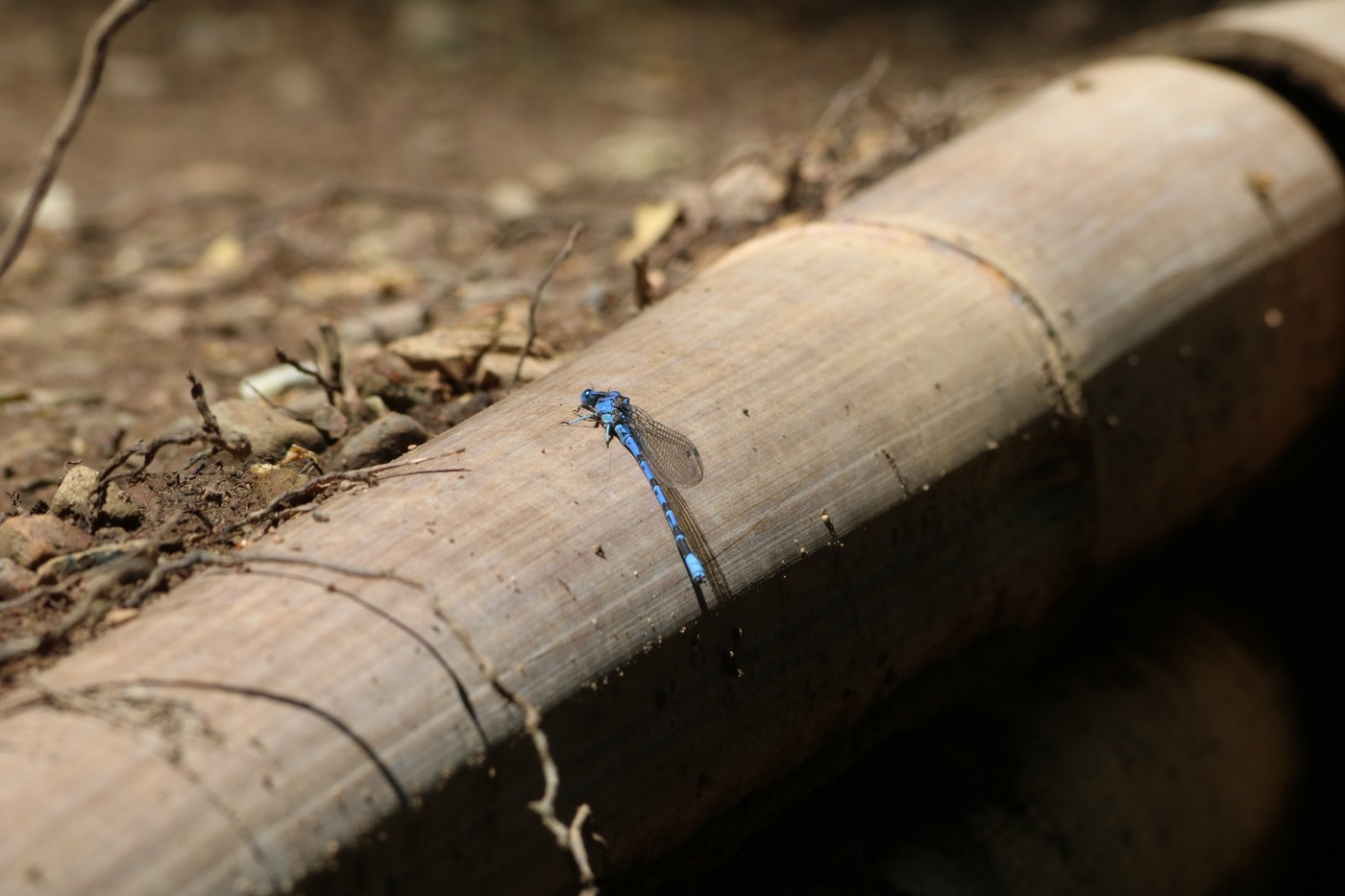
Vivid Dancer
rocky streams, seeps, and spring-fed creeks, often near thermal or warm springs
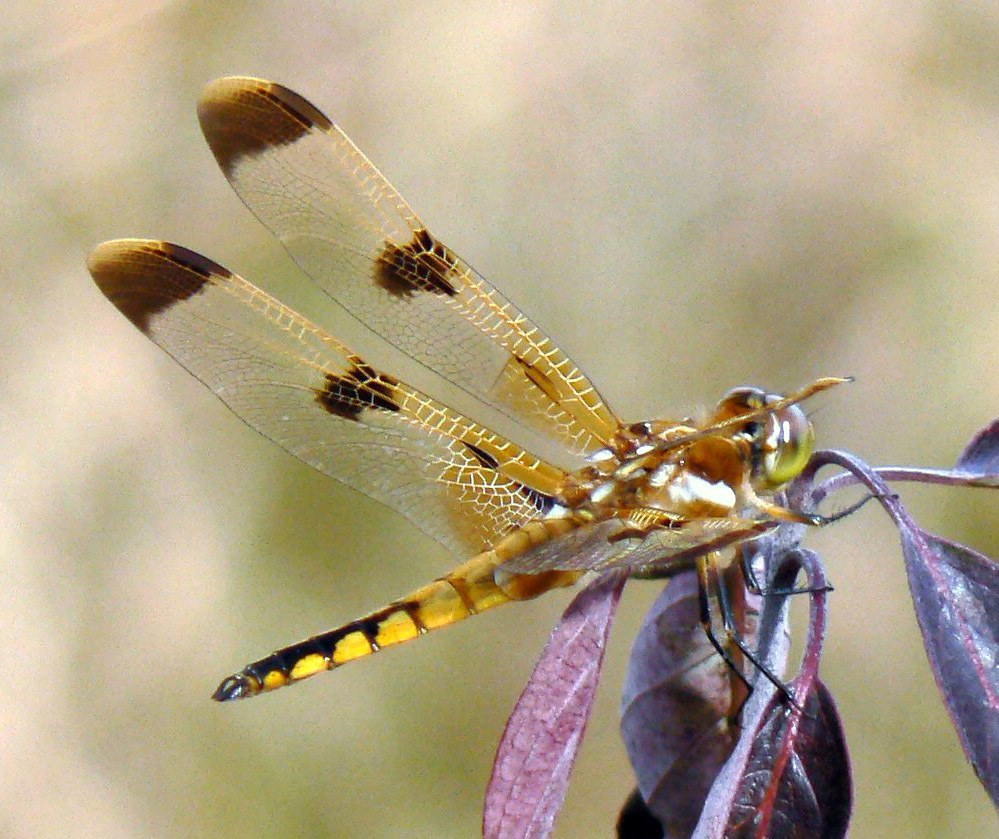
Painted Skimmer
Ponds, marshes, and slow-moving vegetated waters, including temporary pools
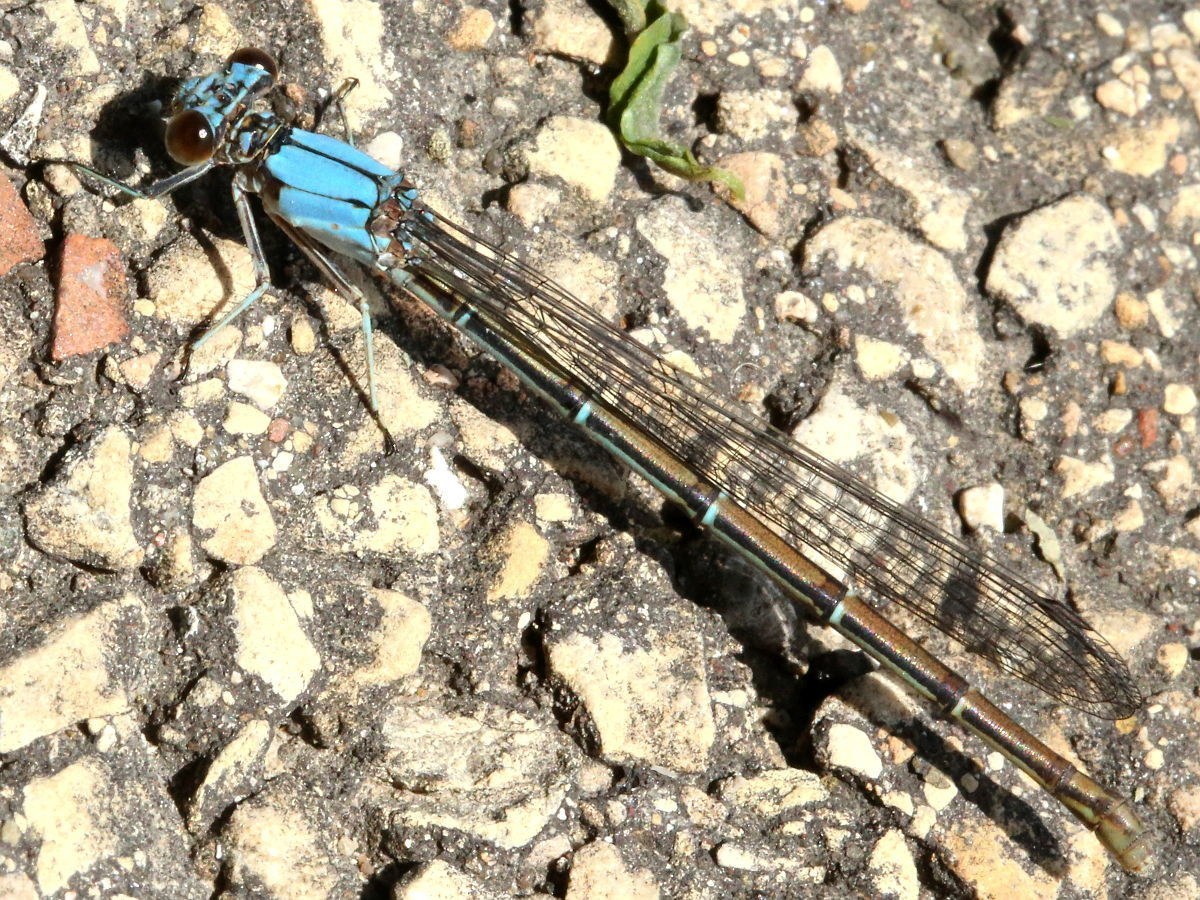
Powdered Dancer
rocky and gravelly rivers, streams, and lake shorelines
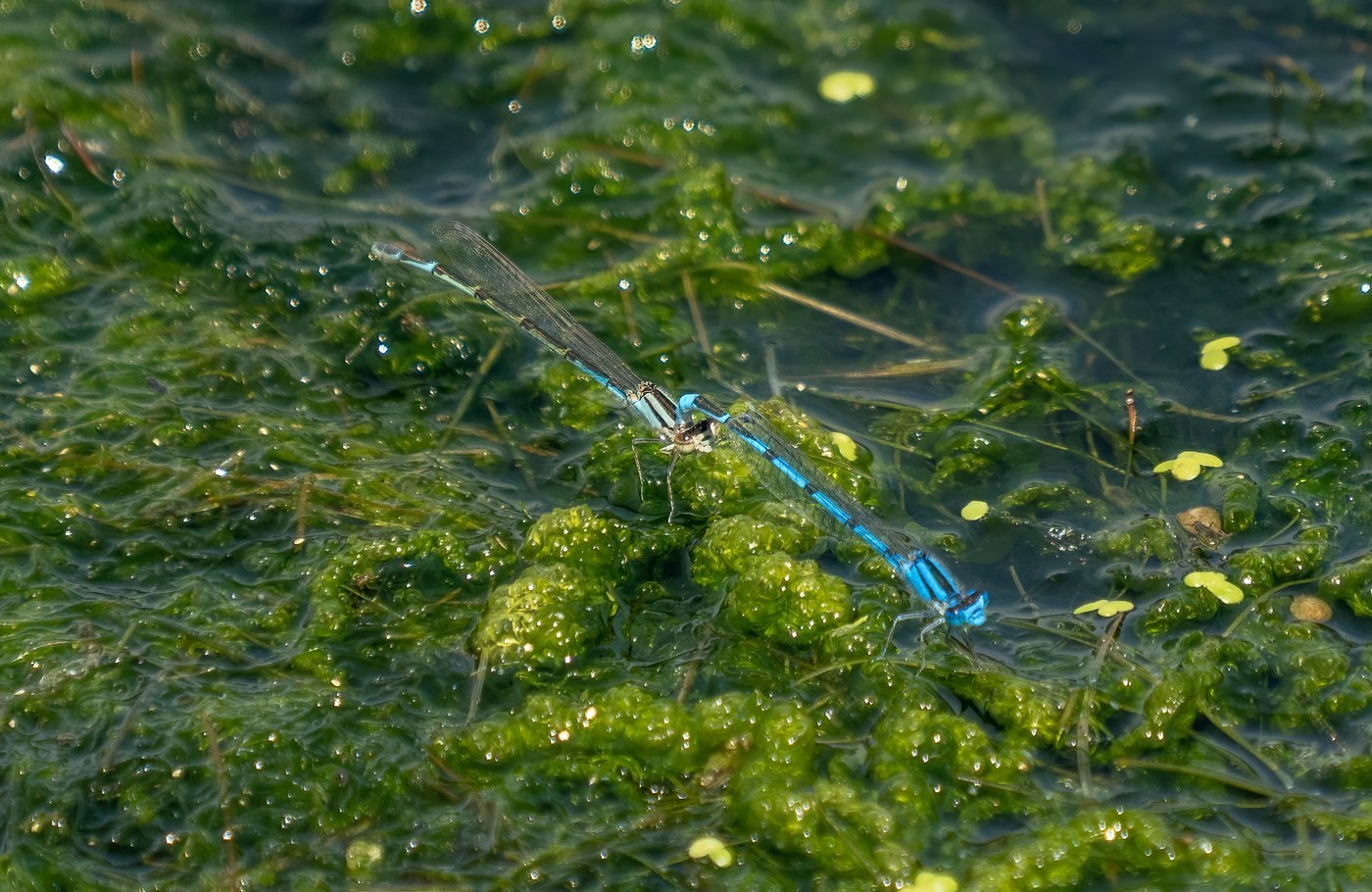
Northern Bluet
ponds, lakes, and marshes across cooler and northern regions