
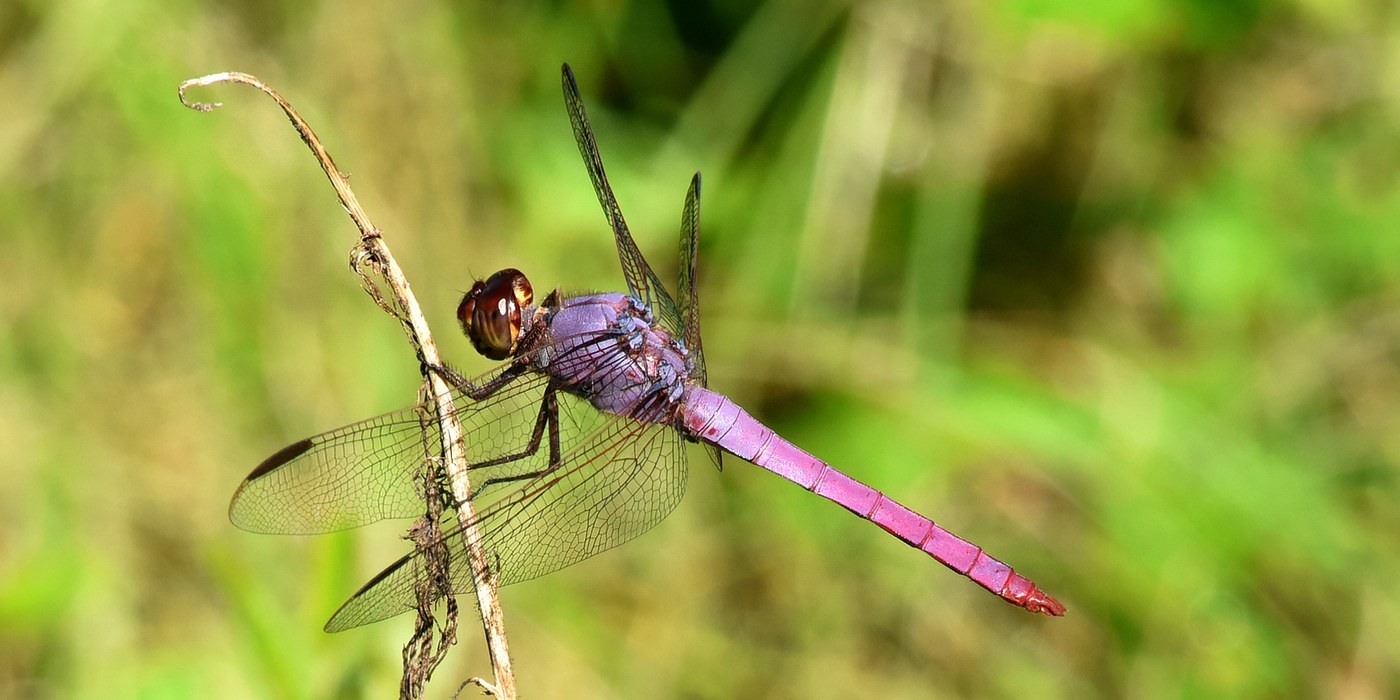
Roseate Skimmer
Orthemis ferruginea
A vivid pink-violet dragonfly of southern wetlands, the mature male's rose-pruinose body makes it one of the most striking skimmers found around ponds and canals.
- Size
- Body about 1.8–2.2 in (46–56 mm) long; wingspan roughly 2.8–3.3 in (70–85 mm)
- Habitat
- Ponds, ditches, and canals across the southern United States
- Danger
- Harmless
Spotted a bug like this?
Identify any bug or insect from a photo, free.
Overview
The Roseate Skimmer is a medium-large dragonfly in the family Libellulidae, best known for the vibrant pink to violet-rose coloring that develops across the abdomen of mature males. This distinctive color, produced by a waxy pruinescent coating, makes the species one of the most eye-catching dragonflies found in the southern United States.
Females and immature males lack the rosy pruinescence, instead showing warmer reddish-brown to yellowish tones with darker markings along the sides of the abdomen. The species is adaptable and often thrives around human-altered water bodies such as retention ponds, canals, and roadside ditches.
Originally more restricted to the southern and southwestern United States and Mexico, the Roseate Skimmer has been expanding its range northward in recent decades, becoming an increasingly familiar sight well beyond its historical range.
How to Identify
- Medium-large dragonfly with mature males showing a bright pink to violet-rose pruinose abdomen
- Thorax brown, contrasting with the rosy abdomen in mature males
- Females and immatures are reddish-brown to yellowish with darker lateral markings on the abdomen, lacking the rose coloring
- Long, fairly slender abdomen compared to some bulkier skimmers
- Lookalikes: other pruinose pink or purple skimmers are rare in its range, making mature males relatively easy to identify once color is visible
Habitat & Range
Found across the southern United States from the Southeast through Texas and the Southwest, and southward into Mexico, Central America, and parts of South America, the Roseate Skimmer thrives in ponds, canals, ditches, and other still or slow-moving waters, including many disturbed or artificial habitats. Its tolerance of human-altered wetlands has helped it expand its range northward into new regions in recent decades.
Behavior & Diet
Males perch conspicuously on twigs, wires, or reeds near water, defending territories and making short flights to intercept rivals or prey. Adults hunt small flying insects on the wing, contributing to insect control around the ponds and canals where they are common. Their adaptability to disturbed and artificial water bodies has allowed this species to become an important predator in urban and suburban wetland habitats as well as more natural ones.
Life Cycle
Females typically oviposit alone, flying low over the water and tapping the abdomen tip to release eggs, sometimes while the male guards the area from a nearby perch. Eggs hatch into aquatic nymphs that live as sprawlers or burrowers in silty pond and canal sediment, preying on small aquatic invertebrates as they grow. In the warm climates where this species is most common, multiple generations can be produced in a single year, with adults present for much of the warmer months.
Frequently asked questions
What gives the Roseate Skimmer its pink color?
Mature males develop a waxy pink to violet pruinose coating across the abdomen as they age, which is absent in females and young males.
Where is the Roseate Skimmer typically found?
It is most common across the southern United States and into Mexico and Central America, often around ponds, canals, and ditches, including many artificial water bodies.
Is the Roseate Skimmer expanding its range?
Yes, it has been moving farther north from its traditionally southern range in recent decades, likely aided by its tolerance of human-altered habitats.
What do Roseate Skimmer nymphs eat?
The aquatic nymphs prey on small invertebrates while living as sprawlers or burrowers in silty pond and canal sediment.
Roseate Skimmer guides
In-depth guides for identifying, understanding, and living alongside Roseate Skimmer.
Other bugs you may enjoy
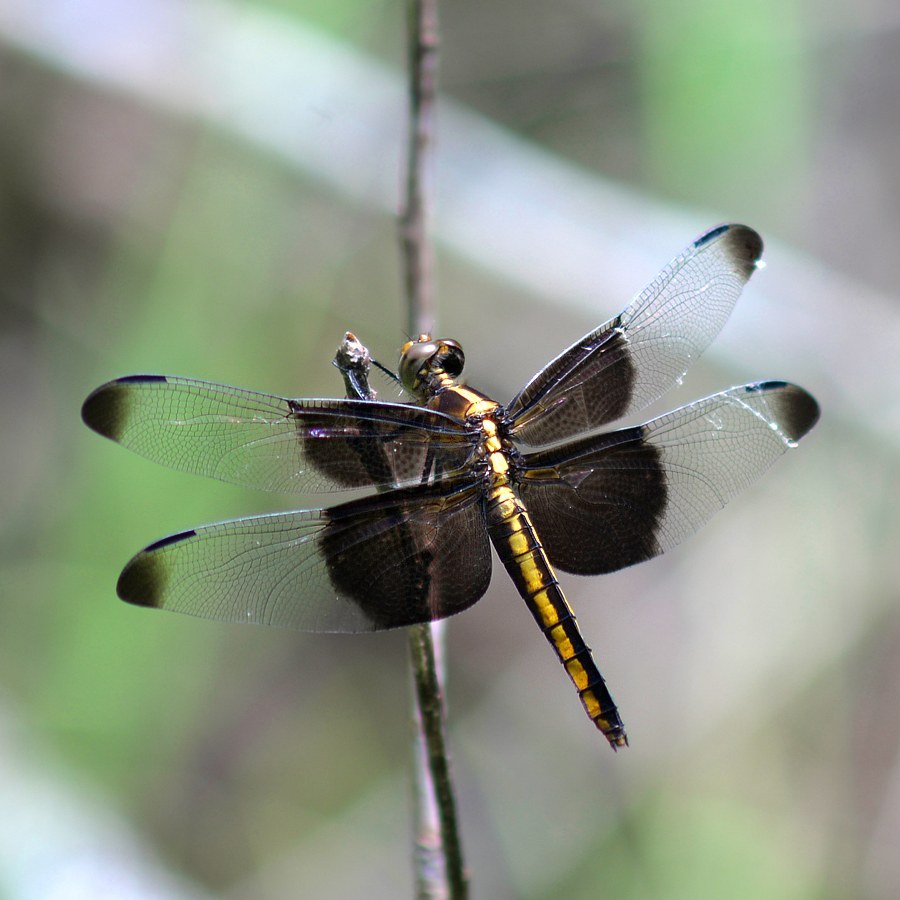
Widow Skimmer
ponds, lakes, and slow-moving streams with open shoreline vegetation across much of the United States
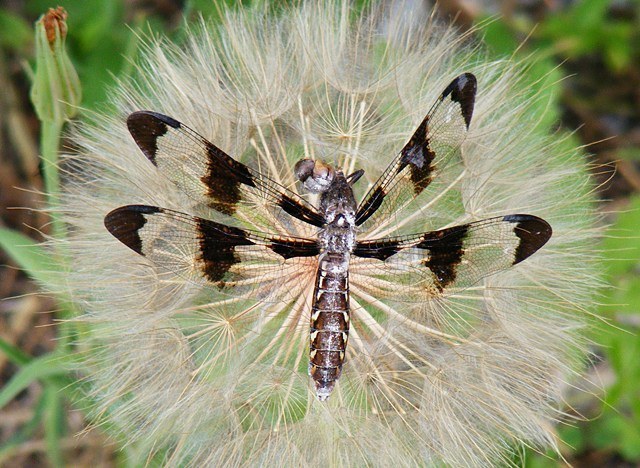
Twelve-spotted Skimmer
Ponds, lakes, and slow streams with open, sunny shorelines
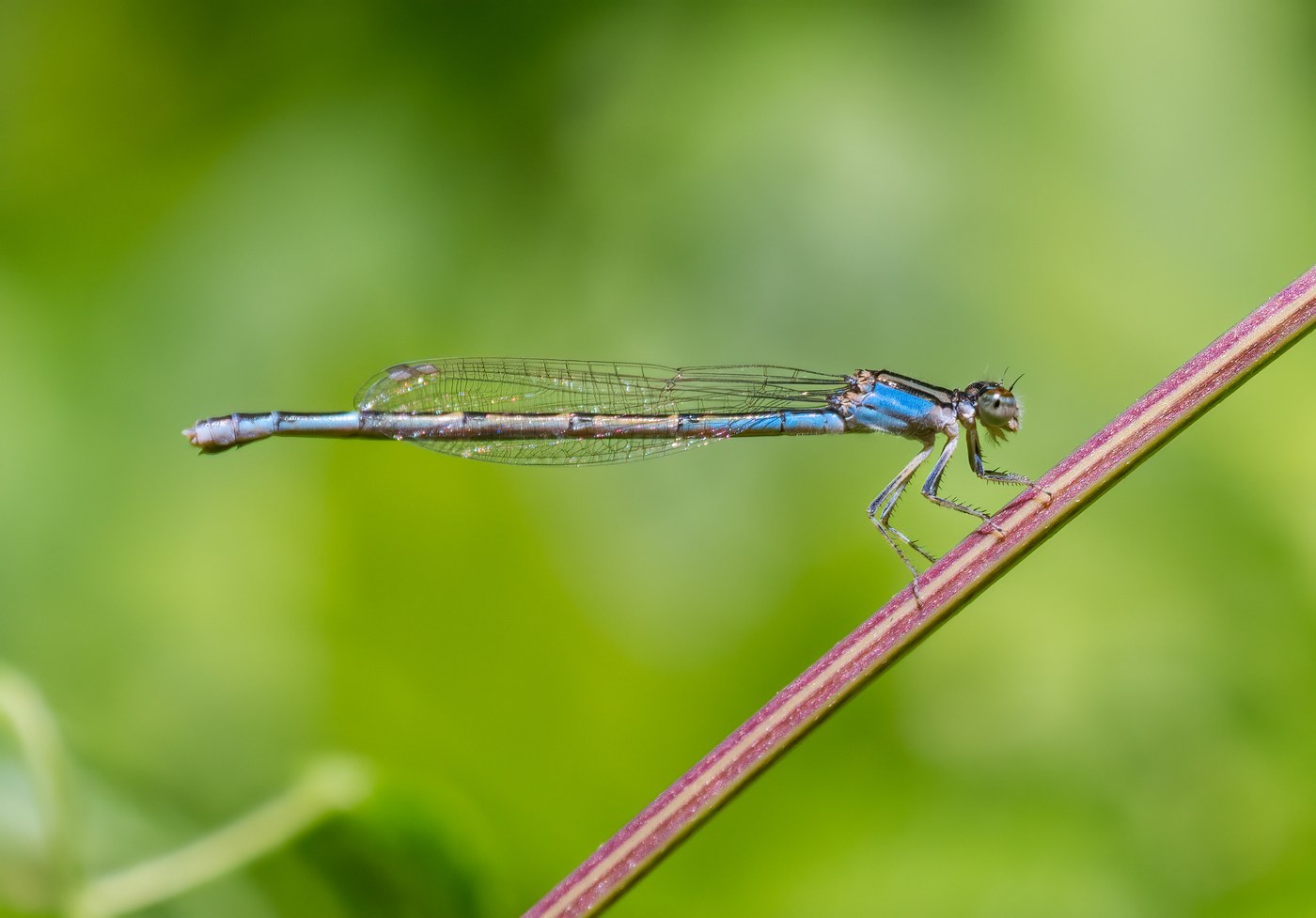
Azure Bluet
ponds, lakes, and slow streams with abundant aquatic vegetation
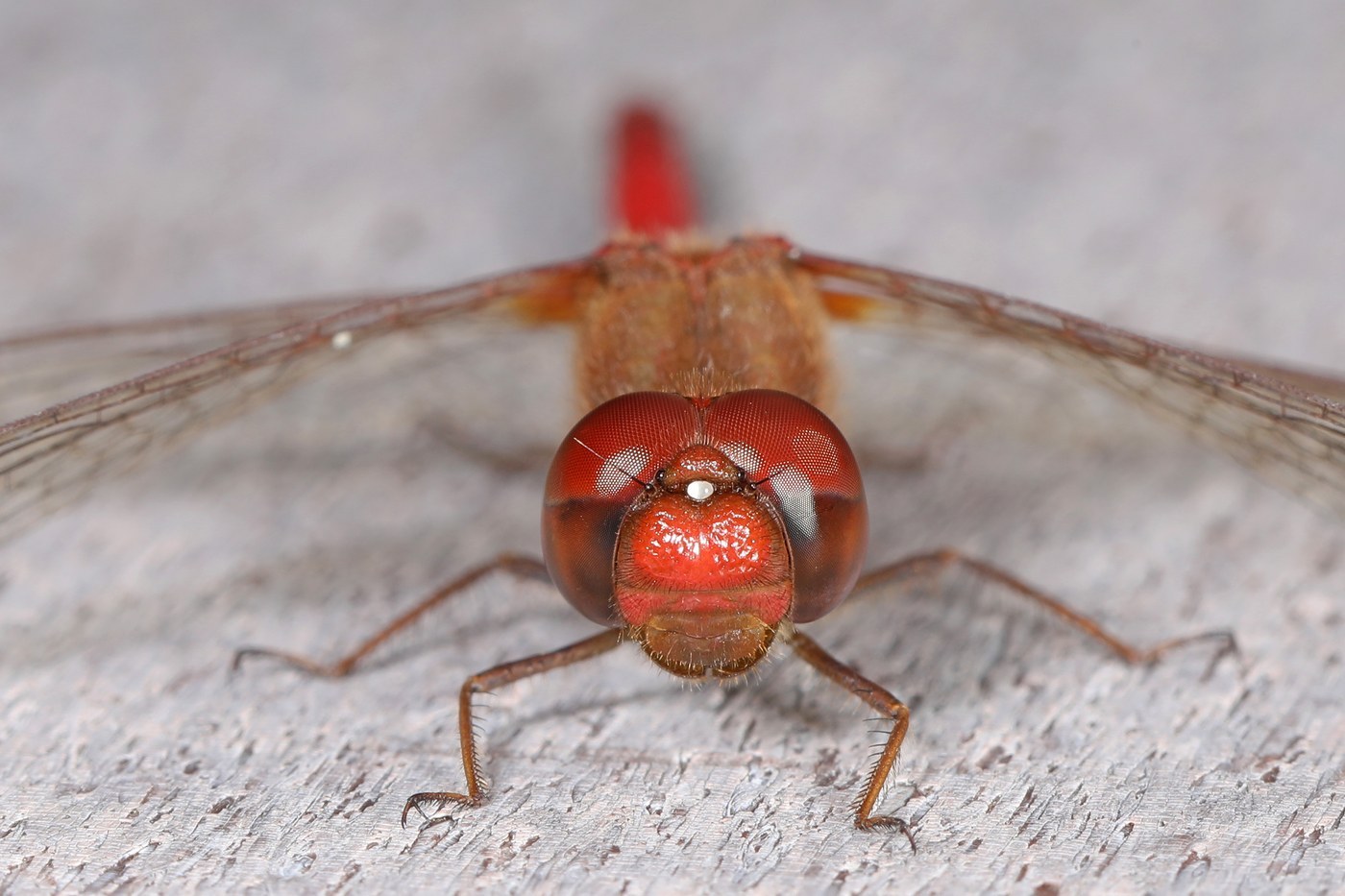
Autumn Meadowhawk
Ponds, marshes, and slow streams, often lingering into late fall
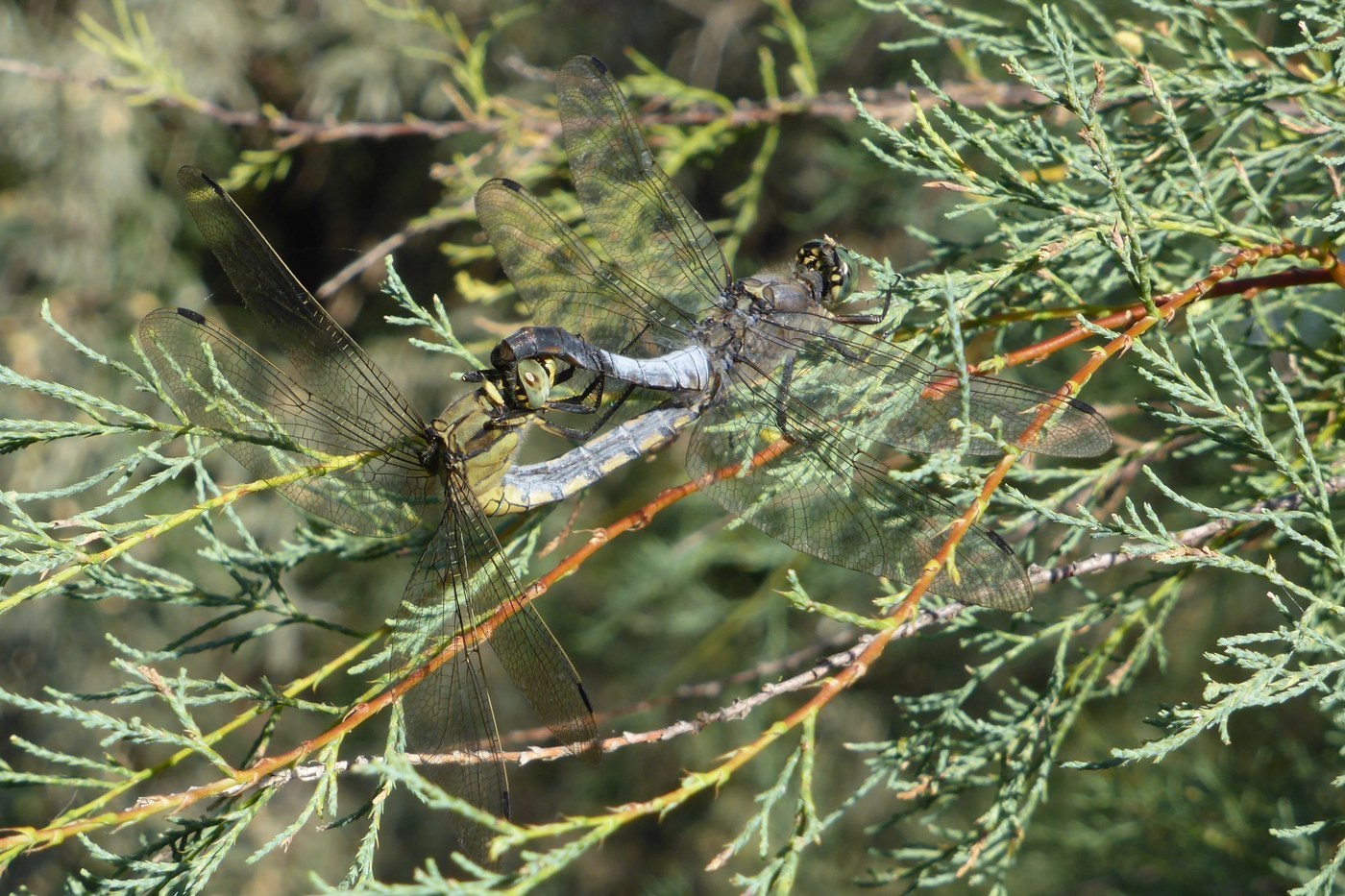
Spangled Skimmer
Ponds, lakes, and marshes with open sunny shorelines
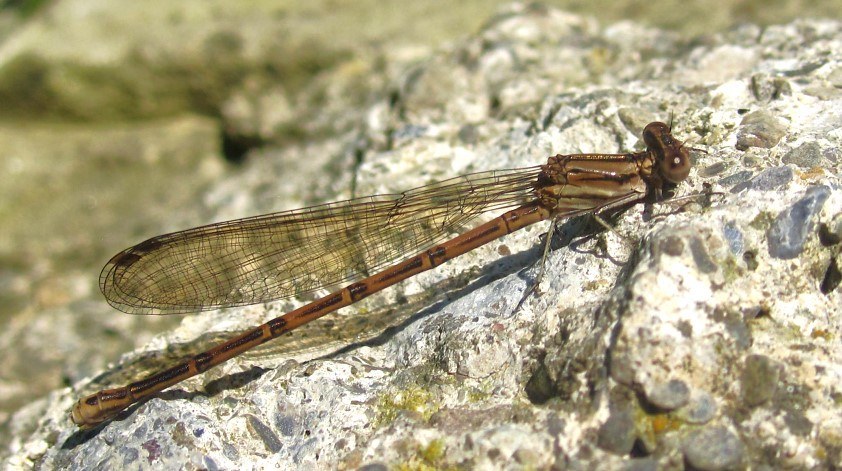
Variable Dancer
streams, rivers, and pond margins, especially in wooded or partly shaded settings
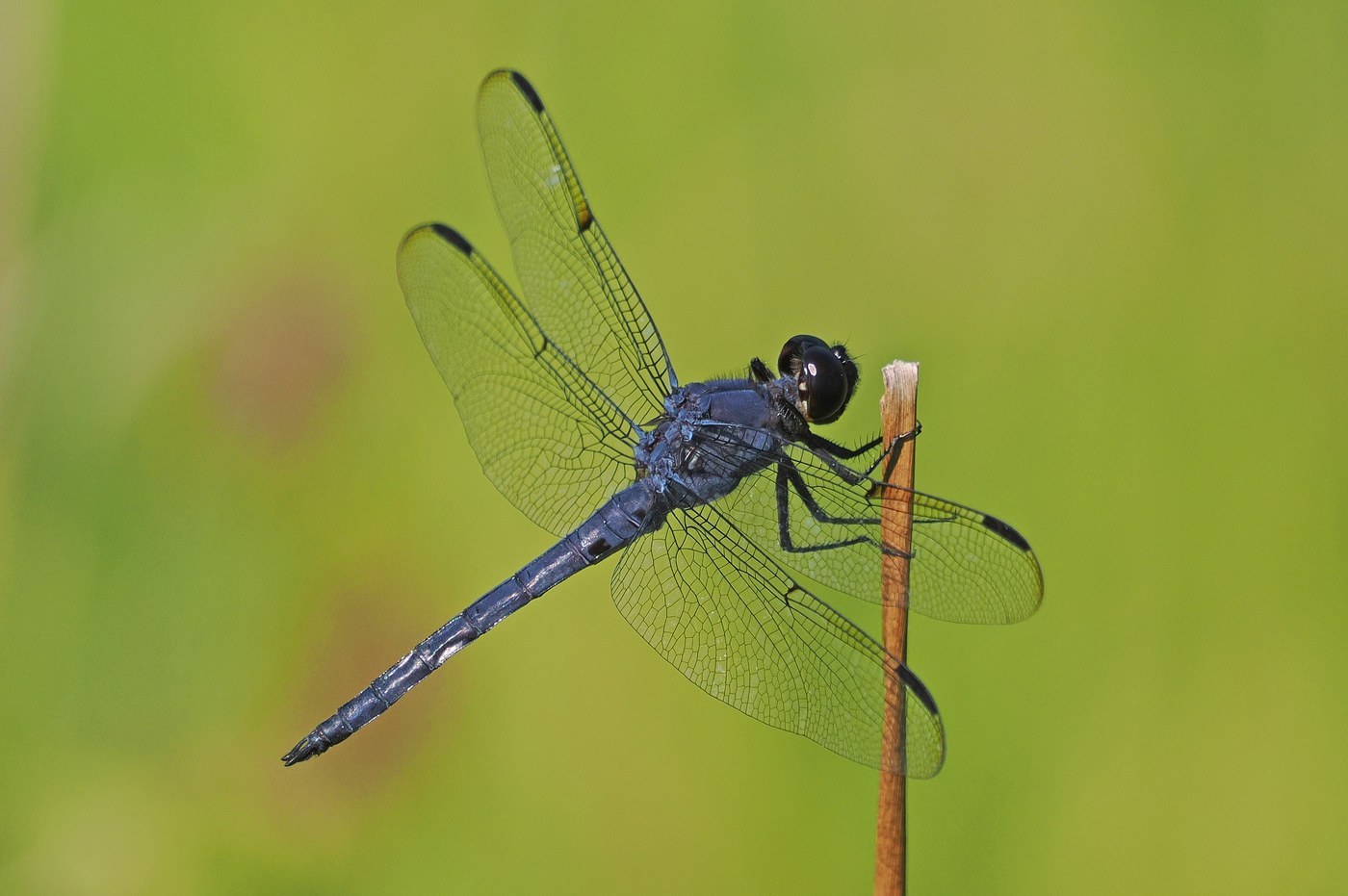
Slaty Skimmer
Still or slow-moving ponds, lakes, and marshes with open shoreline
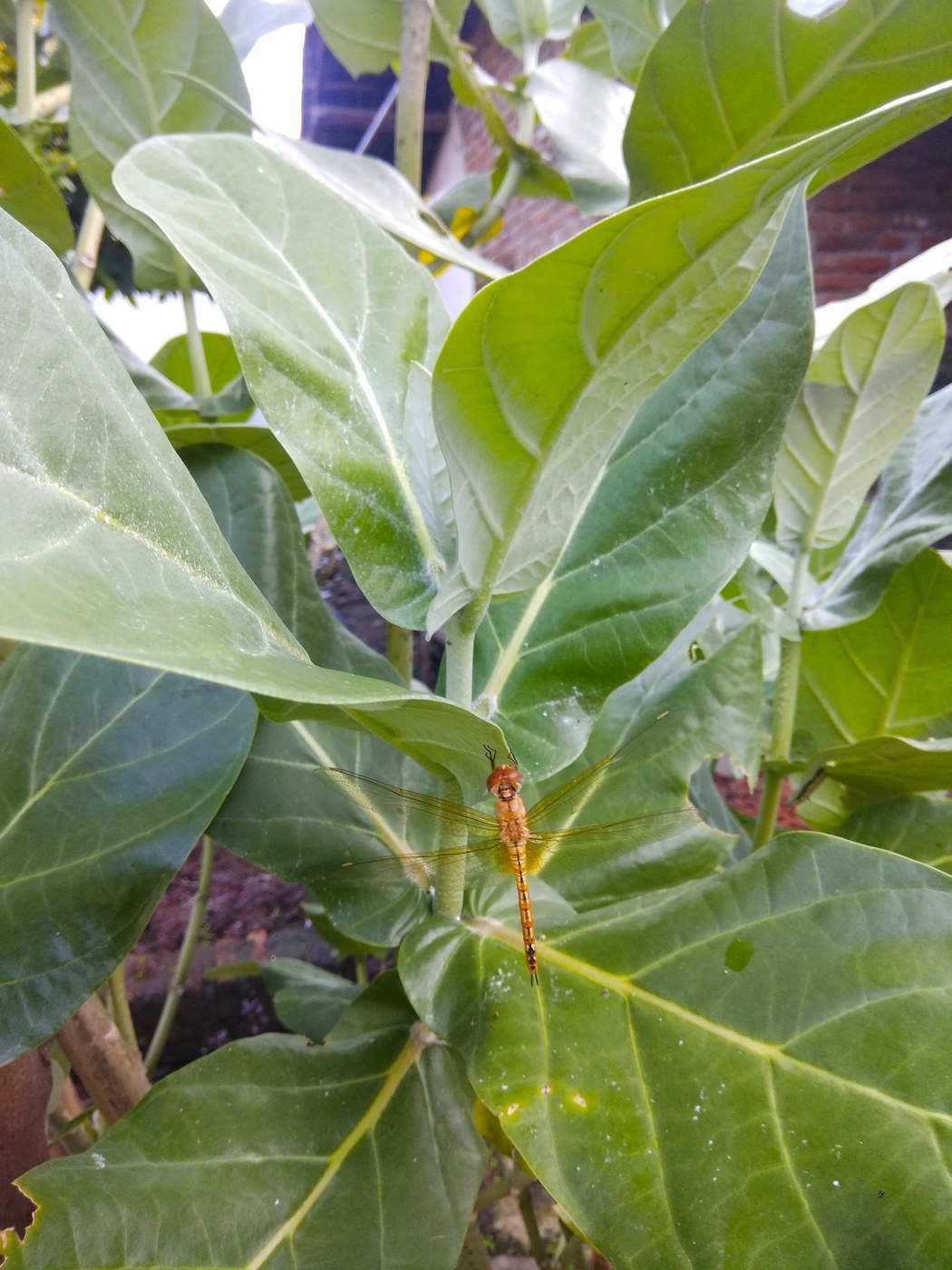
Wandering Glider
Temporary pools, open fields, and coastlines nearly worldwide
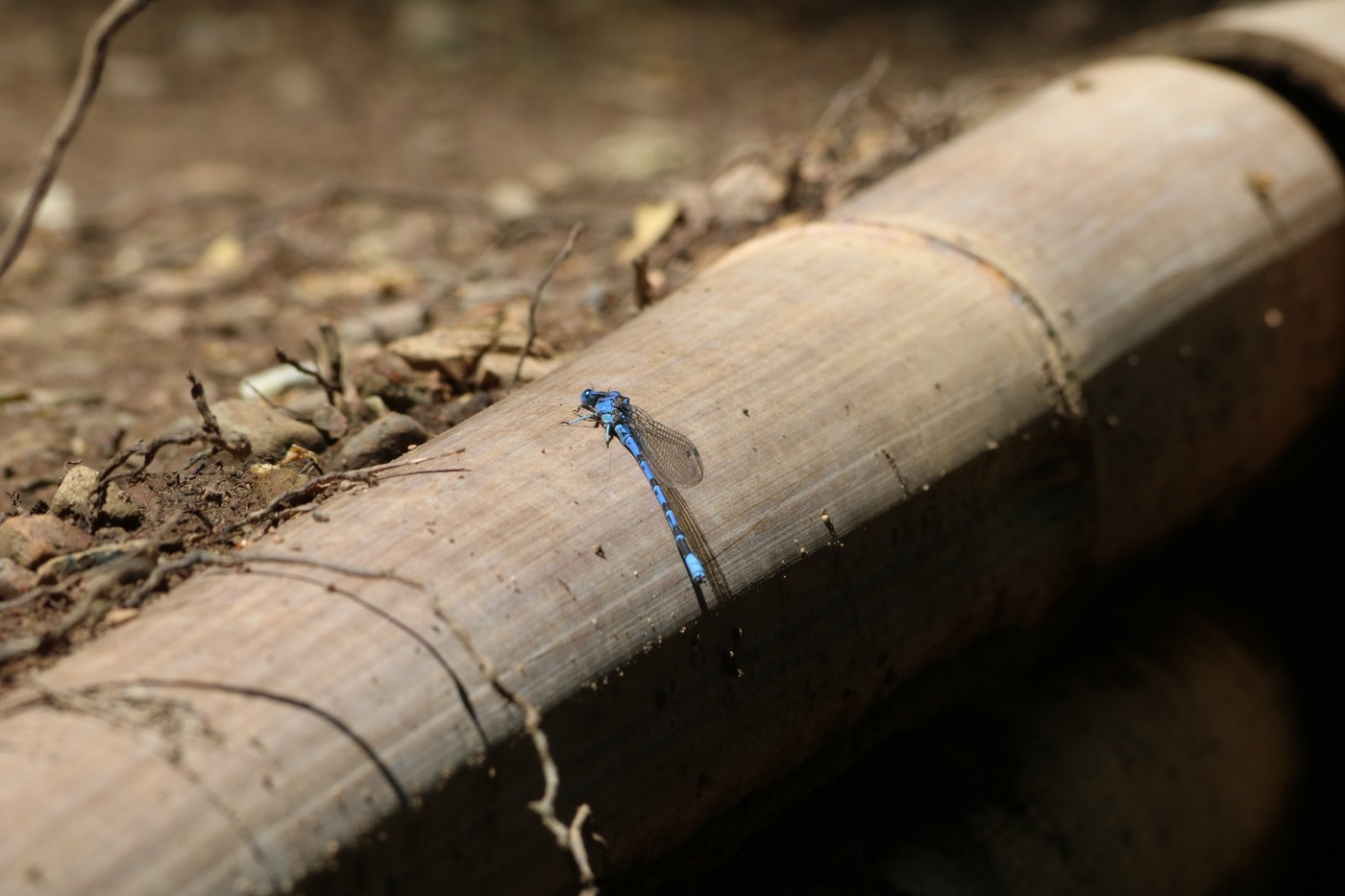
Vivid Dancer
rocky streams, seeps, and spring-fed creeks, often near thermal or warm springs
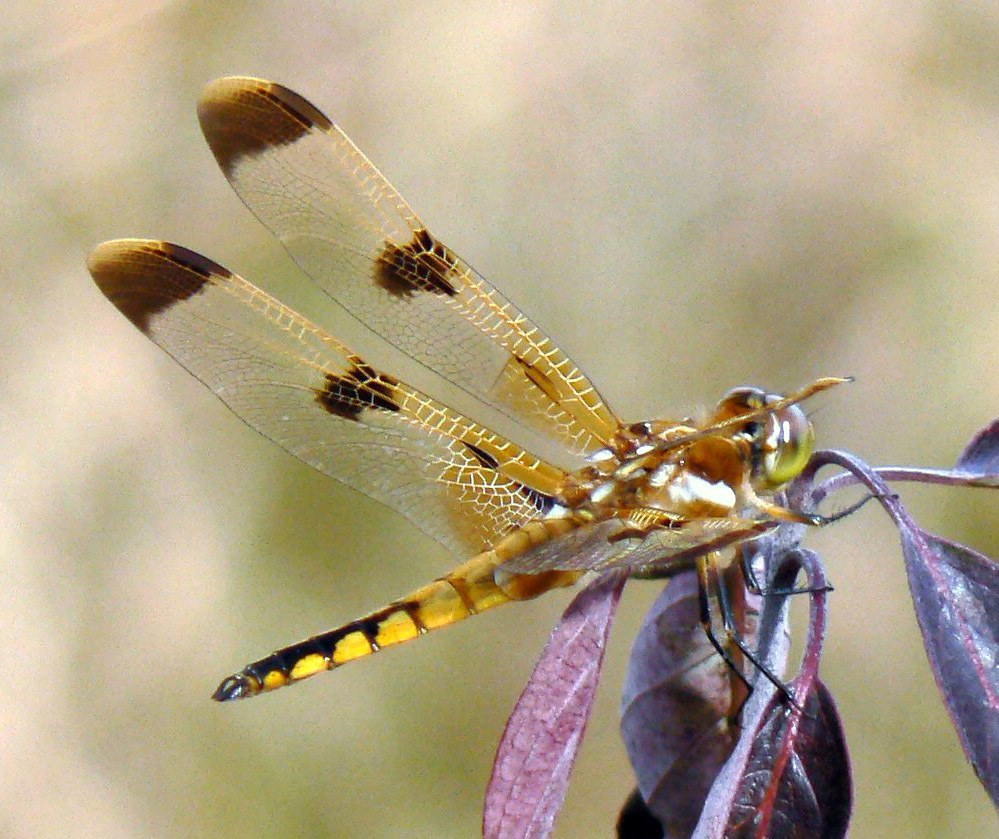
Painted Skimmer
Ponds, marshes, and slow-moving vegetated waters, including temporary pools
Powdered Dancer
rocky and gravelly rivers, streams, and lake shorelines
Northern Bluet
ponds, lakes, and marshes across cooler and northern regions