
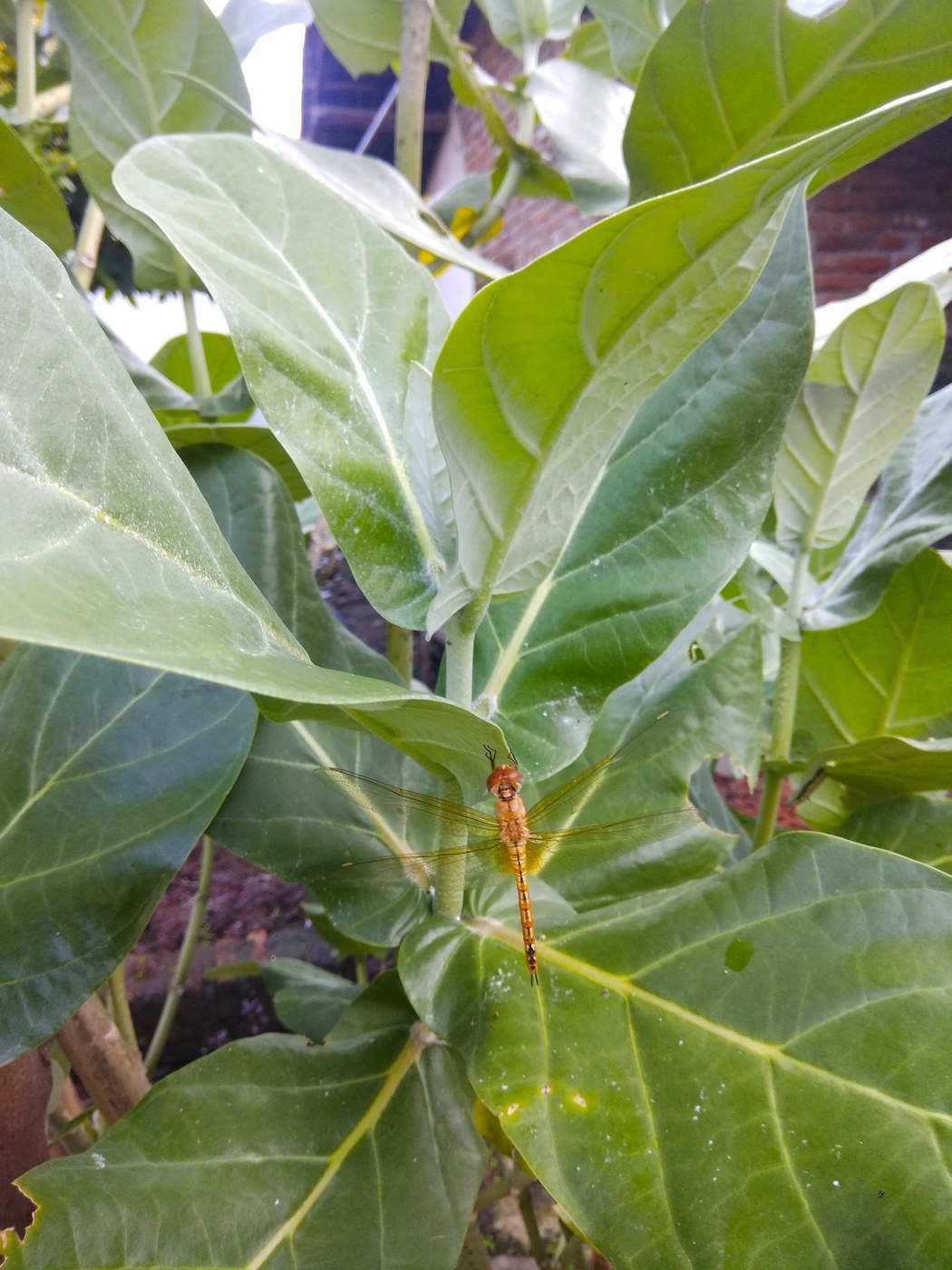
Wandering Glider
Pantala flavescens
One of the most widely traveled insects on Earth, this golden dragonfly rides high-altitude winds across oceans and continents, rarely landing as it forages endlessly on the wing.
- Size
- Body about 1.7–2 in (43–51 mm) long; wingspan roughly 3–3.5 in (75–90 mm)
- Habitat
- Temporary pools, open fields, and coastlines nearly worldwide
- Danger
- Harmless
Spotted a bug like this?
Identify any bug or insect from a photo, free.
Overview
The Wandering Glider is a member of the skimmer family Libellulidae and is famous as one of the most widespread dragonfly species in the world, found on every continent except Antarctica. Its broad, tapering hindwings give it an efficient, buoyant flight style that allows it to glide for extended periods with minimal wingbeats, an adaptation well suited to long-distance travel.
Colored golden-yellow to amber-brown, the Wandering Glider rarely perches, instead spending most of daylight hours foraging on the wing, sometimes in large loose swarms that drift across open country ahead of weather fronts. Its powerful flight and tolerance of temporary water for breeding allow it to colonize newly formed pools almost anywhere warm rainfall occurs.
This species is closely associated with seasonal monsoon rains and storm systems in many parts of its range, appearing suddenly in large numbers as rain-filled pools create fresh breeding habitat.
How to Identify
- Medium-large dragonfly with a golden-yellow to amber-brown body
- Hindwings notably broad at the base and tapering to a point, giving powerful gliding flight
- Rarely perches; usually seen foraging continuously in flight, sometimes in loose swarms
- Long, slender abdomen without strong dark banding
- Lookalikes: Spot-winged Glider (Pantala hymenaea) is similar but has a dark spot near the base of the hindwing, which the Wandering Glider lacks
Habitat & Range
Found nearly worldwide in warm regions, the Wandering Glider breeds in temporary rain pools, flooded fields, and other short-lived bodies of water, allowing it to exploit habitat unavailable to species that need permanent ponds. Adults are strong, wide-ranging fliers often seen far from any water, including over open fields, coastlines, and even far out at sea, and they are regularly associated with storm fronts and monsoon rains that create fresh breeding pools.
Behavior & Diet
This species spends the vast majority of its adult life on the wing, gliding and soaring to catch small flying insects such as mosquitoes, midges, and flying ants, rarely stopping to perch except at night or in cool weather. Large aggregations sometimes form, drifting ahead of rain systems to exploit swarms of prey insects and to reach newly formed pools for breeding. As a highly mobile predator, it helps control small flying insect populations over wide areas and its rapidly developing nymphs are adapted to complete their aquatic stage before temporary pools dry out.
Life Cycle
Females lay eggs directly into temporary pools, often without a male in attendance, taking advantage of rain-filled depressions that may only hold water for a few weeks. Nymphs develop unusually quickly compared to most dragonflies, sometimes completing the aquatic stage in as little as a month, an adaptation that lets them mature before their temporary habitat evaporates. Once mature, nymphs climb out of the water to transform into winged adults, which disperse widely and may fly enormous distances, sometimes crossing entire ocean basins, before breeding again.
Frequently asked questions
Why is the Wandering Glider found almost everywhere in the world?
Its powerful gliding flight lets it travel extremely long distances, and its rapidly developing nymphs can complete their life cycle in short-lived rain pools, allowing it to colonize new habitat quickly across many regions.
Does the Wandering Glider ever perch?
It perches only rarely, spending most of its time foraging continuously on the wing, unlike many other dragonflies that hunt from a fixed perch.
How does the Wandering Glider differ from the Spot-winged Glider?
The Spot-winged Glider has a dark spot at the base of the hindwing, while the Wandering Glider's wings lack that spot.
Why are Wandering Gliders often seen before storms?
They are known to move with weather systems, taking advantage of insect swarms and newly formed rain pools that appear with passing storms.
Wandering Glider guides
In-depth guides for identifying, understanding, and living alongside Wandering Glider.
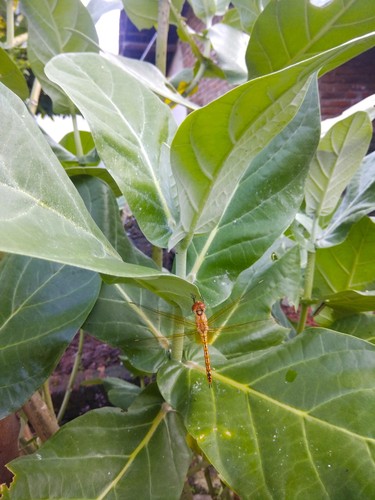
Wandering Glider identified by the community
Real finds identified with Bug Identifier.
Other bugs you may enjoy
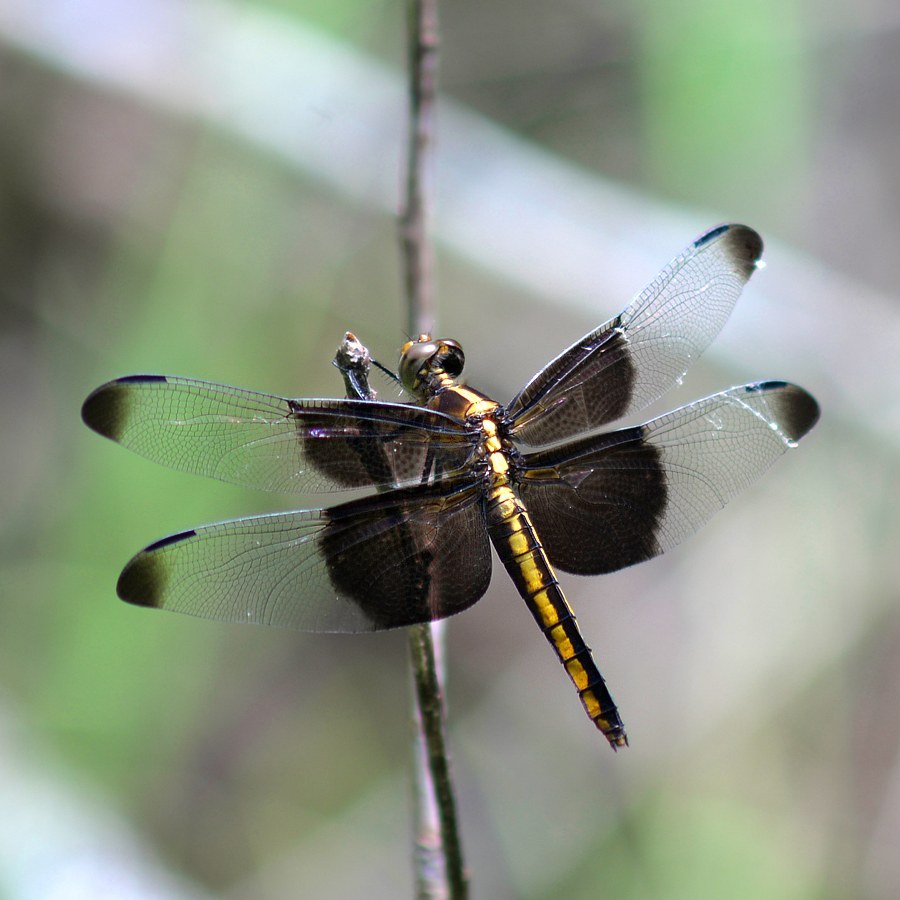
Widow Skimmer
ponds, lakes, and slow-moving streams with open shoreline vegetation across much of the United States
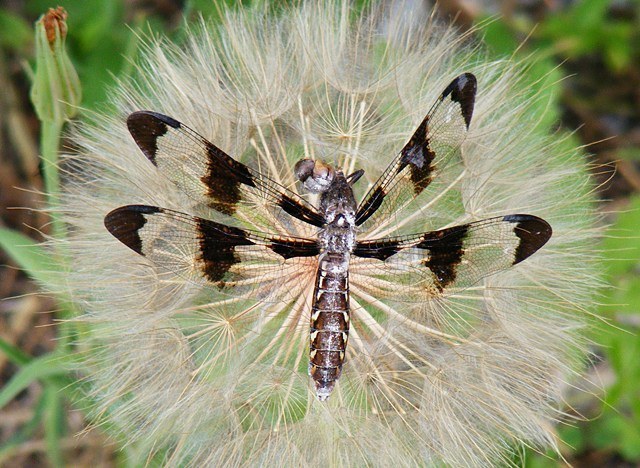
Twelve-spotted Skimmer
Ponds, lakes, and slow streams with open, sunny shorelines
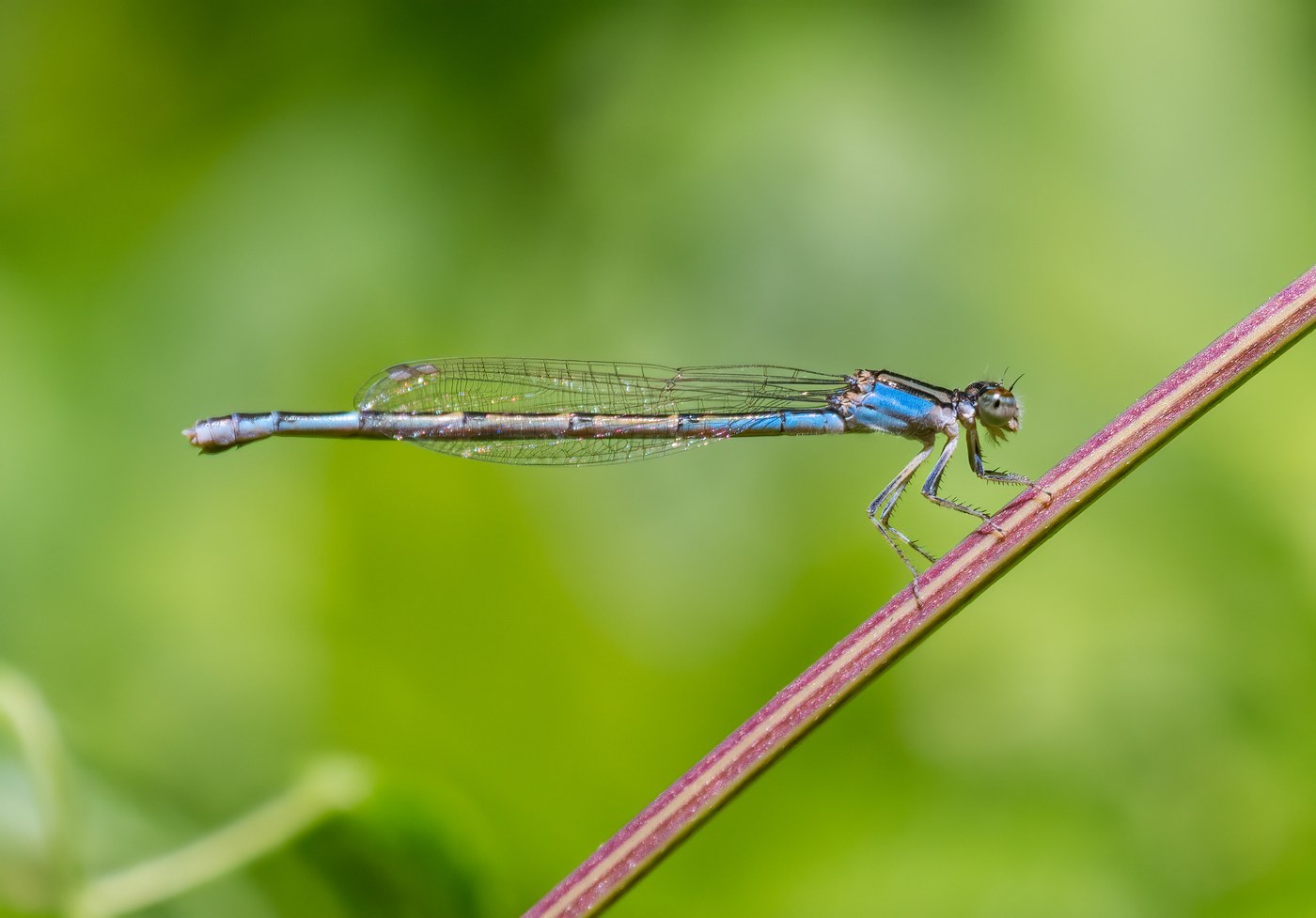
Azure Bluet
ponds, lakes, and slow streams with abundant aquatic vegetation
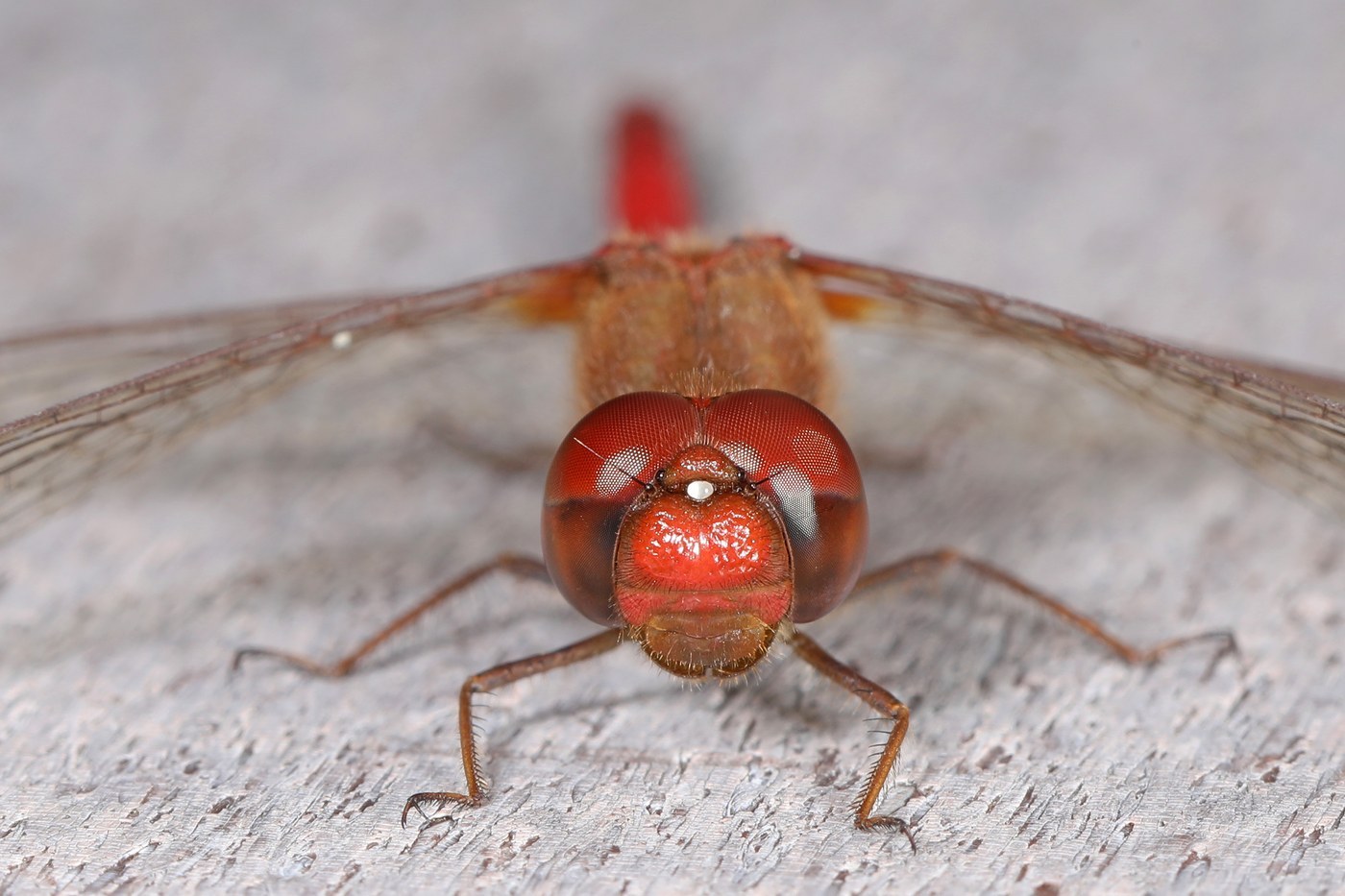
Autumn Meadowhawk
Ponds, marshes, and slow streams, often lingering into late fall
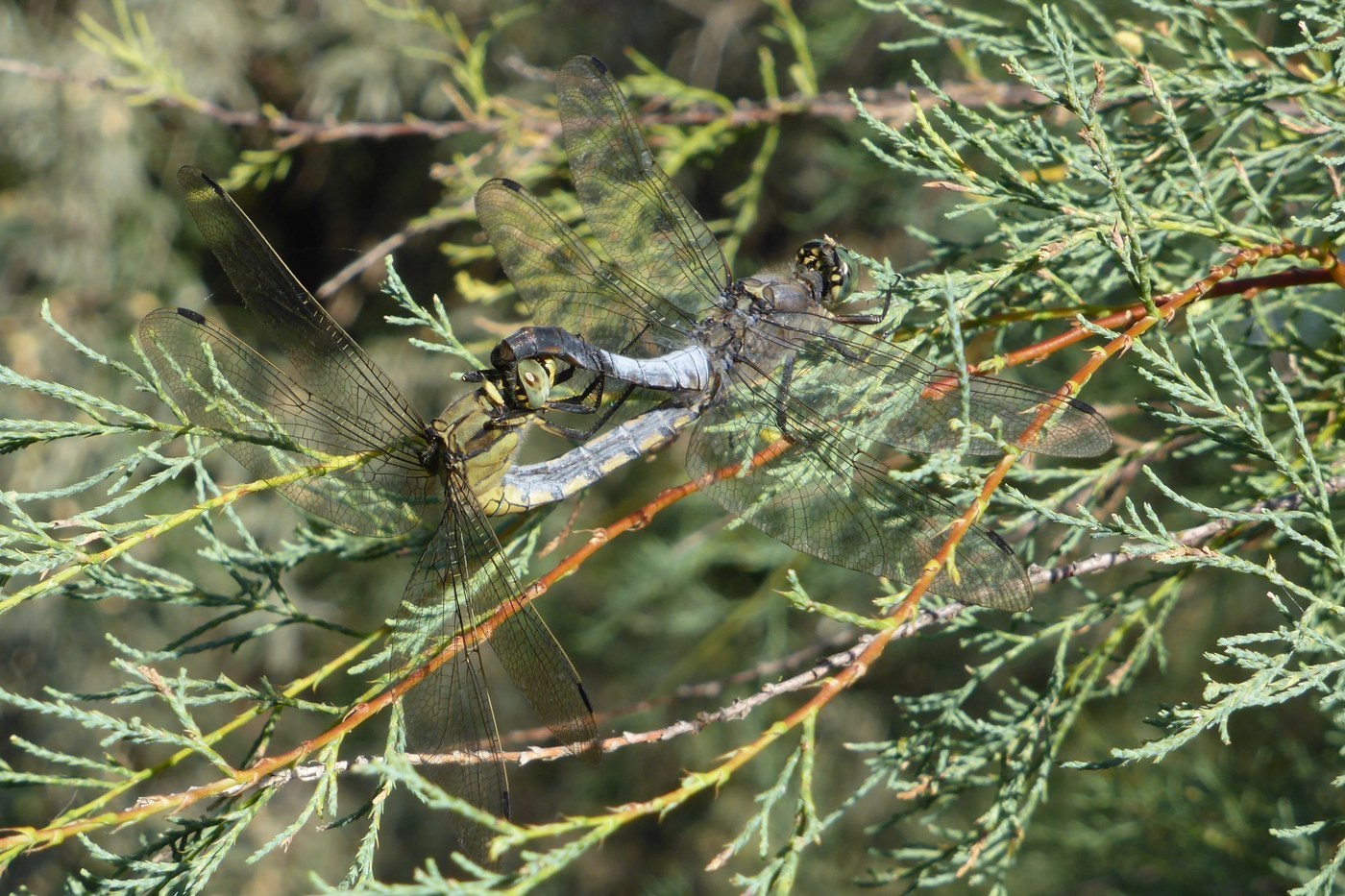
Spangled Skimmer
Ponds, lakes, and marshes with open sunny shorelines
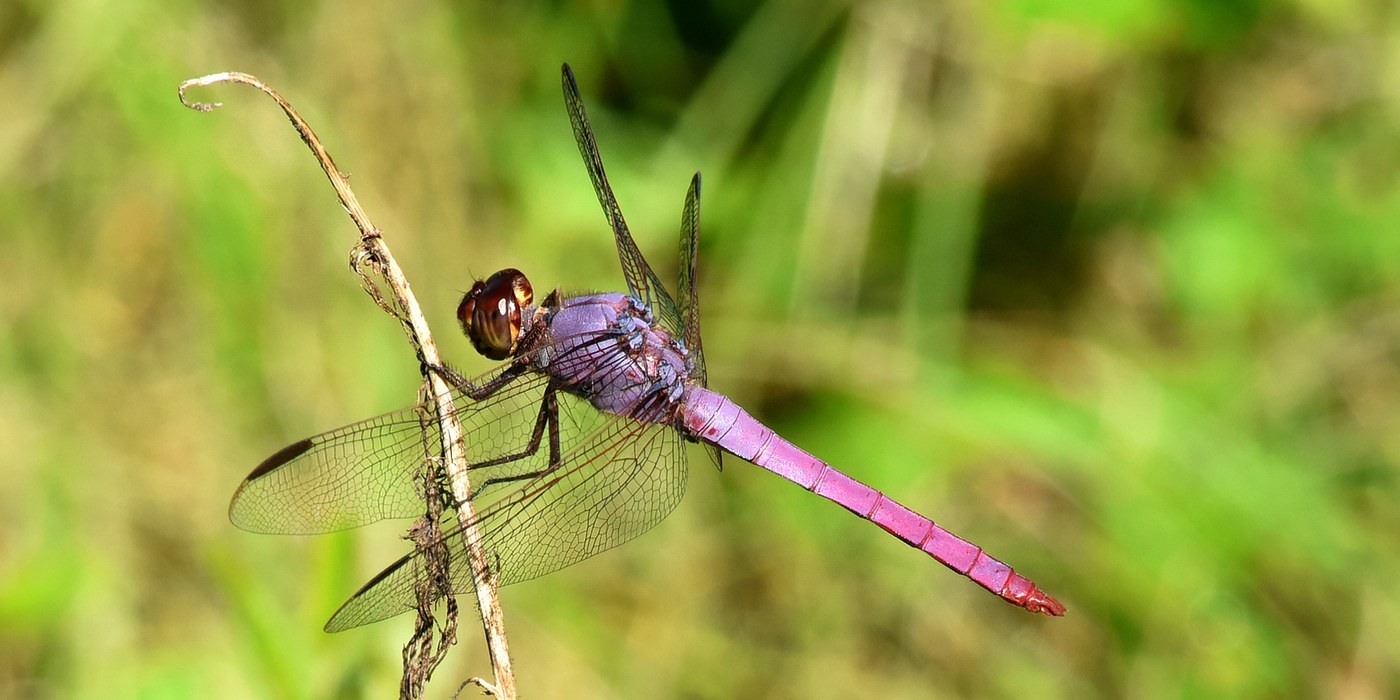
Roseate Skimmer
Ponds, ditches, and canals across the southern United States
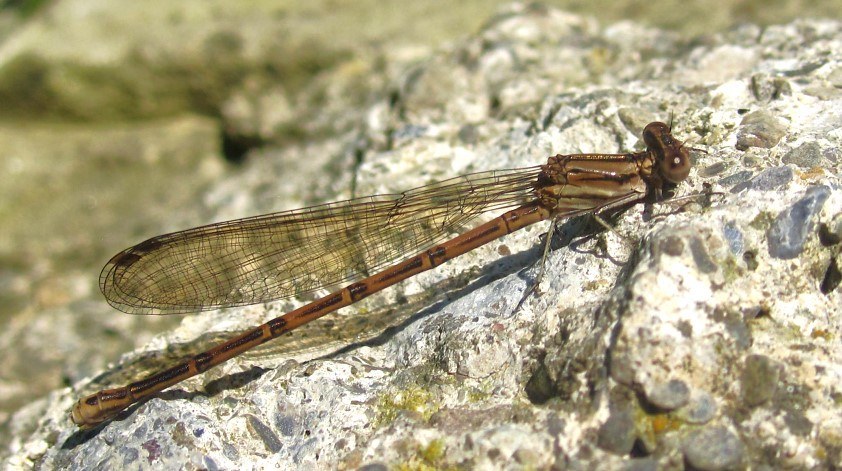
Variable Dancer
streams, rivers, and pond margins, especially in wooded or partly shaded settings
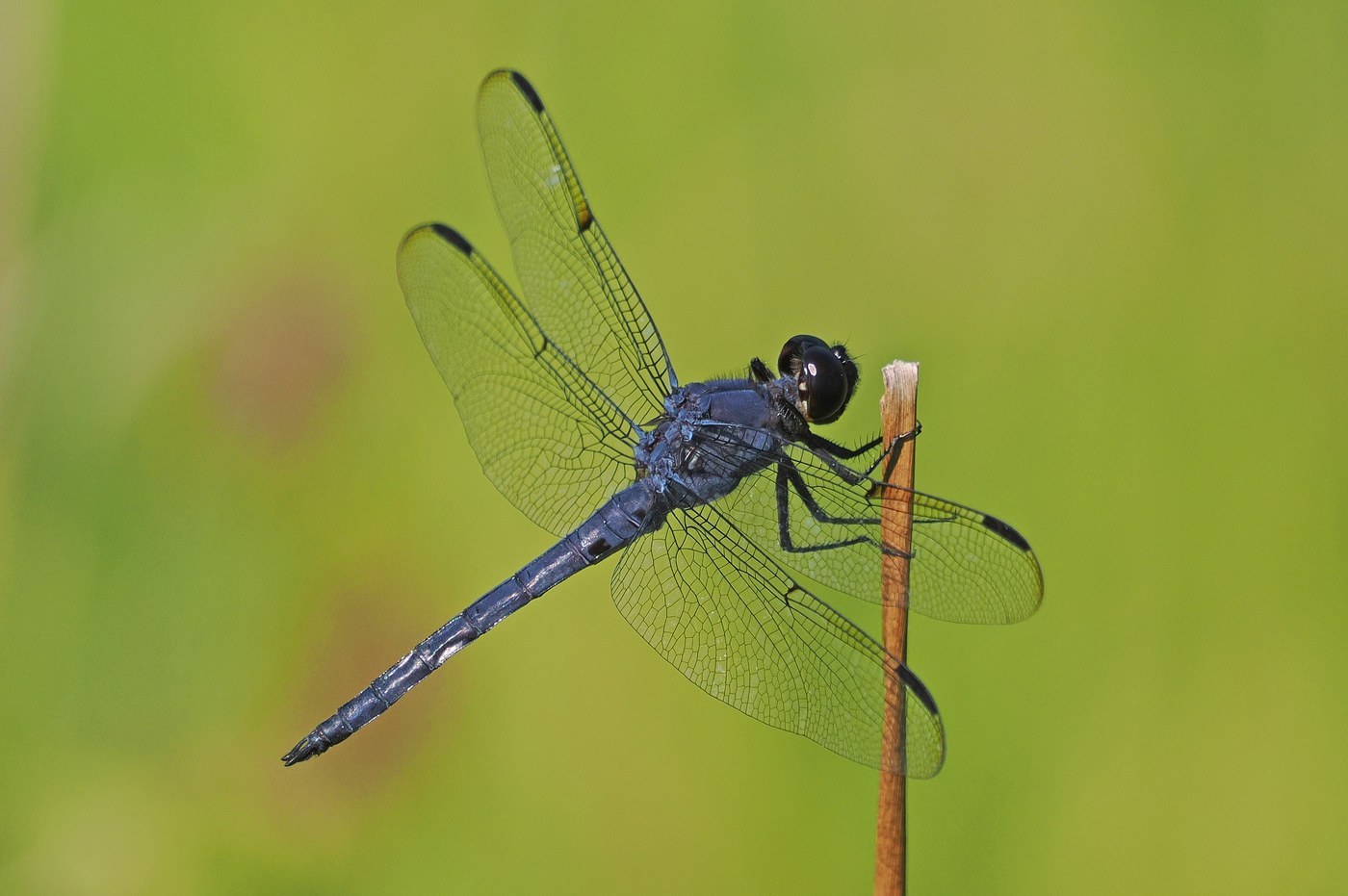
Slaty Skimmer
Still or slow-moving ponds, lakes, and marshes with open shoreline
Vivid Dancer
rocky streams, seeps, and spring-fed creeks, often near thermal or warm springs
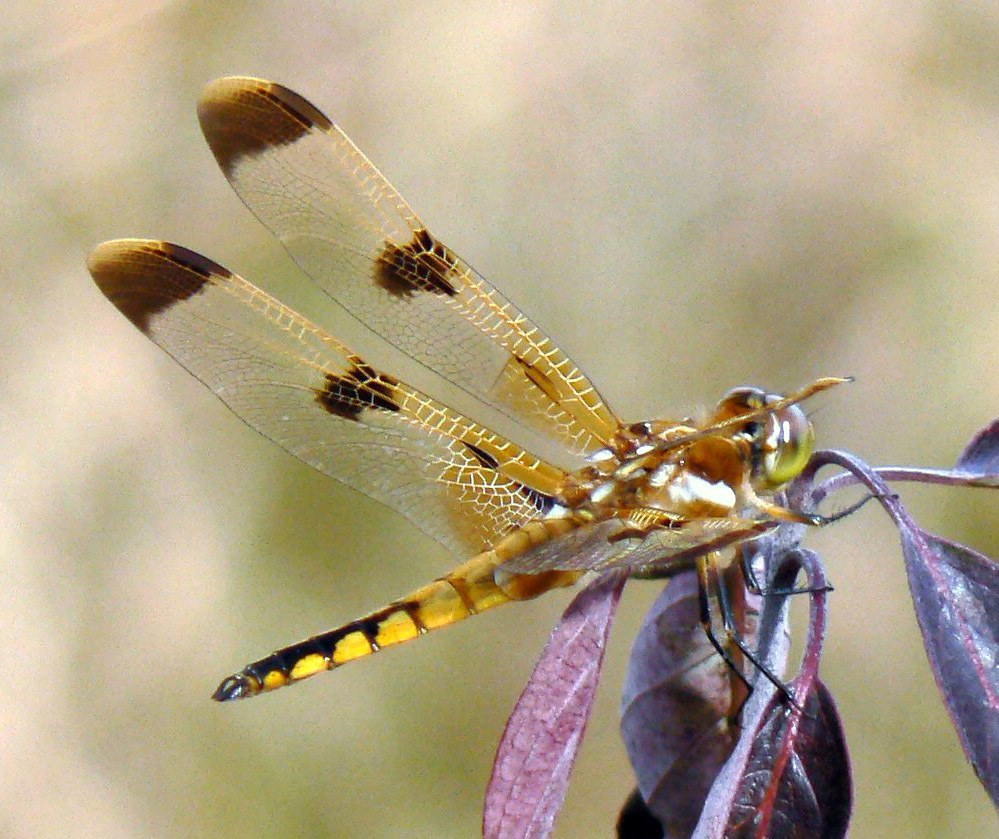
Painted Skimmer
Ponds, marshes, and slow-moving vegetated waters, including temporary pools
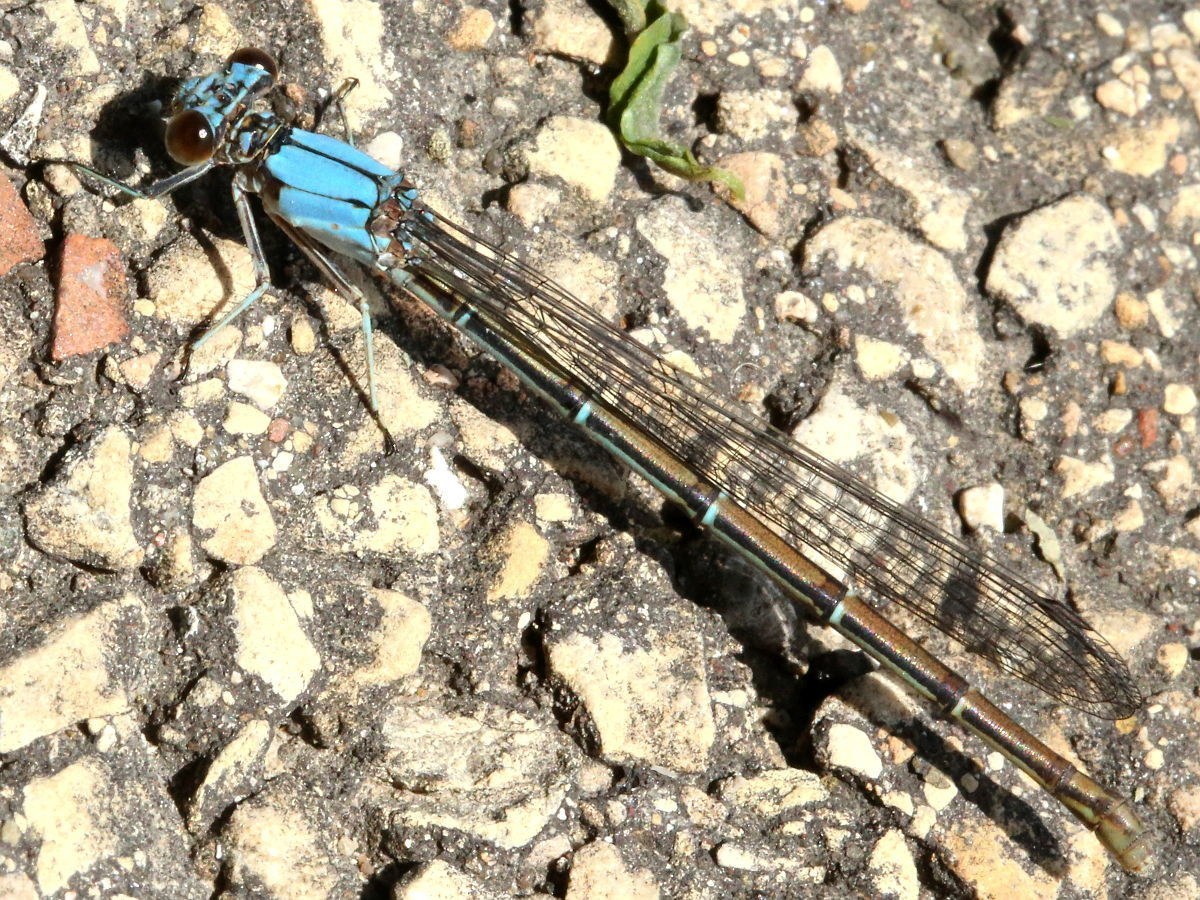
Powdered Dancer
rocky and gravelly rivers, streams, and lake shorelines
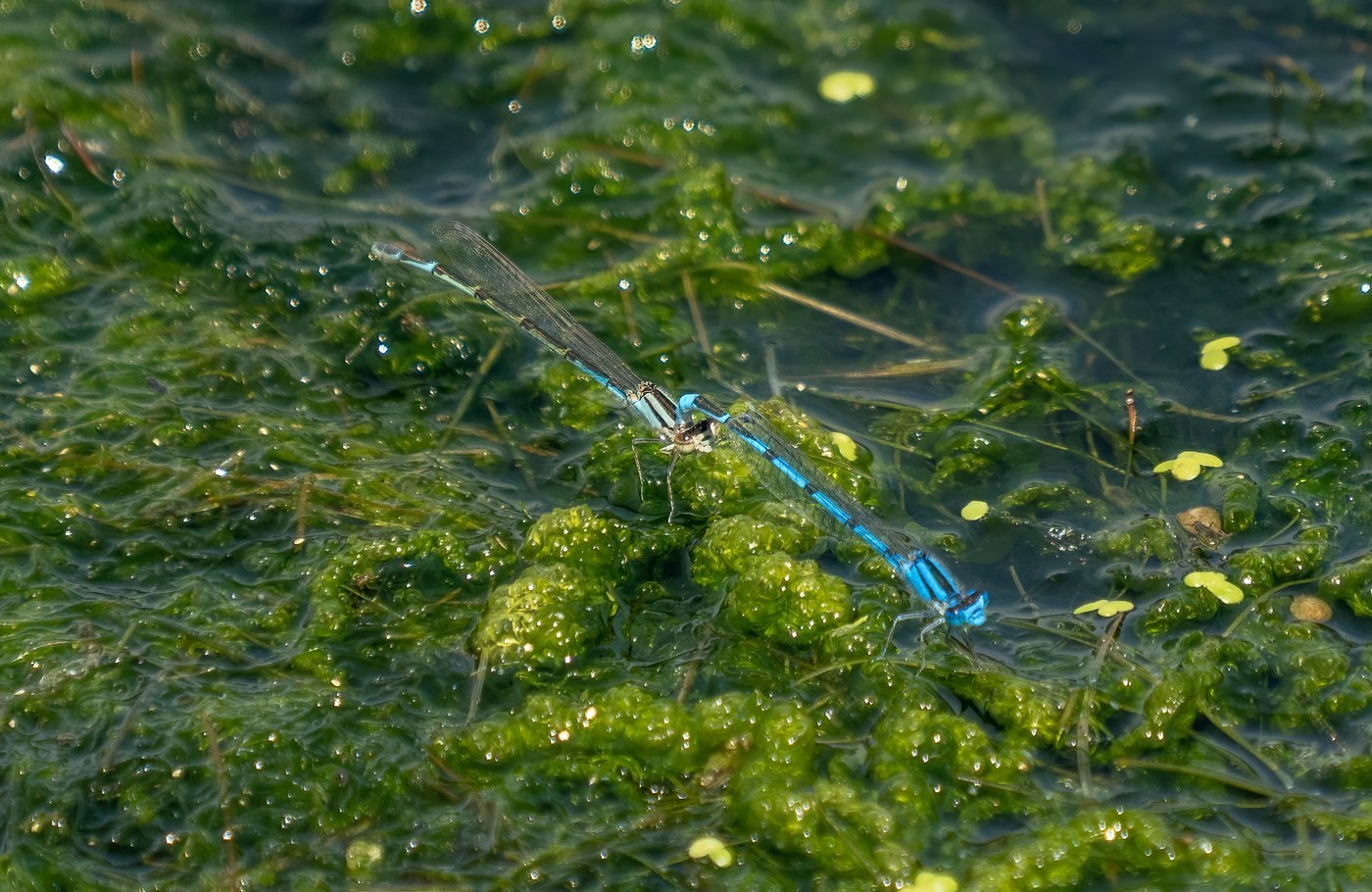
Northern Bluet
ponds, lakes, and marshes across cooler and northern regions