
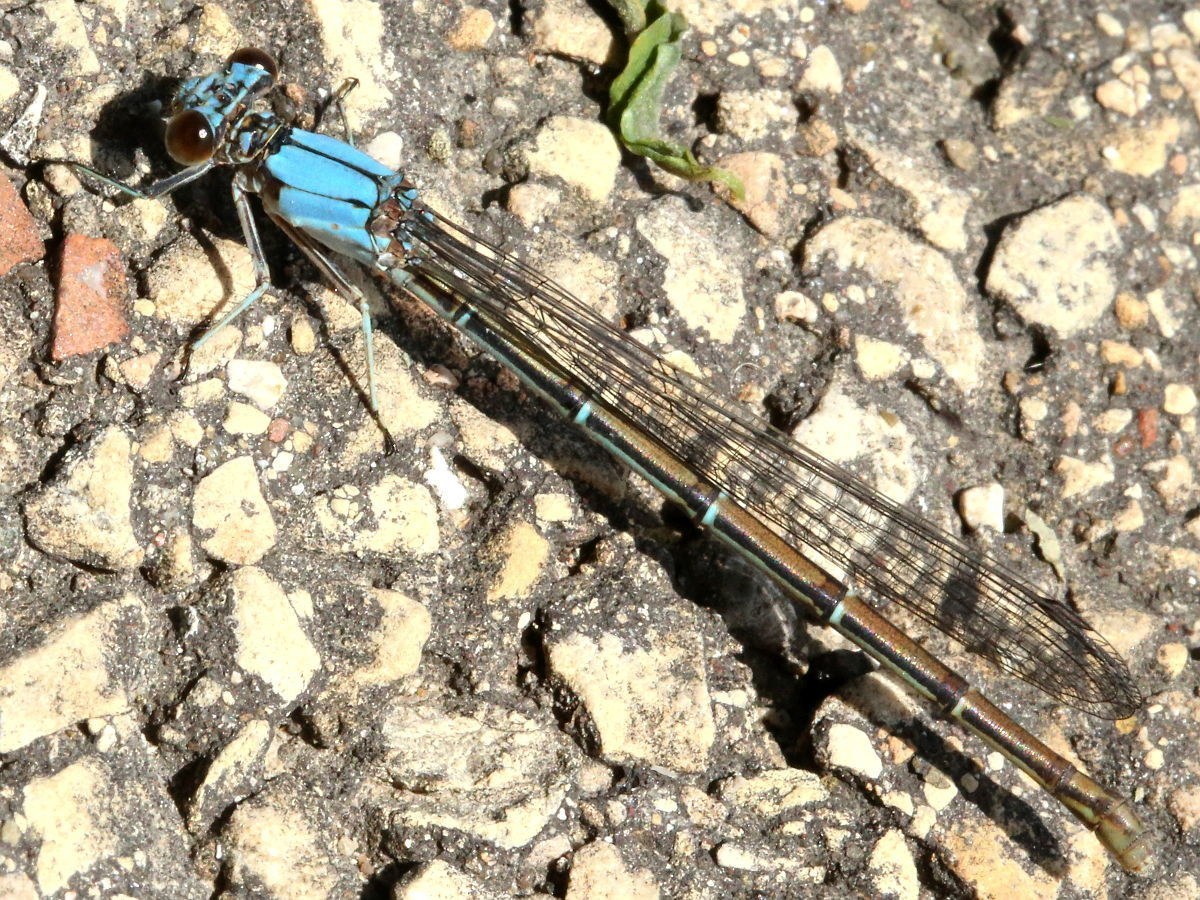
Powdered Dancer
Argia moesta
Named for the pale, frosty bloom that coats mature males, the Powdered Dancer is a robust river damselfly often seen basking on sunlit rocks and gravel bars.
- Size
- 1.3-1.6 in (33-41 mm) long
- Habitat
- rocky and gravelly rivers, streams, and lake shorelines
- Danger
- Harmless
Spotted a bug like this?
Identify any bug or insect from a photo, free.
Overview
The Powdered Dancer is a large, sturdy damselfly in the dancer genus Argia (family Coenagrionidae), widespread across much of the eastern and central United States and adjacent Canada. It gets its common name from the pale grayish-white waxy "pruinescence," or powdery bloom, that develops on the thorax and abdomen of mature males, giving them a frosted appearance that contrasts with their dark wings and markings.
Unlike many damselflies that prefer still ponds, the Powdered Dancer is strongly associated with flowing water, particularly rivers and streams with rocky or gravelly substrates, where it is often the most conspicuous damselfly present. Its relatively large size and habit of basking openly on sun-warmed rocks and gravel bars make it easy to spot along riverbanks.
As both nymphs and adults, Powdered Dancers play a role as predators of small aquatic and flying insects, and they serve as prey for fish, birds, and larger predatory insects, making them a useful indicator of healthy, well-oxygenated flowing-water habitats.
How to Identify
- Mature males: pale gray-blue to whitish pruinose (powdery) coating over a dark blue-black body, especially on thorax and terminal abdominal segments
- Wings often tinted smoky gray to brown, more so than in many other bluets and dancers
- Females and immature males lack heavy pruinescence and show brown, tan, or blue-gray coloration with dark markings
- Robust, relatively large body size for a damselfly
- Frequently seen perched flat on rocks or gravel in full sun
- Lookalikes: other pruinose Argia species can appear similar, but the Powdered Dancer's larger size, smoky wings, and river-gravel habitat help distinguish it
Habitat & Range
Powdered Dancers favor flowing water with rocky, gravelly, or sandy substrates, including rivers, large streams, and wave-washed lake shorelines. They are common along open, sunny riverbanks and gravel bars across much of the eastern and central United States and southern Canada. Adults fly from late spring through late summer or early fall, with peak activity in the warmer months.
Behavior & Diet
Adults are frequently seen basking on sun-exposed rocks, gravel, or sand along riverbanks, from which they make short flights to capture small flying insects. Males often perch in loose aggregations on favorable gravel bars, sometimes engaging in territorial interactions. Nymphs live among rocks and coarse substrate in flowing water, where they ambush small aquatic invertebrates. The species' preference for clean, well-oxygenated flowing water makes it a useful bioindicator, and both life stages contribute to river food webs as predators and as prey for fish and other animals.
Life Cycle
The Powdered Dancer undergoes incomplete metamorphosis with egg, aquatic nymph, and adult stages. Following tandem mating, females oviposit into submerged vegetation, algae, or debris in flowing water, sometimes accompanied by the male. Nymphs cling to rocks and coarse substrate in the current, molting repeatedly as they grow and feeding on small aquatic invertebrates using gills at the tip of the abdomen for respiration. When mature, nymphs climb out onto rocks or emergent structures to complete their final molt into winged adults. The species generally produces one generation per year across most of its range, with nymphs overwintering in the streambed.
Frequently asked questions
Why is it called the Powdered Dancer?
Mature males develop a pale, whitish waxy coating called pruinescence over their body, giving them a frosted or powdered look.
Where do Powdered Dancers live?
They favor flowing water with rocky or gravelly substrates such as rivers and large streams, and are often seen basking on sunlit gravel bars.
How big is a Powdered Dancer compared to other damselflies?
It is one of the larger and more robust members of the dancer genus, noticeably bigger than many pond-dwelling bluets.
What do Powdered Dancers eat?
Adults capture small flying insects near the water, while nymphs prey on tiny aquatic invertebrates among streambed rocks.
Powdered Dancer guides
In-depth guides for identifying, understanding, and living alongside Powdered Dancer.
Other bugs you may enjoy
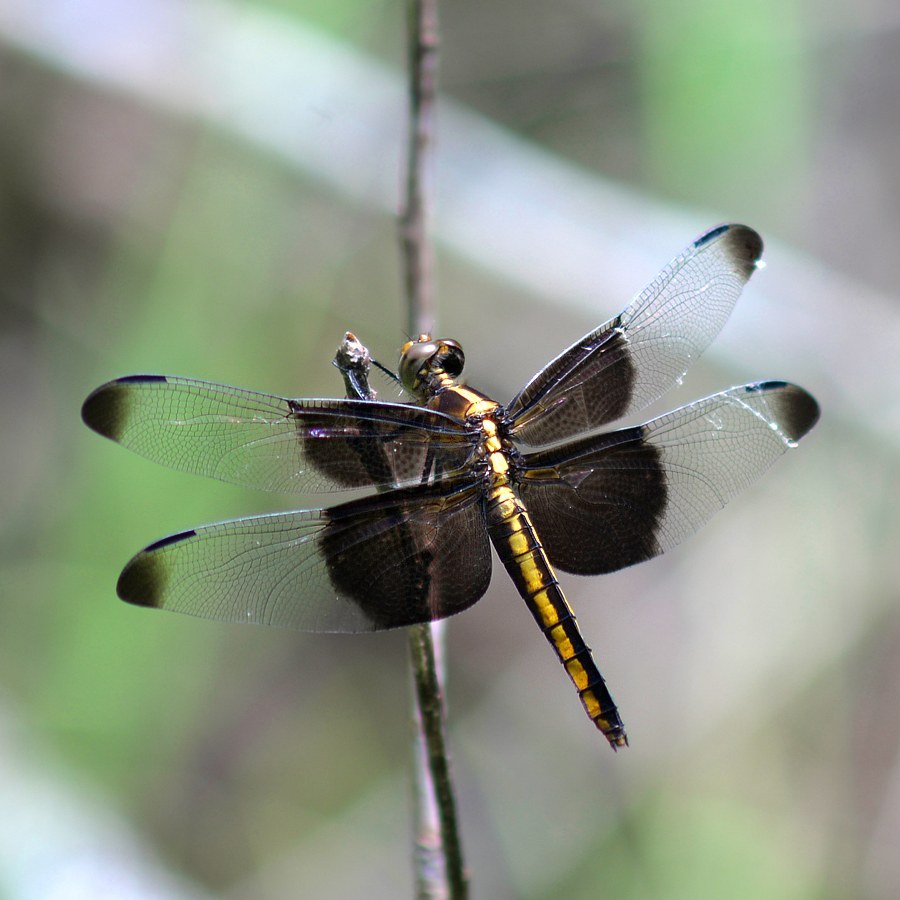
Widow Skimmer
ponds, lakes, and slow-moving streams with open shoreline vegetation across much of the United States
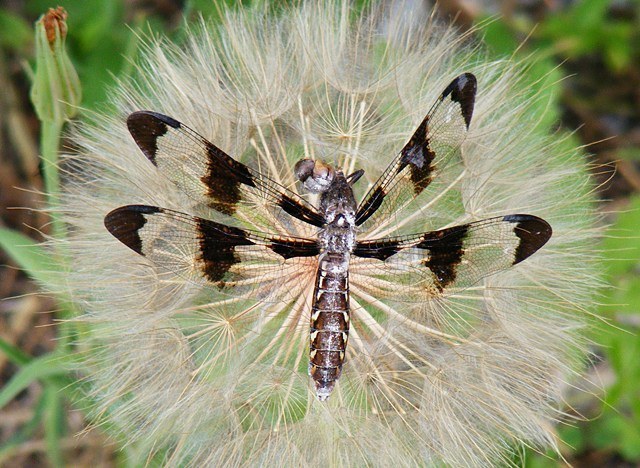
Twelve-spotted Skimmer
Ponds, lakes, and slow streams with open, sunny shorelines
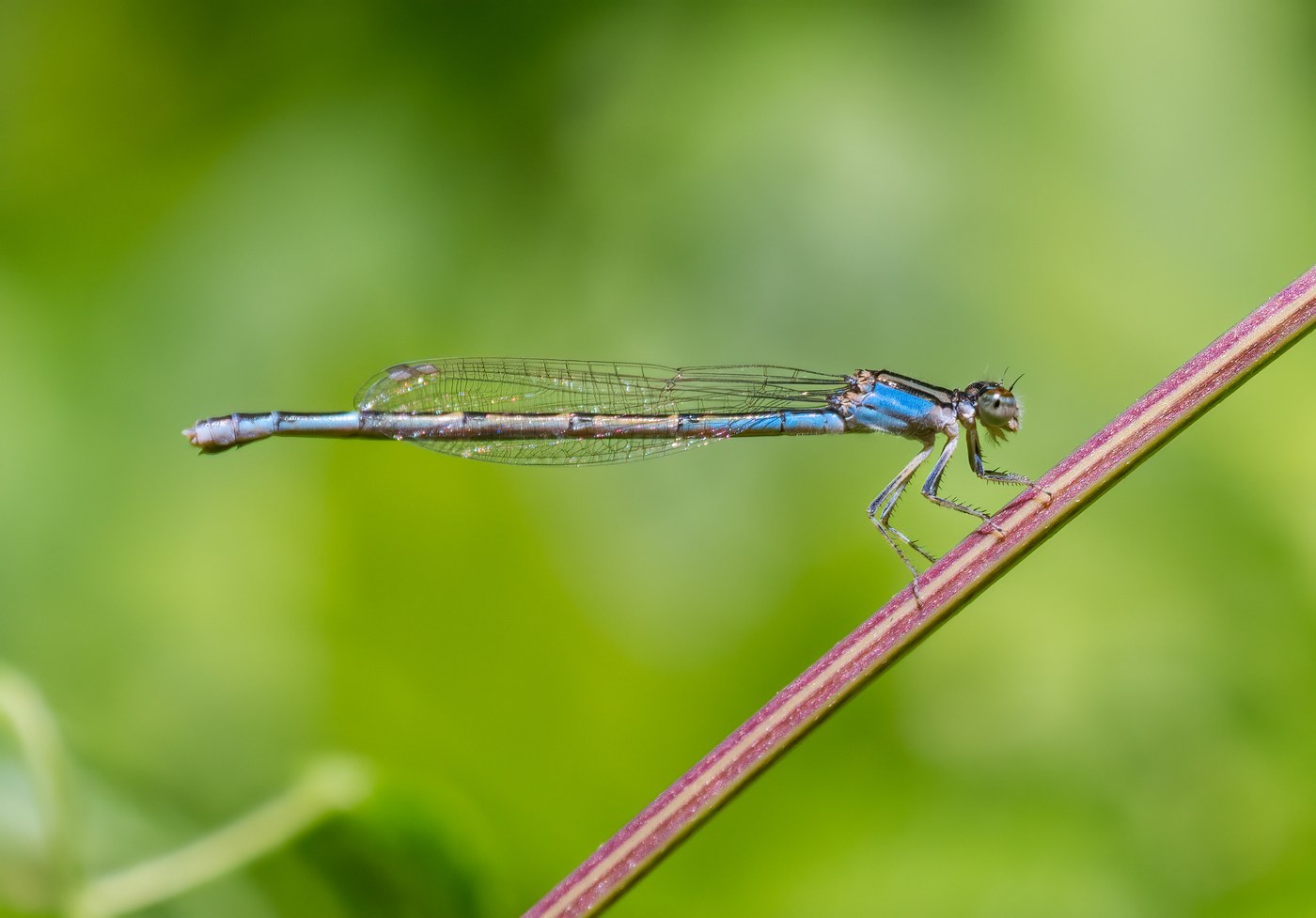
Azure Bluet
ponds, lakes, and slow streams with abundant aquatic vegetation
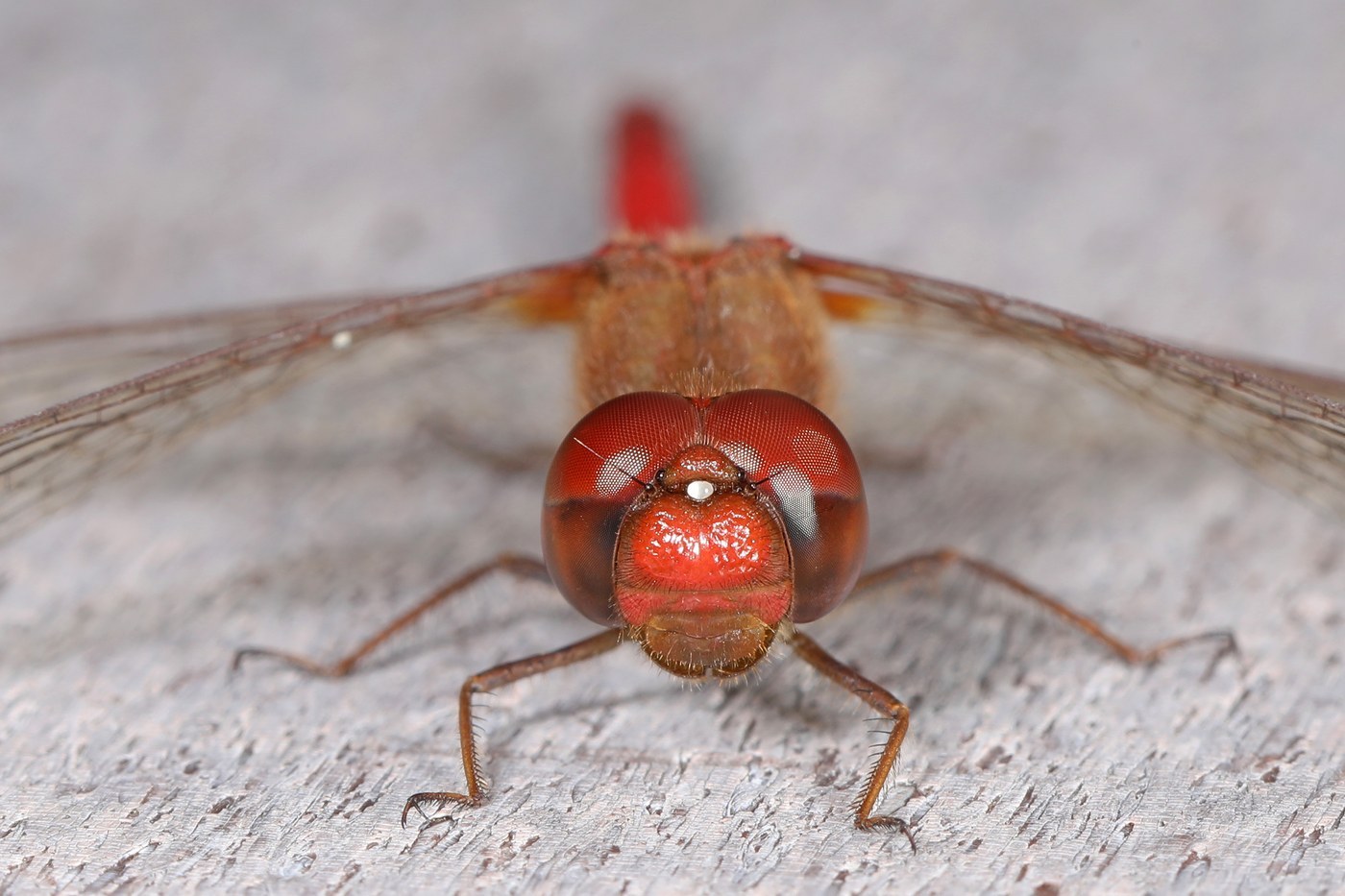
Autumn Meadowhawk
Ponds, marshes, and slow streams, often lingering into late fall
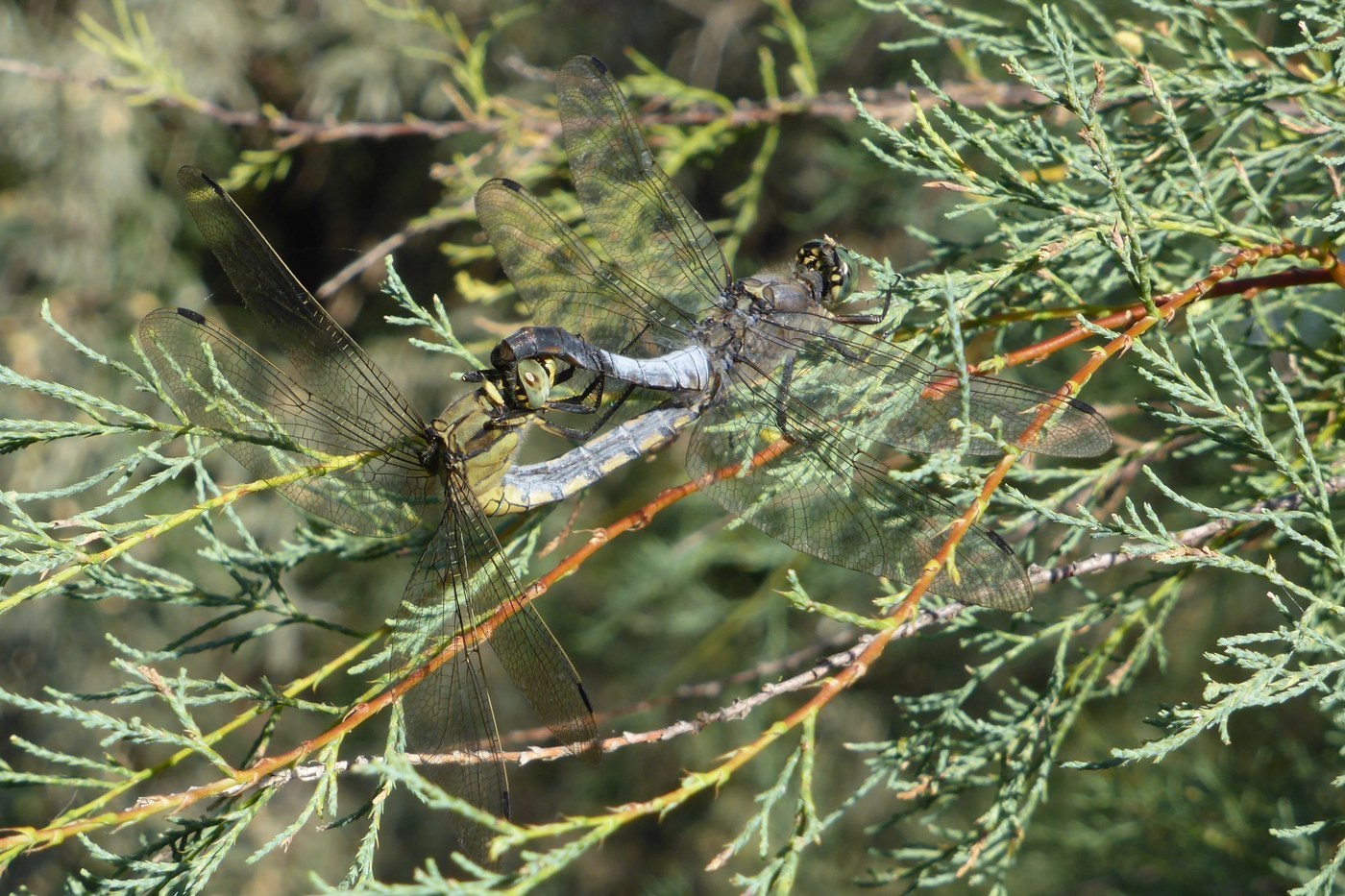
Spangled Skimmer
Ponds, lakes, and marshes with open sunny shorelines
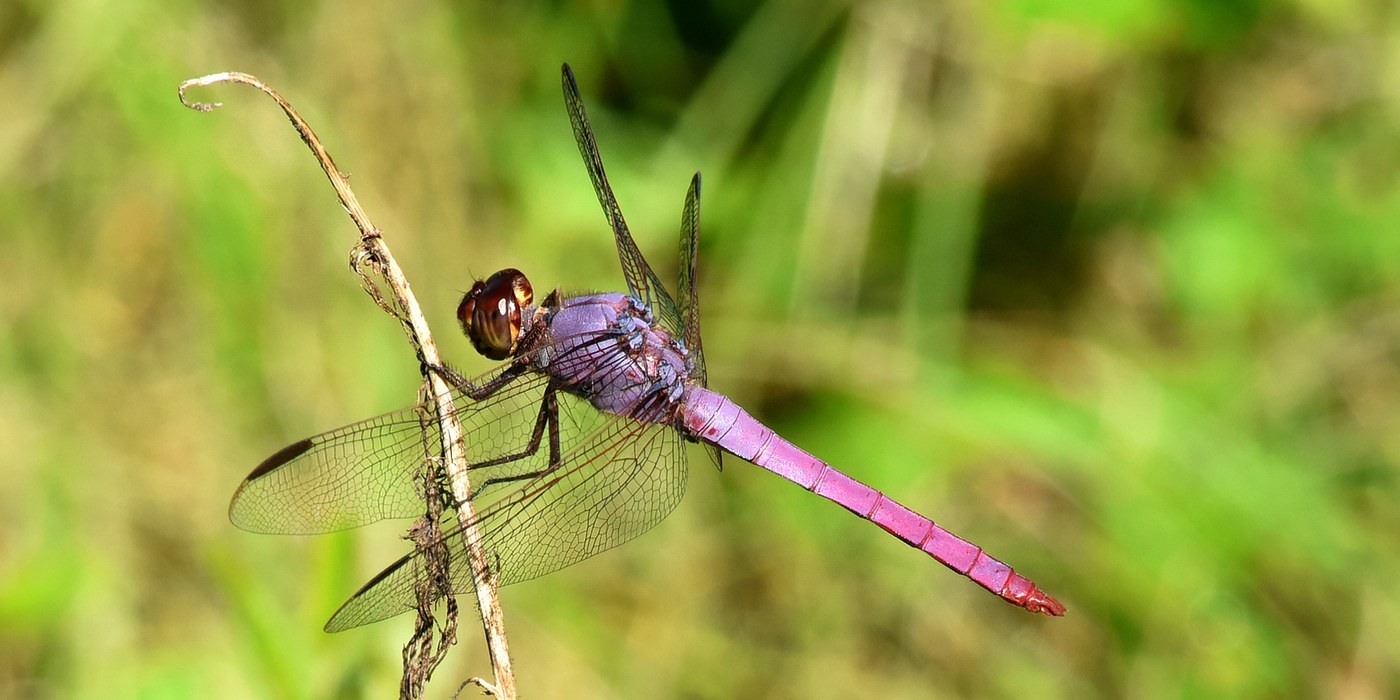
Roseate Skimmer
Ponds, ditches, and canals across the southern United States
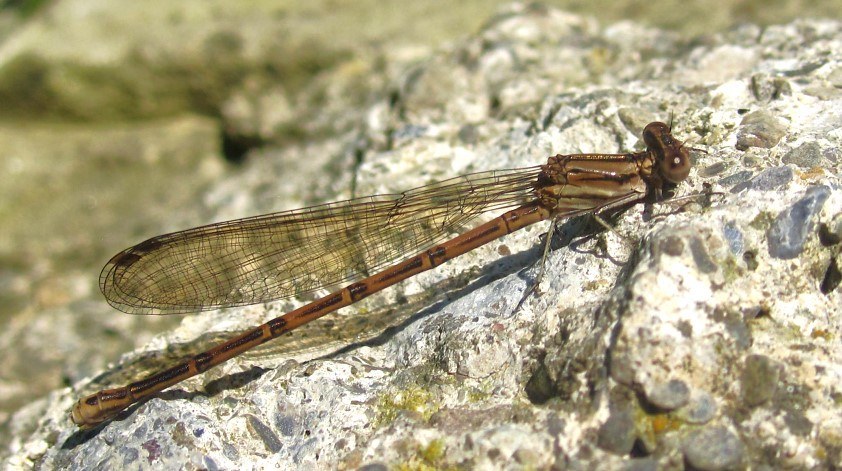
Variable Dancer
streams, rivers, and pond margins, especially in wooded or partly shaded settings
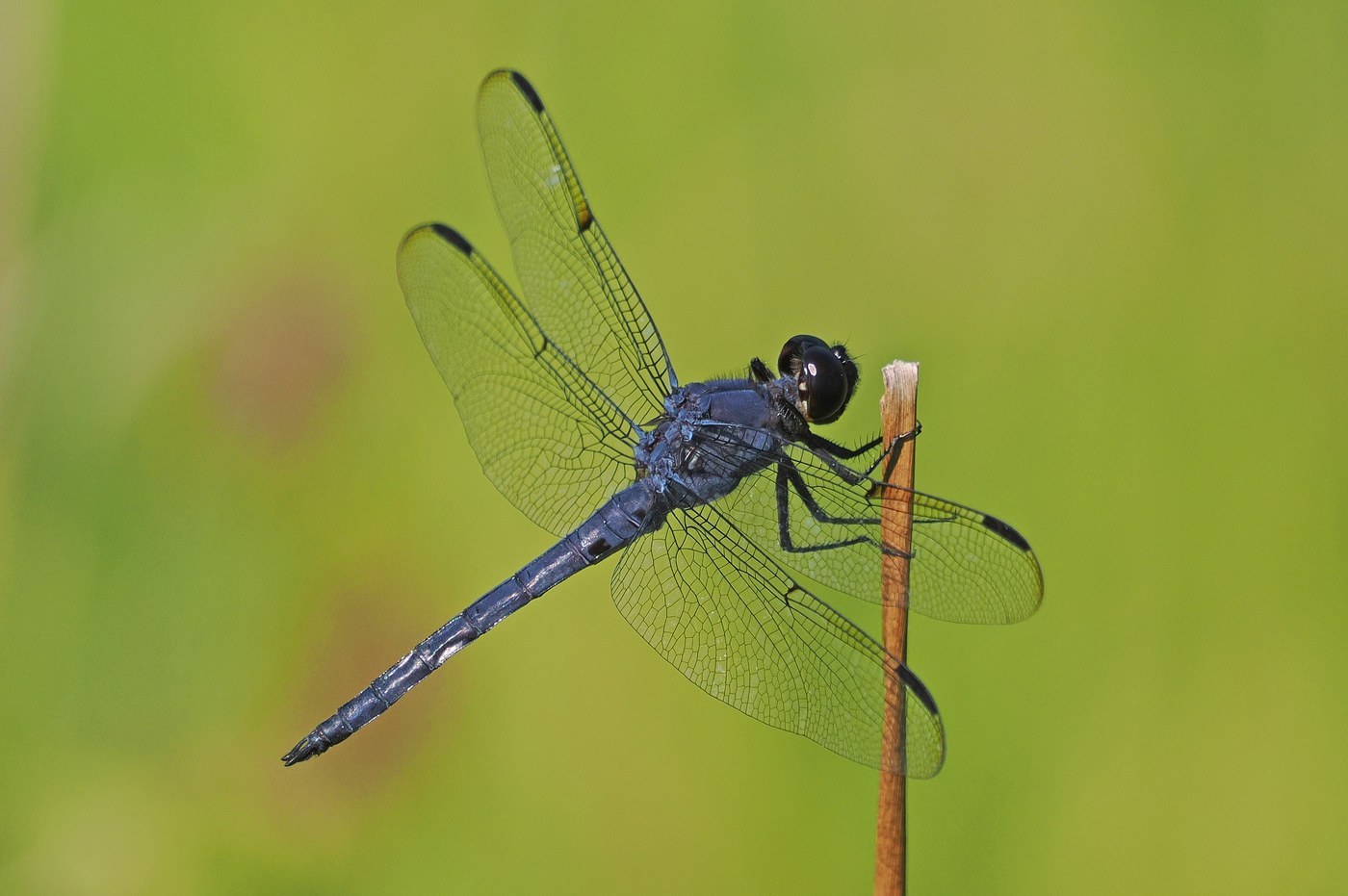
Slaty Skimmer
Still or slow-moving ponds, lakes, and marshes with open shoreline
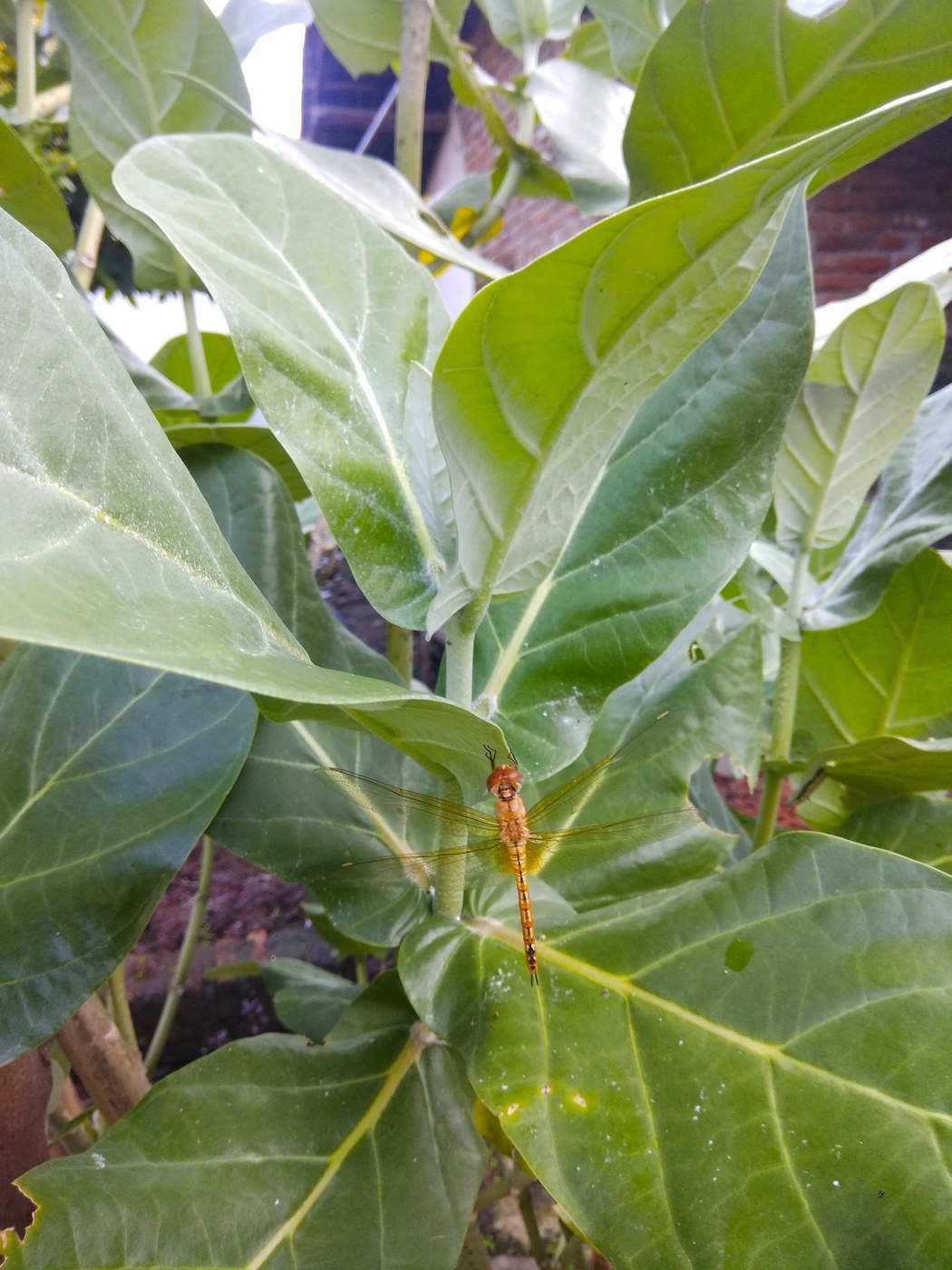
Wandering Glider
Temporary pools, open fields, and coastlines nearly worldwide
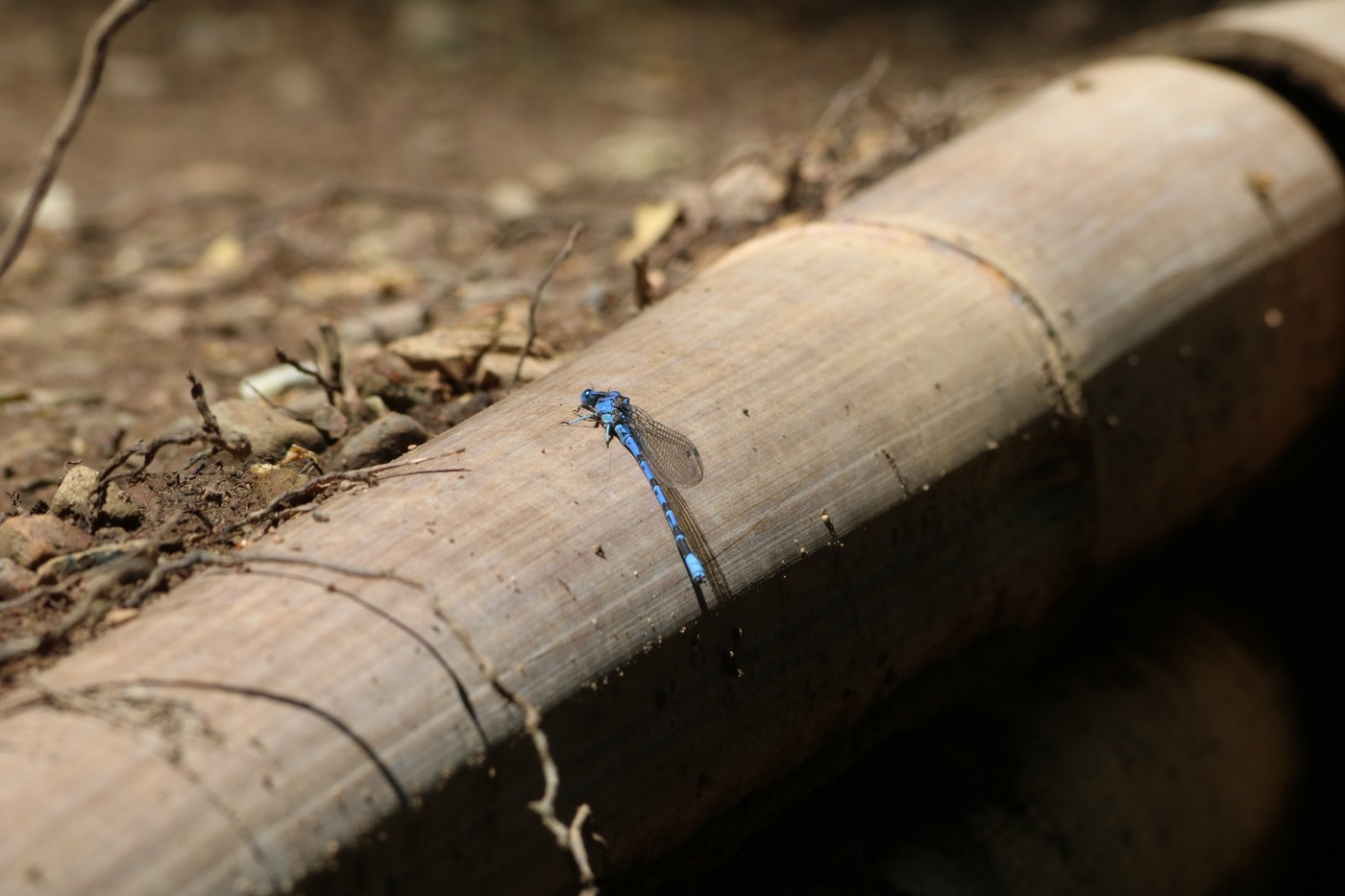
Vivid Dancer
rocky streams, seeps, and spring-fed creeks, often near thermal or warm springs
Painted Skimmer
Ponds, marshes, and slow-moving vegetated waters, including temporary pools
Northern Bluet
ponds, lakes, and marshes across cooler and northern regions