
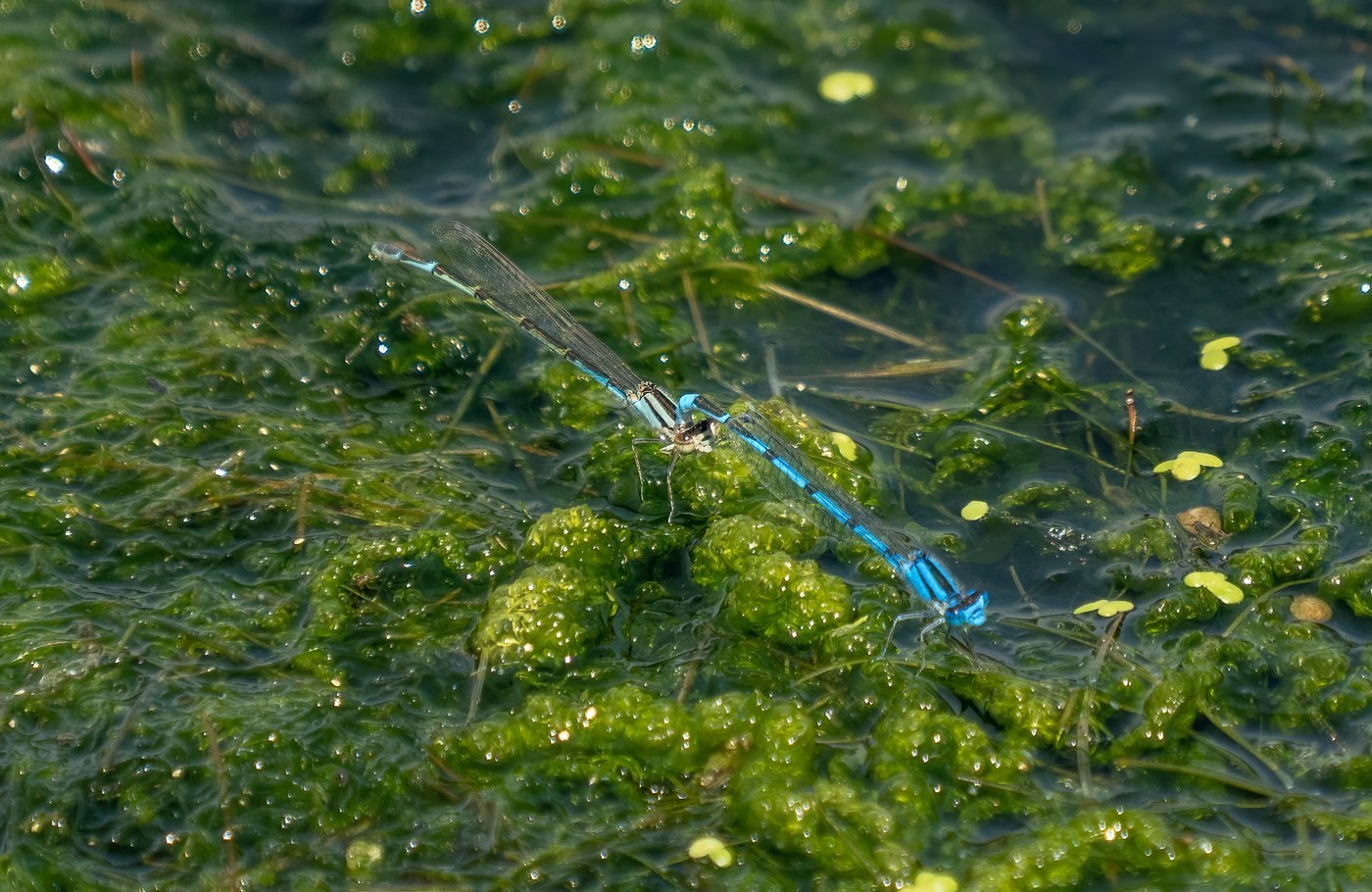
Northern Bluet
Enallagma annexum
A hardy blue damselfly of northern ponds and lakes, the Northern Bluet ranges farther north than most of its relatives and is often the dominant bluet at cooler, higher-latitude waters.
- Size
- 1.1-1.4 in (28-36 mm) long
- Habitat
- ponds, lakes, and marshes across cooler and northern regions
- Danger
- Harmless
Spotted a bug like this?
Identify any bug or insect from a photo, free.
Overview
The Northern Bluet is a species in the large bluet genus Enallagma (family Coenagrionidae), closely related to and formerly considered part of the widespread Common Bluet complex. It is found across much of Canada and the northern United States, extending into the boreal region and higher elevations further south, making it one of the most cold-tolerant bluets in North America.
Like other Enallagma bluets, males are bright blue with black markings and females are more variably colored, and the group as a whole is notoriously difficult to separate visually; the Northern Bluet is best confirmed by close examination of the terminal abdominal appendages and the shape of the black markings on the last few segments. Despite the identification challenge, it is often the most abundant damselfly at ponds and lakes in its northern range.
Northern Bluets are gregarious, often seen in numbers along shorelines with emergent vegetation, and they serve important ecological roles as predators of small insects and as prey for fish, birds, and larger dragonflies in cooler freshwater ecosystems.
How to Identify
- Male: bright blue thorax with black stripes, blue abdomen with black markings on top of most segments, blue at the tip
- Black markings on the last abdominal segments have a shape used by experts to distinguish it from very similar bluets
- Female: variable, from blue forms resembling males to dull tan, brown, or greenish morphs
- Slender build typical of pond damsels, clear wings held together over the back at rest
- Lookalikes: extremely similar to Familiar Bluet and other Enallagma species; reliable identification often requires close inspection of abdominal tip markings, and range/habitat (cooler, more northern waters) can help narrow possibilities
Habitat & Range
Northern Bluets inhabit ponds, lakes, marshes, and slow streams, often with abundant emergent or floating vegetation. They are widespread across Canada and the northern tier of the United States, extending south at higher elevations in mountainous regions, and tend to dominate bluet communities in cooler climates where other Enallagma species are less common. Adults fly from late spring through summer, with the flight period shifting later at higher latitudes and elevations.
Behavior & Diet
Adults perch on emergent vegetation near shorelines, making short flights to capture tiny flying insects such as midges and small flies. They are often found in loose aggregations along favorable stretches of shoreline, particularly where vegetation is dense. Nymphs live among submerged plants, stalking and ambushing small aquatic invertebrates using an extendable labium. Both adults and nymphs form an important part of northern pond and lake food webs, serving as prey for fish, amphibians, birds, and larger predatory insects.
Life Cycle
The Northern Bluet develops through incomplete metamorphosis, passing through egg, aquatic nymph, and winged adult stages. After mating in tandem, females lay eggs into submerged or floating plant tissue, sometimes while the male remains attached to guard her from rival males. Nymphs live underwater for weeks to months depending on temperature, molting repeatedly while preying on small aquatic organisms and breathing through gills at the abdomen tip. Mature nymphs climb emergent vegetation to complete their final molt into adults. Given the cooler climates it often inhabits, the Northern Bluet typically produces one generation per year, overwintering as a nymph beneath the ice or in cold water.
Frequently asked questions
How is the Northern Bluet different from other blue damselflies?
It is very similar to other Enallagma bluets and is best distinguished by close examination of the black markings on the tip of the abdomen; its northern, cooler-water range is also a useful clue.
Where does the Northern Bluet live?
It is common in ponds, lakes, and marshes across Canada and the northern United States, extending south at higher elevations.
Why is the Northern Bluet considered cold-tolerant?
It ranges farther north and to higher, cooler elevations than many other bluet species, often dominating bluet communities in boreal regions.
What do Northern Bluets eat?
Adults prey on small flying insects near the water, while nymphs feed on tiny aquatic invertebrates.
Northern Bluet guides
In-depth guides for identifying, understanding, and living alongside Northern Bluet.
Other bugs you may enjoy
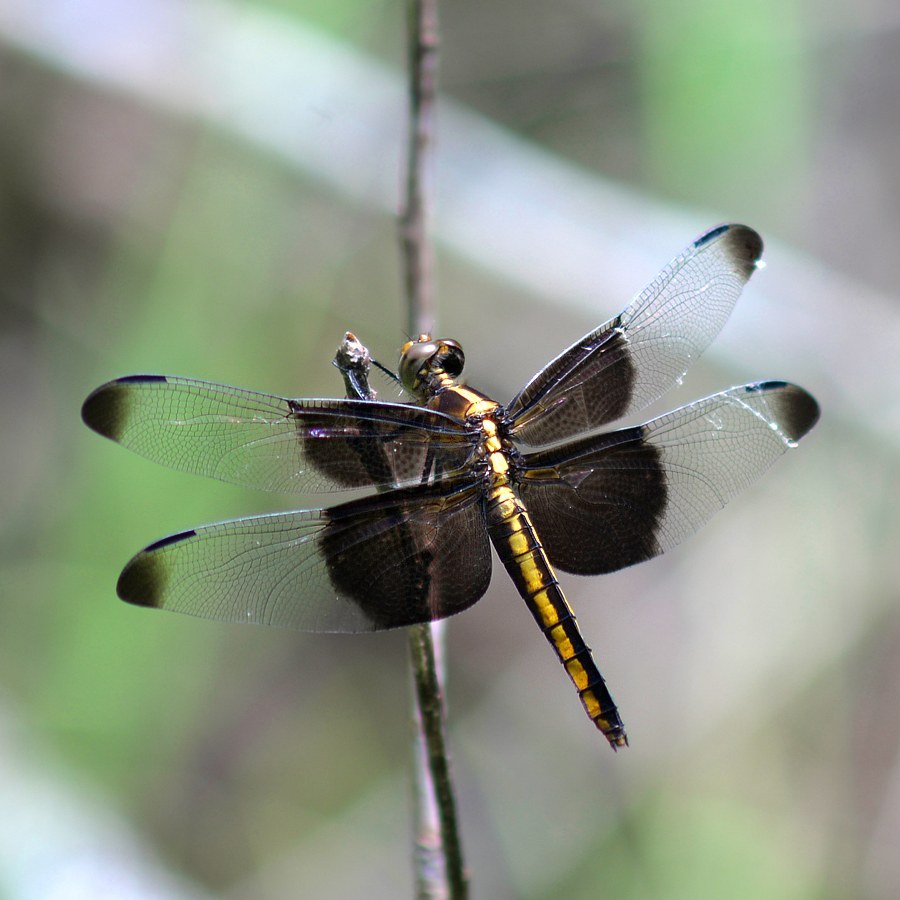
Widow Skimmer
ponds, lakes, and slow-moving streams with open shoreline vegetation across much of the United States
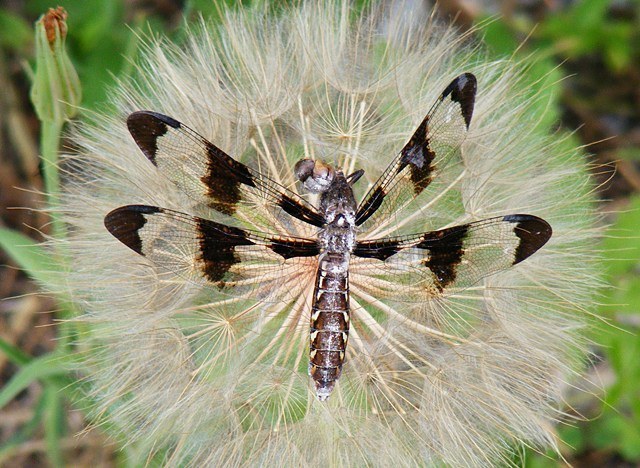
Twelve-spotted Skimmer
Ponds, lakes, and slow streams with open, sunny shorelines
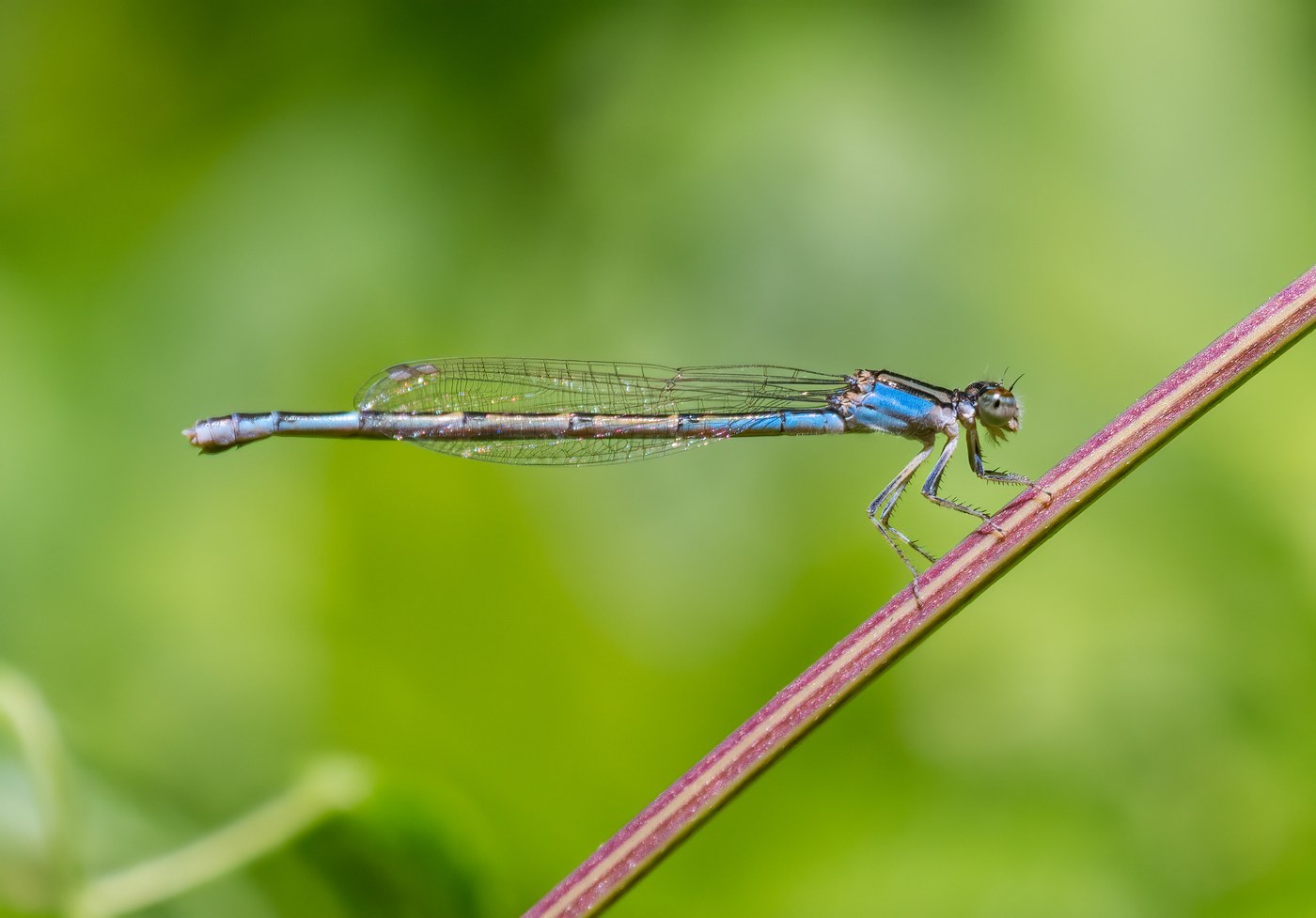
Azure Bluet
ponds, lakes, and slow streams with abundant aquatic vegetation
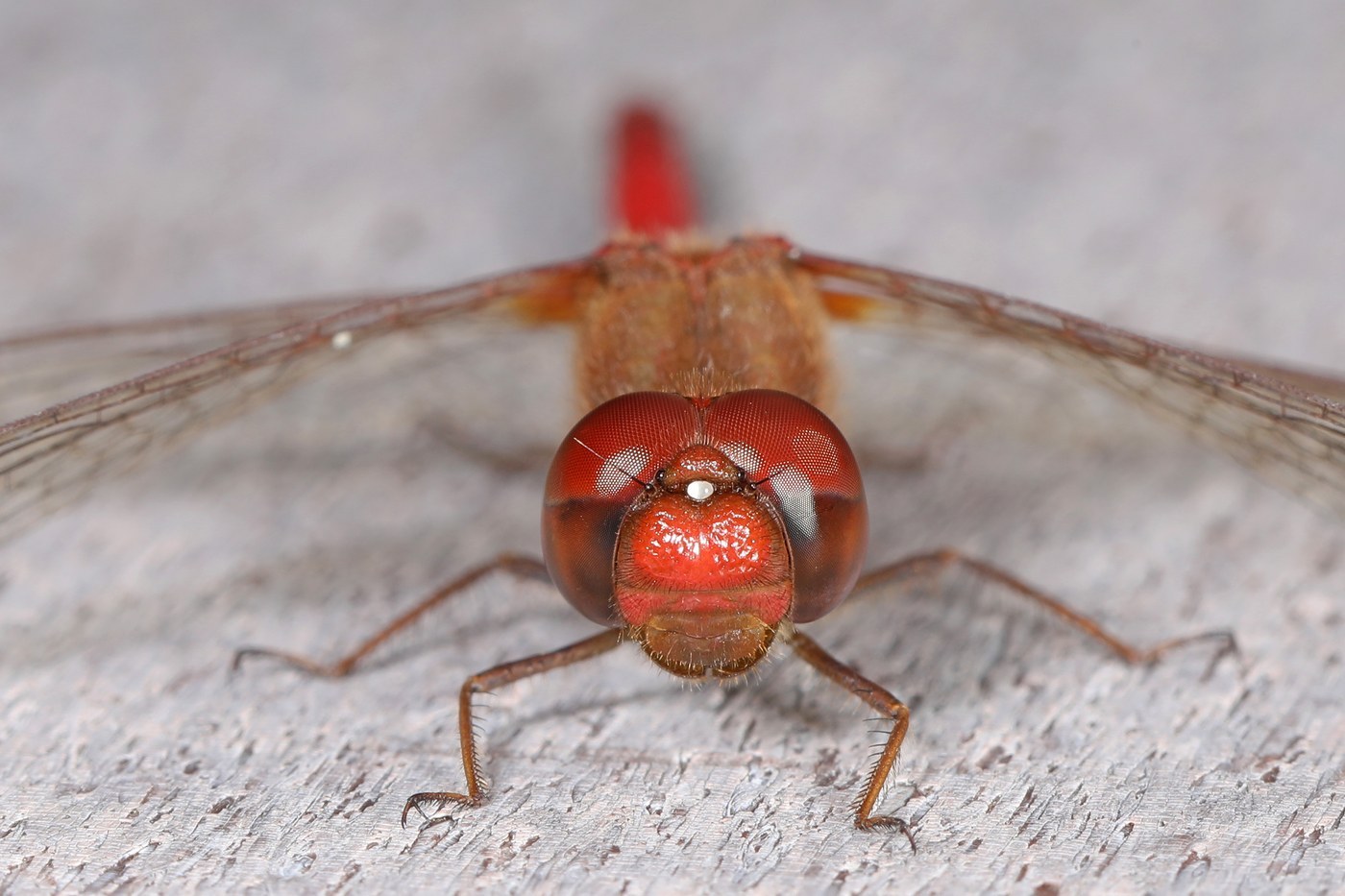
Autumn Meadowhawk
Ponds, marshes, and slow streams, often lingering into late fall
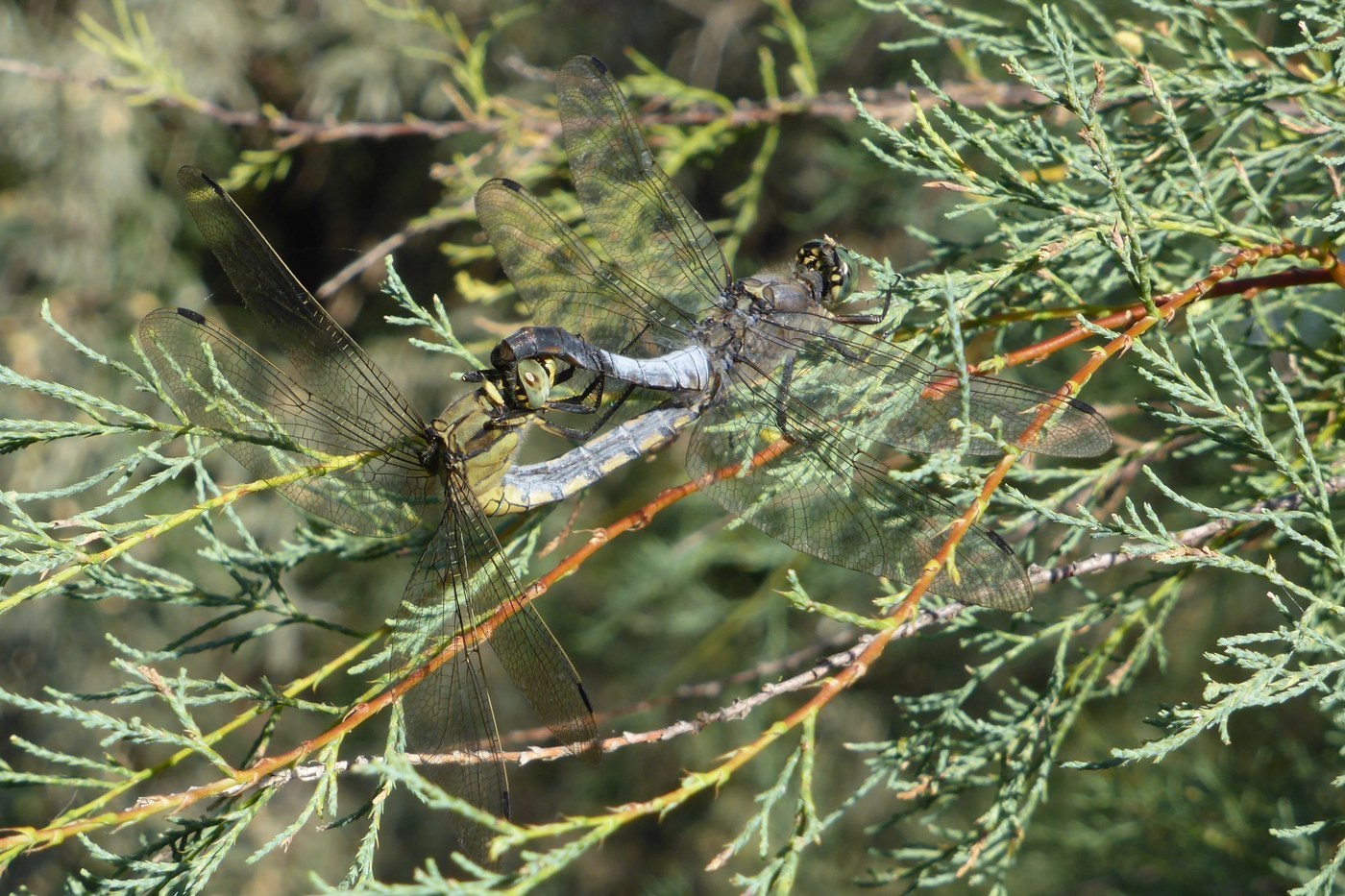
Spangled Skimmer
Ponds, lakes, and marshes with open sunny shorelines
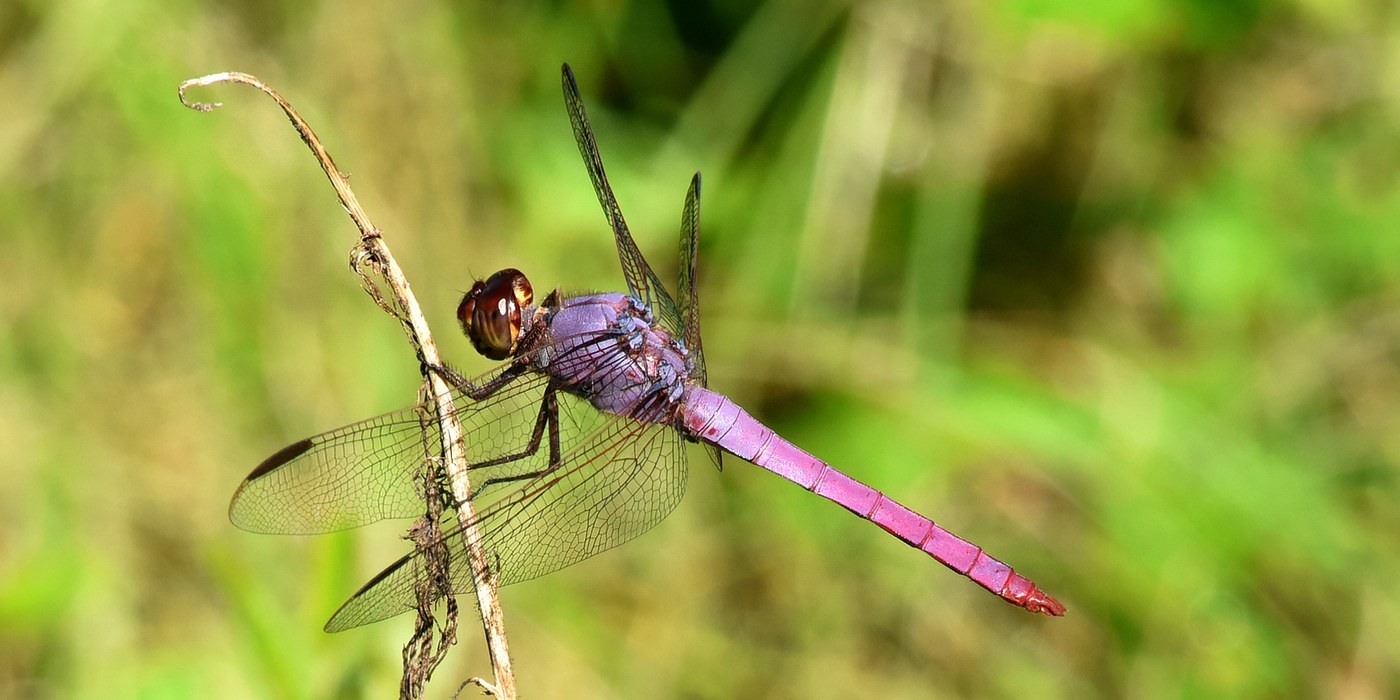
Roseate Skimmer
Ponds, ditches, and canals across the southern United States
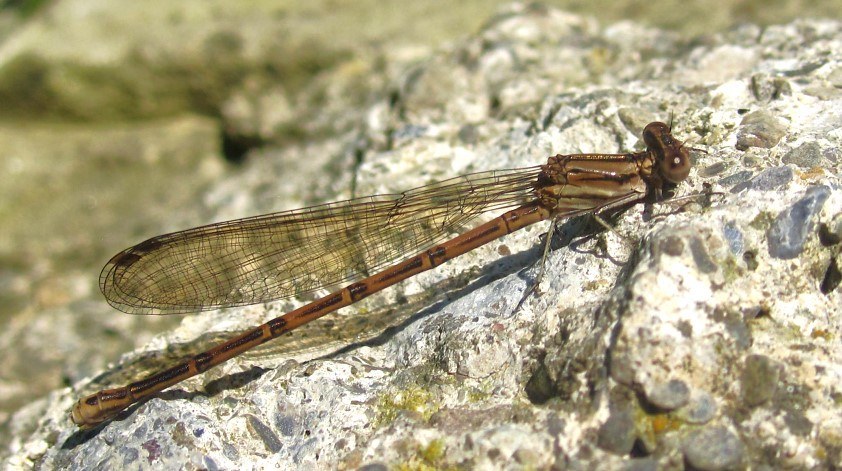
Variable Dancer
streams, rivers, and pond margins, especially in wooded or partly shaded settings
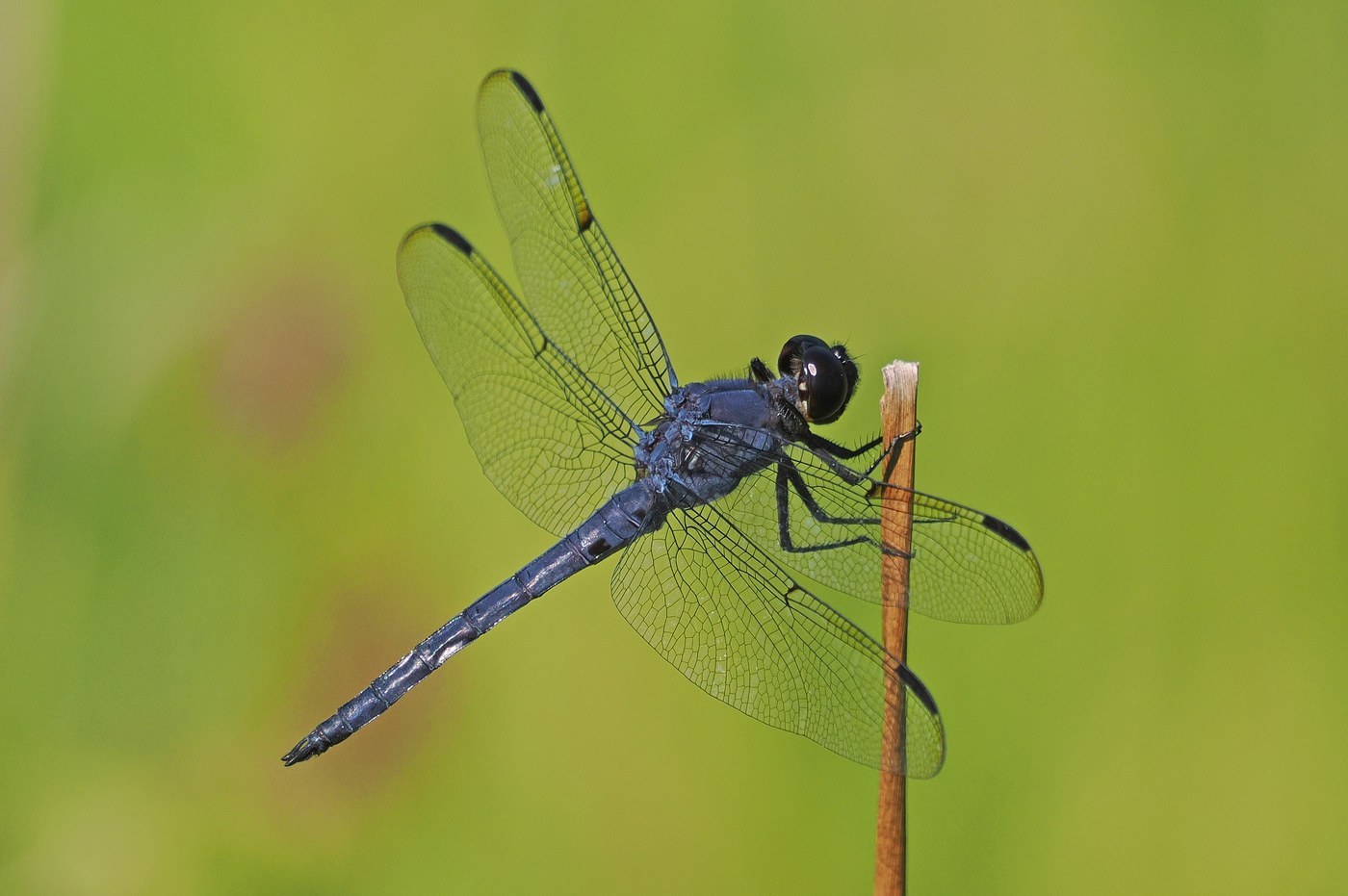
Slaty Skimmer
Still or slow-moving ponds, lakes, and marshes with open shoreline
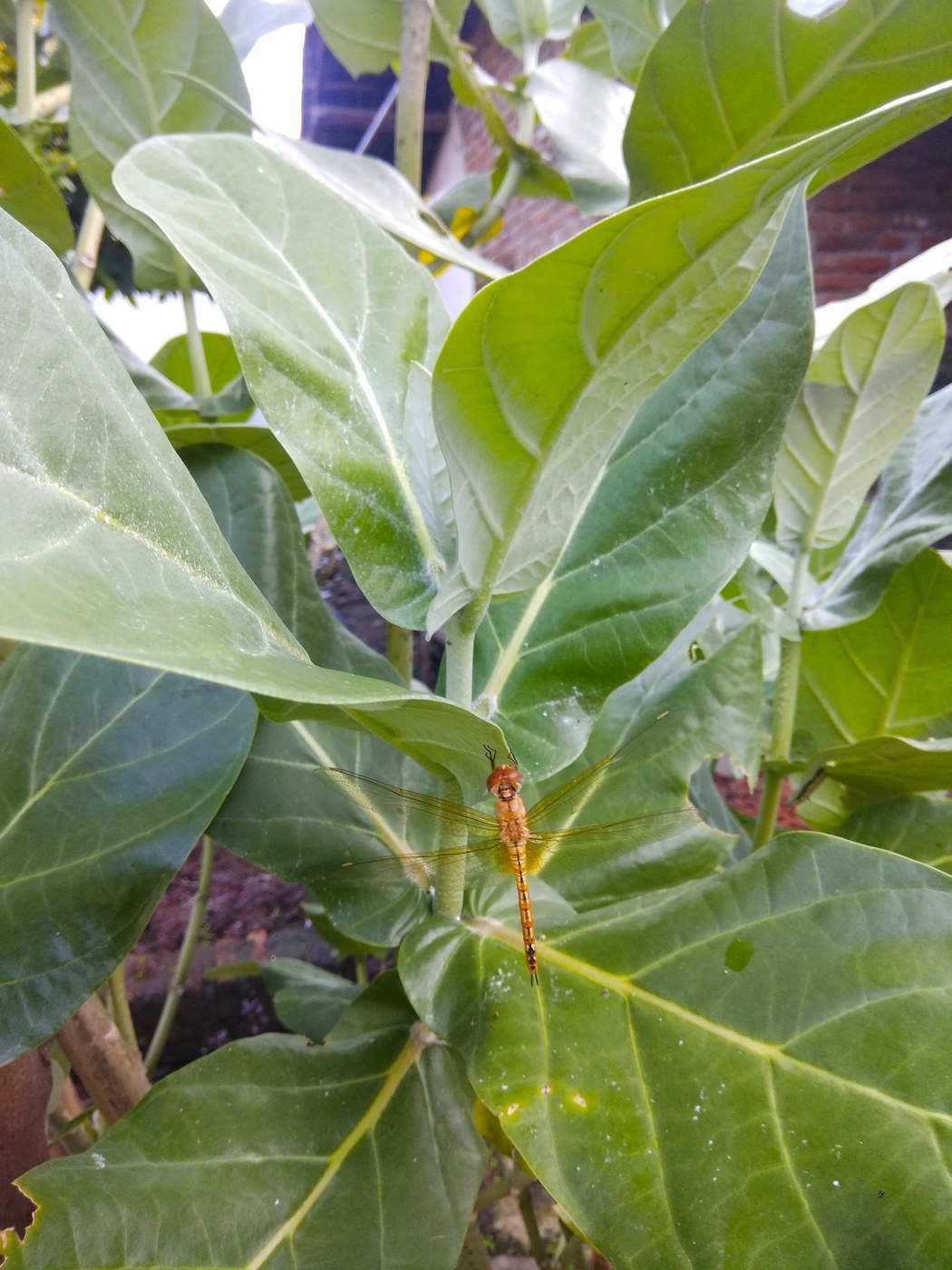
Wandering Glider
Temporary pools, open fields, and coastlines nearly worldwide
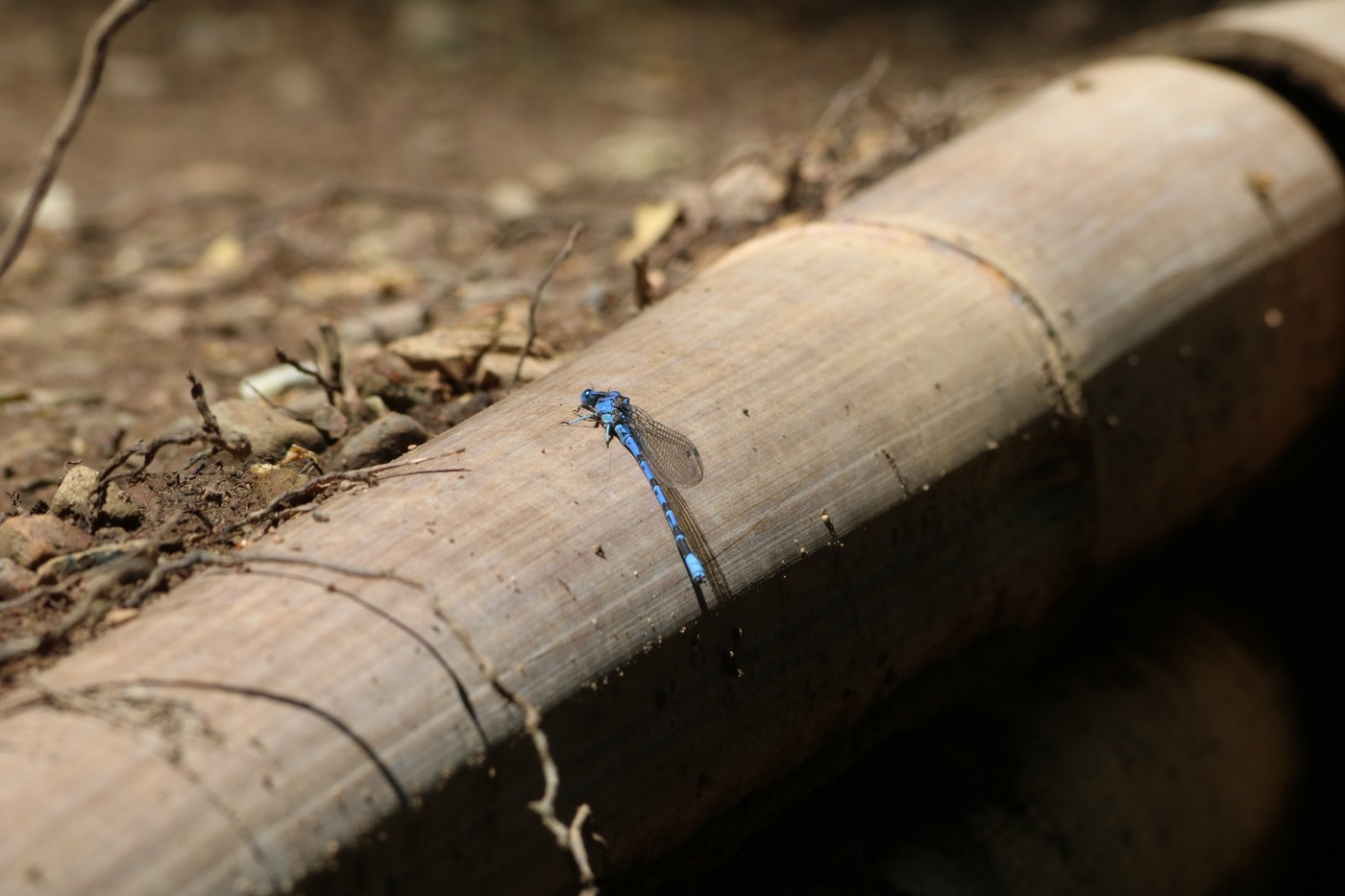
Vivid Dancer
rocky streams, seeps, and spring-fed creeks, often near thermal or warm springs
Painted Skimmer
Ponds, marshes, and slow-moving vegetated waters, including temporary pools
Powdered Dancer
rocky and gravelly rivers, streams, and lake shorelines