
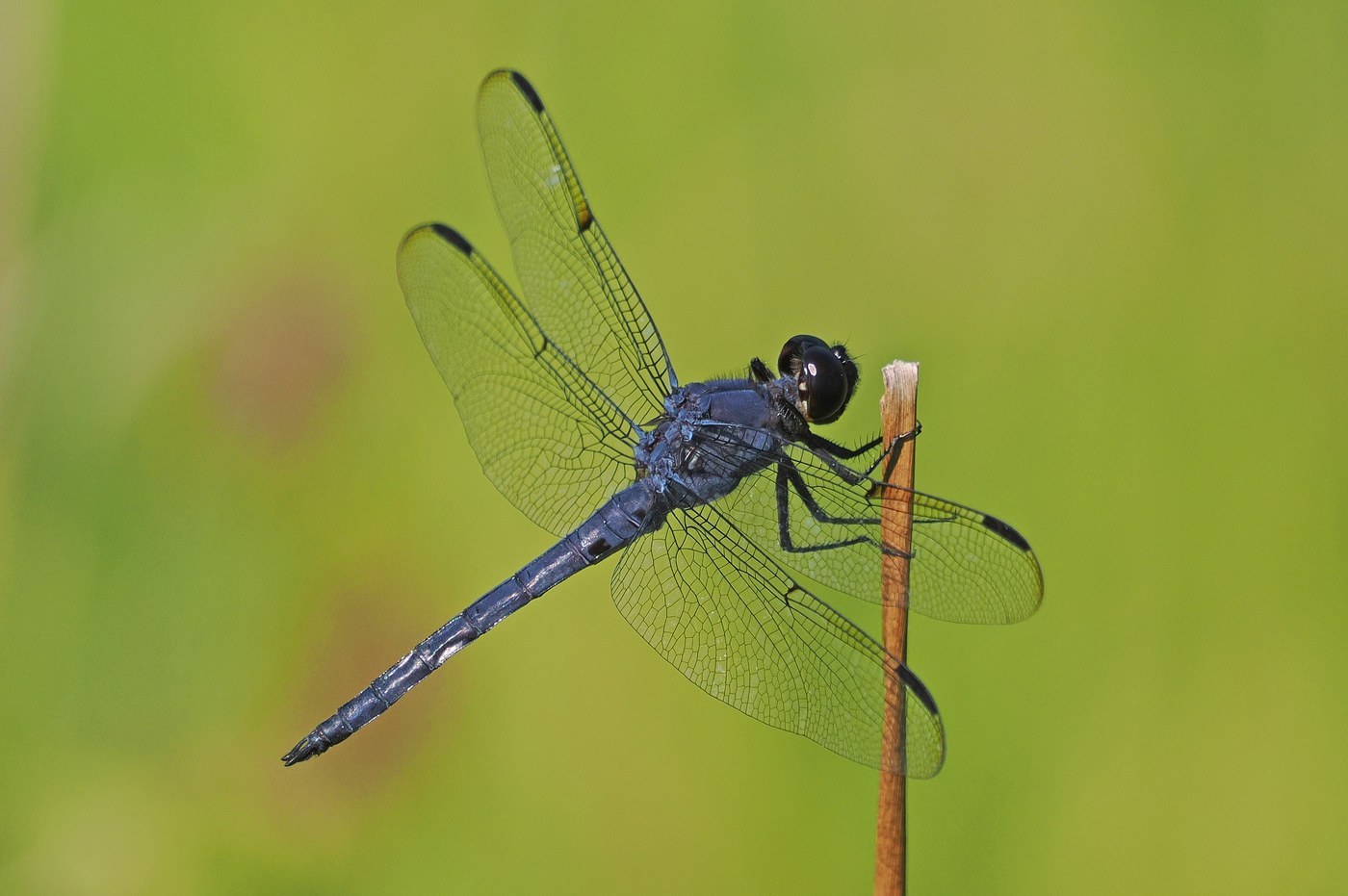
Slaty Skimmer
Libellula incesta
A mature male Slaty Skimmer is powder-blue-gray from head to tail with jet-black wing tips, giving it a slate-colored, almost monochrome look as it patrols pond edges.
- Size
- Body length 1.9-2.2 in (48-56 mm); wingspan about 2.8-3 in
- Habitat
- Still or slow-moving ponds, lakes, and marshes with open shoreline
- Danger
- Harmless
Spotted a bug like this?
Identify any bug or insect from a photo, free.
Overview
The Slaty Skimmer is a medium to large skimmer dragonfly found through much of the eastern and central United States. Adult males develop an overall dusty blue-gray (slaty) body color as they mature, while females and immature males wear a browner, more patterned look with pale side stripes on the thorax.
This species is a familiar sight at ponds and small lakes from late spring through summer, where males perch conspicuously on emergent twigs and grass stems to guard territory. It belongs to the skimmer family Libellulidae, one of the largest and most frequently observed dragonfly families in North America.
How to Identify
- Mature males: nearly uniform slate-blue to gray-blue body with a black face and dark wing tips
- Females and young males: brown thorax with pale yellowish side stripes, brown abdomen with pale spots along the sides
- Wings are clear at the base with a distinct blackish-brown patch at the tip of each wing
- Broad, somewhat flattened abdomen typical of skimmer dragonflies
- Lookalikes include the Great Blue Skimmer and Bar-winged Skimmer, but the Slaty Skimmer lacks a blue face and has darker wing tips than most similar species
Habitat & Range
Slaty Skimmers favor still or gently flowing freshwater habitats such as ponds, lake margins, and marshy backwaters with abundant emergent vegetation. They are common across the eastern and central United States, roughly from New England south to Florida and west to Texas and the Great Plains. Adults are active from late spring through early autumn, with peak numbers in mid to late summer.
Behavior & Diet
Males are strongly territorial, perching on exposed twigs or grass stalks at the water's edge and making short patrol flights to chase off rival males. As adults, Slaty Skimmers are aerial predators, catching small flying insects such as midges, mosquitoes, and other soft-bodied insects on the wing. Aquatic nymphs are also predatory, feeding on small invertebrates and even tiny fish or tadpoles in the pond environment, making the species an important link in freshwater food webs at both larval and adult stages.
Life Cycle
Females lay eggs by tapping the water surface with the tip of the abdomen while flying, releasing eggs directly into the pond. Eggs hatch into aquatic nymphs (naiads) that live among submerged vegetation and debris, molting repeatedly over one to two years while breathing through internal gills and hunting other aquatic invertebrates. When development is complete, the mature nymph climbs out of the water onto a plant stem, and the adult dragonfly emerges from the split nymphal skin in a process called incomplete metamorphosis. Adults live for only a few weeks to a couple of months, during which mating and egg-laying take place.
Frequently asked questions
Why are male Slaty Skimmers so much darker than females?
As males mature they develop a waxy blue-gray bloom called pruinescence over their exoskeleton, which gives the slaty appearance and helps distinguish them from the browner, patterned females and juveniles.
Where is the best place to spot a Slaty Skimmer?
Look along the vegetated edges of ponds and small lakes in the eastern and central United States, where males perch on exposed twigs to guard territory.
What do Slaty Skimmer nymphs eat?
The aquatic nymphs prey on small invertebrates, insect larvae, and occasionally tiny tadpoles or fish within the pond.
How can I tell a Slaty Skimmer from a Great Blue Skimmer?
The Slaty Skimmer has a darker, blackish face and darker wing tips, while the Great Blue Skimmer shows a more distinctly blue face and body with less contrasting wing tips.
Slaty Skimmer guides
In-depth guides for identifying, understanding, and living alongside Slaty Skimmer.
Slaty Skimmer identified by the community
Real finds identified with Bug Identifier.

Other bugs you may enjoy
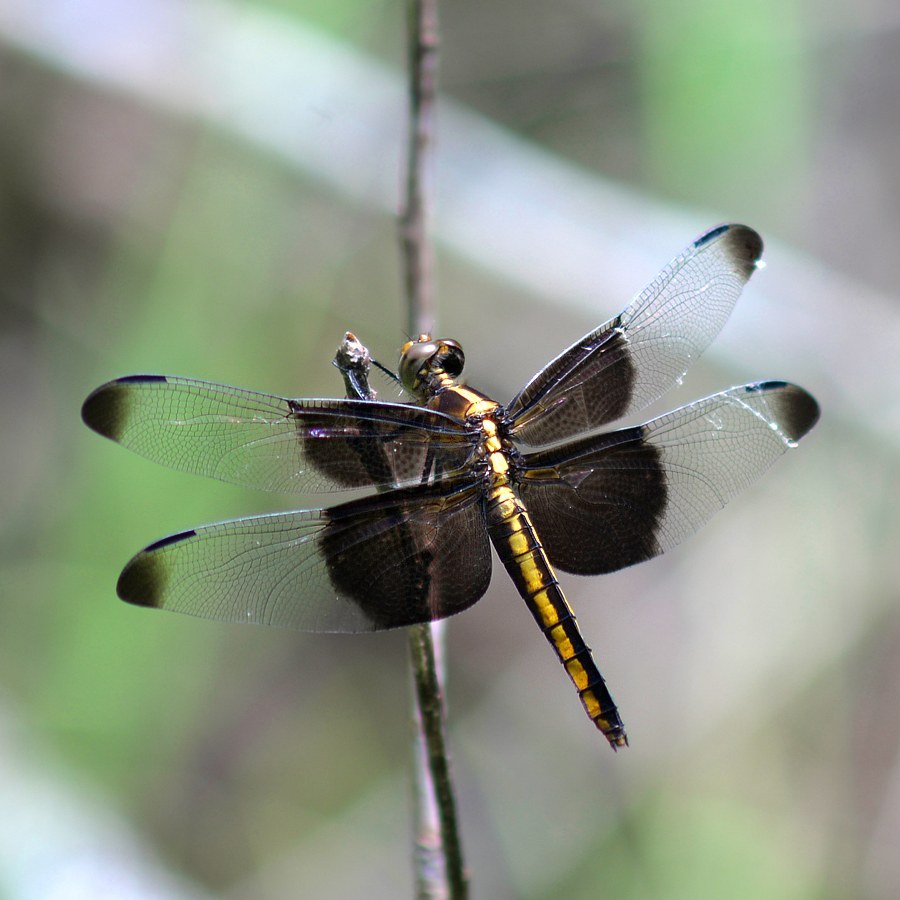
Widow Skimmer
ponds, lakes, and slow-moving streams with open shoreline vegetation across much of the United States
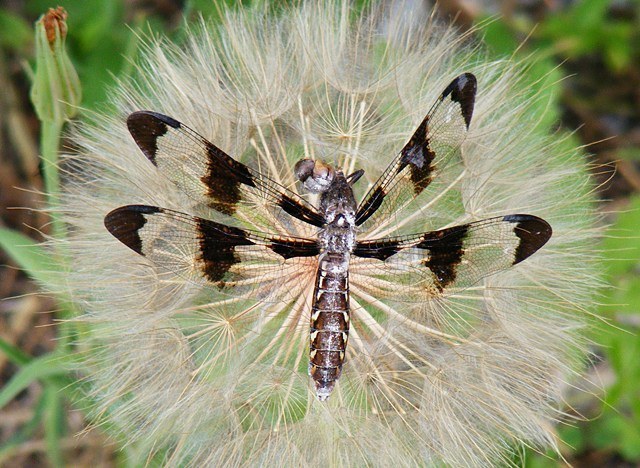
Twelve-spotted Skimmer
Ponds, lakes, and slow streams with open, sunny shorelines
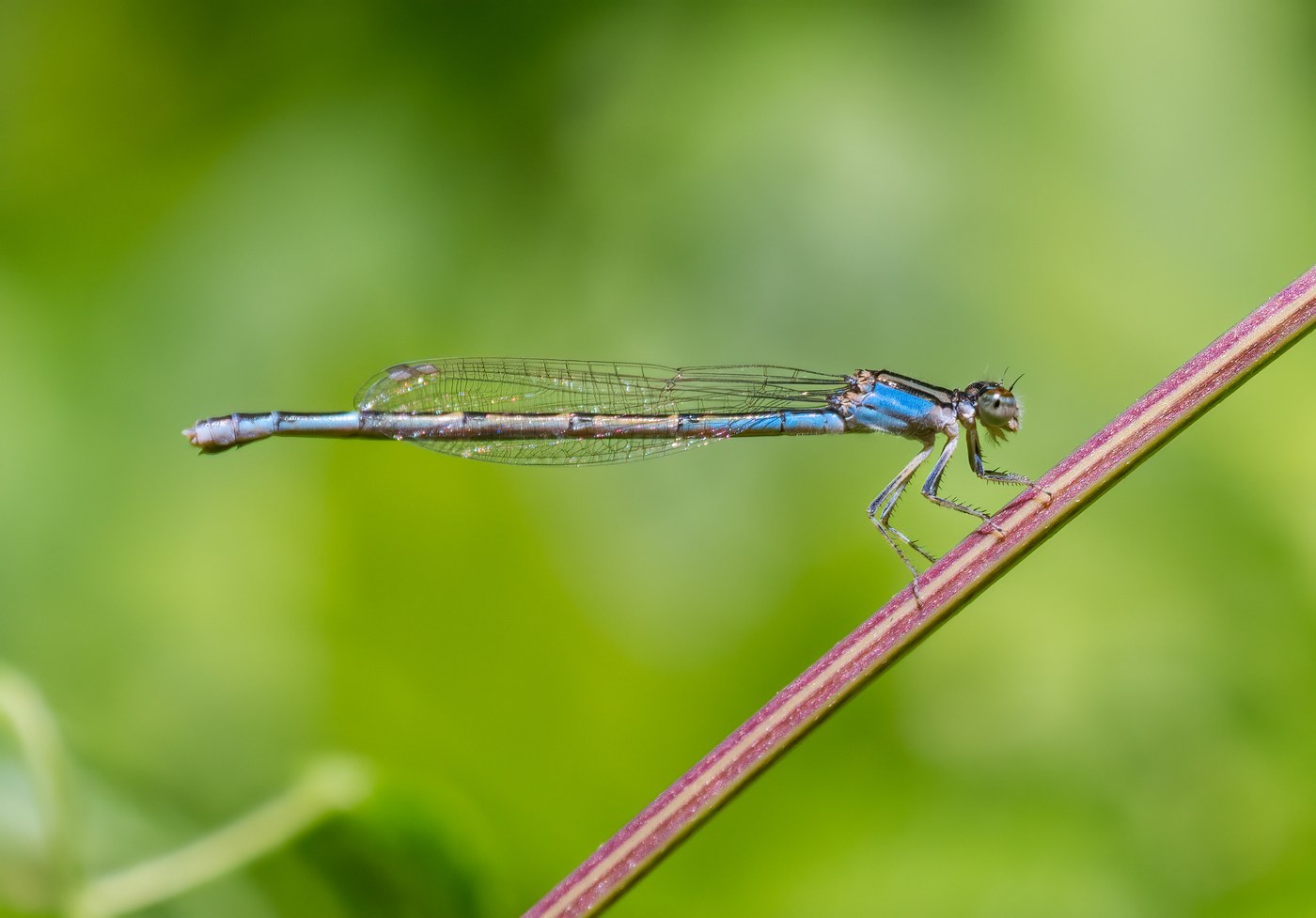
Azure Bluet
ponds, lakes, and slow streams with abundant aquatic vegetation
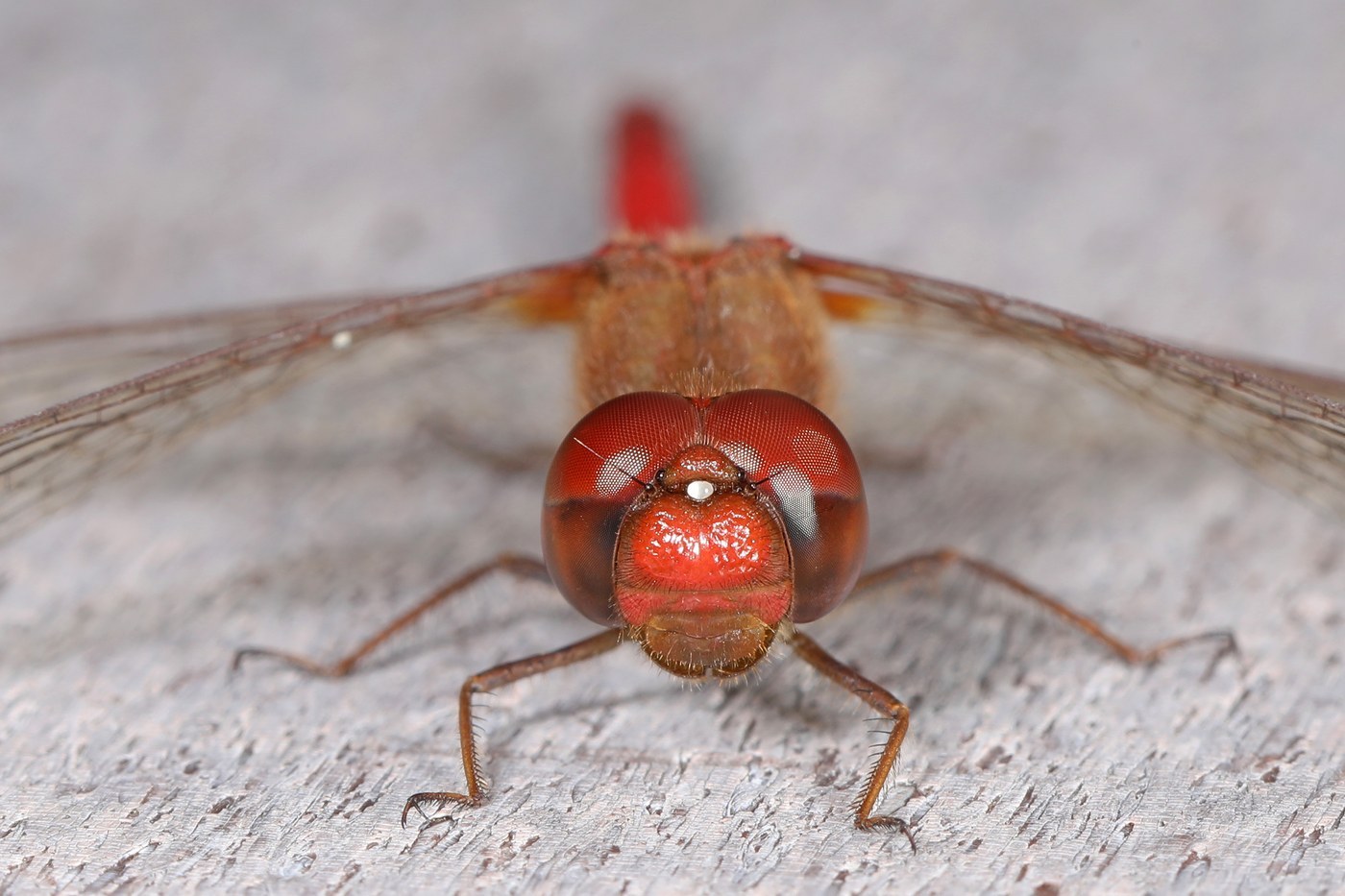
Autumn Meadowhawk
Ponds, marshes, and slow streams, often lingering into late fall
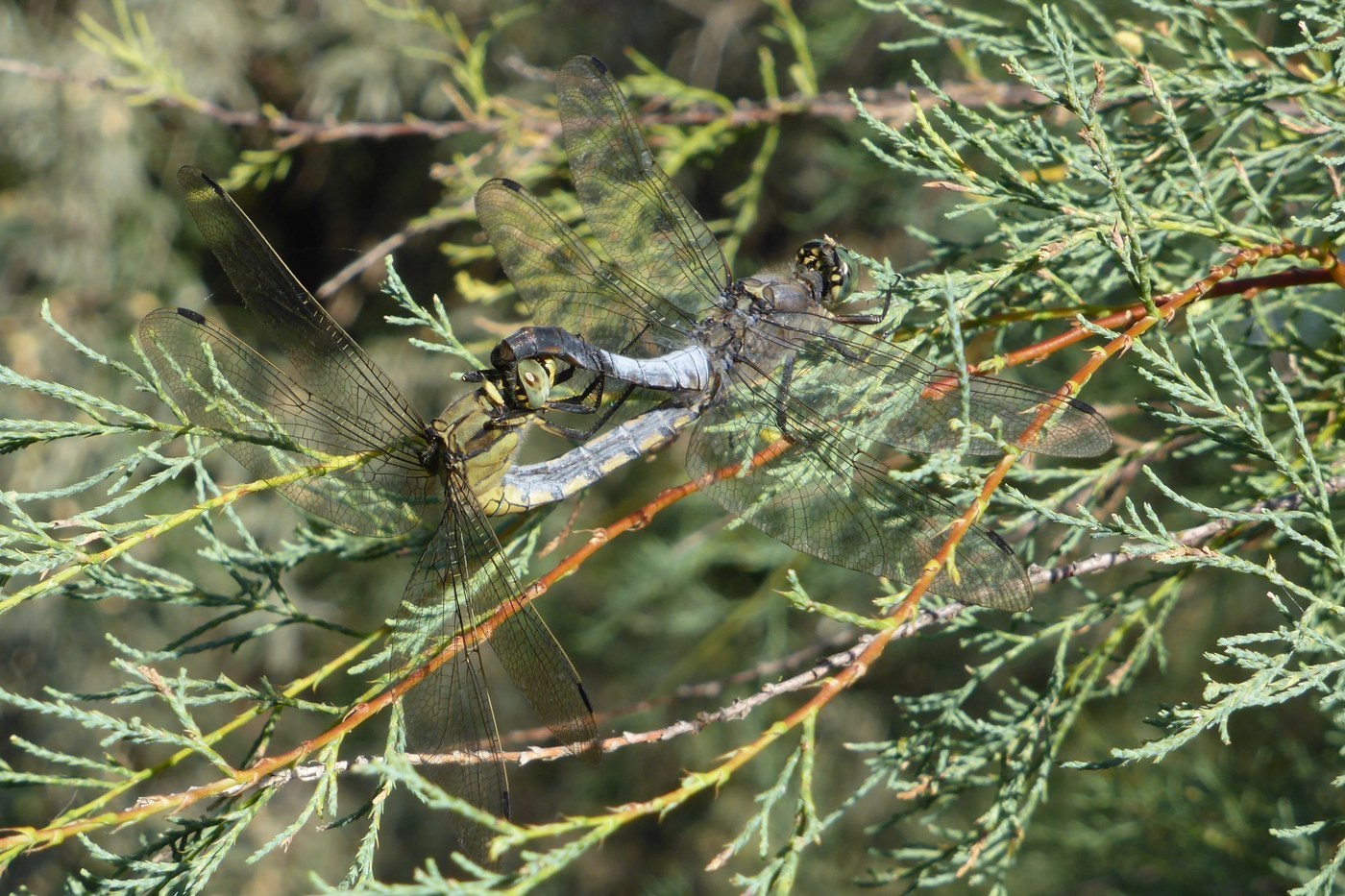
Spangled Skimmer
Ponds, lakes, and marshes with open sunny shorelines
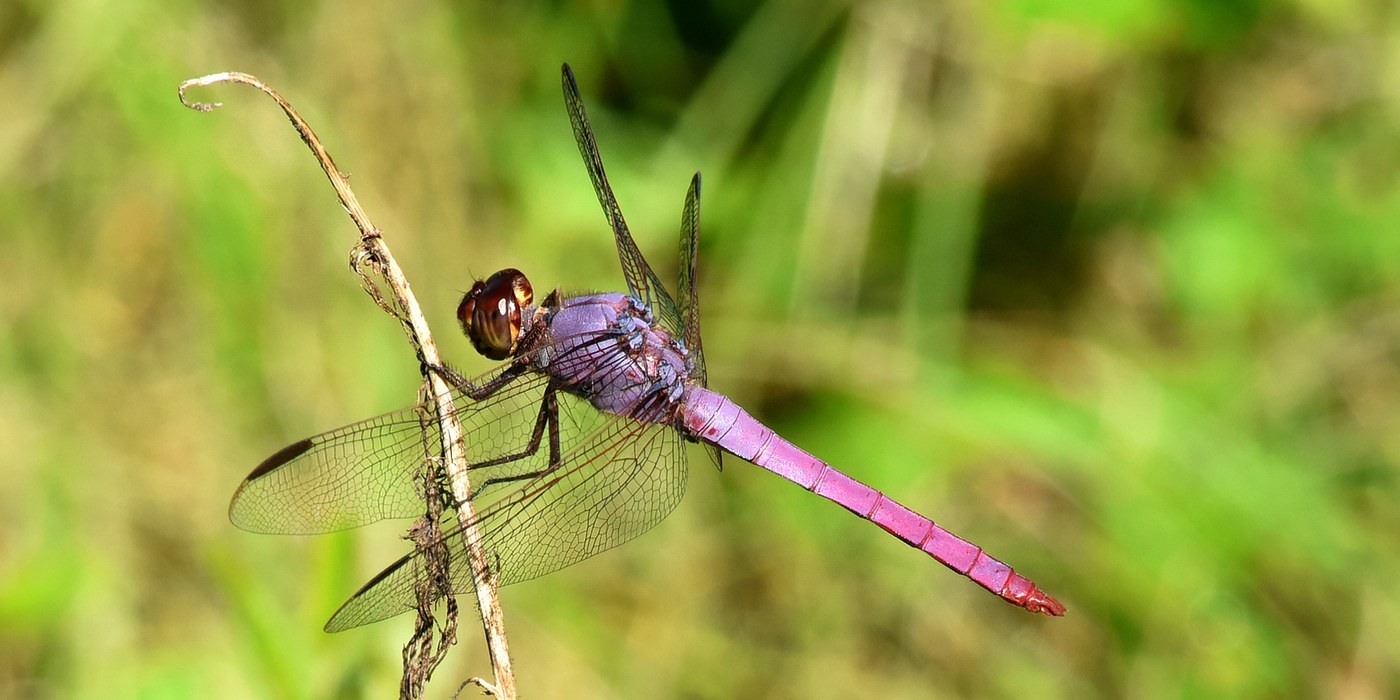
Roseate Skimmer
Ponds, ditches, and canals across the southern United States
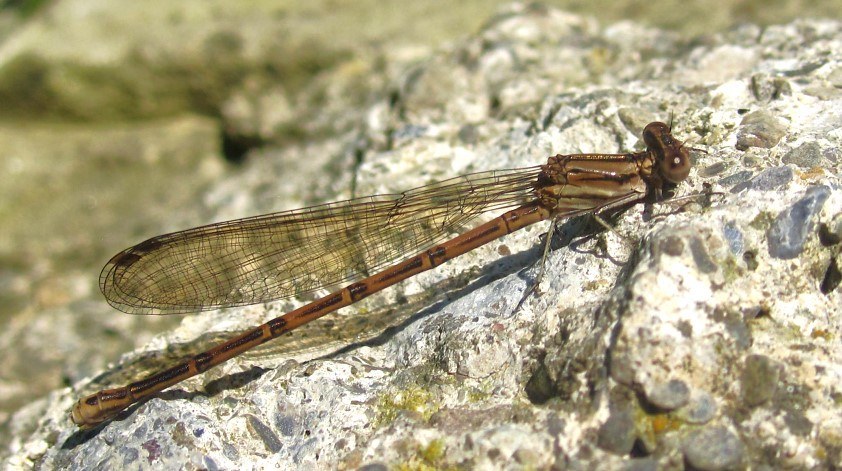
Variable Dancer
streams, rivers, and pond margins, especially in wooded or partly shaded settings
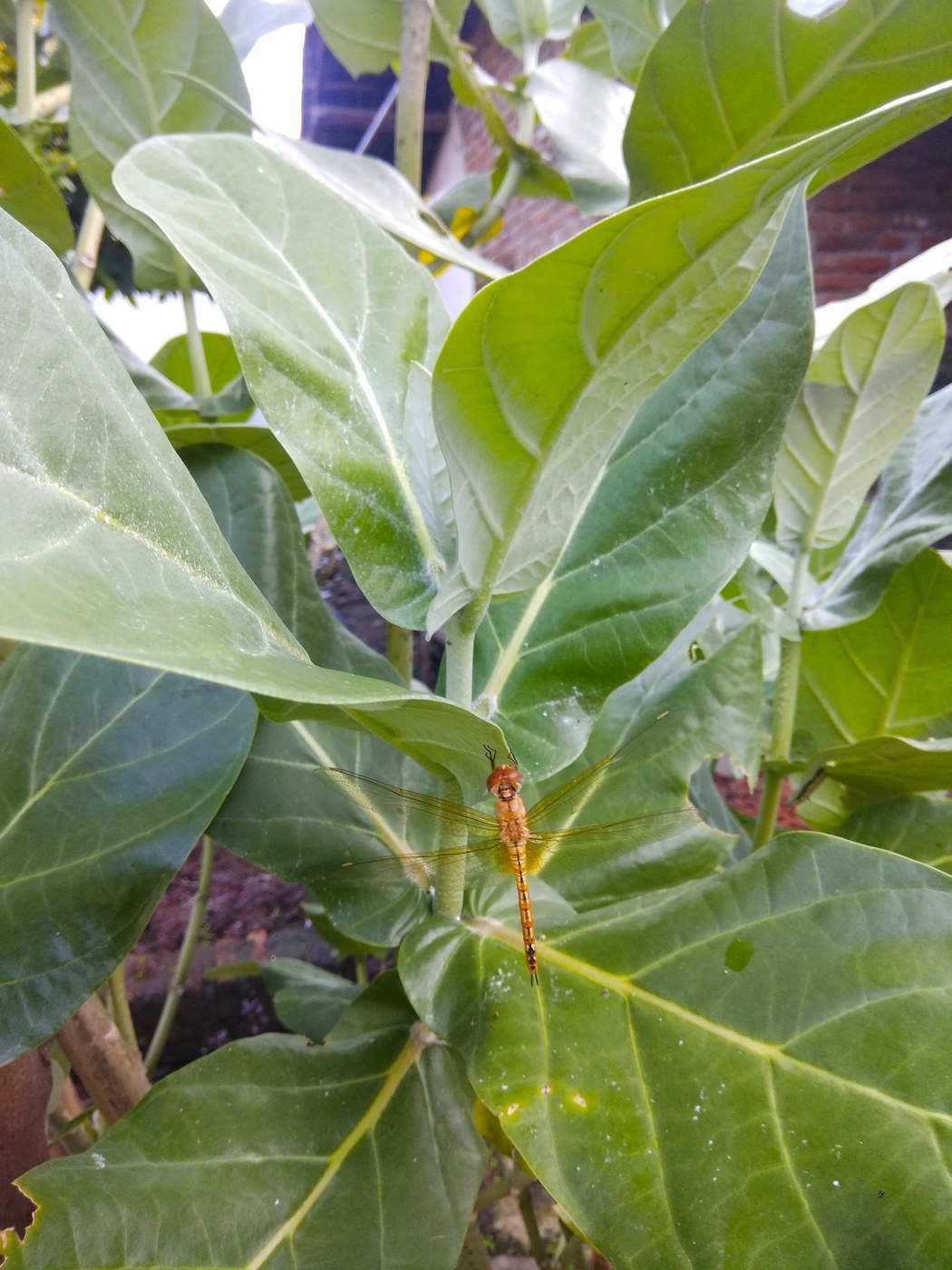
Wandering Glider
Temporary pools, open fields, and coastlines nearly worldwide
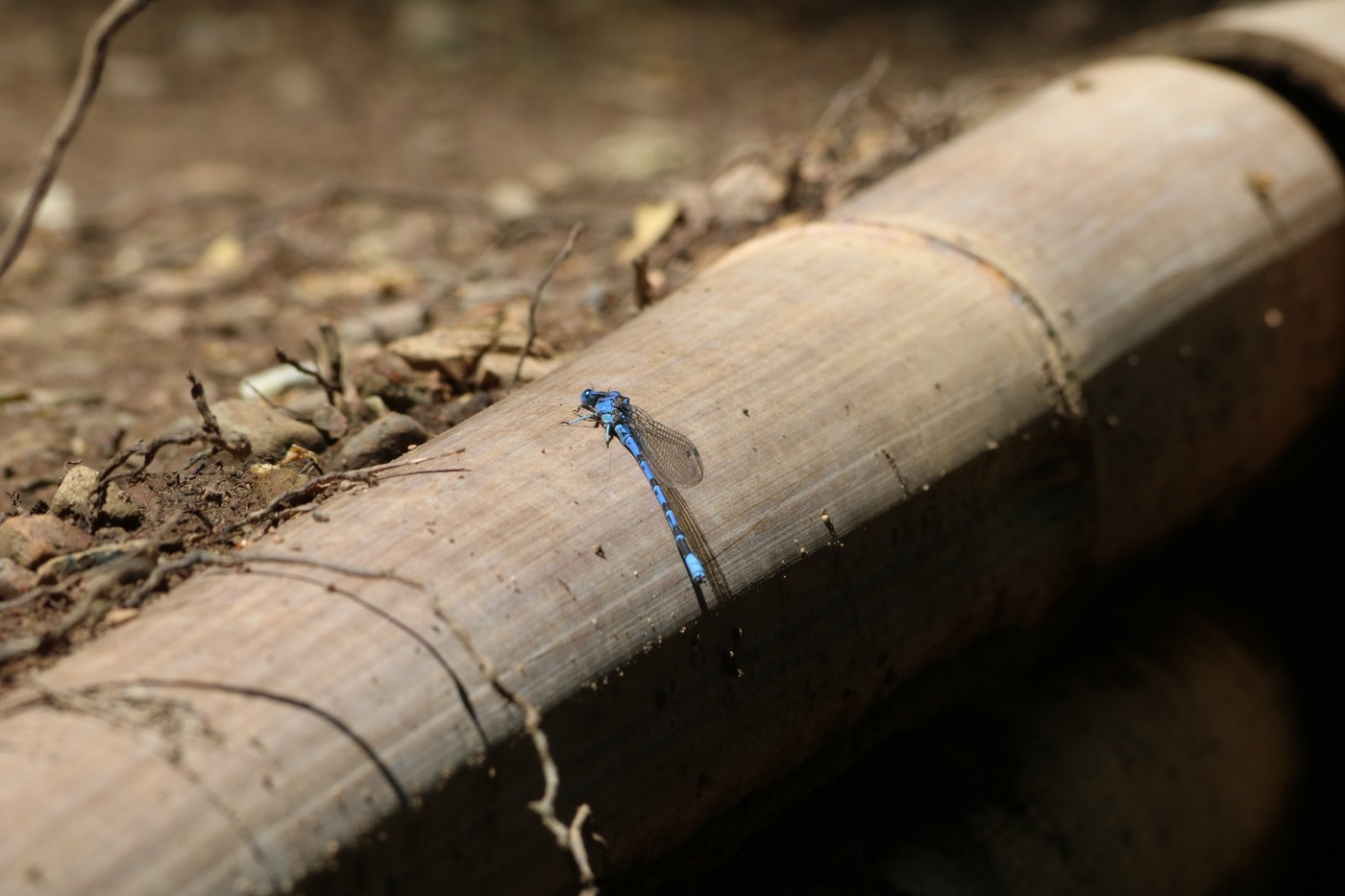
Vivid Dancer
rocky streams, seeps, and spring-fed creeks, often near thermal or warm springs
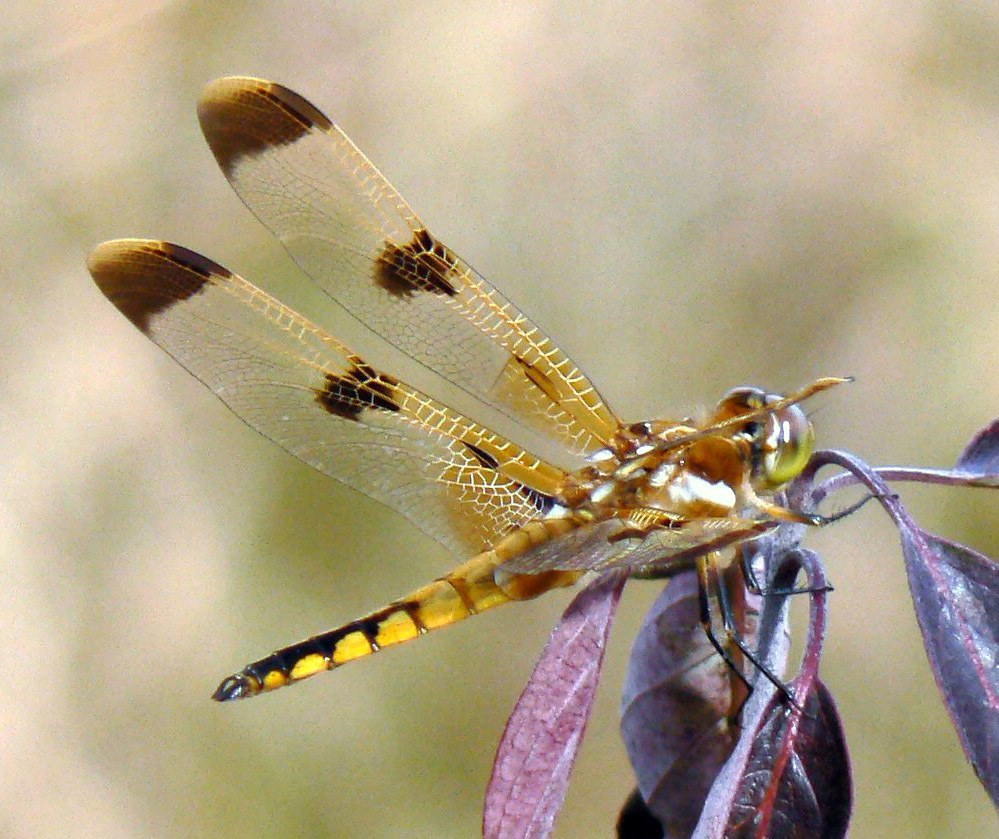
Painted Skimmer
Ponds, marshes, and slow-moving vegetated waters, including temporary pools
Powdered Dancer
rocky and gravelly rivers, streams, and lake shorelines
Northern Bluet
ponds, lakes, and marshes across cooler and northern regions