
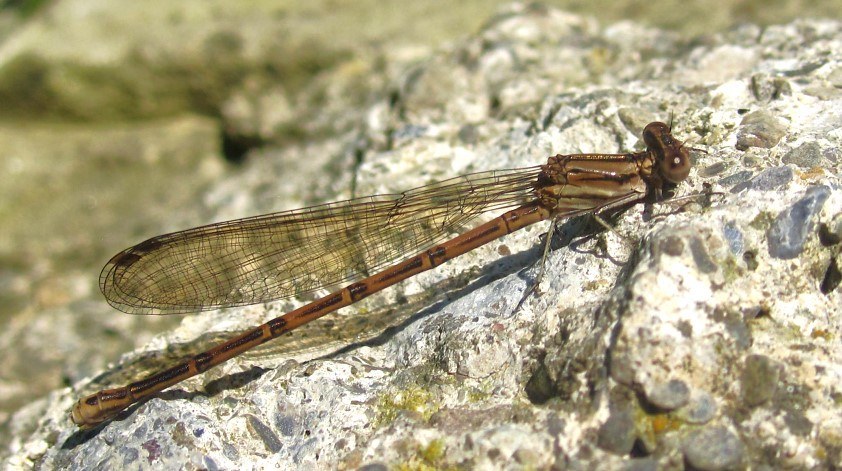
Variable Dancer
Argia fumipennis
True to its name, the Variable Dancer shows striking regional color variation, with eastern males often displaying a rich violet-purple hue rarely seen in other damselflies.
- Size
- 1.1-1.4 in (28-36 mm) long
- Habitat
- streams, rivers, and pond margins, especially in wooded or partly shaded settings
- Danger
- Harmless
Spotted a bug like this?
Identify any bug or insect from a photo, free.
Overview
The Variable Dancer is a damselfly in the dancer genus Argia (family Coenagrionidae), found across much of the eastern and central United States. Its common name reflects the notable variability in coloration across its range and subspecies; the eastern subspecies, often called the Violet Dancer, is renowned among odonate enthusiasts for the vivid violet-purple color of mature males, a shade uncommon among North American damselflies.
Variable Dancers are found along streams, rivers, and the vegetated edges of ponds and lakes, often in partially shaded, wooded settings where they perch on overhanging vegetation and streamside plants. Males display the characteristic dancer behavior of perching with the abdomen raised and periodically pumped.
As predators of small flying insects in both their nymphal and adult stages, Variable Dancers contribute to controlling populations of midges and other tiny insects, while also serving as an important food source for fish, amphibians, and birds in the stream and pond ecosystems they inhabit.
How to Identify
- Mature males (eastern subspecies): rich violet to purple thorax and abdomen with black markings, a distinctive color among Argia dancers
- Other subspecies/populations may show more blue or blue-violet tones, contributing to the "variable" name
- Females duller, typically tan, brown, or dull violet-gray with heavier black markings
- Moderate to robust damselfly build, clear to lightly tinted wings
- Perches with abdomen often raised at an angle, sometimes pumping up and down
- Lookalikes: other purple or blue Argia dancers can be similar; the intensity of violet coloration and streamside/wooded habitat help identify the Variable Dancer
Habitat & Range
Variable Dancers occur along streams, rivers, and the shaded or partly shaded margins of ponds and lakes, often where overhanging trees and shrubs provide perches near the water. They range widely across the eastern and central United States. Adults are active from late spring through summer into early fall, with timing varying by latitude.
Behavior & Diet
Adults perch on streamside vegetation, rocks, or overhanging branches, darting out to catch small flying insects such as midges and gnats. Males defend favorable perch sites and display the raised-abdomen posture typical of dancers. Nymphs live among submerged vegetation and debris in flowing or still water, ambushing small aquatic invertebrates. The species contributes to insect population regulation near water and serves as prey for a range of predators including fish, frogs, and birds.
Life Cycle
Variable Dancers undergo incomplete metamorphosis, developing through egg, aquatic nymph, and adult stages. After tandem mating, females lay eggs into submerged plant tissue or debris, often in flowing water near the male. Nymphs live underwater for an extended period, molting repeatedly while preying on small aquatic organisms and respiring through abdominal gills. When ready, mature nymphs climb onto emergent vegetation or structures for their final molt into winged adults. The species typically produces one generation per year across much of its range, with nymphs overwintering in streambeds or pond sediments.
Frequently asked questions
Why is it called the Variable Dancer?
The species shows notable variation in male coloration across its range and subspecies, from violet-purple in eastern populations to more blue-toned forms elsewhere.
What is distinctive about the Violet Dancer form?
The eastern subspecies of the Variable Dancer produces males with a rich violet-purple color that is unusual among North American damselflies.
Where do Variable Dancers live?
They are found along streams, rivers, and shaded pond or lake margins, often in wooded settings, across the eastern and central United States.
What does the abdomen-raising posture mean?
Like other dancers in the genus Argia, Variable Dancers often perch with the abdomen raised and pumped, a characteristic behavior of the group.
Variable Dancer guides
In-depth guides for identifying, understanding, and living alongside Variable Dancer.
Other bugs you may enjoy
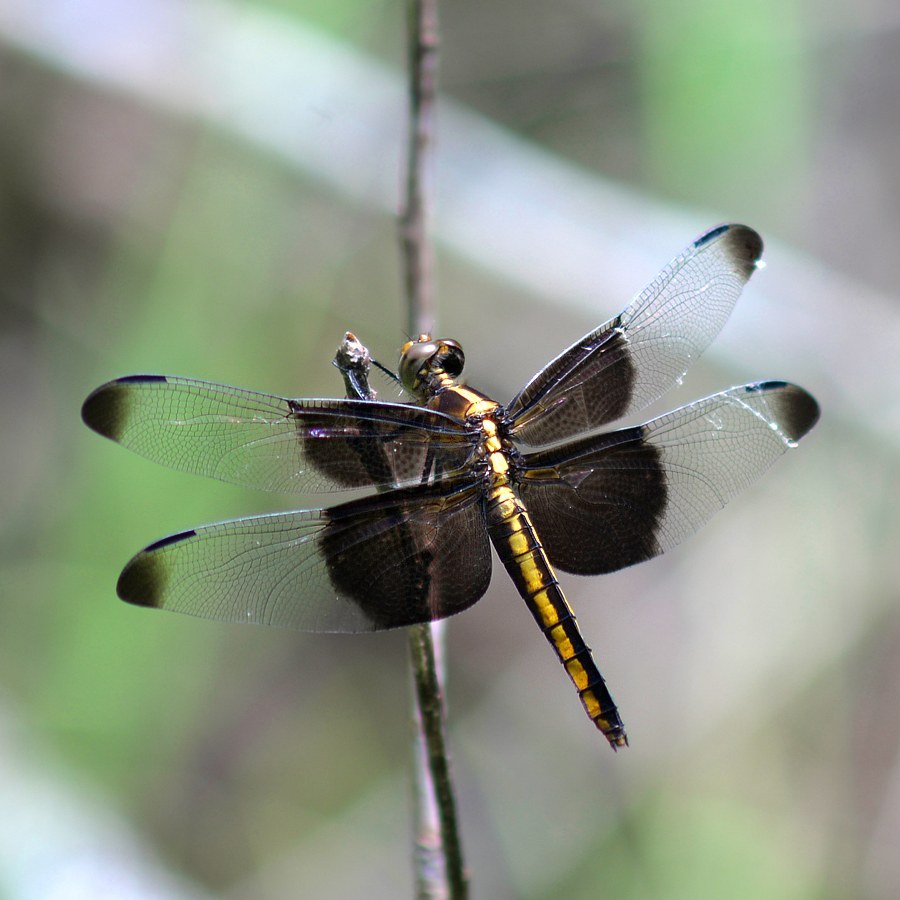
Widow Skimmer
ponds, lakes, and slow-moving streams with open shoreline vegetation across much of the United States
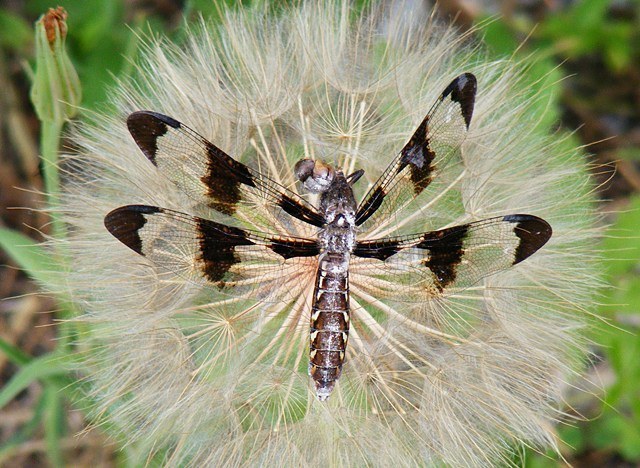
Twelve-spotted Skimmer
Ponds, lakes, and slow streams with open, sunny shorelines
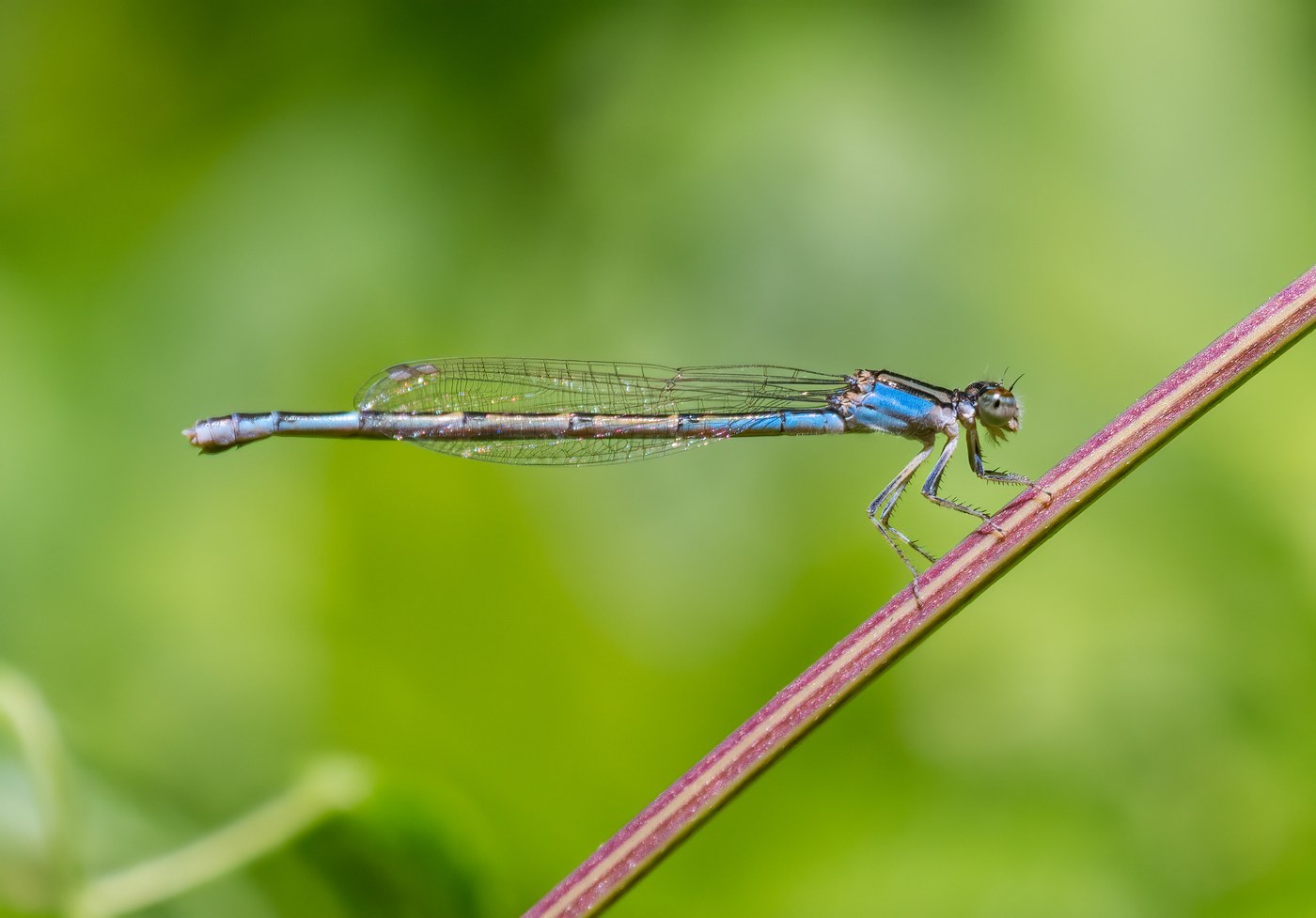
Azure Bluet
ponds, lakes, and slow streams with abundant aquatic vegetation
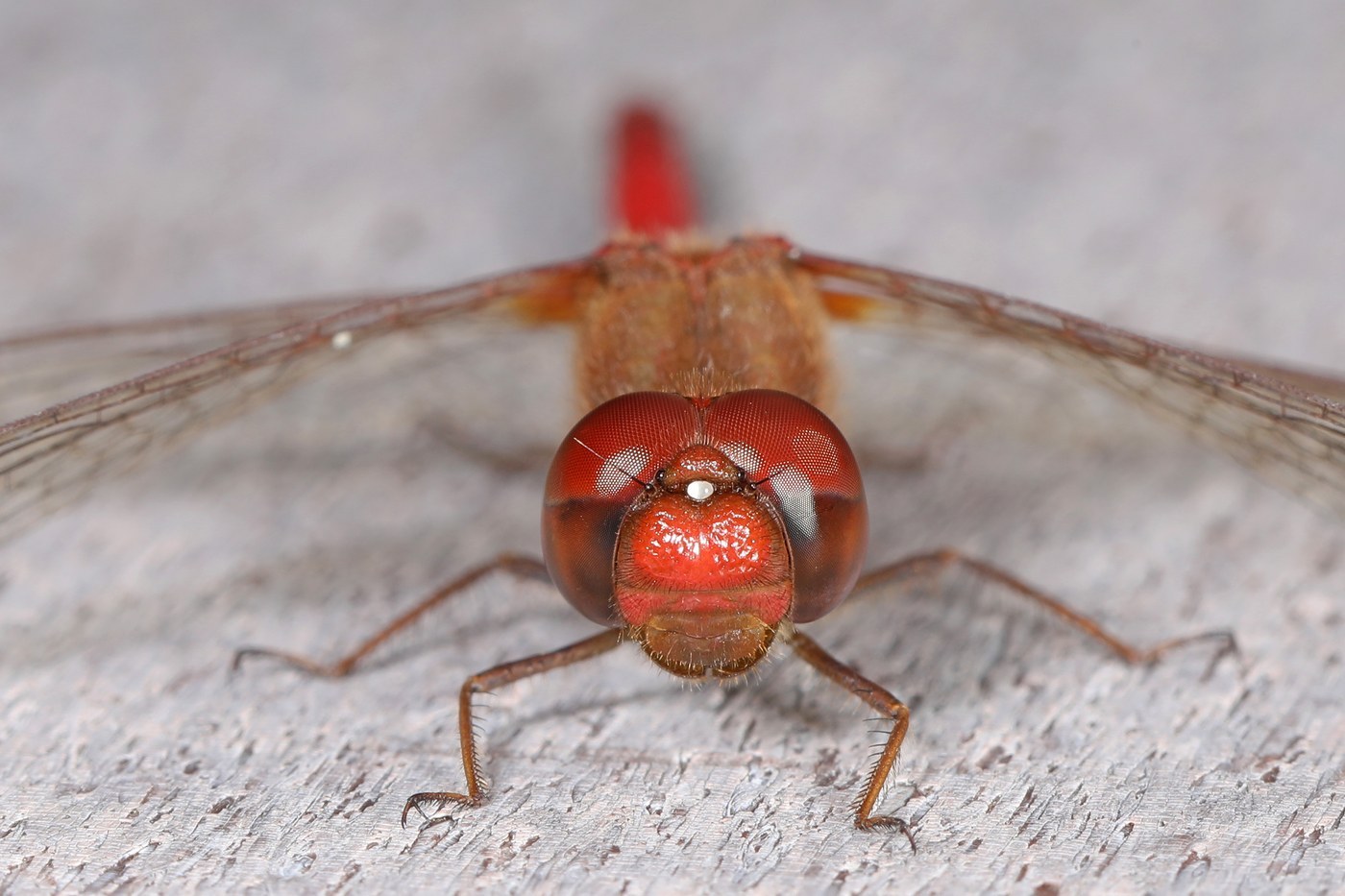
Autumn Meadowhawk
Ponds, marshes, and slow streams, often lingering into late fall
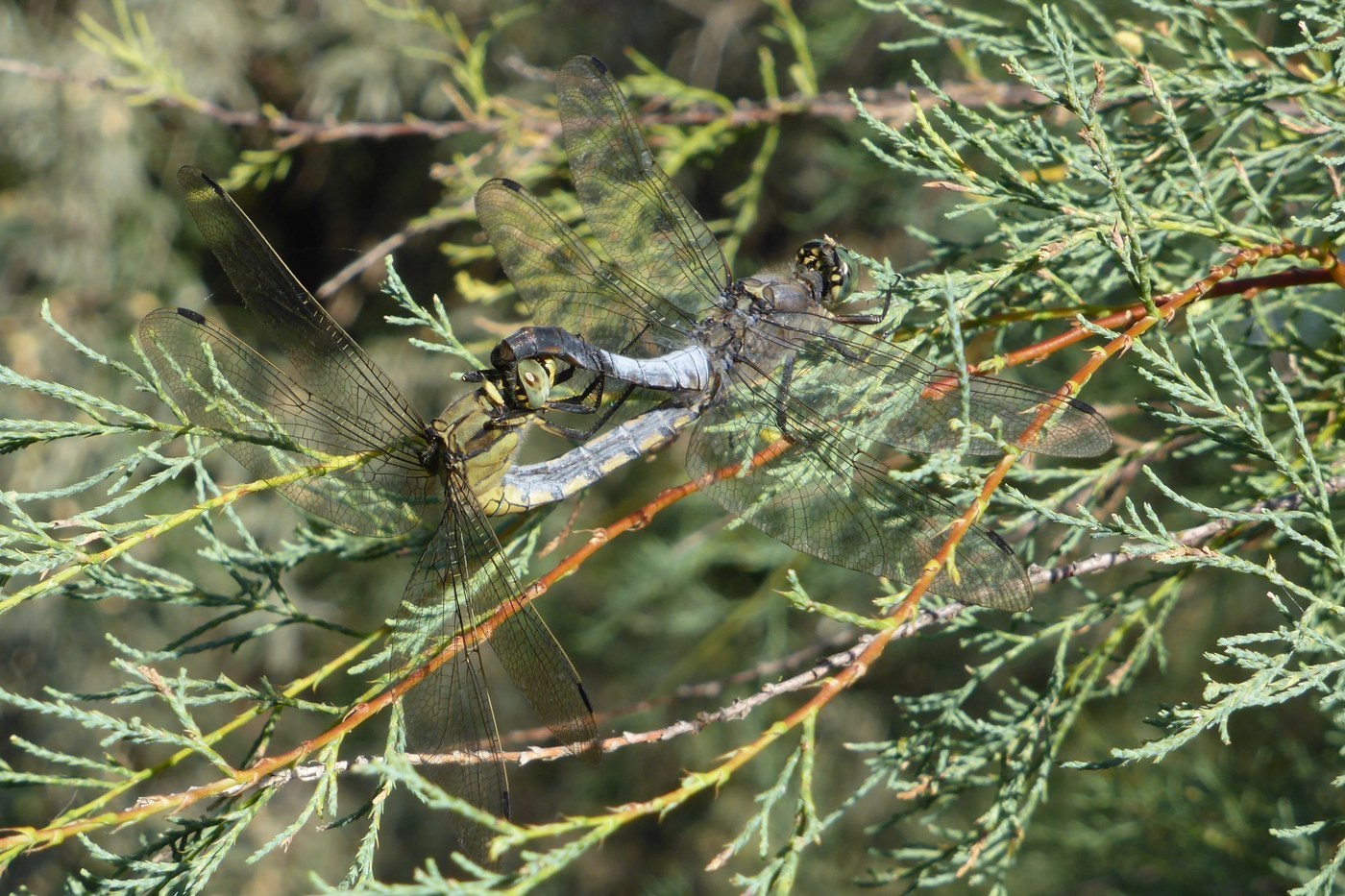
Spangled Skimmer
Ponds, lakes, and marshes with open sunny shorelines
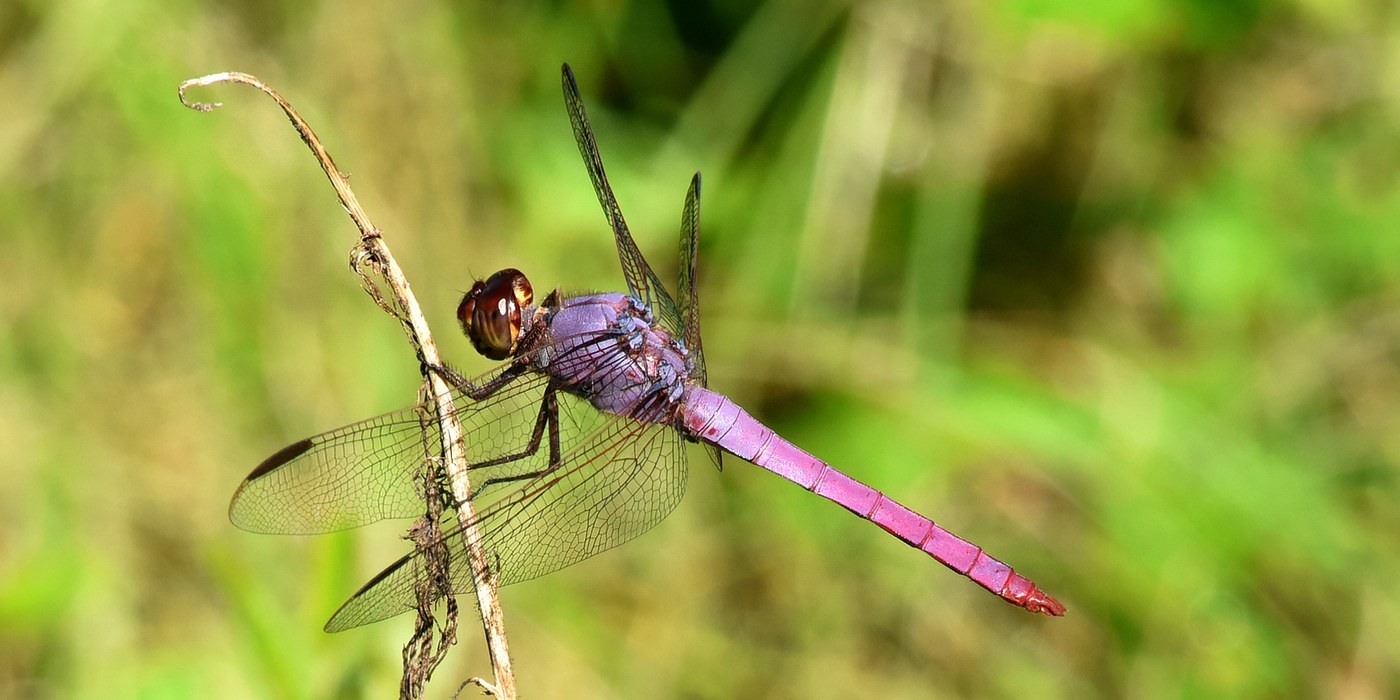
Roseate Skimmer
Ponds, ditches, and canals across the southern United States
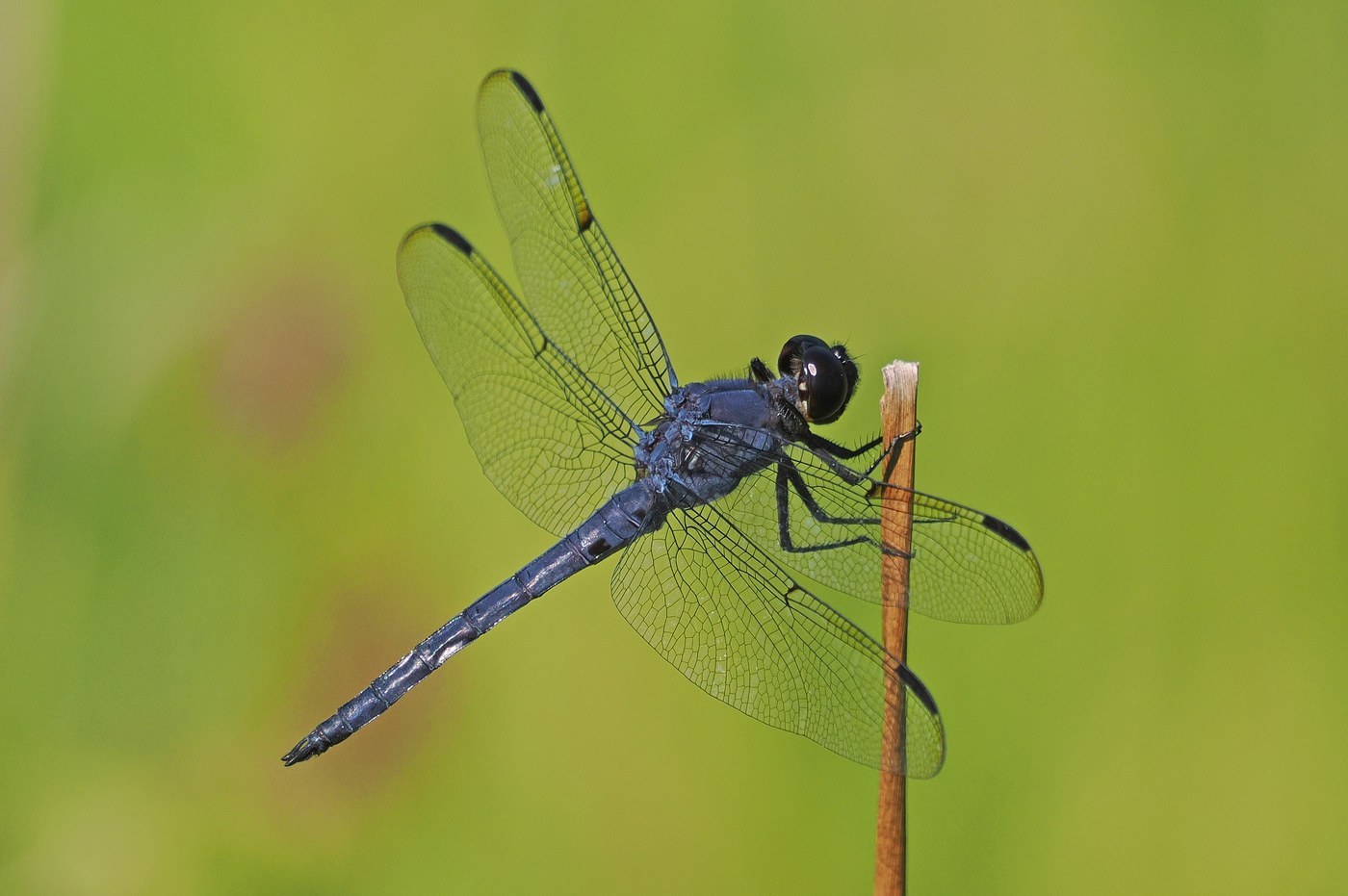
Slaty Skimmer
Still or slow-moving ponds, lakes, and marshes with open shoreline
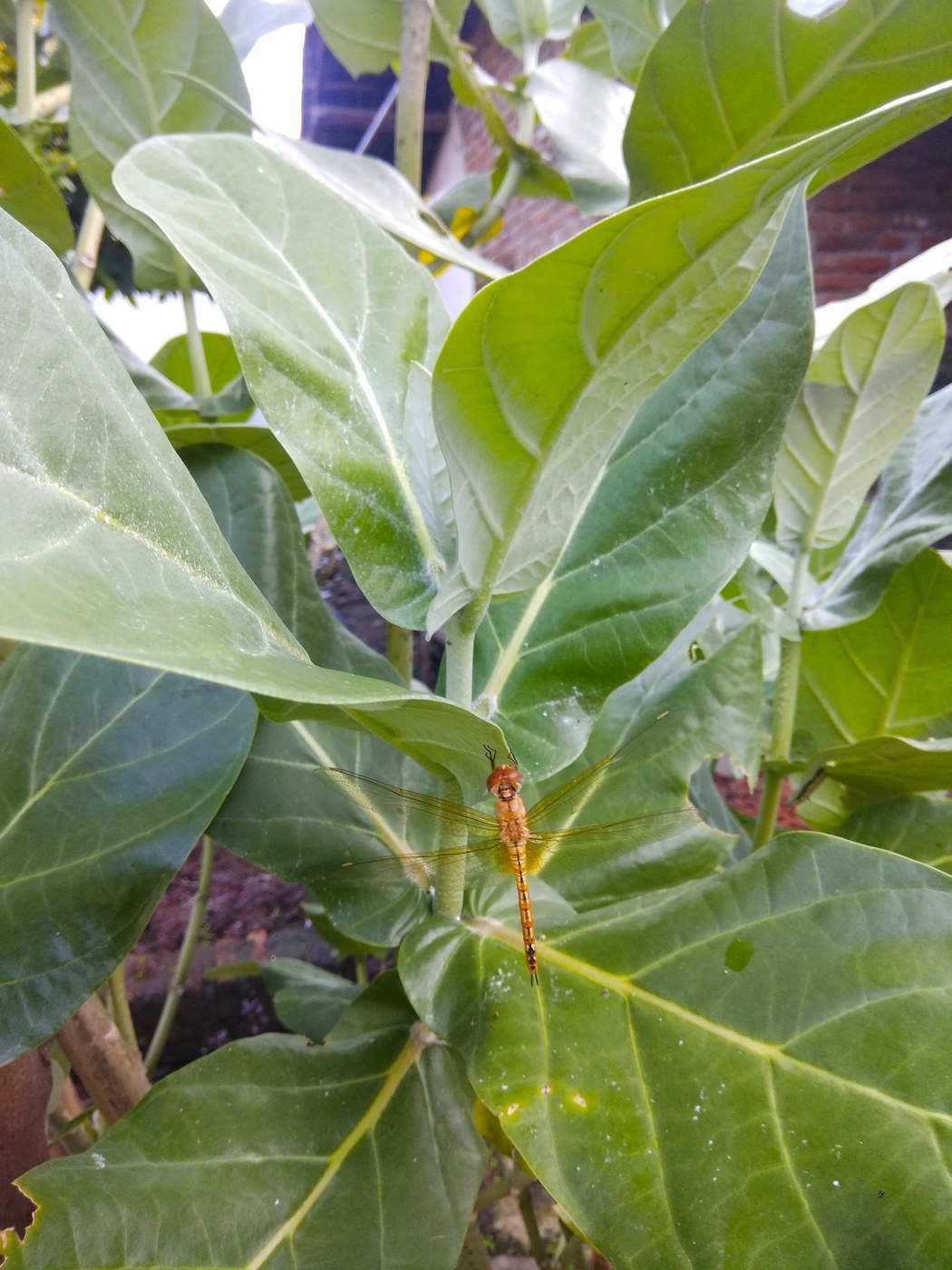
Wandering Glider
Temporary pools, open fields, and coastlines nearly worldwide
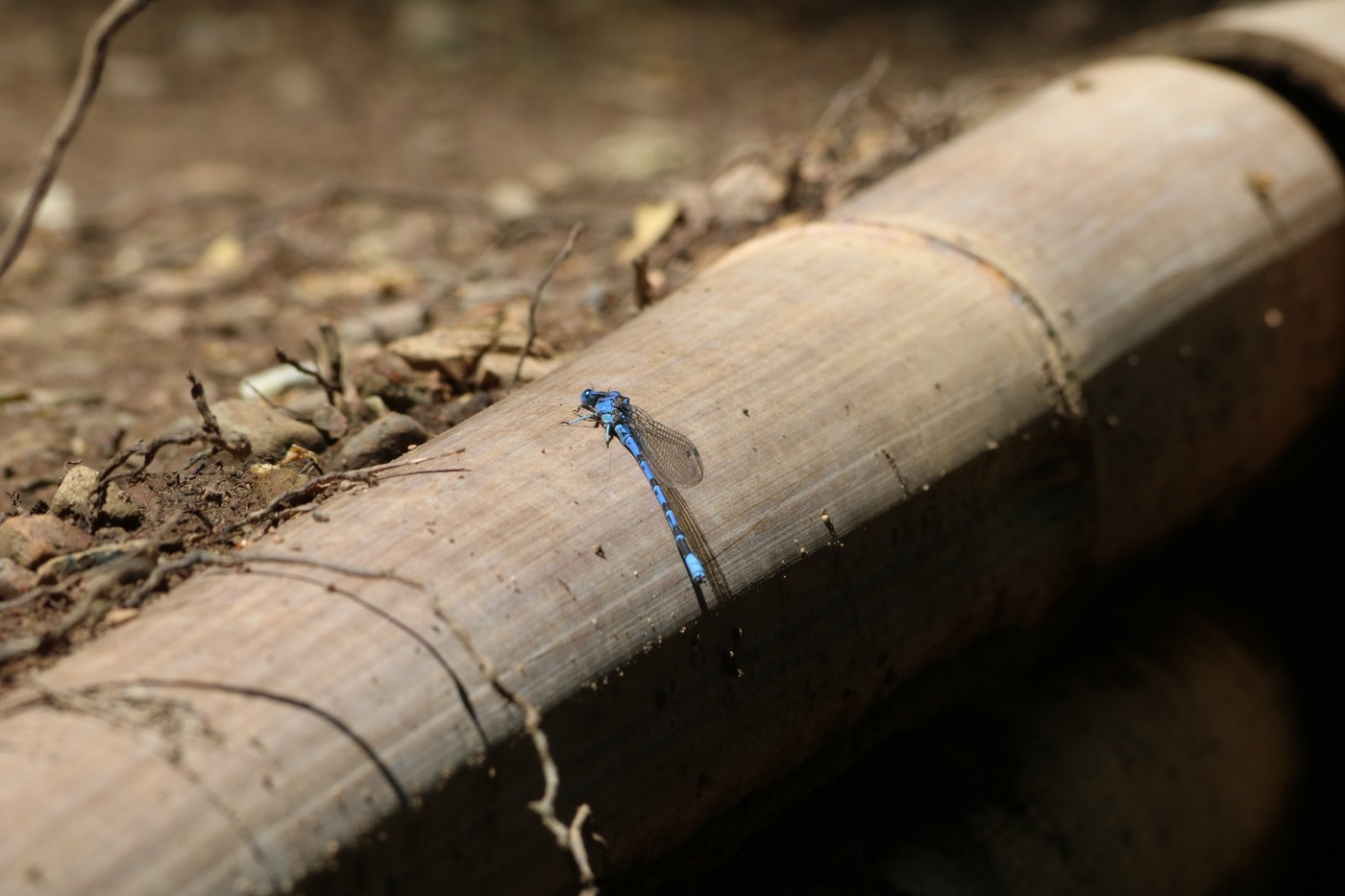
Vivid Dancer
rocky streams, seeps, and spring-fed creeks, often near thermal or warm springs
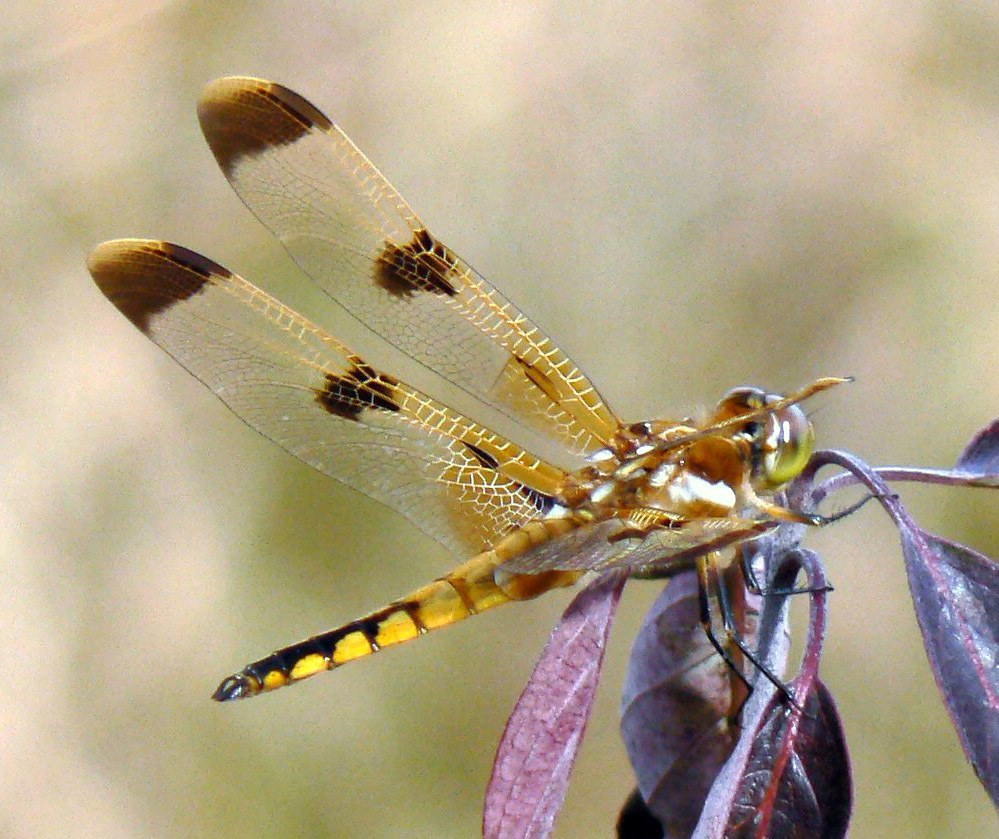
Painted Skimmer
Ponds, marshes, and slow-moving vegetated waters, including temporary pools
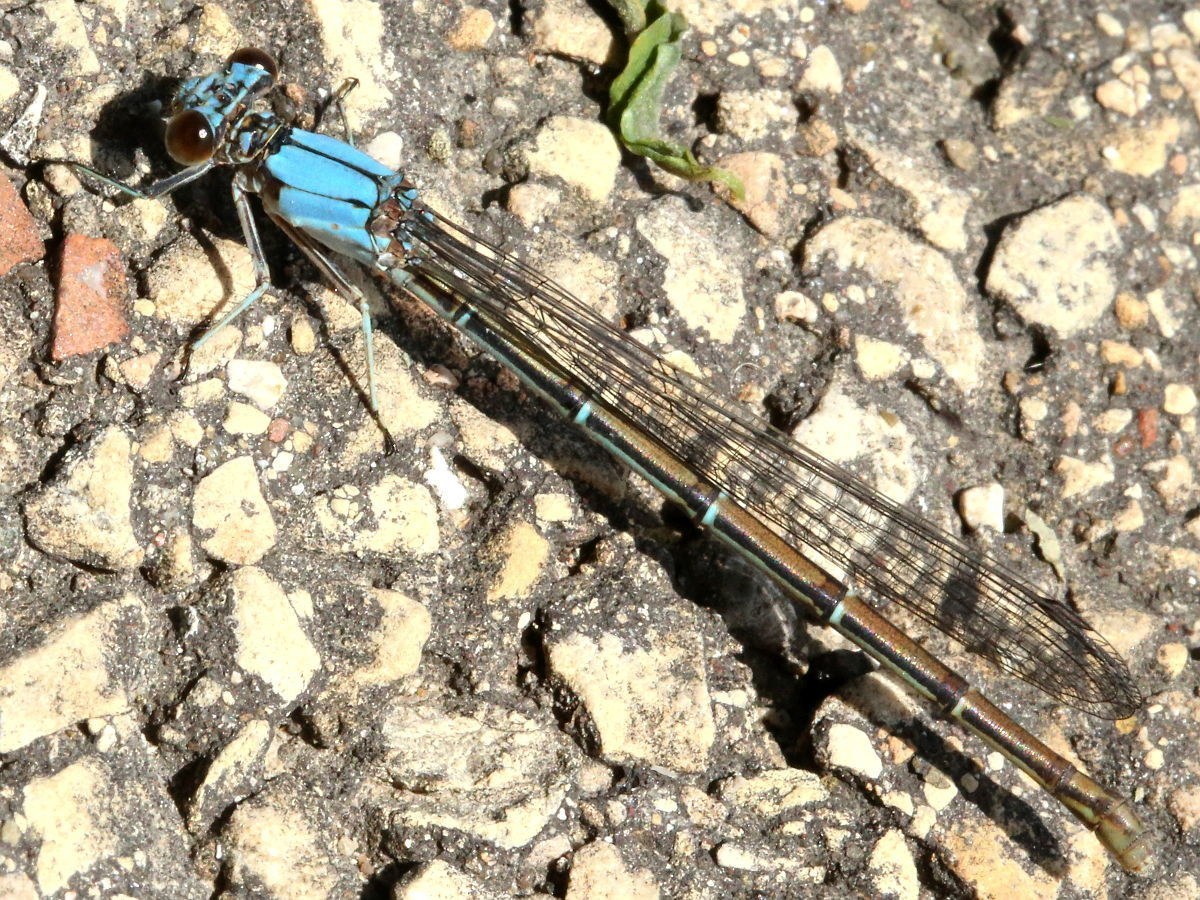
Powdered Dancer
rocky and gravelly rivers, streams, and lake shorelines
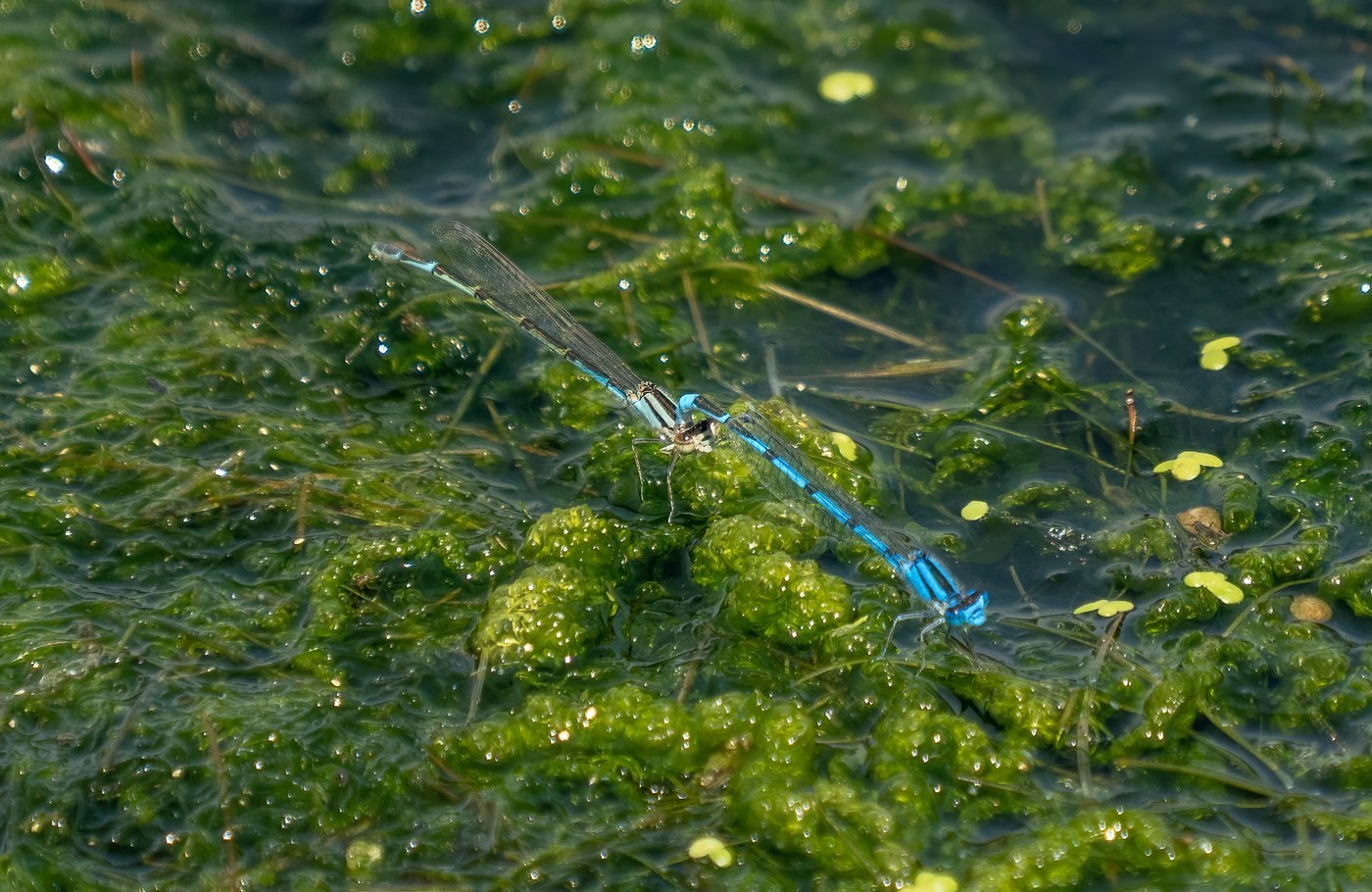
Northern Bluet
ponds, lakes, and marshes across cooler and northern regions