
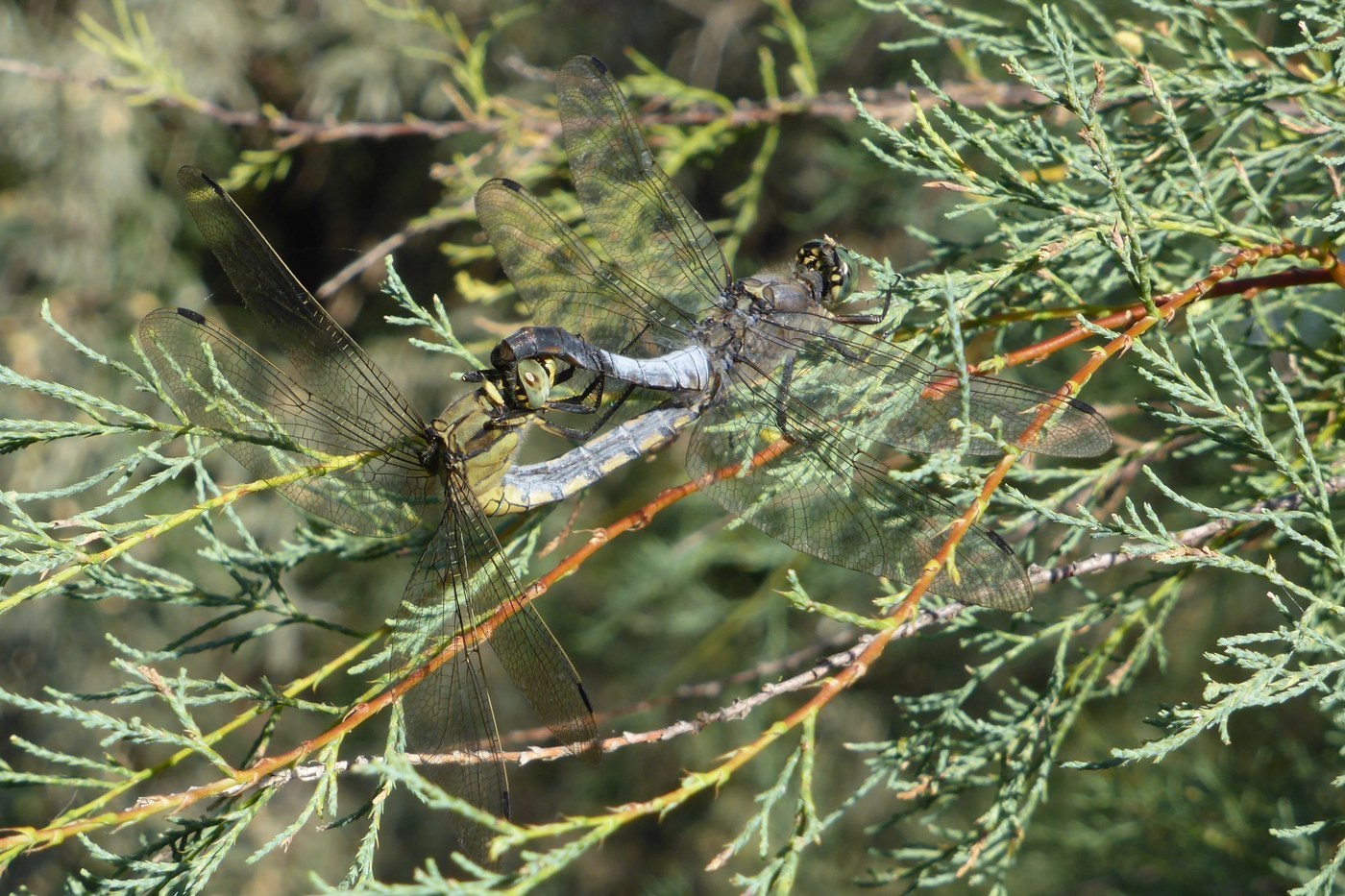
Spangled Skimmer
Libellula cyanea
Named for the bright white 'spangles' at the base of its wings, the Spangled Skimmer pairs a powder-blue male body with crisp black-and-white wing markings.
- Size
- Body length about 1.6-1.9 in (41-48 mm)
- Habitat
- Ponds, lakes, and marshes with open sunny shorelines
- Danger
- Harmless
Spotted a bug like this?
Identify any bug or insect from a photo, free.
Overview
The Spangled Skimmer is a medium-sized skimmer dragonfly found across much of the eastern and central United States. Its common name refers to the bright white patches at the base of the hindwings, which contrast sharply with a dark brown-black band further out on the wing, creating a spangled effect.
Mature males develop a powdery blue body typical of many Libellula skimmers, while females and immature individuals show a brown body with pale yellow side stripes and a yellow stripe running down the top of the abdomen. This species favors sunny, open wetland edges.
How to Identify
- Wings show a bright white basal spot (spangle) followed by a dark brown-black band on each wing
- Mature males: powdery blue body with a blackish face
- Females and immatures: brown body with pale yellow lateral thorax stripes and a yellow mid-dorsal abdominal stripe
- Medium build, similar in shape to other Libellula skimmers
- Distinguished from the Twelve-spotted and Common Whitetail by its more limited wing banding pattern and smaller white spangle placement
Habitat & Range
Spangled Skimmers are found around ponds, lakes, and marshes with open, sunny shorelines and moderate vegetation. The species occurs widely across the eastern and central United States, from the Northeast and Midwest south to the Gulf Coast. Adults are typically seen from late spring through summer.
Behavior & Diet
Males perch prominently on open twigs, grass stems, or bare ground near water to guard territory, chasing off intruding males with quick flights. As adults, they hunt small flying insects such as mosquitoes and midges on the wing, using their strong flight and large eyes to spot and intercept prey. Aquatic nymphs are ambush predators in the pond, feeding on other invertebrates among submerged plants, and both nymphs and adults form an important part of the wetland food web.
Life Cycle
Females lay eggs by dipping the tip of the abdomen into open water while flying, often over sunlit areas of the pond. Eggs hatch into aquatic nymphs that live among submerged vegetation and debris, growing through repeated molts over about a year in much of their range while preying on small aquatic invertebrates. When fully developed, nymphs crawl out onto emergent stems to complete their final molt and emerge as winged adults, an example of incomplete metamorphosis without a pupal stage. Adults live for several weeks, focusing on feeding, territory defense, and reproduction.
Frequently asked questions
What is the 'spangle' in Spangled Skimmer?
It refers to the bright white patch at the base of each wing, which stands out against the dark band further along the wing.
How can I tell a male from a female Spangled Skimmer?
Mature males have a powder-blue body, while females and young males are brown with pale yellow stripes along the thorax and abdomen.
Where are Spangled Skimmers usually found?
They favor sunny, open shorelines of ponds, lakes, and marshes across the eastern and central United States.
What do Spangled Skimmers eat as adults?
They catch small flying insects such as mosquitoes and midges in flight near the water's edge.
Spangled Skimmer guides
In-depth guides for identifying, understanding, and living alongside Spangled Skimmer.
Other bugs you may enjoy
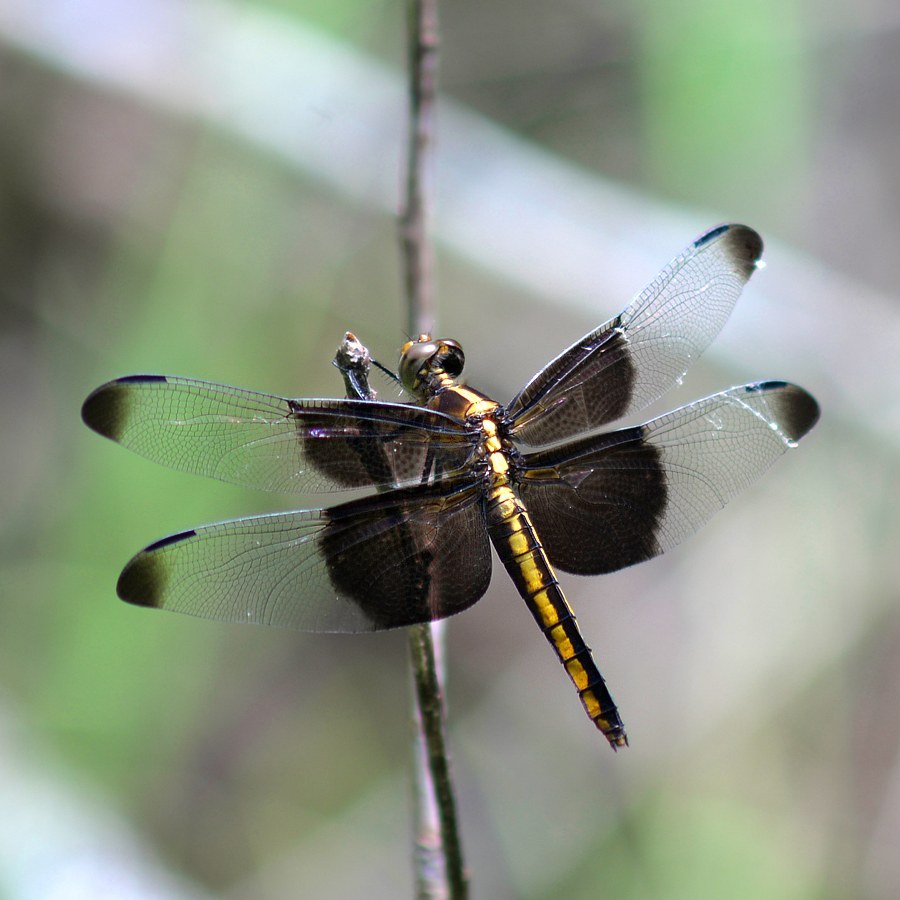
Widow Skimmer
ponds, lakes, and slow-moving streams with open shoreline vegetation across much of the United States
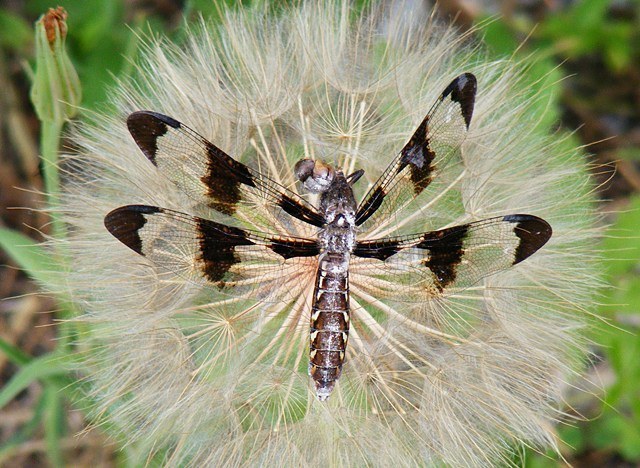
Twelve-spotted Skimmer
Ponds, lakes, and slow streams with open, sunny shorelines
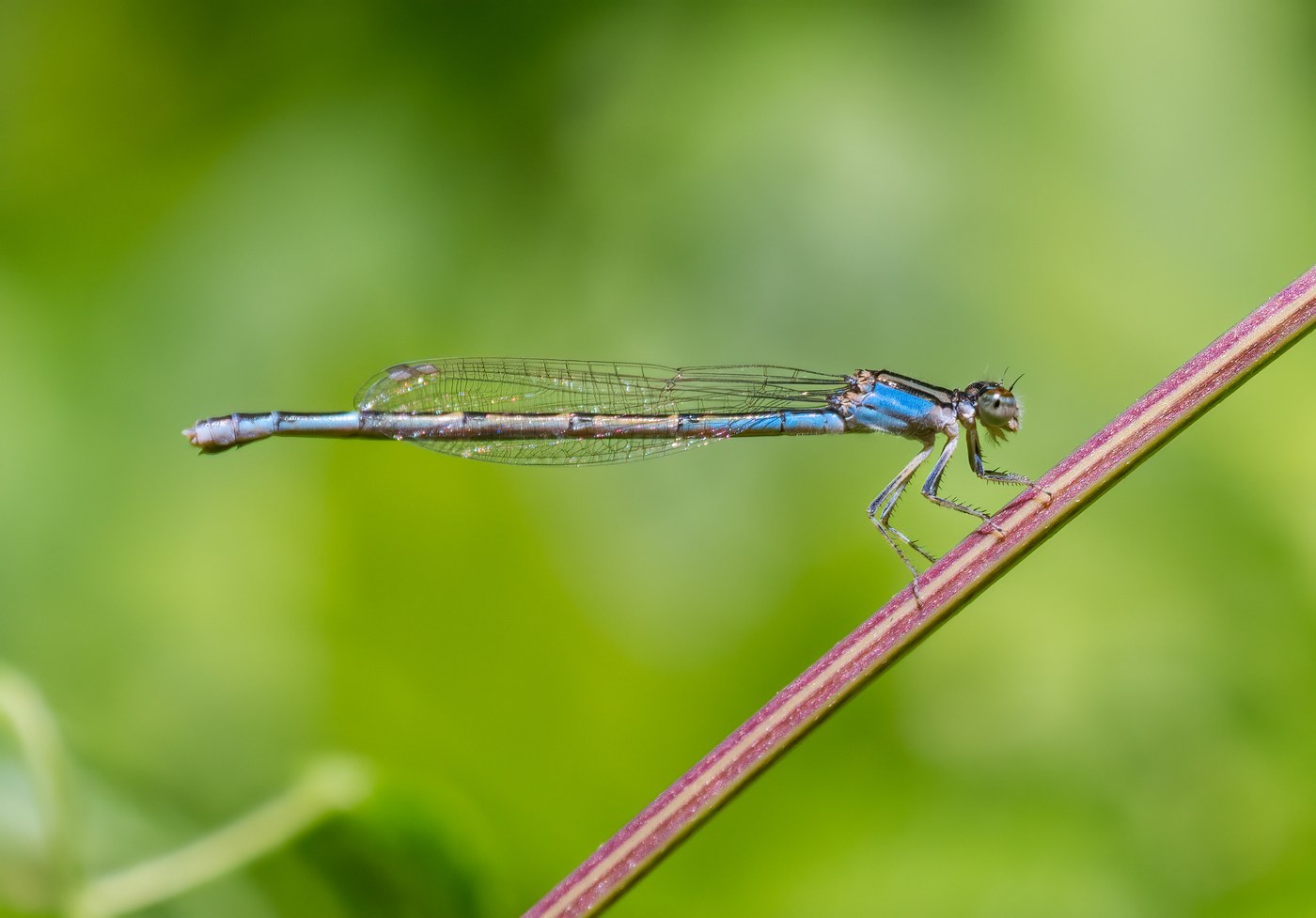
Azure Bluet
ponds, lakes, and slow streams with abundant aquatic vegetation
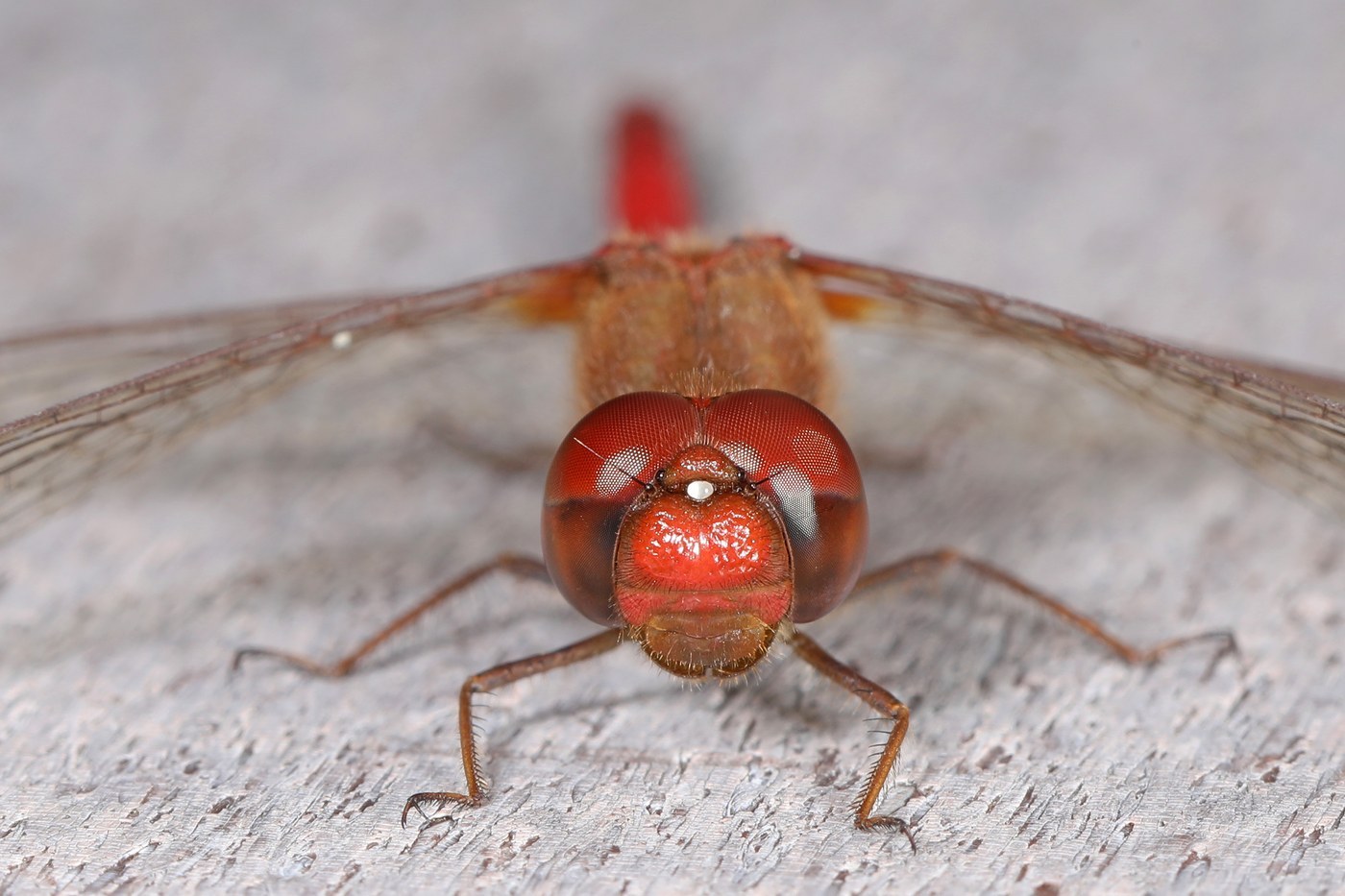
Autumn Meadowhawk
Ponds, marshes, and slow streams, often lingering into late fall
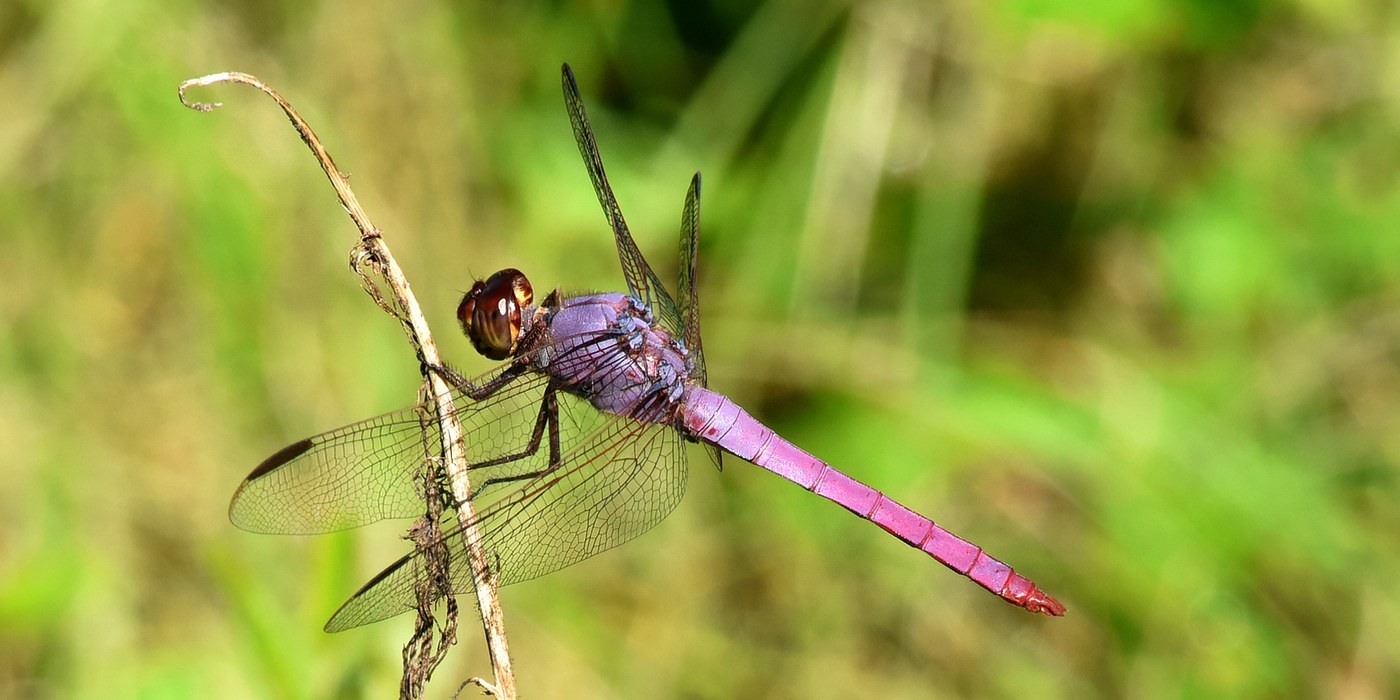
Roseate Skimmer
Ponds, ditches, and canals across the southern United States
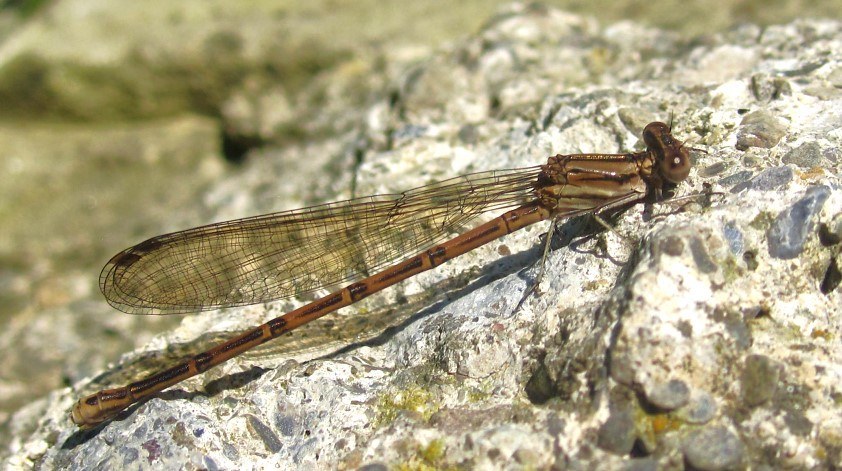
Variable Dancer
streams, rivers, and pond margins, especially in wooded or partly shaded settings
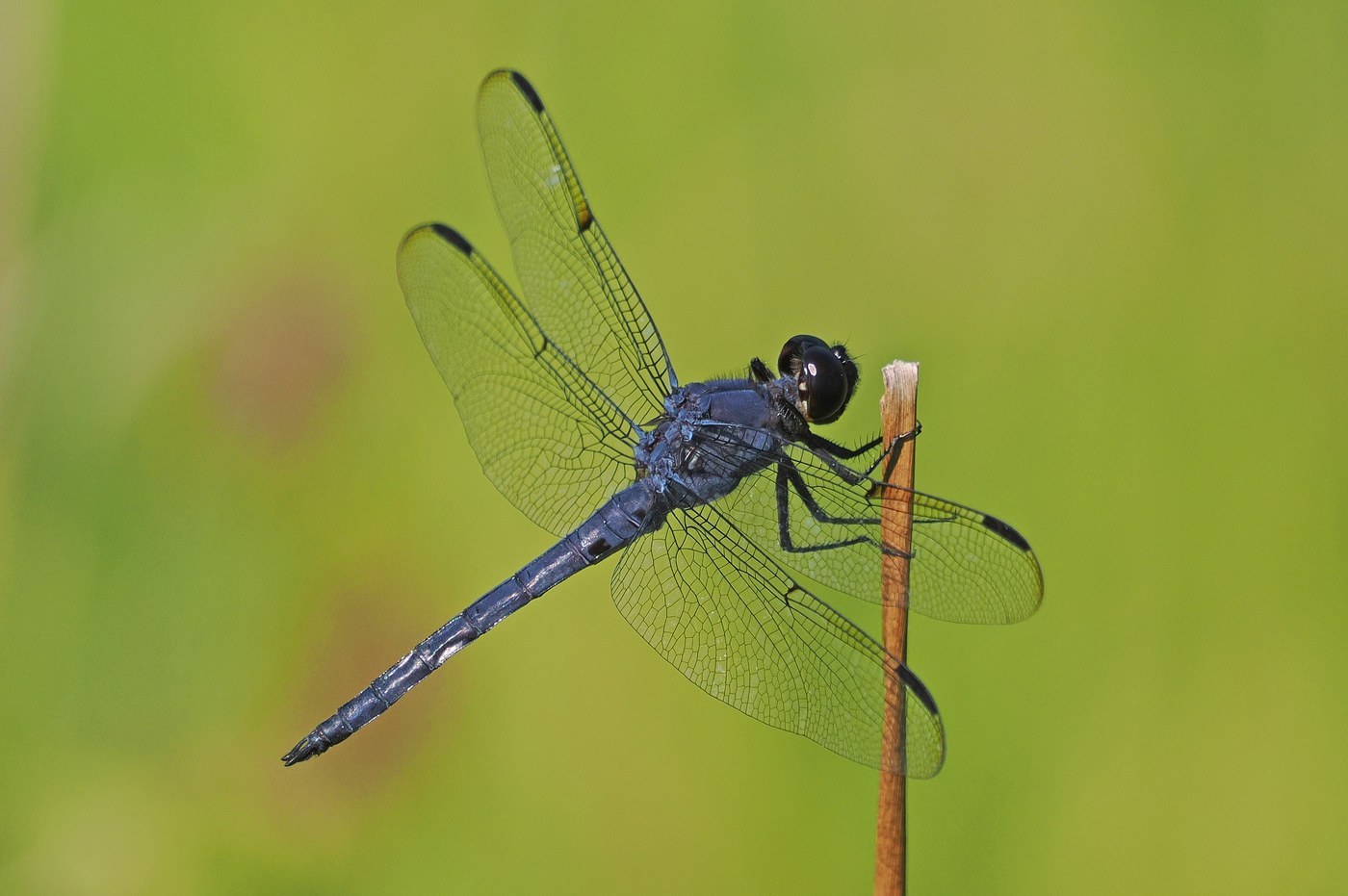
Slaty Skimmer
Still or slow-moving ponds, lakes, and marshes with open shoreline
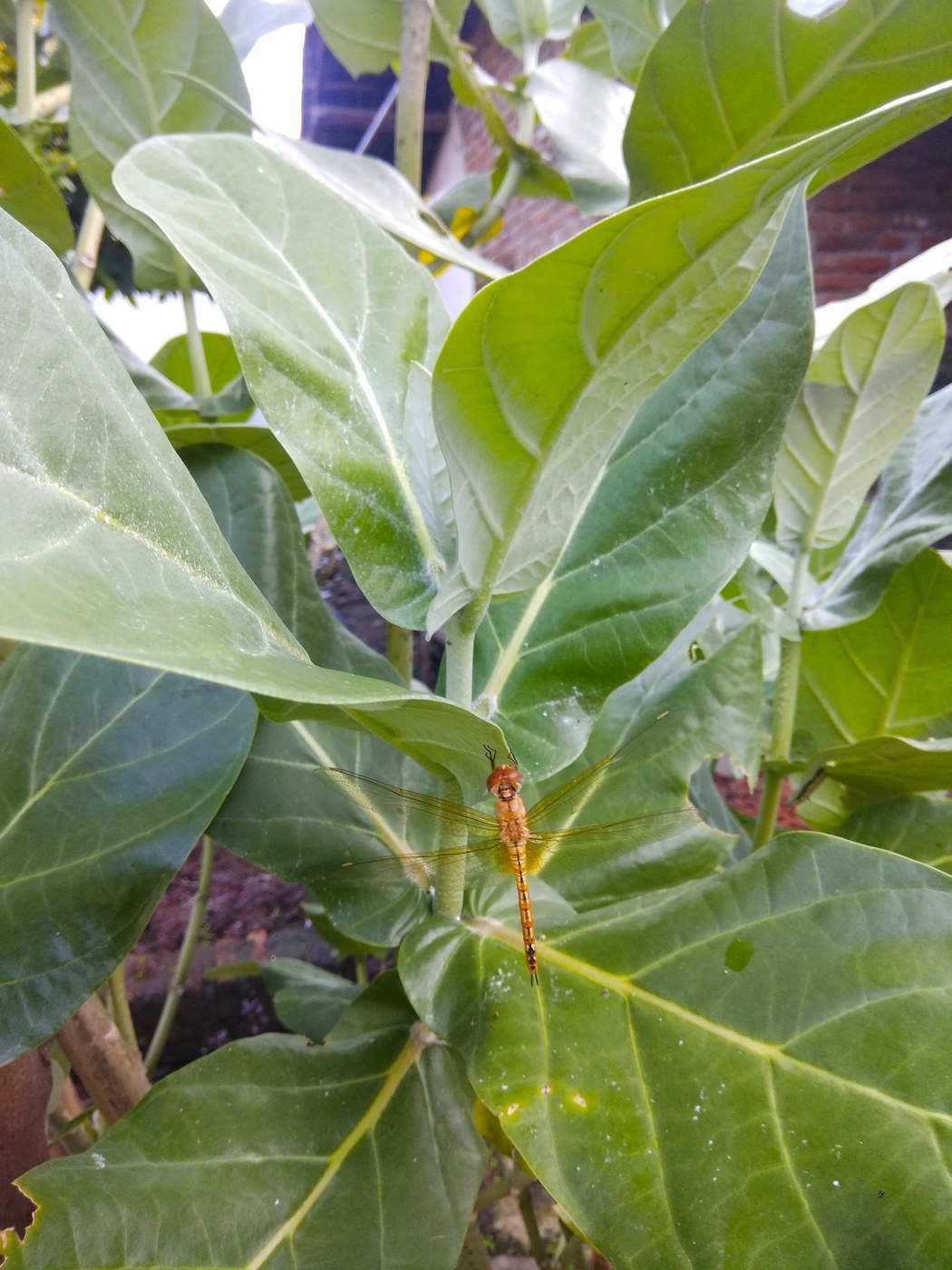
Wandering Glider
Temporary pools, open fields, and coastlines nearly worldwide
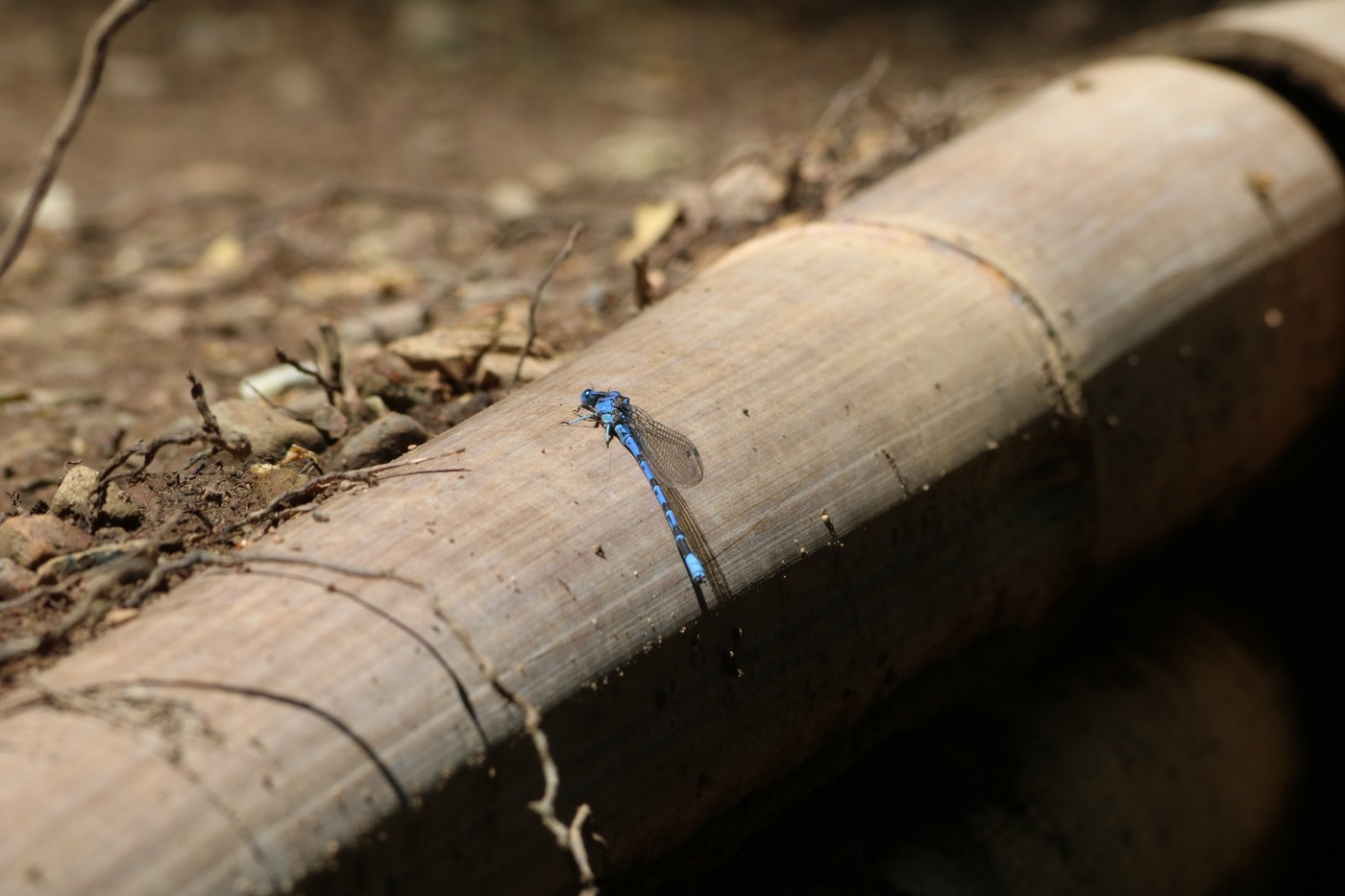
Vivid Dancer
rocky streams, seeps, and spring-fed creeks, often near thermal or warm springs
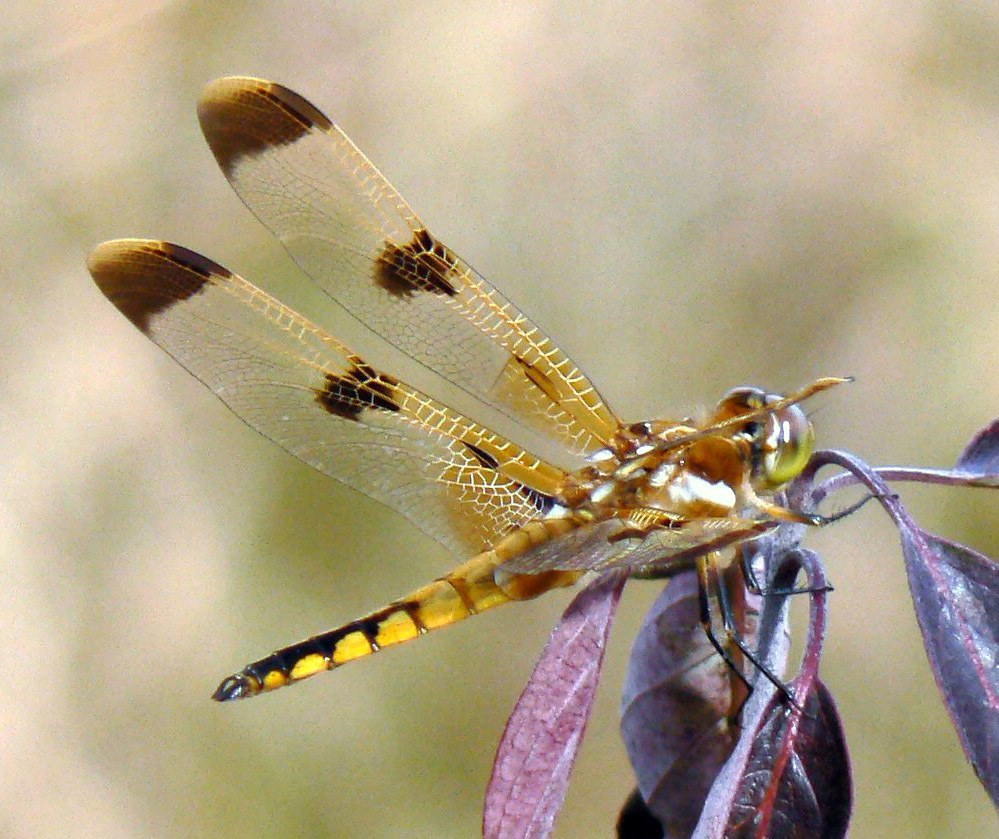
Painted Skimmer
Ponds, marshes, and slow-moving vegetated waters, including temporary pools
Powdered Dancer
rocky and gravelly rivers, streams, and lake shorelines
Northern Bluet
ponds, lakes, and marshes across cooler and northern regions