Bed Bug (Bat Bug) Identification Guide
Distinguish the bat bug, a close bed bug relative tied to bat and bird roosts, using its longer pronotal hairs and roost-site habits.
Read the full Bed Bug (Bat Bug) encyclopedia entry →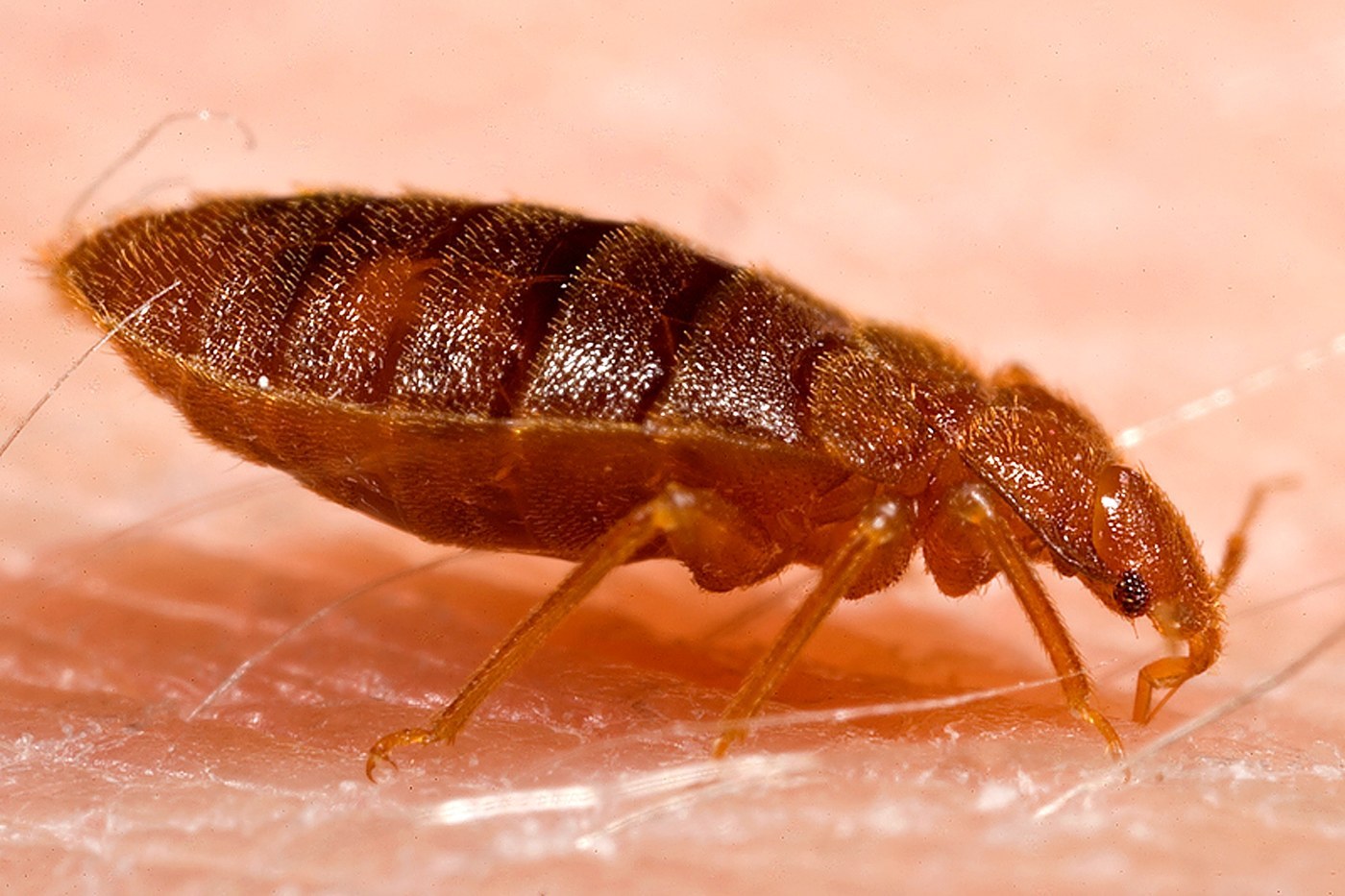
Key Features
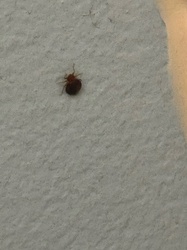
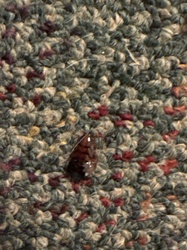
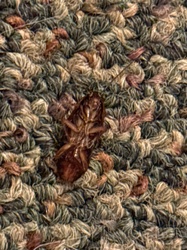
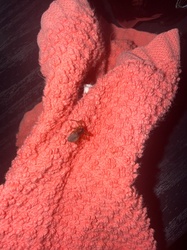
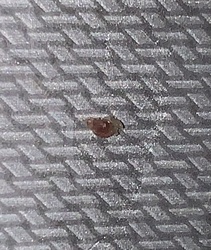
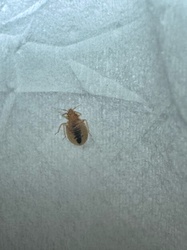
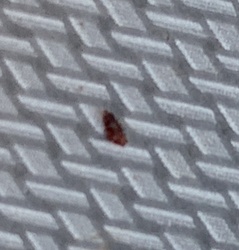
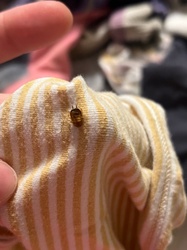
- Small, flattened, oval body about 4-5mm long when full grown
- Reddish-brown coloring that can appear more swollen and darker after a recent meal
- No functional wings, only small wing pad remnants on the back
- Six legs and short, segmented antennae
- Fine hairs cover the body, but the hairs on the edge of the pronotum (the shield-like plate behind the head) are noticeably longer than the width of an eye - a key feature separating bat bugs from common bed bugs
- Body is broadest at the abdomen, giving an overall teardrop or oval outline
Where and When to Look
- Most closely tied to bat roosting sites: attics, chimneys, wall voids, barns, and buildings with bat colonies
- Also found in association with bird nests in eaves and vents
- Active year-round indoors, since they live in sheltered roosting areas regardless of outside season
- Typically stay hidden in cracks, crevices, and roosting debris during the day, and are most easily spotted near old roost sites, guano, or nesting material
Similar-Looking Bugs
- Common bed bugs are nearly identical in size, shape, and color, but have shorter pronotal fringe hairs and are typically found near human sleeping areas rather than bat or bird roosts
- Swallow bugs and other bird-associated cimicids look almost the same and require close inspection of hair length and host association to separate
- Carpet beetles are sometimes confused with this group but have a rounder, more domed body and visible wing covers
Life Cycle and Behavior
Like other cimicids, bat bugs pass through several nymphal stages before reaching adulthood, with each stage requiring a meal to molt. They remain closely tied to their roost host throughout their life cycle, dispersing only short distances unless a roost is abandoned, at which point they may temporarily wander into nearby spaces in search of a new host.
Quick ID Checklist
- Flat, oval, reddish-brown body around 4-5mm long
- No functional wings
- Long fringe hairs along the pronotum edge (longer than an eye-width)
- Found near old bat or bird roosts rather than bedding areas
- Present indoors year-round in attics, chimneys, or wall voids with roosting history
Frequently asked questions
How do I tell a bat bug from a common bed bug just by looking?
Check the hairs on the edge of the pronotum: bat bugs have noticeably longer fringe hairs than common bed bugs, though a hand lens is usually needed to see the difference clearly.
Do bat bugs have wings?
No, like other bed bug relatives they are wingless as adults, with only small wing pad remnants visible.
Where indoors are bat bugs most likely to be found?
In attics, chimneys, and wall voids that have or once had a bat or bird roost nearby.
Are bat bugs active during the day?
They generally stay hidden in cracks and roosting debris during daylight hours and are more active in dark, secluded spaces.
Bed Bug (Bat Bug) identified by the community
Recent Bed Bug (Bat Bug) finds identified with Bug Identifier.