
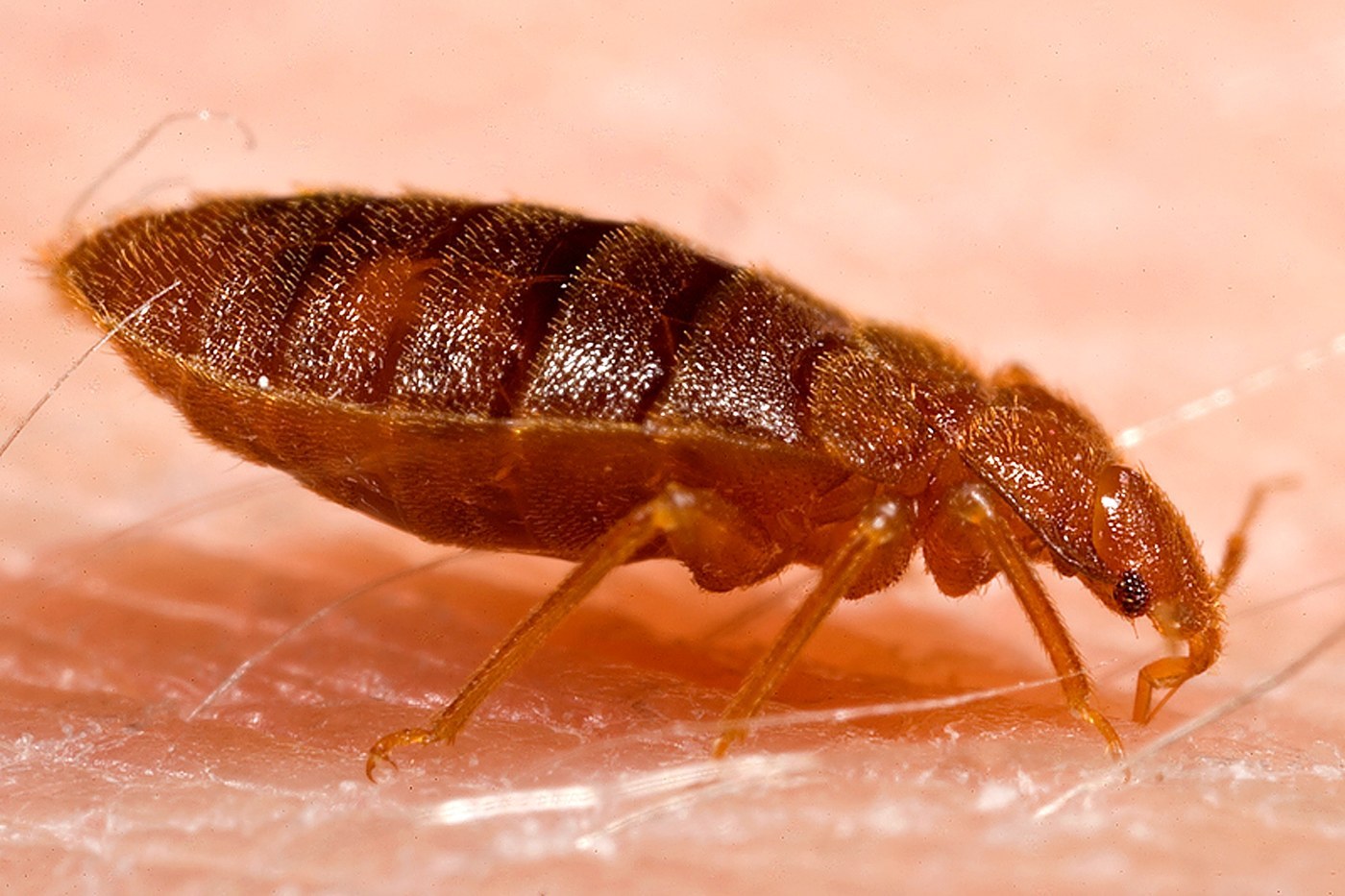
Bed Bug (Bat Bug)
Cimex lectularius
A small, flat, reddish-brown, wingless true bug that hides in tight seams and crevices by day and feeds on blood at night, closely related to the bat bug, which occupies a similar niche in bat roosts.
- Size
- 4–7 mm
- Habitat
- Human dwellings, furniture, and, for the bat bug relative, bat roosts and attics
- Danger
- Bites
Spotted a bug like this?
Identify any bug or insect from a photo, free.
Overview
The bed bug is a member of the family Cimicidae, order Hemiptera, a small group of wingless, blood-feeding true bugs adapted to living in close association with roosting or nesting vertebrate hosts. Cimex lectularius, the common bed bug, is closely associated with humans and human dwellings worldwide, while its near relative, the bat bug (Cimex adjunctus and related species), occupies a very similar ecological role but is instead associated with bat roosts in attics, barns, and caves.
Both bed bugs and bat bugs share a flattened, oval, reddish-brown body plan well suited to hiding in narrow cracks, seams, and crevices near a host's resting or roosting site. They lack wings entirely and instead rely on crawling to move between hiding spots and host resting areas, typically becoming active at night when hosts are still.
As specialized ectoparasites, bed bugs and bat bugs are notable within the true bug order for their highly modified, host-associated lifestyle, and the two are so similar in appearance that positive identification often requires examining subtle differences in body hair length under magnification.
How to Identify
- Small, flattened, oval body, appearing more swollen and reddish after a recent blood meal.
- Reddish-brown to mahogany coloration; entirely wingless in both bed bugs and bat bugs.
- Short, segmented antennae and piercing-sucking mouthparts folded beneath the head.
- Bat bugs are nearly identical in appearance to bed bugs but typically have slightly longer hairs on the upper thorax, distinguishable mainly under magnification.
- Distinguished from other small household insects by its flattened, apple-seed-shaped body and its habit of hiding in tight seams, cracks, and crevices near resting areas.
Habitat & Range
The common bed bug is found worldwide in close association with human dwellings, hiding in mattress seams, furniture joints, wall cracks, and other tight crevices near sleeping areas. The bat bug occupies a parallel niche in bat roosting sites such as attics, chimneys, barns, and caves, and may occasionally wander into living spaces if a bat colony departs a structure.
Both are active primarily at night, remaining hidden in sheltered crevices during the day and emerging after dark to seek out a resting host, with activity occurring year-round in heated indoor environments.
Behavior & Diet
Bed bugs and bat bugs are obligate blood feeders, requiring periodic blood meals from a vertebrate host (humans for bed bugs, primarily bats for bat bugs) to develop and reproduce. They locate hosts using cues such as body heat and exhaled carbon dioxide, feeding briefly at night before retreating to their hidden harborage.
They are not strong dispersers on their own, typically spreading between locations by hitchhiking on clothing, luggage, or furniture, or in the case of bat bugs, by remaining in a roost after bats have left. Ecologically, they function as specialized ectoparasites within their host-associated niche, with bed bugs considered a household pest due to their close association with human sleeping areas.
Life Cycle
Females lay small, sticky eggs in hidden crevices near host resting sites. Nymphs hatch and pass through five instars of incomplete metamorphosis, each requiring at least one blood meal to molt to the next stage, gradually growing to the adult size and coloration.
Under favorable indoor conditions, multiple generations can occur per year due to continuous access to a host and stable indoor temperatures. Development slows considerably in cooler conditions, and both nymphs and adults can survive extended periods between blood meals while sheltering in cracks and crevices.
Frequently asked questions
What is the difference between a bed bug and a bat bug?
They are closely related species in the same family that look nearly identical; bed bugs are associated with human dwellings while bat bugs are associated with bat roosts, and the two are best distinguished by subtle differences in thoracic hair length under magnification.
Can bed bugs fly?
No, bed bugs and bat bugs are entirely wingless and move only by crawling.
What does it feed on?
It requires periodic blood meals from a vertebrate host — humans in the case of the common bed bug, and primarily bats in the case of the bat bug.
Where do bed bugs typically hide?
In tight seams and crevices near resting areas, such as mattress seams, bed frame joints, and cracks in walls or furniture close to where a host sleeps.
Bed Bug (Bat Bug) guides
In-depth guides for identifying, understanding, and living alongside Bed Bug (Bat Bug).
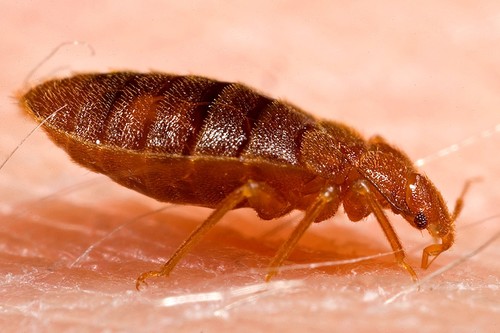
Bed Bug (Bat Bug) identified by the community
Real finds identified with Bug Identifier.
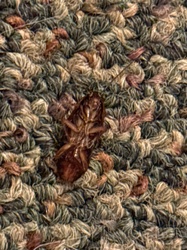
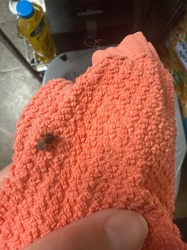
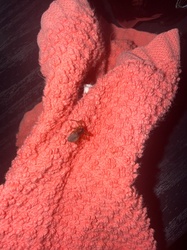
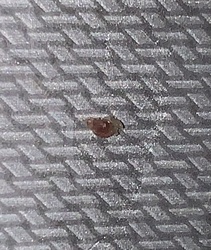
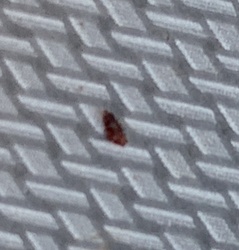
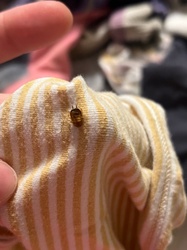
Other bugs you may enjoy
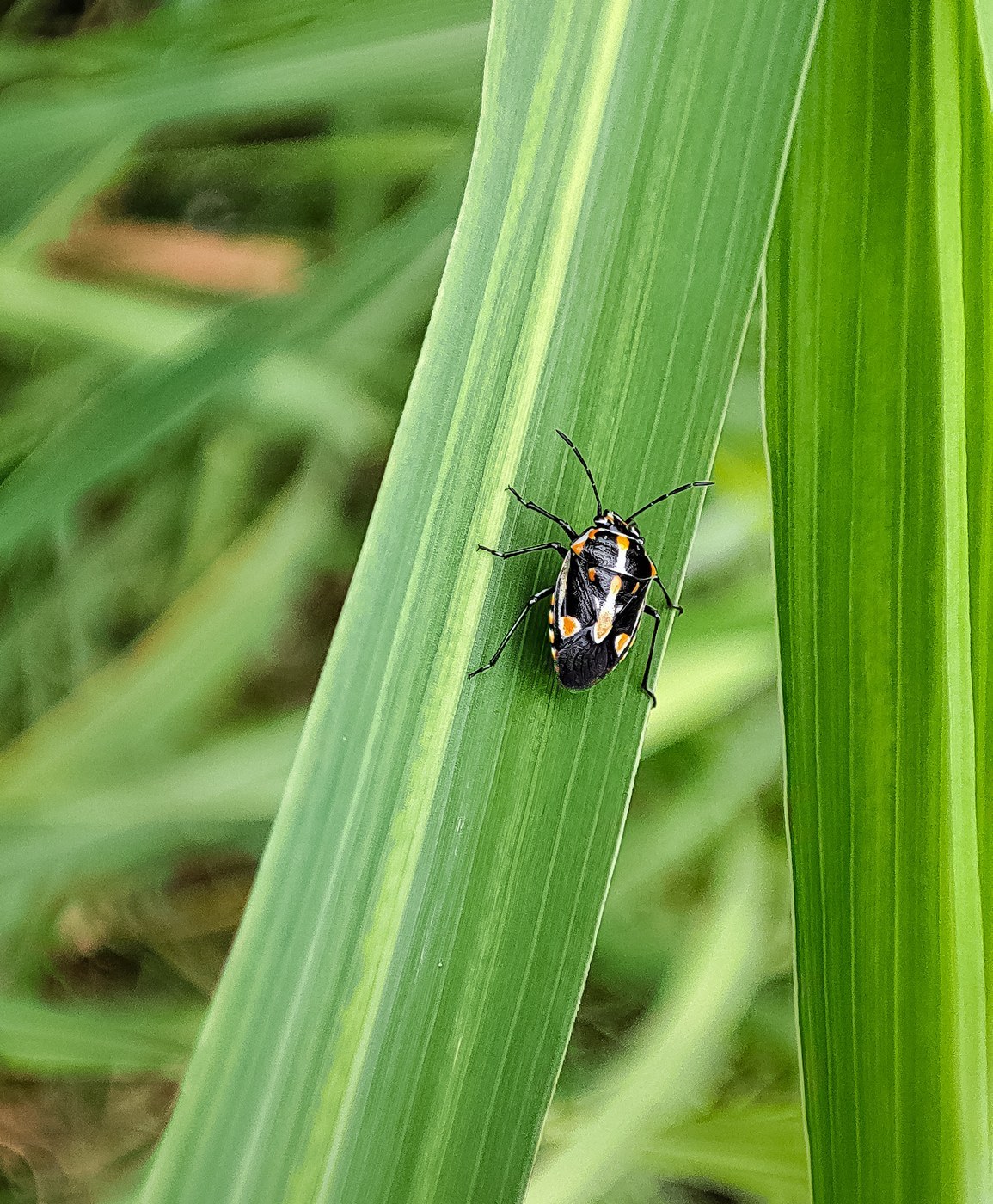
Bagrada Bug
Arid gardens, crucifer fields, desert-adjacent croplands
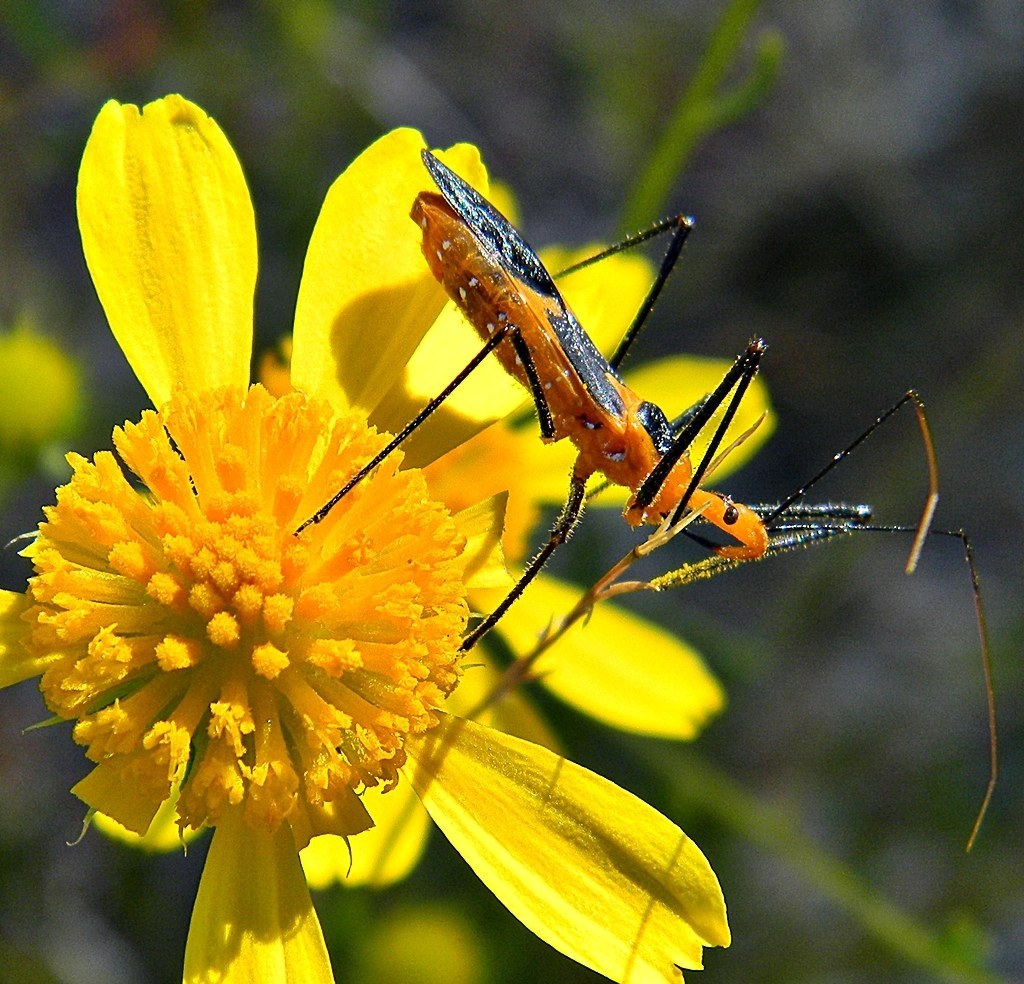
Assassin Bug
Gardens, meadows, and vegetation worldwide
Water Boatman Bug
Ponds, lakes, and slow-moving freshwater
Water Stick Insect
Still and slow-moving water with dense submerged vegetation
Rough Stink Bug
Tree bark, woodlands, orchards, and shrubby vegetation
Stink Bug
Gardens, crop fields, and woodlands across temperate and subtropical regions
Squash Bug
Vegetable gardens and farm fields growing squash, pumpkin, and other cucurbits
Aphid
On stems, leaves, and buds of a very wide range of host plants
Woolly Aphid
Bark crevices, root collars, and twigs of apple, elm, and alder trees
Whitefly
Greenhouses, gardens, and undersides of leaves on host plants
Water Measurer
Quiet edges of ponds, marshes, and slow streams
Two-Spotted Stink Bug
Gardens and fields with potato and nightshade-family plants