
Black Fly
Simulium spp.
A small, humpbacked black fly with clear wings that gathers in persistent swarms near flowing streams, favoring exposed skin around the head.
- Size
- 1.5-5 mm long
- Habitat
- Near clean, fast-flowing streams and rivers, especially in forested temperate and northern regions
- Danger
- Bites
Spotted a bug like this?
Identify any bug or insect from a photo, free.
Overview
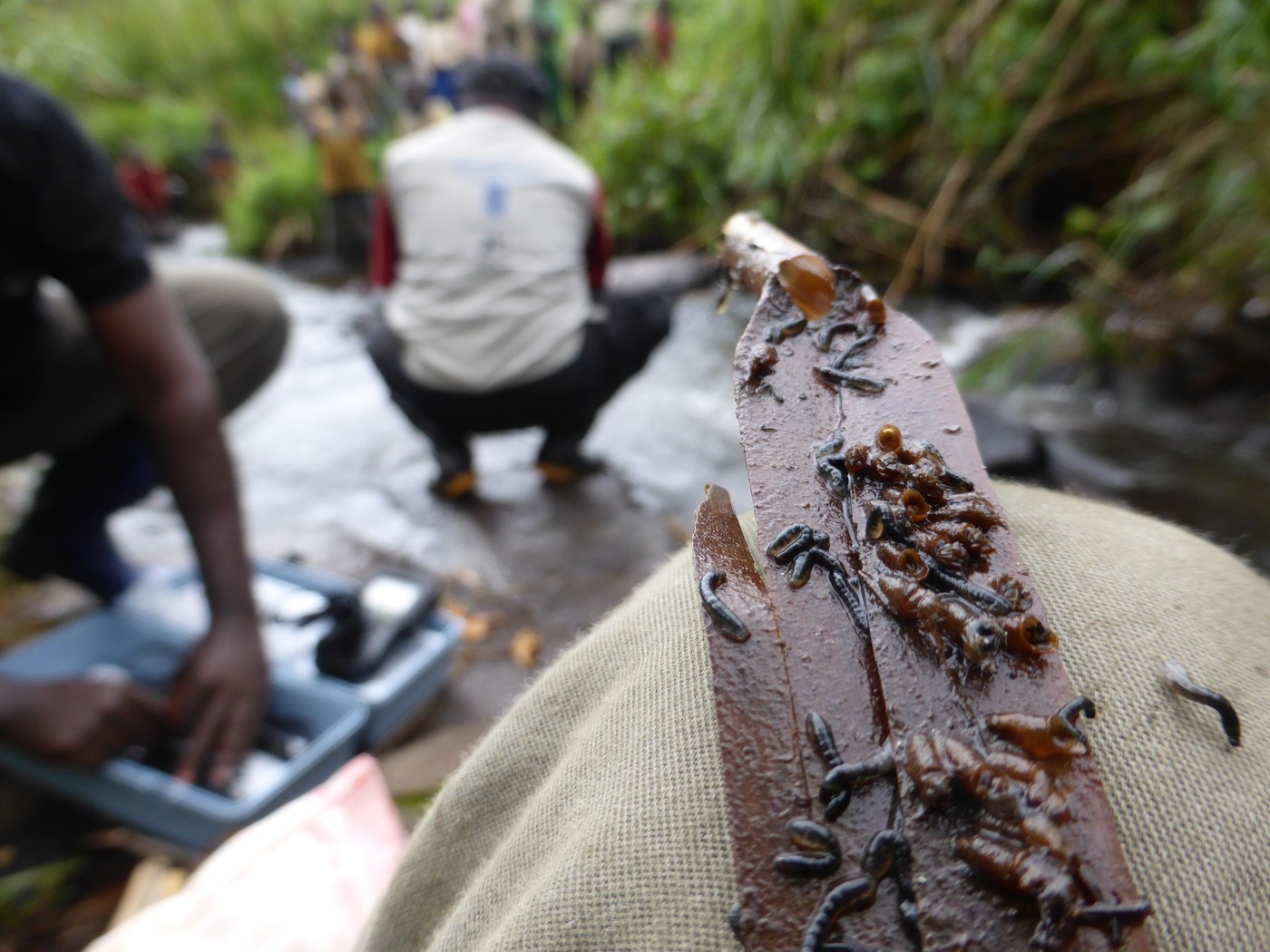
Black flies make up the family Simuliidae, with more than 2,200 species found worldwide except Antarctica. Their larvae are unusual among insects for requiring flowing, well-oxygenated water, attaching themselves to rocks and submerged vegetation in streams and rivers rather than settling in still ponds.
Because larvae need clean, fast-moving water, black fly populations are often used as an indicator of good stream water quality, and their presence tends to track closely with healthy river ecosystems.
Adult black flies are best recognized by their humped, "buffalo" profile, a stocky build in which the thorax arches noticeably over the head, giving them a distinctive silhouette compared to other small biting flies.
How to Identify
- Small, stout body 1.5-5 mm long
- Distinctive humpbacked profile with the thorax arched over the head, giving the "buffalo gnat" nickname
- Black to dark gray body color
- Clear, unmarked, broad wings
- Short antennae and short legs relative to body size
- Lookalikes: other small biting flies lack the pronounced humped thorax that is diagnostic of black flies
Habitat & Range
Black flies occur worldwide except Antarctica, with larvae attached to rocks and vegetation in clean, fast-flowing streams and rivers. Adults are typically found near their breeding streams, especially in forested or mountainous temperate and subarctic regions, with populations peaking in spring and early summer.
Behavior & Diet
Females of most species require a blood meal from mammals or birds to develop eggs and are persistent daytime biters, often forming dense swarms around the head and exposed skin near flowing water; males instead feed on nectar and plant sugars. Larvae are filter feeders, using fan-shaped mouth brushes to strain algae, bacteria, and organic particles from the current while anchored to submerged surfaces with silk pads.
Life Cycle
Eggs are laid on wet rocks, vegetation at the water's edge, or scattered directly onto flowing water. Larvae attach themselves to submerged surfaces using a silk pad and hooked prolegs, passing through several instars while filter-feeding from the current, typically over two to four weeks in warm conditions. Pupation occurs underwater within a silk cocoon, after which the adult emerges and rises to the surface inside an air bubble. Many species produce multiple generations per year, while others overwinter as eggs or larvae in colder climates.
Frequently asked questions
What makes black flies easy to identify?
Their small size combined with a distinctly humpbacked profile, where the thorax arches over the head, sets them apart from other biting flies.
Why do black flies need flowing water?
Their larvae are filter feeders that anchor to rocks and vegetation in fast-moving streams, relying on the current to deliver food and oxygen.
When are black flies most active?
They are typically most abundant in spring and early summer, biting during the day near their breeding streams.
Are black flies found worldwide?
Yes, they occur on every continent except Antarctica, wherever clean, fast-flowing streams and rivers are present.
Black Fly guides
In-depth guides for identifying, understanding, and living alongside Black Fly.
Black Fly identified by the community
Real finds identified with Bug Identifier.
Other bugs you may enjoy
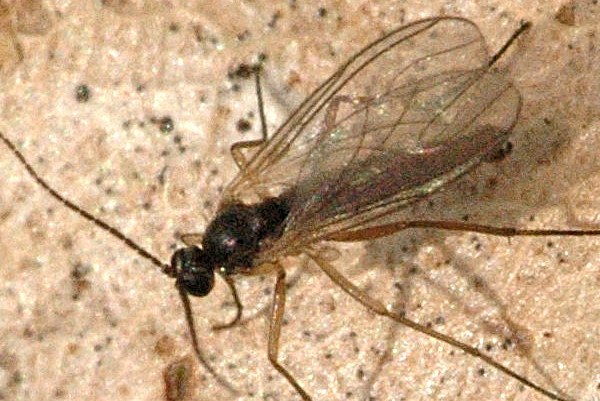
Aphid Midge
Gardens, greenhouses, and crops with aphids
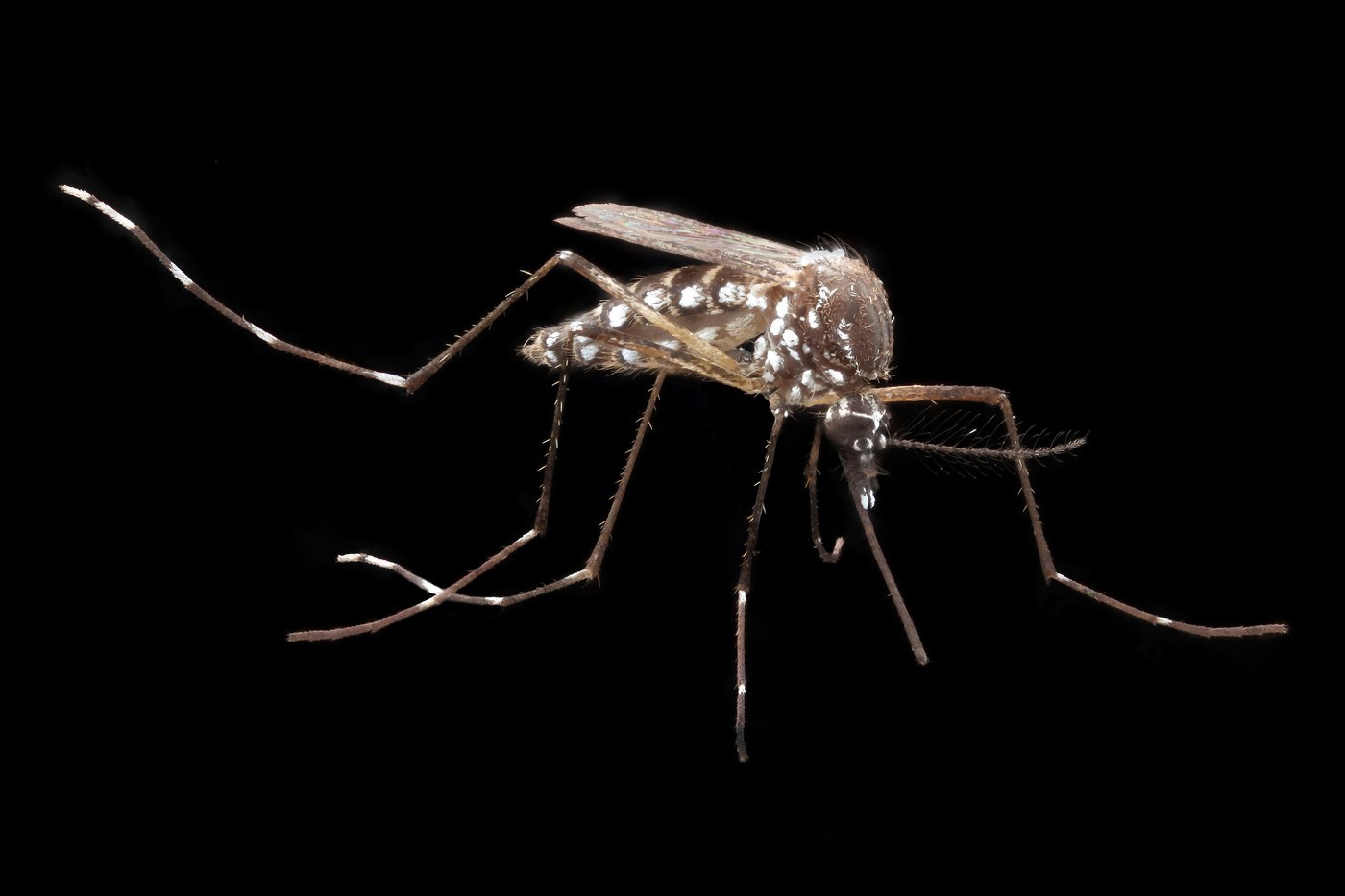
Yellow Fever Mosquito
Urban and peri-urban areas near small artificial water containers in tropical and subtropical regions worldwide
Root Maggot
Garden and field soil around the roots of cole crops and other vegetables
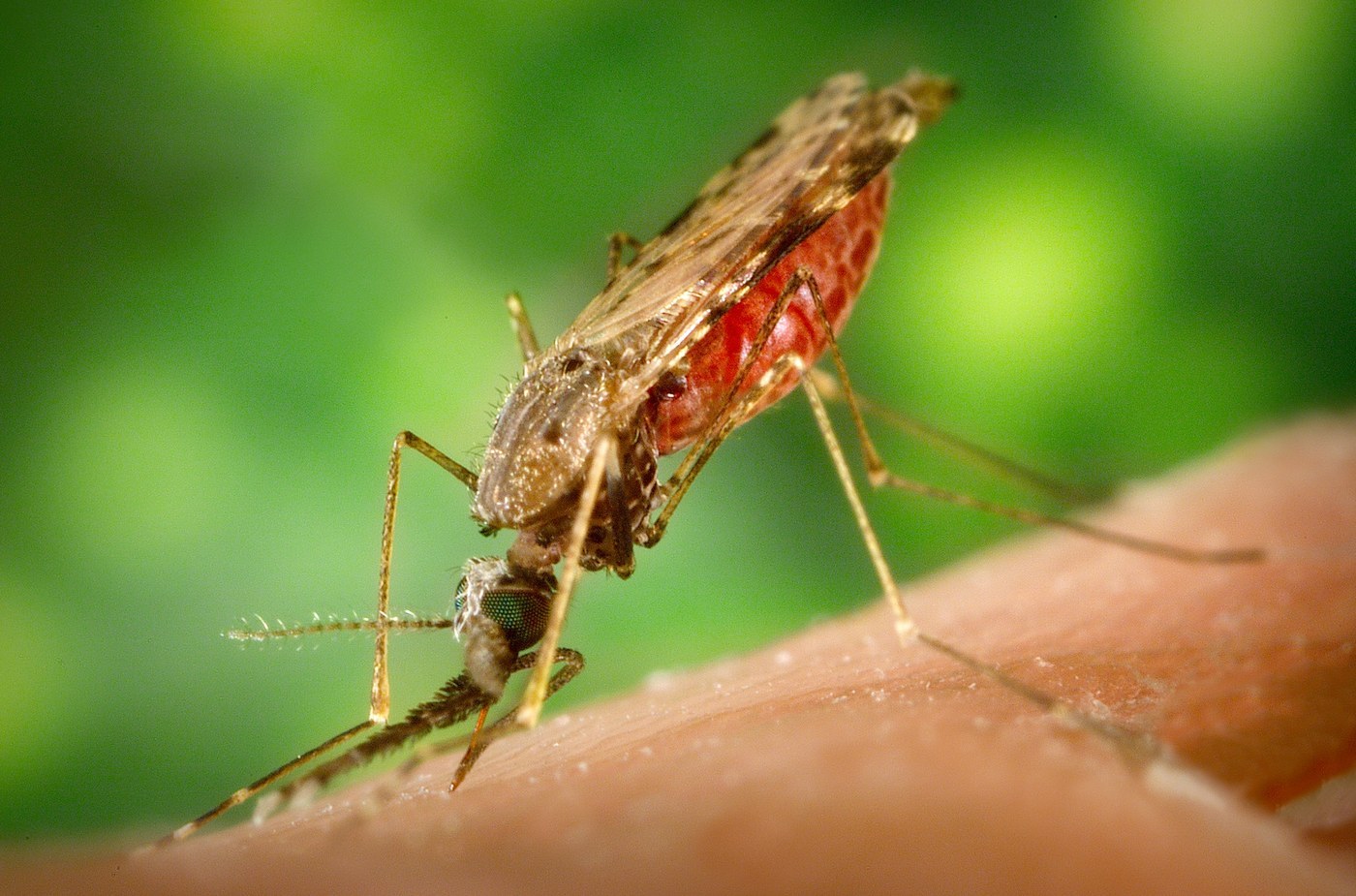
Anopheles Mosquito
Clean, still or slow-moving freshwater habitats such as marshes, ponds, and rice paddies
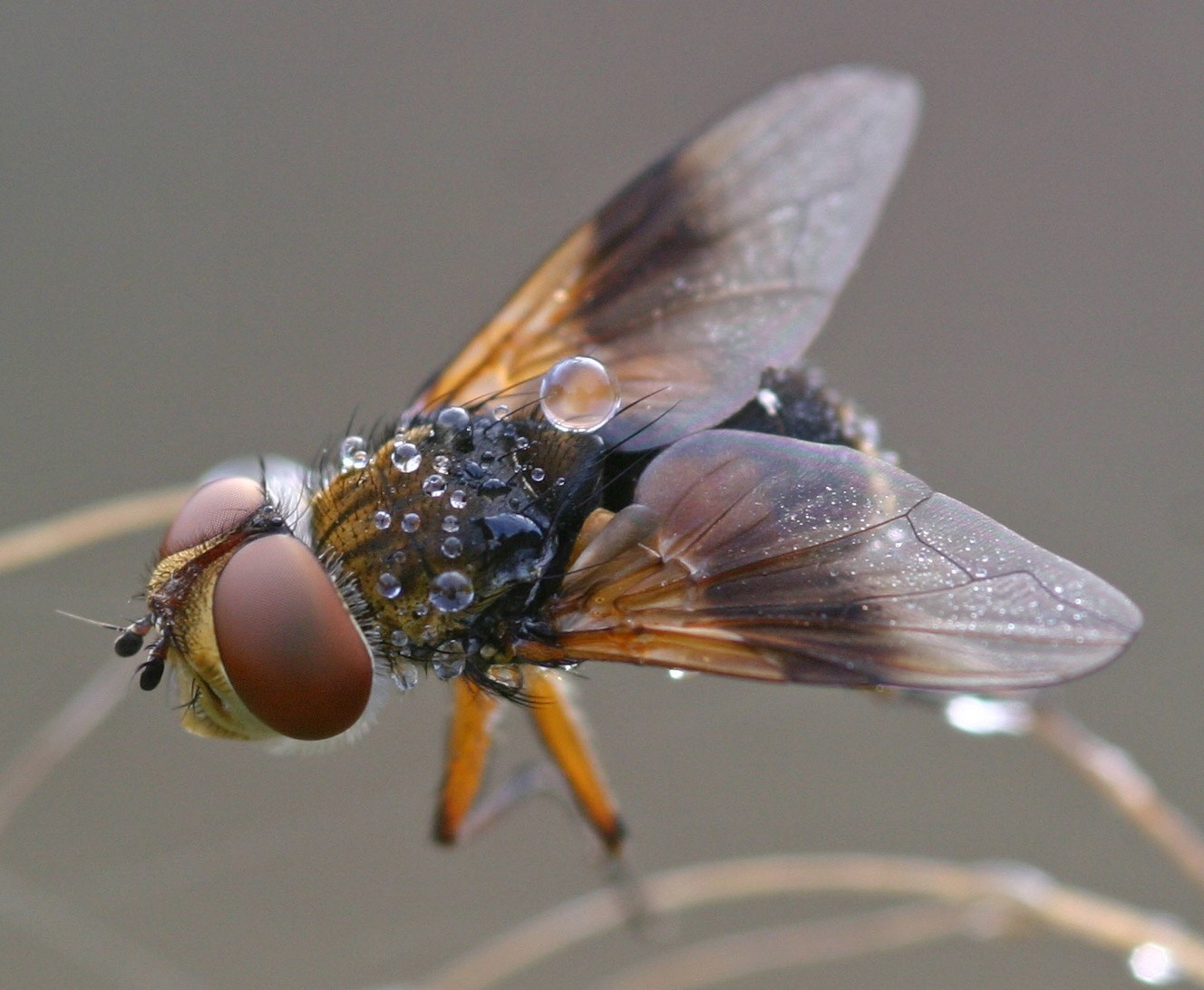
Tachinid Fly
Gardens, meadows, and woodlands wherever host caterpillars and other insects occur
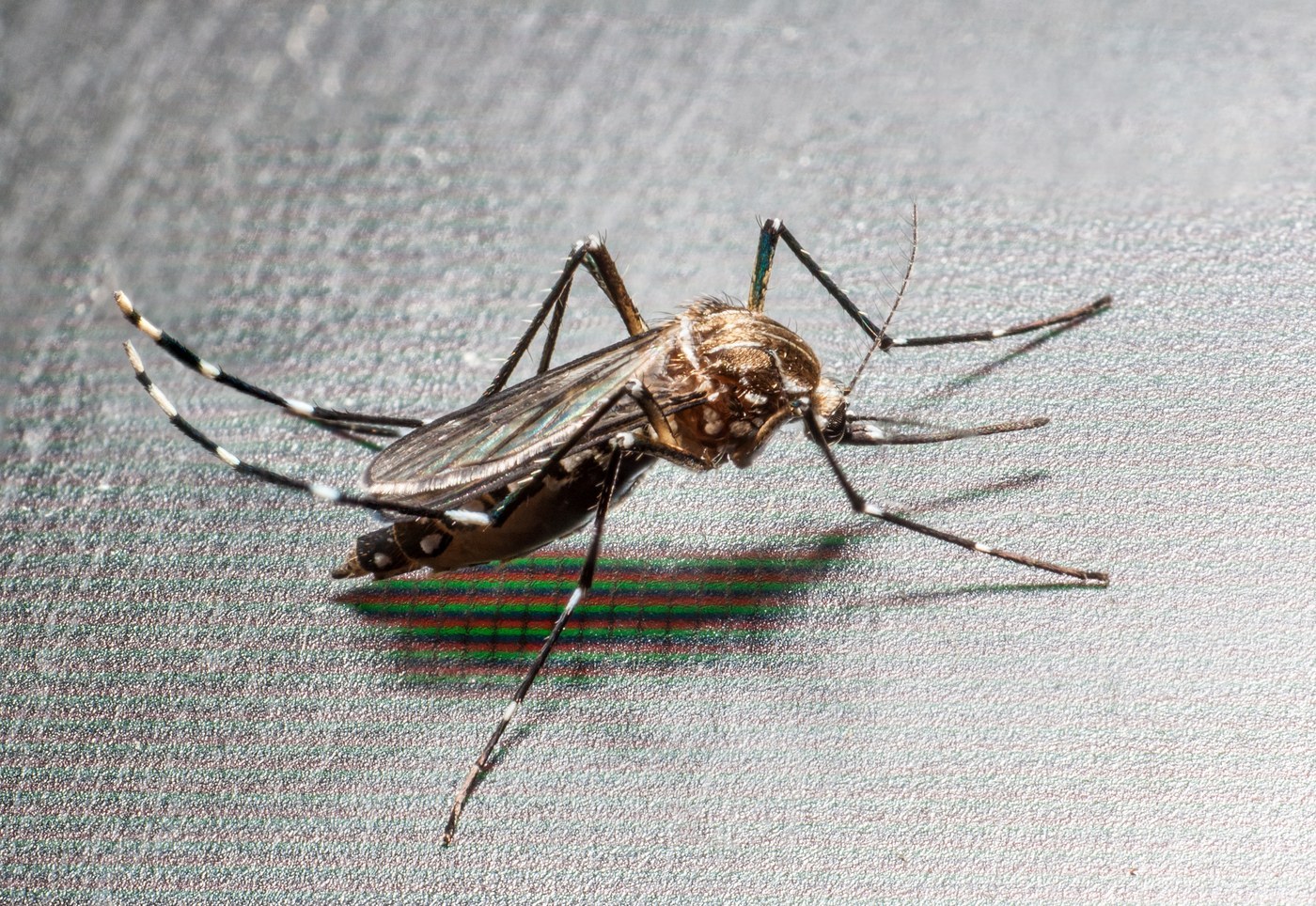
Asian Tiger Mosquito
Shaded urban and suburban areas near small water-holding containers, tires, and tree holes; native to Southeast Asia, now widespread
Tsetse Fly
Wooded savanna, riverine thickets, and forest edges across sub-Saharan Africa
Vinegar Fly
Around overripe fruit, compost, and fermenting materials worldwide
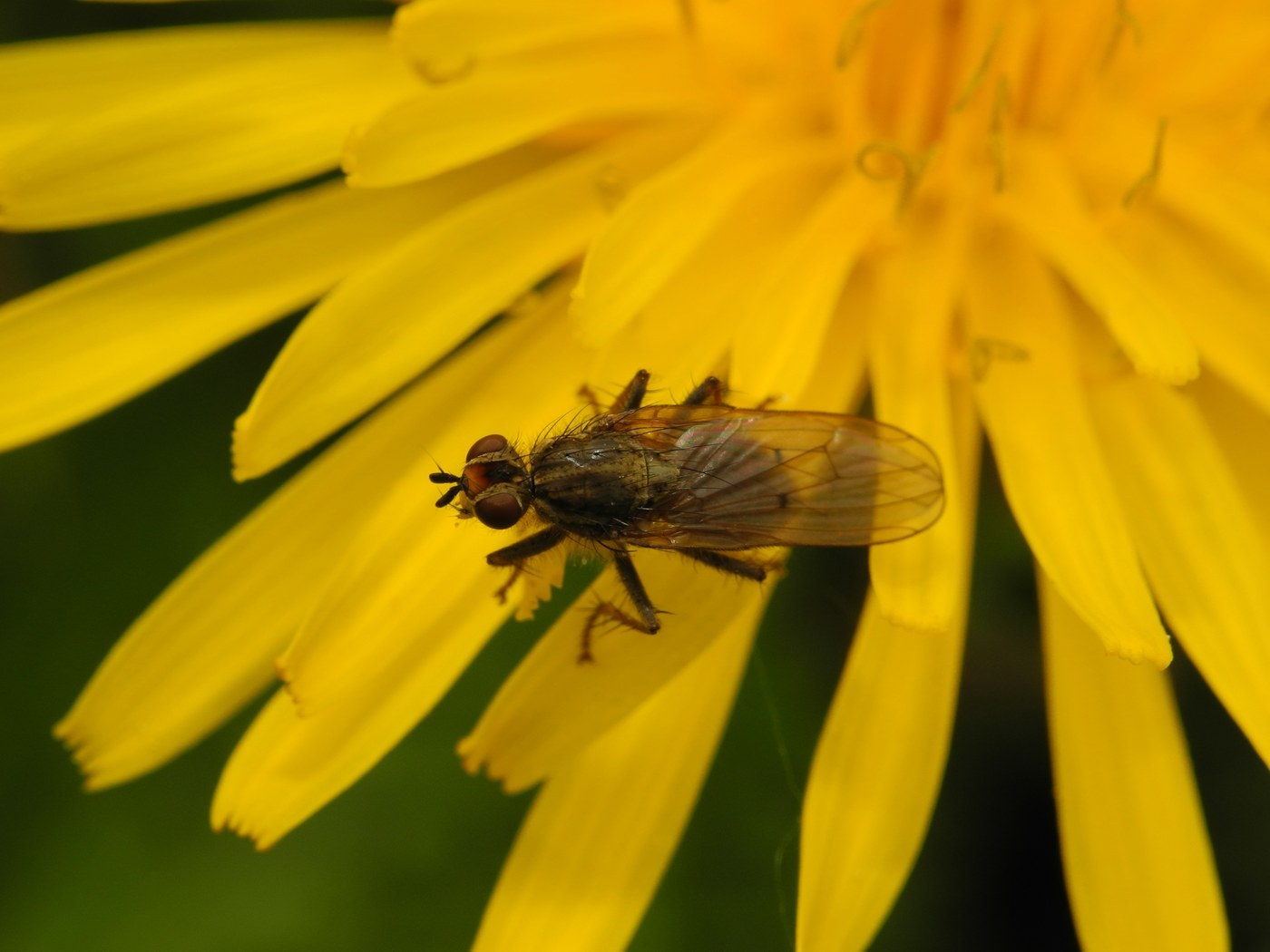
Yellow Dung Fly
Pastures and fields with fresh cattle dung
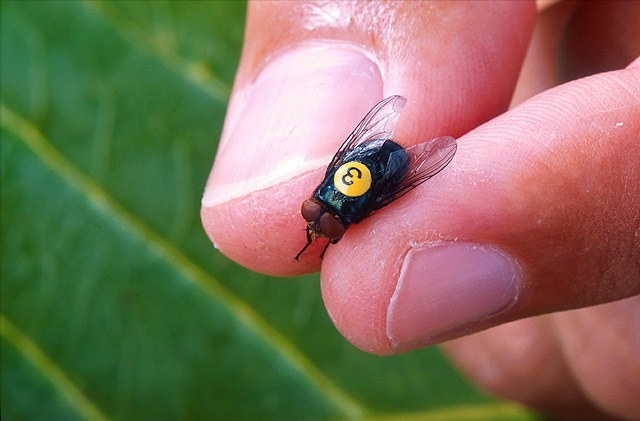
Screwworm Fly
Warm, humid lowlands of the Americas, especially near livestock and wildlife wounds
Soldier Fly
Wetland margins, decaying organic matter, and vegetation near water
Punkie
near marshes, mudflats, ponds, and other standing water