
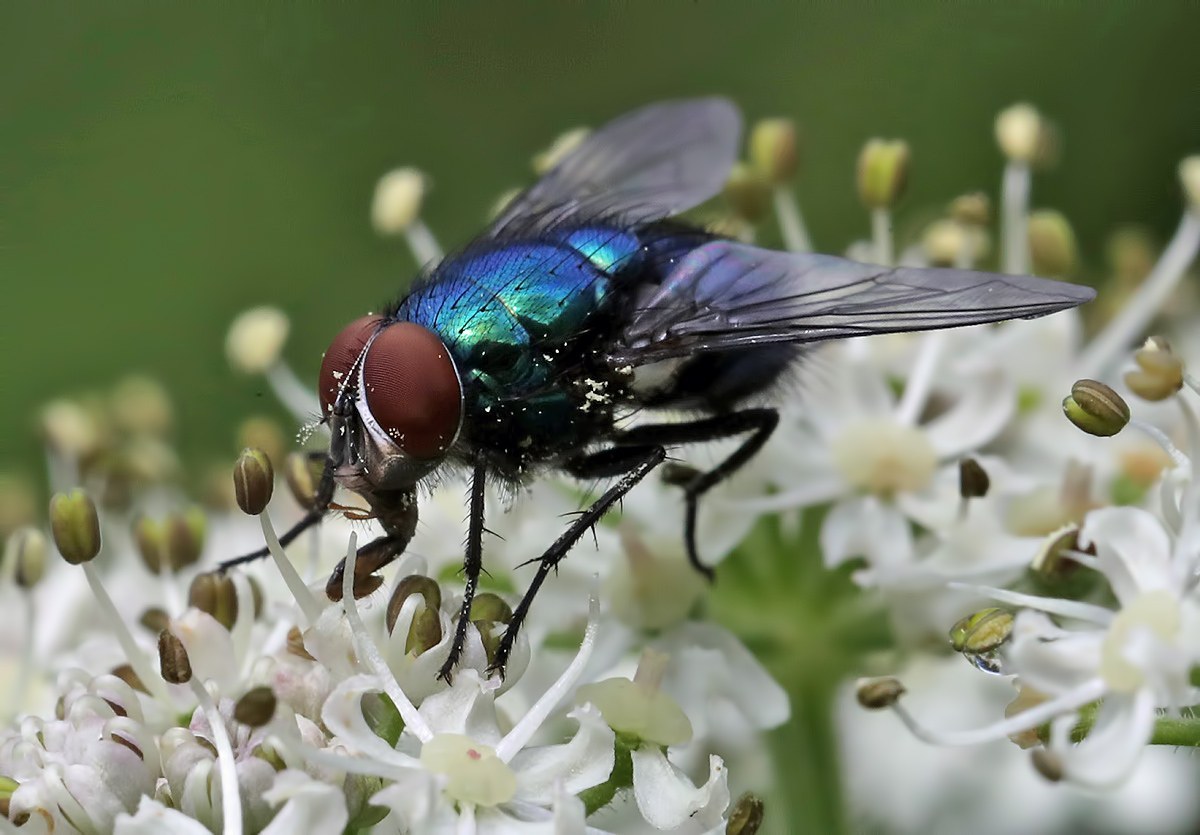
Bottle Fly
Calliphora vomitoria
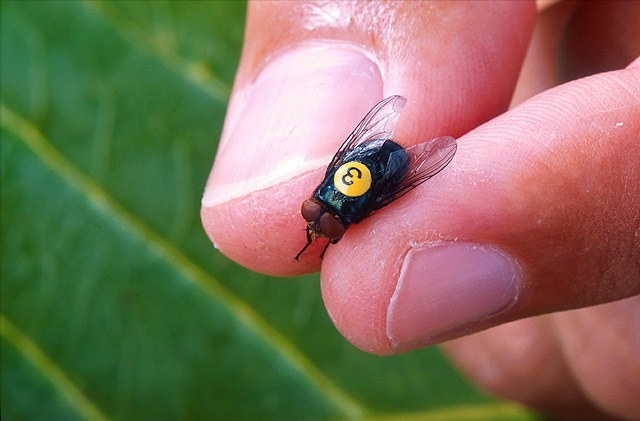
A stout fly with a shining, metallic blue body that produces a loud, deep buzz and is commonly seen darting around trash cans, compost, and outdoor gatherings.
- Size
- 10–14 mm
- Habitat
- Urban and suburban areas, gardens, near food waste
- Danger
- Nuisance pest
Spotted a bug like this?
Identify any bug or insect from a photo, free.
Overview
The bottle fly, most often referring to the blue bottle fly, belongs to the family Calliphoridae, commonly known as the blow flies. This large family of true flies is distributed worldwide and is easily recognized by the metallic sheen shared by most of its members.
Bottle flies play an important role as decomposers, being among the first insects to locate and colonize decaying organic material, which speeds up the breakdown of dead plant and animal matter in the environment. Their conspicuous coloring and loud flight make them one of the most familiar large flies encountered outdoors.
How to Identify
- Robust, thick-bodied fly, 10–14 mm long, roughly twice the size of a common house fly.
- Body covered in a shiny, metallic blue or blue-black sheen that catches the light.
- Large red compound eyes and short, bristly black antennae.
- Single pair of clear, veined wings; strong, loud, low-pitched buzzing flight.
- Lookalike: the closely related green bottle fly looks nearly identical but has a metallic emerald-green body instead of blue.
Habitat & Range
Found nearly worldwide in temperate and subtropical climates, especially in urban, suburban, and agricultural settings. Adults are active from spring through fall and are frequently seen around garbage areas, compost, outdoor food, and gardens, often basking on sunlit surfaces.
Behavior & Diet
Adults feed on nectar, decaying organic matter, and sugary substances, using their sponging mouthparts to lap up liquids. Females are strongly attracted to carrion and other decomposing material, where they lay eggs so larvae can feed and develop. As decomposers, bottle flies help recycle nutrients back into the ecosystem and serve as a food source for birds, spiders, and other predators.
Life Cycle
Bottle flies undergo complete metamorphosis. Females lay batches of eggs on decaying organic matter, which hatch within a day into legless maggots that feed and grow rapidly through several molts. Pupation occurs in a hardened brown case in nearby soil, and adults emerge within one to two weeks under warm conditions; multiple generations occur per year in warmer climates.
Frequently asked questions
What is the difference between a bottle fly and a house fly?
Bottle flies are larger and have a shiny metallic blue body, while house flies are duller gray with four dark stripes on the thorax.
Are blue bottle flies and green bottle flies the same?
They are closely related but distinct species; blue bottle flies have a blue metallic sheen while green bottle flies are metallic green.
Why are bottle flies attracted to garbage?
They are drawn to decaying organic matter, which provides both a food source for adults and a place to lay eggs.
How long does it take a bottle fly to develop from egg to adult?
Under warm conditions development can take as little as one to two weeks, allowing several generations per year.
Bottle Fly guides
In-depth guides for identifying, understanding, and living alongside Bottle Fly.
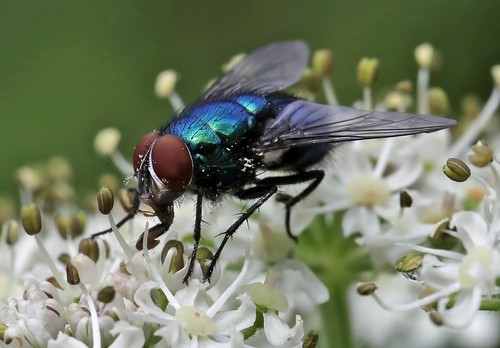
Bottle Fly identified by the community
Real finds identified with Bug Identifier.
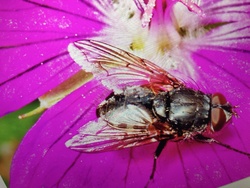
Other bugs you may enjoy
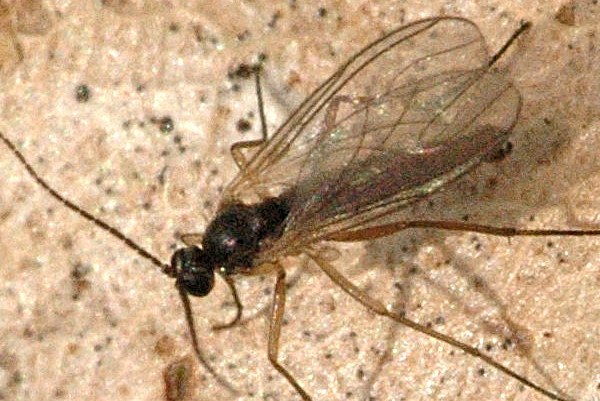
Aphid Midge
Gardens, greenhouses, and crops with aphids
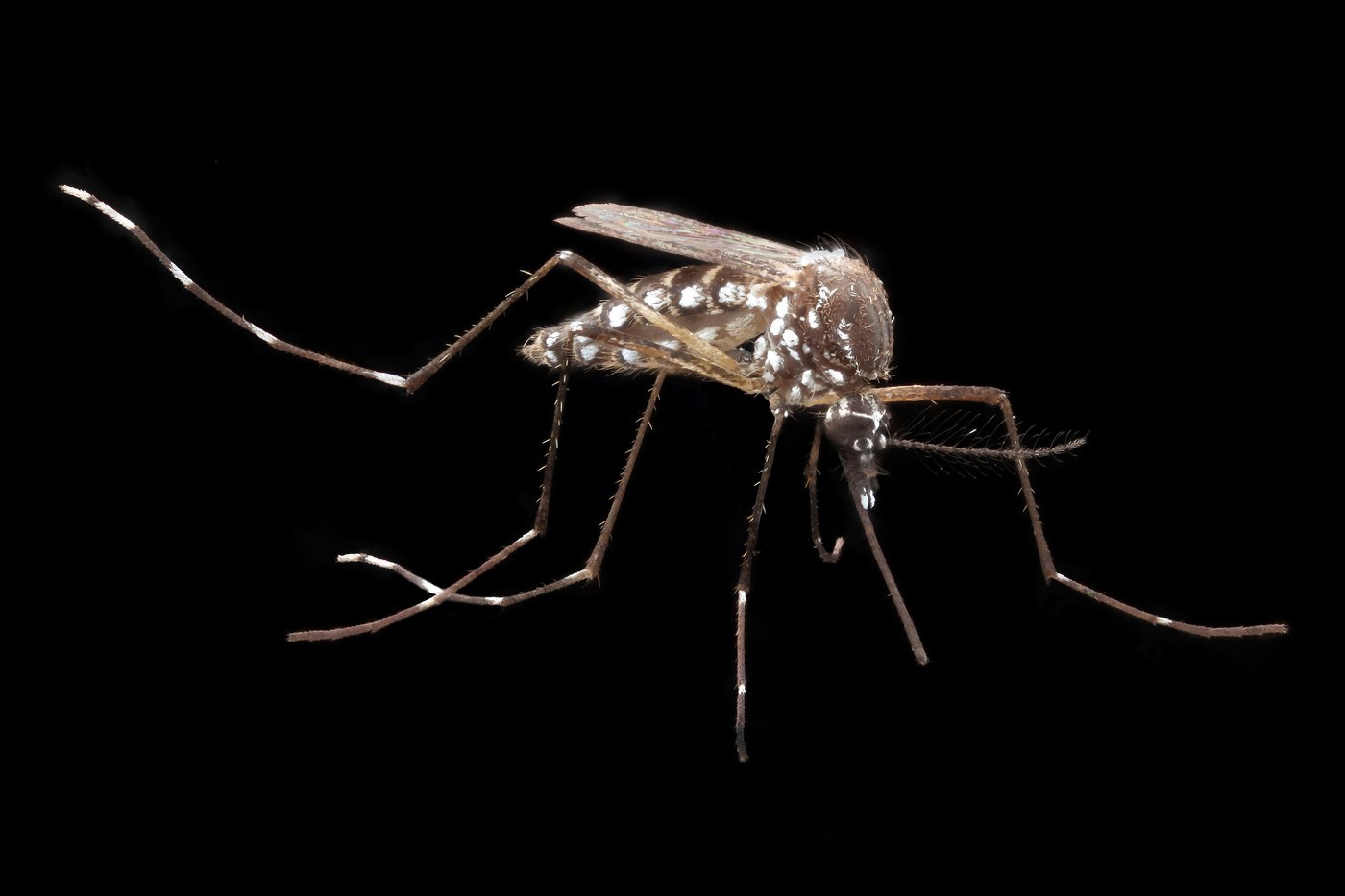
Yellow Fever Mosquito
Urban and peri-urban areas near small artificial water containers in tropical and subtropical regions worldwide
Root Maggot
Garden and field soil around the roots of cole crops and other vegetables
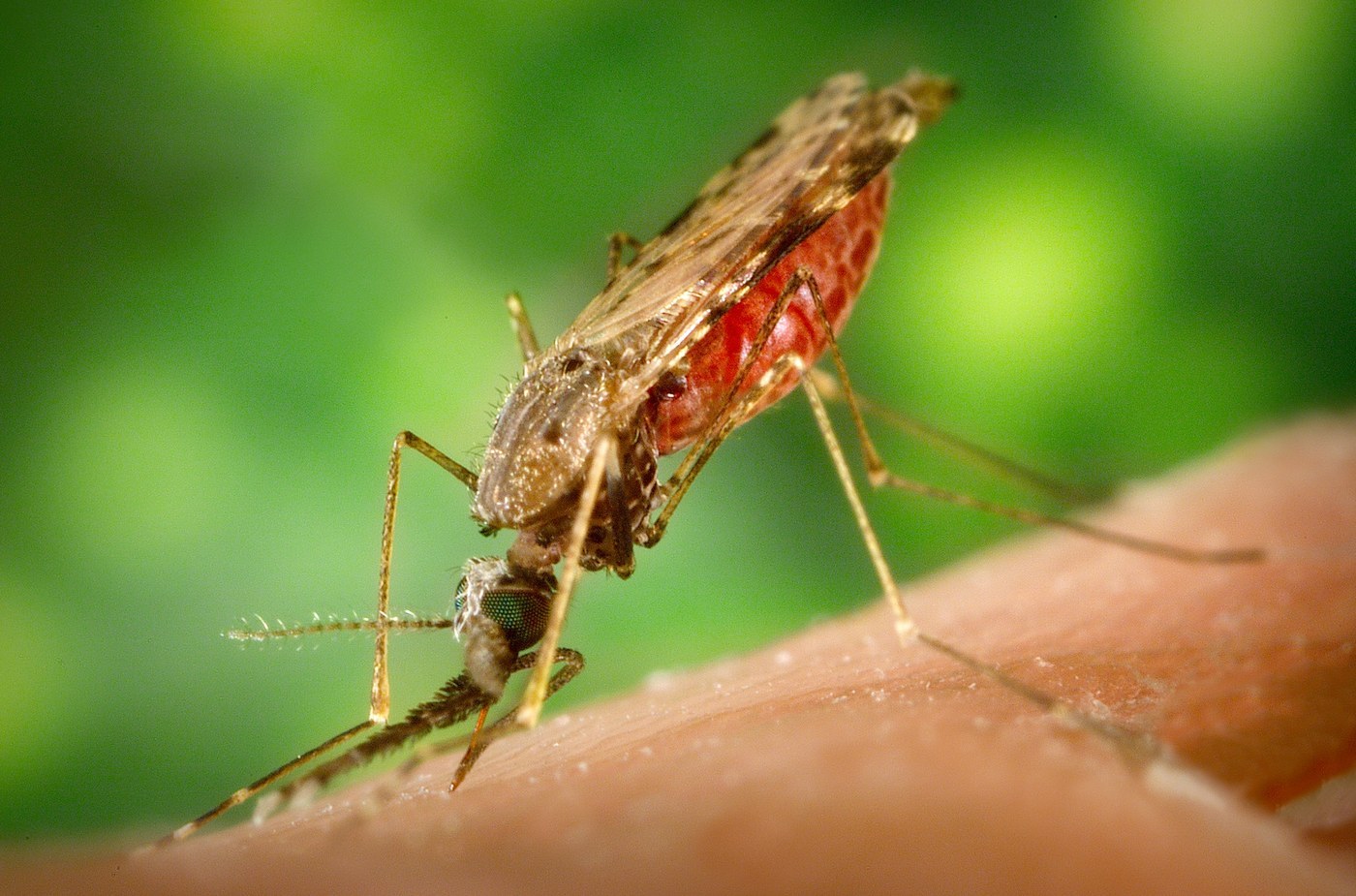
Anopheles Mosquito
Clean, still or slow-moving freshwater habitats such as marshes, ponds, and rice paddies
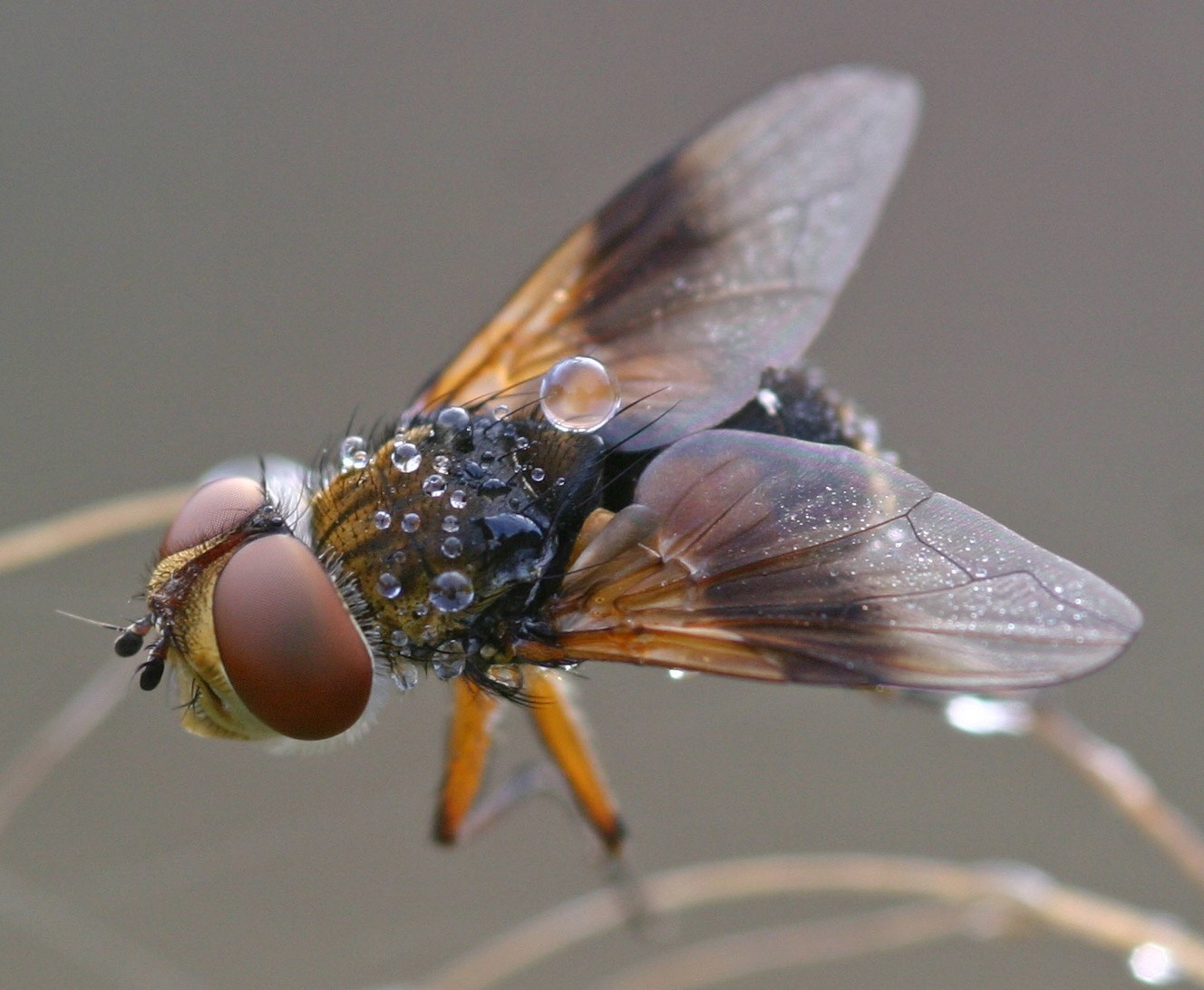
Tachinid Fly
Gardens, meadows, and woodlands wherever host caterpillars and other insects occur
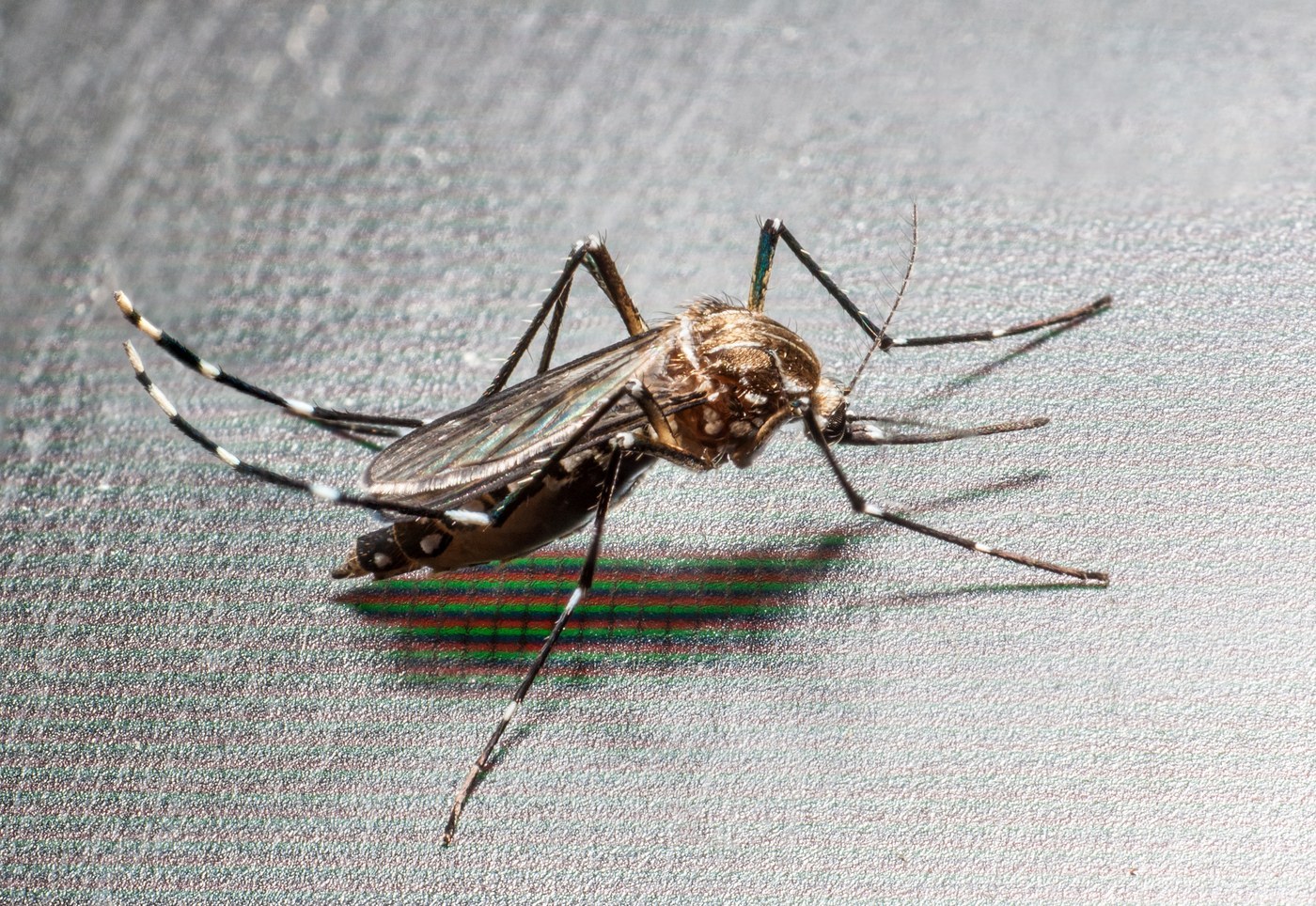
Asian Tiger Mosquito
Shaded urban and suburban areas near small water-holding containers, tires, and tree holes; native to Southeast Asia, now widespread
Tsetse Fly
Wooded savanna, riverine thickets, and forest edges across sub-Saharan Africa
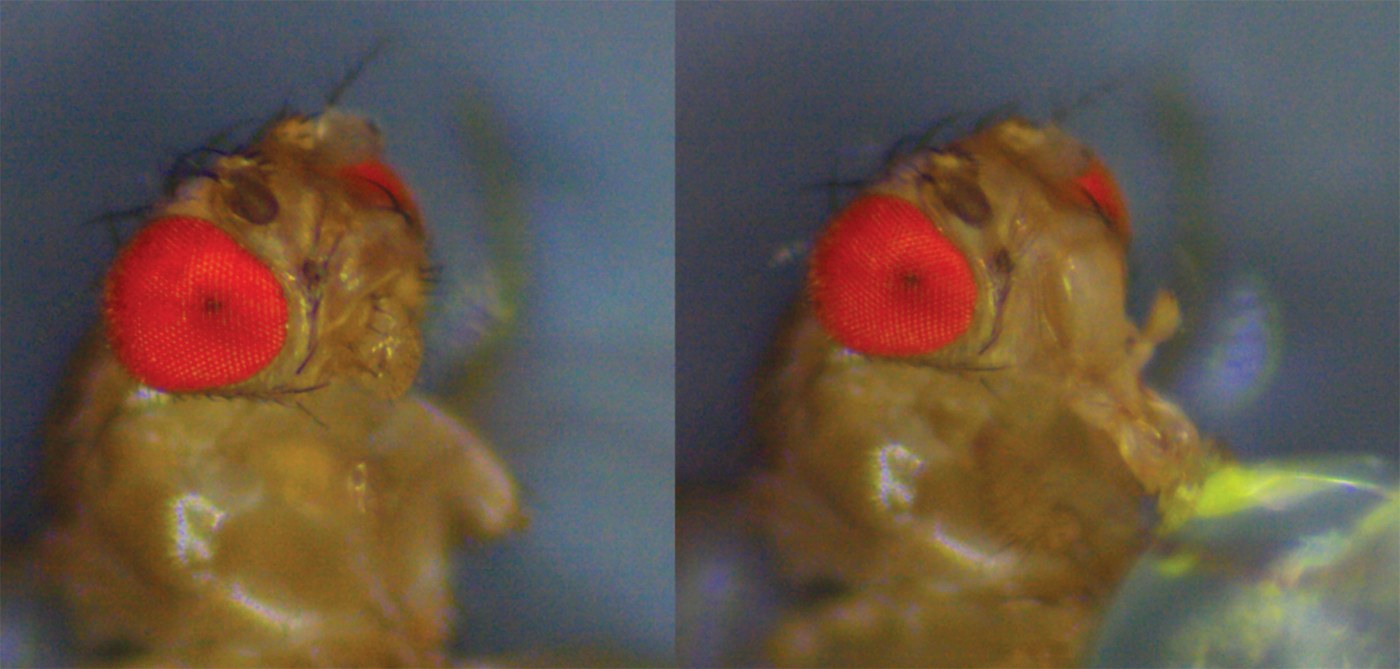
Vinegar Fly
Around overripe fruit, compost, and fermenting materials worldwide
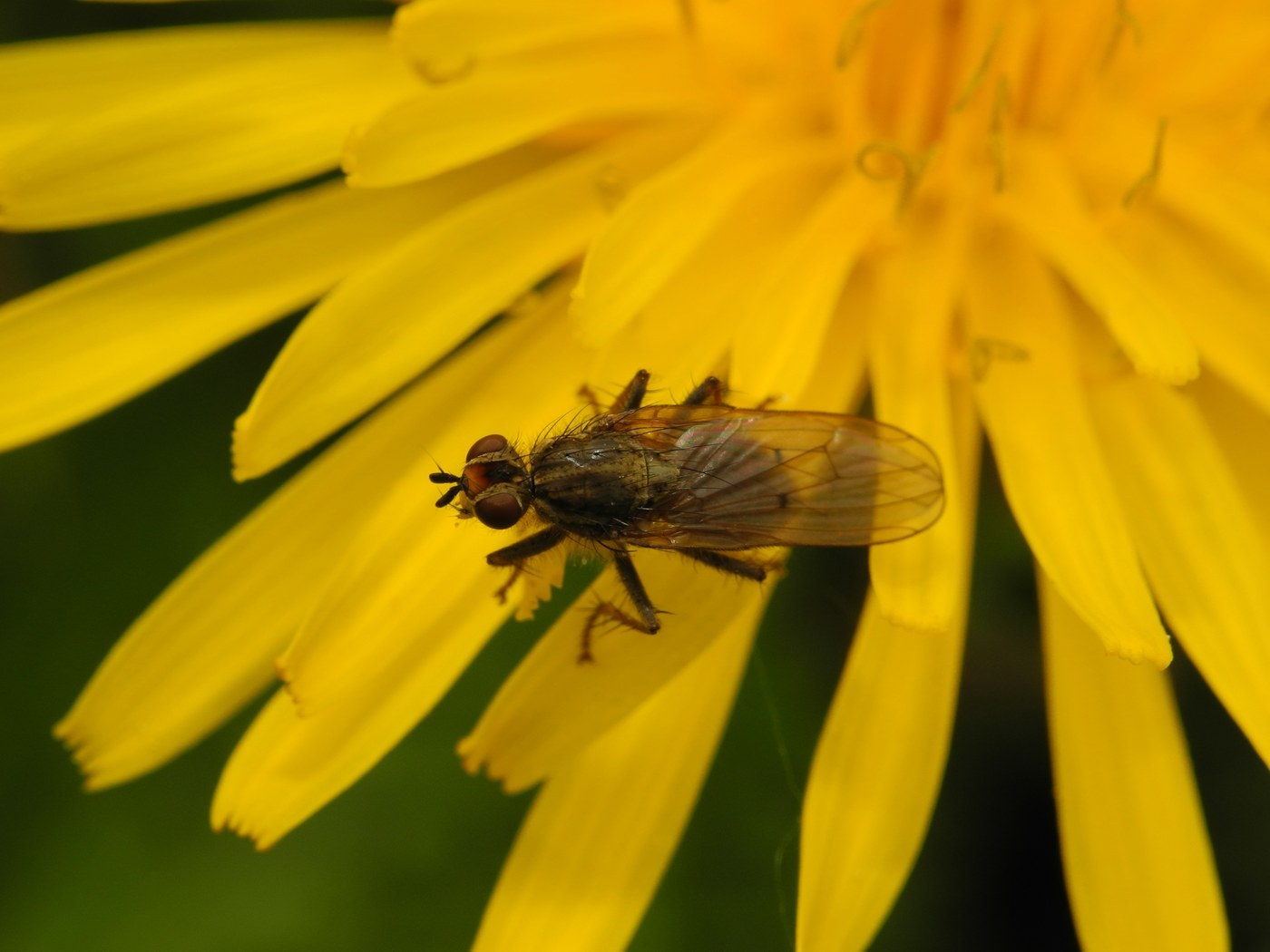
Yellow Dung Fly
Pastures and fields with fresh cattle dung
Screwworm Fly
Warm, humid lowlands of the Americas, especially near livestock and wildlife wounds
Soldier Fly
Wetland margins, decaying organic matter, and vegetation near water
Punkie
near marshes, mudflats, ponds, and other standing water