
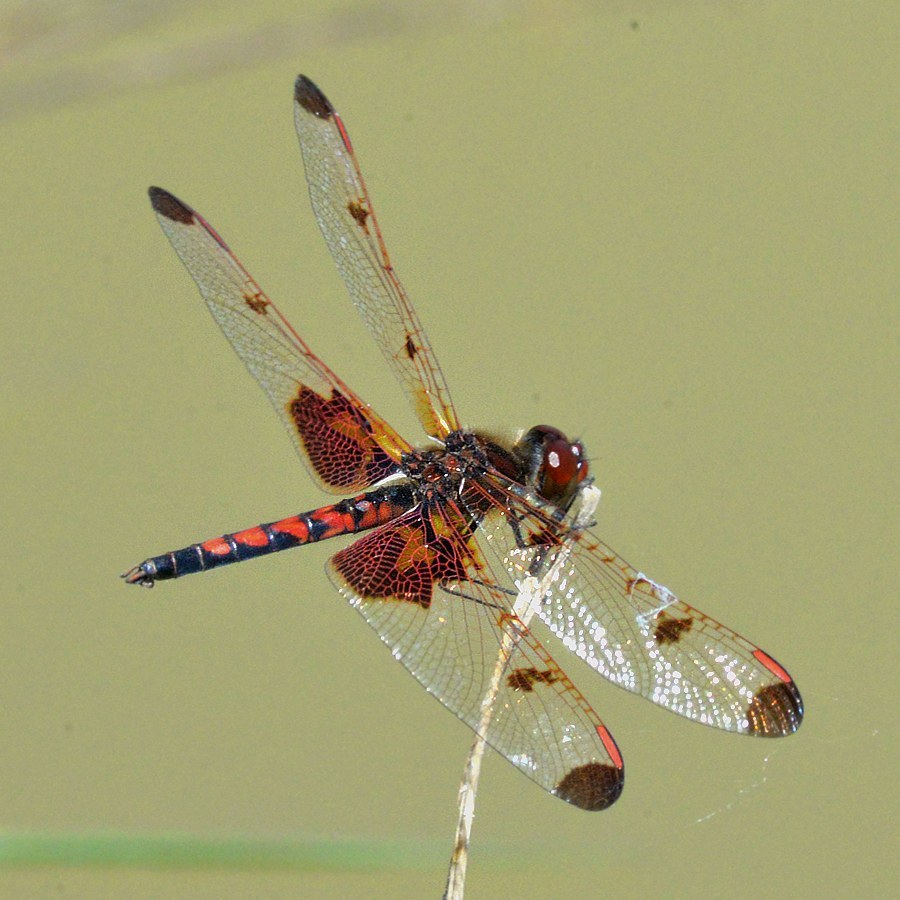
Calico Pennant
Celithemis elisa
This small, boldly patterned skimmer flashes red or yellow wing patches and heart-shaped abdominal spots as it flutters low over pond vegetation like a tiny pennant flag.
- Size
- Body length about 1-1.3 in (25-33 mm), small skimmer
- Habitat
- Ponds, lakes, and marshes with abundant vegetation
- Danger
- Harmless
Spotted a bug like this?
Identify any bug or insect from a photo, free.
Overview
The Calico Pennant is a small, vividly marked dragonfly in the skimmer family, widespread across the eastern half of the United States and southeastern Canada. Its common name refers to its habit of perching at the tips of grass stems and twigs with wings held slightly downward and forward, fluttering like a small flag or pennant in the breeze.
Both sexes display strong wing patterning with dark bands and colored patches near the base, along with a row of distinctive heart- or triangle-shaped spots down the top of the abdomen, making this one of the more easily recognized small skimmers.
How to Identify
- Males: red-orange wing patches near the base and red heart-shaped spots along the abdomen
- Females and immatures: yellow wing patches and yellow abdominal spots instead of red
- Both sexes show a dark brown to black band across each wing in addition to the colored basal patch
- Small, slender build compared to larger skimmers
- Similar Halloween Pennant is larger with more extensively amber-tinted wings and lacks the neat row of heart-shaped spots
Habitat & Range
Calico Pennants inhabit ponds, small lakes, and marshy wetlands with dense aquatic and emergent vegetation, which they use both for perching and egg-laying. The species ranges widely across the eastern United States and into southeastern Canada, generally west to the Great Plains. Adults are on the wing from late spring through summer.
Behavior & Diet
This dragonfly commonly perches horizontally at the very tips of grass stems, sedges, or twigs, holding its wings out and slightly down in the characteristic pennant pose while scanning for prey and mates. Adults feed on small flying insects captured in flight, including gnats, mosquitoes, and other tiny insects that they snatch near the vegetation. The aquatic nymphs are predators among pond plants, preying on small invertebrates and contributing to the food web as prey themselves for fish, birds, and other predators.
Life Cycle
Females lay eggs by tapping the water surface among vegetation, often while a paired male hovers nearby to guard her. Eggs hatch into aquatic nymphs that live among submerged plants, developing over roughly one year in most of their range while feeding on small aquatic invertebrates. After completing several molts, the mature nymph climbs a plant stem out of the water to emerge as a winged adult through incomplete metamorphosis. Adults live for a few weeks, during which they feed, establish perches, and reproduce before the cycle begins anew.
Frequently asked questions
Why is it called the Calico Pennant?
Its patchy, multicolored wing markings resemble calico fabric, and its habit of perching with wings held out like a small flag gives rise to the 'pennant' part of the name.
How do you tell males and females apart?
Males show red-orange wing patches and red abdominal spots, while females and immature males have yellow wing patches and yellow spots instead.
What is a good way to identify this species from a distance?
Look for a small dragonfly perched at the very tip of a grass stem with a row of heart-shaped spots along the top of its abdomen and colored patches at the wing bases.
What time of year are Calico Pennants most active?
They are typically seen from late spring through summer across their eastern North American range.
Calico Pennant guides
In-depth guides for identifying, understanding, and living alongside Calico Pennant.
Other bugs you may enjoy
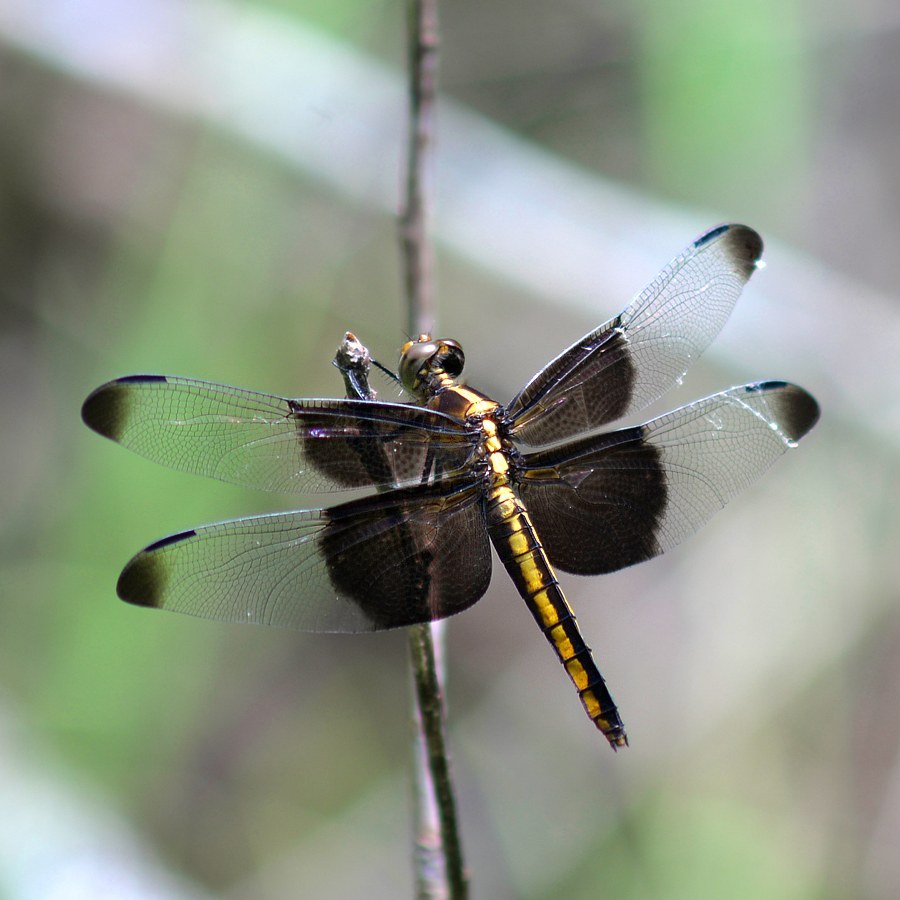
Widow Skimmer
ponds, lakes, and slow-moving streams with open shoreline vegetation across much of the United States
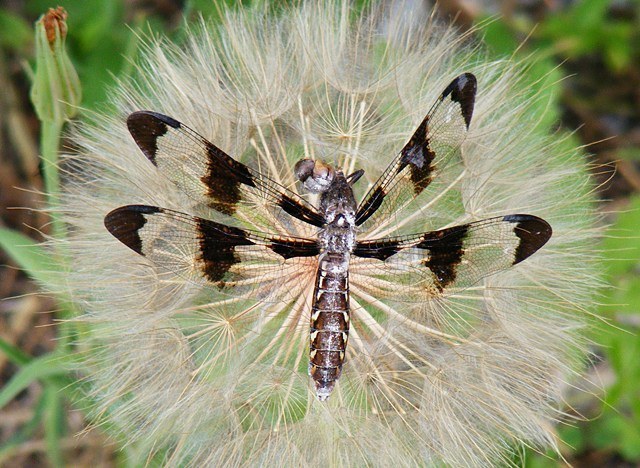
Twelve-spotted Skimmer
Ponds, lakes, and slow streams with open, sunny shorelines
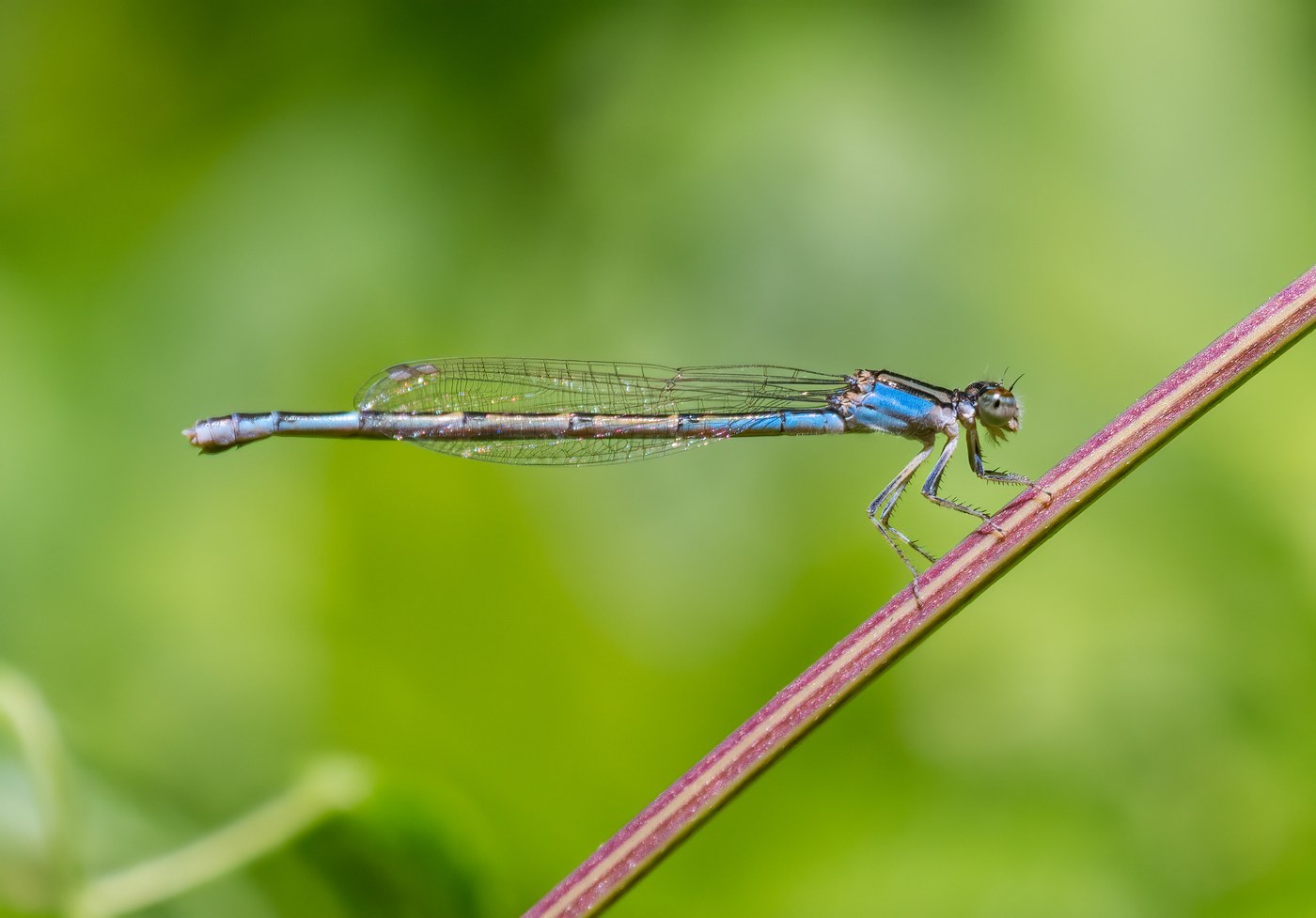
Azure Bluet
ponds, lakes, and slow streams with abundant aquatic vegetation
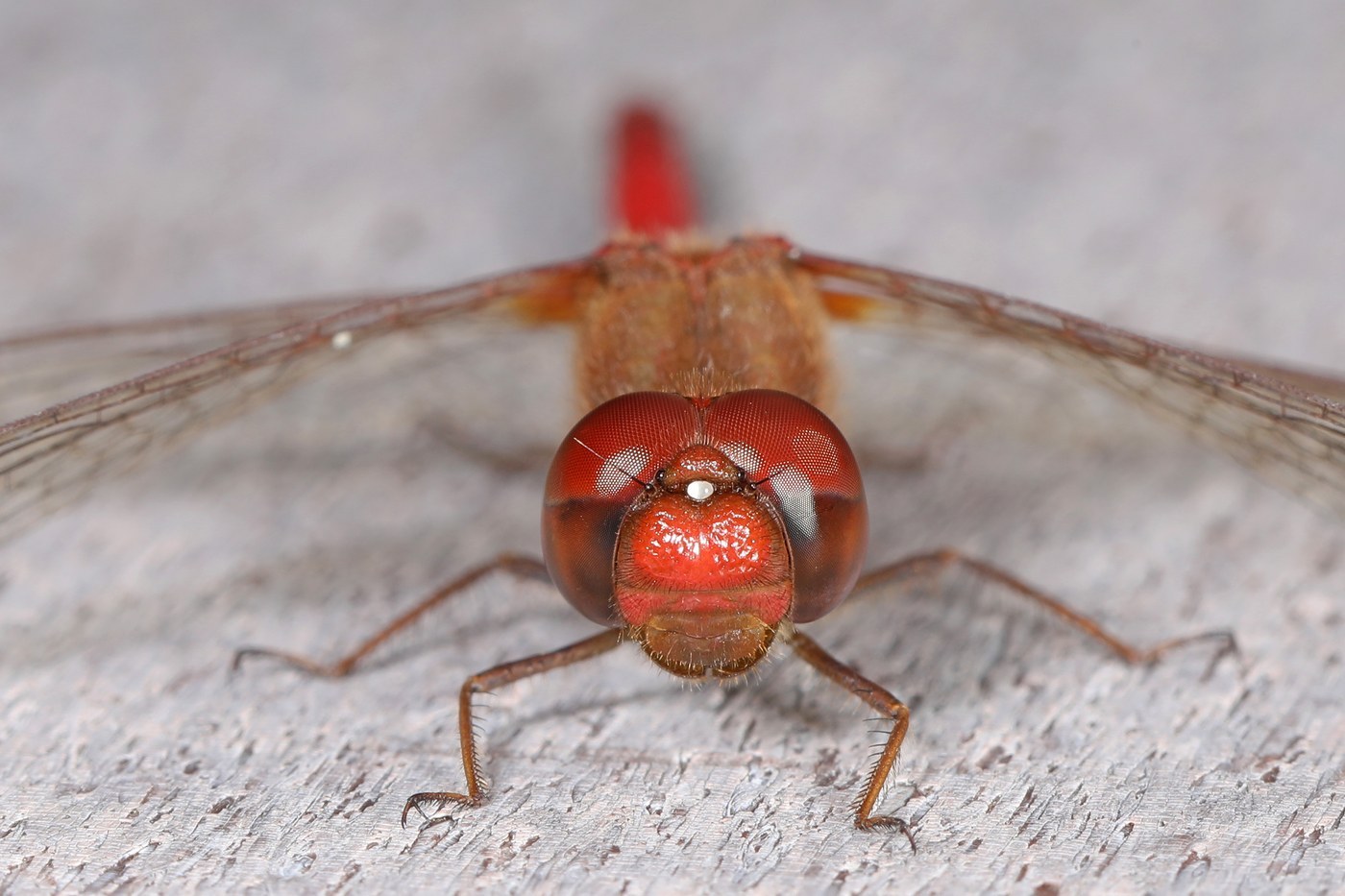
Autumn Meadowhawk
Ponds, marshes, and slow streams, often lingering into late fall
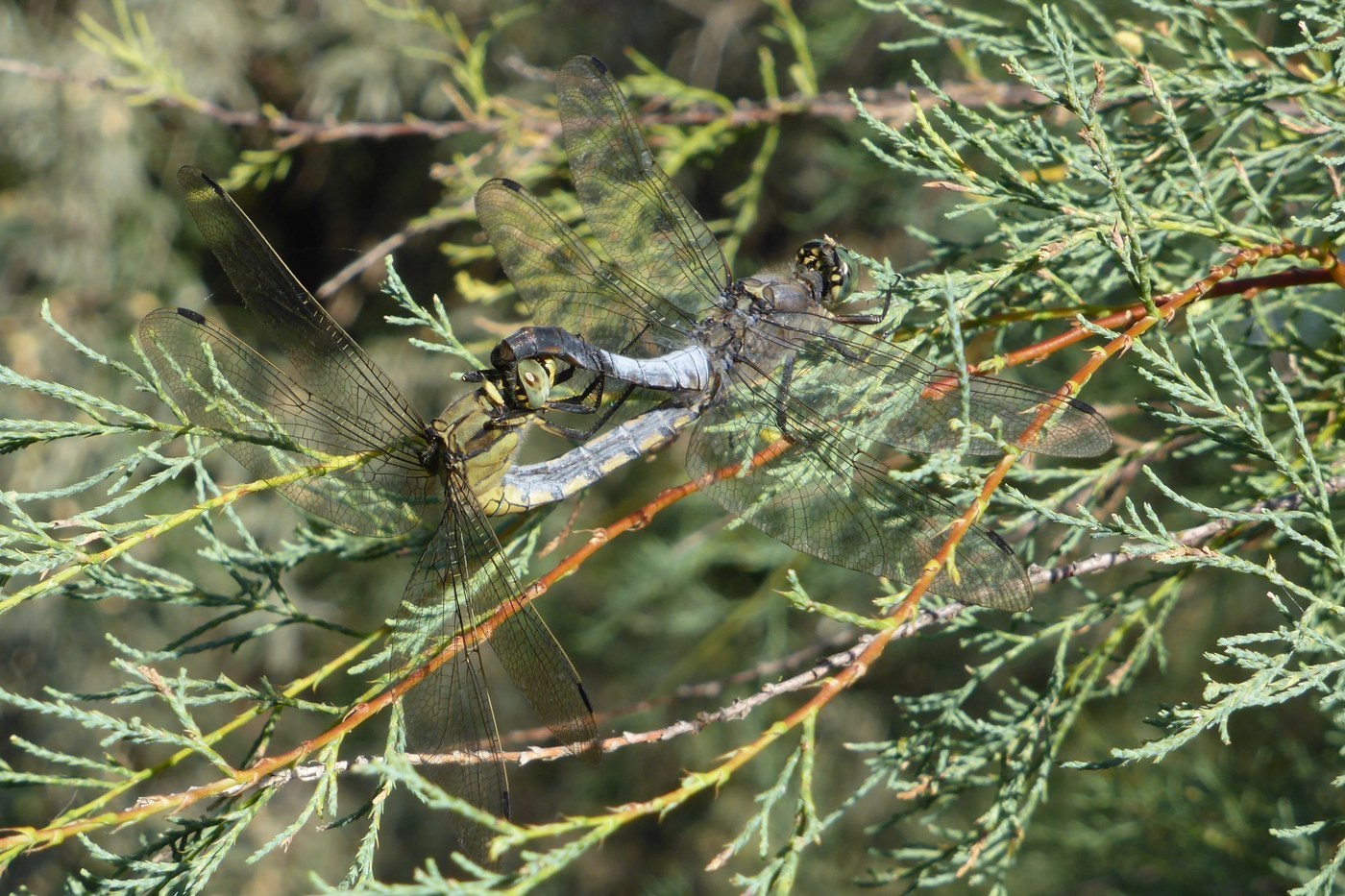
Spangled Skimmer
Ponds, lakes, and marshes with open sunny shorelines
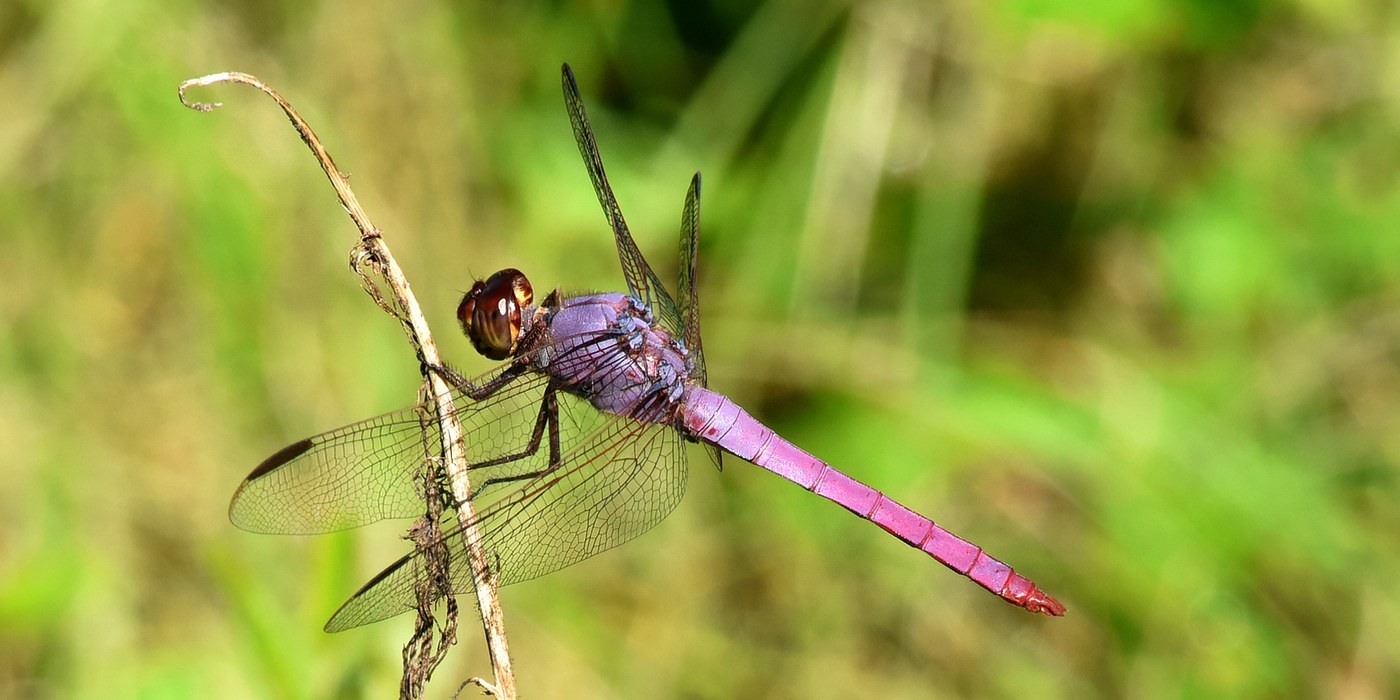
Roseate Skimmer
Ponds, ditches, and canals across the southern United States
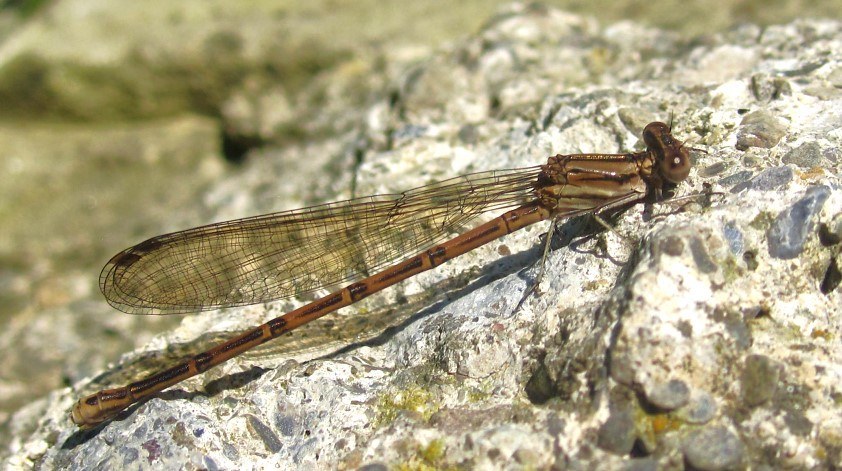
Variable Dancer
streams, rivers, and pond margins, especially in wooded or partly shaded settings
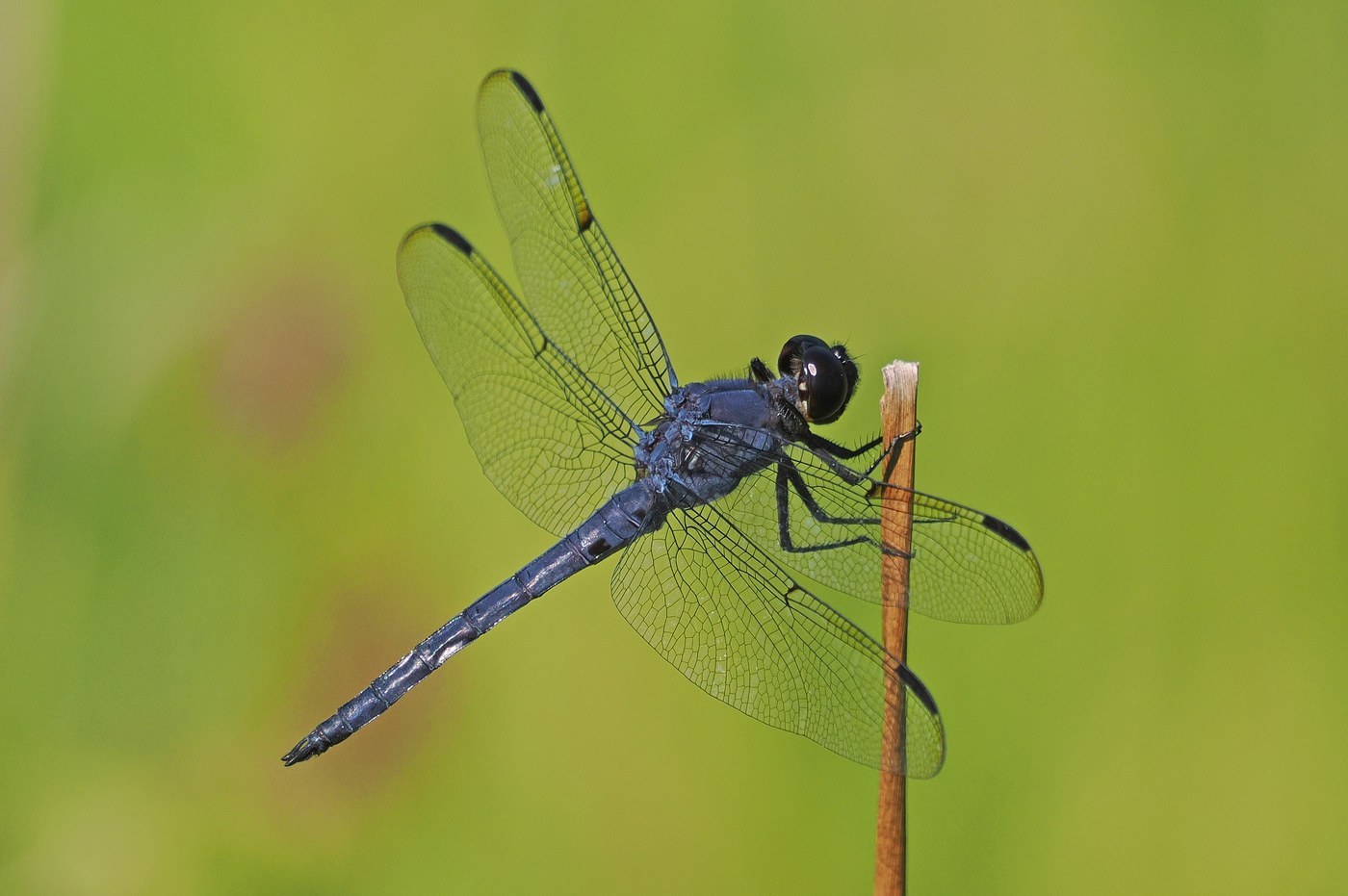
Slaty Skimmer
Still or slow-moving ponds, lakes, and marshes with open shoreline
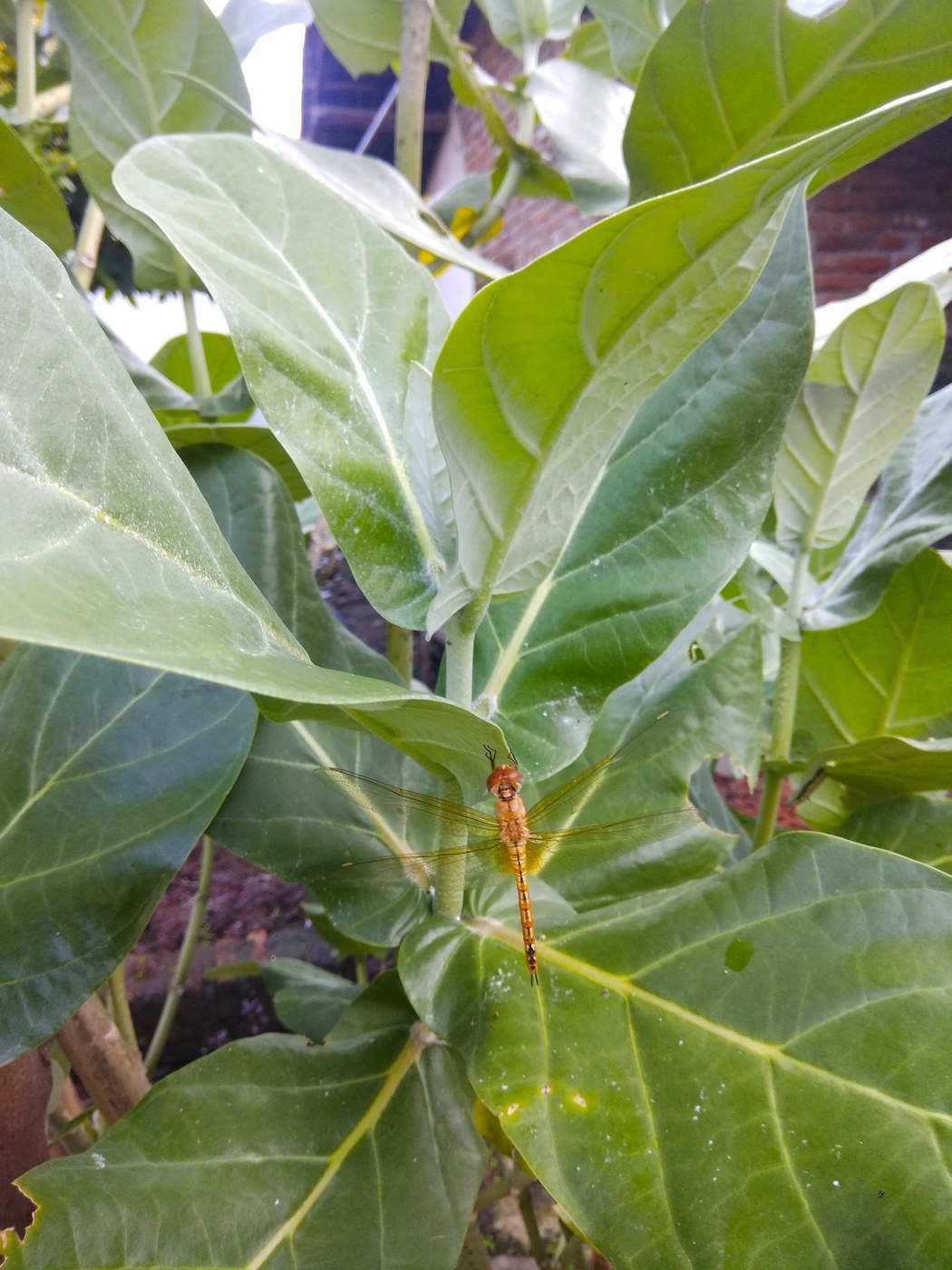
Wandering Glider
Temporary pools, open fields, and coastlines nearly worldwide
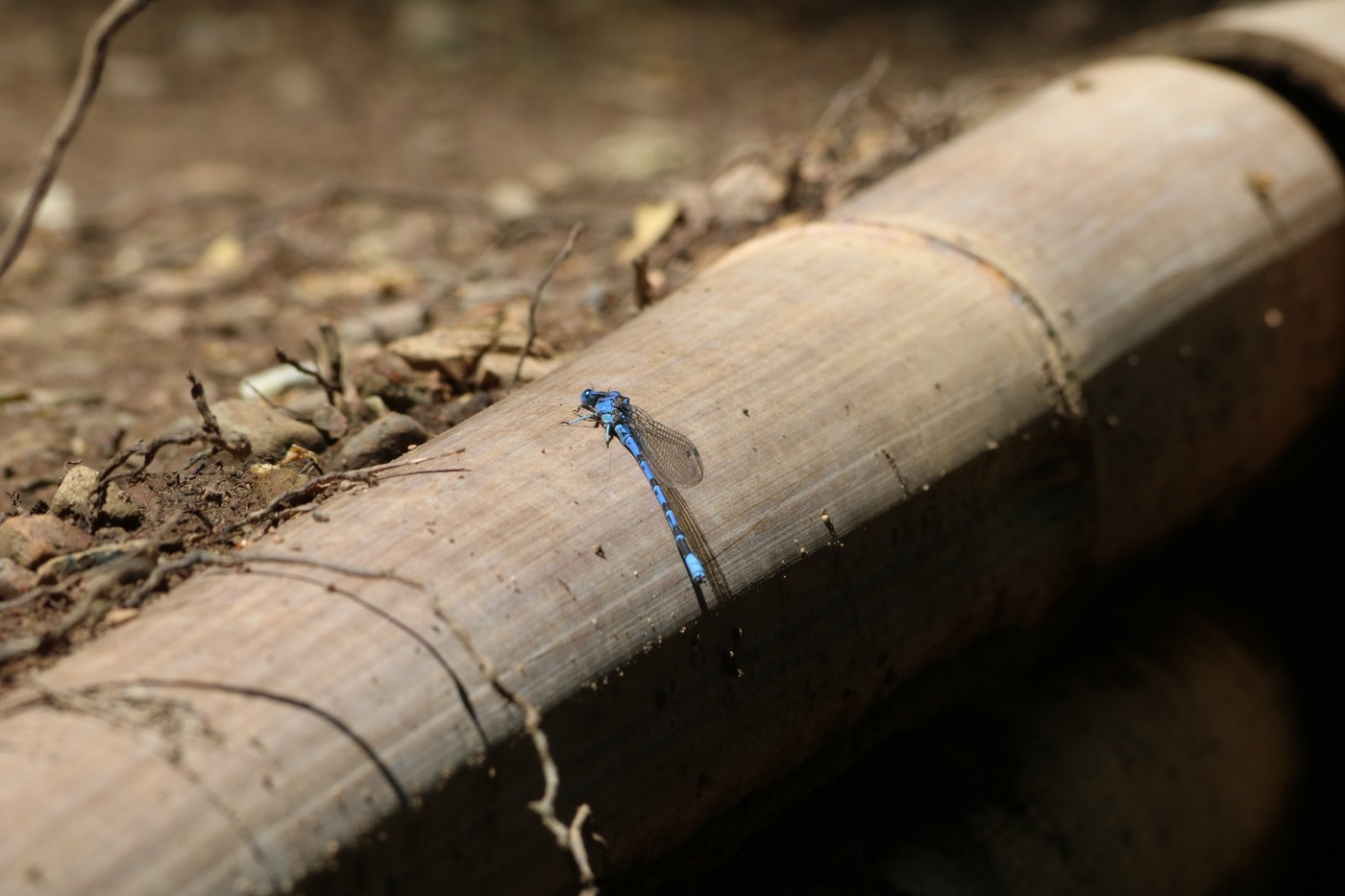
Vivid Dancer
rocky streams, seeps, and spring-fed creeks, often near thermal or warm springs
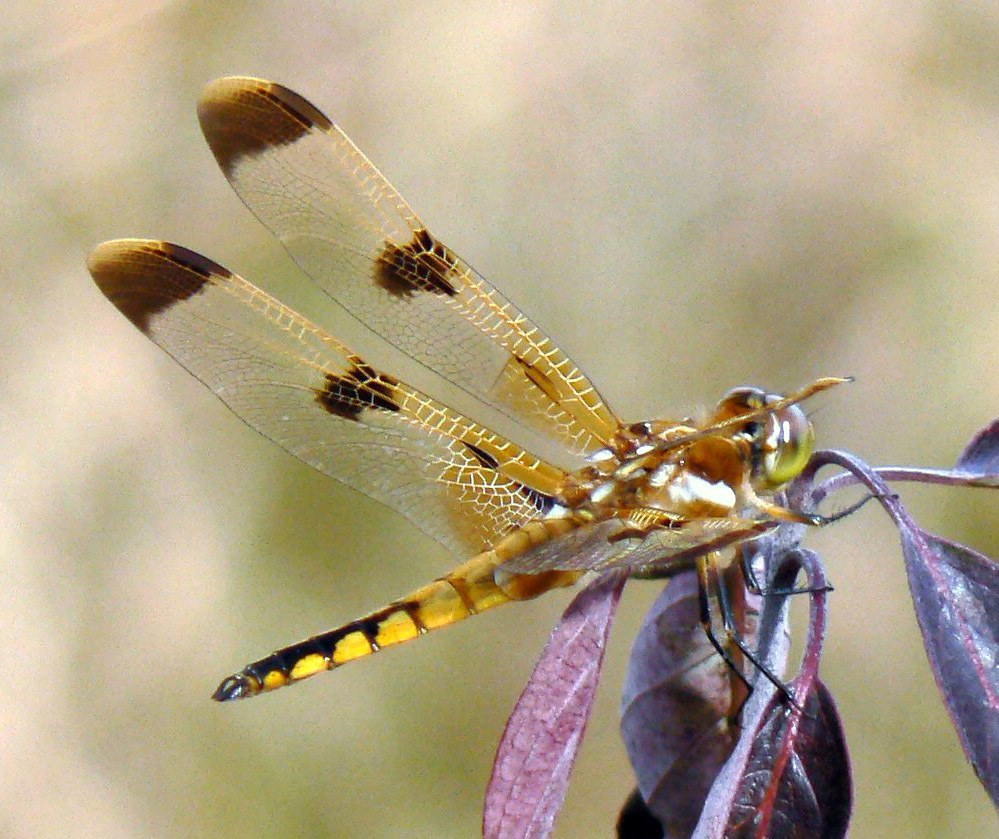
Painted Skimmer
Ponds, marshes, and slow-moving vegetated waters, including temporary pools
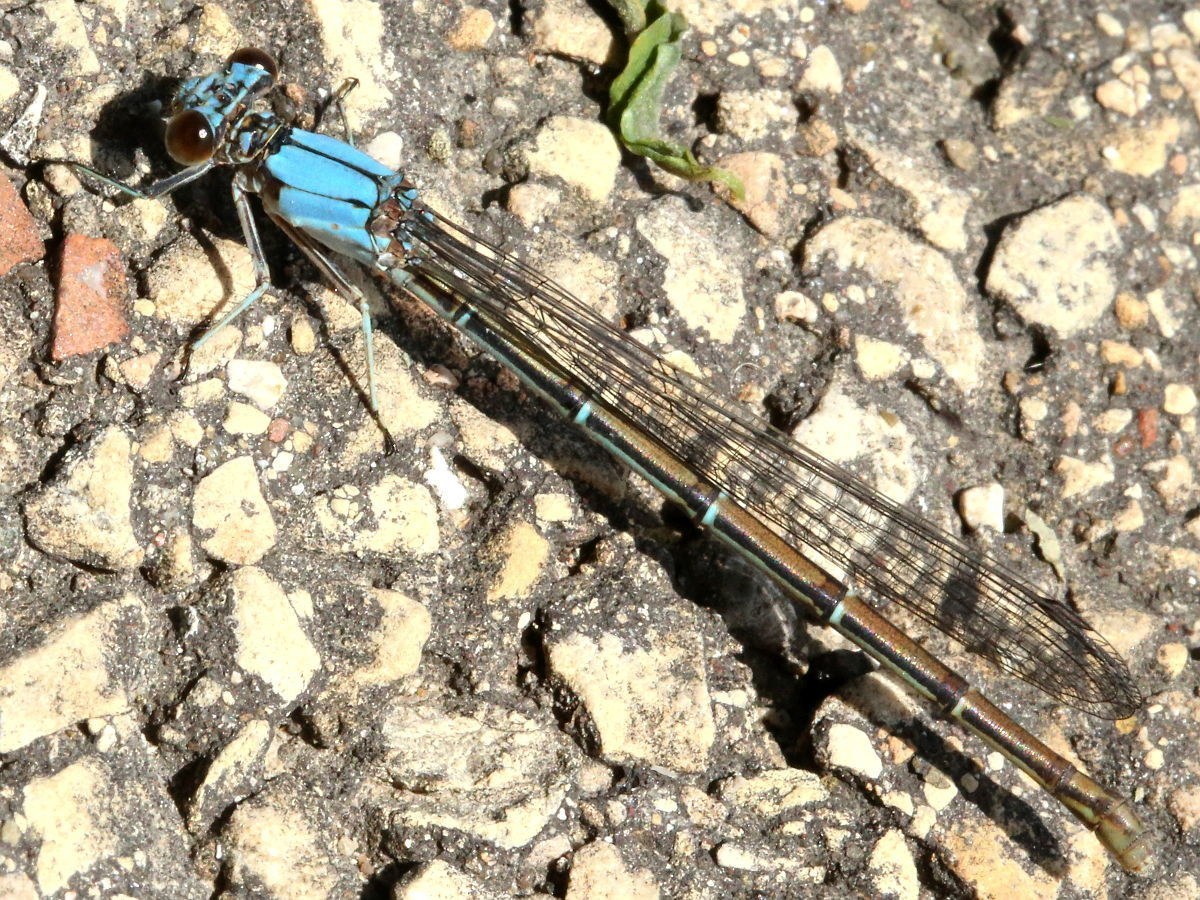
Powdered Dancer
rocky and gravelly rivers, streams, and lake shorelines