
Camel Spider
Galeodes spp.
A fast-running desert arachnid, neither a true spider nor scorpion, with enormous jaw-like chelicerae and a reputation exaggerated far beyond its actual behavior.
- Size
- 50-150 mm total length including legs and chelicerae
- Habitat
- Arid deserts, sandy dunes, and dry scrubland
- Danger
- Bites
Spotted a bug like this?
Identify any bug or insect from a photo, free.
Overview
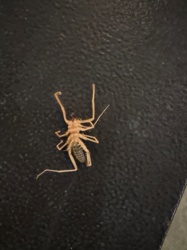
Camel spiders belong to the arachnid order Solifugae, a group distinct from true spiders and scorpions, sometimes called wind scorpions or sun spiders. They are best recognized by their disproportionately large, forward-projecting chelicerae, which resemble a second pair of jaws and are used to seize and crush prey, along with a segmented, hairy abdomen and remarkably fast running speed across open desert terrain.
Despite widespread internet myths depicting camel spiders as oversized predators capable of chasing down and devouring large animals, they lack venom glands entirely and are not true spiders. Much of their exaggerated reputation stems from misidentified photographs and folklore circulated among military personnel stationed in desert regions, and actual behavior is far more modest: camel spiders are opportunistic nocturnal hunters of much smaller prey.
Globally, several hundred species within the order Solifugae are found across arid and semi-arid regions of Africa, the Middle East, Asia, and the Americas, with the genus Galeodes representing some of the most commonly encountered forms in the Middle East and Central Asia.
How to Identify
- Large, tan to yellowish-brown, densely hairy body divided into a segmented abdomen and a distinct head-like prosoma
- Enormous, forward-pointing chelicerae composed of two opposing segments, often as long as the head itself
- Long, leg-like pedipalps used for sensing and grasping, in addition to four pairs of true walking legs
- No silk-producing spinnerets and no venom glands, distinguishing them clearly from true spiders
- Extremely fast, erratic running speed across open ground compared to most other arachnids
Habitat & Range
Camel spiders inhabit arid and semi-arid environments including sandy deserts, dry scrubland, and rocky terrain across Africa, the Middle East, Central and South Asia, and parts of the Americas (where related but distinct genera occur). They are primarily nocturnal, sheltering in burrows, under rocks, or in shaded crevices during the heat of the day and becoming active hunters after dark, particularly during warmer months.
Behavior & Diet
Camel spiders are fast, active nocturnal predators that pursue and seize small invertebrates and occasionally small vertebrates using their powerful chelicerae, then use digestive secretions to process food outside the body before ingesting it. They do not spin webs and instead rely on speed, ambush, and their crushing jaws to subdue prey. Despite their intimidating appearance, they are solitary, non-social animals that avoid larger animals when possible, and their attraction to shade or movement (including moving toward a person's shadow to stay cool) is likely the origin of some of their exaggerated "chasing" reputation.
Life Cycle
Females lay a batch of eggs in a burrow or sheltered site after mating and may exhibit some period of egg guarding depending on species. Juveniles hatch resembling small adults and pass through several molts as they grow, becoming increasingly capable hunters with each stage. Most species complete their life cycle within about a year, with development and activity closely tied to seasonal temperature and prey availability in their arid habitats.
Frequently asked questions
Are camel spiders true spiders?
No, they belong to a separate arachnid order called Solifugae and are neither true spiders nor scorpions, despite the common name.
Do camel spiders have venom?
No, camel spiders lack venom glands entirely; they can bite in defense with their large jaws, but they have no venom apparatus.
Do camel spiders really chase people?
The idea that they aggressively chase humans is a myth; they may move toward a person's shadow to stay out of direct sun, which can appear as chasing.
How fast can a camel spider run?
They are among the fastest-moving arachnids, capable of quick bursts of speed across open desert terrain while hunting or fleeing threats.
Camel Spider guides
In-depth guides for identifying, understanding, and living alongside Camel Spider.
Camel Spider identified by the community
Real finds identified with Bug Identifier.
Other bugs you may enjoy
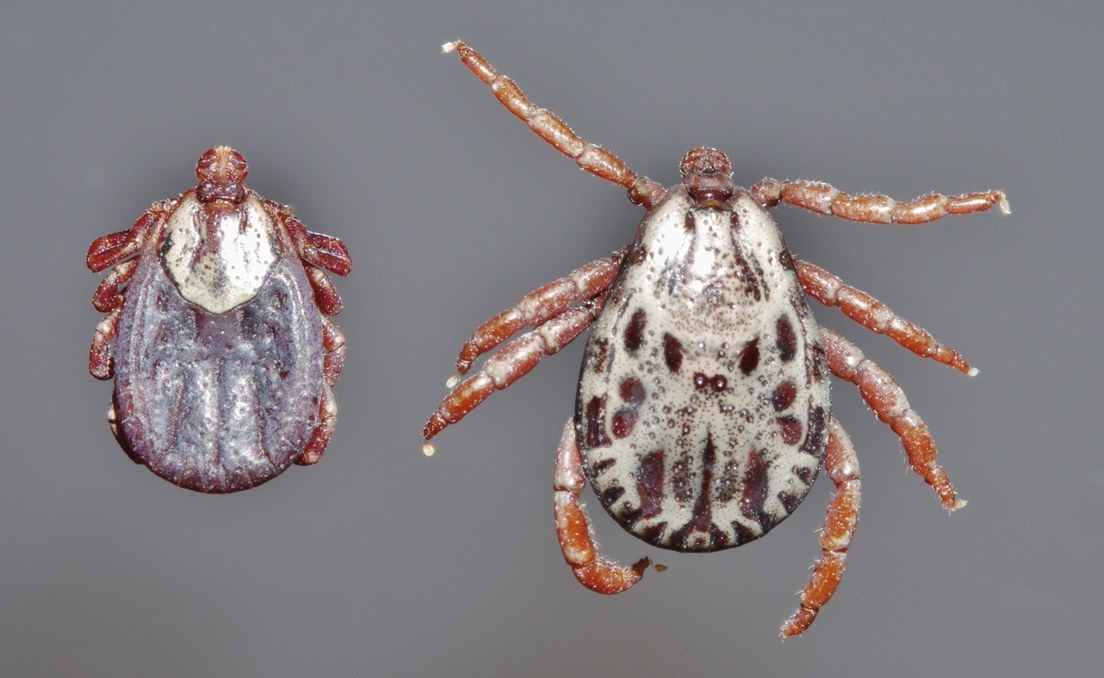
Wood Tick
Grassland, shrub-steppe, and open woodland of western North America
Yellow Scorpion
Arid scrubland, rocky slopes, and desert margins
Whip Spider
Tropical caves, rainforest leaf litter, and under bark
Water Mite
Ponds, lakes, streams, and other freshwater bodies
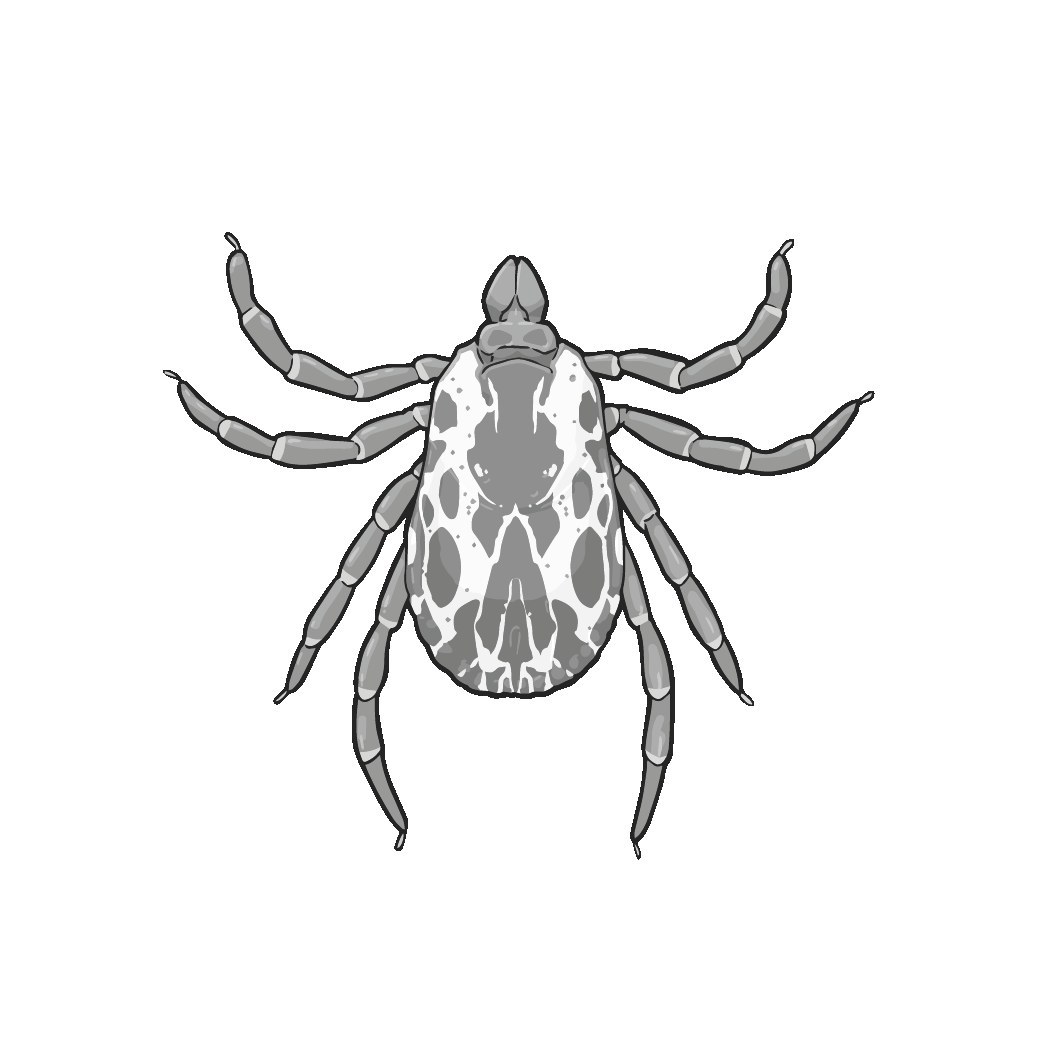
American Dog Tick
Grassy fields, trails, and low vegetation near woodlands
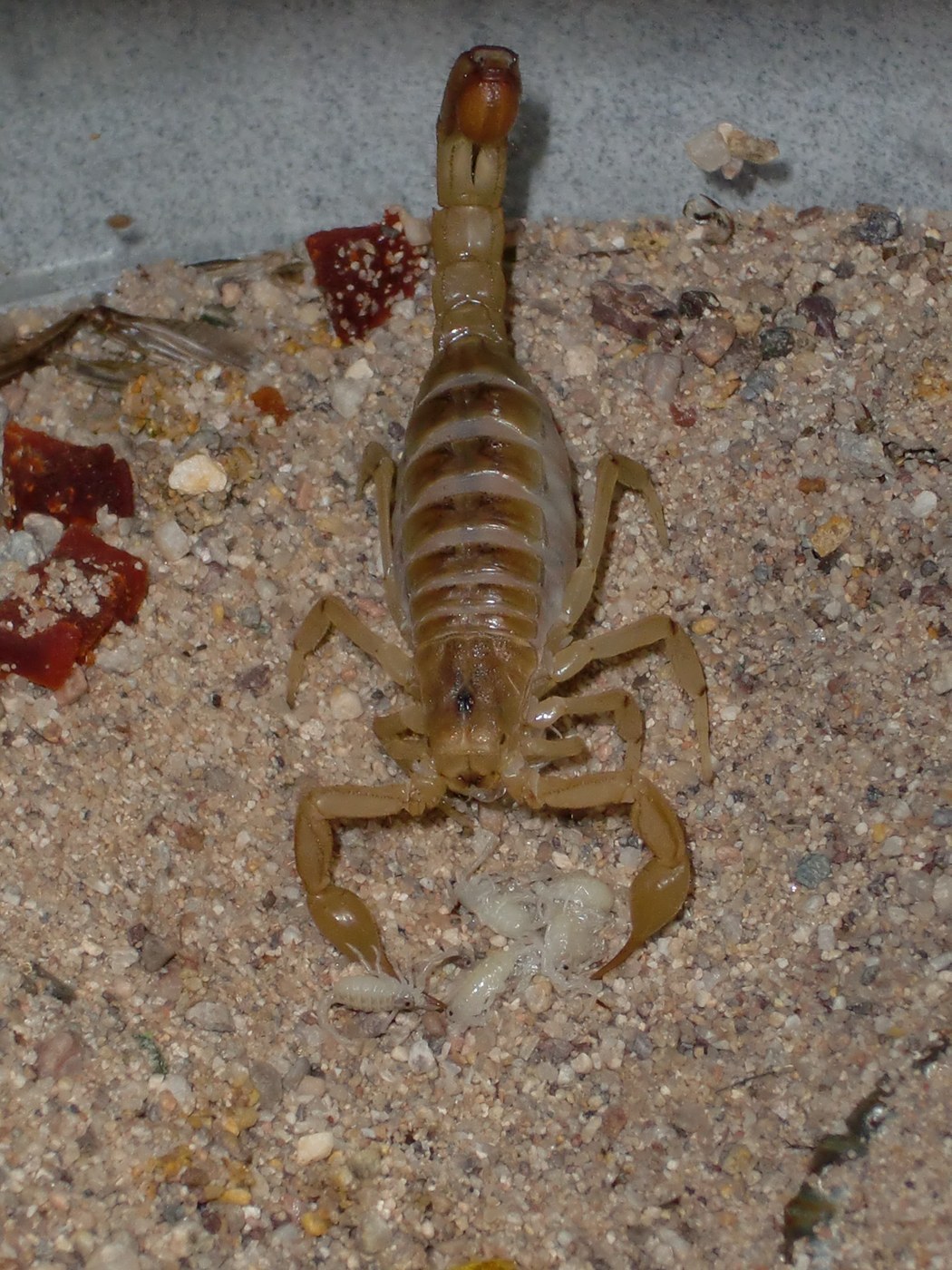
Arizona Bark Scorpion
Rocky desert terrain, tree bark, and structures in the Southwest
Tick
Tall grass, brush, woodland edges, and animal trails
Soil Mite
Soil, leaf litter, moss, and decaying organic matter worldwide
Rocky Mountain Wood Tick
Sagebrush shrublands, grasslands, and montane forest edges
Two-Spotted Spider Mite
Undersides of leaves on garden plants, crops, and houseplants
Spider Mite
Undersides of leaves on garden plants, houseplants, and field and orchard crops worldwide
Whip Scorpion
Tropical and subtropical caves, tree bark, and rock crevices worldwide