
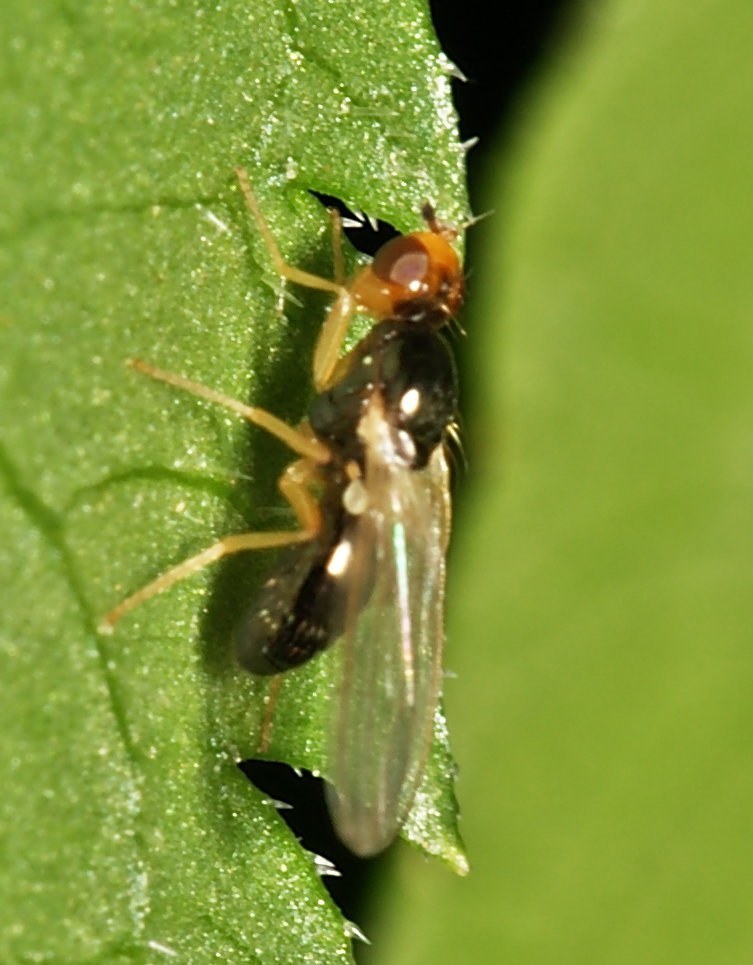
Carrot Rust Fly
Psila rosae
A slender, shiny black fly barely a few millimeters long whose slim yellowish larvae tunnel rust-colored trails through carrot and parsnip roots.
- Size
- Adult about 1/5 in (4–5 mm); larva up to 1/3 in (8 mm)
- Habitat
- Carrot and other umbellifer plantings in cool, moist soil
- Danger
- Nuisance pest
Spotted a bug like this?
Identify any bug or insect from a photo, free.
Overview
The carrot rust fly is a small but economically notable pest of carrots and other members of the carrot family, including parsnip, celery, and parsley. The adult fly is inconspicuous and rarely noticed, but its larvae tunnel through developing roots, leaving characteristic rust-brown scarring and channels that give the species its common name.
Adults are weak, low fliers that tend to stay close to the ground and are most active during calm, mild weather, seeking out host plants by scent to lay eggs in the soil near the base of the foliage. Because the larvae feed inside the root, damage is usually only discovered when carrots are harvested or pulled.
The species is most problematic in cool, moist climates and is often more severe in fall crops or in regions with mild, humid summers, since larval development and adult activity are favored by moderate temperatures.
How to Identify
- Adult fly small and slender, shiny black body with a yellowish-orange head and legs, about 1/5 in (4–5 mm) long
- Wings clear and held flat over the body at rest
- Larva is a slender, cylindrical, whitish-yellow maggot up to about 1/3 in (8 mm) long, tapering at both ends
- Larval tunnels in harvested roots appear as narrow, rust-brown or reddish scarred channels just under the skin
- Lookalike: other small root maggot flies, but the rust-colored tunneling pattern in carrots is distinctive
Habitat & Range
Widely established across Europe and introduced to North America, wherever carrots and related umbellifer crops are grown commercially or in home gardens. It favors cool, moist growing conditions and is most active in spring and again in late summer to fall in temperate climates, with populations often heavier near hedgerows or shaded, humid garden edges that shelter adult flies from wind and heat.
Behavior & Diet
Adult flies are weak fliers that stay low to the ground and are most active on calm, overcast days, using scent cues from carrot foliage to locate host plants for egg-laying near the base of the stem. Larvae burrow into the root, feeding on tissue just beneath the surface and creating tunnels that can allow secondary rot organisms to enter. As with other specialist root-feeding flies, its ecological role is largely limited to interactions with umbellifer host plants and their associated soil predators and parasites.
Life Cycle
Development is complete metamorphosis, typically with two to three generations per year in temperate regions. Eggs are laid in soil near host plants and hatch within about a week; larvae tunnel and feed in roots for several weeks before pupating in the soil nearby. The final generation of the season usually overwinters as a pupa in the soil or occasionally as a larva within an unharvested root, with adults emerging the following spring.
Frequently asked questions
Why do carrots sometimes have rust-colored tunnels when harvested?
These tunnels are caused by carrot rust fly larvae feeding just beneath the skin of the root, leaving scarred, rust-brown channels that are often only discovered at harvest.
Is the carrot rust fly easy to spot in the garden?
No, adults are small, slow, low-flying insects that tend to stay hidden near the base of foliage, so they are rarely noticed compared to the damage their larvae cause in the roots.
What other crops besides carrots does this fly affect?
It also attacks other umbellifer crops such as parsnip, celery, celeriac, and parsley, since larvae can develop in the roots of any of these related plants.
When is carrot rust fly activity typically highest?
Activity tends to peak during cool, moist, calm weather in spring and again in late summer to fall, since adults are weak fliers that favor mild conditions.
Carrot Rust Fly guides
In-depth guides for identifying, understanding, and living alongside Carrot Rust Fly.
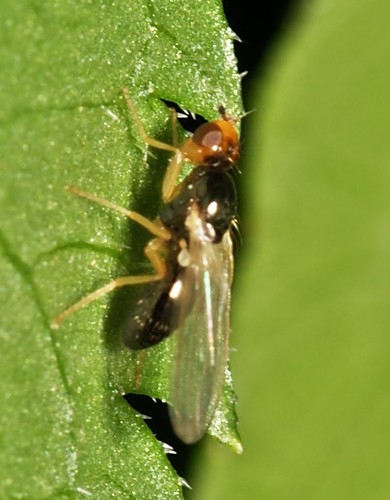
Carrot Rust Fly identified by the community
Real finds identified with Bug Identifier.

Other bugs you may enjoy
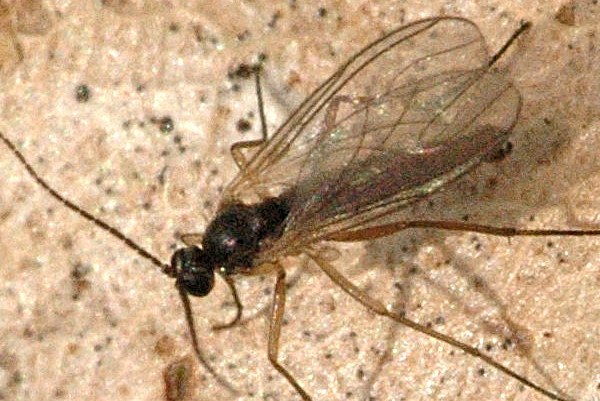
Aphid Midge
Gardens, greenhouses, and crops with aphids
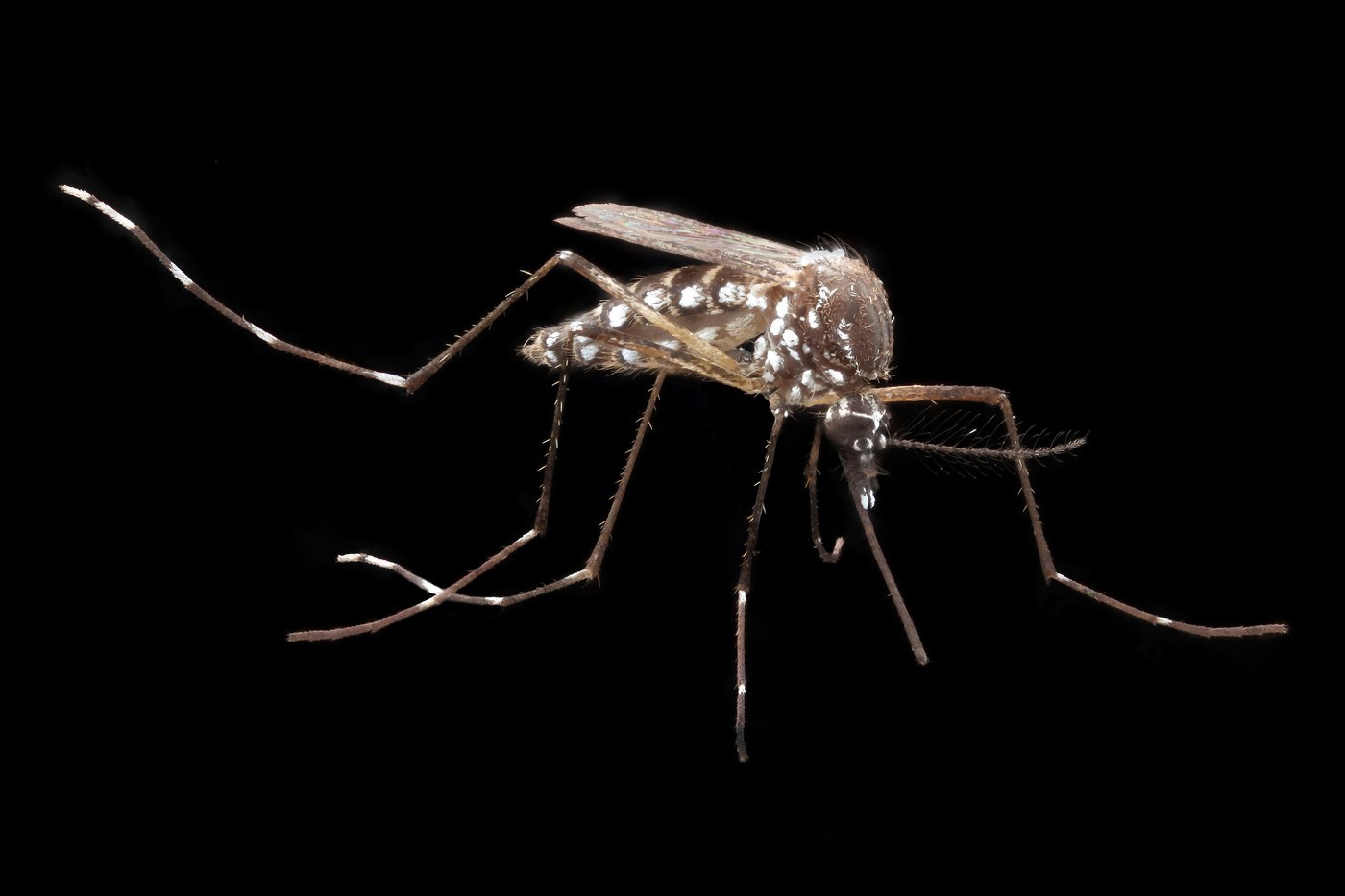
Yellow Fever Mosquito
Urban and peri-urban areas near small artificial water containers in tropical and subtropical regions worldwide
Root Maggot
Garden and field soil around the roots of cole crops and other vegetables
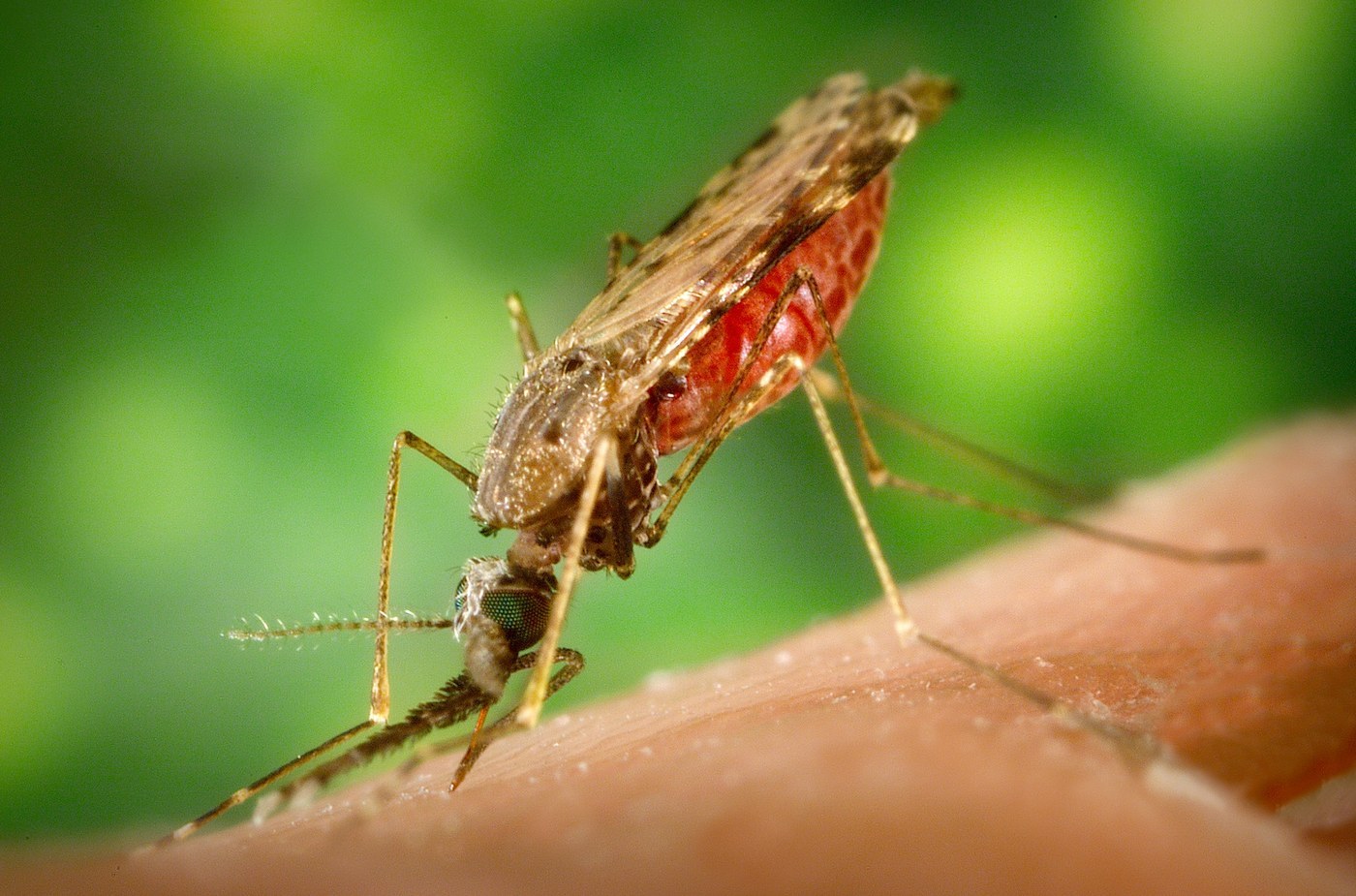
Anopheles Mosquito
Clean, still or slow-moving freshwater habitats such as marshes, ponds, and rice paddies
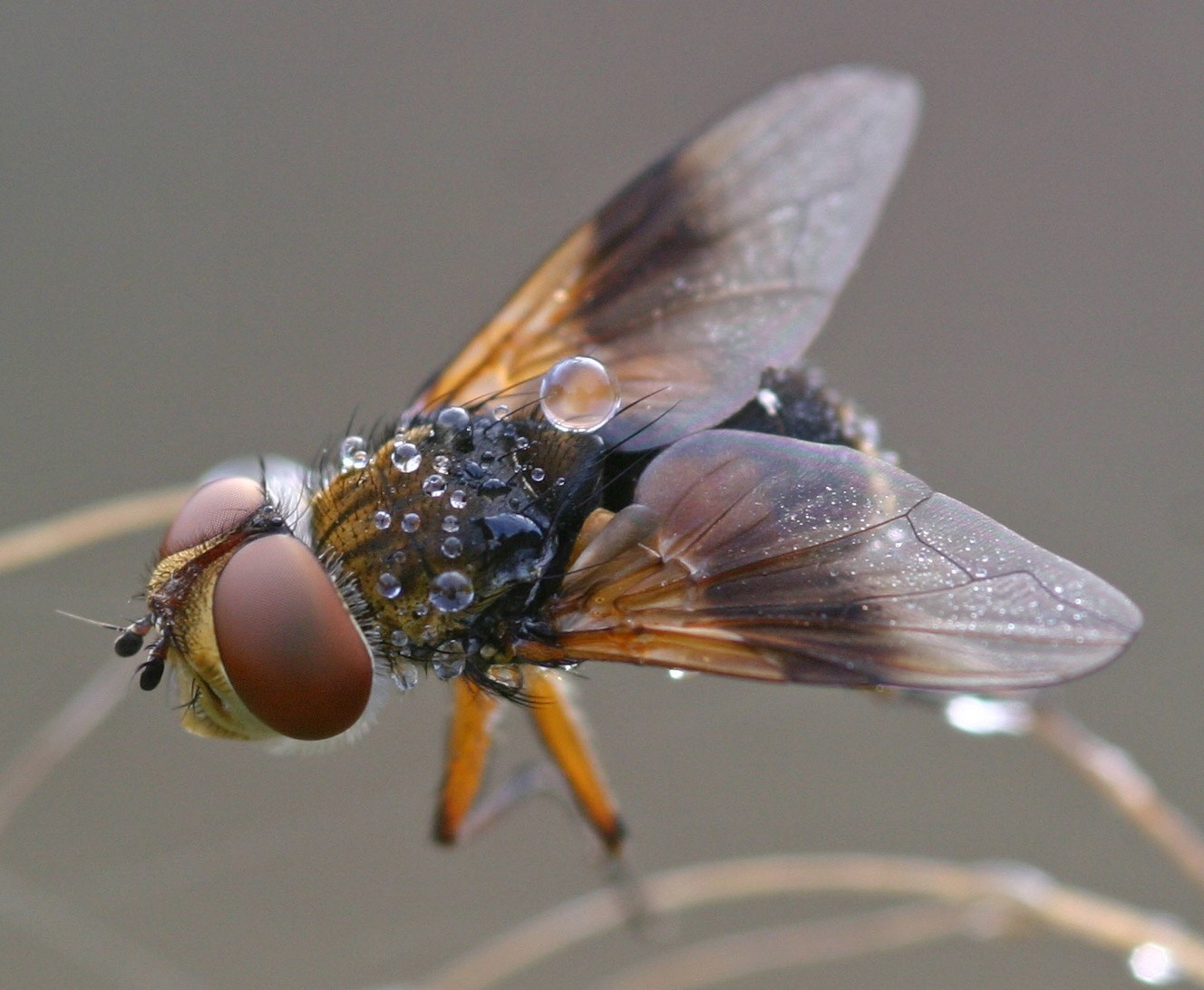
Tachinid Fly
Gardens, meadows, and woodlands wherever host caterpillars and other insects occur
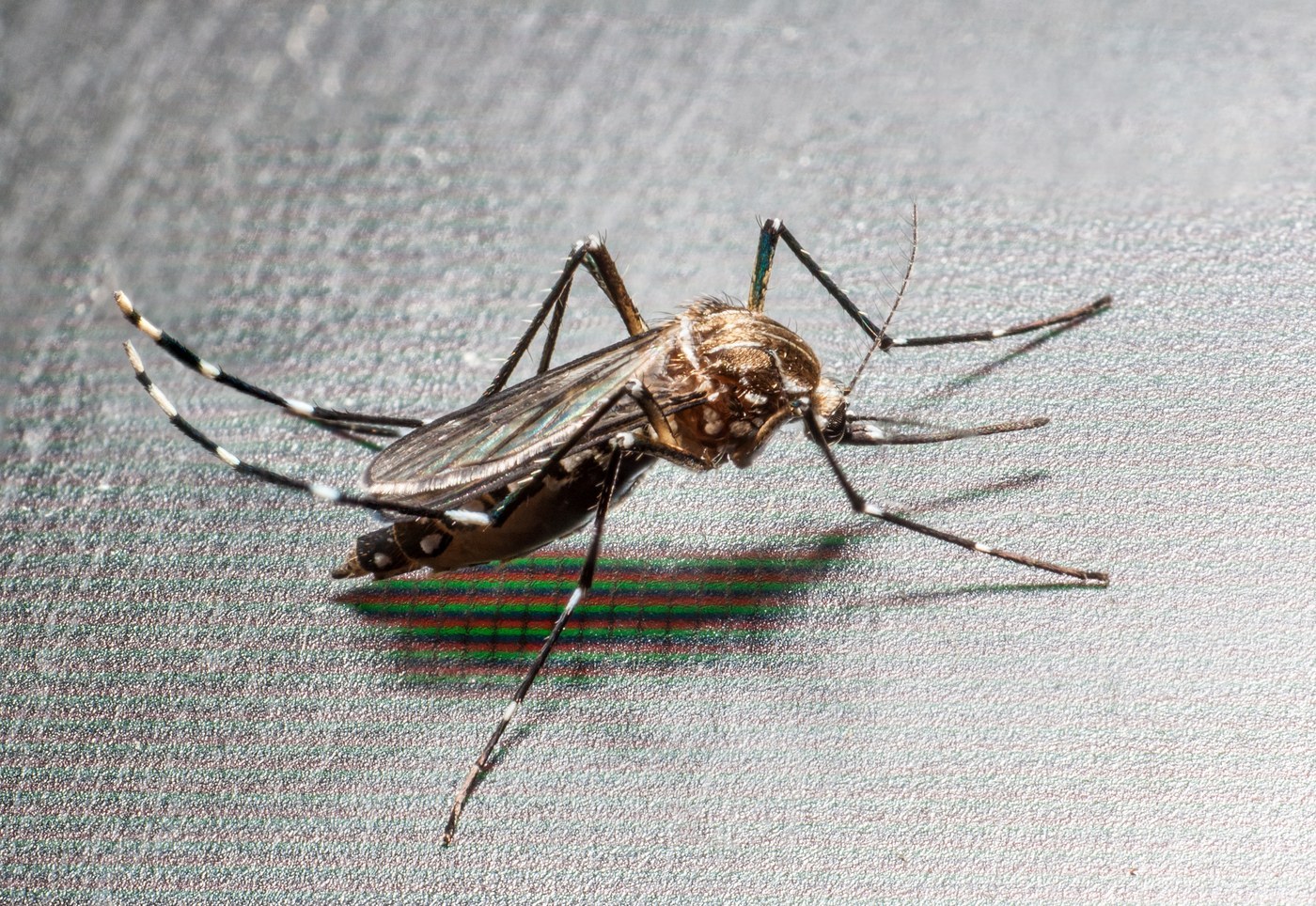
Asian Tiger Mosquito
Shaded urban and suburban areas near small water-holding containers, tires, and tree holes; native to Southeast Asia, now widespread
Tsetse Fly
Wooded savanna, riverine thickets, and forest edges across sub-Saharan Africa
Vinegar Fly
Around overripe fruit, compost, and fermenting materials worldwide
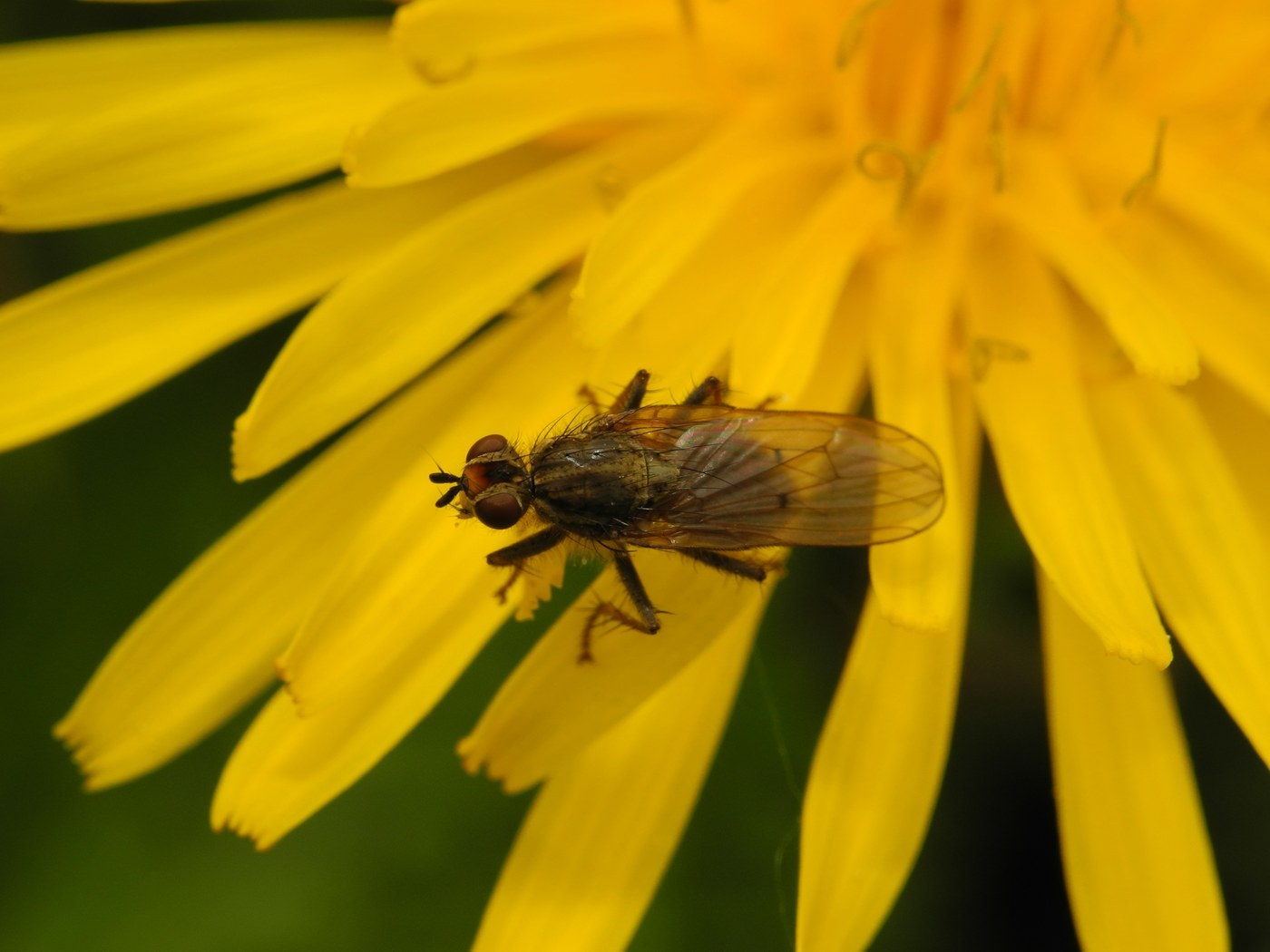
Yellow Dung Fly
Pastures and fields with fresh cattle dung
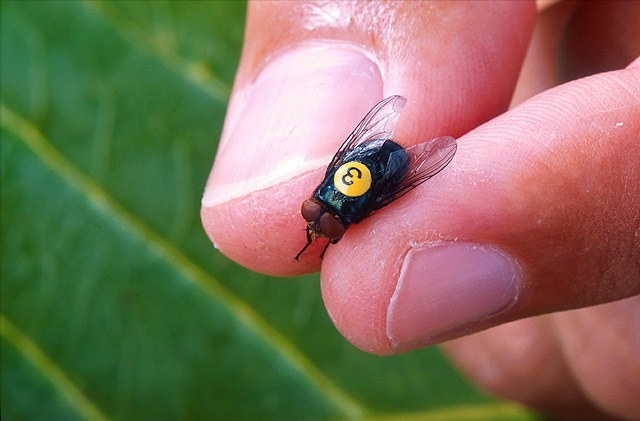
Screwworm Fly
Warm, humid lowlands of the Americas, especially near livestock and wildlife wounds
Soldier Fly
Wetland margins, decaying organic matter, and vegetation near water
Punkie
near marshes, mudflats, ponds, and other standing water