
Comet Darner
Anax longipes
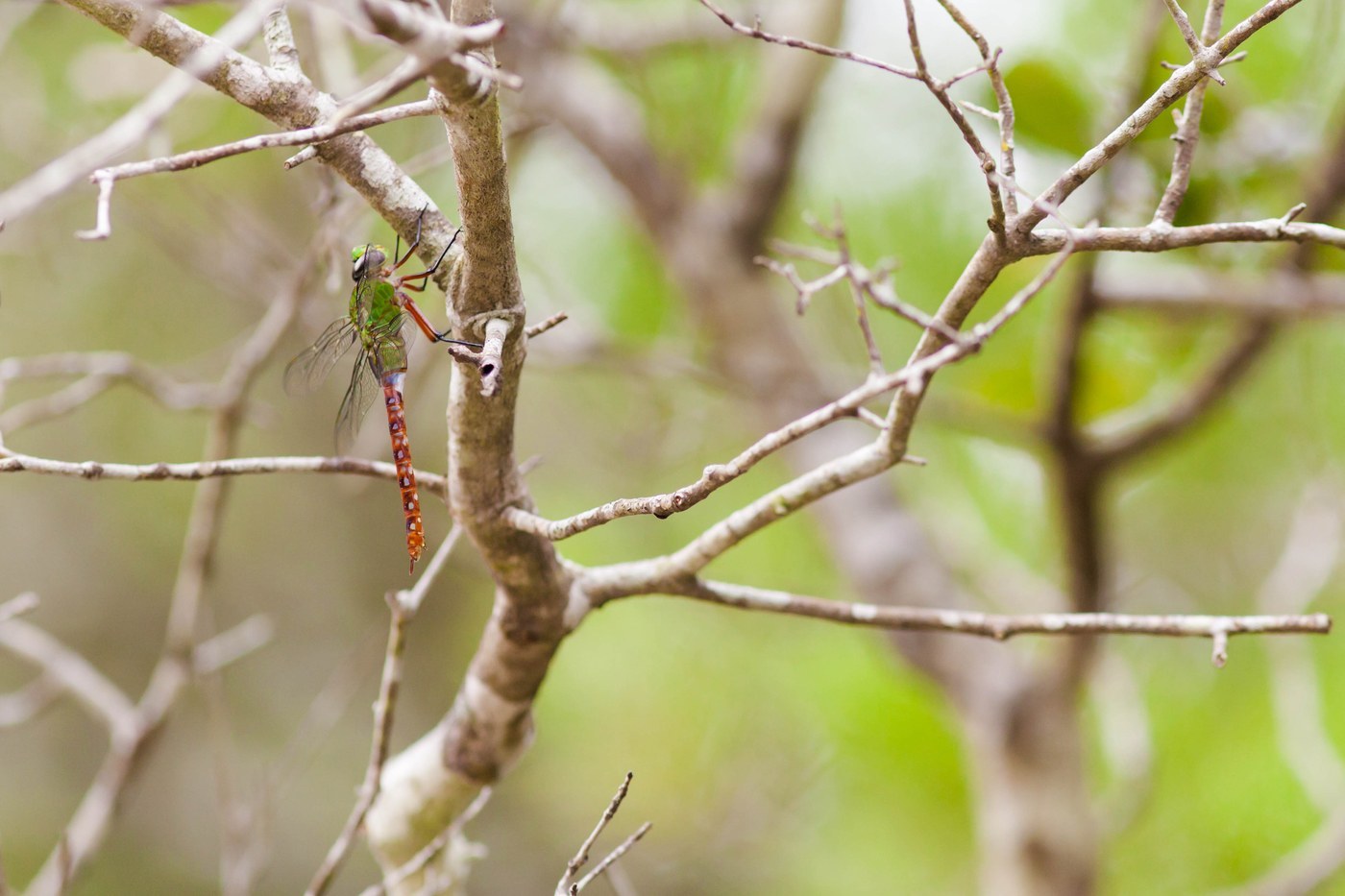
One of North America's largest and fastest dragonflies, blazing across open water with a fiery red abdomen that gives it its cometary name.
- Size
- Body length about 7.5–8.5 cm (3–3.4 in)
- Habitat
- Ponds, lakes, and marshes, especially fishless or seasonal waters
- Danger
- Harmless
Spotted a bug like this?
Identify any bug or insect from a photo, free.
Overview
The comet darner (Anax longipes) is among the largest and most powerful-flying dragonflies in North America, a member of the darner family (Aeshnidae) known for their strong, sustained flight and large size. Males are especially striking, with a vivid red abdomen contrasting against a green thorax, a combination that makes them one of the most memorable dragonflies to observe at a pond's edge.
This species favors open ponds, lakes, and marshes, and is often found at fishless or seasonal wetlands, since its large, predatory nymphs do well in waters lacking fish that would otherwise compete with or prey upon them.
Comet darners are powerful, fast fliers capable of covering long distances, and males are notably aggressive in defending territories over water, frequently patrolling back and forth over the same stretch of pond for extended periods.
How to Identify
- Very large dragonfly with a bright green thorax and a vivid red abdomen in mature males, one of the most colorful North American darners
- Females and immature individuals are duller, often with a brownish or orange-tinged abdomen rather than bright red
- Eyes large, meeting broadly on top of the head, typical of darners (Aeshnidae)
- Wings clear and unmarked, held outstretched at rest
- Extremely fast, powerful, sustained flight, often patrolling well above the water
- Lookalikes: common green darner (Anax junius, has a blue abdomen with a dark 'bullseye' on the face, unlike the comet darner's red abdomen)
Habitat & Range
The comet darner ranges across the southeastern United States and locally further north and west, favoring open, sunny ponds, lakes, and marshes, particularly fishless or seasonally dry wetlands where its nymphs face less predation and competition. Adults patrol open water and adjacent fields or clearings from spring through summer and are strong enough fliers to disperse considerable distances between suitable wetlands.
Behavior & Diet
Adult comet darners are aggressive, high-speed aerial predators, capturing other flying insects, including smaller dragonflies, in mid-flight using their spiny legs as a capture basket. Males patrol favored stretches of pond edge for extended periods, defending territory from rival males and pursuing females for mating. The large aquatic nymphs are similarly voracious, preying on aquatic invertebrates and even small vertebrates such as tadpoles in fishless waters, making the species a significant predator at both larval and adult stages within its wetland ecosystem.
Life Cycle
Females insert eggs into submerged or floating plant tissue using a blade-like ovipositor. Nymphs develop underwater through numerous instars over roughly one year, growing into large, robust predators capable of taking substantial prey for their size. Because favored habitats are often fishless or temporary, nymphs may need to develop relatively quickly before a pond dries or refills with fish. Mature nymphs climb out of the water onto emergent vegetation, where the winged adult emerges, expands its wings, and hardens before its first flight; adults are on the wing mainly from late spring through summer.
Frequently asked questions
What makes the comet darner easy to identify?
Mature males have a distinctive combination of a bright green thorax and a vivid red abdomen unlike most other North American darners.
Why does this species favor fishless ponds?
Its large nymphs thrive best where they avoid competition with and predation by fish, so seasonal or fishless wetlands are prime habitat.
How fast can a comet darner fly?
It is one of the fastest-flying dragonflies in North America, capable of powerful, sustained flight while patrolling territory or hunting.
What do comet darner nymphs eat?
They are voracious predators of aquatic invertebrates and will also take small vertebrates such as tadpoles in fishless waters.
Comet Darner guides
In-depth guides for identifying, understanding, and living alongside Comet Darner.
Other bugs you may enjoy
Widow Skimmer
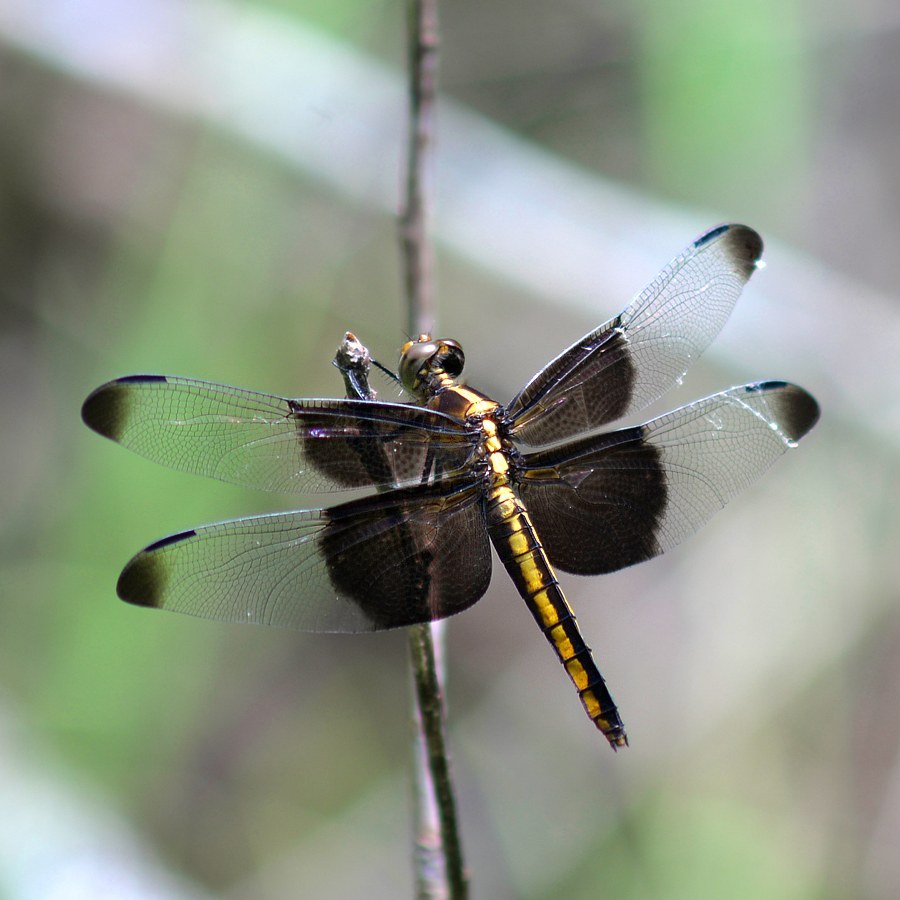
ponds, lakes, and slow-moving streams with open shoreline vegetation across much of the United States
Twelve-spotted Skimmer
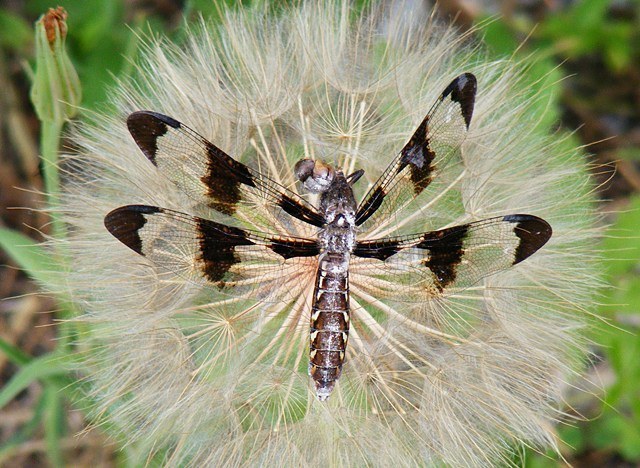
Ponds, lakes, and slow streams with open, sunny shorelines
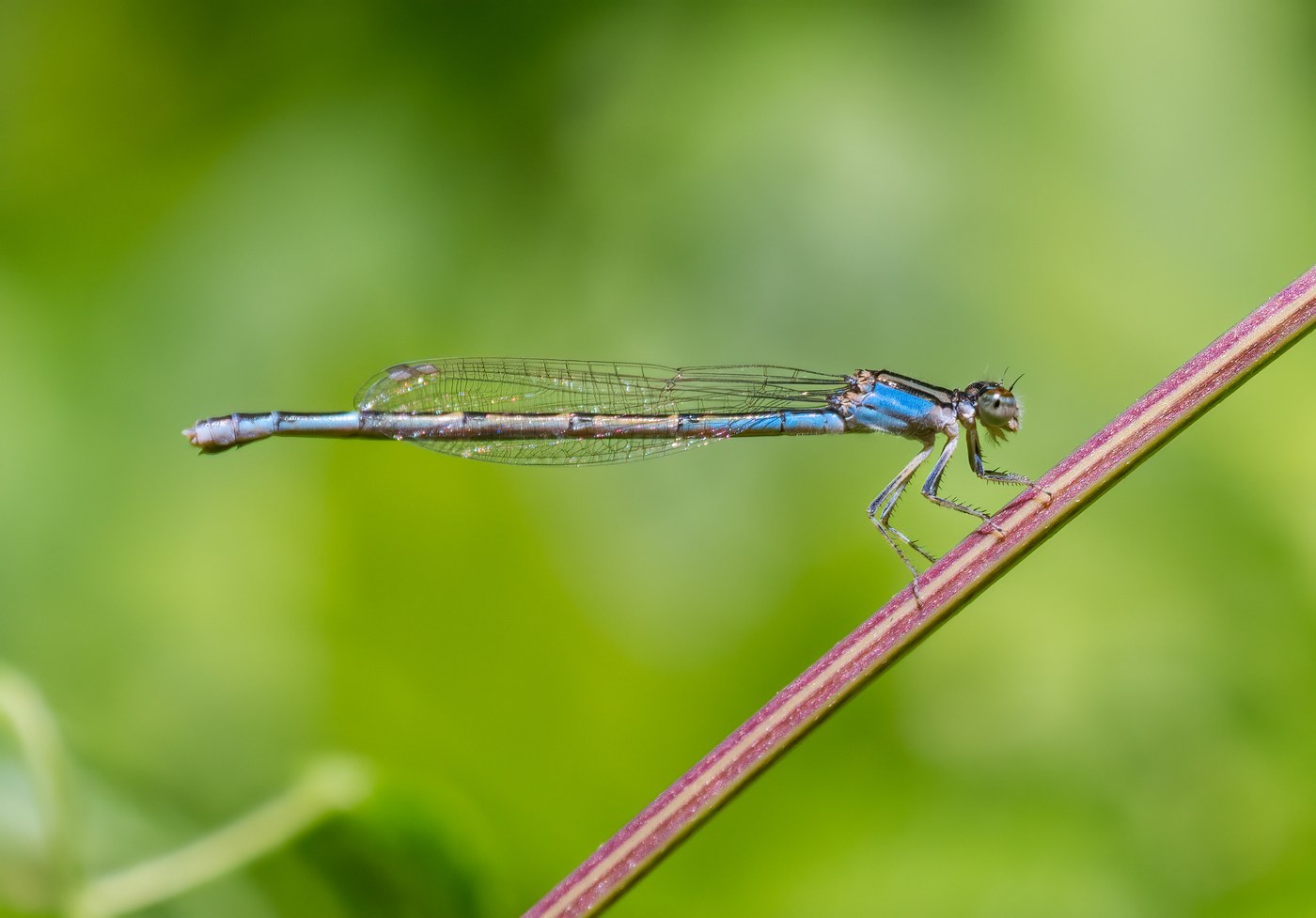
Azure Bluet
ponds, lakes, and slow streams with abundant aquatic vegetation
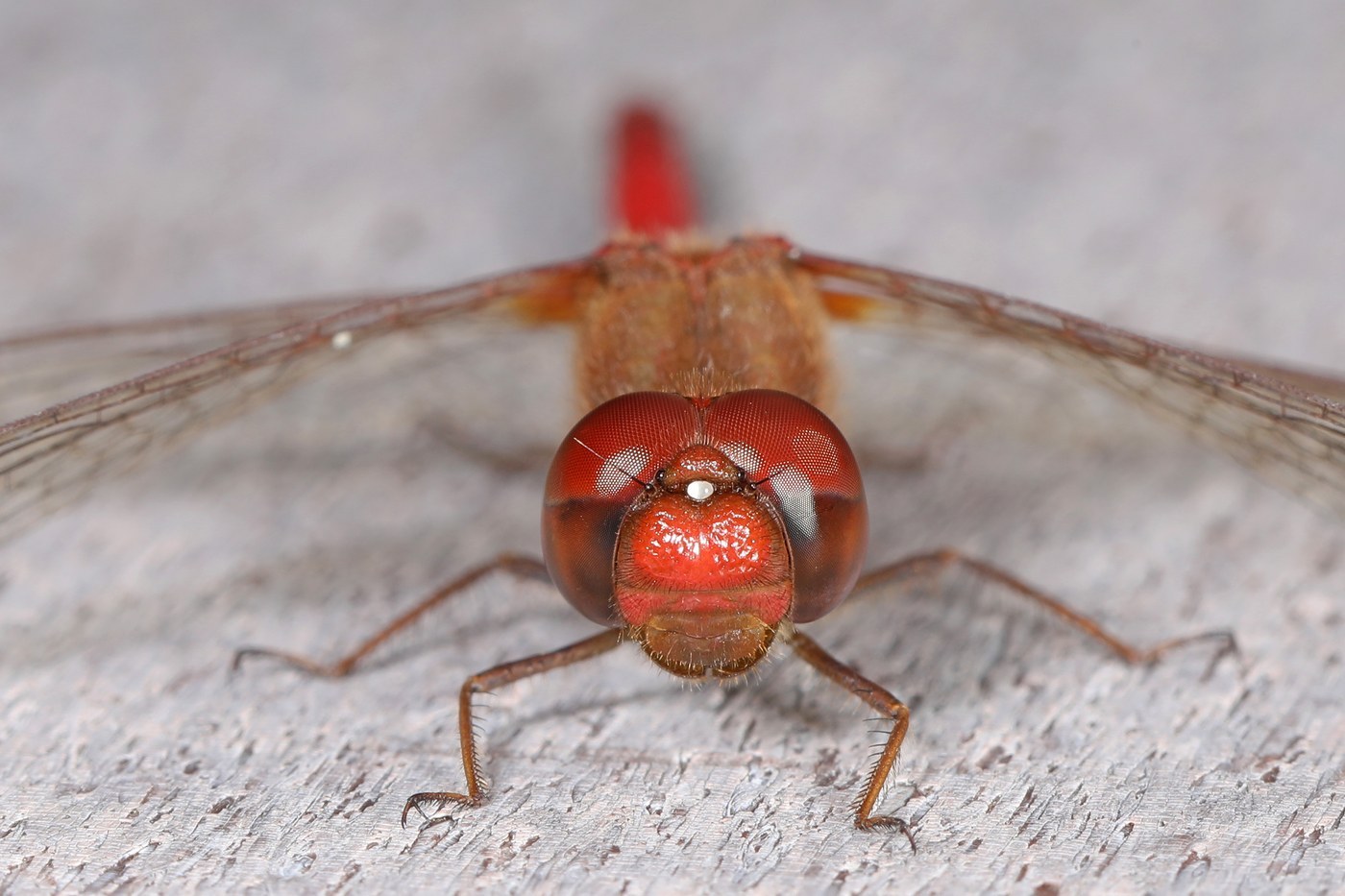
Autumn Meadowhawk
Ponds, marshes, and slow streams, often lingering into late fall
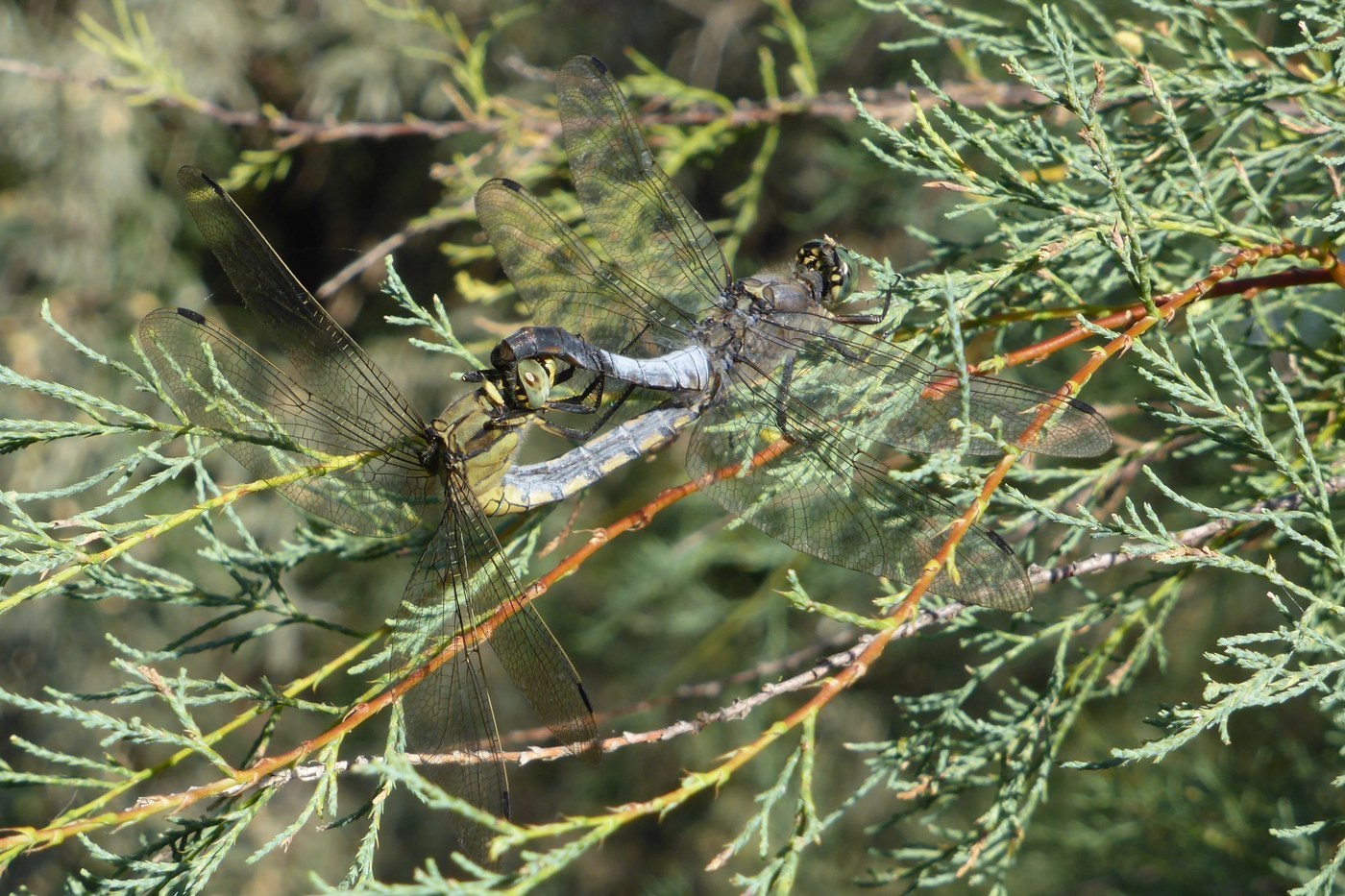
Spangled Skimmer
Ponds, lakes, and marshes with open sunny shorelines
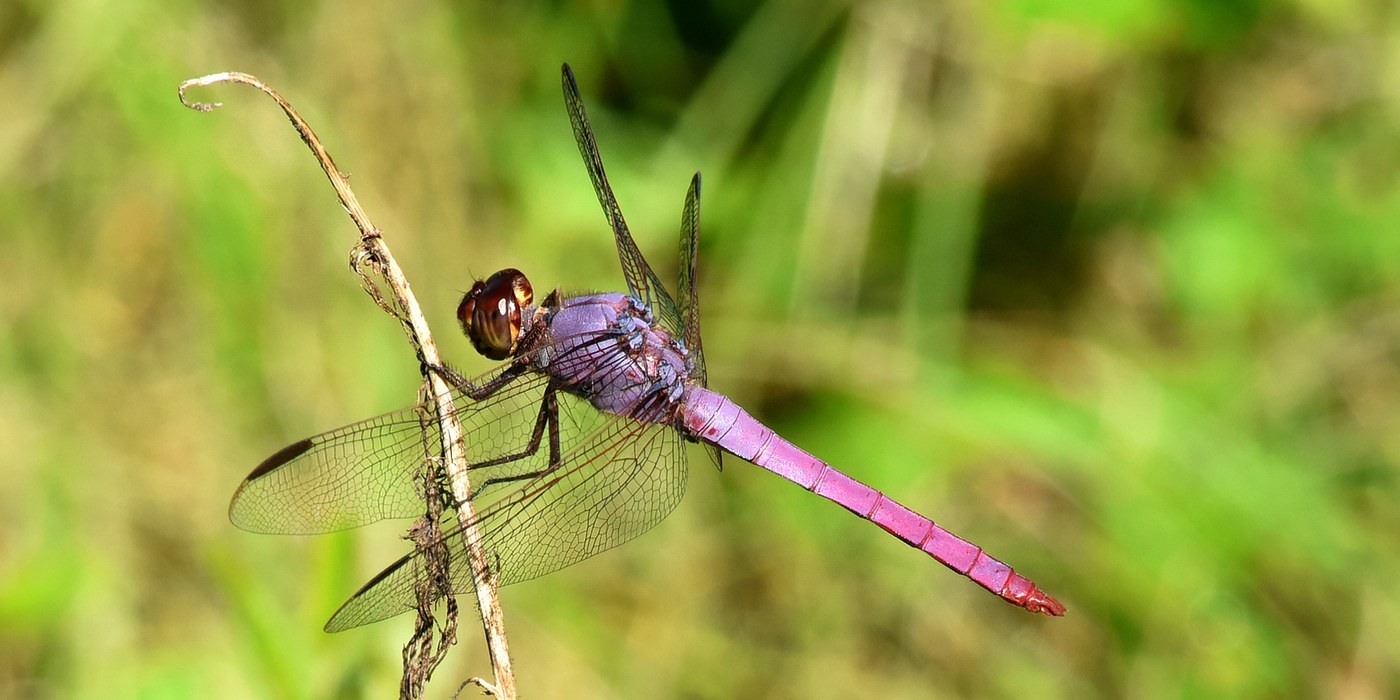
Roseate Skimmer
Ponds, ditches, and canals across the southern United States
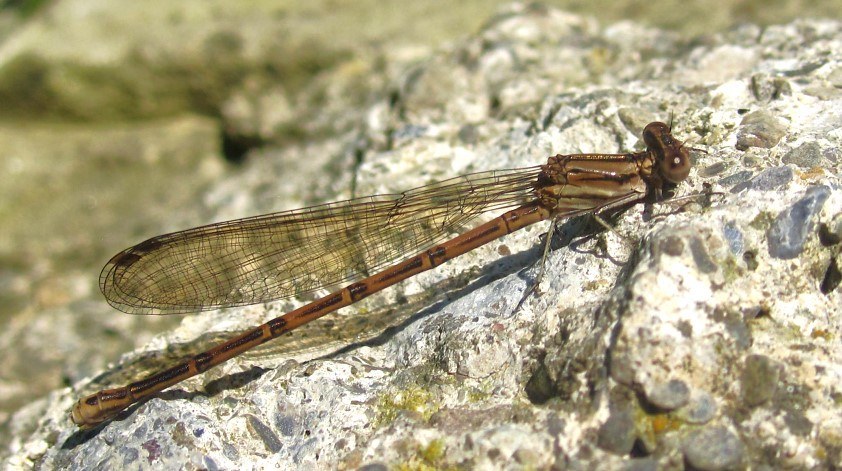
Variable Dancer
streams, rivers, and pond margins, especially in wooded or partly shaded settings
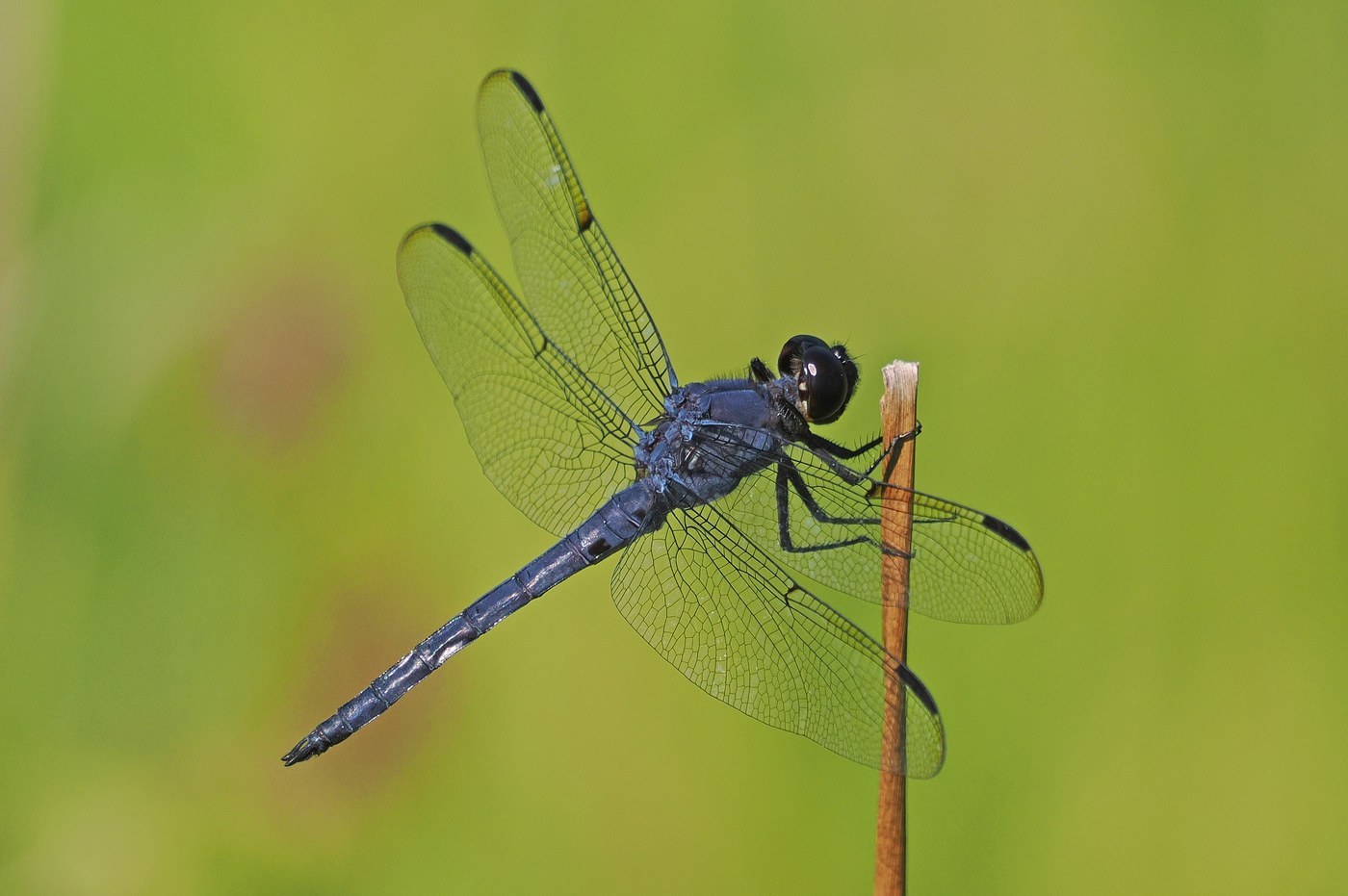
Slaty Skimmer
Still or slow-moving ponds, lakes, and marshes with open shoreline
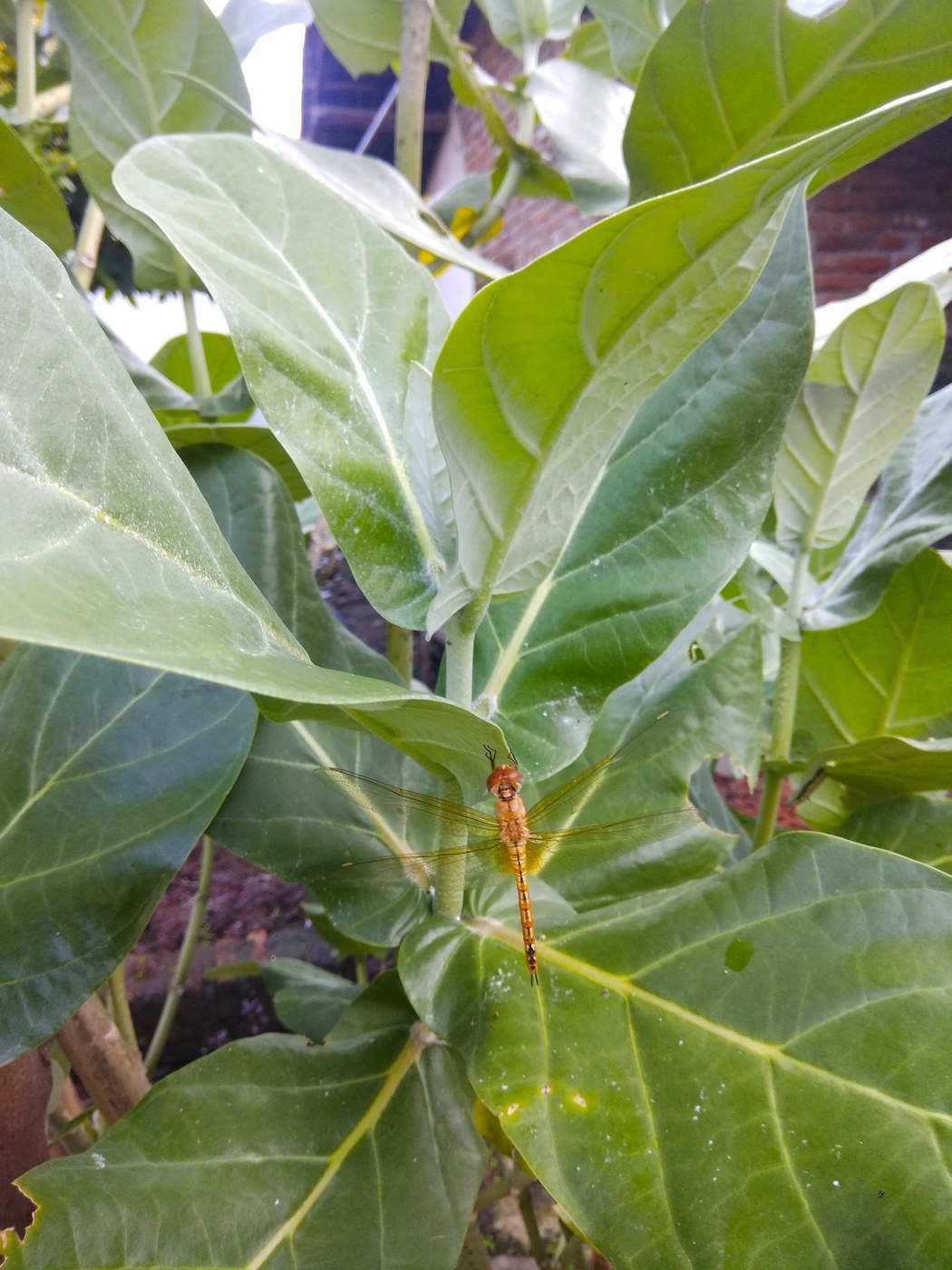
Wandering Glider
Temporary pools, open fields, and coastlines nearly worldwide
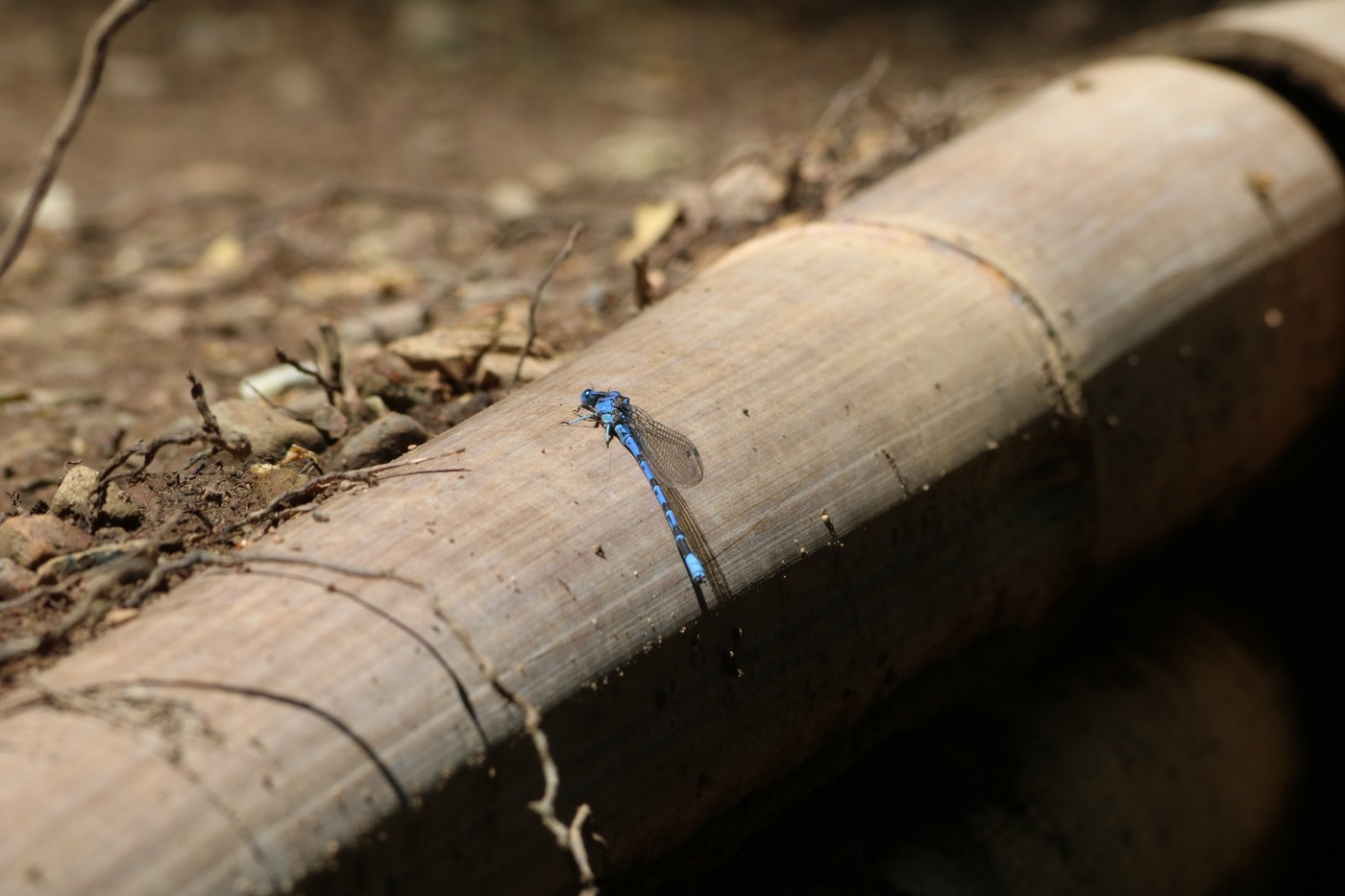
Vivid Dancer
rocky streams, seeps, and spring-fed creeks, often near thermal or warm springs
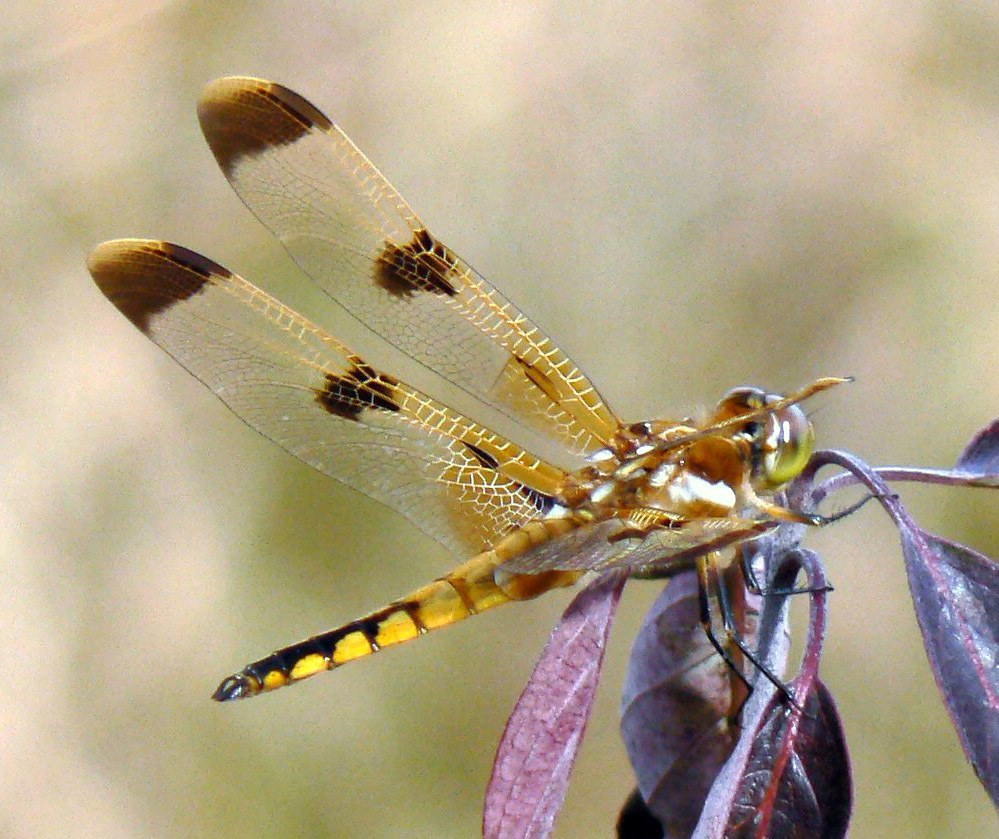
Painted Skimmer
Ponds, marshes, and slow-moving vegetated waters, including temporary pools
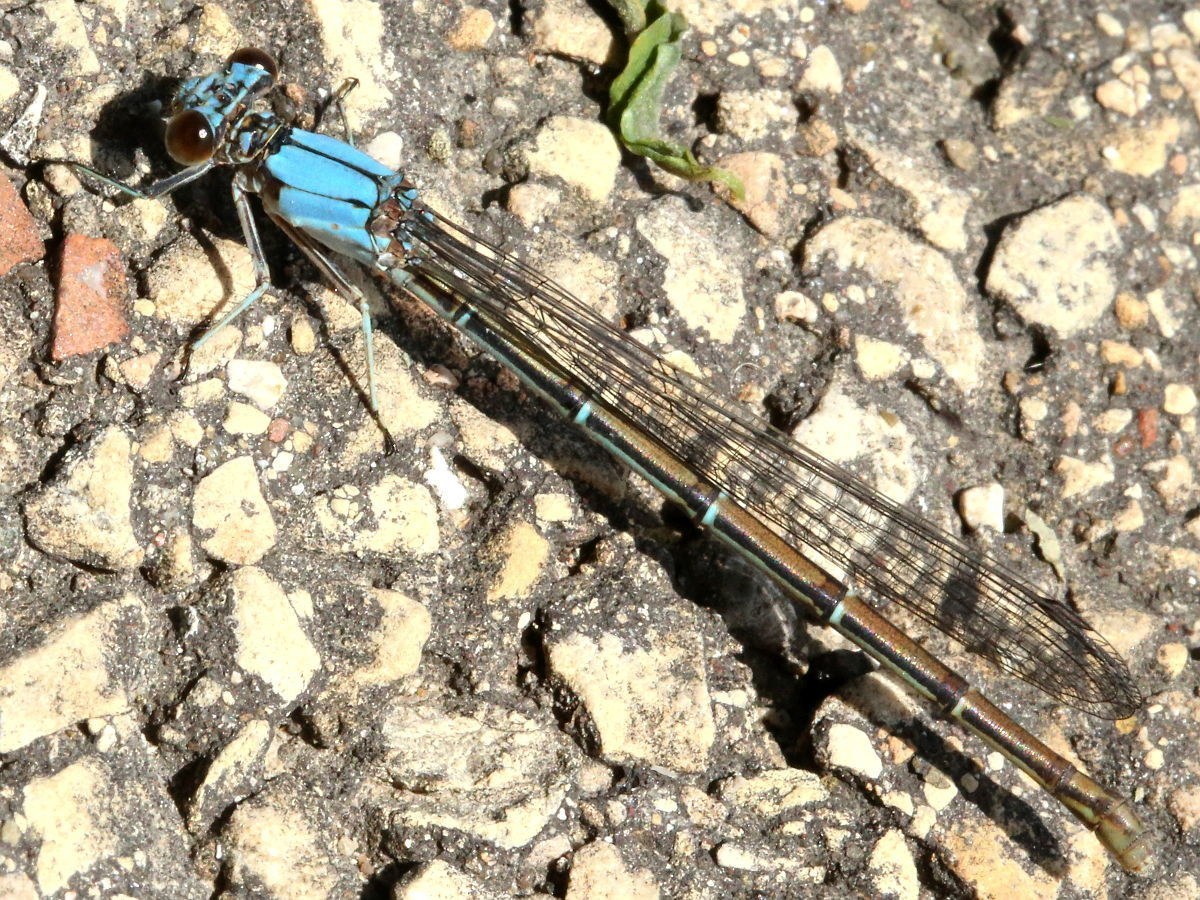
Powdered Dancer
rocky and gravelly rivers, streams, and lake shorelines