
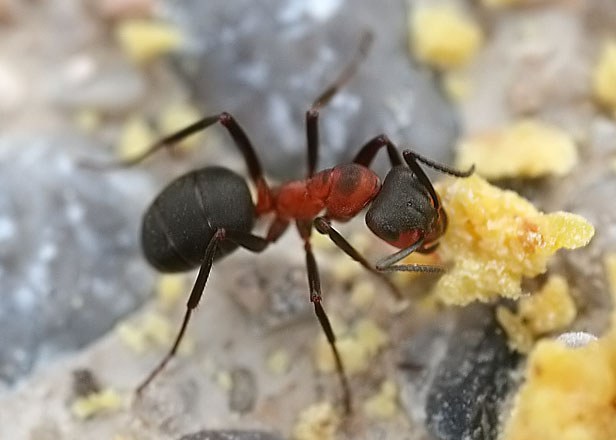
Red Wood Ant
Formica rufa
A large woodland ant with a reddish-brown thorax and dark abdomen, famous for building towering dome-shaped mounds of pine needles and twigs in forest clearings.
- Size
- 6–9 mm
- Habitat
- Coniferous and mixed woodland, forest clearings and edges
- Danger
- Bites
Spotted a bug like this?
Identify any bug or insect from a photo, free.
Overview
The Red Wood Ant is a large, conspicuous ant species in the family Formicidae, well known for constructing some of the most impressive ant mounds found in temperate forests. These mounds, built from pine needles, twigs, and other plant debris, can persist and grow for many years, sometimes housing colonies of hundreds of thousands of workers.
As a member of the Formica rufa group, this species is a keystone predator within woodland ecosystems, foraging widely across the forest floor and up into tree canopies in search of prey and honeydew. Its large, thriving colonies make it one of the more ecologically influential insects of European coniferous and mixed forests.
Red Wood Ants are also notable for their defensive spray of formic acid, a chemical they can eject when disturbed, which along with biting is their primary means of colony defense rather than a true sting.
How to Identify
- Reddish-brown head and thorax contrasting with a darker brown to black abdomen.
- Large for an ant, with a stocky build and dense, short hairs on the body.
- Builds large, dome-shaped mounds of pine needles, twigs, and soil, often over a meter tall.
- Workers travel along well-worn foraging trails radiating out from the mound, sometimes climbing trees to tend aphids.
- Lookalikes: other Formica species share similar coloring; mound size and the reddish thorax against a darker abdomen are useful identifying features.
Habitat & Range
Native to much of Europe and parts of temperate Asia, the Red Wood Ant favors coniferous and mixed woodlands, especially pine and spruce forests with clearings that receive good sunlight for mound warming. Mounds are typically built at the base of trees or stumps and can be found in the same location for many years. Foraging activity is heaviest from spring through early autumn.
Behavior & Diet
Colonies forage aggressively and cooperatively, with worker trails extending many meters from the mound to gather insect prey, both alive and dead, as well as honeydew from aphids tended on nearby trees. Workers can bite and spray formic acid from the tip of the abdomen as a defensive response when the mound is disturbed. The species plays an important ecological role in controlling populations of other invertebrates within the forest and in aerating and enriching soil around the nest.
Life Cycle
Red Wood Ants undergo complete metamorphosis, with eggs developing into larvae, pupae, and finally adult ants, all tended by workers within the mound. Colonies can be founded by a single queen or, in some populations, form interconnected supercolonies with multiple mounds and queens. Winged reproductives are produced seasonally and disperse to found new colonies, while established mounds can persist and expand for many years, with the ants overwintering in a dormant cluster deep within the mound.
Frequently asked questions
Why do Red Wood Ant mounds look like large domes?
The dome shape of piled needles and twigs helps the mound absorb solar warmth and shed rainwater, keeping the colony's internal chambers at a stable temperature.
Does the Red Wood Ant sting?
It lacks a functional stinger; instead it defends itself by biting and spraying formic acid from its abdomen.
How long can a Red Wood Ant mound last?
Established mounds can persist and continue growing for many years, sometimes even decades, as long as the colony remains healthy.
Where is the best place to look for one?
Sunny clearings and edges within pine or mixed coniferous forest, often at the base of a tree stump.
Red Wood Ant guides
In-depth guides for identifying, understanding, and living alongside Red Wood Ant.
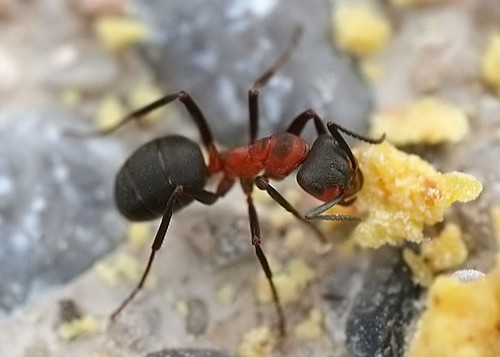
Red Wood Ant identified by the community
Real finds identified with Bug Identifier.
Other bugs you may enjoy
Argentine Ant
Disturbed urban soil, gardens, and building perimeters
Ant
Gardens, lawns, woodlands, sidewalks, and buildings worldwide
Weaver Ant
Canopy of tropical forests, orchards, and mangroves
Sugar Ant
Gardens, woodlands, and urban areas; nests in soil, timber, or tree hollows
Trap-Jaw Ant
Tropical and subtropical forests, leaf litter, sandy coastal soils
Pharaoh Ant
Warm, humid indoor voids such as wall cavities and heating ducts
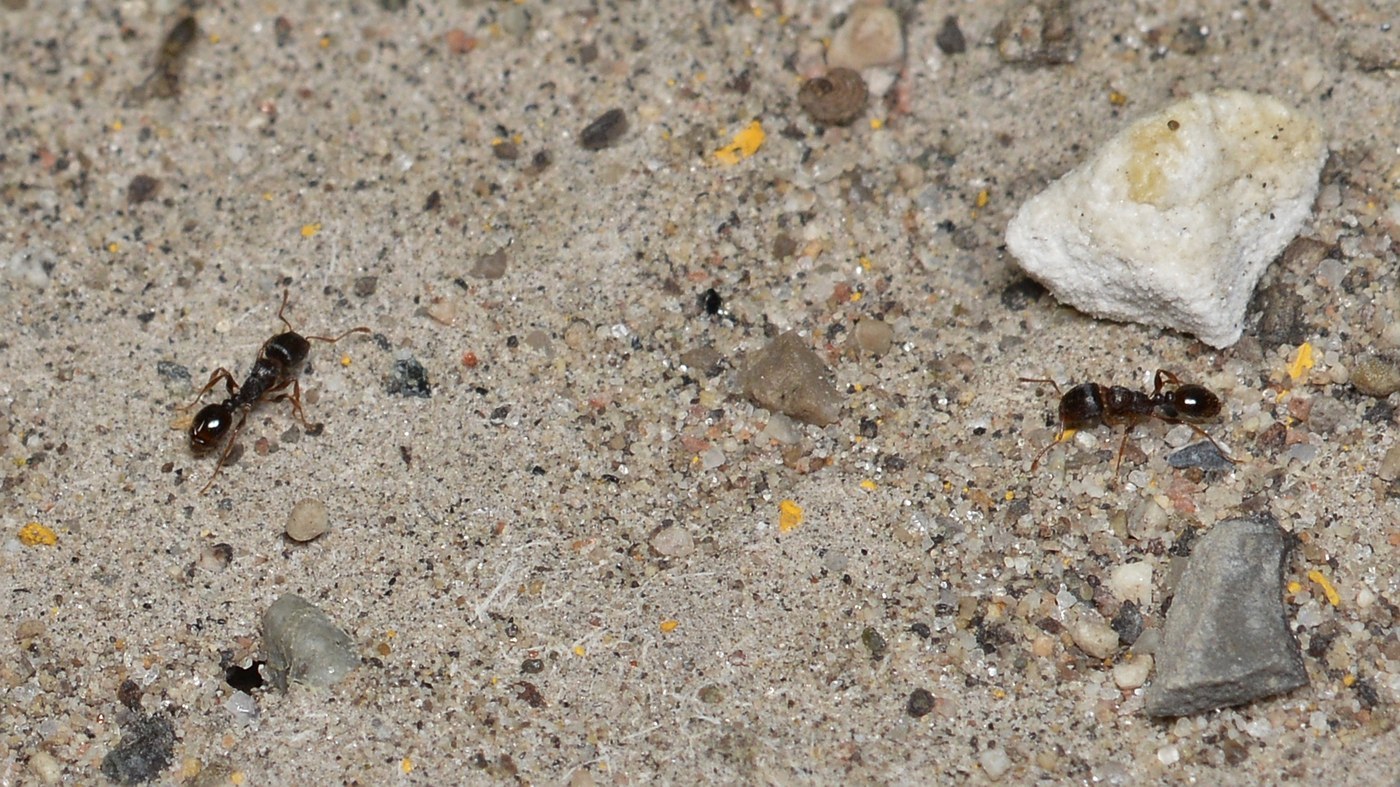
Pavement Ant
Cracks in sidewalks, driveways, and building foundations
Odorous House Ant
Soil, mulch, wall voids, and areas near moisture indoors and out
Harvester Ant
Arid grasslands, deserts, and open sandy areas
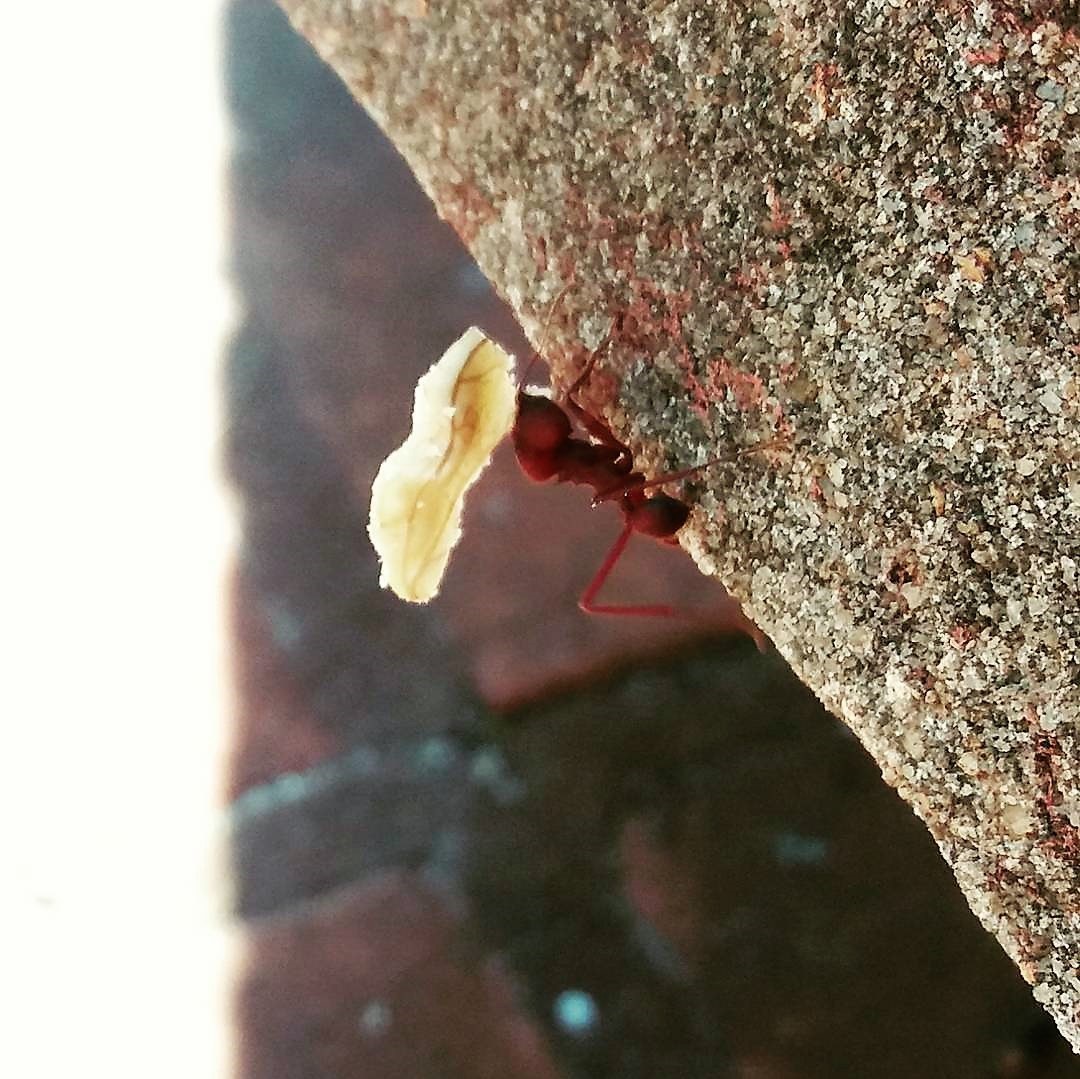
Leafcutter Ant
Tropical and subtropical forests, farmland edges
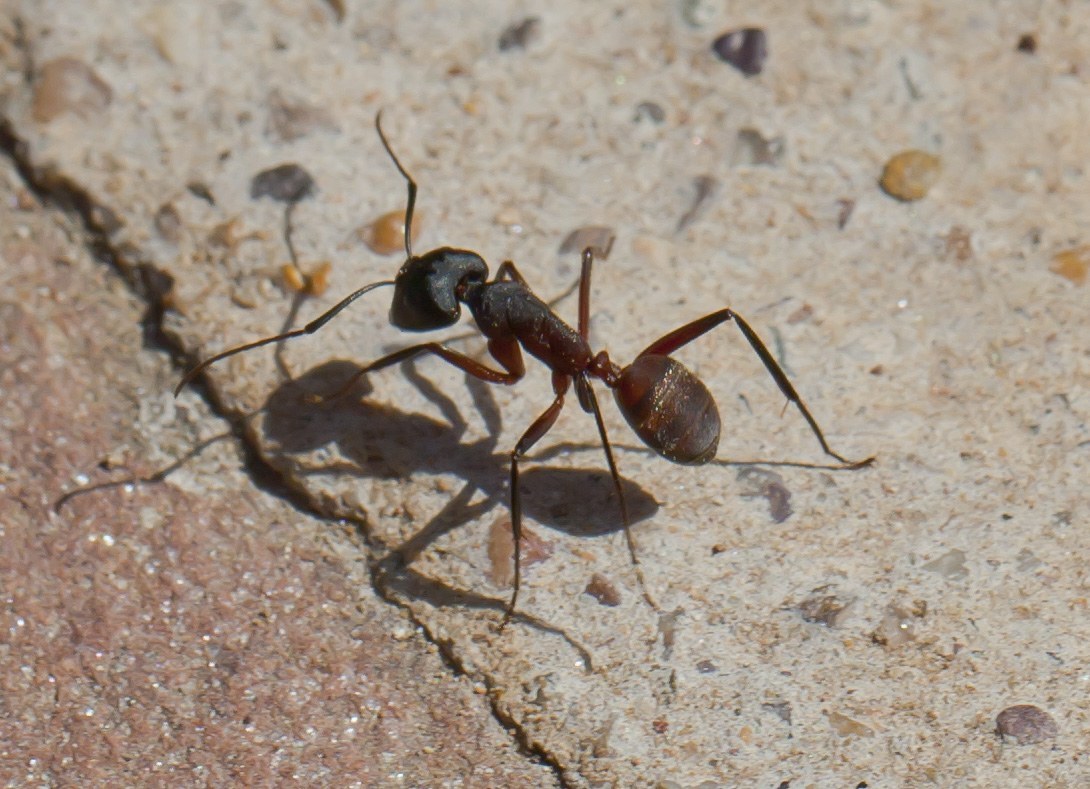
Little Black Ant
Lawns, gardens, rotting wood, and occasionally indoors
Field Ant
Open fields, meadows, lawns, and woodland edges