
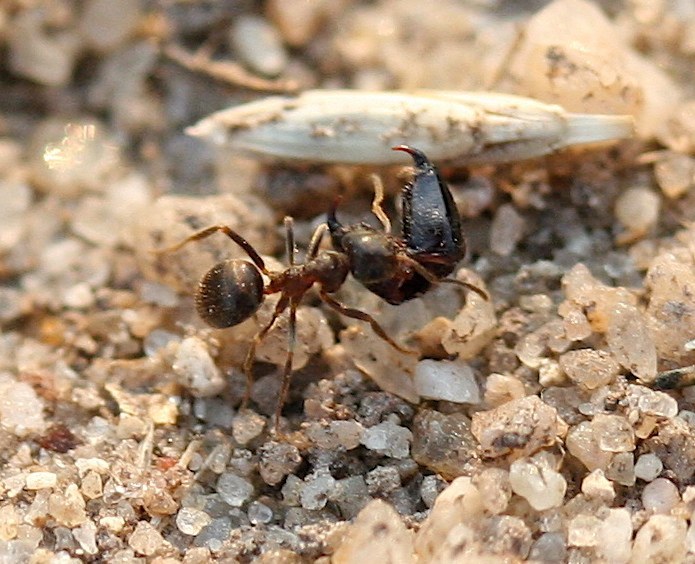
Ant
Lasius niger
A small eusocial insect that lives in highly organized colonies, instantly recognizable by its narrow pinched waist, elbowed antennae, and single-file foraging trails.
- Size
- 2–15 mm depending on species
- Habitat
- Gardens, lawns, woodlands, sidewalks, and buildings worldwide
- Danger
- Bites
Spotted a bug like this?
Identify any bug or insect from a photo, free.
Overview
Ants belong to the family Formicidae within the order Hymenoptera, the same order that includes bees and wasps. With well over 12,000 described species worldwide, ants are among the most successful and widespread insect groups on Earth, occupying nearly every terrestrial habitat except the polar ice caps.
What makes ants so notable is their eusocial lifestyle: each colony functions as a superorganism with a reproductive queen (or queens), sterile female workers, and, seasonally, winged reproductive males and females. This division of labor allows colonies to build elaborate nests, farm other insects, cultivate fungus, and defend territory far more effectively than a solitary insect could.
Ecologically, ants are major soil aerators, seed dispersers, scavengers, and predators of other invertebrates, making them a keystone group in most ecosystems they inhabit.
How to Identify
- Body clearly divided into three segments: head, thorax, and a narrow, constricted waist (petiole) connecting to the abdomen.
- Elbowed (geniculate) antennae that bend at a sharp angle partway along their length.
- Six legs, no wings on worker ants; only reproductive queens and males grow wings temporarily during mating flights.
- Coloration ranges from black and brown to red, yellow, or bicolored depending on species.
- Lookalikes: winged ants are often confused with termites, but ants have a pinched waist and elbowed antennae, while termites have a broad waist and straight, beadlike antennae.
Habitat & Range
Ants are found on every continent except Antarctica, nesting in soil, under rocks and logs, inside dead wood, in leaf litter, or within building voids and masonry. Most temperate species are most active from spring through early fall, slowing activity or retreating underground during cold winter months, while tropical species remain active year-round.
Behavior & Diet
Ants forage in coordinated trails using chemical pheromone signals laid down by scout workers to guide nestmates to food sources. Diet varies widely by species and includes other insects, honeydew produced by aphids, seeds, nectar, and scavenged organic matter. Colonies communicate constantly through touch, chemical cues, and vibration, and many species defend their nest aggressively when disturbed, some capable of biting or spraying formic acid in defense.
Life Cycle
Ants undergo complete metamorphosis: egg, larva, pupa, and adult. A queen lays eggs that hatch into legless, grub-like larvae fed and groomed by worker ants; larvae then pupate before emerging as adults. Colonies can persist for years, with a single queen living far longer than individual workers, and new colonies are founded during seasonal nuptial flights when winged males and females mate and disperse.
Frequently asked questions
How can I tell an ant from a termite?
Ants have a narrow, pinched waist and bent (elbowed) antennae, while termites have a thick, uniform waist and straight, beadlike antennae.
Do all ants have wings?
No, only the reproductive queens and males grow wings, and only temporarily during their mating flight; worker ants are always wingless.
How big does a typical ant get?
Most common ants measure 2–6 mm, though larger species such as carpenter ants can reach 12–15 mm.
Where would I typically see ants?
Ants are visible almost anywhere outdoors, especially along sidewalk cracks, garden soil, and tree bark, following scent trails to food sources.
Ant guides
In-depth guides for identifying, understanding, and living alongside Ant.
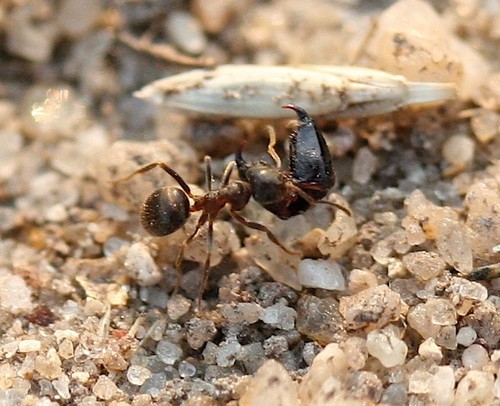
Ant identified by the community
Real finds identified with Bug Identifier.
Other bugs you may enjoy
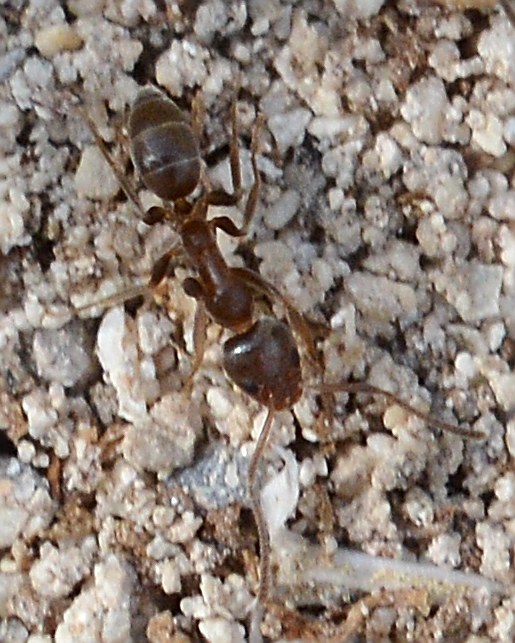
Argentine Ant
Disturbed urban soil, gardens, and building perimeters
Weaver Ant
Canopy of tropical forests, orchards, and mangroves
Sugar Ant
Gardens, woodlands, and urban areas; nests in soil, timber, or tree hollows
Trap-Jaw Ant
Tropical and subtropical forests, leaf litter, sandy coastal soils
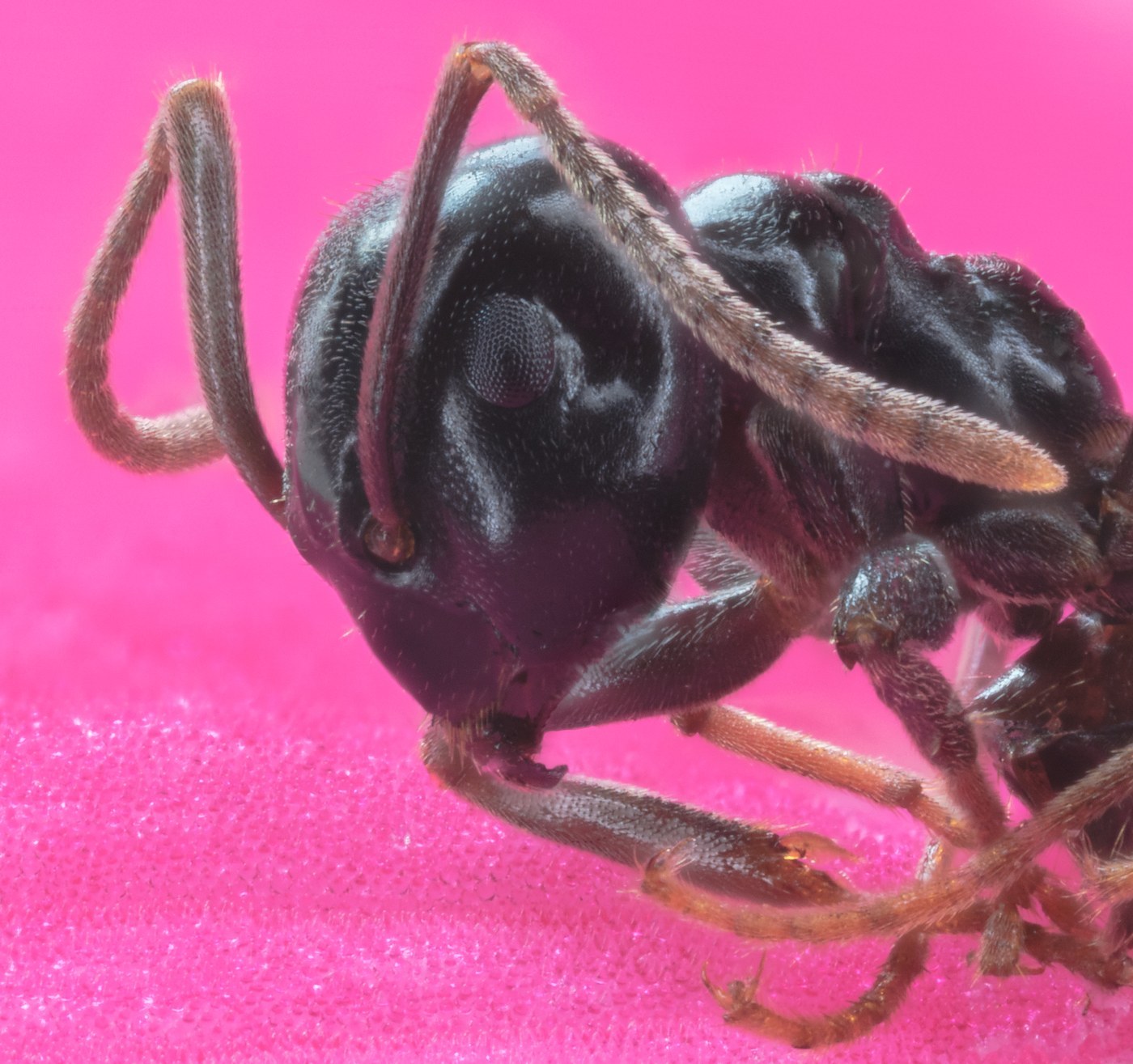
Pharaoh Ant
Warm, humid indoor voids such as wall cavities and heating ducts
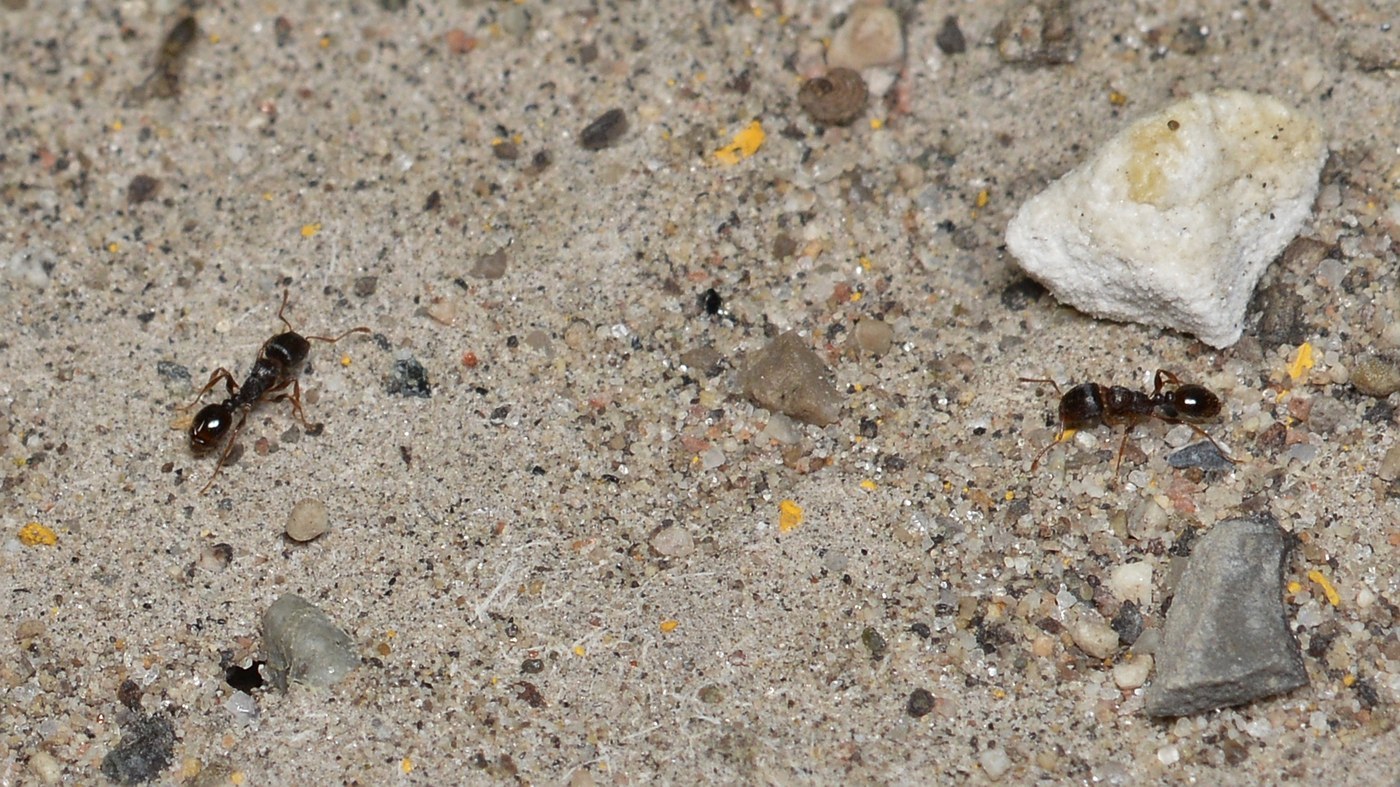
Pavement Ant
Cracks in sidewalks, driveways, and building foundations
Odorous House Ant
Soil, mulch, wall voids, and areas near moisture indoors and out
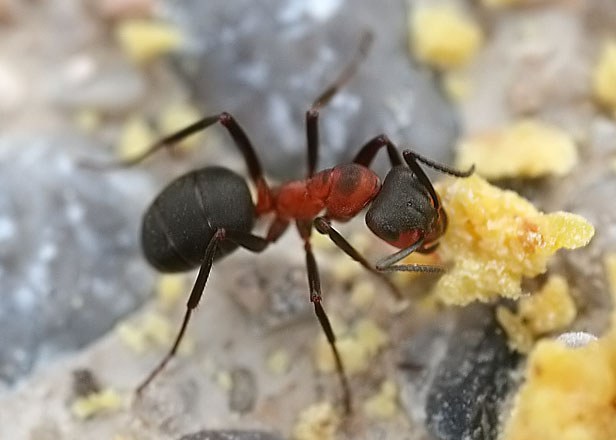
Red Wood Ant
Coniferous and mixed woodland, forest clearings and edges
Harvester Ant
Arid grasslands, deserts, and open sandy areas
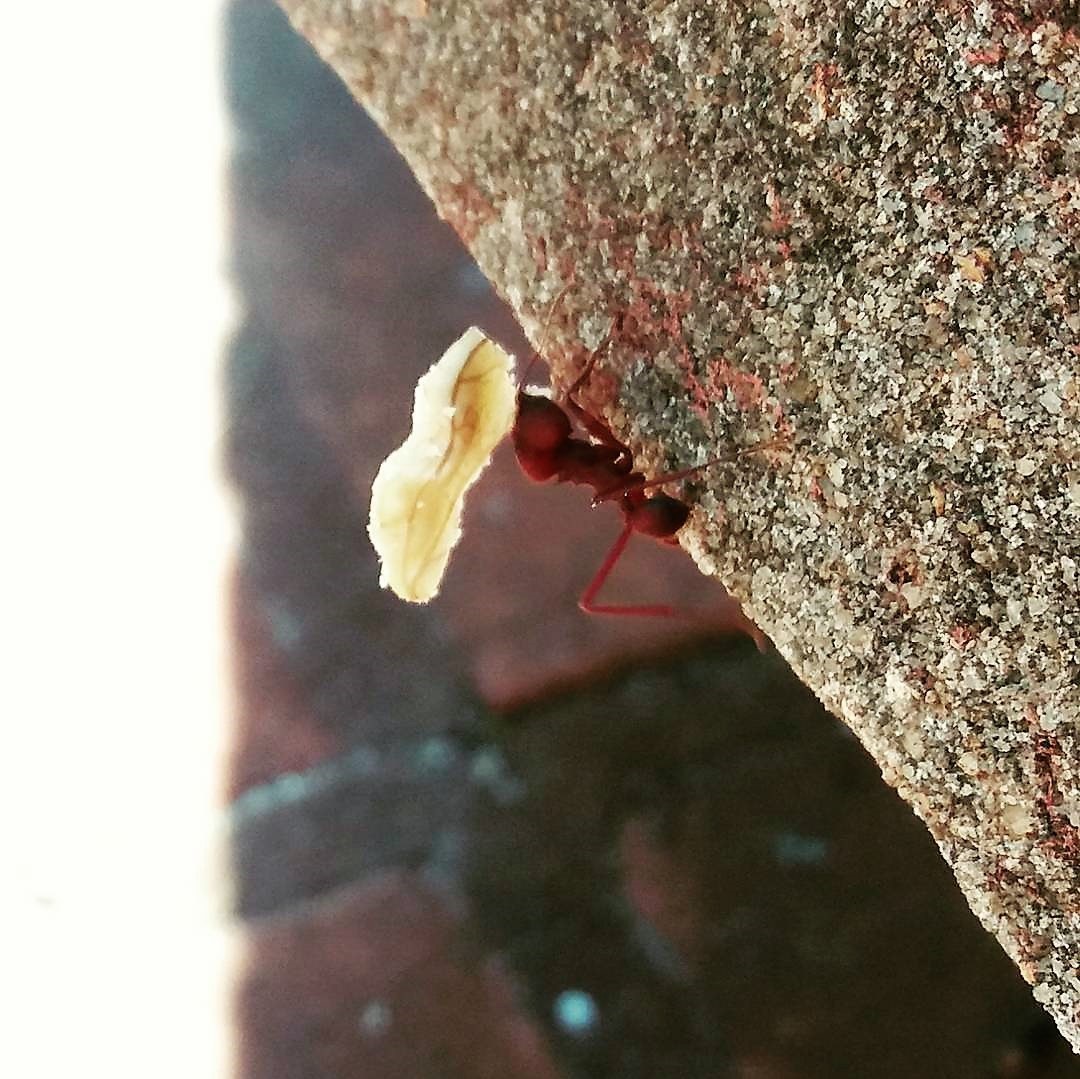
Leafcutter Ant
Tropical and subtropical forests, farmland edges
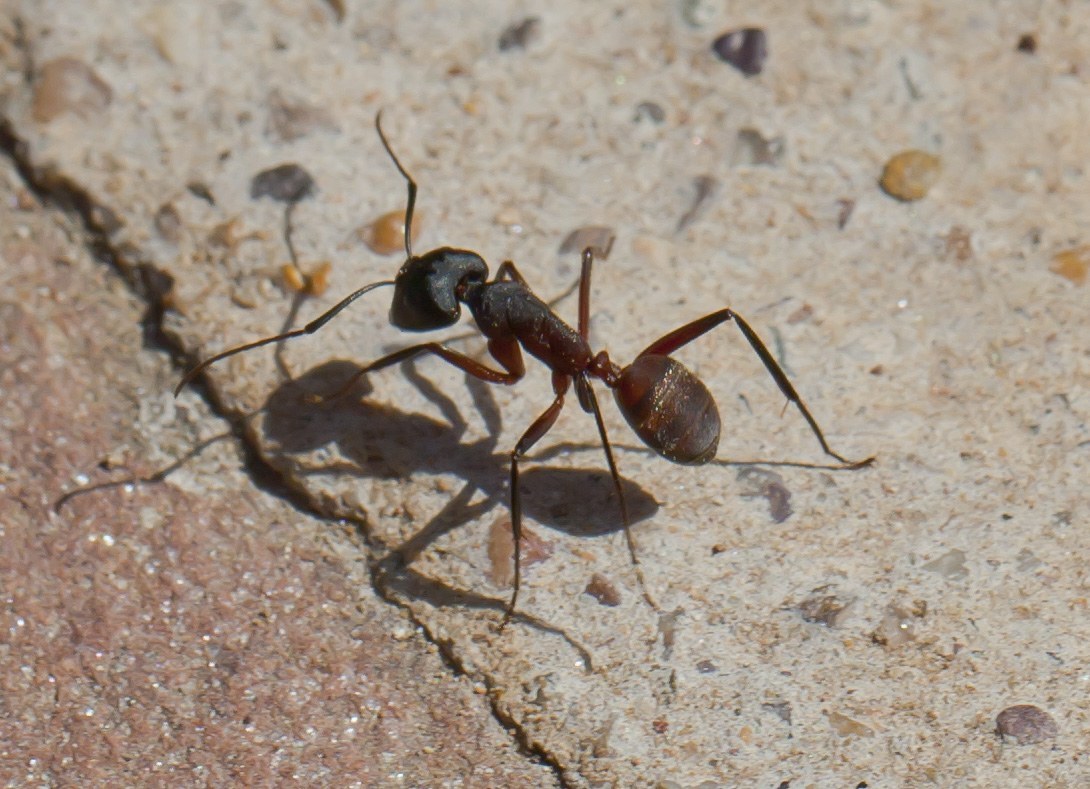
Little Black Ant
Lawns, gardens, rotting wood, and occasionally indoors
Field Ant
Open fields, meadows, lawns, and woodland edges