
Cross Orbweaver
Araneus diadematus
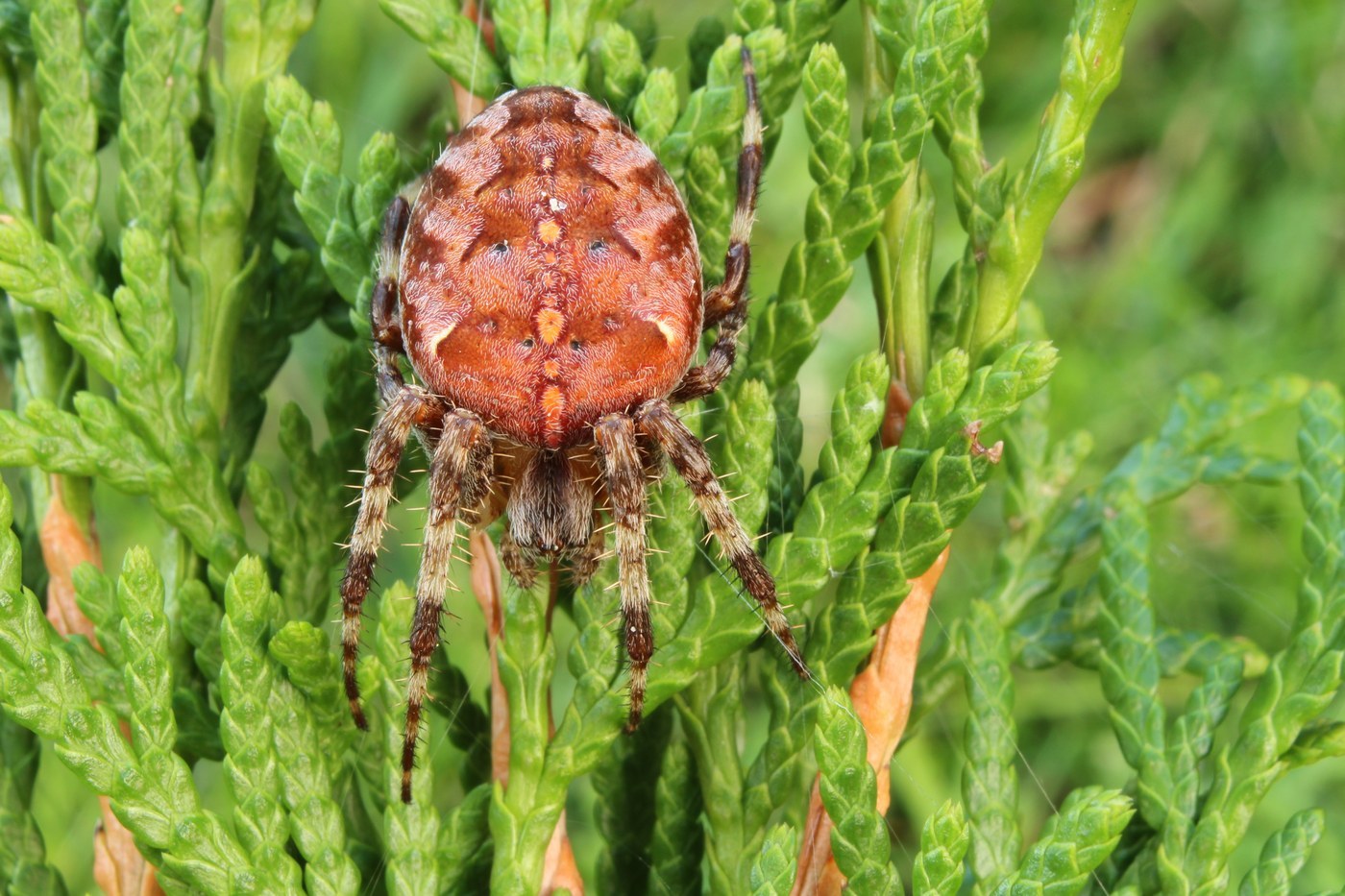
Named for the pale cross of dots marking its rounded abdomen, the cross orbweaver spins one of the most classic wheel-shaped webs, rebuilding it fresh nearly every night to keep its silk sticky and effective.
- Size
- Body 0.2-0.8 in (6-20 mm), females larger than males
- Habitat
- Gardens, forest edges, and building eaves across Europe and introduced areas of North America
- Danger
- Bites
Spotted a bug like this?
Identify any bug or insect from a photo, free.
Overview
The cross orbweaver, Araneus diadematus, also known as the European garden spider, is one of the most familiar orb-weaving spiders across its range, instantly recognizable by the pattern of white spots forming a rough cross shape on its rounded abdomen. Native to Europe, it has become established in parts of North America as well, where it is a common sight in gardens, hedgerows, and around porches in late summer and autumn.
This species is a textbook example of orb-web construction, spinning a nearly perfect wheel-shaped web of radiating spokes connected by a sticky spiral. Because the sticky silk loses its effectiveness over time, cross orbweavers typically consume and rebuild much of their web each day, often working at dusk, which makes them one of the more commonly observed spiders actively building a web.
Cross orbweavers are important predators of flying insects in the habitats they occupy, and their large size and conspicuous webs make them one of the more noticeable spider species encountered by gardeners in late summer.
How to Identify
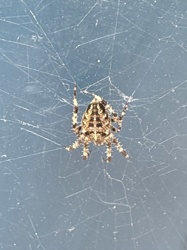
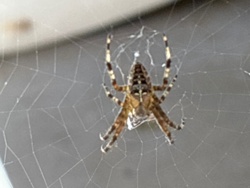
- Rounded, bulbous abdomen with a pattern of light-colored spots forming a rough cross or diadem shape
- Base color ranges from pale tan to reddish-brown or nearly black depending on the individual
- Females are considerably larger and rounder than the smaller, more slender males
- Legs are banded with alternating light and dark segments
- Builds a large, classic wheel-shaped orb web with spiral sticky threads, often rebuilt nightly
- Lookalikes include other Araneus species, which can be distinguished mainly by the specific pattern and shape of the abdominal markings
Habitat & Range
Cross orbweavers are found in gardens, woodland edges, hedgerows, and around building eaves and porch lights, where flying insects are drawn to light. They are especially conspicuous in late summer and early autumn when they reach full size just before breeding. Native to Europe and parts of Asia, the species has also become established in the northeastern United States and parts of Canada.
Behavior & Diet
This spider builds a large, vertical orb web, typically between shrubs, fence posts, or under eaves, and waits at the hub or in a nearby retreat connected by a signal thread. When an insect strikes the sticky spiral, vibrations alert the spider, which rushes out to subdue and wrap the prey in silk. Cross orbweavers commonly take down and rebuild much of their web each evening to keep the silk fresh and sticky. They are not aggressive and will typically retreat or drop from the web on a silk line if disturbed. As predators of moths, flies, and other flying insects, they help regulate insect populations around gardens and woodland edges.
Life Cycle
After mating in autumn, females produce a silk-wrapped egg sac containing hundreds of eggs, hidden in bark crevices or under structures, and typically die shortly afterward as cold weather sets in. The eggs overwinter and spiderlings hatch the following spring, dispersing on silk threads carried by the wind. They molt repeatedly through spring and summer, growing to full adult size by late summer, when mating begins and the annual cycle repeats.
Frequently asked questions
Why does the cross orbweaver have that cross-shaped pattern?
The pale spots on its abdomen form a rough cross shape that gives the species both its common name and part of its scientific name, diadematus.
Why do cross orbweavers rebuild their webs so often?
The sticky spiral silk loses effectiveness after use and exposure to weather, so the spider frequently consumes and respins much of the web to keep it functional.
When are cross orbweavers most noticeable?
They are largest and most conspicuous in late summer and early fall, just before the annual mating season.
What do cross orbweavers eat?
They feed on flying insects such as moths, flies, and wasps that become caught in their orb web.
Cross Orbweaver guides
In-depth guides for identifying, understanding, and living alongside Cross Orbweaver.
Cross Orbweaver identified by the community
Real finds identified with Bug Identifier.

Other bugs you may enjoy
Woodlouse Spider
Damp leaf litter, under logs, stones, and mulch
Wolf Spider
Gardens, grasslands, forests, leaf litter, ground burrows
Wandering Spider
Tropical and subtropical forest floor, foliage, and banana plants
Banded Garden Spider
Tall grass, meadows, and gardens with open sunny vegetation
Banana Spider
Wooded trails, forest edges, and gardens across the southeastern U.S. and the American tropics
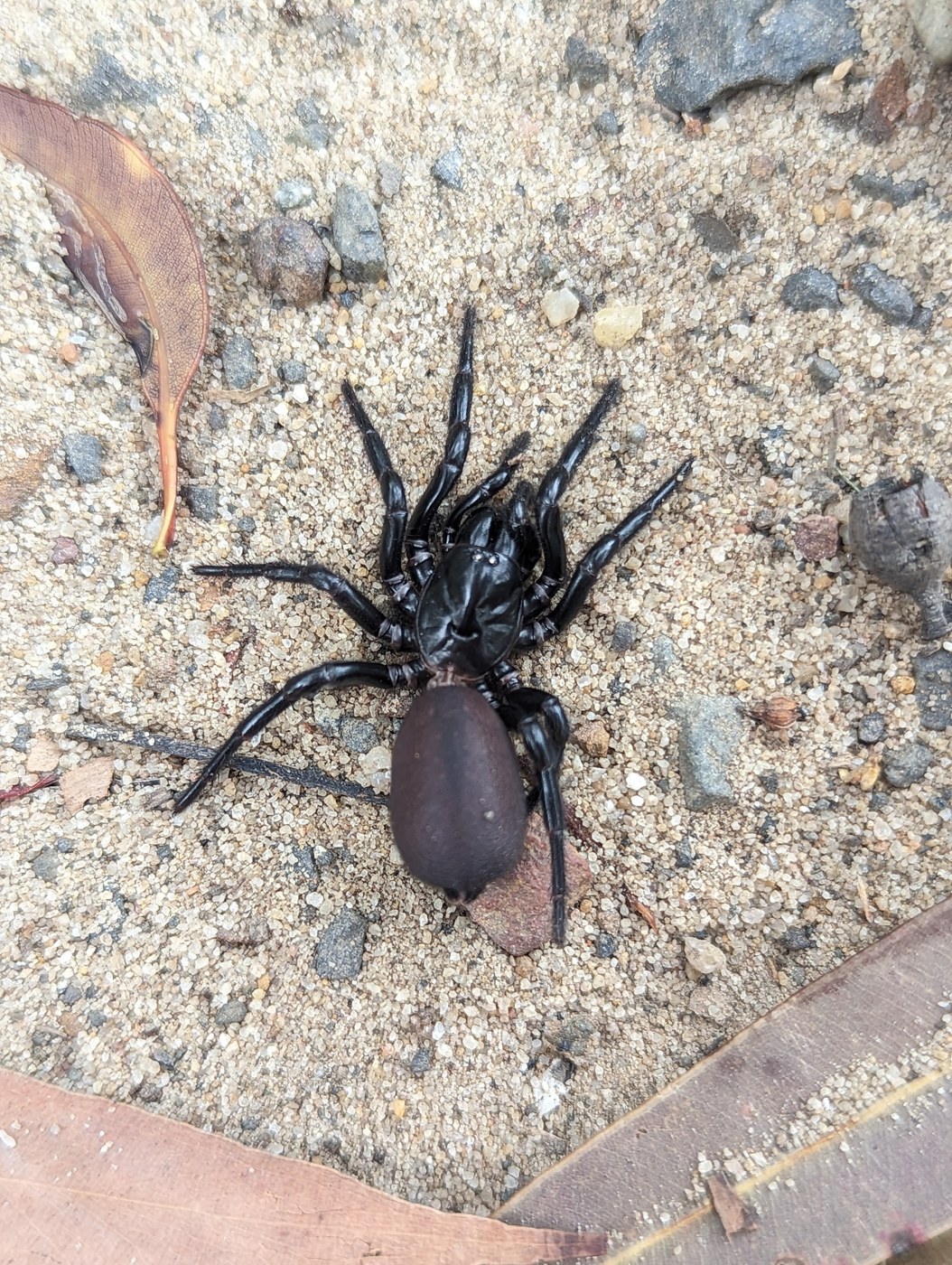
Sydney Funnel-web Spider
Burrows in moist soil, gardens, and forested gullies around the Sydney basin of eastern Australia
Trapdoor Spider
Self-dug silk-lined burrows with a camouflaged door, in dry, well-drained soil worldwide
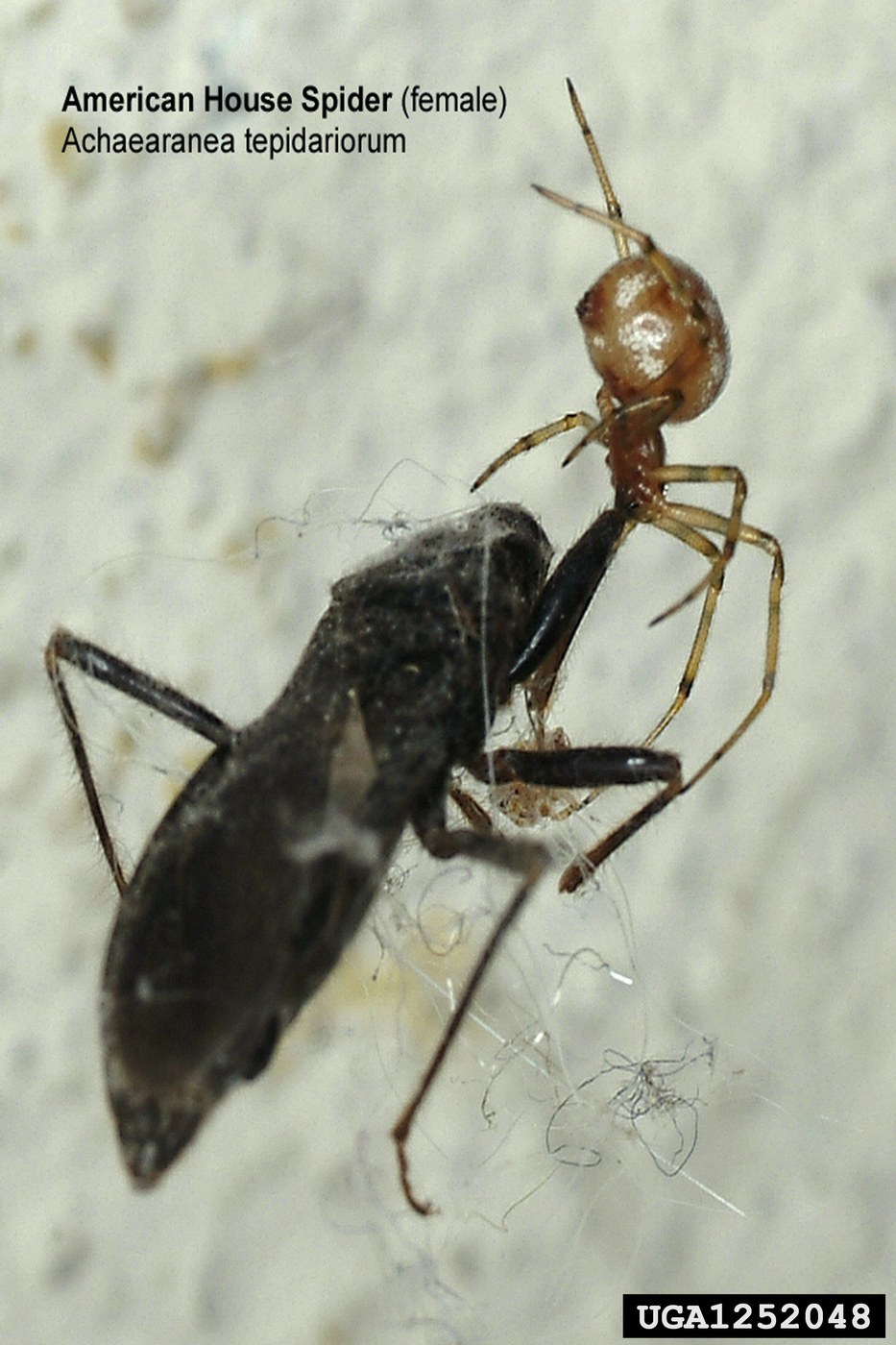
American House Spider
Corners, basements, garages, and outbuildings worldwide
Tube Web Spider
Wall crevices, bark, rockeries, and masonry
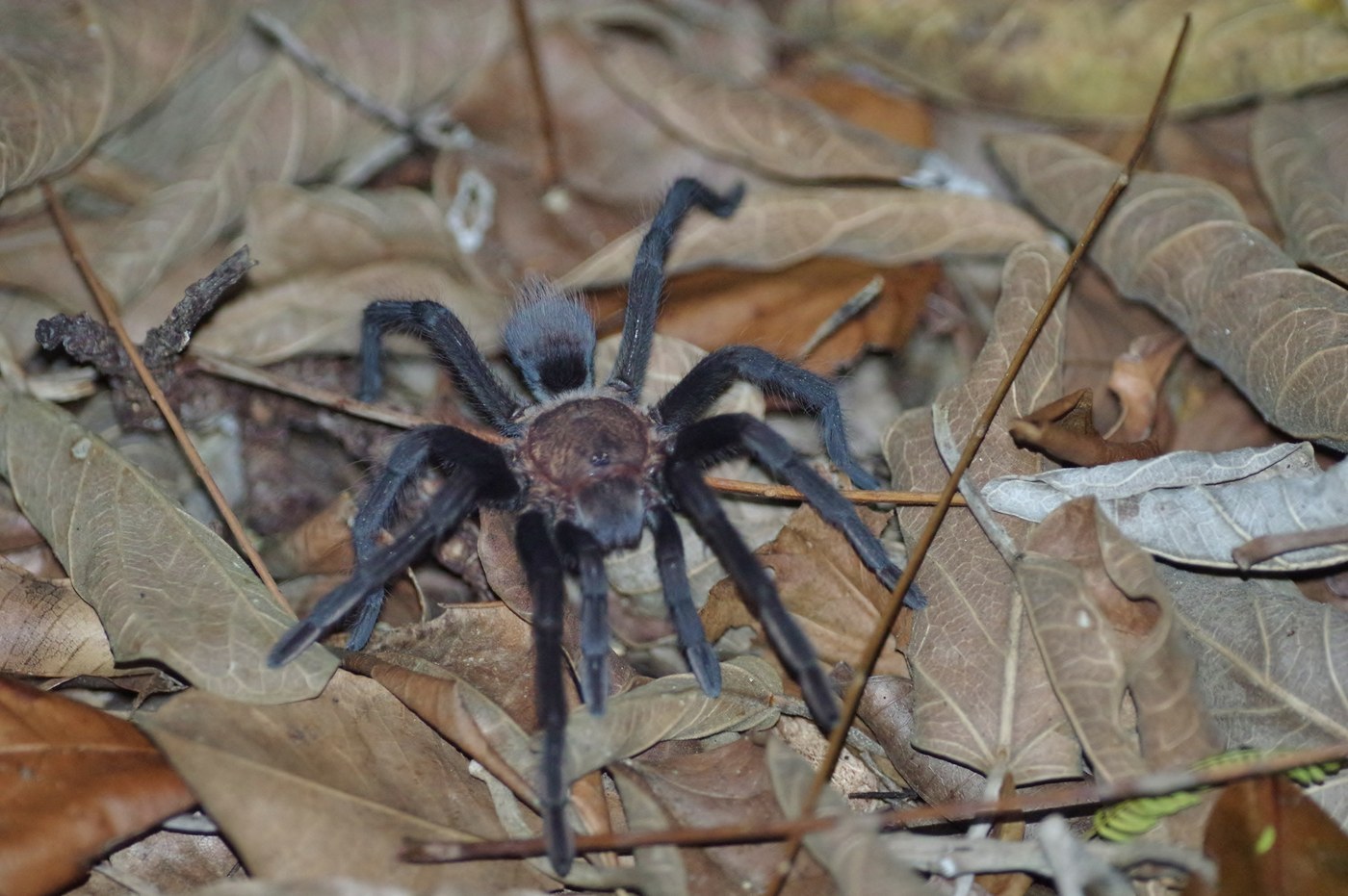
Tarantula
Burrows, rock crevices, and tree hollows in deserts, grasslands, and tropical forests worldwide
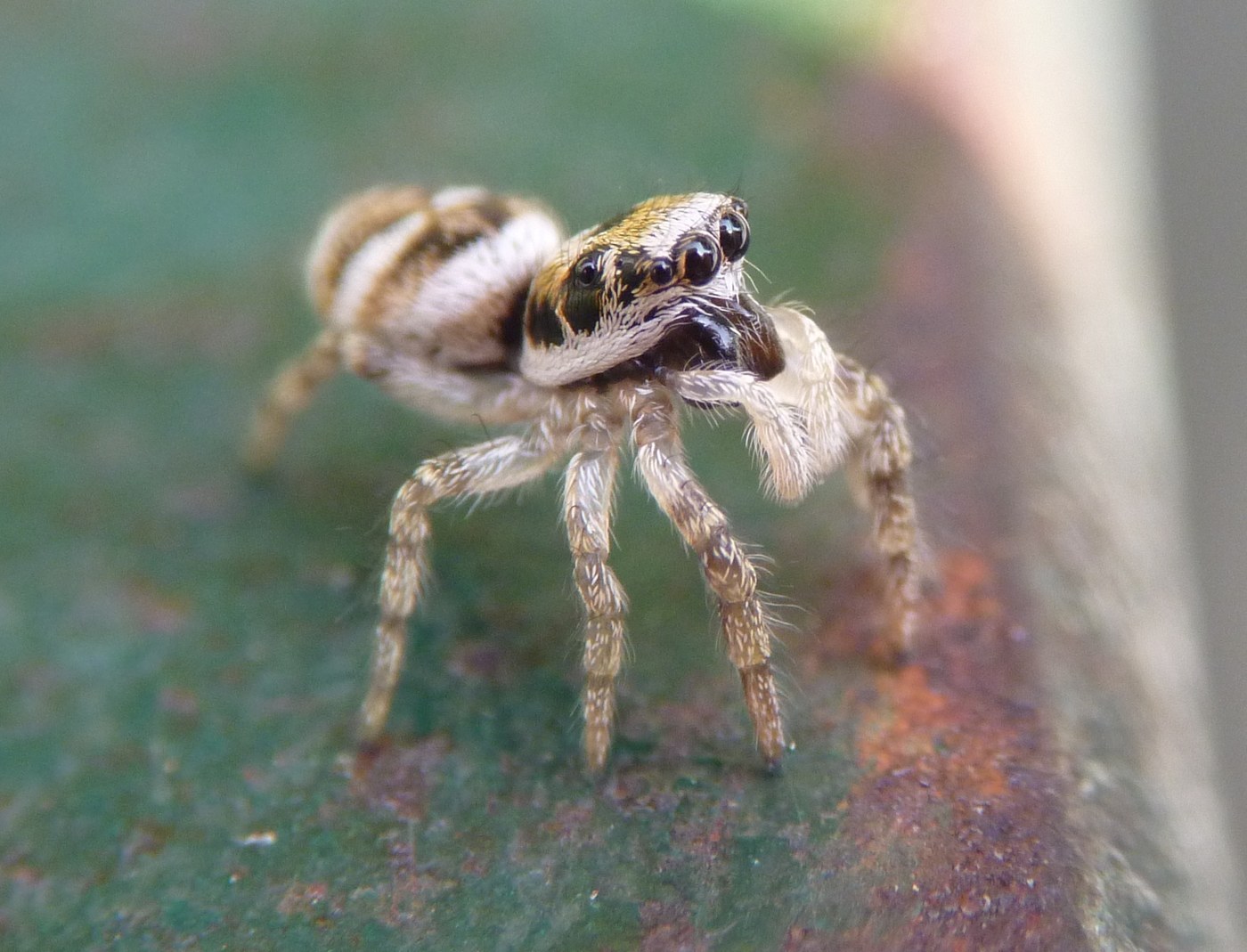
Zebra Jumping Spider
Sunny walls, fences, tree bark, and building exteriors
Wall Spider
Cracks and crevices on exterior and interior walls