
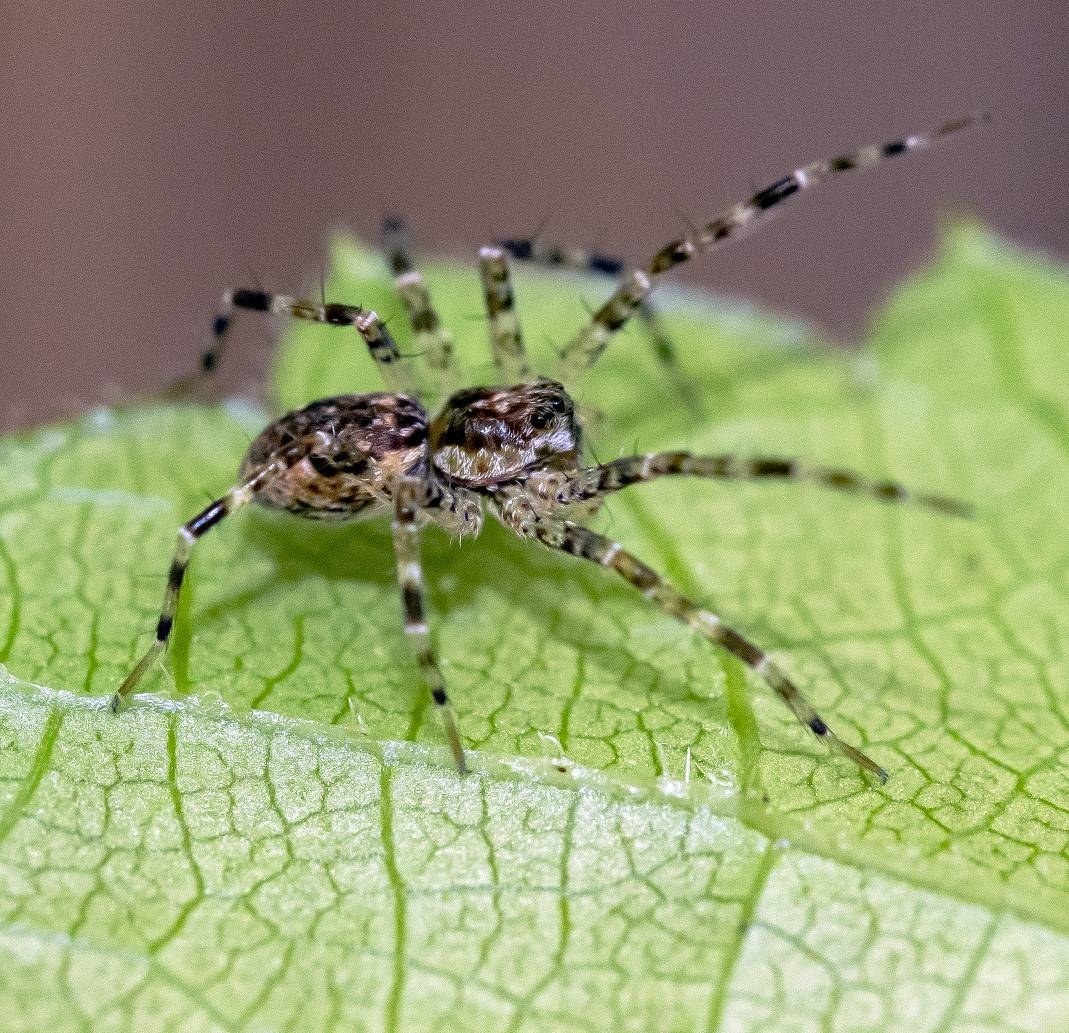
Fishing Spider
Dolomedes spp.
One of the largest spiders in North America, the fishing spider can walk on water, dive beneath the surface to escape danger, and ambush small fish and tadpoles with its front legs from the water's edge.
- Size
- Body 15-26 mm; leg span up to 75 mm
- Habitat
- Edges of ponds, streams, and marshes across North America
- Danger
- Bites
Spotted a bug like this?
Identify any bug or insect from a photo, free.
Overview
Fishing spiders, genus Dolomedes, are large, semi-aquatic hunting spiders found near ponds, streams, lakes, and slow-moving rivers throughout North America. They have a robust, hairy body typically mottled brown or gray, often with pale stripes or bands along the sides, and long, powerful legs that allow them to stand and move across the surface of water using surface tension.
Rather than building a web to catch prey, fishing spiders hunt by resting at the water's edge with their front legs touching the surface, detecting vibrations from insects, tadpoles, or small fish. When prey is detected, the spider darts across the water to seize it, sometimes even diving briefly below the surface to pursue prey or to escape predators, aided by a layer of fine hairs that traps air and allows brief underwater excursions.
As one of the largest spiders in North America by leg span, fishing spiders play a notable role in wetland and riparian ecosystems, feeding on aquatic and terrestrial insects and occasionally very small vertebrates.
How to Identify
- Large, robust, hairy body, typically brown or gray with mottled patterning and pale stripes along the body margins
- Long, thick legs proportioned for both walking on land and skating across water
- No web used for prey capture; often found resting at the water's edge or on floating vegetation
- Females may be seen carrying a large round egg sac in their fangs, similar to nursery web spiders
- Lookalikes: nursery web spiders (smaller, found away from water), wolf spiders (stockier, no water association)
Habitat & Range
Found throughout much of North America near freshwater habitats - the edges of ponds, lakes, slow streams, marshes, and swamps. Some species are also found in woodlands somewhat removed from open water, resting on tree bark or in leaf litter, though most remain closely tied to wetland margins.
Behavior & Diet
Fishing spiders are ambush predators that hunt at the water's surface, detecting ripples and vibrations from struggling insects or small aquatic animals with sensitive leg hairs. They can run across the water's surface using surface tension, dive briefly underwater to capture prey or evade predators, and climb back out onto shore or vegetation to feed. Their diet includes aquatic and terrestrial insects, other spiders, and occasionally very small fish or tadpoles. They are solitary and generally avoid confrontation, retreating into water or vegetation when disturbed.
Life Cycle
Females carry a large, spherical egg sac beneath their body in their fangs, much like nursery web spiders, until the eggs are nearly ready to hatch. At that point she constructs a nursery web among waterside vegetation, secures the egg sac within it, and guards the structure until spiderlings emerge and disperse. Juveniles hunt small prey near the water's edge as they grow through successive molts. Most species complete one generation per year, overwintering as juveniles or adults in sheltered sites near the water.
Frequently asked questions
Can fishing spiders really walk on water?
Yes, their legs are adapted to distribute weight across the water's surface tension, allowing them to stand, walk, and even run across calm water.
Do fishing spiders actually catch fish?
They primarily eat insects and other small invertebrates, but they are capable of capturing very small fish or tadpoles when the opportunity arises.
How big can a fishing spider get?
They are among the largest spiders in North America, with a leg span that can reach up to about 3 inches (75 mm) in some species.
Where are fishing spiders usually found?
They are typically found at the edges of ponds, streams, lakes, and marshes, resting on the shoreline, floating vegetation, or nearby rocks and bark.
Fishing Spider guides
In-depth guides for identifying, understanding, and living alongside Fishing Spider.
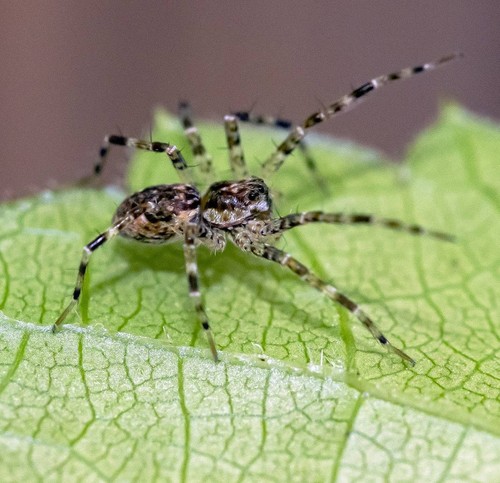
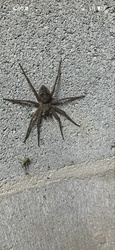
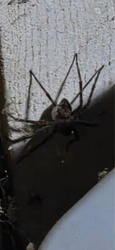
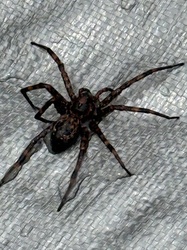
Fishing Spider identified by the community
Real finds identified with Bug Identifier.

Other bugs you may enjoy
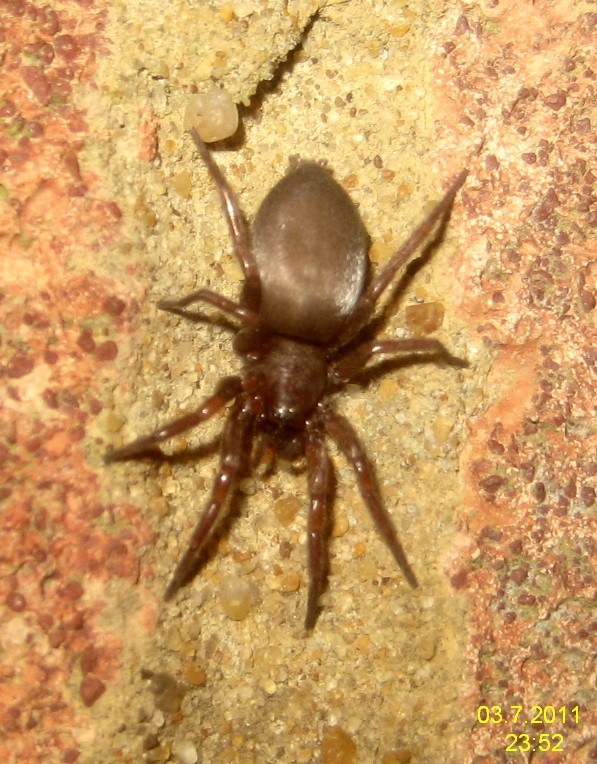
Woodlouse Spider
Damp leaf litter, under logs, stones, and mulch
Wolf Spider
Gardens, grasslands, forests, leaf litter, ground burrows
Wandering Spider
Tropical and subtropical forest floor, foliage, and banana plants
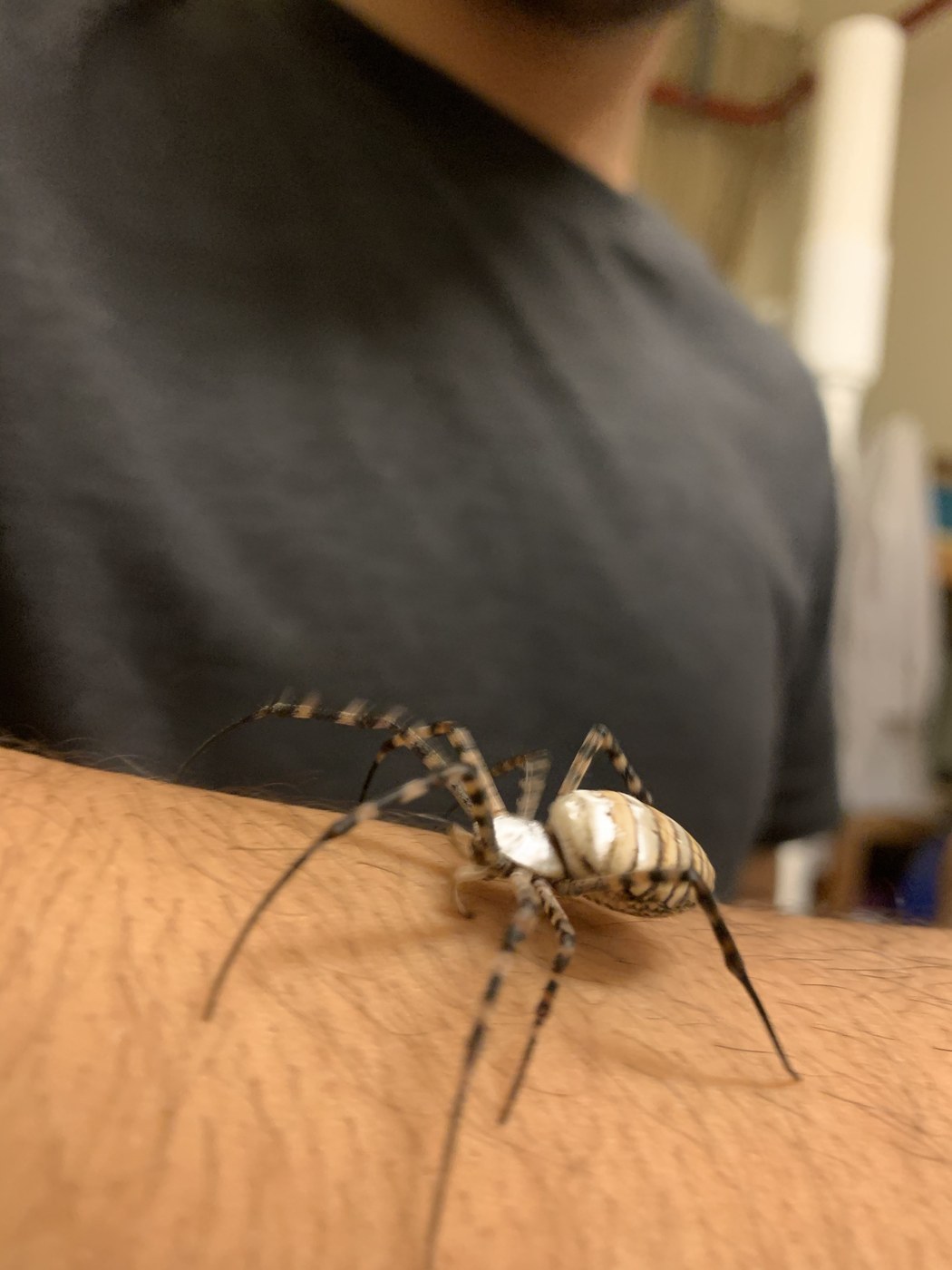
Banded Garden Spider
Tall grass, meadows, and gardens with open sunny vegetation
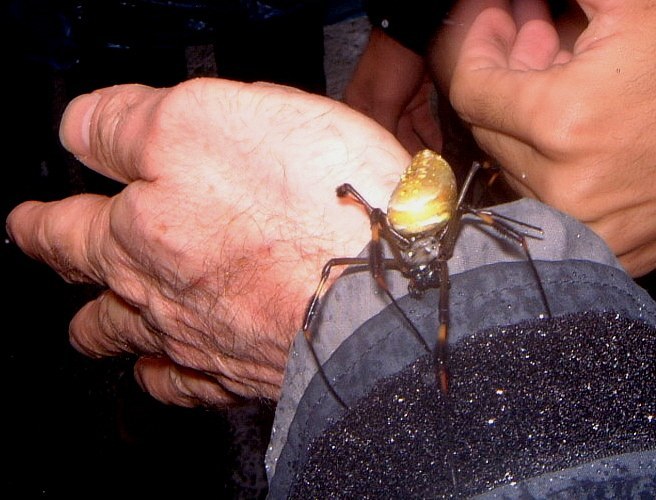
Banana Spider
Wooded trails, forest edges, and gardens across the southeastern U.S. and the American tropics
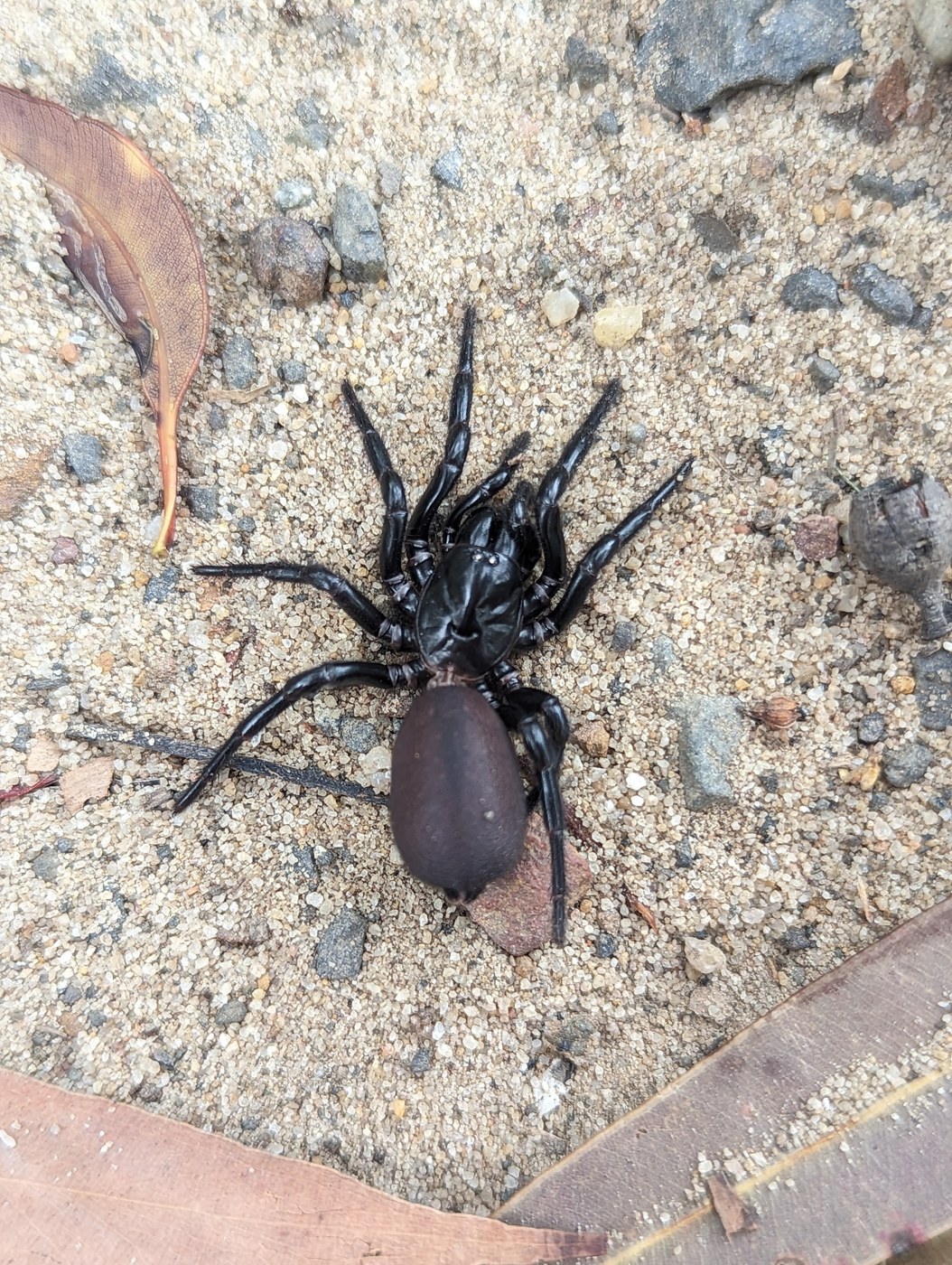
Sydney Funnel-web Spider
Burrows in moist soil, gardens, and forested gullies around the Sydney basin of eastern Australia
Trapdoor Spider
Self-dug silk-lined burrows with a camouflaged door, in dry, well-drained soil worldwide
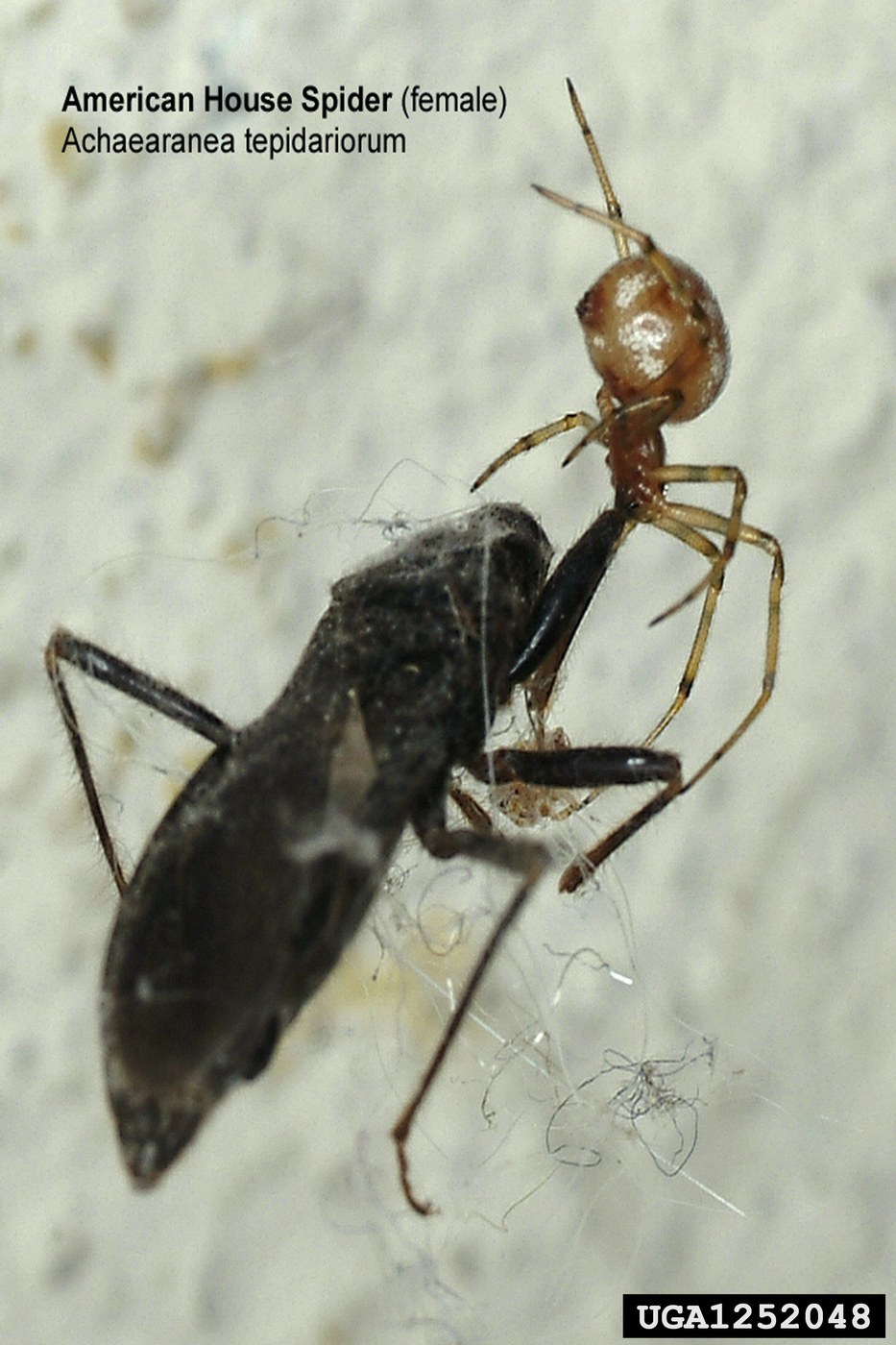
American House Spider
Corners, basements, garages, and outbuildings worldwide
Tube Web Spider
Wall crevices, bark, rockeries, and masonry
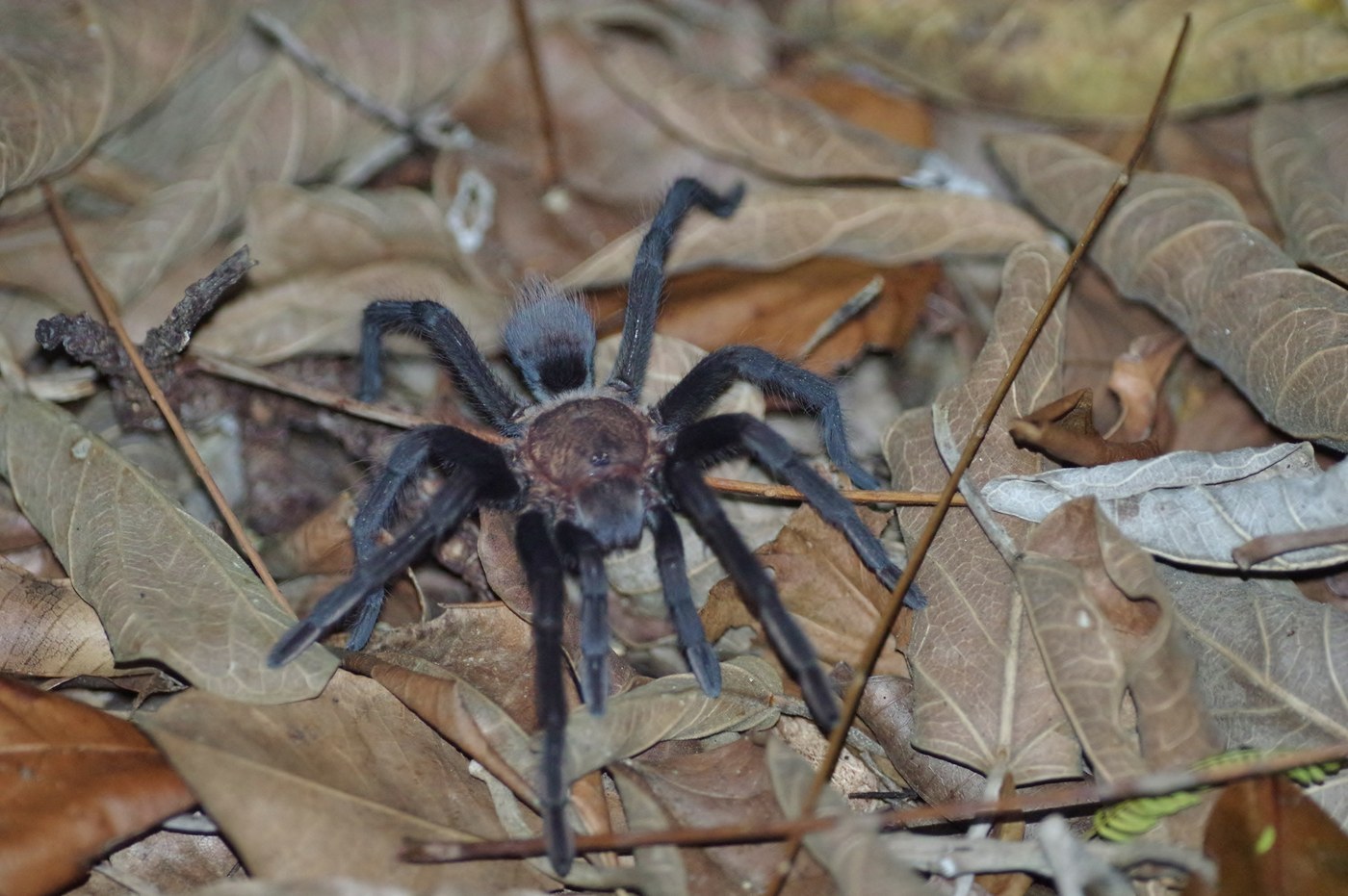
Tarantula
Burrows, rock crevices, and tree hollows in deserts, grasslands, and tropical forests worldwide
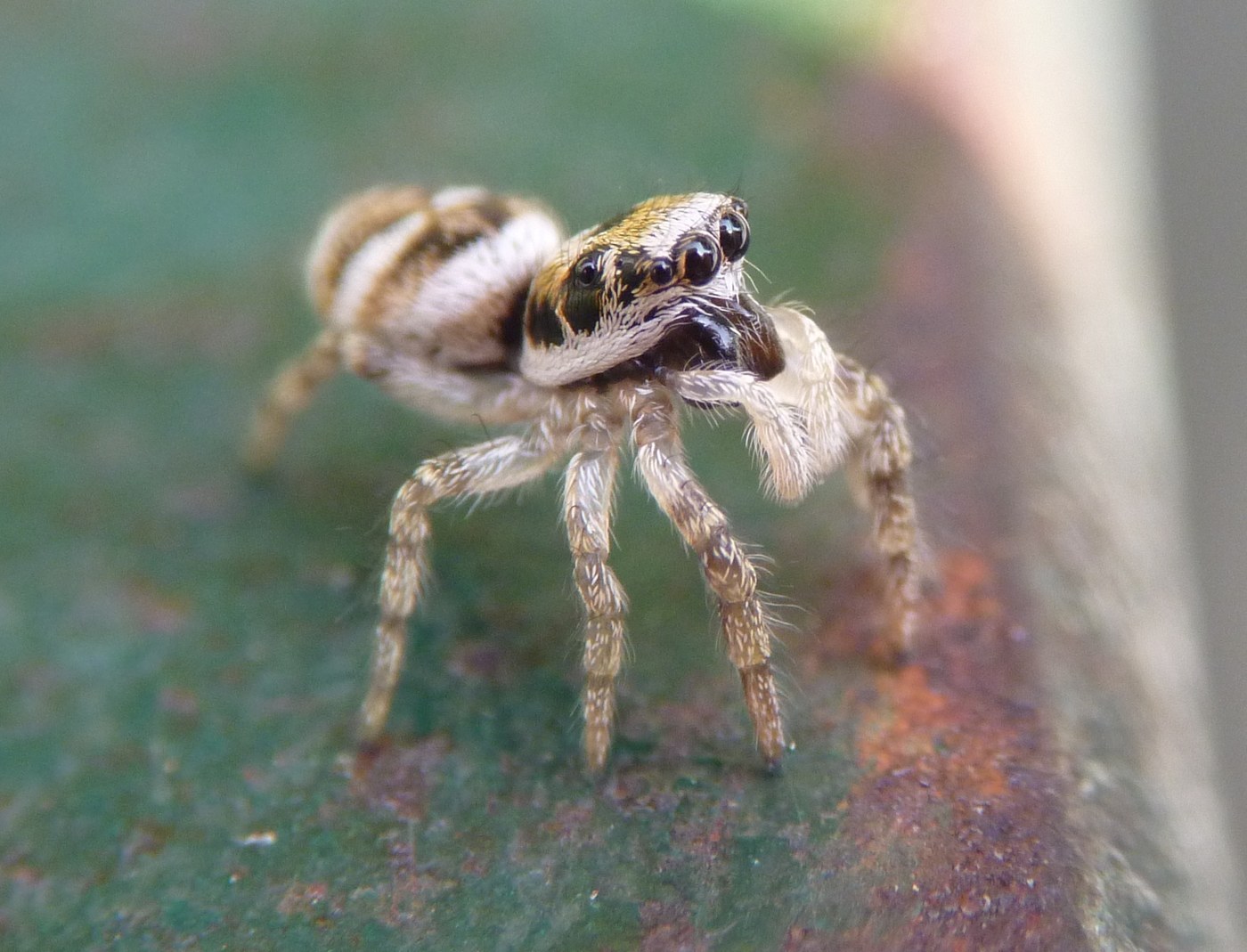
Zebra Jumping Spider
Sunny walls, fences, tree bark, and building exteriors
Wall Spider
Cracks and crevices on exterior and interior walls