
Sydney Funnel-web Spider
Atrax robustus
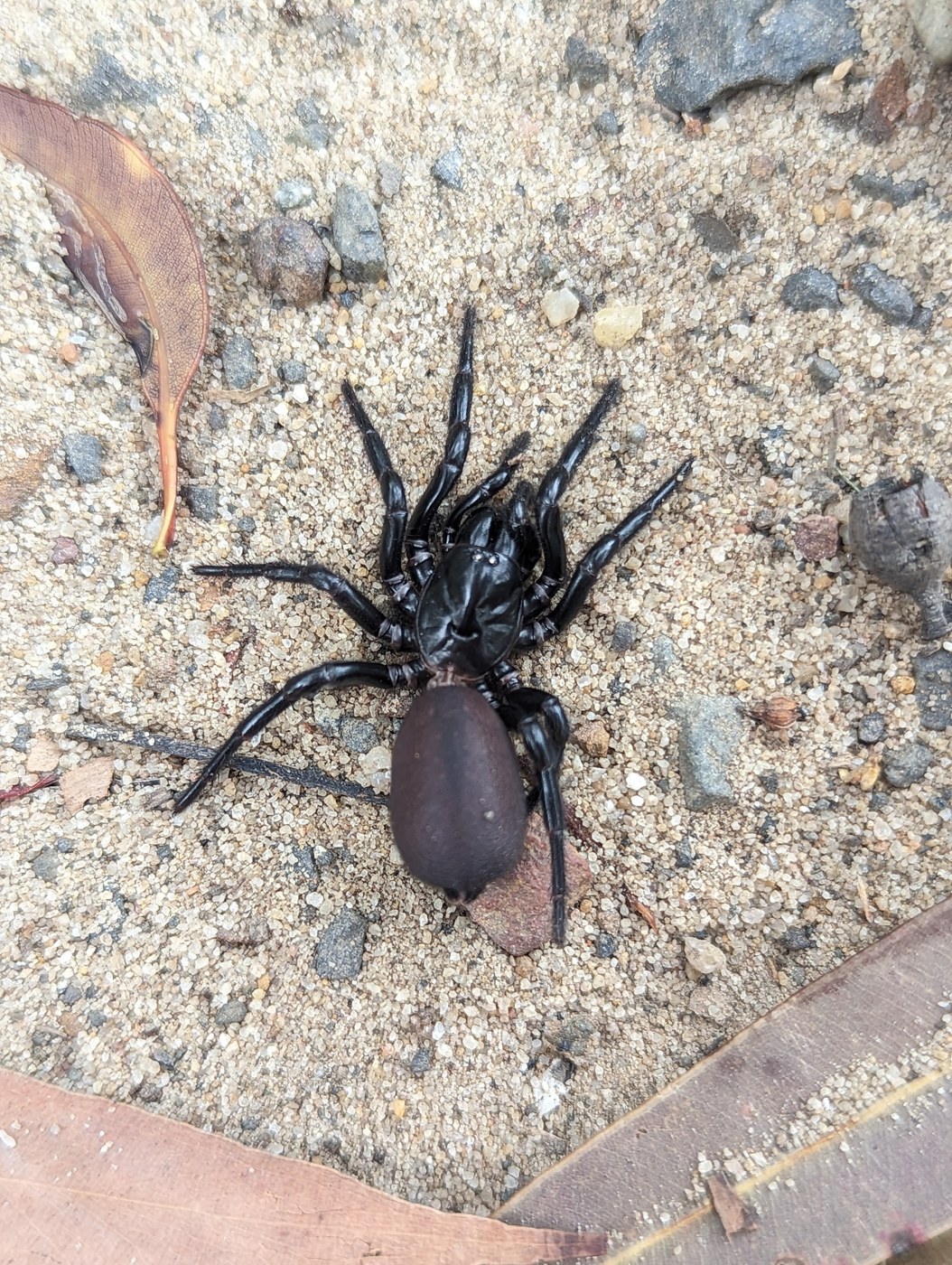
Glossy black and heavily built, with large fangs held ready in front of its face, the Sydney funnel-web spider shelters in a silk-lined burrow in moist, shaded ground across the Sydney region, one of Australia's most distinctive ground-dwelling spiders.
- Size
- Body 0.4-2 in (1-5 cm); males have proportionally longer legs than females
- Habitat
- Burrows in moist soil, gardens, and forested gullies around the Sydney basin of eastern Australia
- Danger
- Venomous
Spotted a bug like this?
Identify any bug or insect from a photo, free.
Overview
The Sydney funnel-web spider, Atrax robustus, is a large, glossy, dark-bodied spider native to the moist, forested regions surrounding Sydney, Australia. It belongs to the family Atracidae, an ancient lineage of mygalomorph spiders unrelated to the agelenid funnel weaver spiders found elsewhere in the world, despite the similar common name and the fact that both build a silk-lined, funnel-shaped retreat.
This species digs a burrow in moist, sheltered soil, often under logs, rocks, or garden mulch, lining the entrance with a funnel of silk from which trip-lines radiate outward to detect passing prey. Males, which have proportionally longer legs than females, tend to wander more widely in search of mates, particularly during warm, humid weather, making them the funnel-web most often encountered away from a burrow.
Sydney funnel-web spiders are a well-known and closely studied part of the fauna of the Sydney basin, and their striking appearance and burrowing habits have made them one of the most recognizable spiders in Australia.
How to Identify
- Glossy, dark brown to black body with a smooth, somewhat shiny carapace
- Large, forward-pointing fangs held prominently in front of the face
- Robust, heavily built body compared to many other ground spiders
- Males have notably longer, more slender legs relative to their body than females
- Constructs a silk-lined burrow with a funnel-shaped entrance and radiating trip-lines
- Lookalikes include the related but less commonly encountered mouse spiders and trapdoor spiders, which have a more compact build and different burrow structure
Habitat & Range
This species is restricted to a relatively limited range centered on the Sydney basin and surrounding areas of coastal and mountainous eastern New South Wales, Australia. It favors moist, sheltered soil in gullies, gardens, and forested areas, digging burrows under logs, rocks, and leaf litter where humidity remains high. Wandering males are most often encountered during the warmer, humid months when they leave their burrows in search of mates.
Behavior & Diet
Sydney funnel-web spiders spend most of their lives in a burrow lined with silk, using trip-lines radiating from the entrance to detect the vibrations of passing prey before rushing out to seize it. They are largely nocturnal and rarely leave their burrow except for males during the breeding season. When cornered or threatened, this species may rear up and display its fangs prominently rather than fleeing, a defensive posture that is well documented for the species. As predators of ground-dwelling insects and other small invertebrates, they play a role in the invertebrate food web of the moist forest and garden habitats they occupy.
Life Cycle
Females lay eggs in a silk sac kept within the burrow, and the young spiderlings remain near the maternal burrow for a period before dispersing to dig their own. Sydney funnel-web spiders grow slowly, molting repeatedly over several years before reaching maturity. Females tend to remain in or near their burrow for most of their lives and can live many years, while males leave their burrows to search for mates once mature and generally have a shorter adult lifespan than females.
Frequently asked questions
Is the Sydney funnel-web spider related to funnel weaver spiders found elsewhere?
No, despite the similar name and funnel-shaped retreat, it belongs to an entirely different, unrelated family found only in parts of eastern Australia.
Where does the Sydney funnel-web spider live?
It is restricted to the Sydney basin and nearby areas of coastal New South Wales, Australia, where it digs burrows in moist, shaded soil.
Why are male Sydney funnel-web spiders seen more often than females?
Males leave their burrows to actively search for mates during warm, humid weather, while females tend to remain within or near their burrow.
What does the Sydney funnel-web spider eat?
It preys on ground-dwelling insects and other small invertebrates that trigger the trip-lines radiating from its burrow entrance.
Sydney Funnel-web Spider guides
In-depth guides for identifying, understanding, and living alongside Sydney Funnel-web Spider.
Sydney Funnel-web Spider identified by the community
Real finds identified with Bug Identifier.
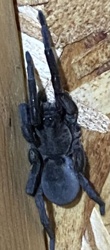
Other bugs you may enjoy
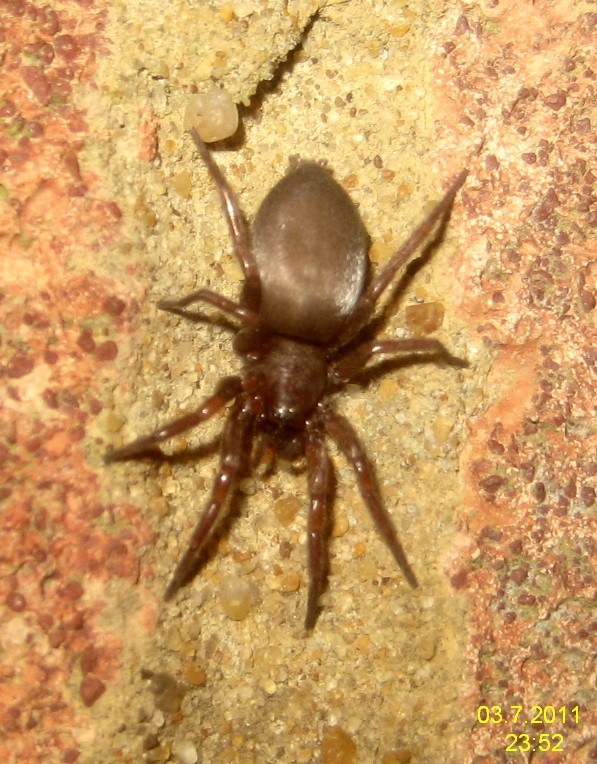
Woodlouse Spider
Damp leaf litter, under logs, stones, and mulch
Wolf Spider
Gardens, grasslands, forests, leaf litter, ground burrows
Wandering Spider
Tropical and subtropical forest floor, foliage, and banana plants
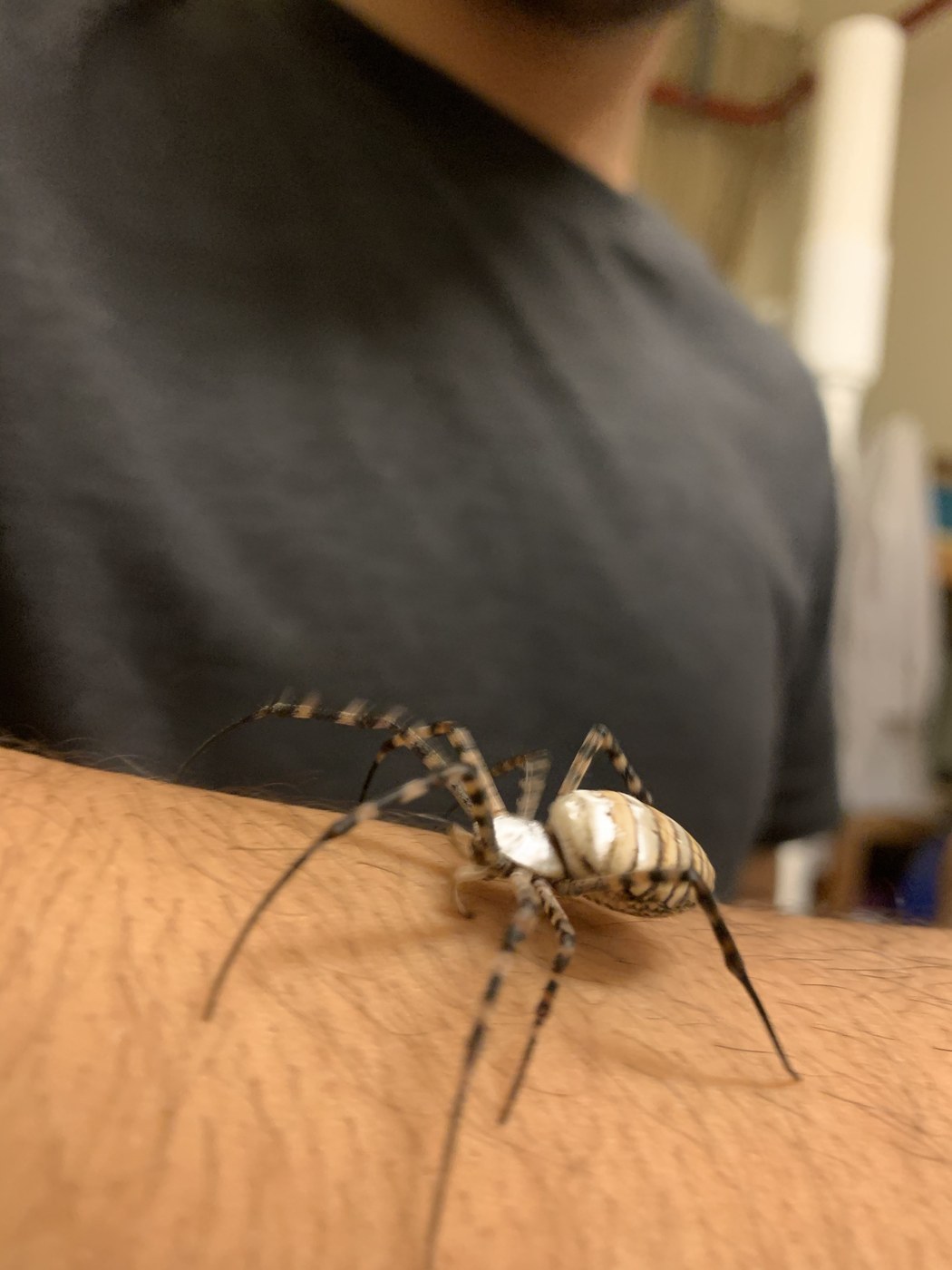
Banded Garden Spider
Tall grass, meadows, and gardens with open sunny vegetation
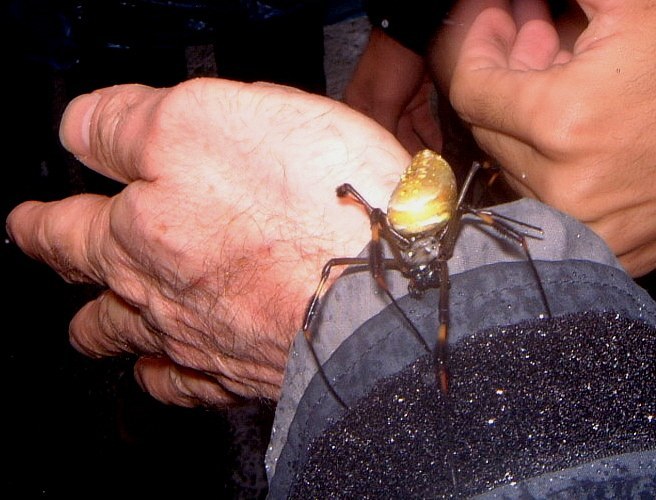
Banana Spider
Wooded trails, forest edges, and gardens across the southeastern U.S. and the American tropics
Trapdoor Spider
Self-dug silk-lined burrows with a camouflaged door, in dry, well-drained soil worldwide
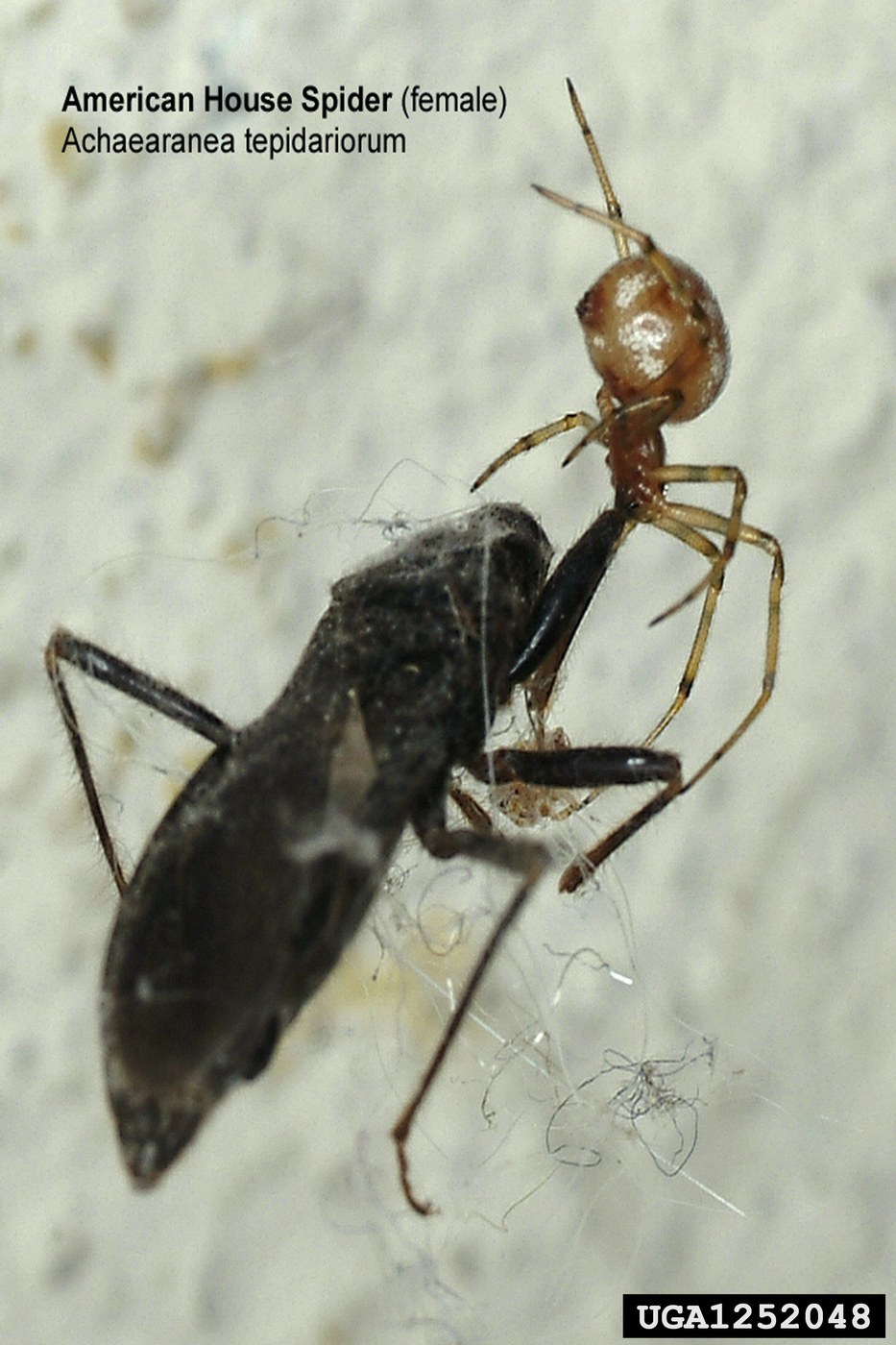
American House Spider
Corners, basements, garages, and outbuildings worldwide
Tube Web Spider
Wall crevices, bark, rockeries, and masonry
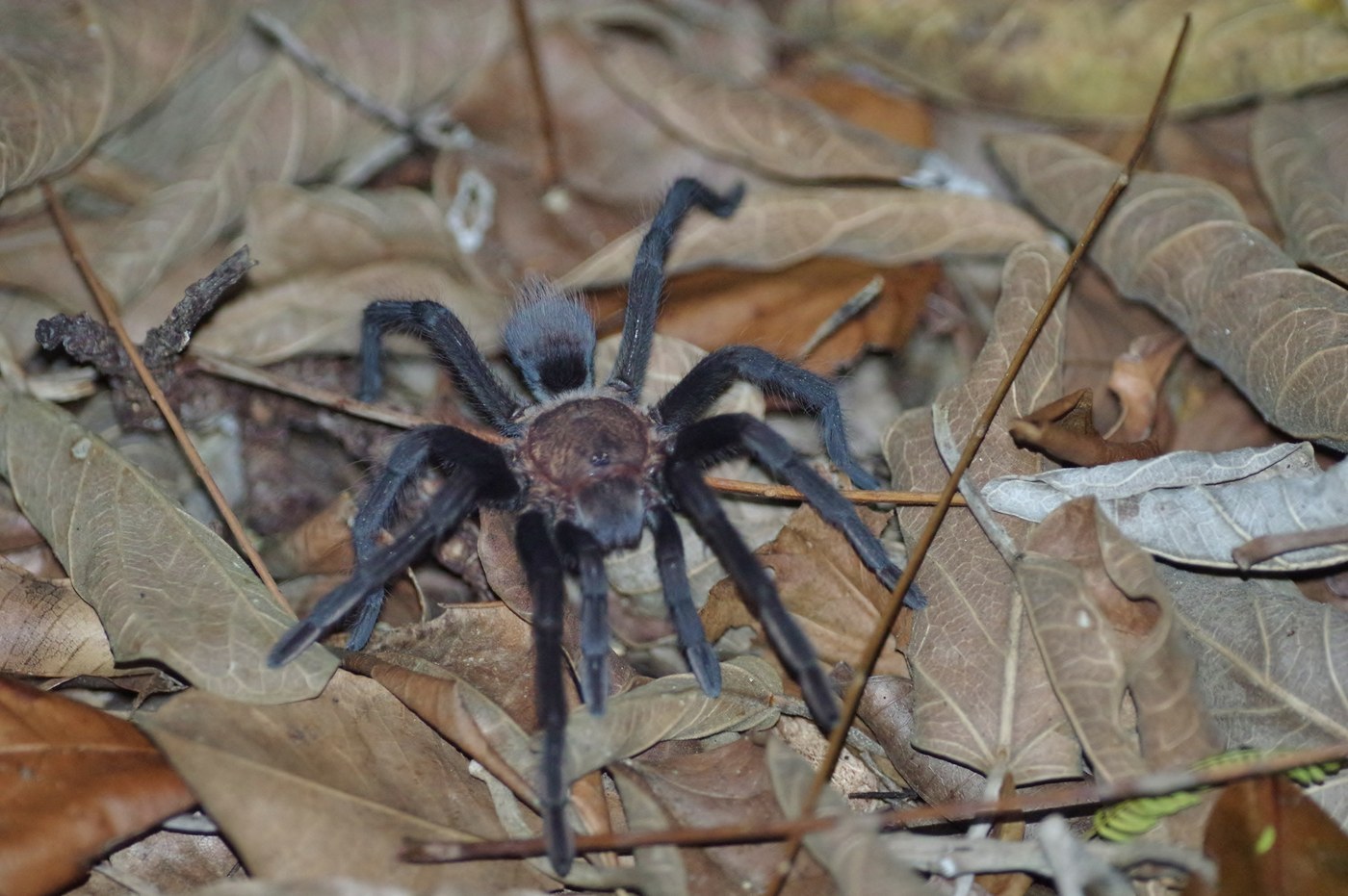
Tarantula
Burrows, rock crevices, and tree hollows in deserts, grasslands, and tropical forests worldwide
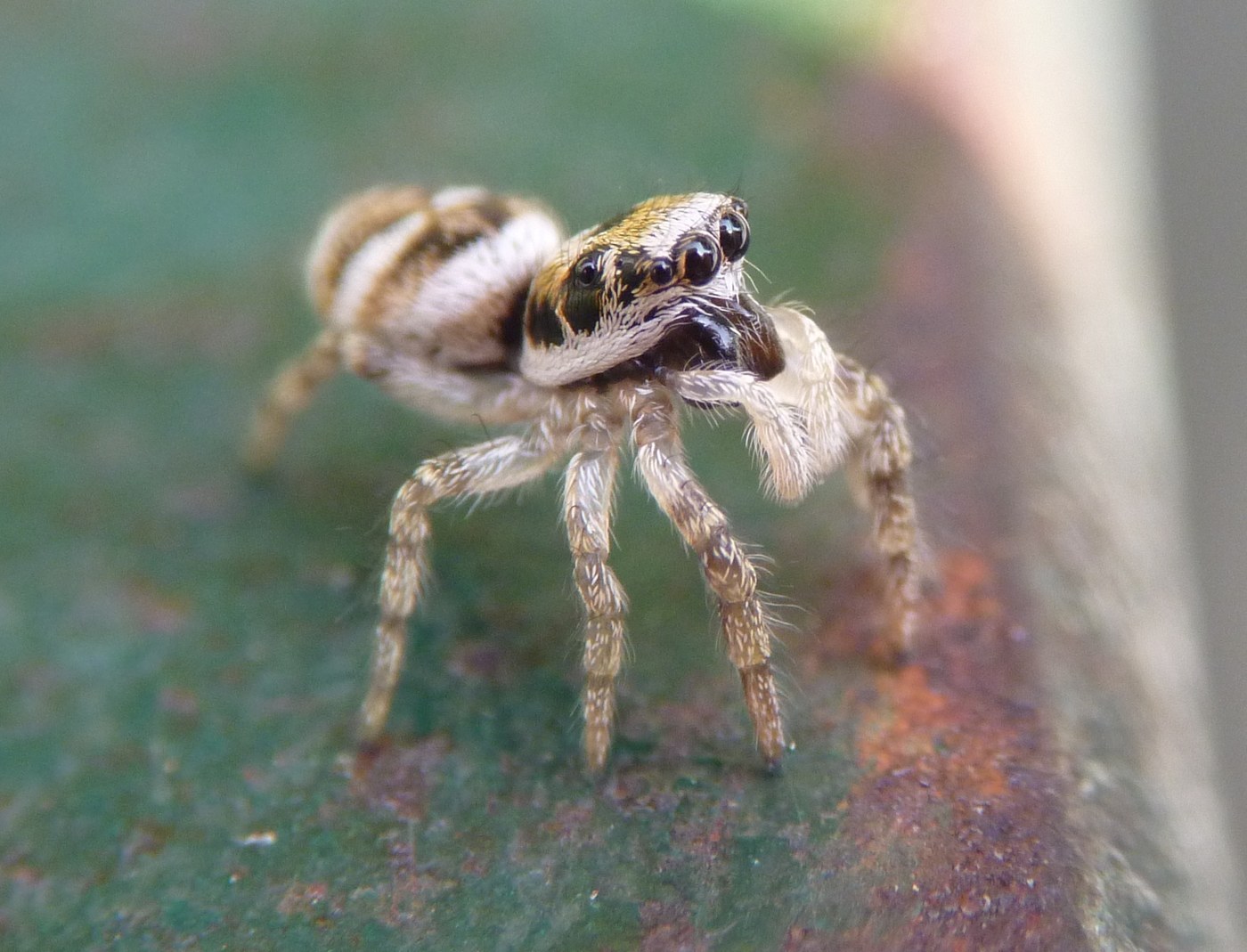
Zebra Jumping Spider
Sunny walls, fences, tree bark, and building exteriors
Wall Spider
Cracks and crevices on exterior and interior walls
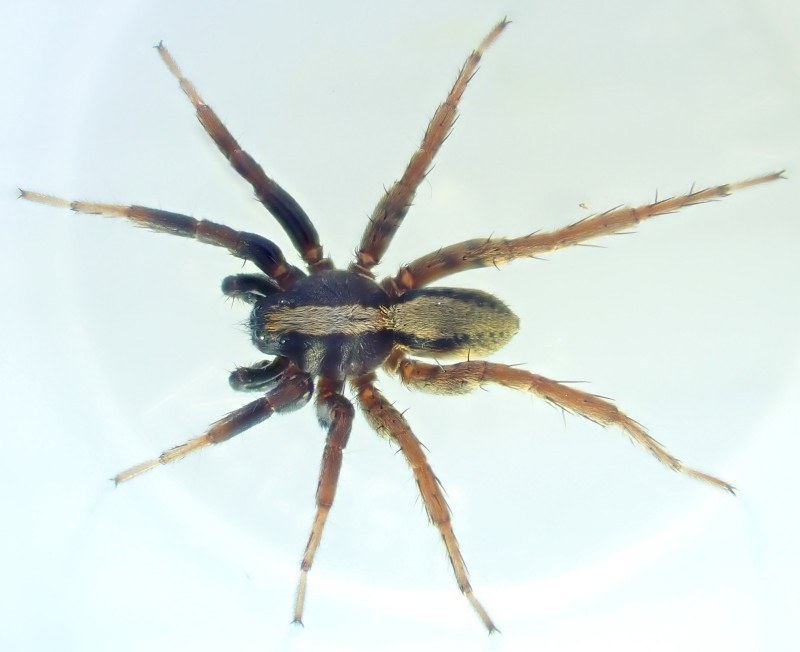
Wolf Spiderling
Grasslands, gardens, leaf litter and bare ground