
Pirate Spider
Mimetus spp.
A stealthy, spider-eating specialist that sneaks onto another spider's web, plucks the silk to mimic trapped prey, and ambushes the unsuspecting owner.
- Size
- 0.1-0.3 in (3-8 mm) body length
- Habitat
- Foliage and webs of other spiders in gardens and woodland
- Danger
- Harmless
Spotted a bug like this?
Identify any bug or insect from a photo, free.
Overview
Pirate spiders, genus Mimetus, are a small but fascinating group in the family Mimetidae, notable for an almost entirely araneophagic diet, meaning they specialize in hunting other spiders rather than insects. Rather than building a capture web of their own, a pirate spider invades the web of another spider species and uses stealth and mimicry to turn the resident into its meal.
Once on a host web, the pirate spider plucks and vibrates the silk strands in a pattern that imitates the struggle of ensnared prey, luring the resident spider closer. When the unsuspecting owner approaches to investigate, the pirate spider strikes quickly, using its long, spined front legs to grip the victim while delivering a subduing bite, then feeds on it at leisure.
This specialized, almost piratical lifestyle gives the group its common name and makes it one of the more unusual predatory strategies among web-building arachnids, since the predator essentially hijacks another spider's home and food supply.
How to Identify
- Small, often rounded abdomen with a humped or bulbous profile
- Long, spiny front legs bearing rows of stout, comb-like spines used to grip prey
- Coloration typically mottled brown, tan, or reddish, providing camouflage on bark or foliage
- Does not build its own capture web; typically found on or near another spider's web
- Slow, deliberate movements while stalking, contrasting with the quick dash of most hunting spiders
- Lookalikes include small orb weavers, but the spined front legs and web-invading behavior are diagnostic
Habitat & Range
Pirate spiders occur in gardens, woodland understory, and shrubby vegetation across much of the temperate and subtropical world, wherever web-building spiders they can prey upon are present. They are most often found on the margins of another spider's web or resting nearby on foliage, and activity peaks during the warmer months when host spider populations are highest.
Behavior & Diet
The defining behavior of pirate spiders is their predation on other spiders. After locating an occupied web, a pirate spider approaches cautiously and plucks the silk to simulate the vibrations of trapped prey, drawing the host spider within striking range. It then uses its spined forelegs to seize and subdue the host before feeding. This specialized diet makes pirate spiders an interesting natural check on populations of small web-building spiders, occupying a niche similar to a predator that hunts exclusively within the territories of other predators.
Life Cycle
Females attach a distinctive, often spiky or textured silk egg sac to vegetation or bark, sometimes camouflaged with plant debris. Spiderlings that hatch disperse to find their own hunting grounds among other spiders' webs, growing through successive molts. Most species complete development over one season in temperate climates, with eggs or juveniles overwintering until conditions favor renewed activity in spring.
Frequently asked questions
What makes pirate spiders unusual?
They specialize in hunting other spiders, invading a host spider's web and mimicking trapped prey to lure the owner within striking range.
Do pirate spiders build their own webs?
No, they rely almost entirely on other spiders' webs as hunting grounds rather than constructing their own capture web.
How do you recognize a pirate spider?
Look for a small spider with a humped abdomen and long, spine-covered front legs, often found lingering at the edge of another spider's web.
Are pirate spiders dangerous to people?
No, they are tiny and focused entirely on hunting other spiders, showing no interest in humans.
Pirate Spider guides
In-depth guides for identifying, understanding, and living alongside Pirate Spider.
Other bugs you may enjoy
Woodlouse Spider
Damp leaf litter, under logs, stones, and mulch
Wolf Spider
Gardens, grasslands, forests, leaf litter, ground burrows
Wandering Spider
Tropical and subtropical forest floor, foliage, and banana plants
Banded Garden Spider
Tall grass, meadows, and gardens with open sunny vegetation
Banana Spider
Wooded trails, forest edges, and gardens across the southeastern U.S. and the American tropics
Sydney Funnel-web Spider
Burrows in moist soil, gardens, and forested gullies around the Sydney basin of eastern Australia
Trapdoor Spider
Self-dug silk-lined burrows with a camouflaged door, in dry, well-drained soil worldwide
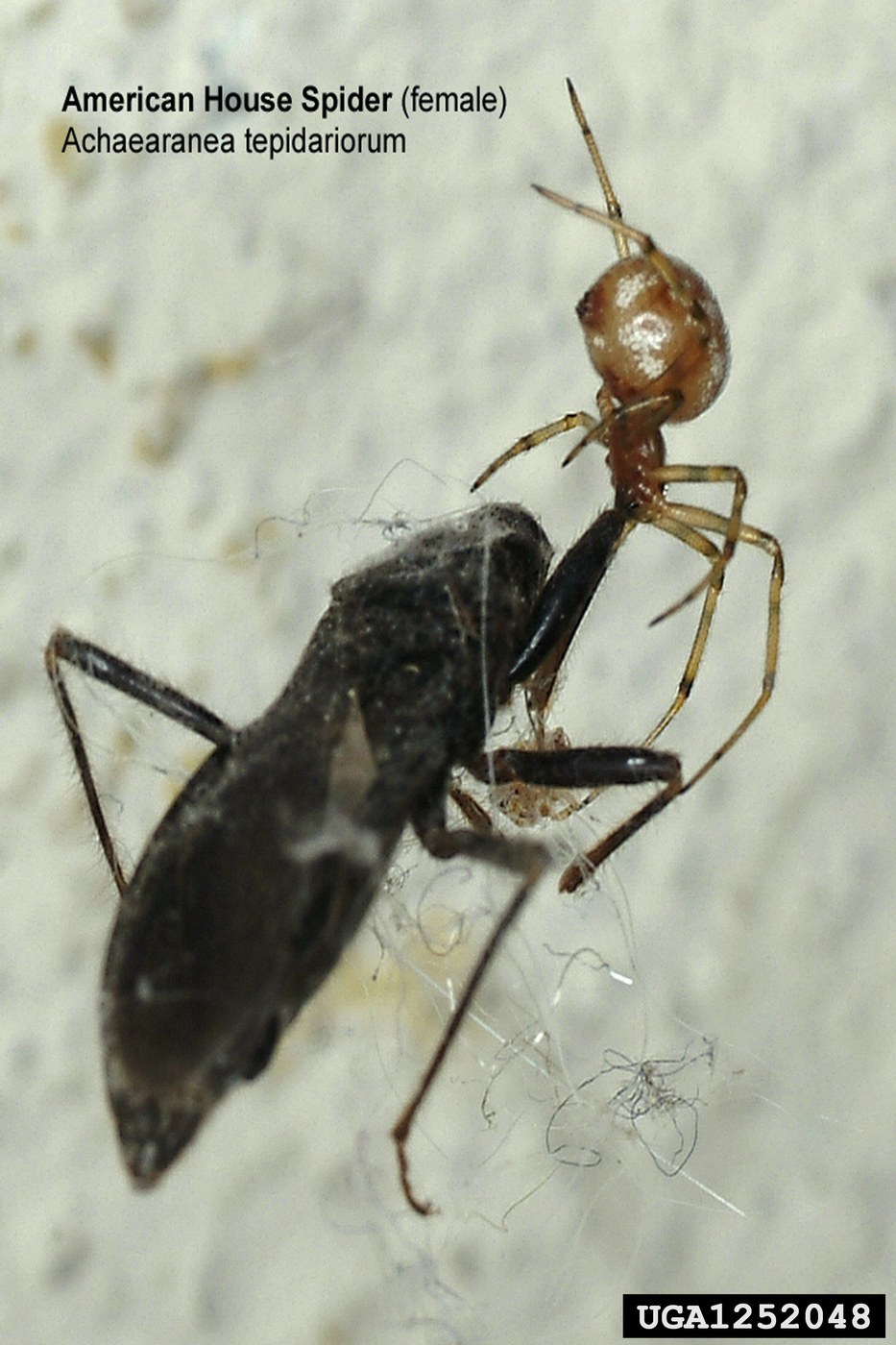
American House Spider
Corners, basements, garages, and outbuildings worldwide
Tube Web Spider
Wall crevices, bark, rockeries, and masonry
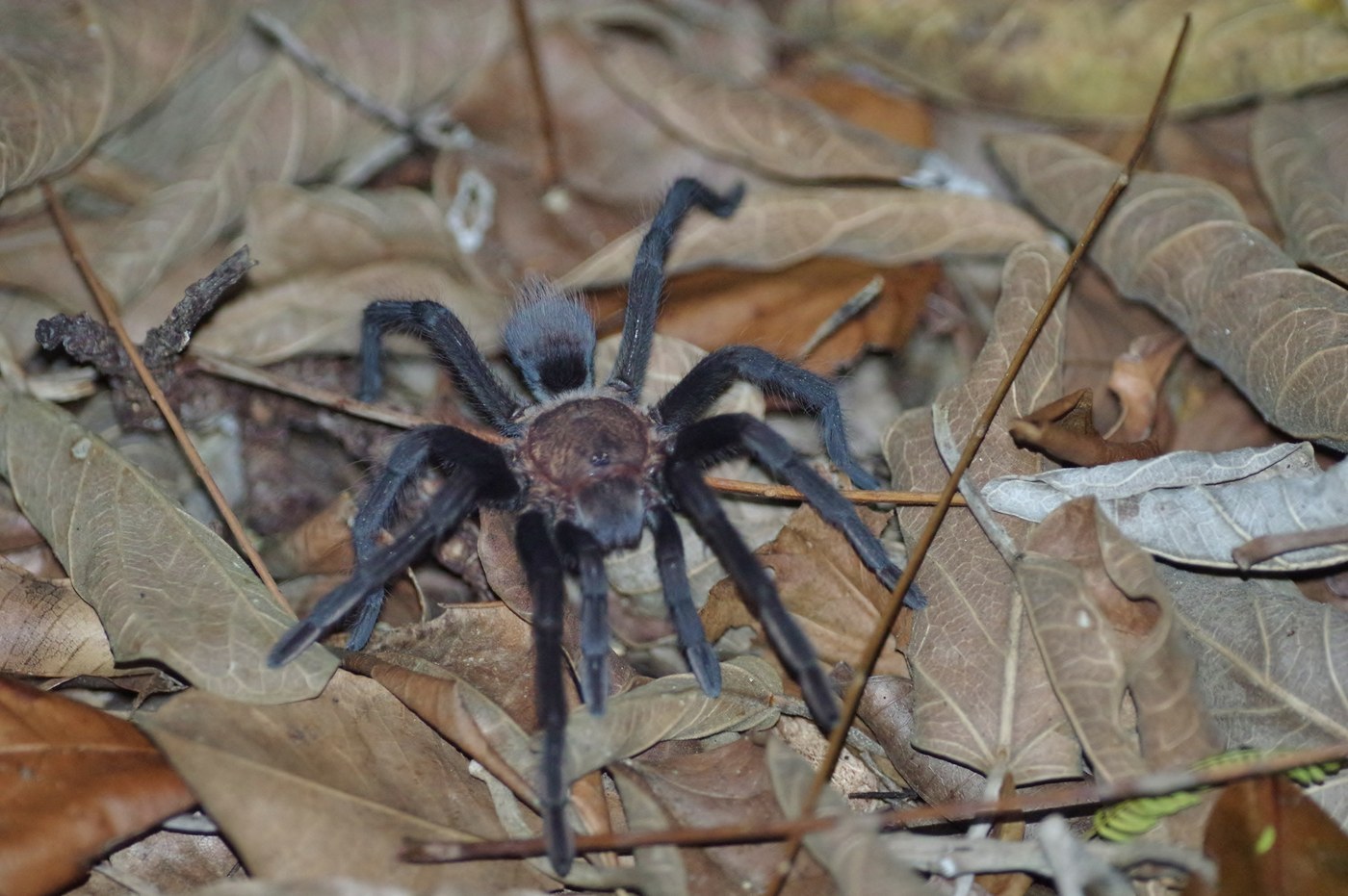
Tarantula
Burrows, rock crevices, and tree hollows in deserts, grasslands, and tropical forests worldwide
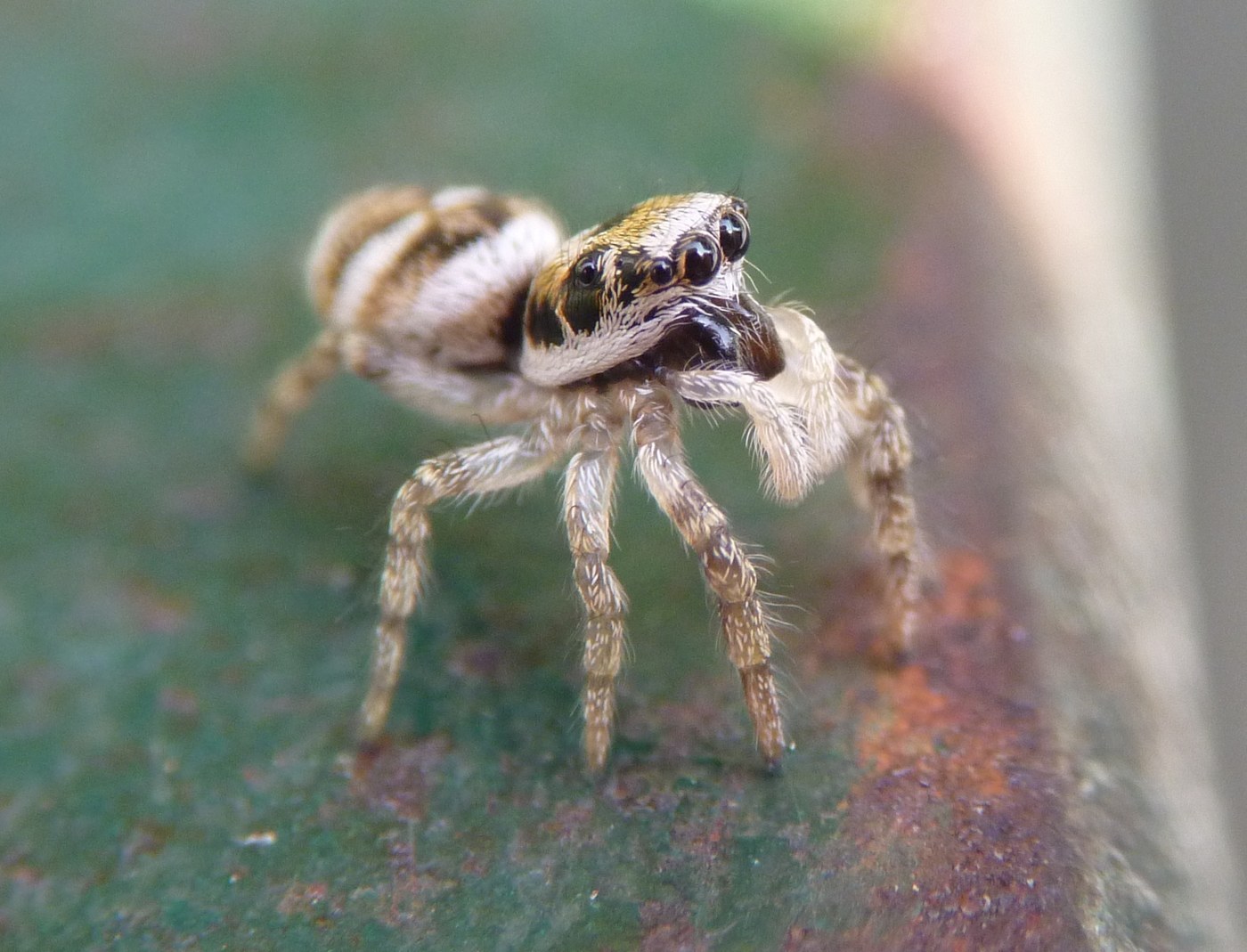
Zebra Jumping Spider
Sunny walls, fences, tree bark, and building exteriors
Wall Spider
Cracks and crevices on exterior and interior walls