
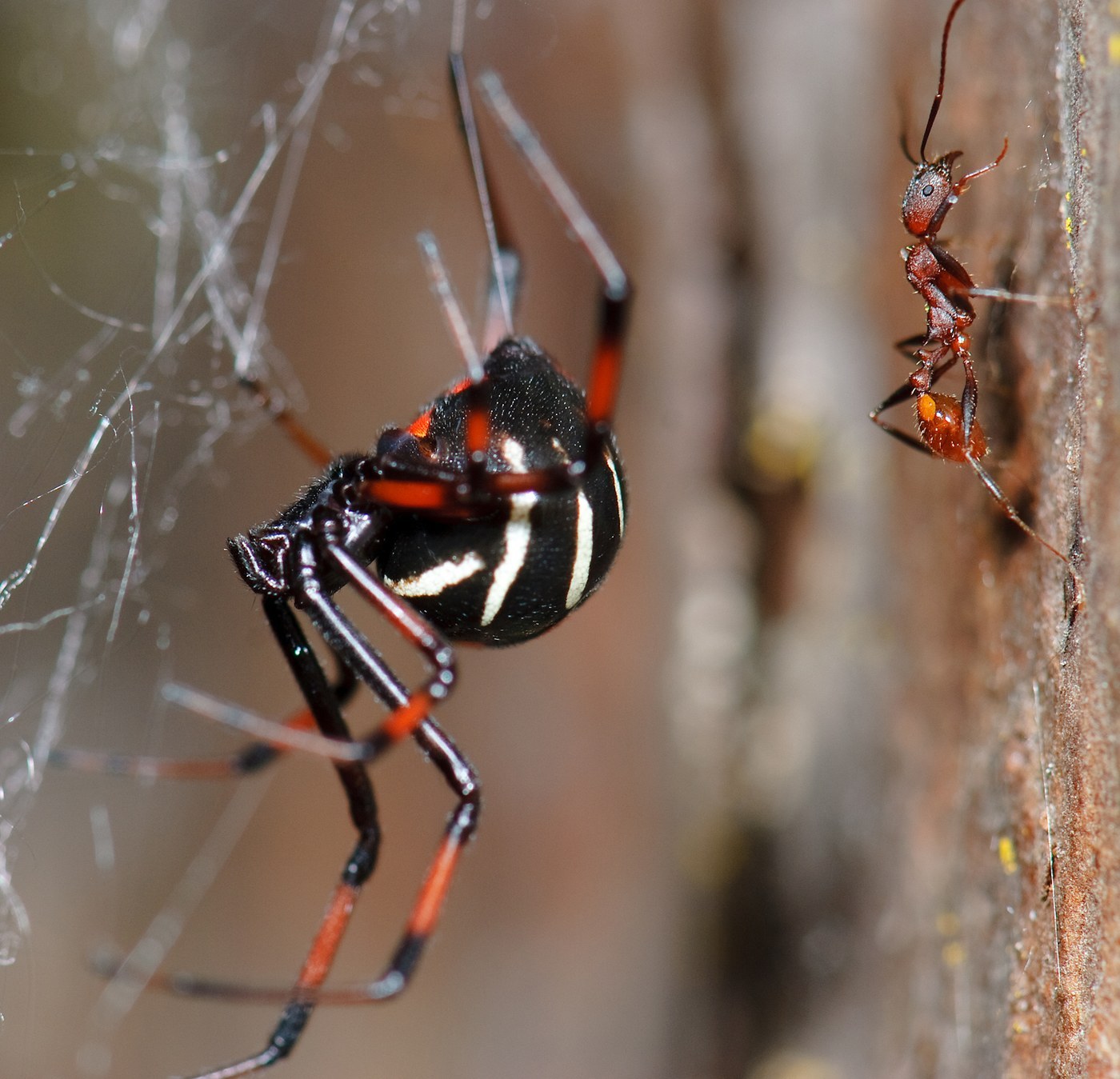
Northern Black Widow
Latrodectus variolus
Slightly more elusive than its southern cousin, the northern black widow shows a row of red spots down its back and a broken, hourglass marking on its belly, and prefers wilder, brushier habitats over buildings.
- Size
- Females 8-12 mm body length; males 4-6 mm
- Habitat
- Woodland edges, brush piles, and stone walls across eastern and central North America
- Danger
- Mildly venomous
Spotted a bug like this?
Identify any bug or insect from a photo, free.
Overview
The northern black widow is a close relative of the more familiar southern black widow, occurring across the northeastern and north-central United States and into southern Canada. Adult females are shiny black with a rounded abdomen, but unlike the solid hourglass of the western and southern species, the northern widow typically shows the mark split into two separate triangles or dashes on the underside, along with a row of red or orange spots running down the top of the abdomen.
This species tends to be more closely tied to natural habitats than to buildings, favoring brush piles, hollow stumps, stone walls, and dense low vegetation at the edges of woodlands and fields rather than garages and sheds. It is generally considered shyer and less likely to be encountered around homes than other North American widow species.
Like other widows, it constructs a tangled, irregular web close to the ground and plays a role as a predator of small insects, helping to keep local arthropod populations in check.
How to Identify
- Adult female: glossy black, rounded abdomen with a row of red or orange spots along the top midline
- Underside marking is typically broken into two separate red triangles rather than a solid hourglass
- Long, slender black legs
- Males: small, tan-brown with pale striping, rarely noticed
- Lookalikes: southern black widow (solid hourglass), false widow spiders (Steatoda, duller brown-black, no true hourglass)
Habitat & Range
Ranges across the northeastern and upper midwestern United States and into adjacent Canadian provinces. It is most often found in wilder settings than other widows - brush piles, rock walls, hollow logs, tall grass, and abandoned outbuildings at woodland edges - rather than actively inhabited structures.
Behavior & Diet
The northern black widow is a sedentary web-builder that hangs inverted in its tangled snare, feeding on flying and crawling insects that become trapped in the sticky silk threads. It is nocturnal and reclusive, retreating to a silk retreat within its web during the day and becoming active in low light. As with other widows, diet is made up of ants, beetles, flies, and other small arthropods captured in the web, and sexual cannibalism after mating has been documented but is not universal.
Life Cycle
Females spin one or more spherical, papery egg sacs over a season, each holding numerous eggs, and often guard the sac near the web. Spiderlings hatch and disperse on silk threads carried by the wind, a behavior known as ballooning. They pass through several juvenile molts before reaching maturity, with females growing larger than males. Adults are most active in warmer months, with many populations overwintering as egg sacs or immature spiders in sheltered sites, resuming activity as temperatures rise in spring.
Frequently asked questions
How is the northern black widow different from other black widows?
It usually shows the red hourglass marking broken into two separate triangles rather than a single solid shape, plus a row of red spots down the back of the abdomen.
Where does the northern black widow prefer to live?
It favors wilder habitats such as brush piles, stone walls, and woodland edges more than buildings, making it less commonly encountered around homes than some other widow species.
What kind of web does it build?
It builds an irregular, tangled silk web close to the ground, typically tucked into brush, wood piles, or crevices.
What does the northern black widow eat?
It preys on insects and other small arthropods that become caught in its web, including beetles, ants, and flies.
Northern Black Widow guides
In-depth guides for identifying, understanding, and living alongside Northern Black Widow.
Other bugs you may enjoy
Woodlouse Spider
Damp leaf litter, under logs, stones, and mulch
Wolf Spider
Gardens, grasslands, forests, leaf litter, ground burrows
Wandering Spider
Tropical and subtropical forest floor, foliage, and banana plants
Banded Garden Spider
Tall grass, meadows, and gardens with open sunny vegetation
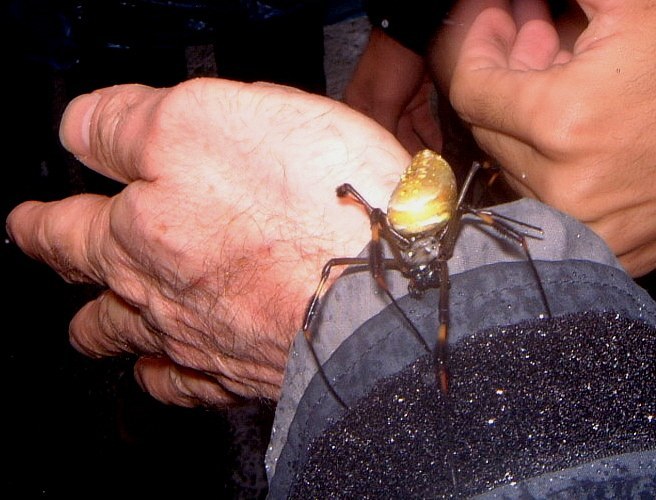
Banana Spider
Wooded trails, forest edges, and gardens across the southeastern U.S. and the American tropics
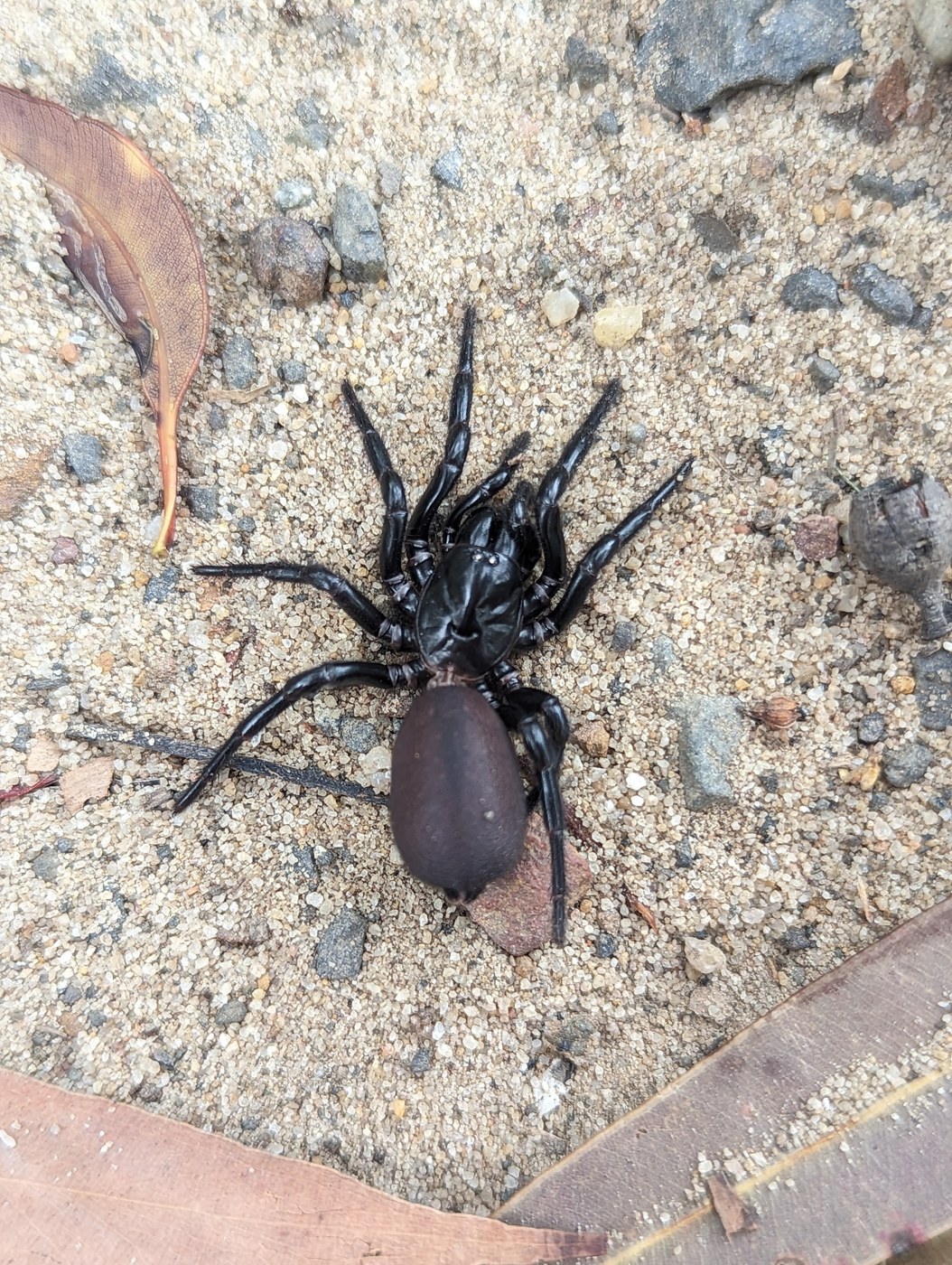
Sydney Funnel-web Spider
Burrows in moist soil, gardens, and forested gullies around the Sydney basin of eastern Australia
Trapdoor Spider
Self-dug silk-lined burrows with a camouflaged door, in dry, well-drained soil worldwide
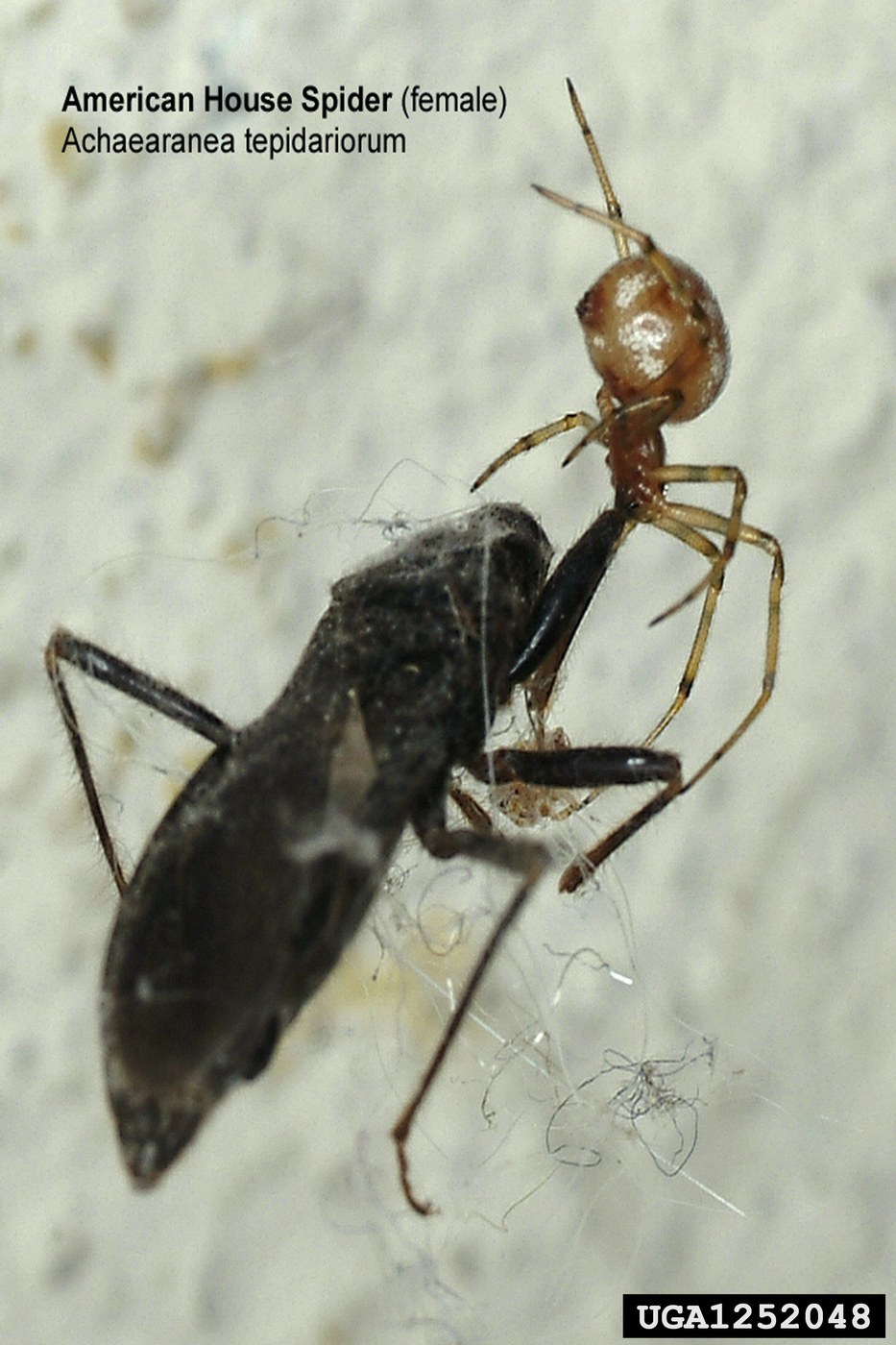
American House Spider
Corners, basements, garages, and outbuildings worldwide
Tube Web Spider
Wall crevices, bark, rockeries, and masonry
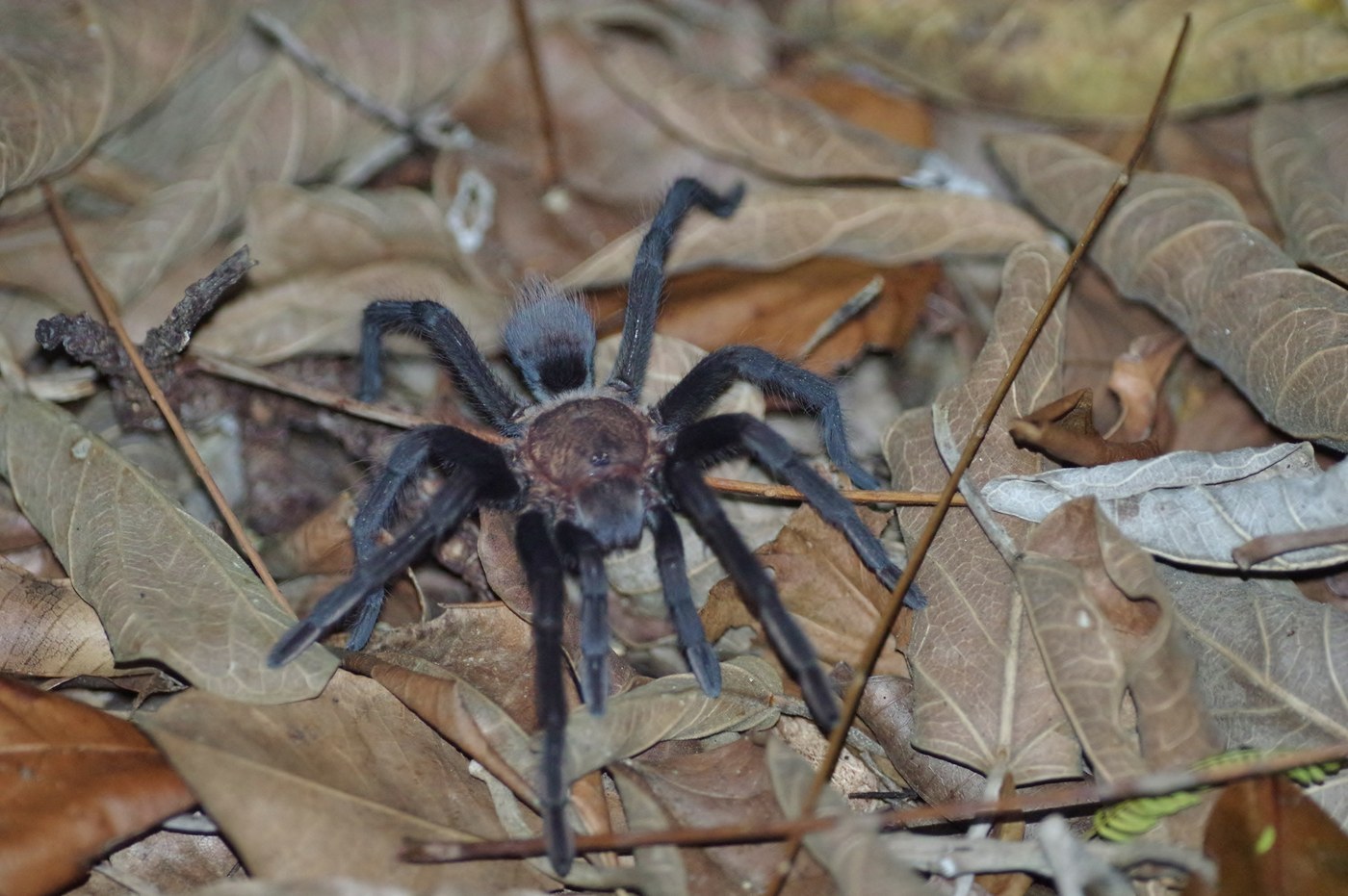
Tarantula
Burrows, rock crevices, and tree hollows in deserts, grasslands, and tropical forests worldwide
Zebra Jumping Spider
Sunny walls, fences, tree bark, and building exteriors
Wall Spider
Cracks and crevices on exterior and interior walls