
Grass Spider
Agelenopsis spp.
Best known for the shimmering, dew-covered funnel webs that appear across lawns on autumn mornings, grass spiders are swift, striped runners that dash into a silken tunnel the instant prey - or a threat - approaches.
- Size
- Body 10-20 mm; leg span up to 50 mm
- Habitat
- Lawns, meadows, and low shrubs across North America, wherever a funnel web can be anchored in vegetation
- Danger
- Bites
Spotted a bug like this?
Identify any bug or insect from a photo, free.
Overview
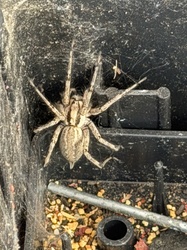
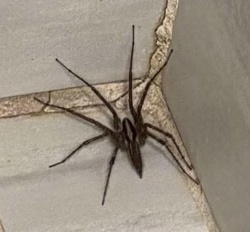
Grass spiders, in the genus Agelenopsis, are common funnel-weaving spiders found throughout much of North America. They have a brown to tan body marked with two dark longitudinal stripes running down the front of the cephalothorax, and long, spiny legs adapted for extremely fast running across their horizontal web.
Their most recognizable feature is their web: a flat, densely woven sheet of silk spread across grass, shrubs, or low structures, which narrows at one edge into a funnel-shaped tunnel retreat where the spider hides. These webs become especially visible on cool, dewy mornings when droplets of moisture cling to every strand, revealing sheets that might otherwise go unnoticed.
Grass spiders are non-aggressive and rely on speed rather than sticky silk to capture prey, sprinting out from their funnel to grab insects that land on the sheet and retreating instantly at the first sign of disturbance. They are important predators of small insects in lawns, gardens, and grasslands.
How to Identify
- Brown to tan coloring with two dark stripes running down the top of the cephalothorax (front body segment)
- Long spinnerets visible at the rear tip of the abdomen, often longer than in similar-looking spiders
- Long, spiny legs built for rapid movement across the web
- Web: large, flat, non-sticky sheet with a funnel retreat at one edge, often seen glistening with dew
- Lookalikes: hobo spider (similar funnel web but different range and pattern), wolf spiders (no web, hunt on the ground)
Habitat & Range
Common across most of the United States and southern Canada, grass spiders are found wherever there is low vegetation to anchor a horizontal web - lawns, meadows, hedges, rock piles, and the base of shrubs and foundations. Webs are most conspicuous in late summer and autumn.
Behavior & Diet
This spider waits at the mouth of its funnel retreat, sensing vibrations transmitted across the flat sheet web, and darts out with remarkable speed to seize insects that land on the silk before dragging them back into the funnel to feed. It does not use sticky silk, relying instead on the sheer speed of its attack. Diet includes flies, crickets, beetles, and other small arthropods encountered on lawns and in vegetation. Grass spiders are shy and quickly retreat into their tunnel when disturbed rather than confronting a threat.
Life Cycle
Mating typically occurs in late summer or early autumn, after which females produce a flattened, disc-shaped silken egg sac that is often hidden in bark, leaf litter, or under debris. Eggs overwinter and spiderlings emerge in spring, dispersing to build their own small funnel webs. The spiders grow through a series of molts over the summer, reaching maturity by late summer, at which point their large, dew-laden webs become most noticeable before the adults die off with the onset of cold weather, completing an annual life cycle.
Frequently asked questions
Why do grass spider webs look so dramatic in the morning?
Their flat, densely woven sheet webs collect dew easily, making the silk highly visible in the early morning light before it evaporates.
How fast can a grass spider move?
Grass spiders are among the fastest-running web spiders, able to sprint from their funnel retreat to grab prey on the sheet web in a fraction of a second.
Do grass spiders use sticky silk to catch prey?
No, their webs are not sticky; they rely on speed to capture insects that land on the flat sheet before they can escape.
When are grass spider webs most commonly seen?
They are most conspicuous in late summer and autumn, when the spiders reach adult size and their webs become larger and more visible.
Grass Spider guides
In-depth guides for identifying, understanding, and living alongside Grass Spider.
Grass Spider identified by the community
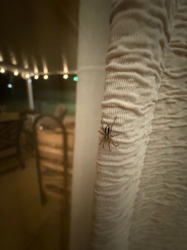
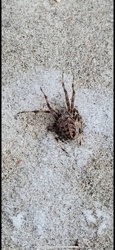
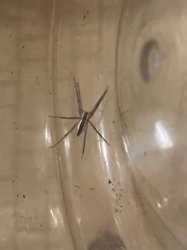
Real finds identified with Bug Identifier.
Other bugs you may enjoy
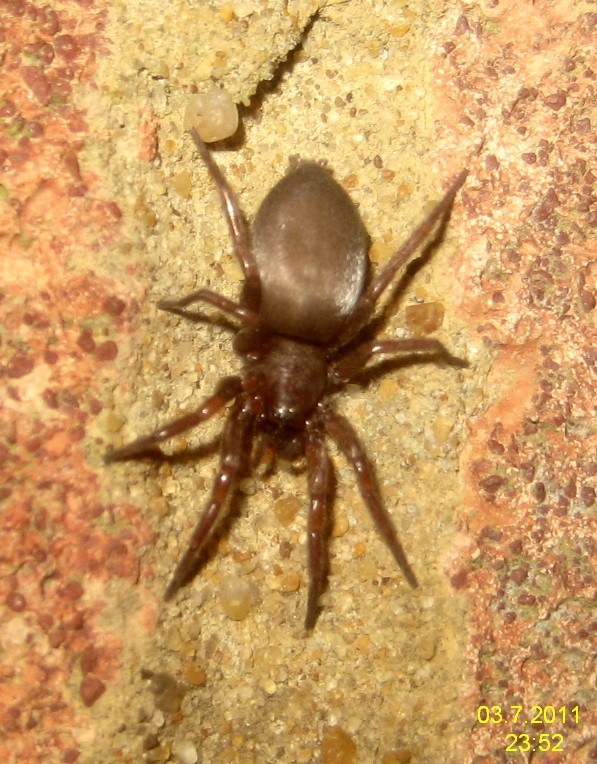
Woodlouse Spider
Damp leaf litter, under logs, stones, and mulch
Wolf Spider
Gardens, grasslands, forests, leaf litter, ground burrows
Wandering Spider
Tropical and subtropical forest floor, foliage, and banana plants
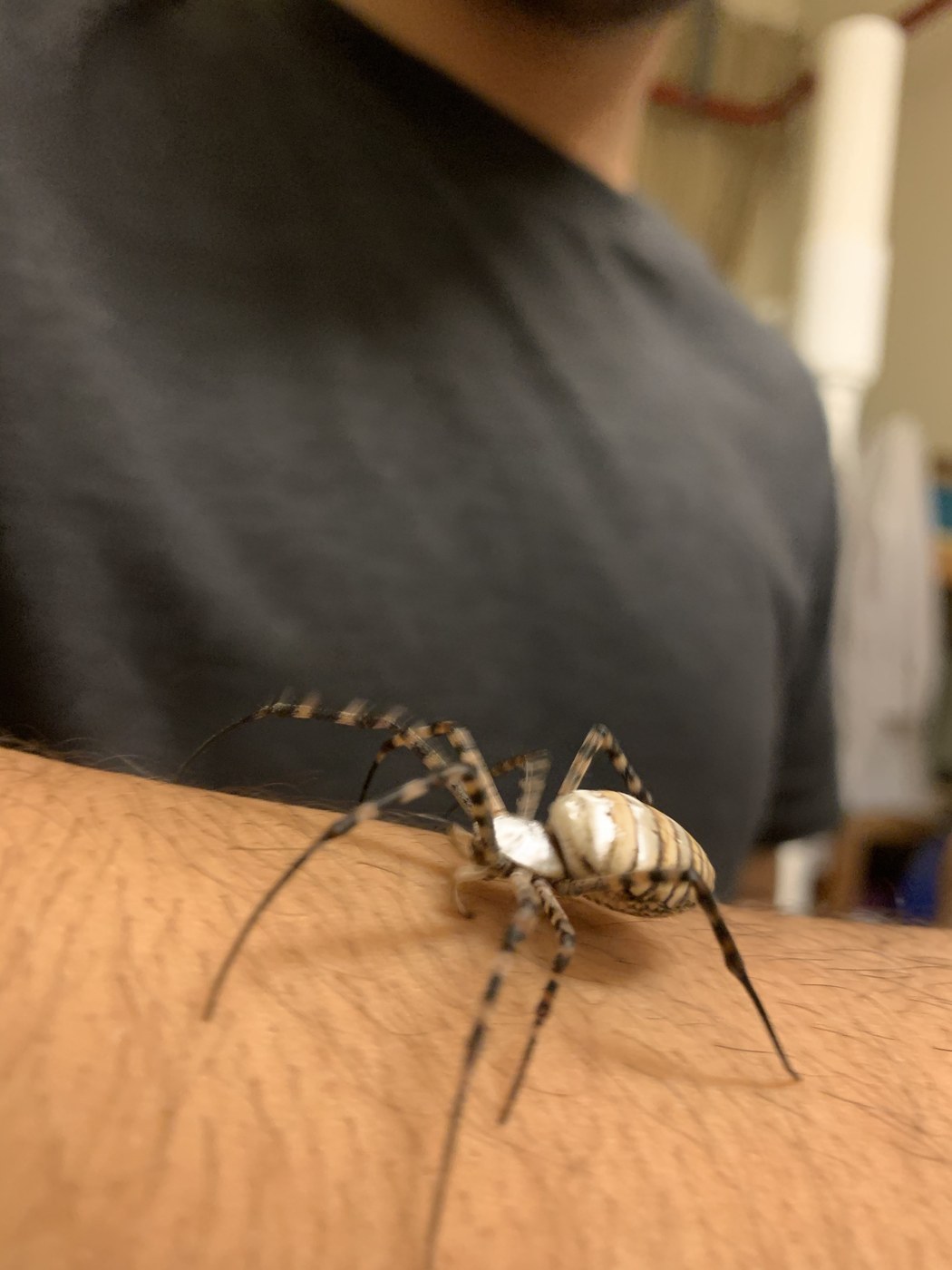
Banded Garden Spider
Tall grass, meadows, and gardens with open sunny vegetation
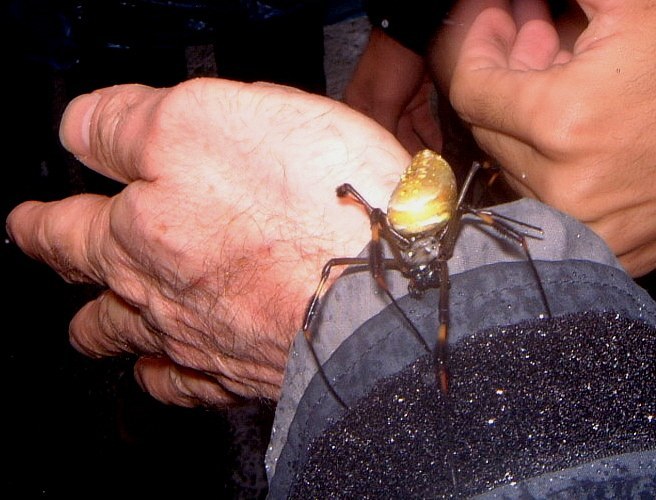
Banana Spider
Wooded trails, forest edges, and gardens across the southeastern U.S. and the American tropics
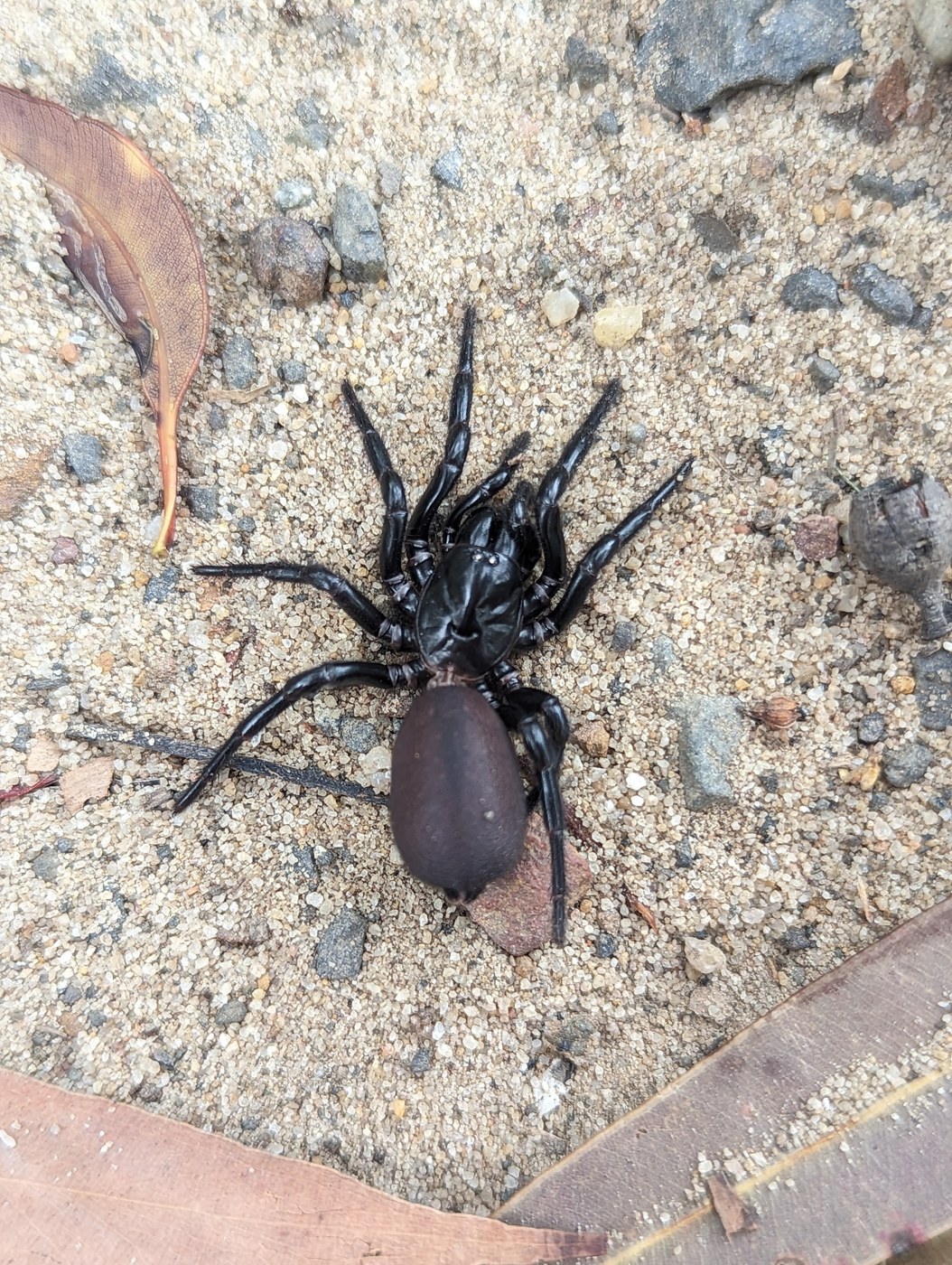
Sydney Funnel-web Spider
Burrows in moist soil, gardens, and forested gullies around the Sydney basin of eastern Australia
Trapdoor Spider
Self-dug silk-lined burrows with a camouflaged door, in dry, well-drained soil worldwide
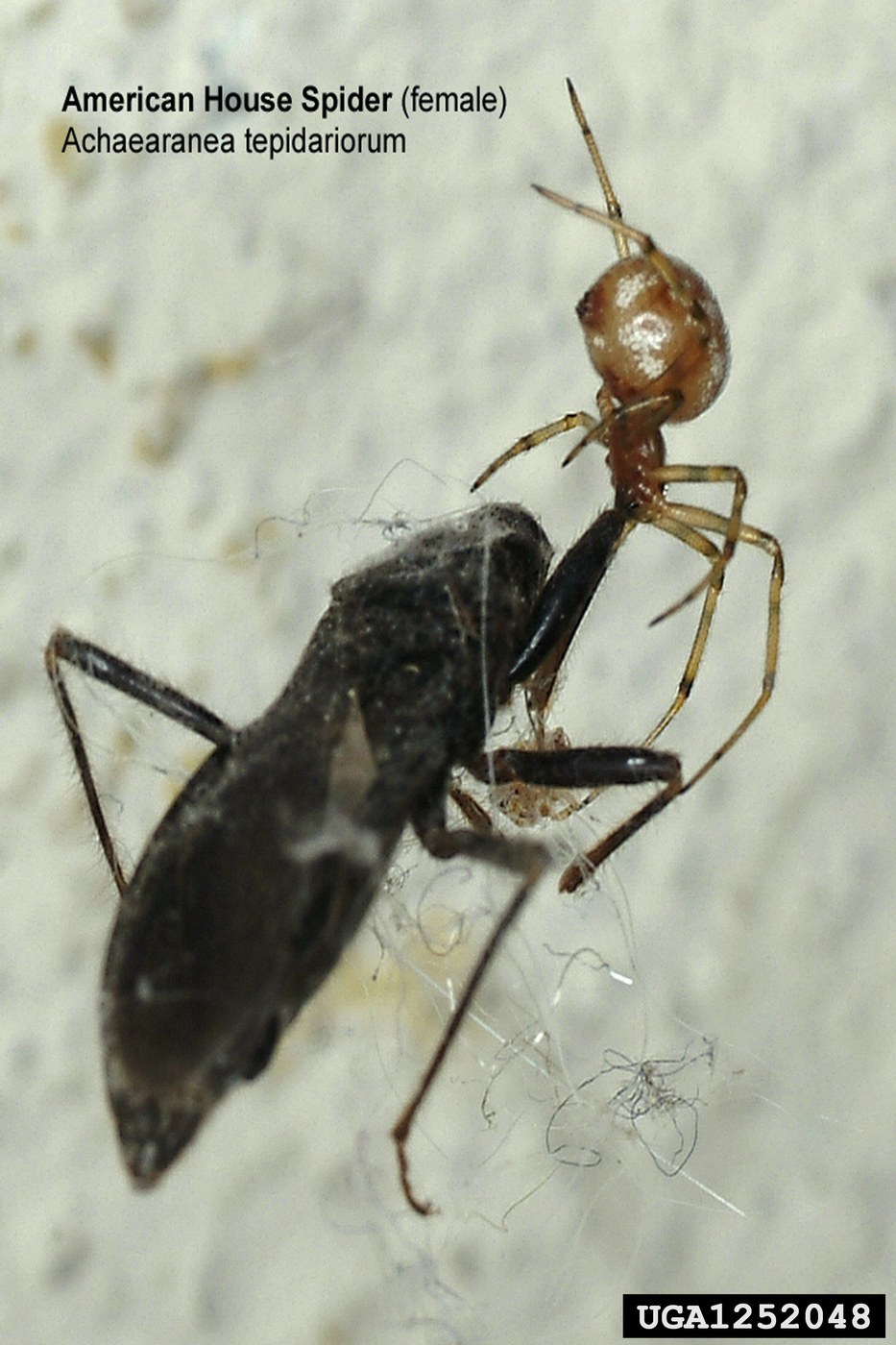
American House Spider
Corners, basements, garages, and outbuildings worldwide
Tube Web Spider
Wall crevices, bark, rockeries, and masonry
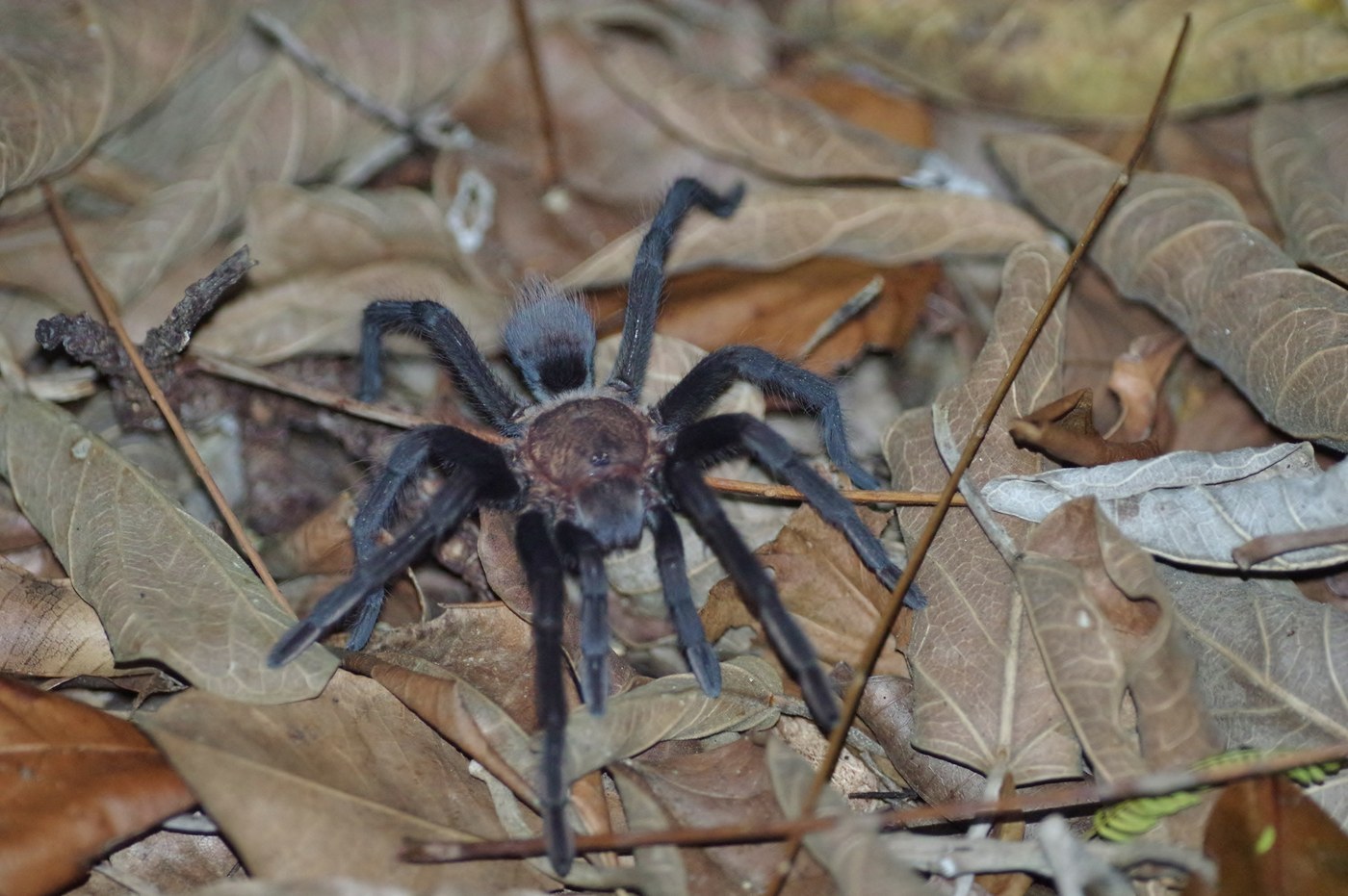
Tarantula
Burrows, rock crevices, and tree hollows in deserts, grasslands, and tropical forests worldwide
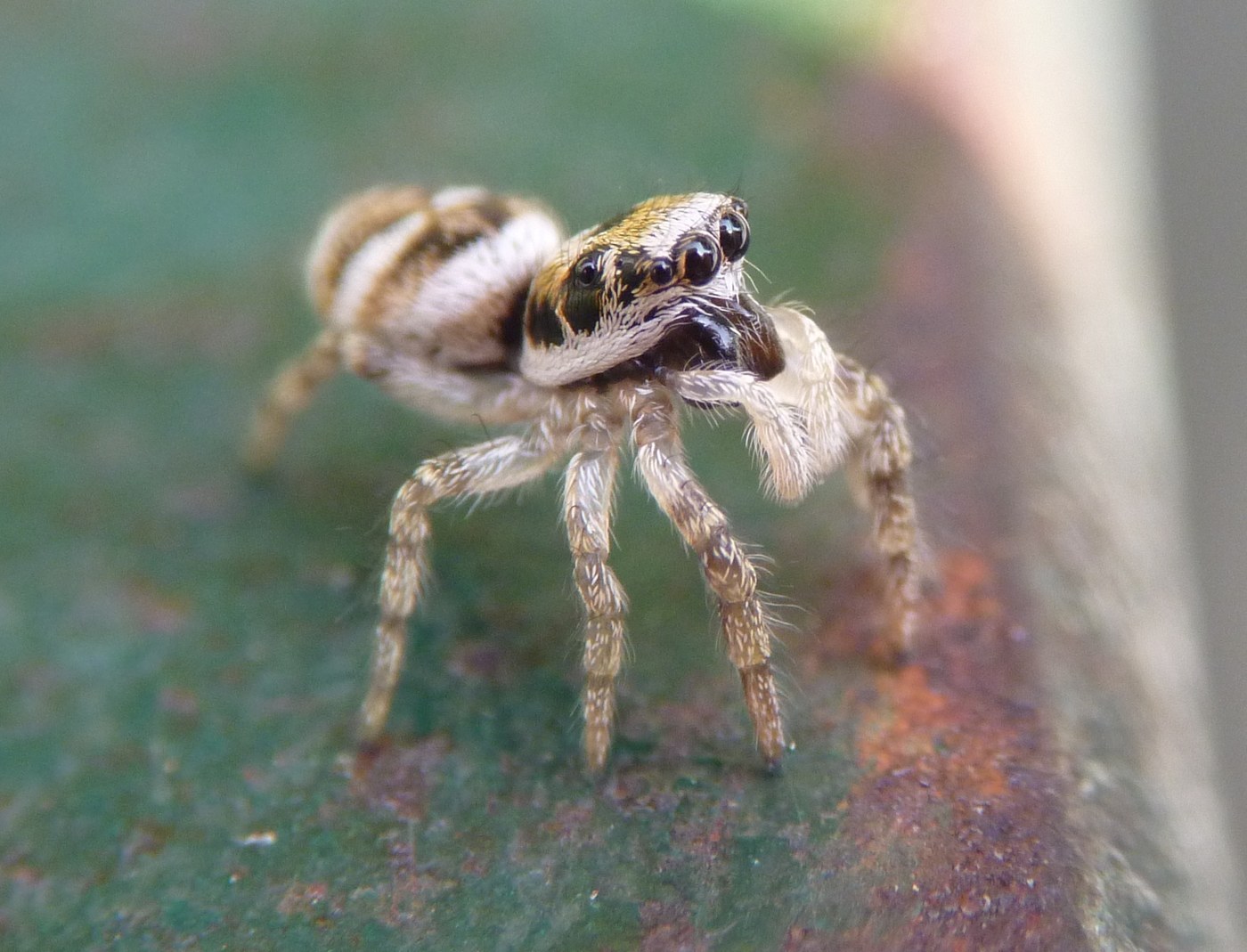
Zebra Jumping Spider
Sunny walls, fences, tree bark, and building exteriors
Wall Spider
Cracks and crevices on exterior and interior walls