
Redback Spider
Latrodectus hasseltii
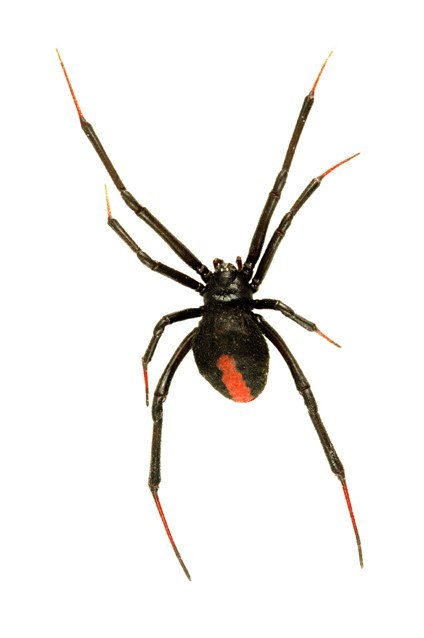
A glossy black spider marked with a single bold red stripe down its back, the redback spider is one of Australia's most recognizable cobweb spiders, most often found tucked into dry, sheltered corners around homes and gardens.
- Size
- Female body about 0.4 in (10 mm); males much smaller at 0.1 in (3-4 mm)
- Habitat
- Dry, sheltered spaces such as sheds, garden furniture, and debris piles across Australia
- Danger
- Venomous
Spotted a bug like this?
Identify any bug or insect from a photo, free.
Overview
The redback spider, Latrodectus hasseltii, is a member of the widow spider genus Latrodectus and is found throughout Australia, having also become established in parts of Southeast Asia and New Zealand through incidental transport. It is closely related to the black widow spiders of the Americas and shares the family's characteristic globular, glossy black body, though the redback is distinguished by the bold red or orange stripe running down the top of the female's abdomen.
Females are considerably larger and more conspicuous than the tiny, brownish males, which are rarely noticed and are sometimes found sharing the female's web. Redback spiders build an irregular, tangled cobweb close to the ground, typically in dry, undisturbed locations near or within human structures, which has made them a familiar spider to encounter around homes, sheds, and outdoor furniture across Australia.
As with other widow spiders, redbacks are opportunistic predators that play a role in controlling insect and small invertebrate populations in the sheltered spaces they inhabit.
How to Identify
- Glossy black, globular abdomen with a distinctive red or orange longitudinal stripe on females
- An hourglass-shaped red or orange marking is often visible on the underside of the abdomen as well
- Males are much smaller, brownish, and lack the bold coloring of females, making them easily overlooked
- Long, thin legs relative to the rounded body, typical of cobweb spiders
- Builds an irregular, tangled web low to the ground in sheltered, dry locations
- Lookalikes include other Latrodectus species such as the black widow, which lacks the continuous red dorsal stripe seen in redbacks
Habitat & Range
Redback spiders favor dry, sheltered microhabitats close to the ground, including garden sheds, mailboxes, outdoor furniture, woodpiles, and debris. They are found throughout Australia in both urban and rural settings and have also become established in parts of Japan, Southeast Asia, and New Zealand. Activity is generally year-round in warmer regions, with populations often increasing during the warmer months.
Behavior & Diet
Redback spiders construct a messy, irregular cobweb close to the ground, with sticky trap lines running down to the surface to snare crawling insects as well as flying ones that blunder into the upper web. The female typically remains within a small silk retreat within the web, emerging to subdue and wrap prey caught on the sticky lines. They are not aggressive and generally remain within or near their web rather than roaming, retreating deeper into the web structure when disturbed. As predators of insects and other small invertebrates, they contribute to natural pest regulation in the sheltered spaces where their webs are built.
Life Cycle
After mating, during which the much smaller male faces considerable risk from the female, females produce multiple round, silk egg sacs containing large numbers of eggs, often across several batches over their lifetime. Spiderlings hatch and disperse from the maternal web to establish their own webs nearby. They molt numerous times as they grow, with development speed depending on temperature and food availability, and females can live a year or more, continuing to reproduce over multiple breeding events, while males have a considerably shorter lifespan.
Frequently asked questions
How can I tell a redback spider from a black widow?
Redback spiders have a continuous red or orange stripe running down the top of the abdomen, a feature not present on most true black widow species.
Where are redback spiders typically found?
They favor dry, sheltered spots close to the ground such as sheds, outdoor furniture, mailboxes, and debris piles around homes and gardens.
Are male redback spiders as noticeable as females?
No, males are much smaller and brownish, lacking the bold red stripe of females, and are rarely noticed.
What do redback spiders eat?
They prey on insects and other small invertebrates that become caught in the sticky lines of their irregular web.
Redback Spider guides
In-depth guides for identifying, understanding, and living alongside Redback Spider.
Redback Spider identified by the community
Real finds identified with Bug Identifier.
Other bugs you may enjoy
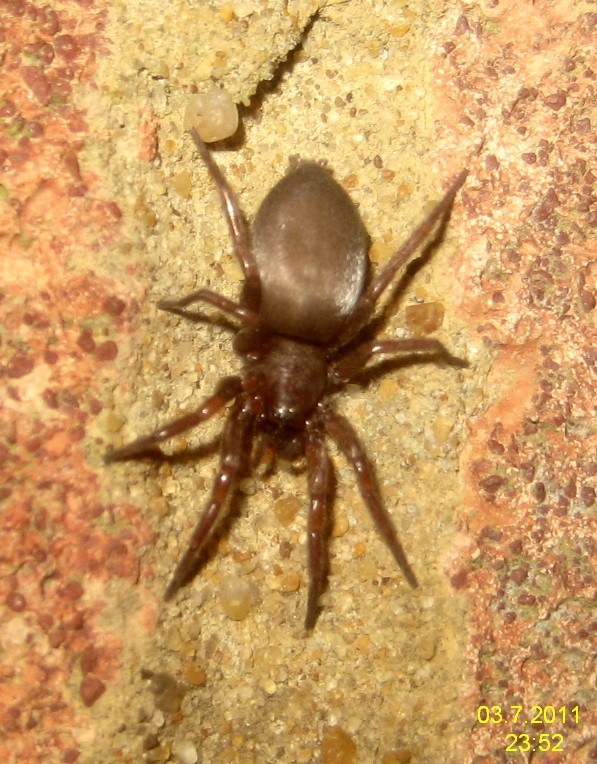
Woodlouse Spider
Damp leaf litter, under logs, stones, and mulch
Wolf Spider
Gardens, grasslands, forests, leaf litter, ground burrows
Wandering Spider
Tropical and subtropical forest floor, foliage, and banana plants
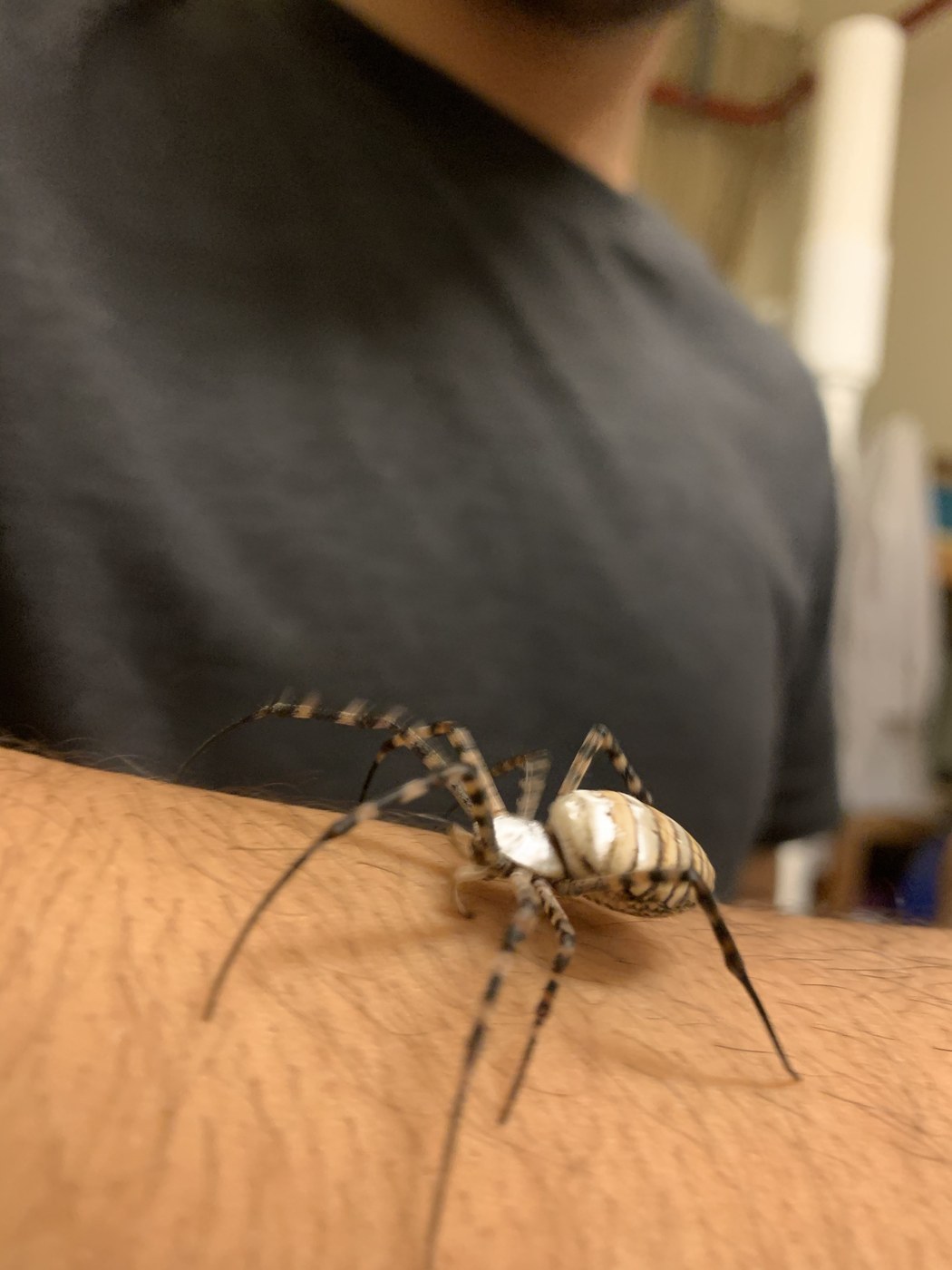
Banded Garden Spider
Tall grass, meadows, and gardens with open sunny vegetation
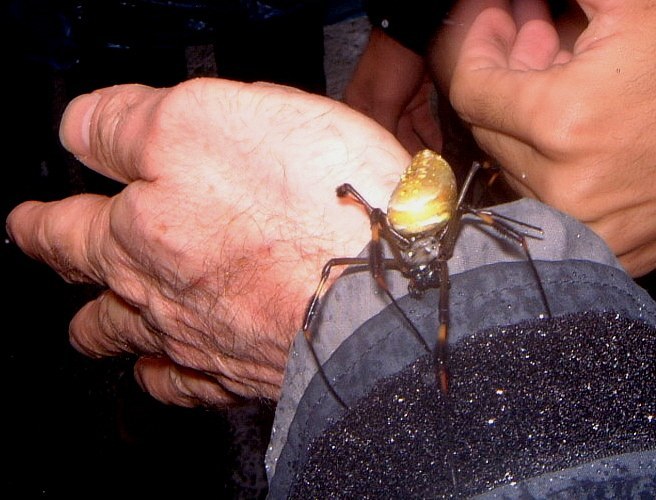
Banana Spider
Wooded trails, forest edges, and gardens across the southeastern U.S. and the American tropics
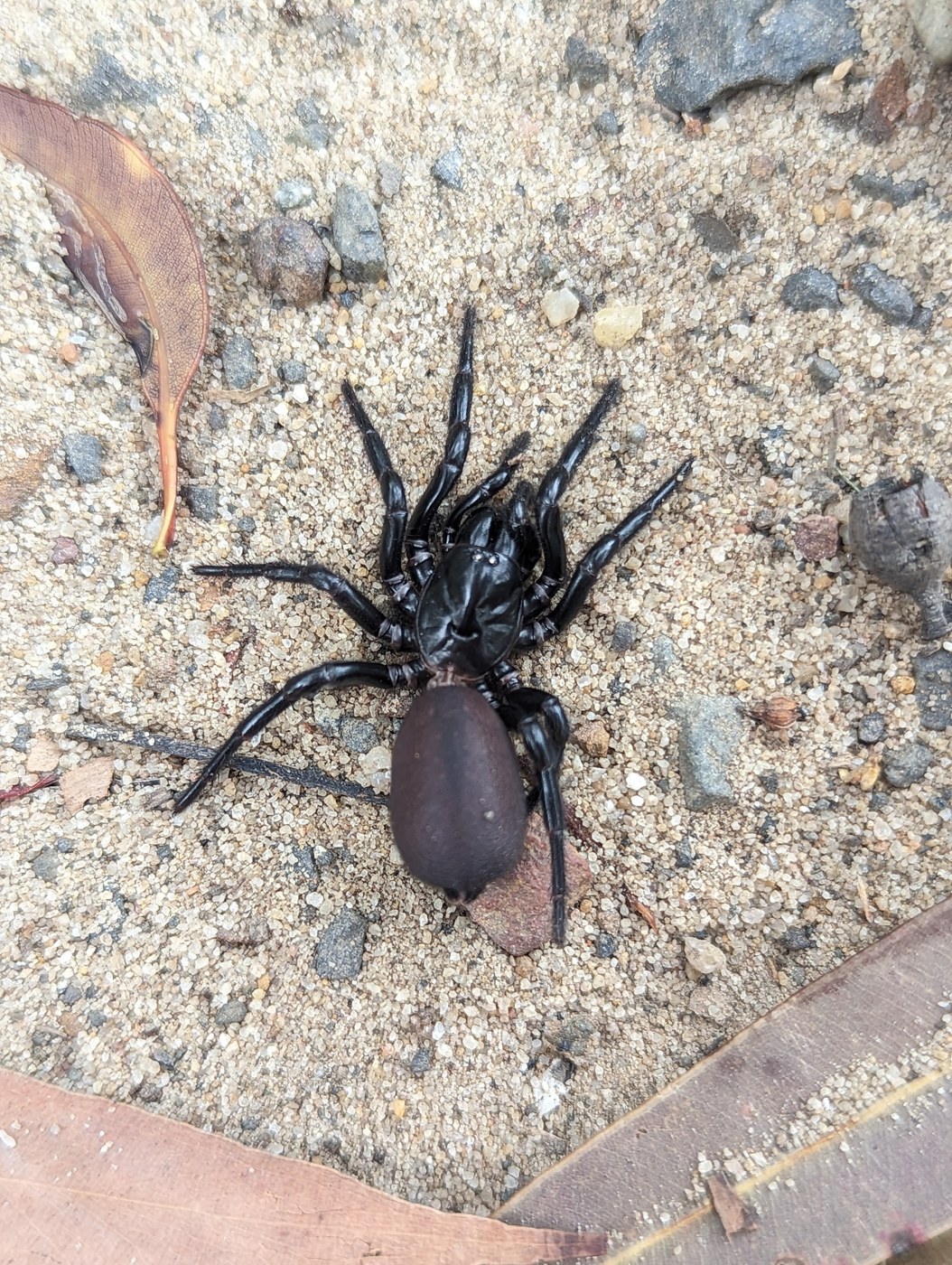
Sydney Funnel-web Spider
Burrows in moist soil, gardens, and forested gullies around the Sydney basin of eastern Australia
Trapdoor Spider
Self-dug silk-lined burrows with a camouflaged door, in dry, well-drained soil worldwide
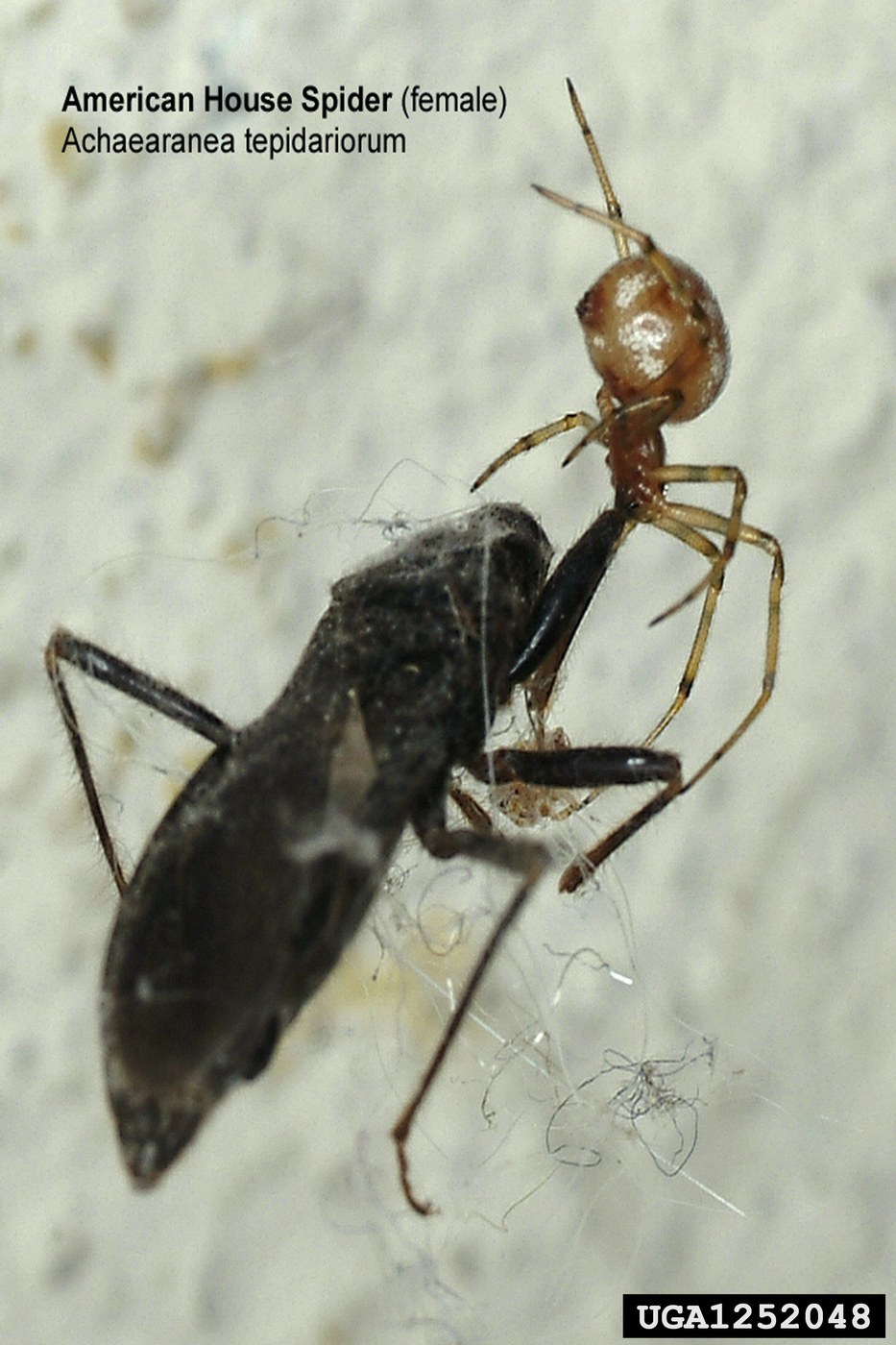
American House Spider
Corners, basements, garages, and outbuildings worldwide
Tube Web Spider
Wall crevices, bark, rockeries, and masonry
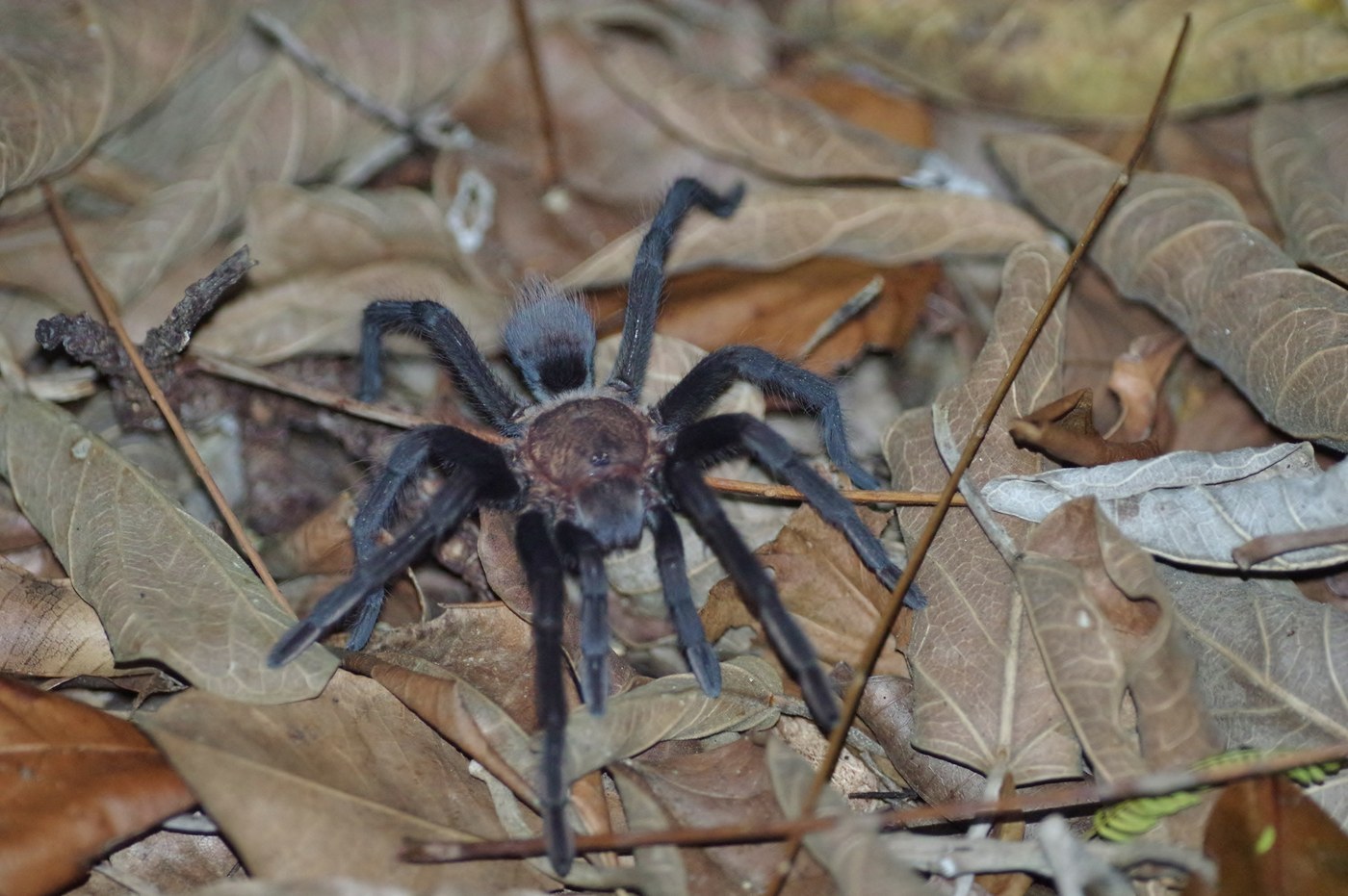
Tarantula
Burrows, rock crevices, and tree hollows in deserts, grasslands, and tropical forests worldwide
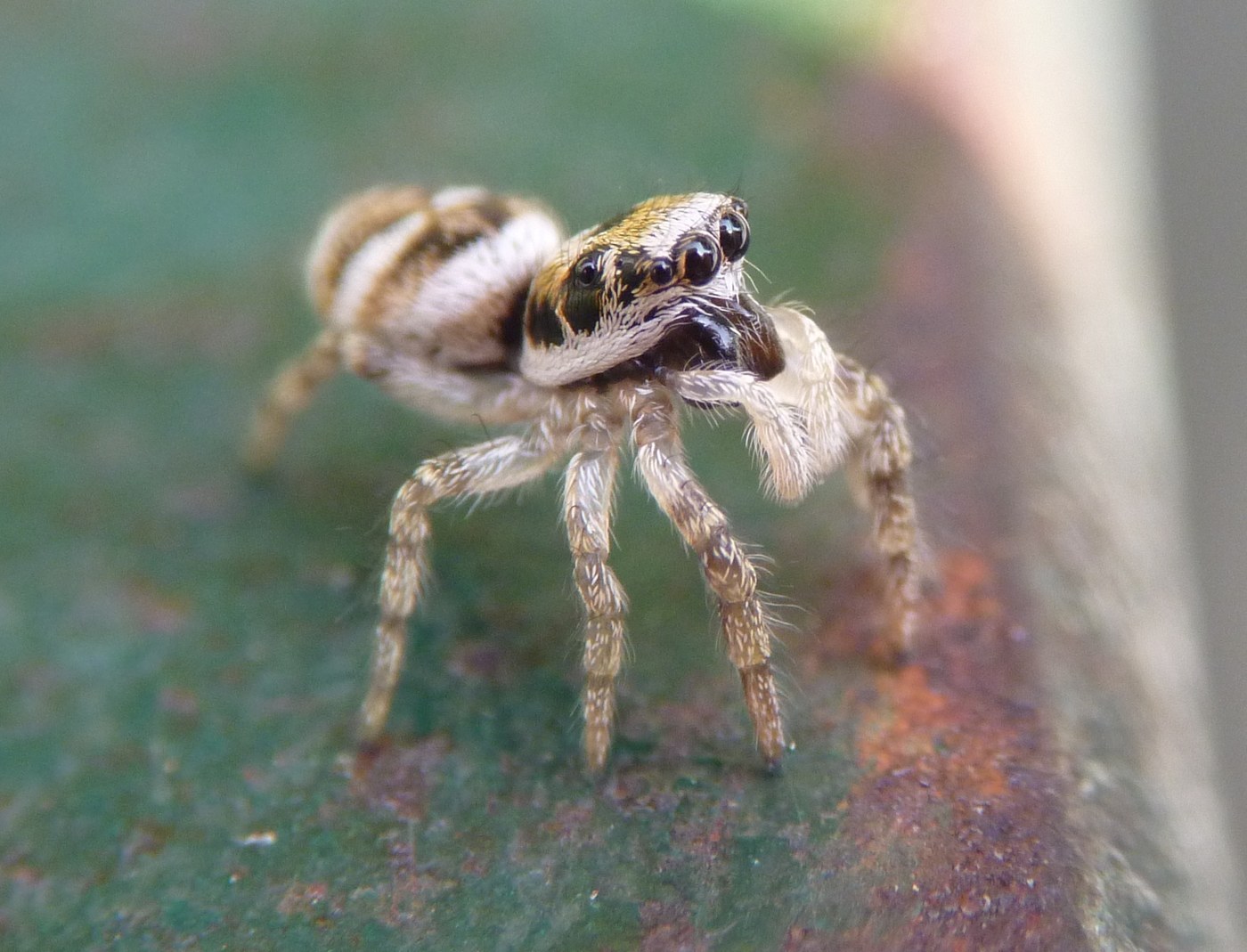
Zebra Jumping Spider
Sunny walls, fences, tree bark, and building exteriors
Wall Spider
Cracks and crevices on exterior and interior walls