
Garden Orb Weaver Spider
Family Araneidae (e.g., Araneus diadematus)
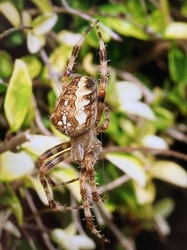
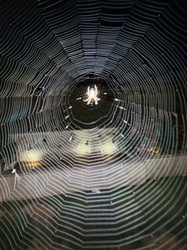
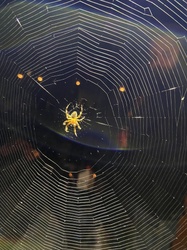
The classic maker of the round, wheel-shaped web, the garden orb weaver hangs head-down at the center of its silken snare. Many sport a cross-like pattern of pale spots on a rounded abdomen.
- Size
- Female body 1-2 cm
- Habitat
- Gardens, hedges, and woodland edges
- Danger
- Bites
Spotted a bug like this?
Identify any bug or insect from a photo, free.
Overview
Garden orb weavers are spiders of the family Araneidae that build the familiar circular, wheel-like webs seen glistening with dew on autumn mornings. One of the best known is the European garden spider (Araneus diadematus), named for the cross-shaped arrangement of white marks on its back.
These spiders are widespread in gardens, hedgerows, and woodland edges throughout temperate regions. Females are noticeably larger than males and have rounded, often boldly patterned abdomens. They typically rest at the hub of the web or in a nearby retreat, waiting for prey to strike the threads.
Garden orb weavers rebuild their orb webs frequently, often eating the old silk to recycle it. They are efficient predators of flying insects and a common, beneficial presence in gardens.
How to Identify
Look for these features:
- Rounded, often bulbous abdomen, typically brown, gray, or orange with pale markings
- A cross or series of white spots on the back in many species
- Female body around 1-2 cm, larger than the male
- A large, circular orb web with radiating spokes and a spiral
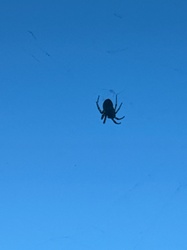
- Spider often hanging head-down at the web center
Lookalikes include other orb-weaving spiders, but the classic wheel web and patterned abdomen are characteristic.
Habitat & Range
Garden orb weavers are found across temperate regions of North America, Europe, and Asia, and related species occur worldwide. They favor gardens, hedges, tall grass, fences, woodland edges, and around buildings, where they anchor webs between plants or structures. They are most conspicuous in late summer and autumn when adults reach full size.
Behavior & Diet
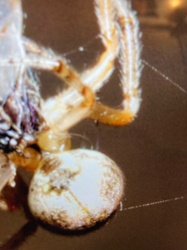
These spiders capture flying insects such as flies, moths, and wasps in their sticky orb webs, then wrap and subdue the prey with silk. They often rebuild the web daily, consuming the old silk. By preying on many flying insects, garden orb weavers help control insect numbers and are an important part of garden and hedgerow ecosystems.
Life Cycle
Garden orb weavers develop through simple spider growth. In autumn, females lay eggs in a silken sac hidden in sheltered spots, then typically die as cold weather arrives. The eggs overwinter, and spiderlings emerge in spring, often ballooning on silk to disperse. They molt repeatedly through the season, maturing into large adults by late summer, completing a roughly annual cycle in temperate climates.
Frequently asked questions
Why do I see these spiders most in autumn?
They reach full size in late summer and autumn, making their large webs and bodies most noticeable then.
Do they rebuild their webs?
Yes, many rebuild the orb web frequently and eat the old silk to recycle it.
What do garden orb weavers eat?
They capture flying insects such as flies, moths, and wasps in their sticky webs.
Do they bite people?
They can bite in defense if handled but are not aggressive and prefer to stay in their webs.
Garden Orb Weaver Spider guides
In-depth guides for identifying, understanding, and living alongside Garden Orb Weaver Spider.
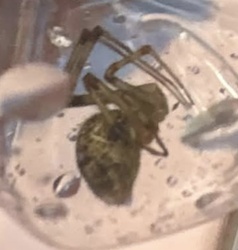
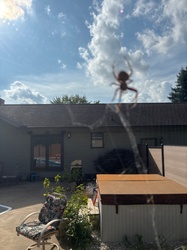
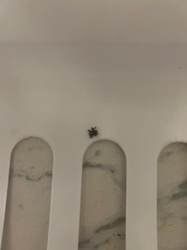
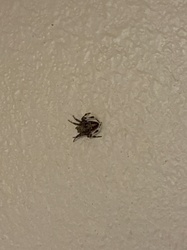
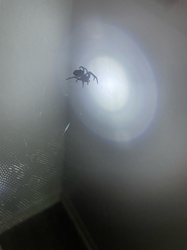
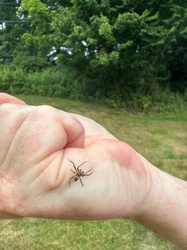
Garden Orb Weaver Spider identified by the community
Real finds identified with Bug Identifier.
Other bugs you may enjoy
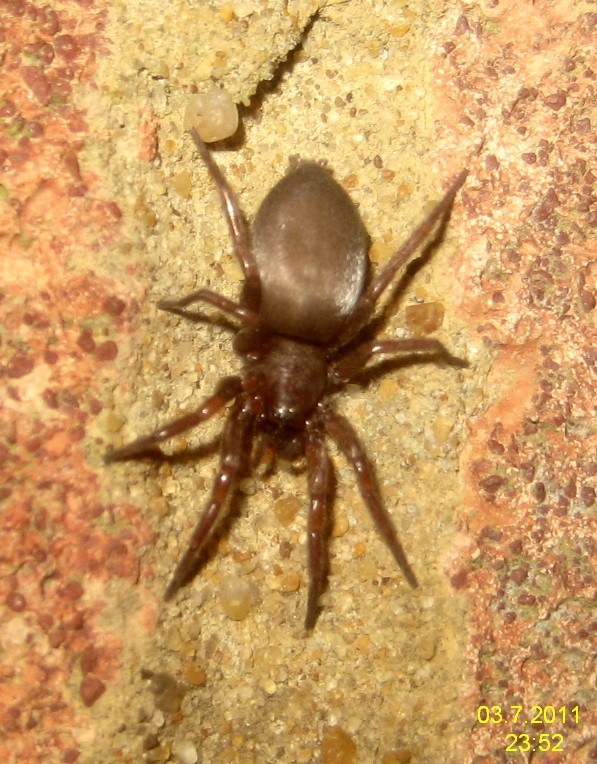
Woodlouse Spider
Damp leaf litter, under logs, stones, and mulch
Wolf Spider
Gardens, grasslands, forests, leaf litter, ground burrows
Wandering Spider
Tropical and subtropical forest floor, foliage, and banana plants
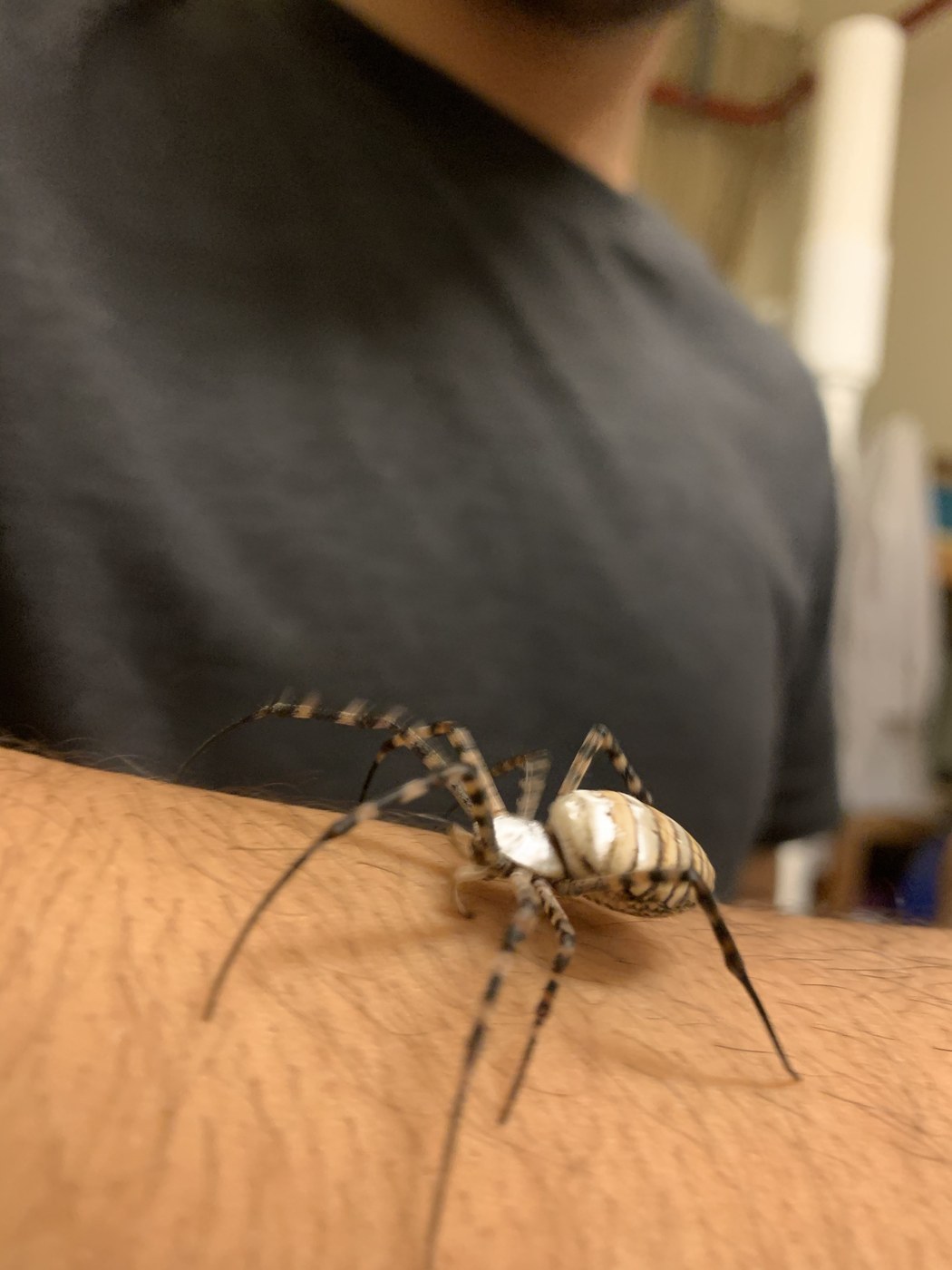
Banded Garden Spider
Tall grass, meadows, and gardens with open sunny vegetation
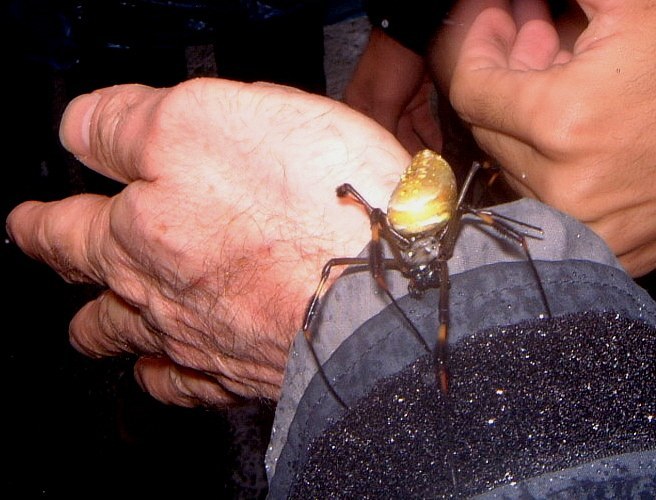
Banana Spider
Wooded trails, forest edges, and gardens across the southeastern U.S. and the American tropics
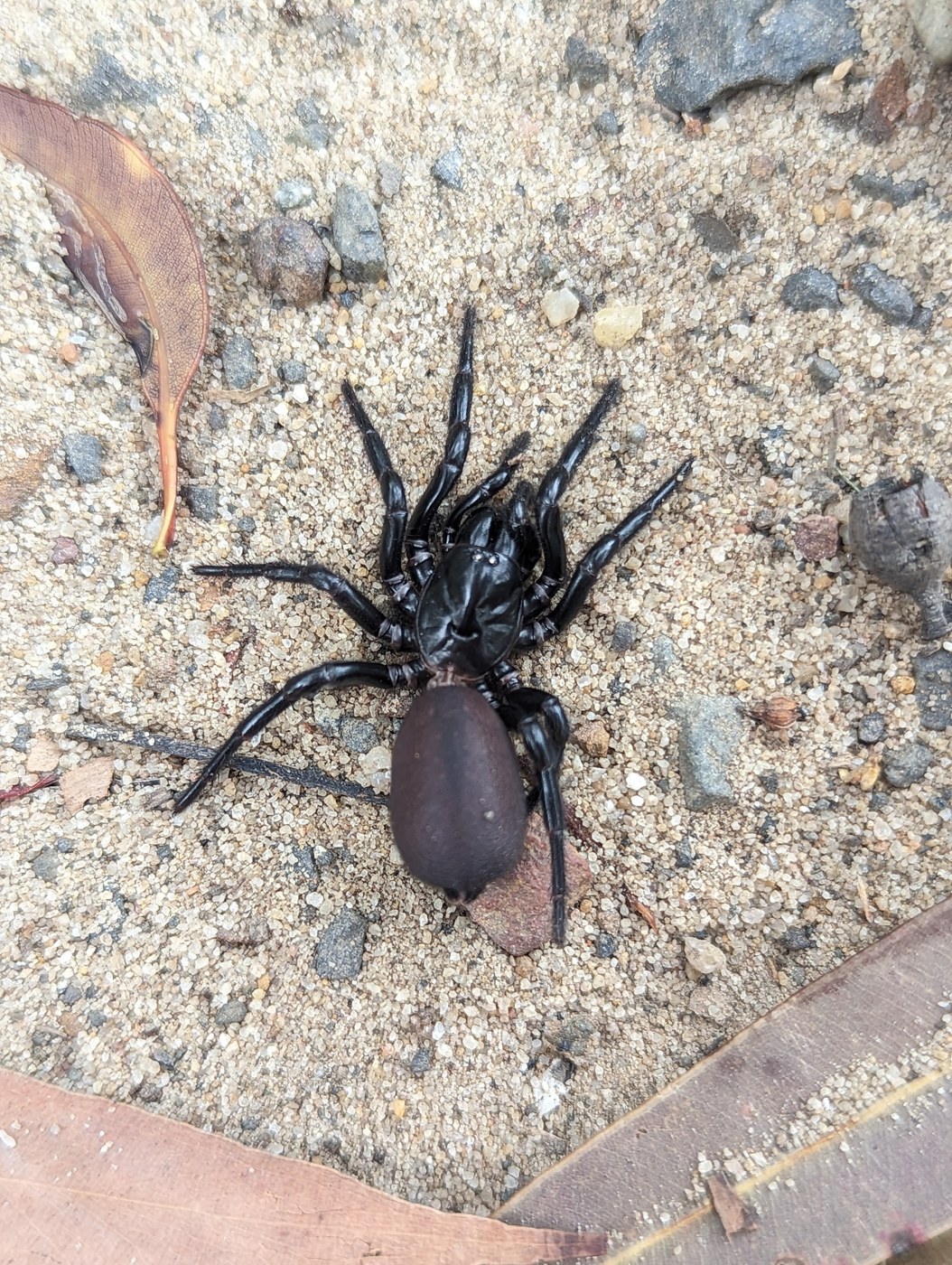
Sydney Funnel-web Spider
Burrows in moist soil, gardens, and forested gullies around the Sydney basin of eastern Australia
Trapdoor Spider
Self-dug silk-lined burrows with a camouflaged door, in dry, well-drained soil worldwide
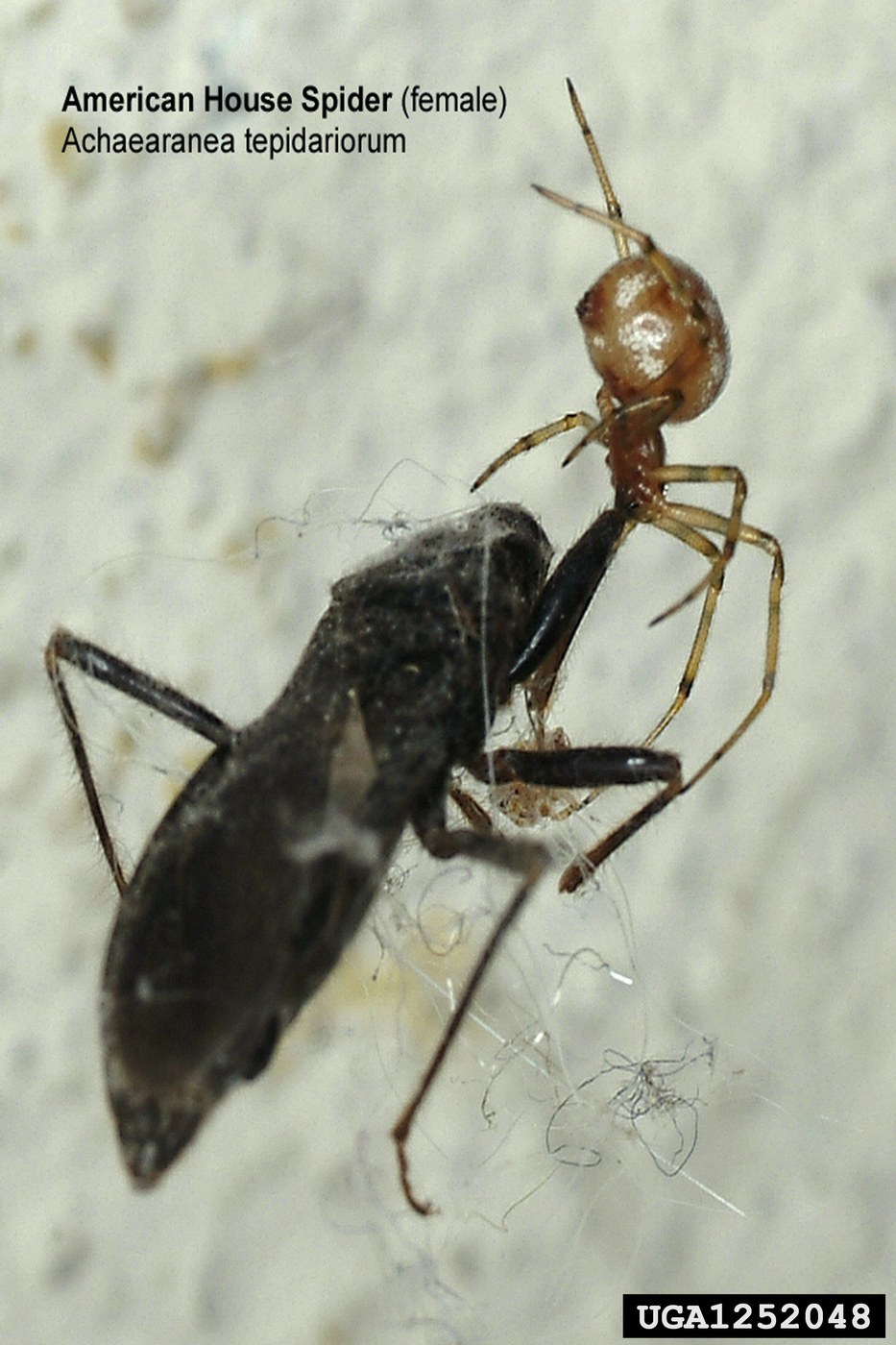
American House Spider
Corners, basements, garages, and outbuildings worldwide
Tube Web Spider
Wall crevices, bark, rockeries, and masonry
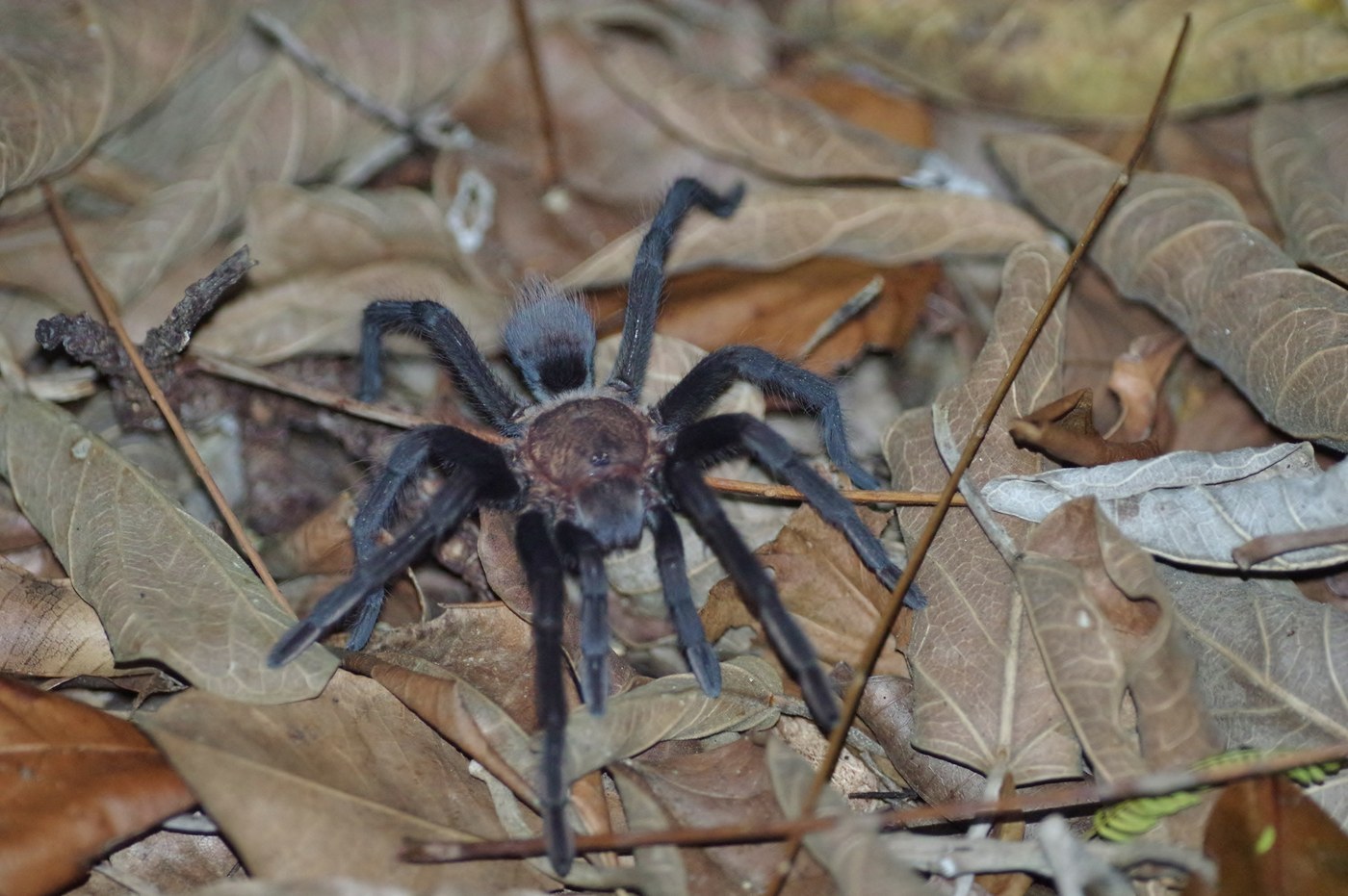
Tarantula
Burrows, rock crevices, and tree hollows in deserts, grasslands, and tropical forests worldwide
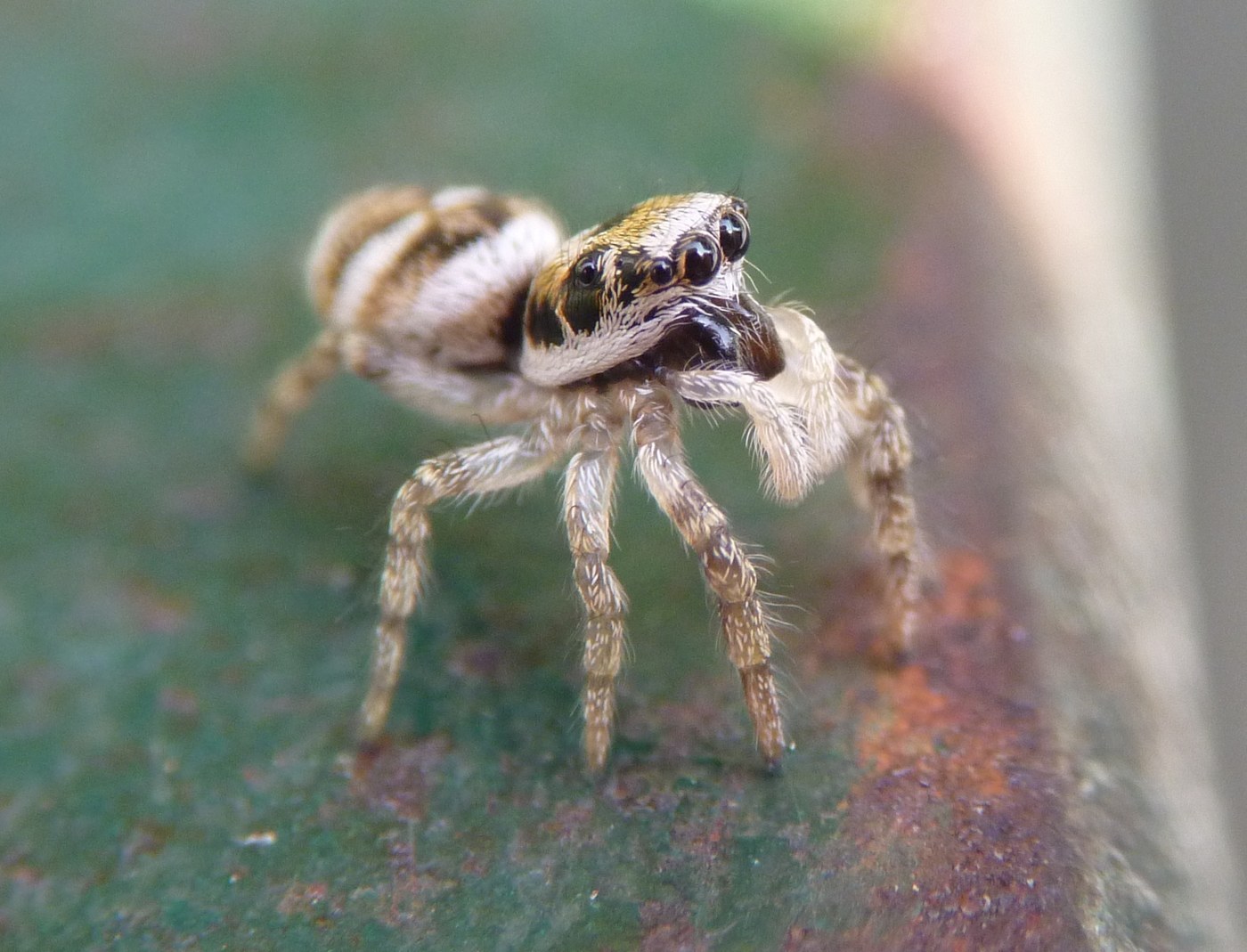
Zebra Jumping Spider
Sunny walls, fences, tree bark, and building exteriors
Wall Spider
Cracks and crevices on exterior and interior walls