
Trapdoor Spider
Ctenizidae spp.
A stocky, burrowing spider that engineers a hinged, camouflaged silk door over its underground tunnel, waiting just inside to snap the lid open and seize passing prey in an ambush lasting a fraction of a second.
- Size
- Body 15-35 mm
- Habitat
- Self-dug silk-lined burrows with a camouflaged door, in dry, well-drained soil worldwide
- Danger
- Bites
Spotted a bug like this?
Identify any bug or insect from a photo, free.
Overview
Trapdoor spiders are a group of burrowing spiders belonging to several related families, most notably Ctenizidae, found in warm temperate and tropical regions worldwide, including parts of the southern and western United States. They have a stocky, heavily armored body, typically brown or dark in color, with short, powerful legs adapted for digging, and specialized rake-like structures on their front legs used to excavate soil.
Their defining feature is the burrow itself: a vertical tunnel dug into well-drained soil, lined with silk to prevent collapse, and capped with a camouflaged, hinged door made of silk, soil, and debris that blends seamlessly into the surrounding ground. The spider waits just beneath this trapdoor, sensing vibrations from passing prey through silk trip-lines radiating from the burrow entrance, and springs the door open in an instant to grab prey before retreating below.
Trapdoor spiders are long-lived, secretive, and rarely seen above ground, spending nearly their entire lives within or very close to a single burrow that they continually maintain and may occupy for many years.
How to Identify
- Stocky, heavily built body, typically brown to blackish, with short, thick legs
- Enlarged, rake-like mouthparts (rastellum) used for digging, visible on close inspection
- Rarely seen above ground; identification is often based on finding the camouflaged burrow door itself
- Burrow: a round or oval silk-lined tunnel entrance with a hinged, soil-and-silk trapdoor that blends into the ground
- Lookalikes: tarantulas and wolf spiders can dig burrows but do not build a hinged trapdoor; funnel-web spiders build silk funnels rather than a lidded tunnel
Habitat & Range
Found in warm, temperate to tropical regions around the world, including parts of the southwestern and southeastern United States, Central America, and other continents with suitable dry, well-drained soils. They favor slopes, banks, and undisturbed ground where a burrow can be dug and maintained over years without flooding.
Behavior & Diet
Trapdoor spiders are ambush predators that spend the vast majority of their time inside their burrow, only opening the trapdoor to seize prey detected through vibrations transmitted along silk trip-lines laid around the burrow entrance. When an insect or other small arthropod triggers these lines, the spider bursts out, grabs the prey, and pulls it below ground to feed, all in a fraction of a second. They are largely nocturnal and rarely wander far from the burrow, which they continually repair and may extend or reline with fresh silk throughout their life.
Life Cycle
Mating occurs when wandering males, which leave their burrows in search of females, locate and are permitted to enter a female's burrow. Females lay eggs within the burrow and guard the egg sac closely until spiderlings emerge. Young spiders may remain near the maternal burrow briefly before dispersing to dig their own small burrows nearby. Trapdoor spiders grow slowly, taking several years to reach maturity, and females in particular are notably long-lived, with some individuals documented living well over a decade within the same burrow.
Frequently asked questions
How do trapdoor spiders build their burrow door?
They construct a hinged lid from layers of silk mixed with soil, moss, or debris, camouflaged to blend with the surrounding ground and attached to the burrow rim with a silk hinge.
How does a trapdoor spider catch prey?
It waits just beneath the trapdoor, sensing vibrations from silk trip-lines around the burrow entrance, then springs the door open to grab passing insects and pulls them underground.
How long do trapdoor spiders live?
They are long-lived compared to most spiders, with females of some species documented living well over a decade in the same burrow.
Are trapdoor spiders often seen above ground?
Rarely - they spend nearly all their time inside their burrow, and are more often noticed by finding their camouflaged burrow entrance than the spider itself.
Trapdoor Spider guides
In-depth guides for identifying, understanding, and living alongside Trapdoor Spider.
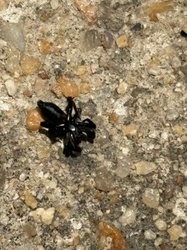
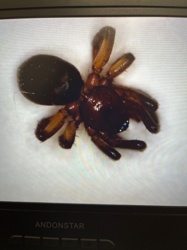
Trapdoor Spider identified by the community
Real finds identified with Bug Identifier.

Other bugs you may enjoy
Woodlouse Spider
Damp leaf litter, under logs, stones, and mulch
Wolf Spider
Gardens, grasslands, forests, leaf litter, ground burrows
Wandering Spider
Tropical and subtropical forest floor, foliage, and banana plants
Banded Garden Spider
Tall grass, meadows, and gardens with open sunny vegetation
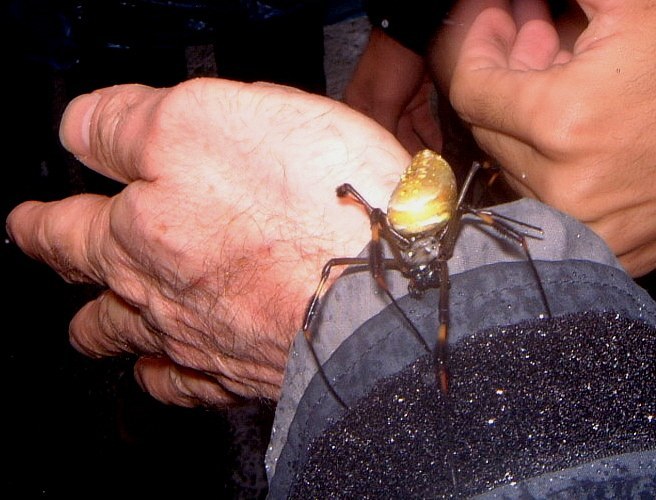
Banana Spider
Wooded trails, forest edges, and gardens across the southeastern U.S. and the American tropics
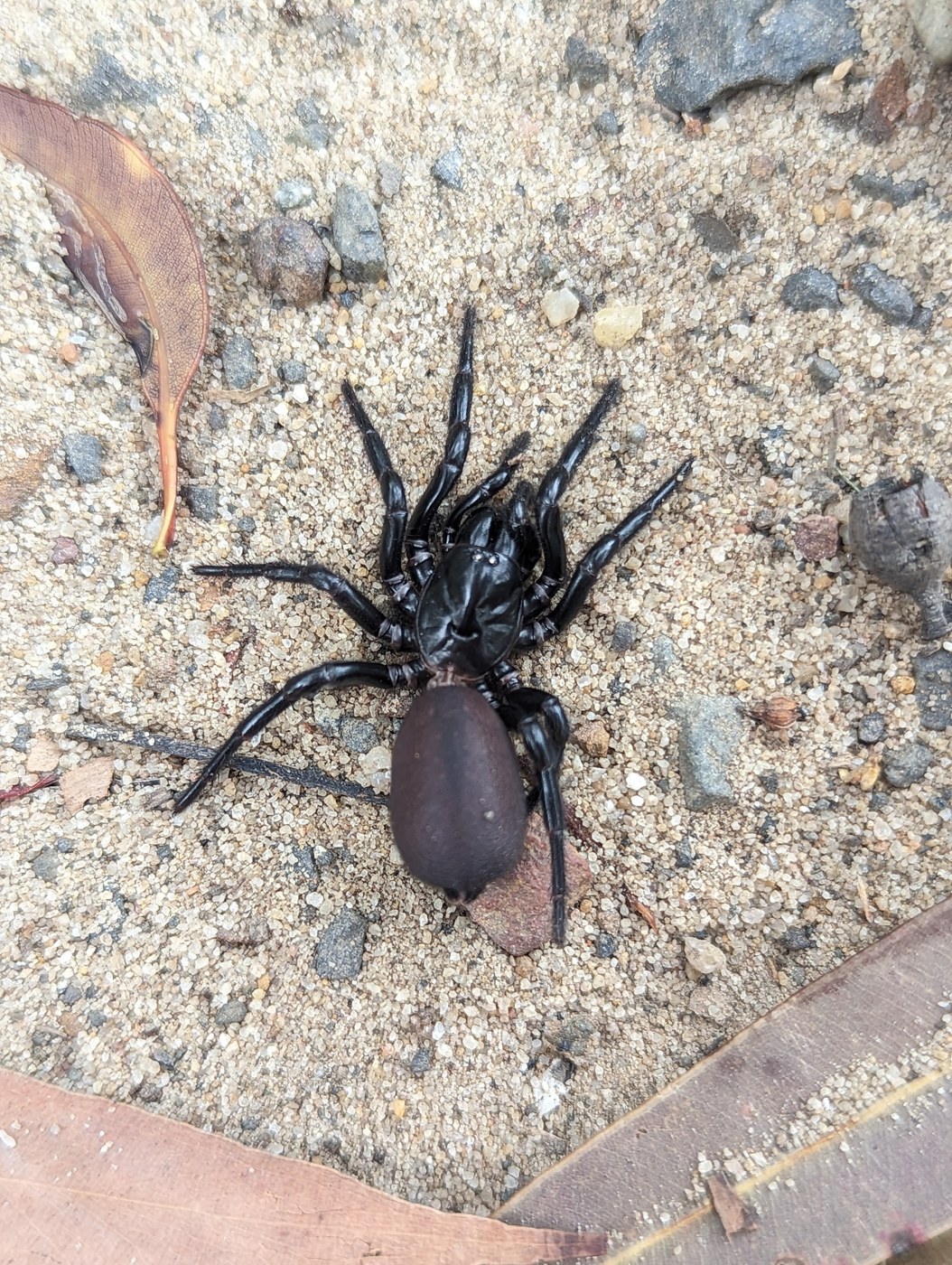
Sydney Funnel-web Spider
Burrows in moist soil, gardens, and forested gullies around the Sydney basin of eastern Australia
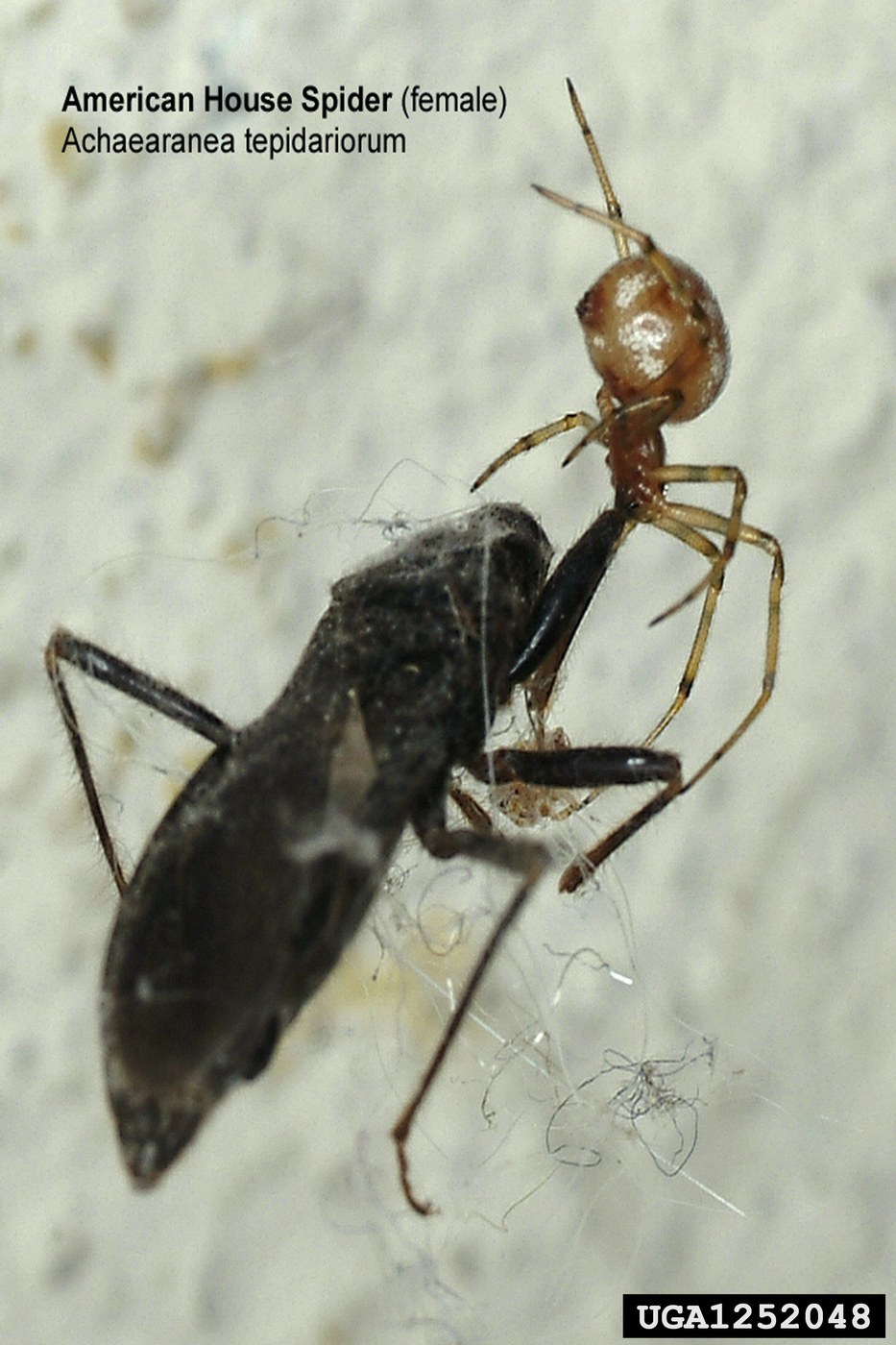
American House Spider
Corners, basements, garages, and outbuildings worldwide
Tube Web Spider
Wall crevices, bark, rockeries, and masonry
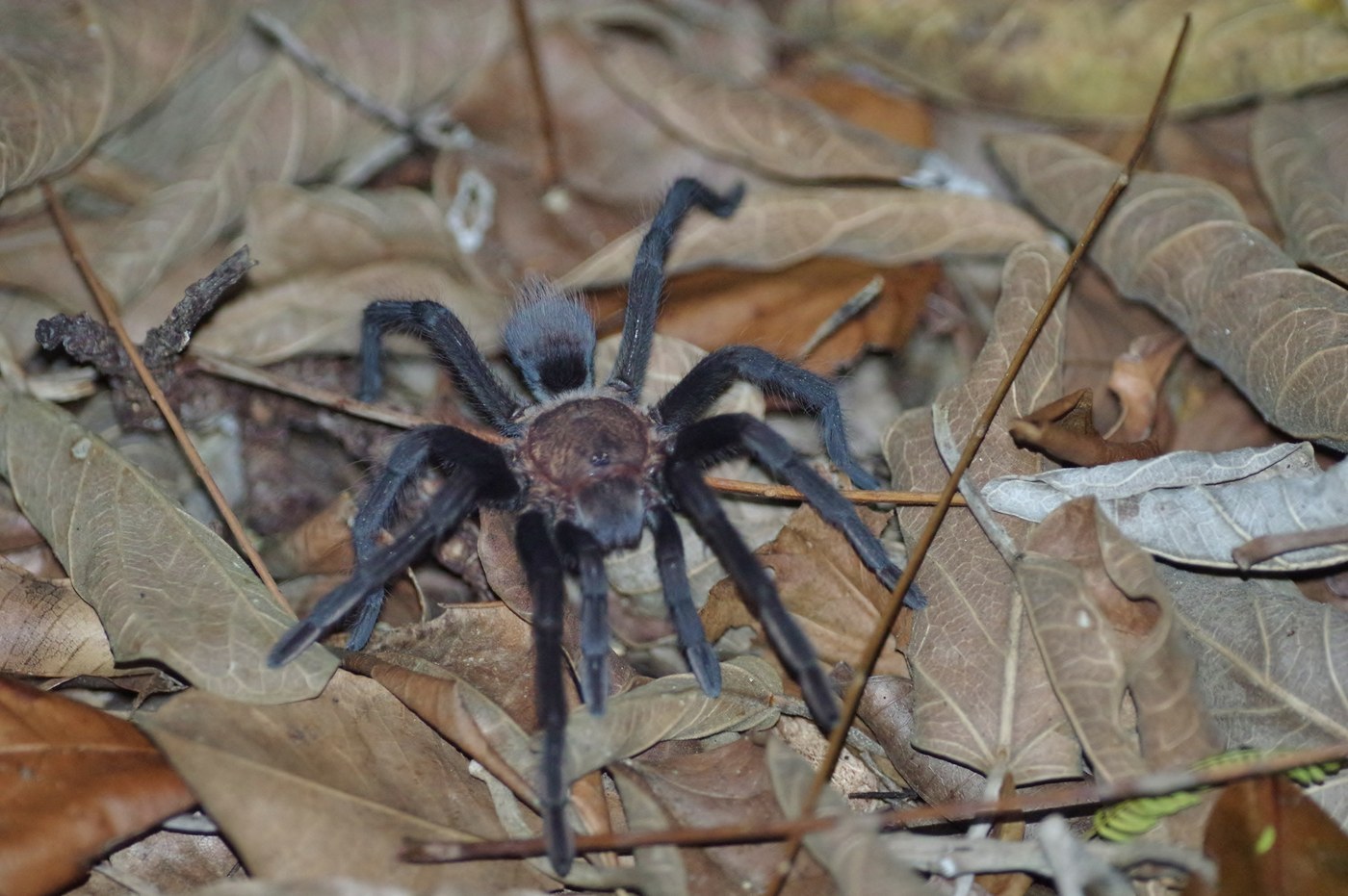
Tarantula
Burrows, rock crevices, and tree hollows in deserts, grasslands, and tropical forests worldwide
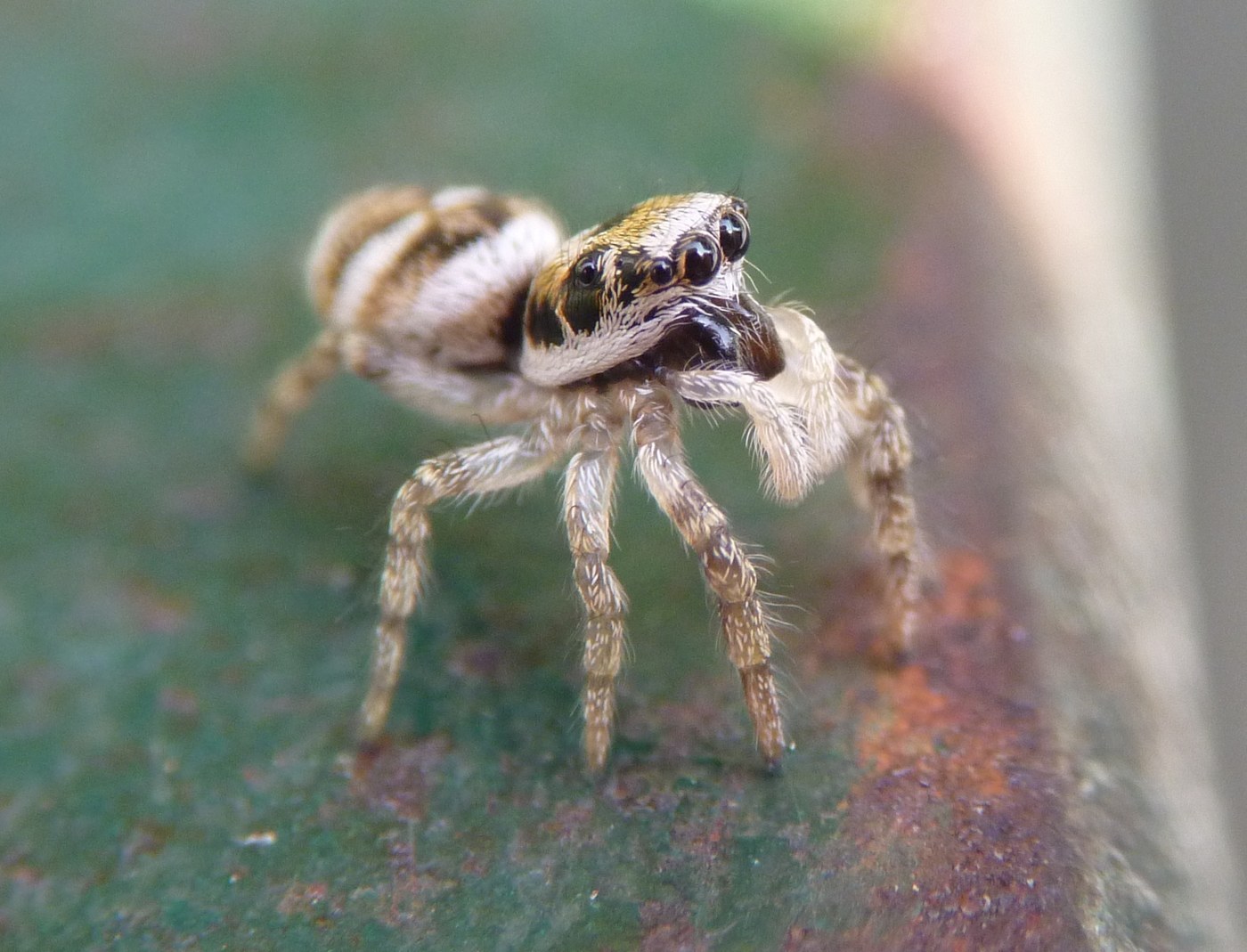
Zebra Jumping Spider
Sunny walls, fences, tree bark, and building exteriors
Wall Spider
Cracks and crevices on exterior and interior walls
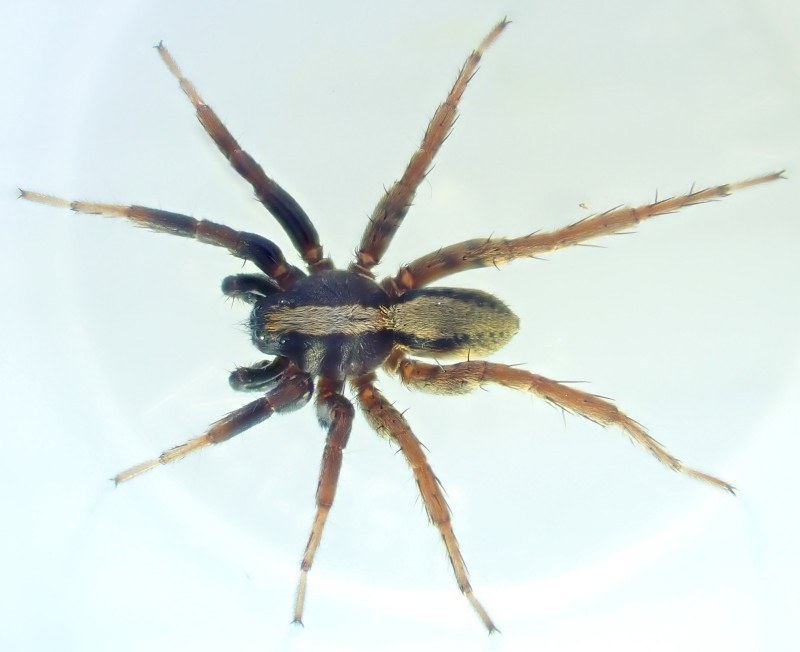
Wolf Spiderling
Grasslands, gardens, leaf litter and bare ground