
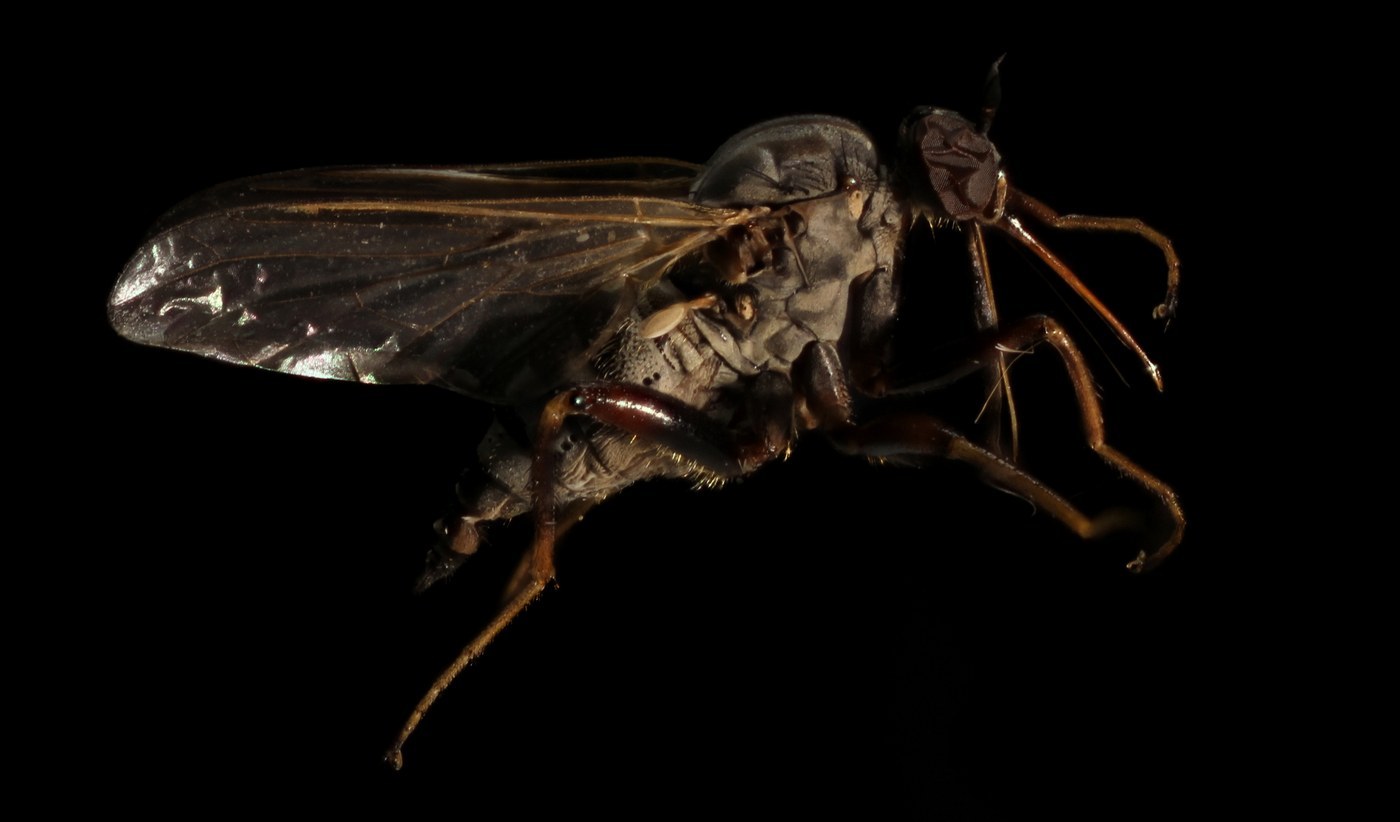
Dance Fly
Empis spp.
A slender, long-legged predatory fly named for the swarming courtship dances males perform at dusk, often while carrying a captured insect as an offering.
- Size
- 3-10 mm long
- Habitat
- Meadows, woodland edges, and moist vegetation near streams in temperate regions
- Danger
- Harmless
Spotted a bug like this?
Identify any bug or insect from a photo, free.
Overview
Dance flies form a large and diverse family, Empididae, found across temperate regions worldwide. They are predatory as both larvae and adults, hunting small soft-bodied insects, and are especially well known among entomologists for their elaborate courtship behavior.
Males of many dance fly species capture prey and present it to females before mating, sometimes wrapping the offering in silk to form a small "balloon." These nuptial gifts, along with the swirling aerial swarms males form at dusk to attract mates, give the group its common name.
Although related to biting flies in the broader fly order, dance flies pose no threat to humans; their piercing proboscis is used exclusively to subdue insect prey.
How to Identify
- Slender body with unusually long, spindly legs
- Elongated, tapering abdomen
- Downward-curving piercing proboscis adapted for capturing prey, not for biting humans
- Clear or lightly tinted wings
- Size ranges from about 3 to 10 mm depending on species
- Lookalikes: crane flies are much larger and lack a piercing proboscis; robber flies are stockier with a bearded face and stronger bristles
Habitat & Range
Dance flies are found throughout temperate regions worldwide, particularly in meadows, woodland edges, marshes, and vegetation along streams. Adults are often seen perched on foliage or forming loose aerial swarms in cooler, humid microhabitats during the warmer months.
Behavior & Diet
Adult dance flies are active predators of small, soft-bodied insects such as midges and other small flies, which they capture in flight or pluck from vegetation. Many species are notable for elaborate courtship displays in which males offer captured prey, sometimes wrapped in silk, to females as part of a swarming mating dance performed at dusk. Larvae are also predatory or scavenging, living in soil, leaf litter, or decaying wood where they feed on small invertebrates.
Life Cycle
Eggs are laid in moist soil, leaf litter, or decaying plant material. Larvae develop through several instars as predators or scavengers of small invertebrates in these habitats, then pupate in the soil or litter. Adults typically emerge in spring or summer. Most temperate species complete one generation per year, overwintering as larvae or pupae before adults appear the following season.
Frequently asked questions
Why are they called dance flies?
Males of many species form swirling aerial swarms at dusk as part of courtship, sometimes called a mating dance, often while presenting prey to females.
Do dance flies bite people?
No, their piercing proboscis is used only to capture and feed on small insect prey, not to bite humans.
What do dance fly larvae eat?
Larvae live in soil, leaf litter, or decaying wood, where they act as predators or scavengers of small invertebrates.
What is a nuptial gift in dance flies?
In many species, males capture prey, sometimes wrapping it in silk, and present it to a female before mating.
Dance Fly guides
In-depth guides for identifying, understanding, and living alongside Dance Fly.
Other bugs you may enjoy
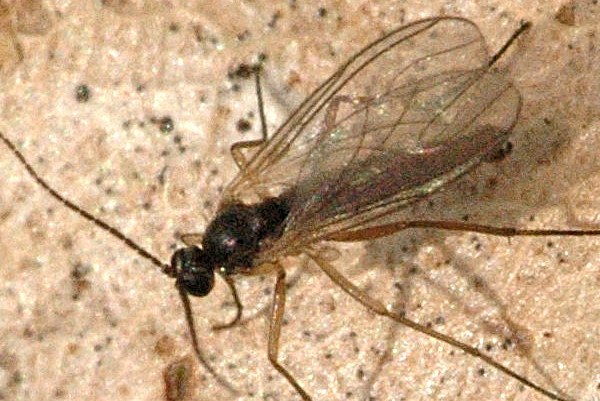
Aphid Midge
Gardens, greenhouses, and crops with aphids
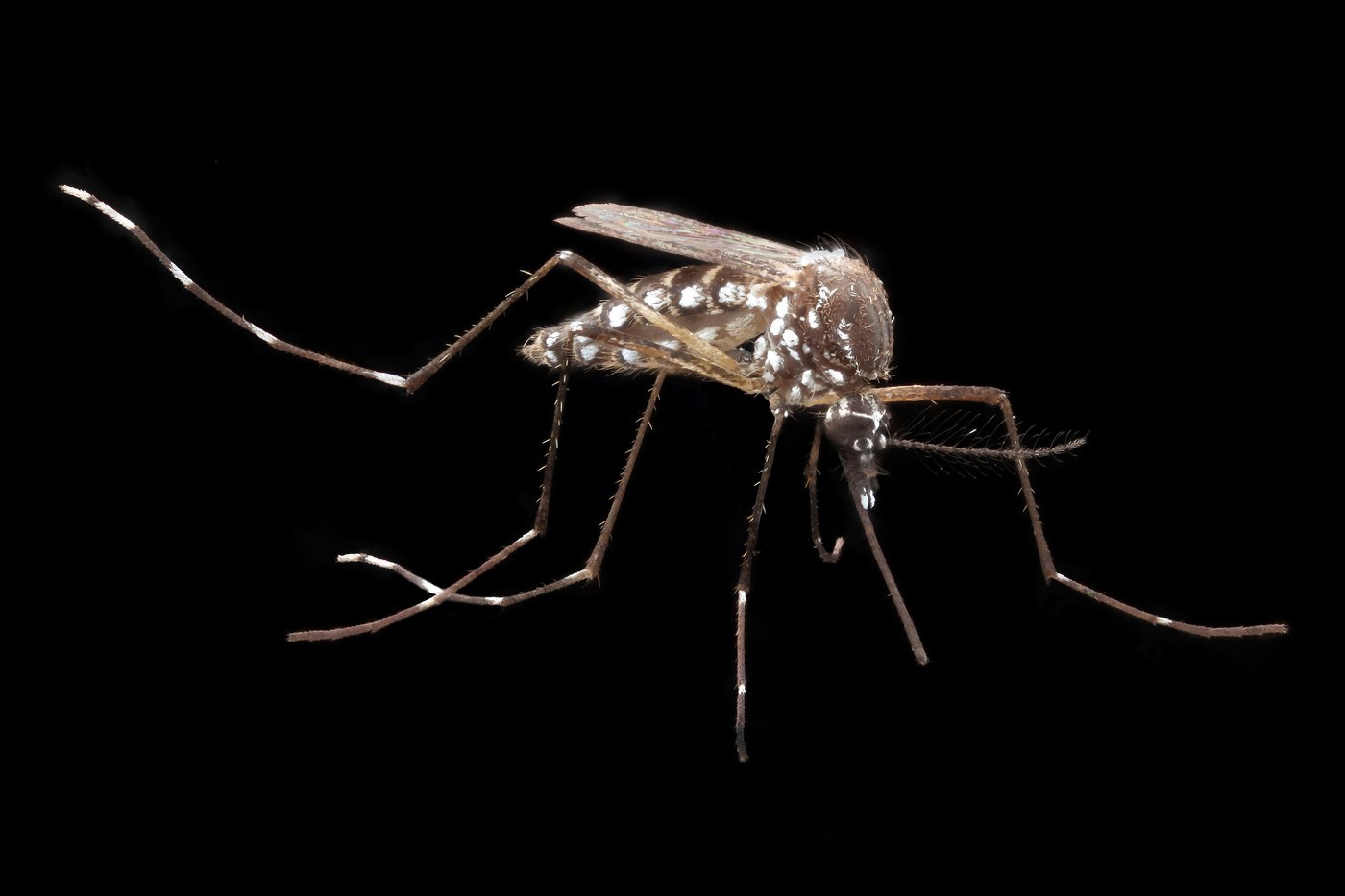
Yellow Fever Mosquito
Urban and peri-urban areas near small artificial water containers in tropical and subtropical regions worldwide
Root Maggot
Garden and field soil around the roots of cole crops and other vegetables
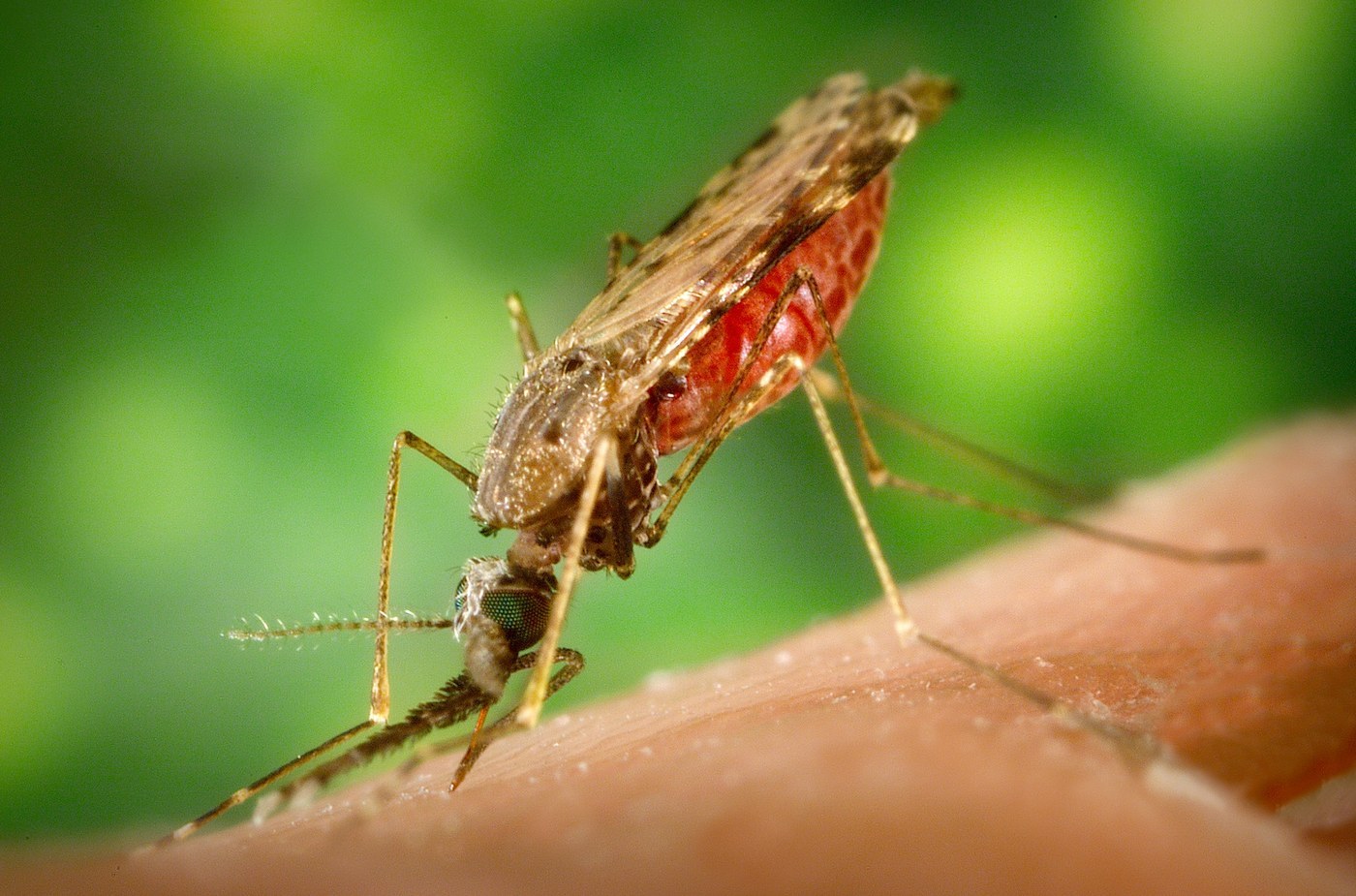
Anopheles Mosquito
Clean, still or slow-moving freshwater habitats such as marshes, ponds, and rice paddies
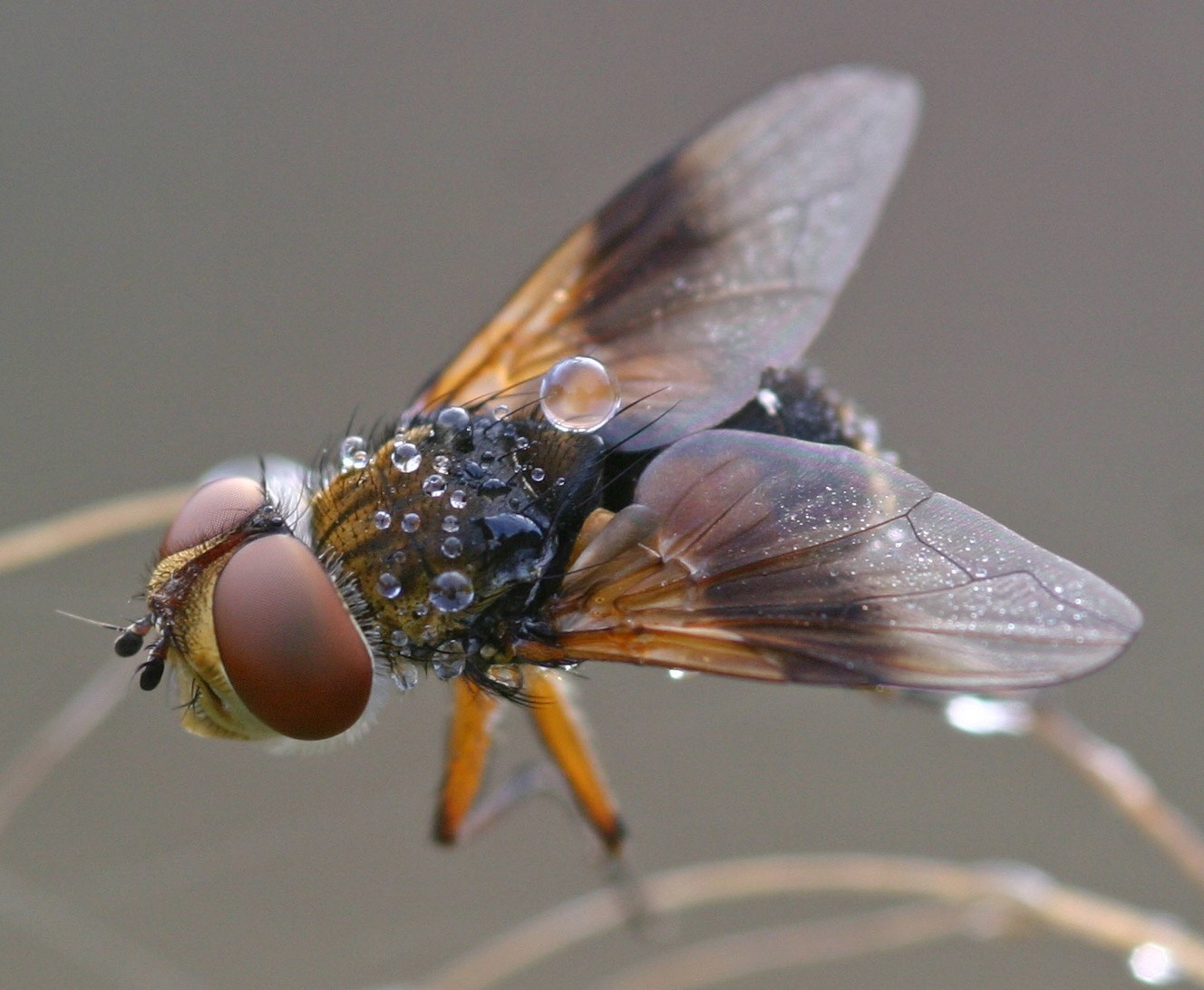
Tachinid Fly
Gardens, meadows, and woodlands wherever host caterpillars and other insects occur
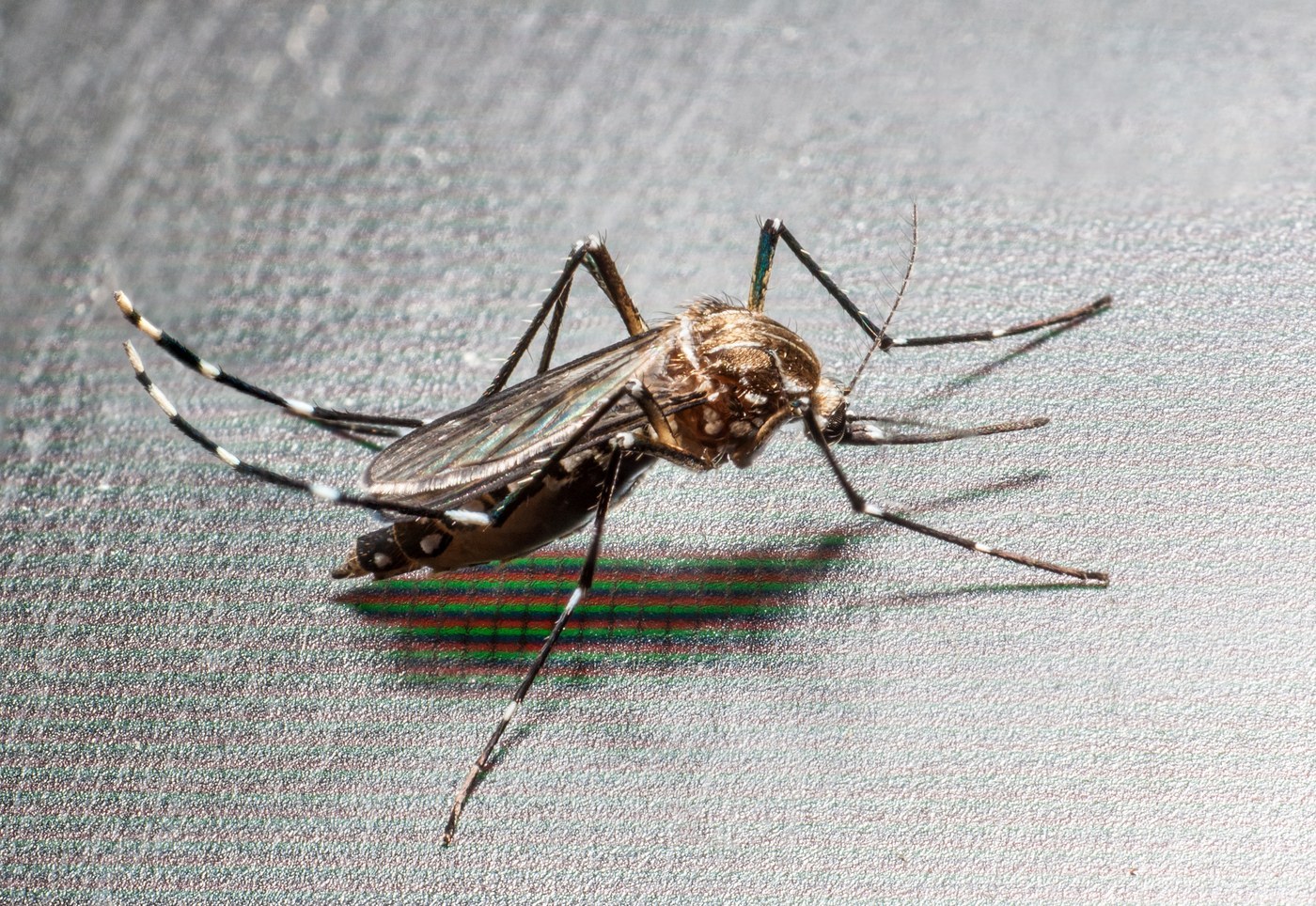
Asian Tiger Mosquito
Shaded urban and suburban areas near small water-holding containers, tires, and tree holes; native to Southeast Asia, now widespread
Tsetse Fly
Wooded savanna, riverine thickets, and forest edges across sub-Saharan Africa
Vinegar Fly
Around overripe fruit, compost, and fermenting materials worldwide
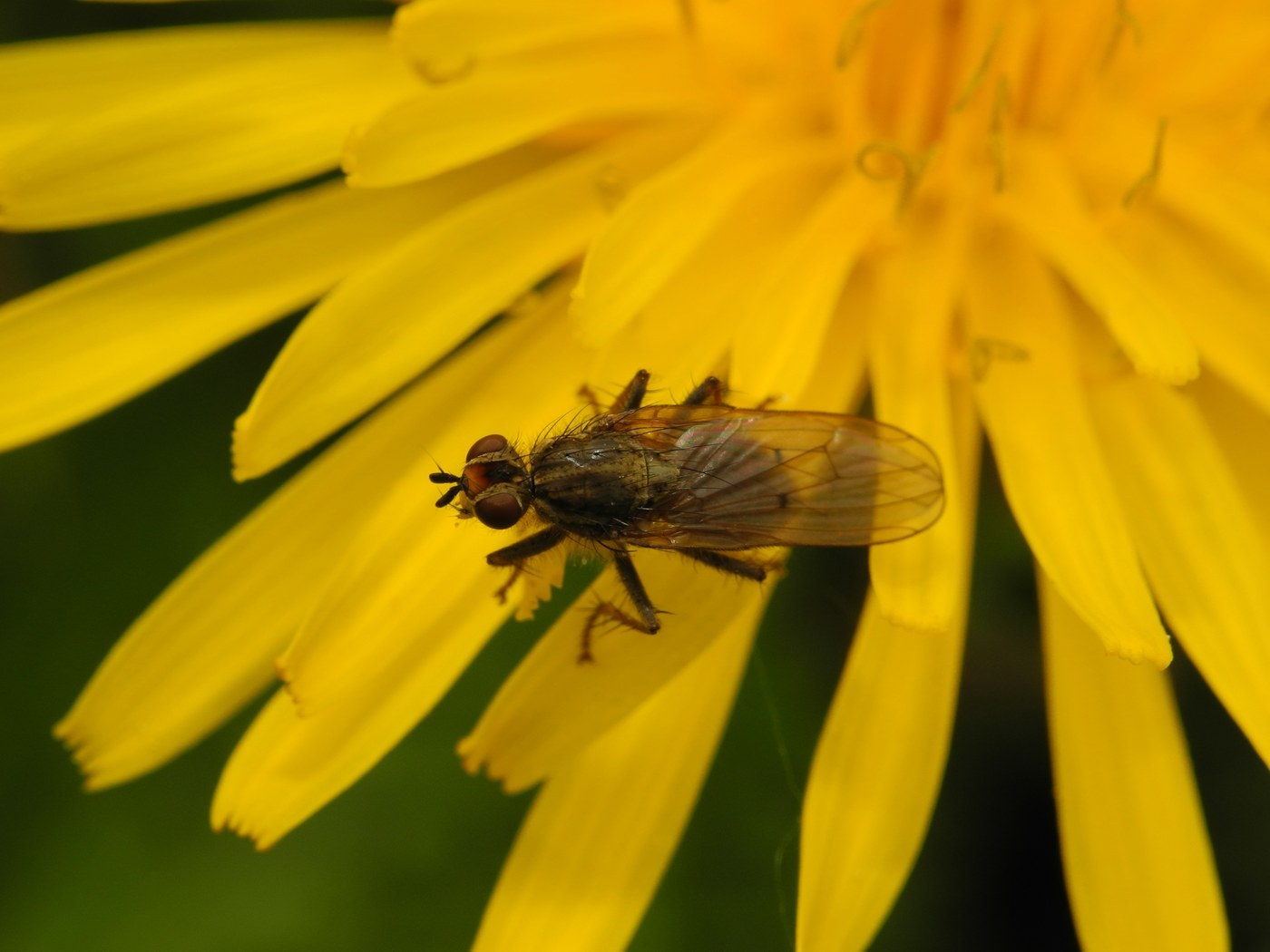
Yellow Dung Fly
Pastures and fields with fresh cattle dung
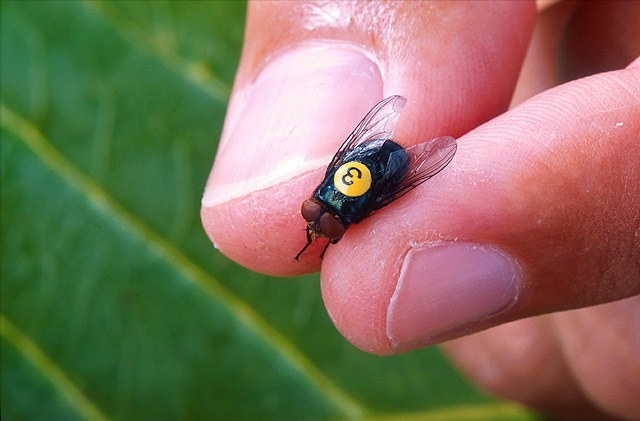
Screwworm Fly
Warm, humid lowlands of the Americas, especially near livestock and wildlife wounds
Soldier Fly
Wetland margins, decaying organic matter, and vegetation near water
Punkie
near marshes, mudflats, ponds, and other standing water