
Dragonhunter
Hagenius brevistylus
North America's largest clubtail, the Dragonhunter is a powerful predator that lives up to its name by capturing and eating other dragonflies, including species nearly its own size.
- Size
- Body length about 3-3.5 in (75-90 mm), one of the largest North American dragonflies
- Habitat
- Rocky, fast-flowing streams and rivers with wooded banks
- Danger
- Bites
Spotted a bug like this?
Identify any bug or insect from a photo, free.
Overview
The Dragonhunter is the largest member of the clubtail family in North America and one of the largest dragonflies on the continent, named for its habit of preying on other dragonflies. It is found along fast-flowing, rocky streams and rivers in the eastern United States and southeastern Canada.
With a heavy black-and-yellow body, broad thorax, and unusually wide, flattened hindlegs used to snatch prey mid-flight, the Dragonhunter is built for capturing large, fast-moving insects, making it one of the more formidable aerial predators among North American dragonflies.
How to Identify
- Large, heavy-bodied dragonfly with black and pale yellow-green striping on the thorax and abdomen
- Wide, club-shaped tip of the abdomen typical of clubtails, especially pronounced in this species
- Unusually broad, basket-like hindlegs adapted for snatching large prey in flight
- Eyes separated on top of the head, distinguishing it from skimmers and darners
- Its very large size compared to other clubtails is a key identifying feature
Habitat & Range
Dragonhunters are found along fast, rocky streams and rivers, often in wooded or partly forested settings, across the eastern United States and adjacent Canada. Adults typically forage in nearby clearings, woodland edges, and open areas away from the immediate stream while nymphs remain in the flowing water. Adults are seen mainly in summer.
Behavior & Diet
This species is an aggressive aerial predator that captures large flying insects, including butterflies, wasps, and other dragonflies, using its powerful legs to seize prey and its strong jaws to consume it, often while hanging from vegetation to feed. Its willingness to tackle prey close to its own size sets it apart from most other dragonflies. As with other clubtails, it can bite in defense if handled. The aquatic nymphs are likewise voracious predators, hunting other invertebrates and even small fish or tadpoles within the streambed.
Life Cycle
Females lay eggs by striking the water surface of flowing streams with the abdomen tip during flight. Eggs hatch into nymphs that burrow partially into streambed sediment or hide among debris, growing over a multi-year period that can extend beyond that of many other dragonfly species due to the demands of reaching such a large adult size. Mature nymphs crawl out onto rocks or streamside vegetation to complete their final molt into the winged adult stage. Adults live for a few weeks to a couple of months, feeding heavily to fuel reproduction before dying.
Frequently asked questions
Why is it called the Dragonhunter?
It preys on other dragonflies, including species close to its own size, in addition to butterflies and other large flying insects.
Does the Dragonhunter bite?
Like many large dragonflies, it can bite in defense if handled.
How big does a Dragonhunter get?
It is the largest clubtail in North America, with a body length that can exceed three inches, making it one of the continent's biggest dragonflies.
Where do Dragonhunter nymphs develop?
They live in fast, rocky streams and rivers, hiding among sediment and debris while preying on other aquatic invertebrates.
Dragonhunter guides
In-depth guides for identifying, understanding, and living alongside Dragonhunter.
Dragonhunter identified by the community
Real finds identified with Bug Identifier.
Other bugs you may enjoy
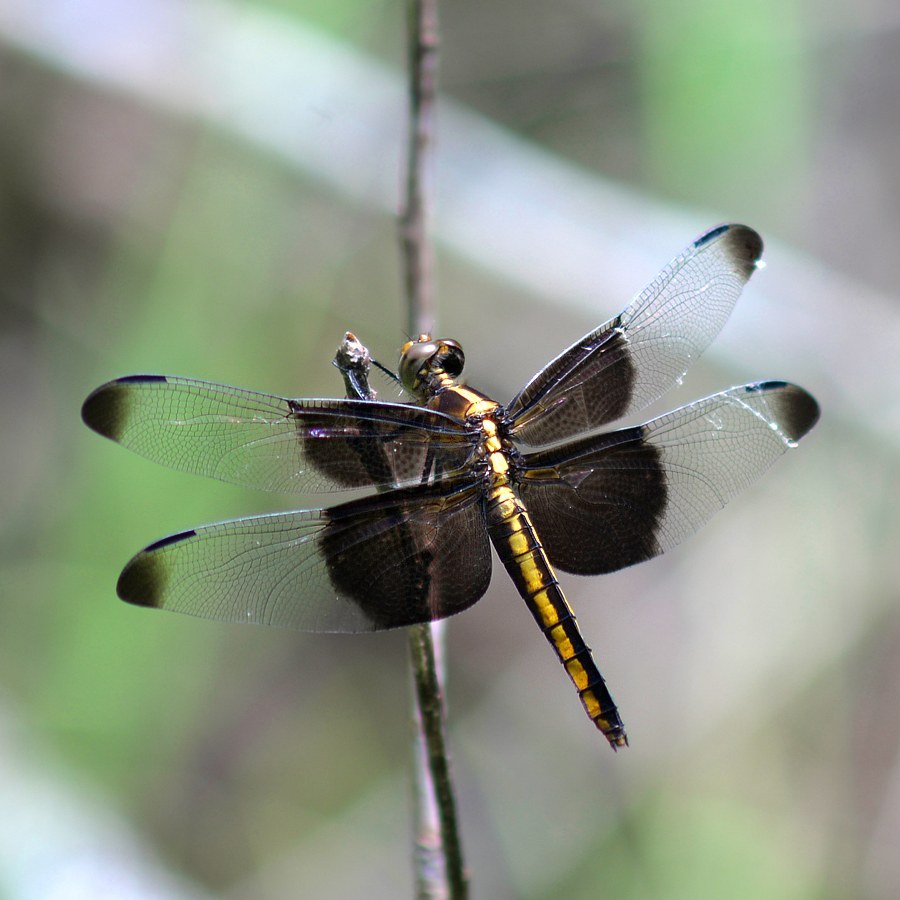
Widow Skimmer
ponds, lakes, and slow-moving streams with open shoreline vegetation across much of the United States
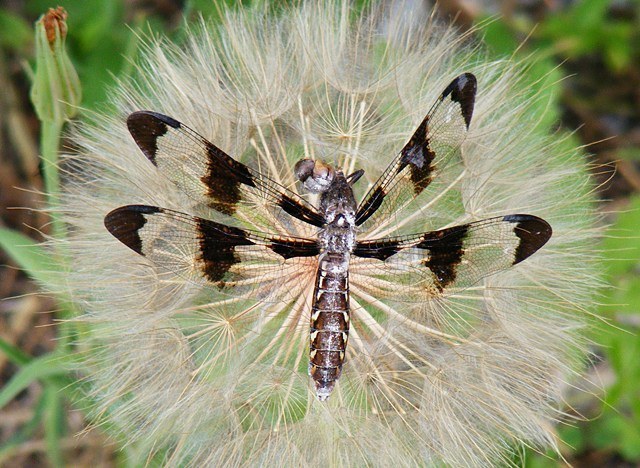
Twelve-spotted Skimmer
Ponds, lakes, and slow streams with open, sunny shorelines
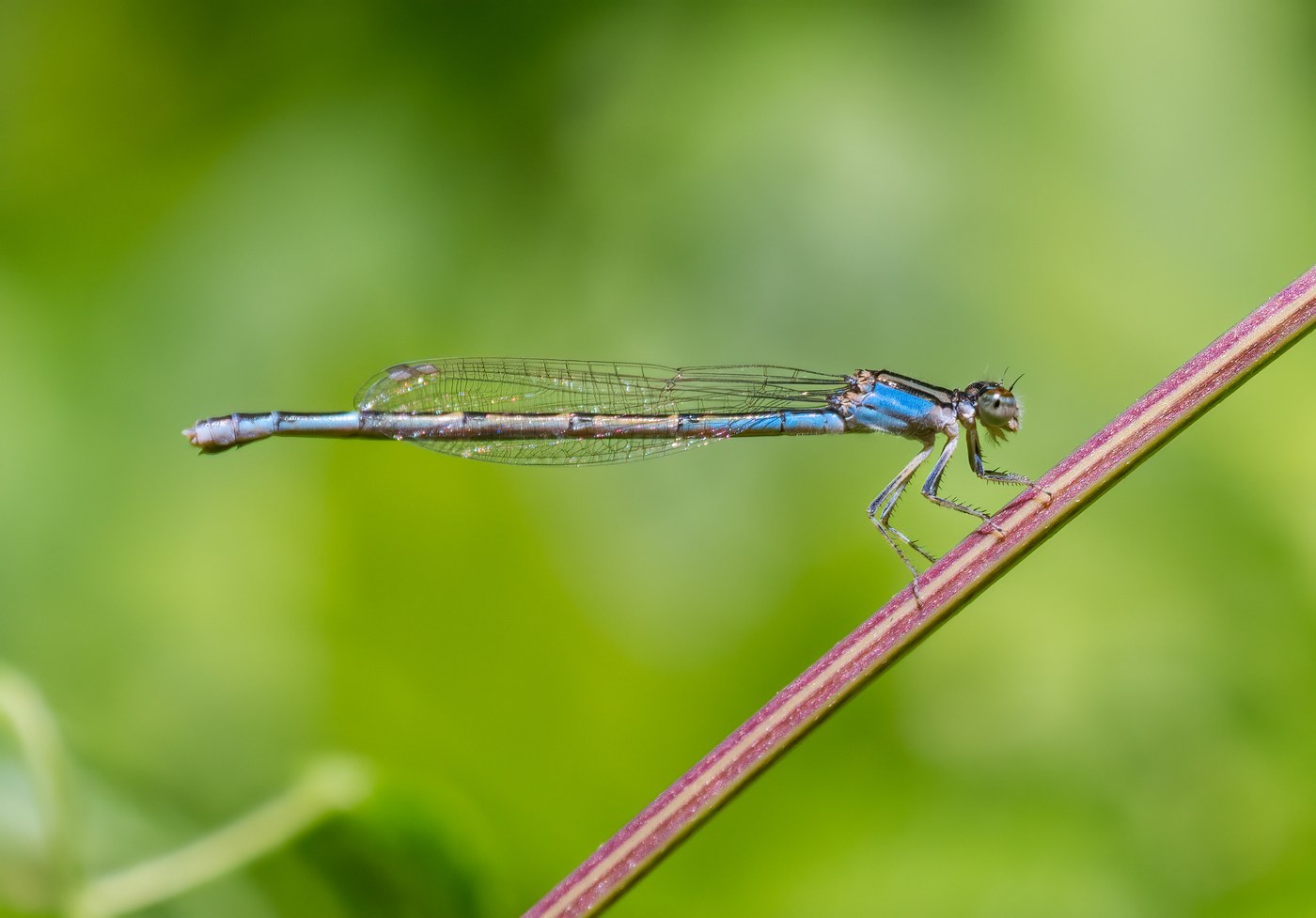
Azure Bluet
ponds, lakes, and slow streams with abundant aquatic vegetation
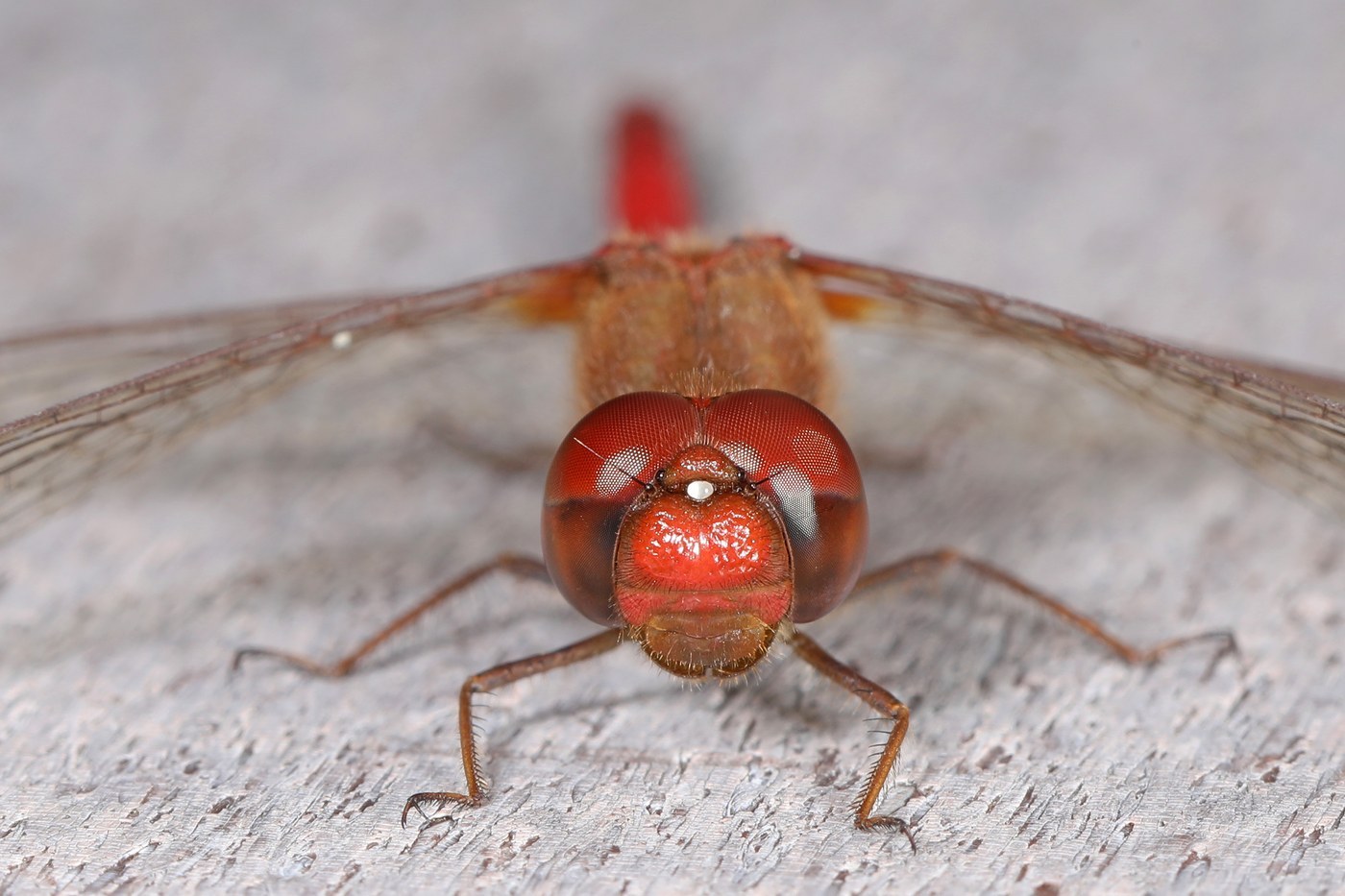
Autumn Meadowhawk
Ponds, marshes, and slow streams, often lingering into late fall
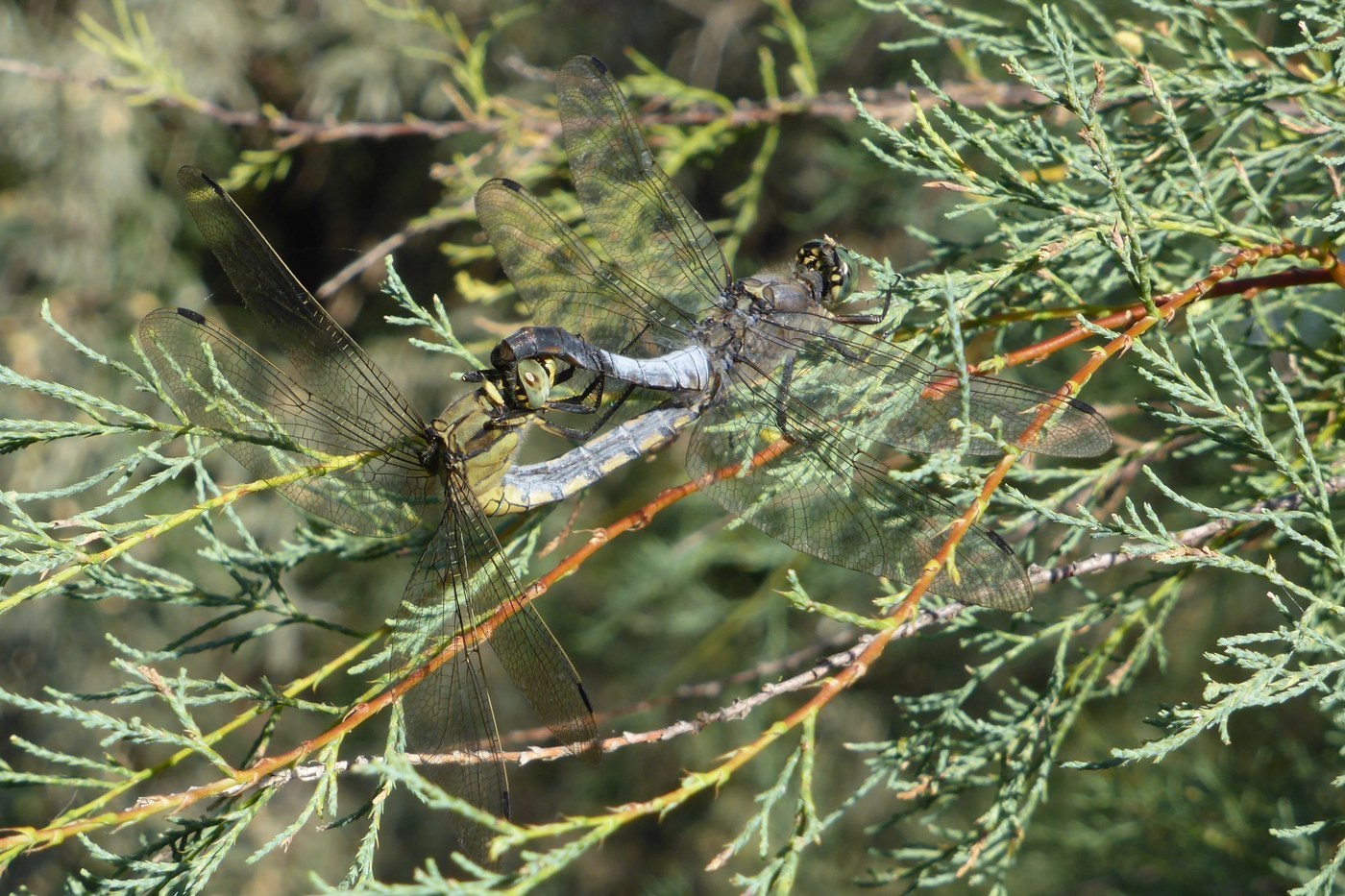
Spangled Skimmer
Ponds, lakes, and marshes with open sunny shorelines
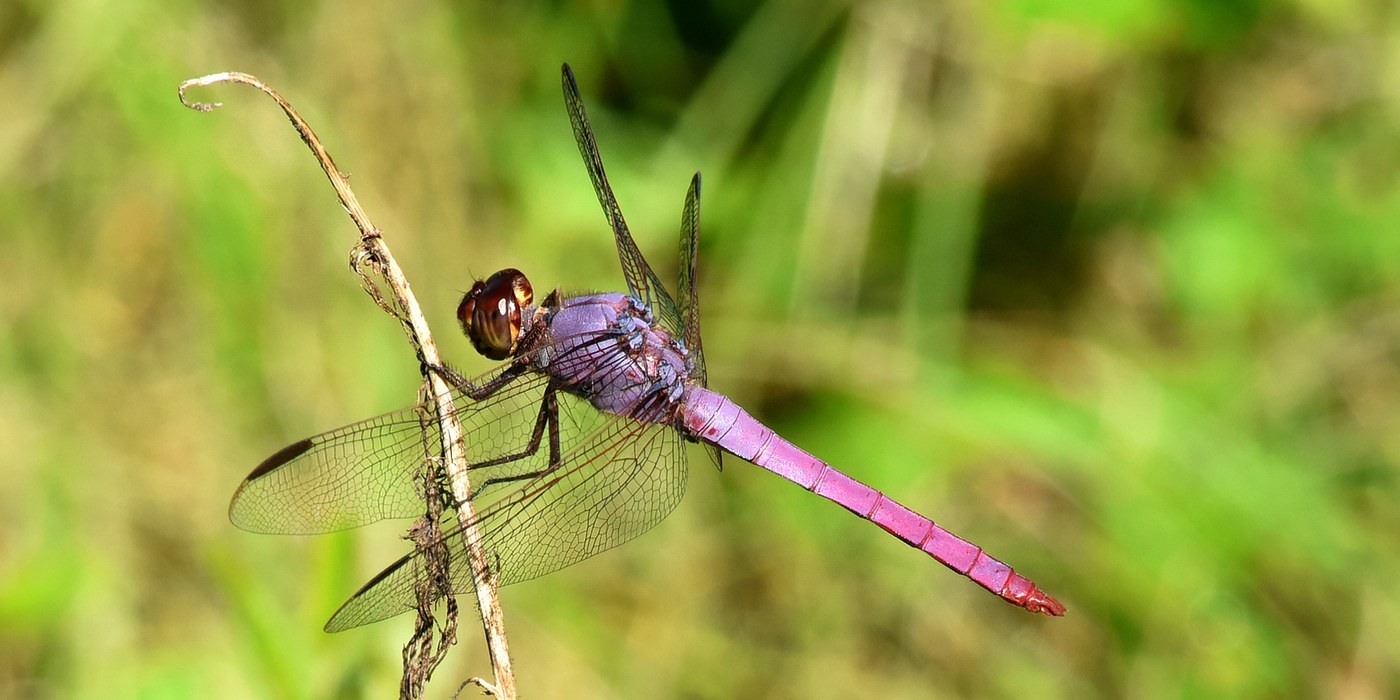
Roseate Skimmer
Ponds, ditches, and canals across the southern United States
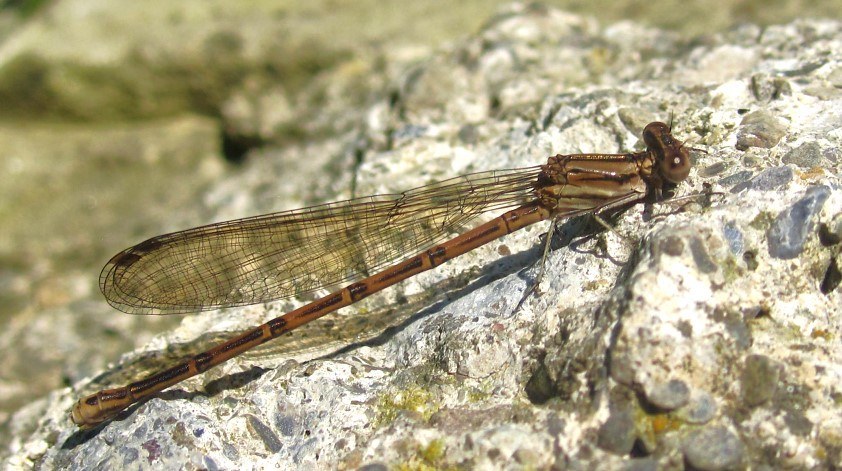
Variable Dancer
streams, rivers, and pond margins, especially in wooded or partly shaded settings
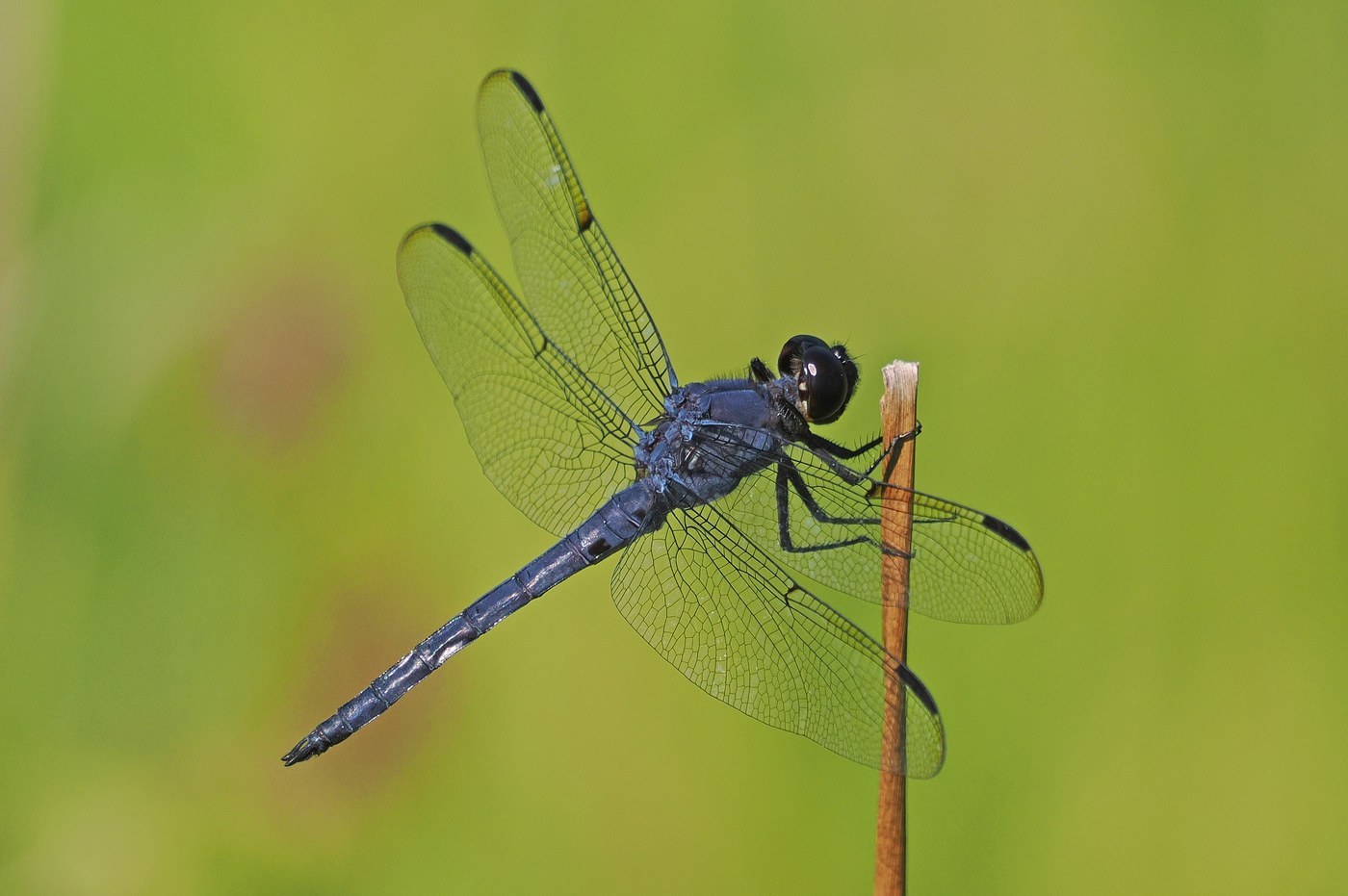
Slaty Skimmer
Still or slow-moving ponds, lakes, and marshes with open shoreline
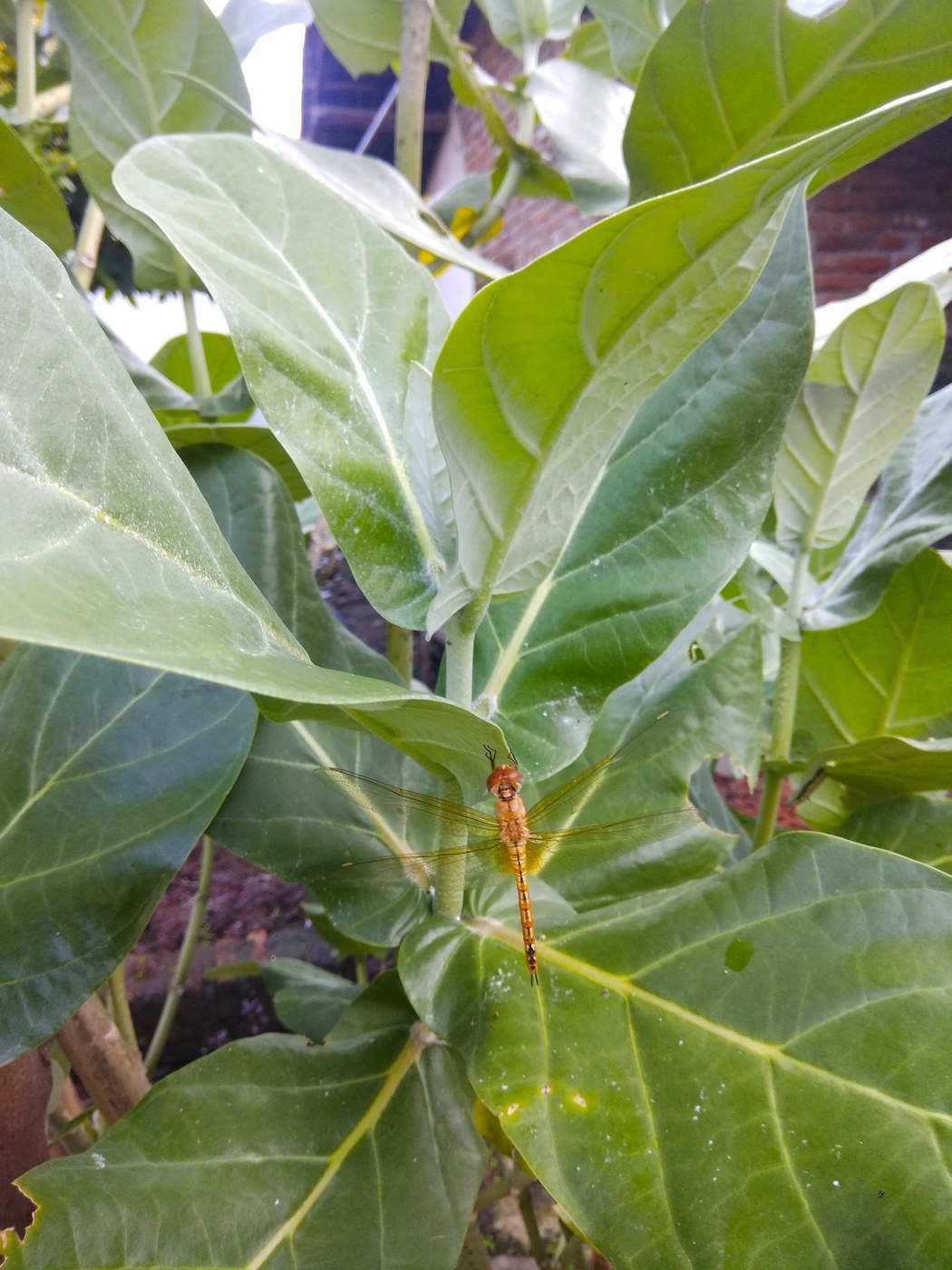
Wandering Glider
Temporary pools, open fields, and coastlines nearly worldwide
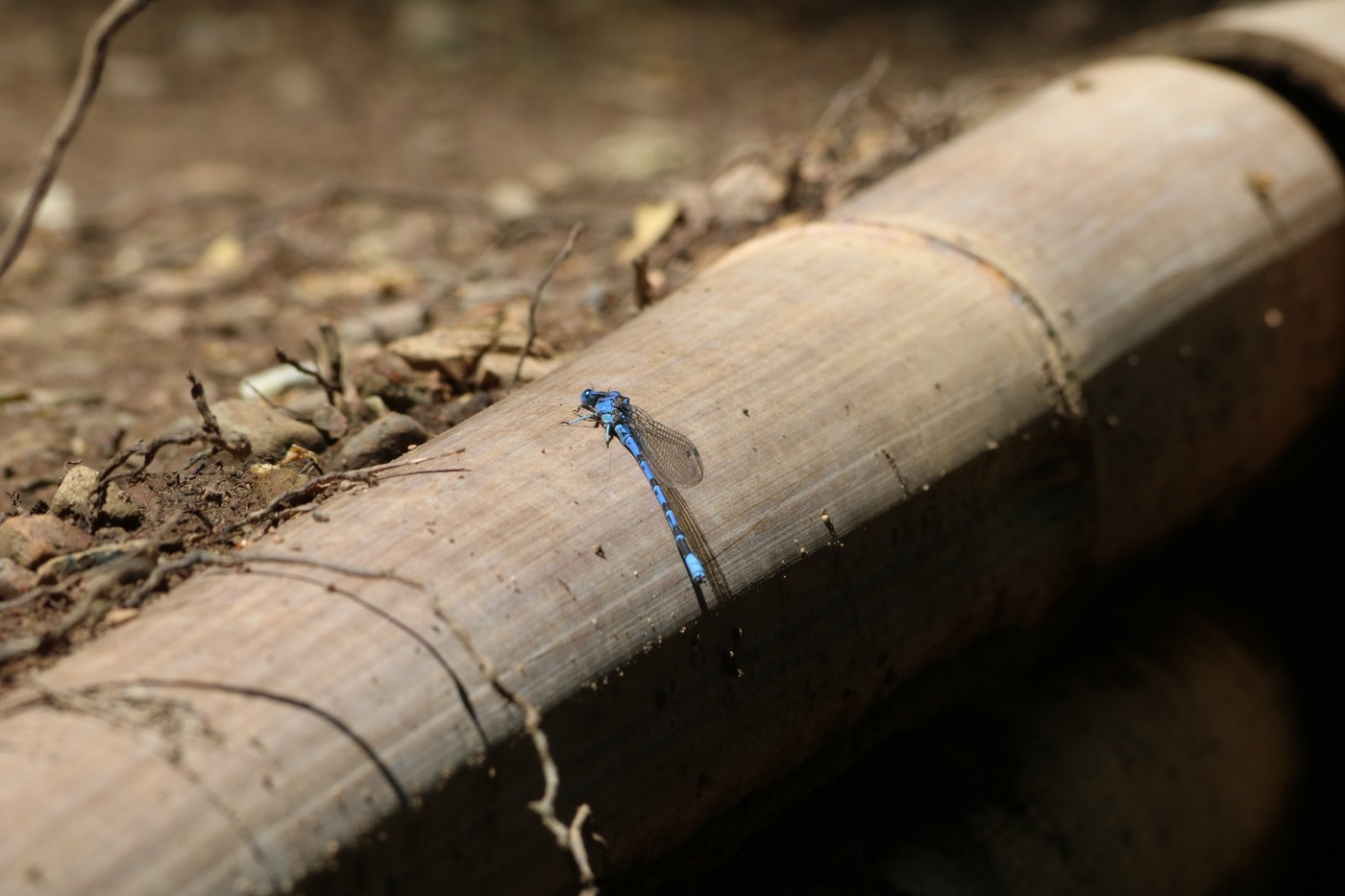
Vivid Dancer
rocky streams, seeps, and spring-fed creeks, often near thermal or warm springs
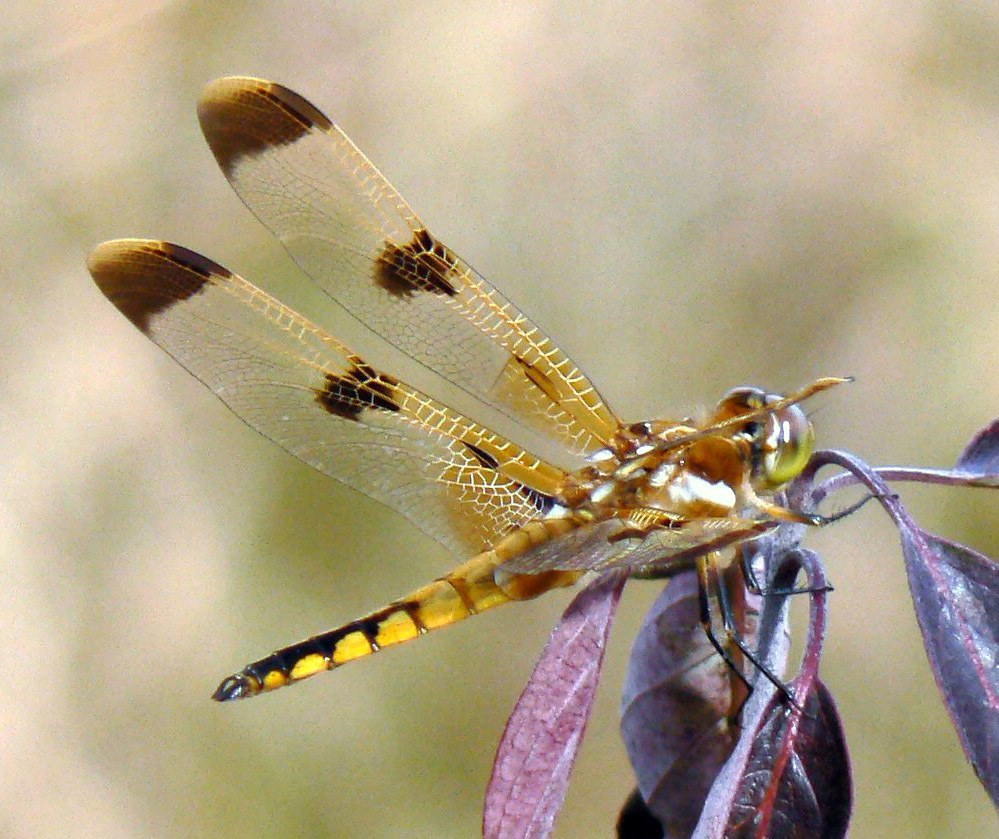
Painted Skimmer
Ponds, marshes, and slow-moving vegetated waters, including temporary pools
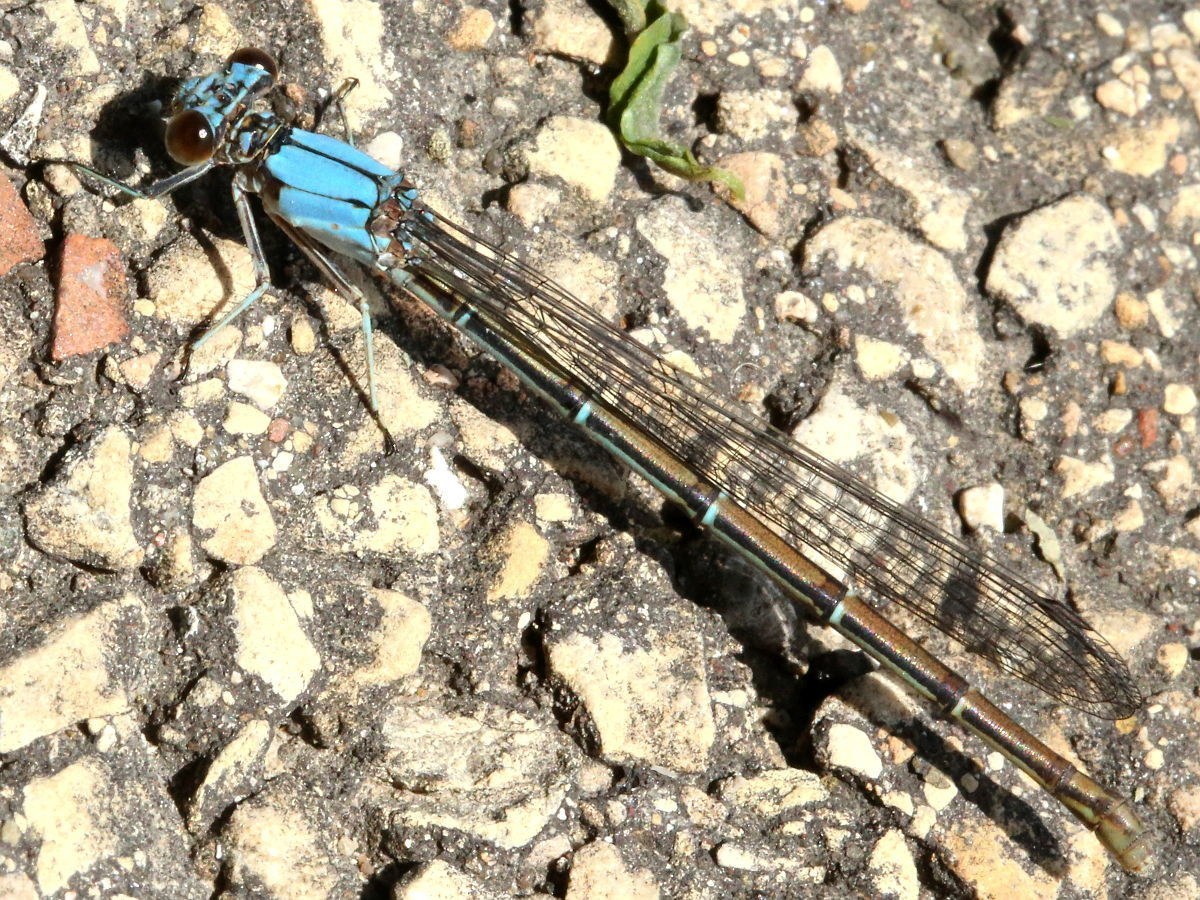
Powdered Dancer
rocky and gravelly rivers, streams, and lake shorelines