
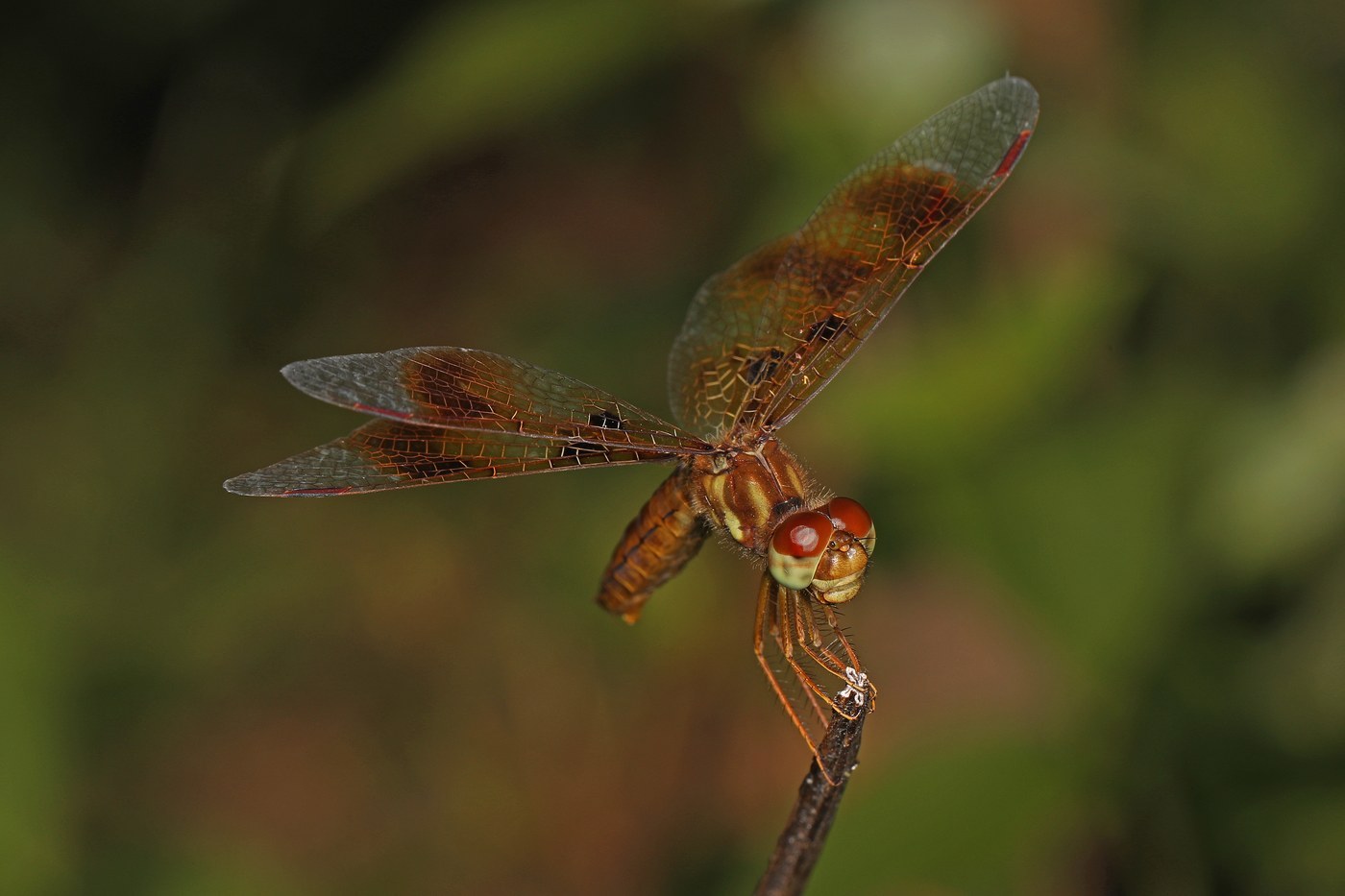
Eastern Amberwing
Perithemis tenera
One of North America's smallest dragonflies, the male Eastern Amberwing glows with solid amber-orange wings and often wags its abdomen in a wasp-like display over floating algae.
- Size
- Body about 0.8–1 in (20–25 mm) long; wingspan roughly 1.5–1.8 in (38–46 mm)
- Habitat
- Ponds and slow streams with algae or floating vegetation
- Danger
- Harmless
Spotted a bug like this?
Identify any bug or insect from a photo, free.
Overview
The Eastern Amberwing is among the smallest dragonflies found in North America, a diminutive member of the skimmer family Libellulidae that nonetheless is easy to identify thanks to its distinctive coloring. Males have wings washed entirely in warm amber-orange, while females have clear wings marked with a scattering of small brown spots.
Despite its tiny size, the male Eastern Amberwing is a highly territorial insect, defending small patches of floating algae or vegetation against rival males for hours at a time. Females are notable for their wasp-like appearance and behavior, including a habit of wagging the abdomen up and down, which is thought to help them resemble a stinging wasp and discourage predators.
Common across the eastern and central United States, this species is often found in good numbers along the shorelines of ponds and slow streams with abundant algae mats.
How to Identify
- Very small dragonfly, among the tiniest in North America
- Males have wings entirely tinted amber-orange; females have clear wings with scattered small brown spots
- Body short and stocky compared to most dragonflies, with a brownish thorax and abdomen
- Females often wag the abdomen in a wasp-like motion, aiding identification of behavior alongside appearance
- Lookalikes: few other North American dragonflies combine such small size with solid amber wings in males, making this species relatively distinctive once size is considered
Habitat & Range
Found throughout the eastern and central United States and into parts of Canada, the Eastern Amberwing breeds in ponds, lake margins, and slow-moving streams that have algae mats or floating vegetation for egg-laying. Adults are usually seen low over the water's surface near shore, active from late spring through summer in most of its range.
Behavior & Diet
Male Eastern Amberwings defend small territories over patches of floating algae, perching nearby and driving off rival males, sometimes with elaborate wing-displaying flights to attract females. Adults hunt tiny flying insects such as small flies and gnats close to the water's surface. The wasp-like abdomen-wagging behavior and body shape of females are thought to serve as a form of mimicry that may help deter predators, an example of the varied defensive strategies found among small insects.
Life Cycle
After mating, the female lays eggs alone, tapping her abdomen against floating algae or wet vegetation at the water's surface while the male often continues to guard the territory from a nearby perch. Eggs hatch into small aquatic nymphs that live among algae and debris, feeding on tiny invertebrates as they grow through several molts. The nymph stage is relatively short for a dragonfly, allowing the Eastern Amberwing to produce more than one generation during a single warm season in parts of its range.
Frequently asked questions
Why does the Eastern Amberwing wag its abdomen?
Females in particular show a wasp-like abdomen-wagging motion that is thought to mimic a stinging wasp, which may help discourage predators.
How can I tell a male from a female Eastern Amberwing?
Males have wings entirely washed in amber-orange, while females have clear wings marked with a scattering of small brown spots.
How small is the Eastern Amberwing compared to other dragonflies?
It is one of the smallest dragonfly species in North America, noticeably tinier than most skimmers and darners.
Where do Eastern Amberwings lay their eggs?
Females tap their abdomen against floating algae mats or wet vegetation at the water's surface to release eggs.
Eastern Amberwing guides
In-depth guides for identifying, understanding, and living alongside Eastern Amberwing.
Other bugs you may enjoy
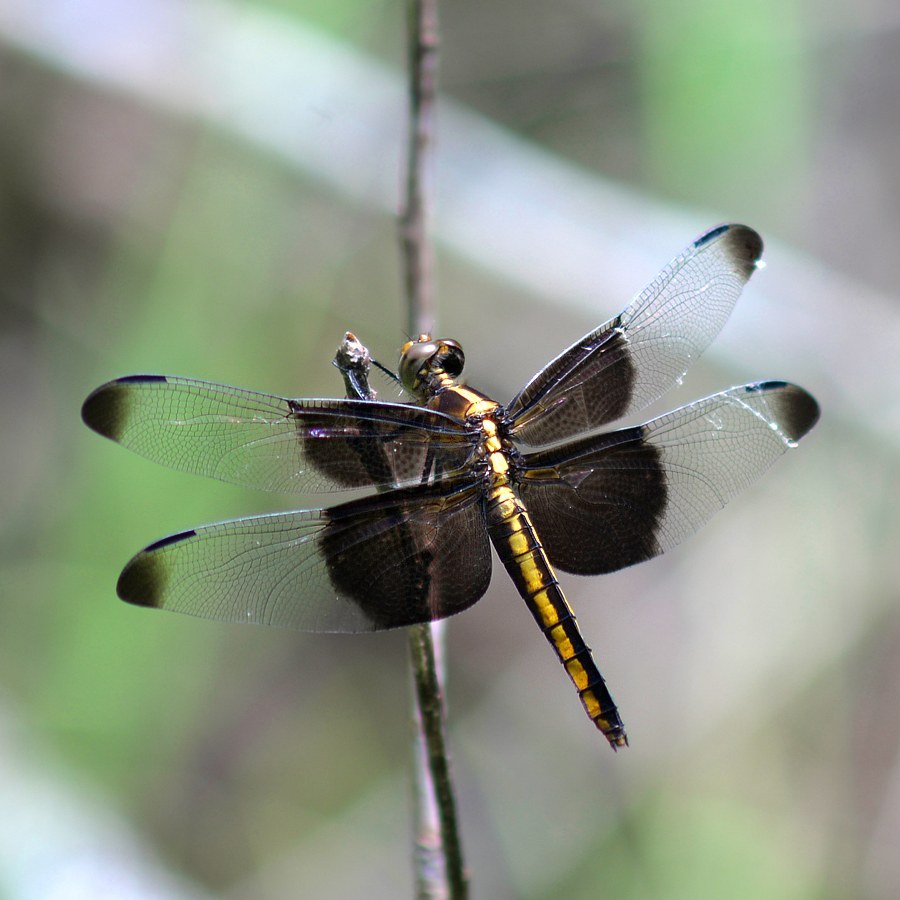
Widow Skimmer
ponds, lakes, and slow-moving streams with open shoreline vegetation across much of the United States
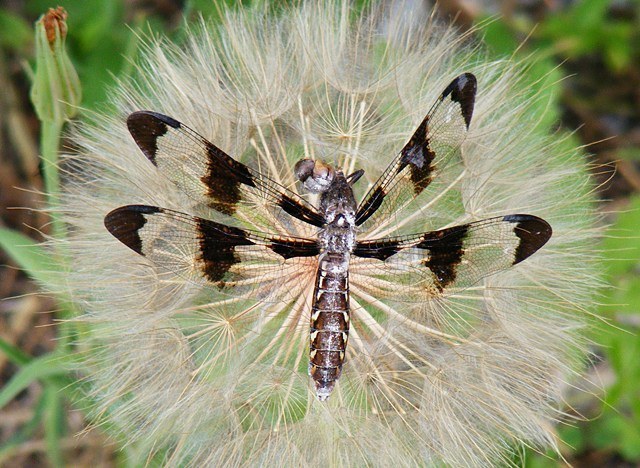
Twelve-spotted Skimmer
Ponds, lakes, and slow streams with open, sunny shorelines
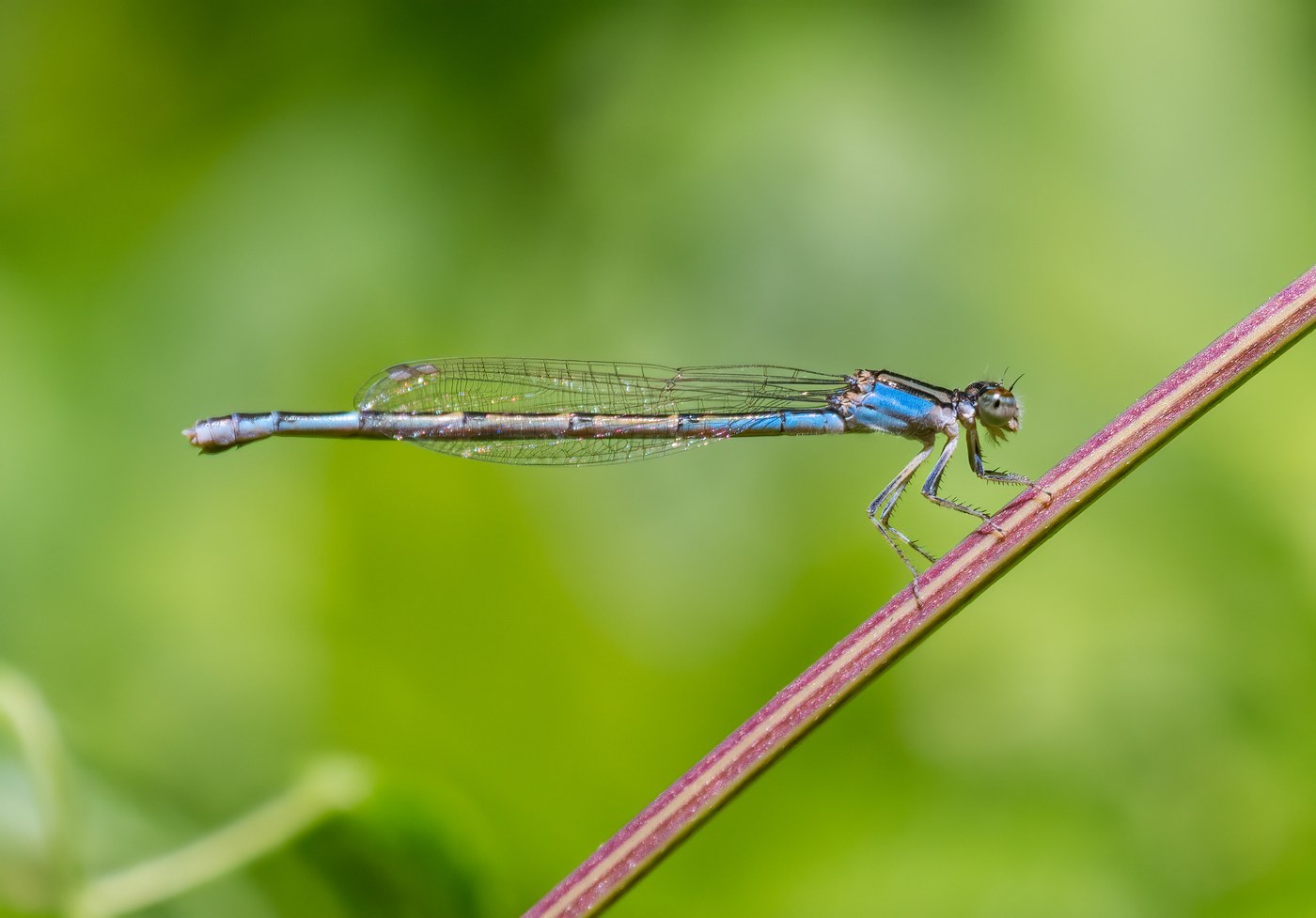
Azure Bluet
ponds, lakes, and slow streams with abundant aquatic vegetation
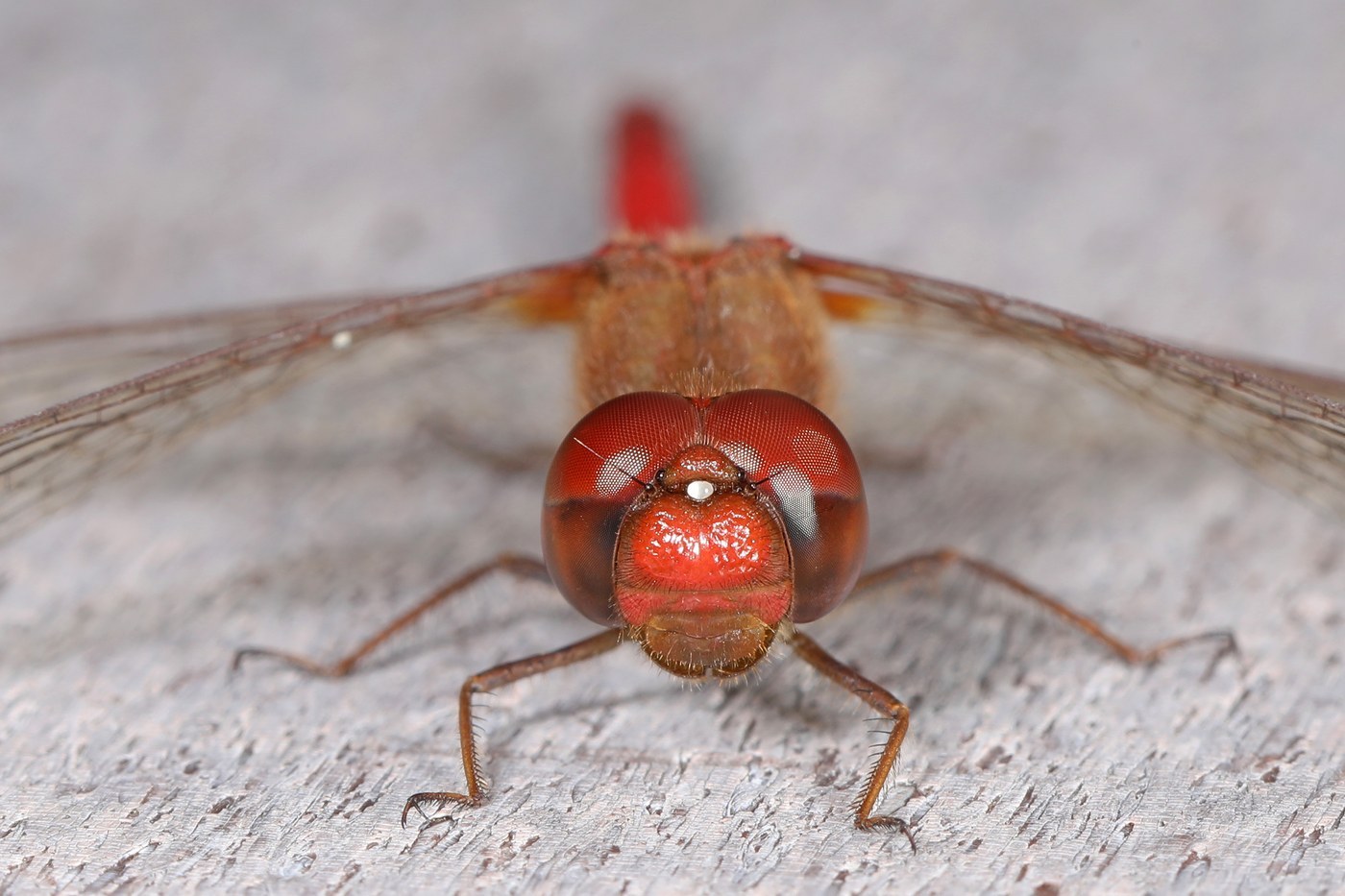
Autumn Meadowhawk
Ponds, marshes, and slow streams, often lingering into late fall
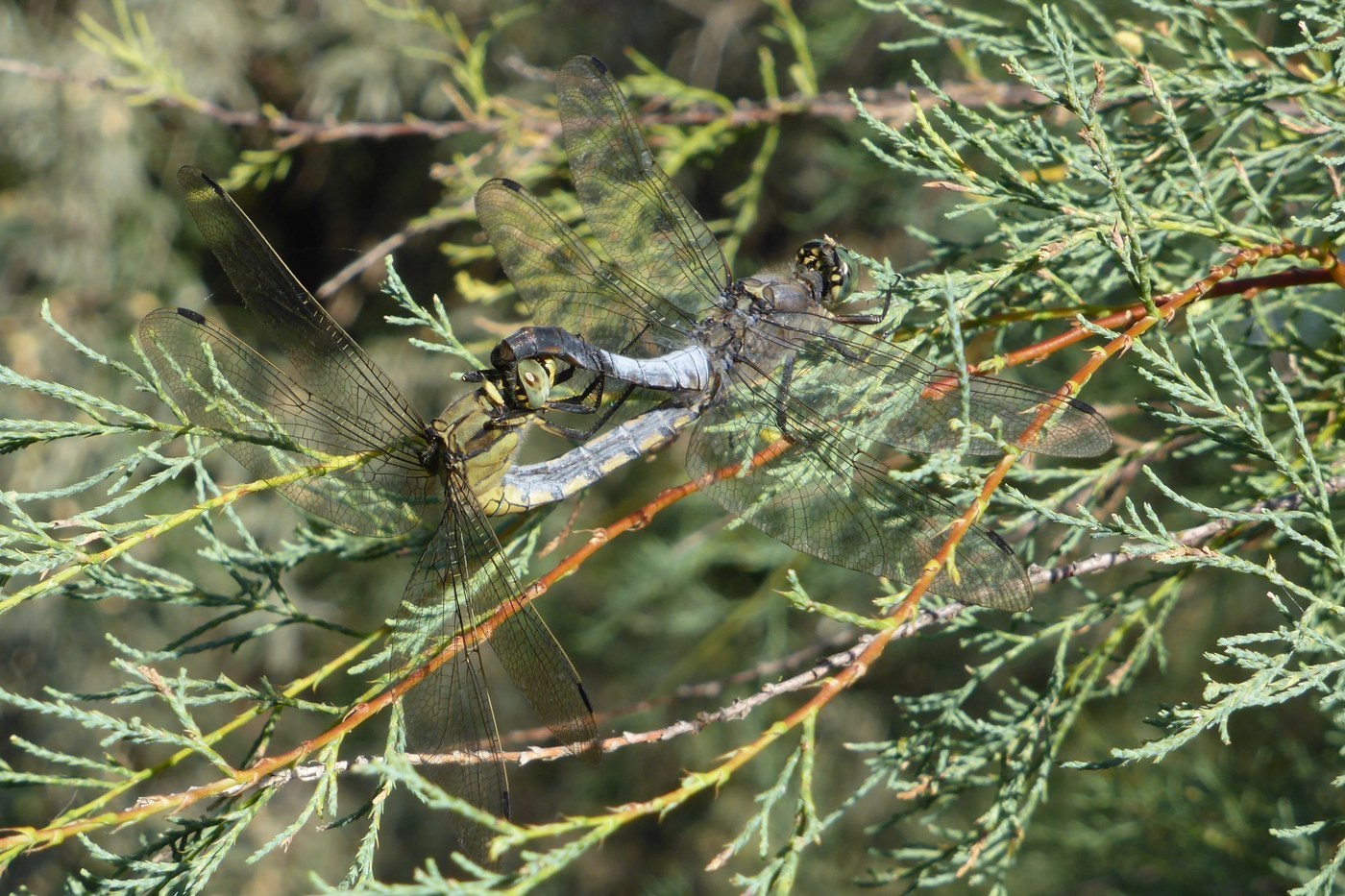
Spangled Skimmer
Ponds, lakes, and marshes with open sunny shorelines
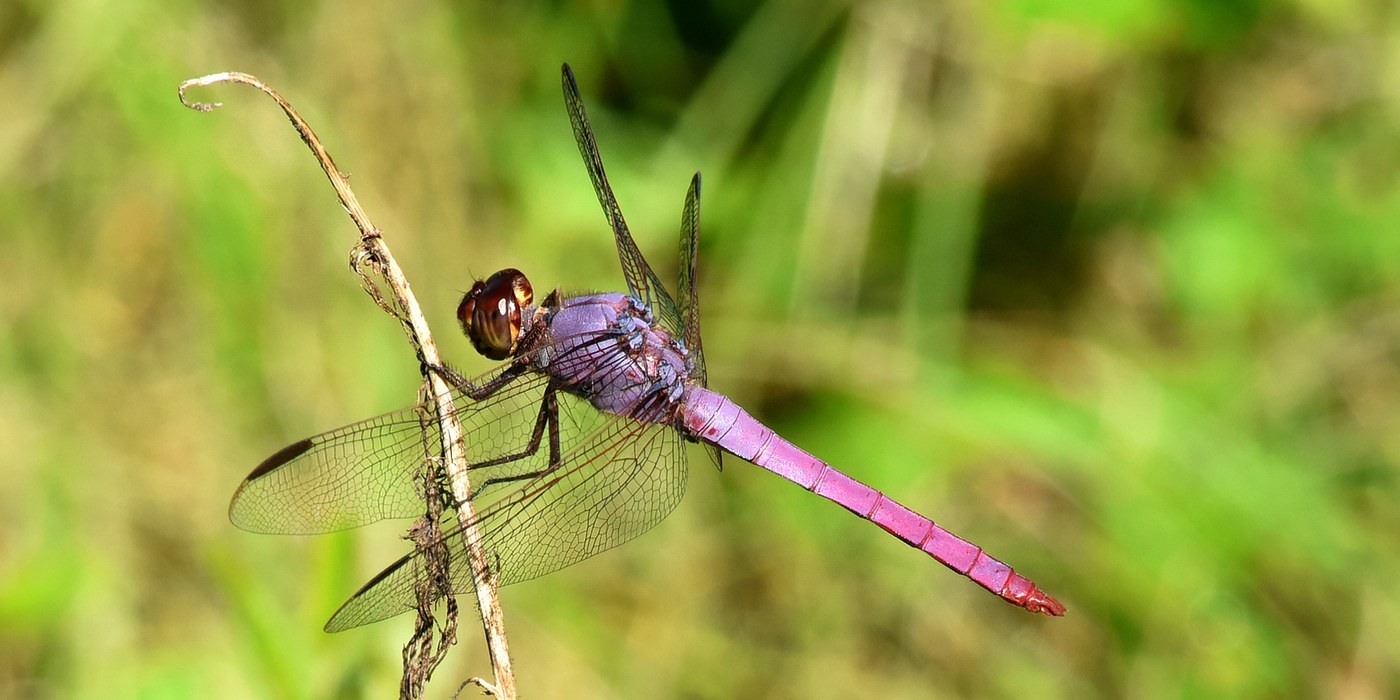
Roseate Skimmer
Ponds, ditches, and canals across the southern United States
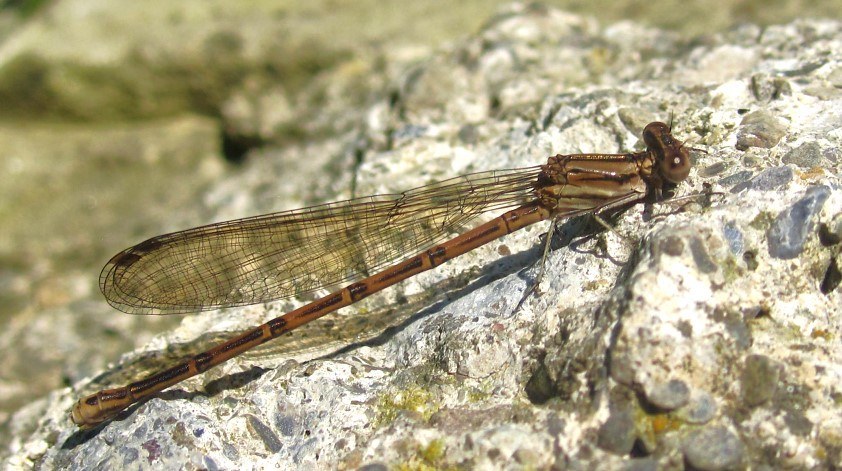
Variable Dancer
streams, rivers, and pond margins, especially in wooded or partly shaded settings
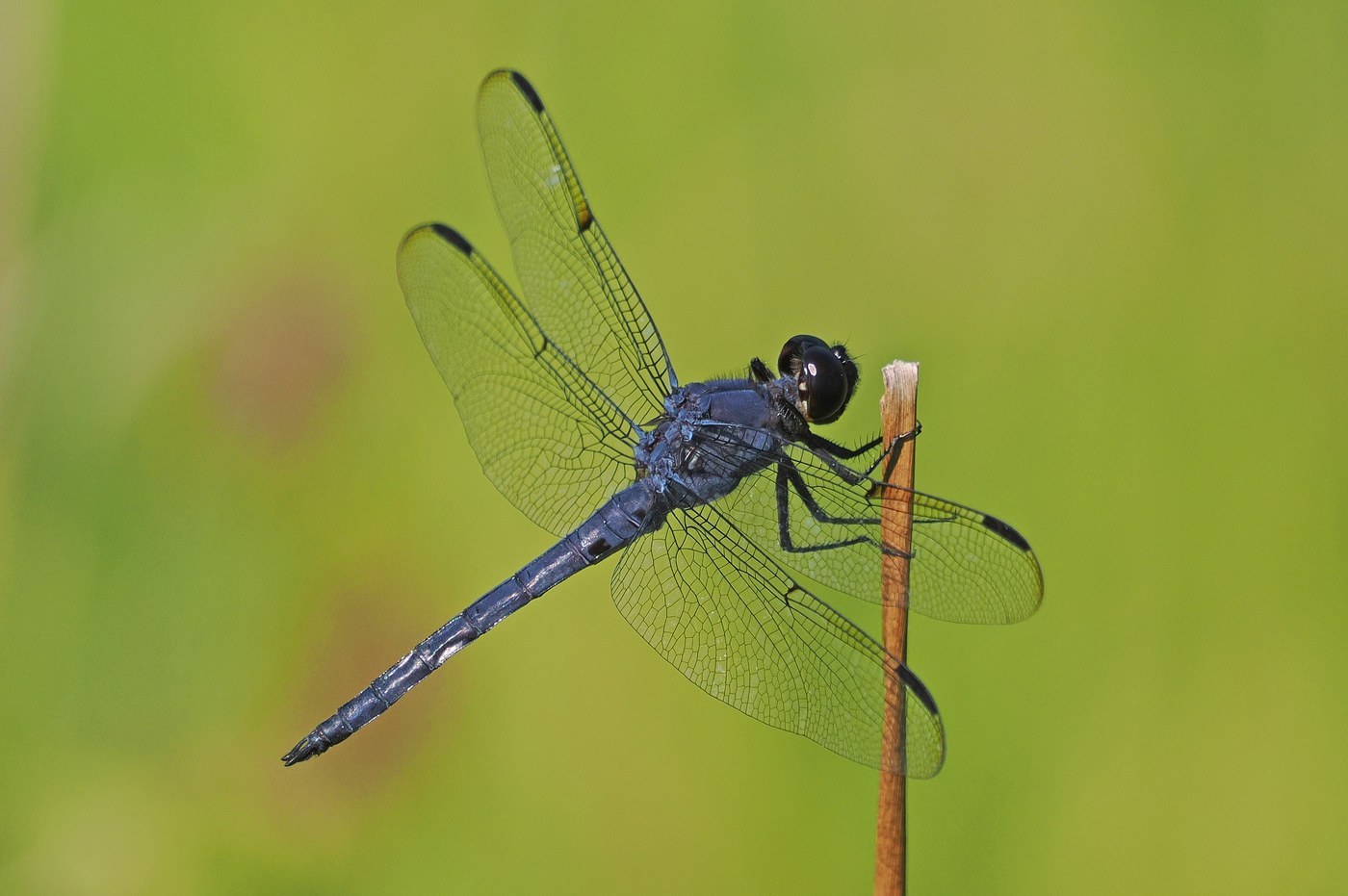
Slaty Skimmer
Still or slow-moving ponds, lakes, and marshes with open shoreline
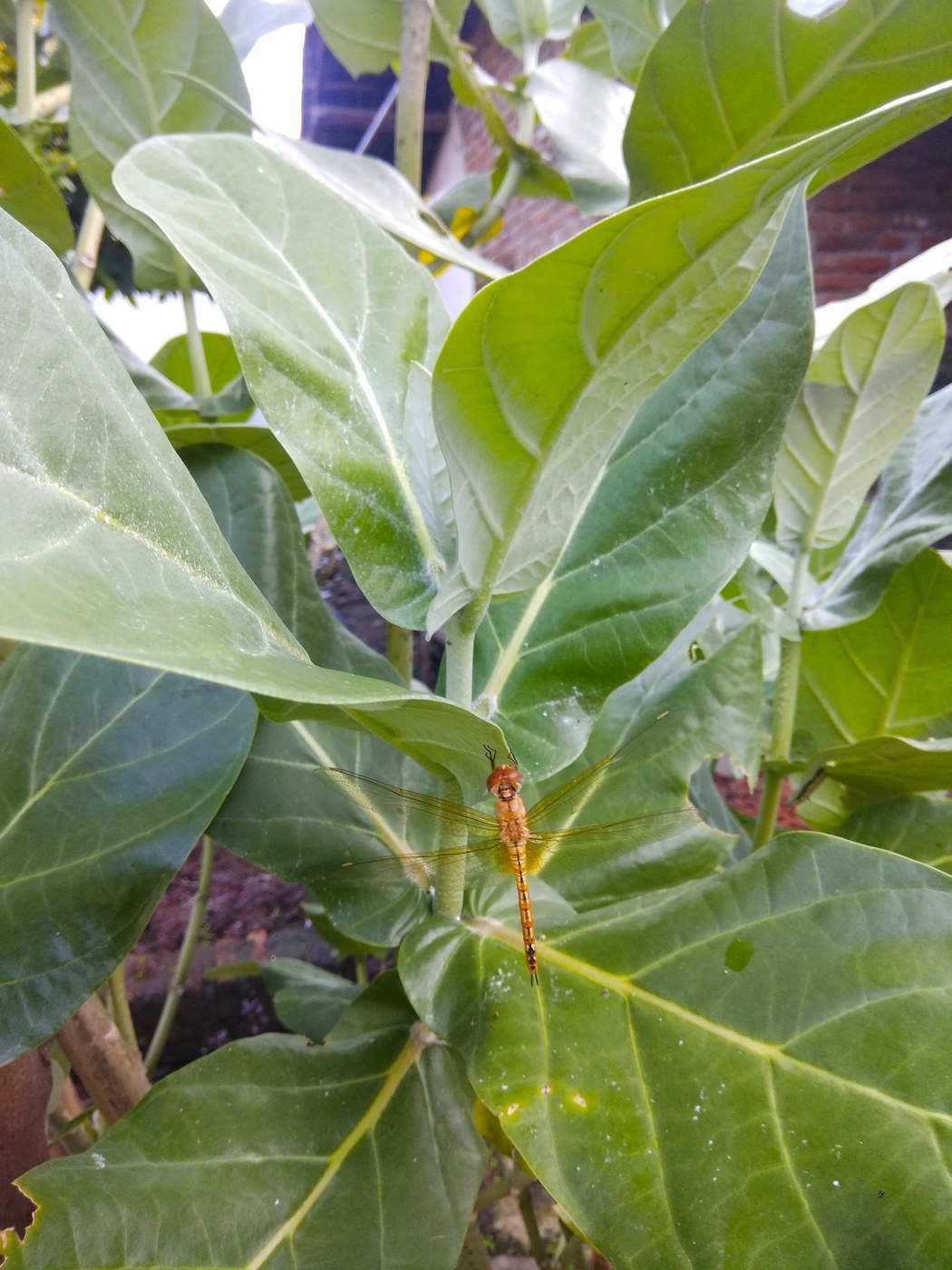
Wandering Glider
Temporary pools, open fields, and coastlines nearly worldwide
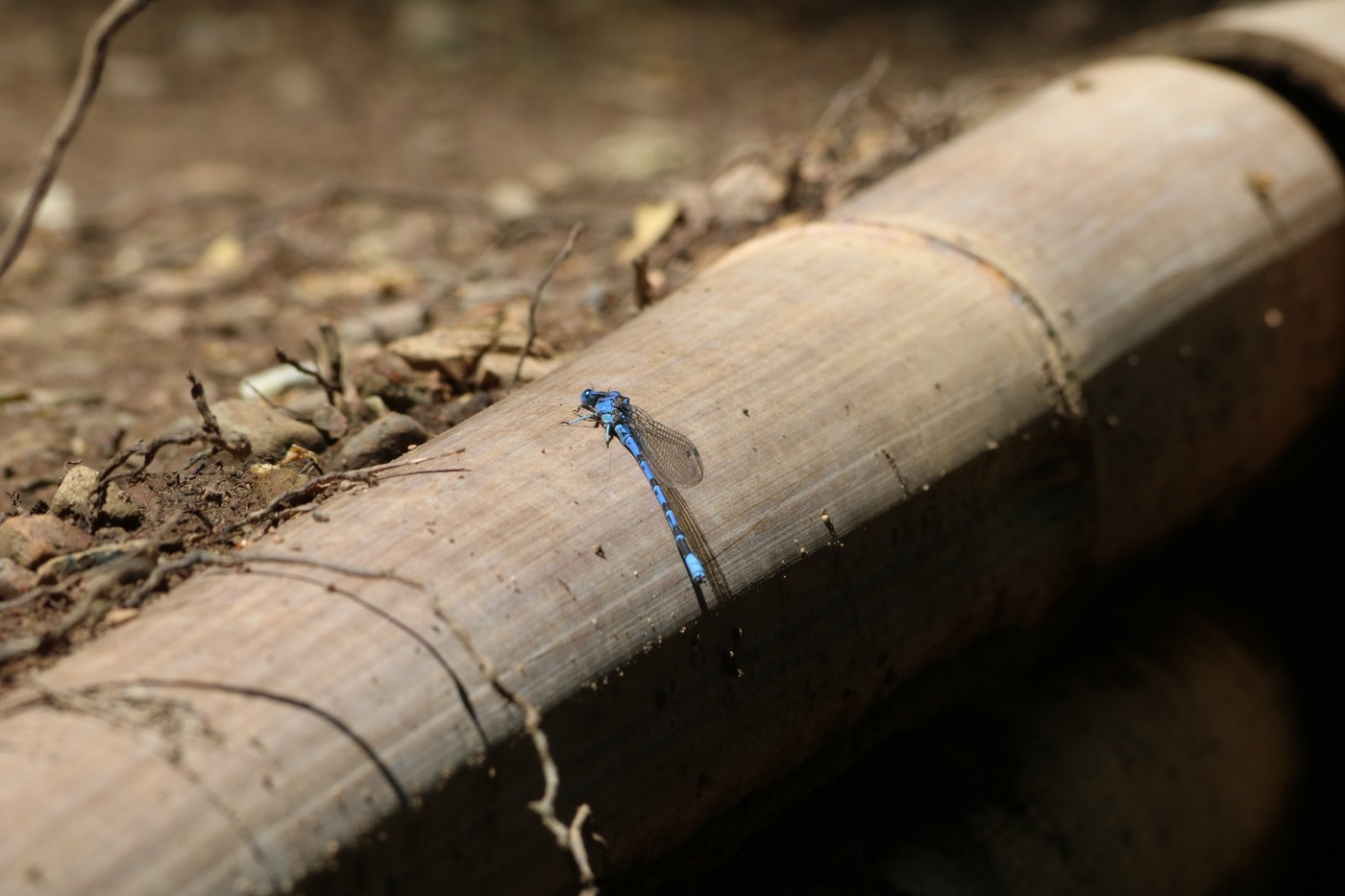
Vivid Dancer
rocky streams, seeps, and spring-fed creeks, often near thermal or warm springs
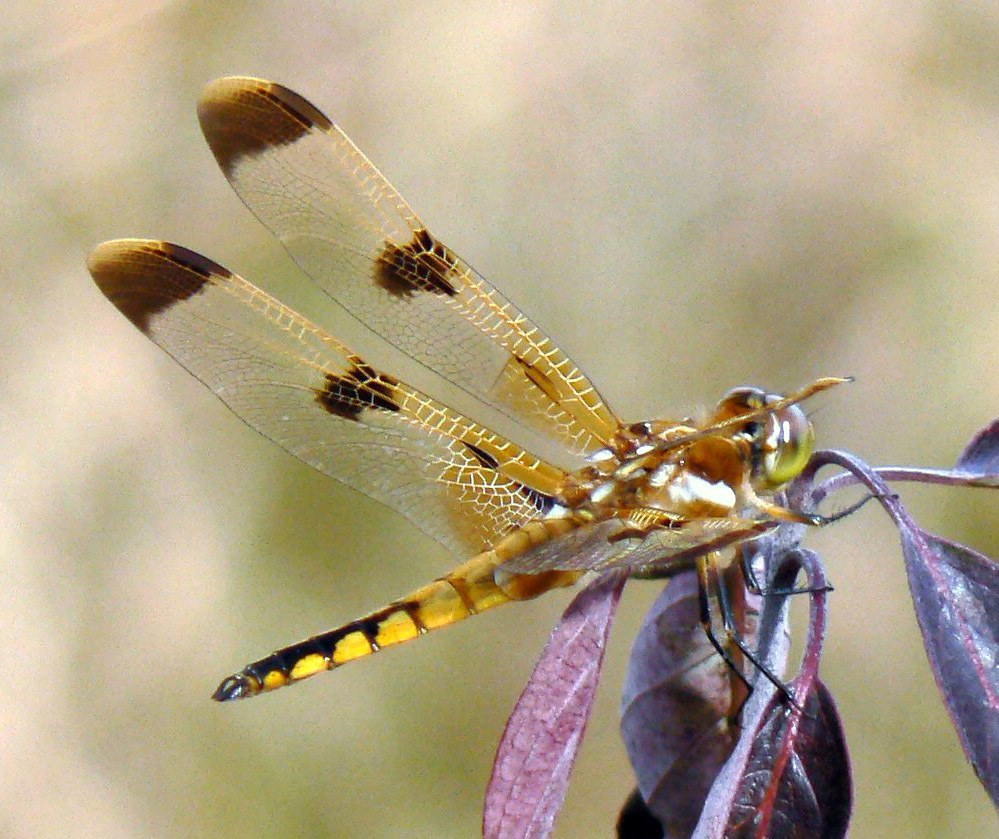
Painted Skimmer
Ponds, marshes, and slow-moving vegetated waters, including temporary pools
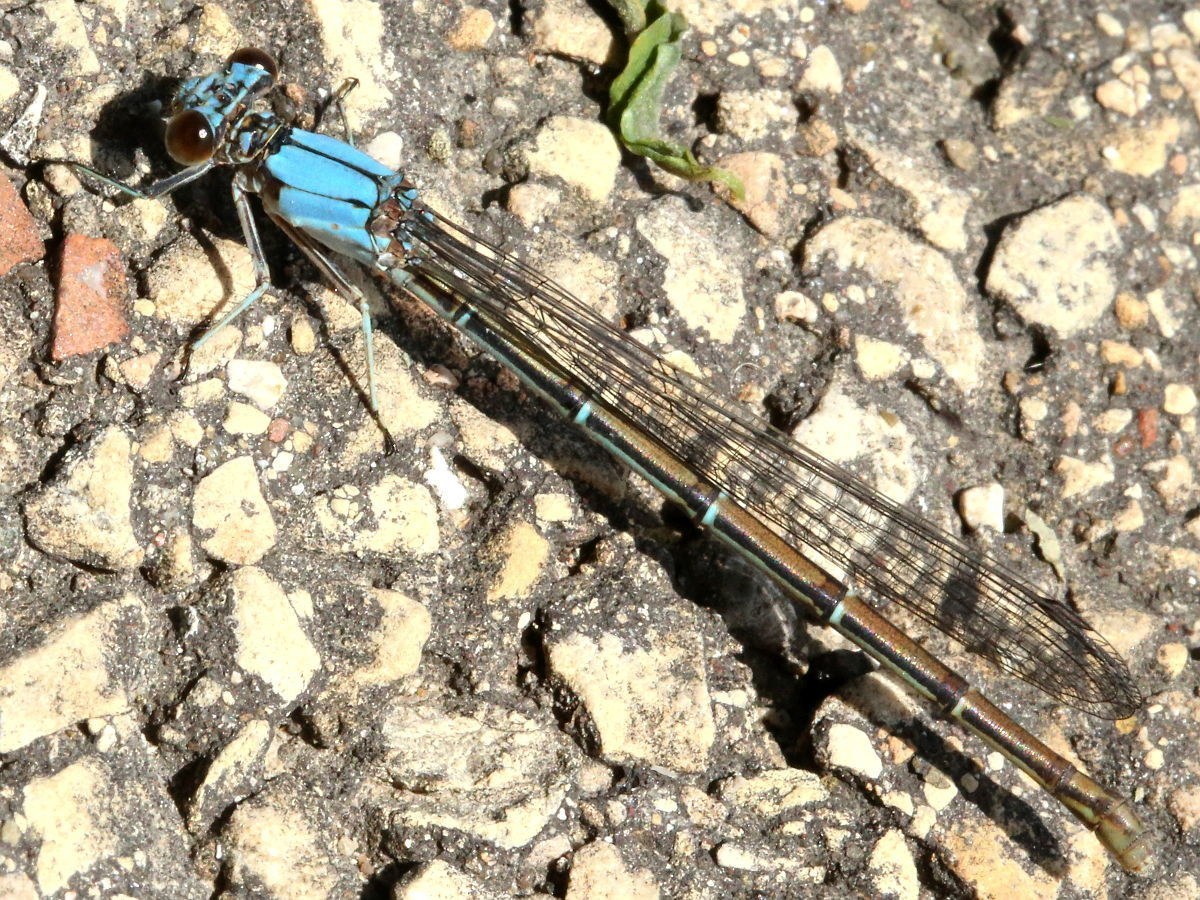
Powdered Dancer
rocky and gravelly rivers, streams, and lake shorelines