
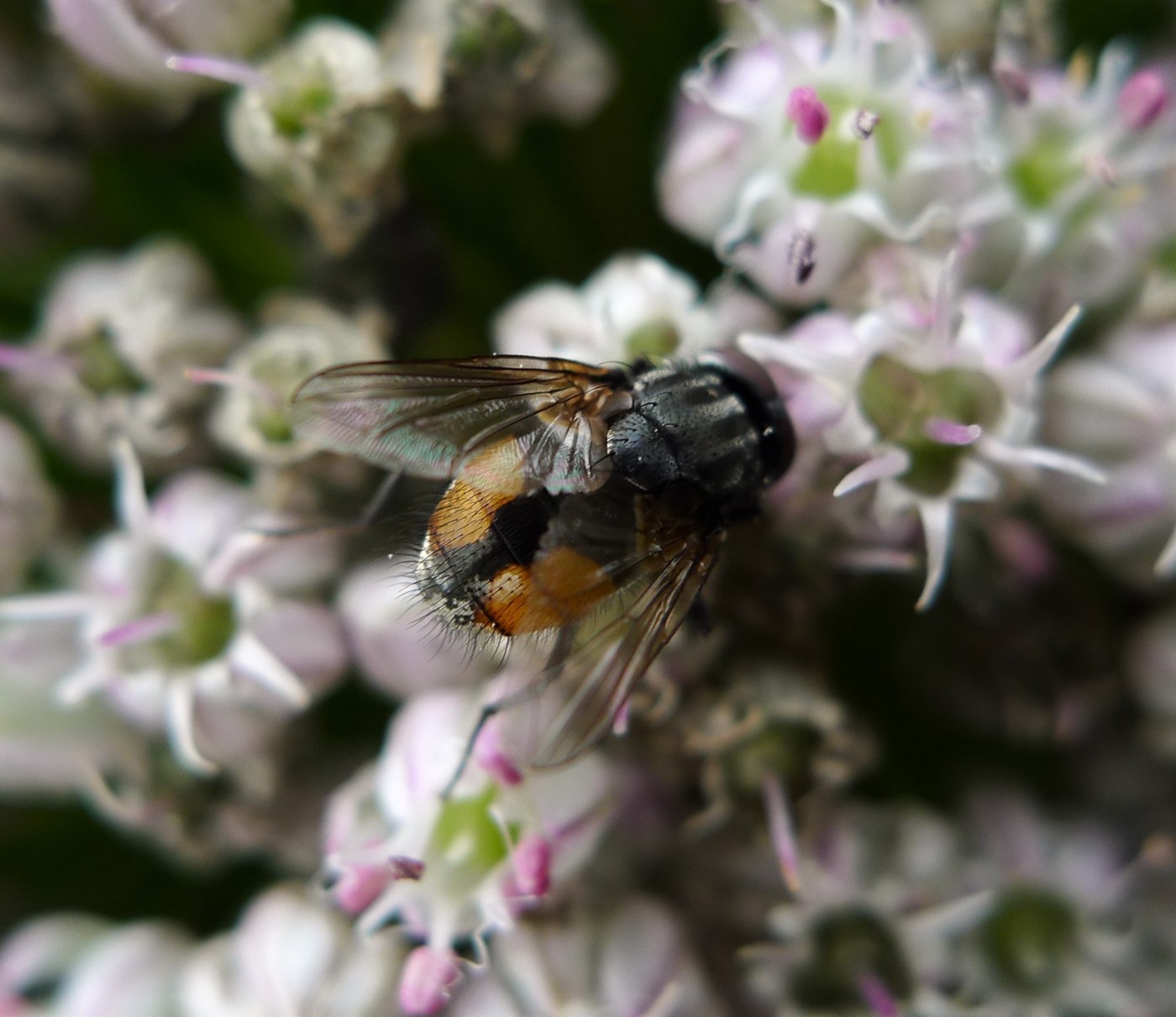
Face Fly
Musca autumnalis
A house fly look-alike that clusters persistently around the eyes, muzzle, and face of grazing livestock to feed on moisture and secretions.
- Size
- 6-8 mm (about 0.2-0.3 in) long
- Habitat
- Pastures and fields near grazing livestock, and structures in autumn
- Danger
- Nuisance pest
Spotted a bug like this?
Identify any bug or insect from a photo, free.
Overview
The face fly closely resembles the common house fly in size and general appearance but is distinguished by its close association with grazing animals, particularly cattle, around whose faces it gathers in large numbers. Rather than biting, face flies feed on moisture, saliva, tears, and other secretions found around the eyes, nose, and mouth of livestock.
Originally native to Europe, the face fly has spread widely across North America and other temperate regions since its introduction, becoming a familiar pasture insect wherever cattle are raised. Its habit of clustering densely on the faces of grazing animals sets it apart from many other flies associated with livestock, most of which favor the back, legs, or belly.
Outside the grazing season, face flies are also known for gathering in large numbers on sun-warmed exterior walls of buildings in autumn, seeking sheltered places to overwinter as adults, a behavior shared with several related fly species.
How to Identify
- Closely resembles the common house fly in size and gray coloring
- Thorax marked with four faint dark stripes, similar to the house fly
- Sponging mouthparts adapted for lapping up moisture and secretions rather than piercing skin
- Often seen clustered directly on the faces of grazing cattle or other livestock
- Distinguished from horn flies by its larger size and non-piercing mouthparts
Habitat & Range
Face flies are found throughout temperate regions of Europe, North America, and other areas where cattle and other grazing livestock are raised. Adults are most commonly encountered in pastures during the grazing season, clustering around the faces of animals.
In autumn, adults often move to sun-warmed surfaces of nearby structures, seeking cracks and sheltered spaces to pass the winter before becoming active again the following spring.
Behavior & Diet
Adult face flies feed on moisture and secretions around the eyes, nostrils, and mouths of grazing animals, as well as on nectar and other plant fluids away from livestock. They do not pierce skin and lack biting mouthparts, instead using a sponging proboscis to lap up available liquids.
Only female face flies visit dung to lay eggs, while both sexes spend much of their time near host animals during the day. In autumn, adults often aggregate in large numbers on warm, light-colored surfaces before seeking overwintering shelter, a behavior that makes them conspicuous even away from pastures.
Life Cycle
Females lay eggs in fresh cattle dung, seeking out very recently deposited pats since older, drier dung is unsuitable for larval development. Eggs hatch within a day, and larvae feed within the dung, developing through three instars over roughly one to two weeks.
Mature larvae pupate in the soil beneath or near the dung pat, with adults emerging after one to a few weeks depending on temperature. Several generations occur during the grazing season, and face flies overwinter as adults in sheltered locations, including cracks and crevices of nearby buildings, before resuming activity in spring.
Frequently asked questions
Do face flies bite livestock?
No, they lack piercing mouthparts and instead feed by lapping up moisture and secretions around the eyes and muzzle.
How can I tell a face fly from a house fly?
They are very similar in appearance, but face flies are consistently found clustering on the faces of grazing animals rather than around general food or garbage sources.
Why do face flies gather on buildings in autumn?
Adults seek sheltered cracks and crevices on sun-warmed structures to pass the winter before becoming active again in spring.
Where do face fly larvae develop?
Larvae develop only in very fresh cattle dung, which is why females actively seek out newly deposited pats for egg-laying.
Face Fly guides
In-depth guides for identifying, understanding, and living alongside Face Fly.
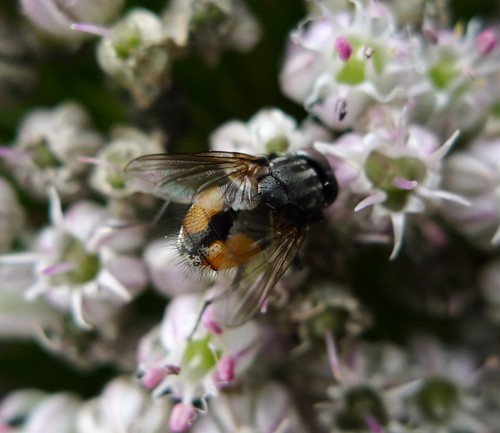
Face Fly identified by the community
Real finds identified with Bug Identifier.
Other bugs you may enjoy
Aphid Midge
Gardens, greenhouses, and crops with aphids
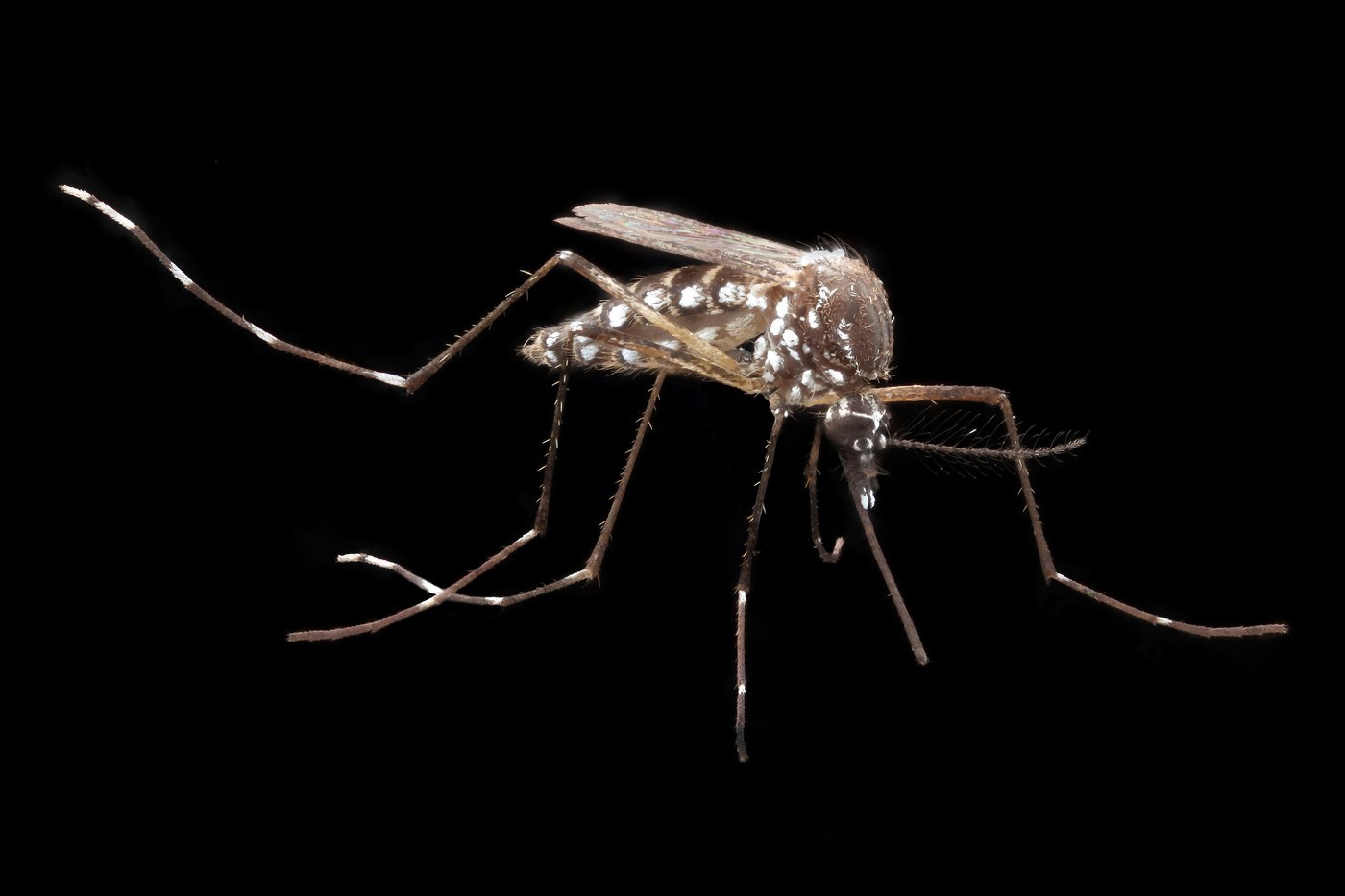
Yellow Fever Mosquito
Urban and peri-urban areas near small artificial water containers in tropical and subtropical regions worldwide
Root Maggot
Garden and field soil around the roots of cole crops and other vegetables
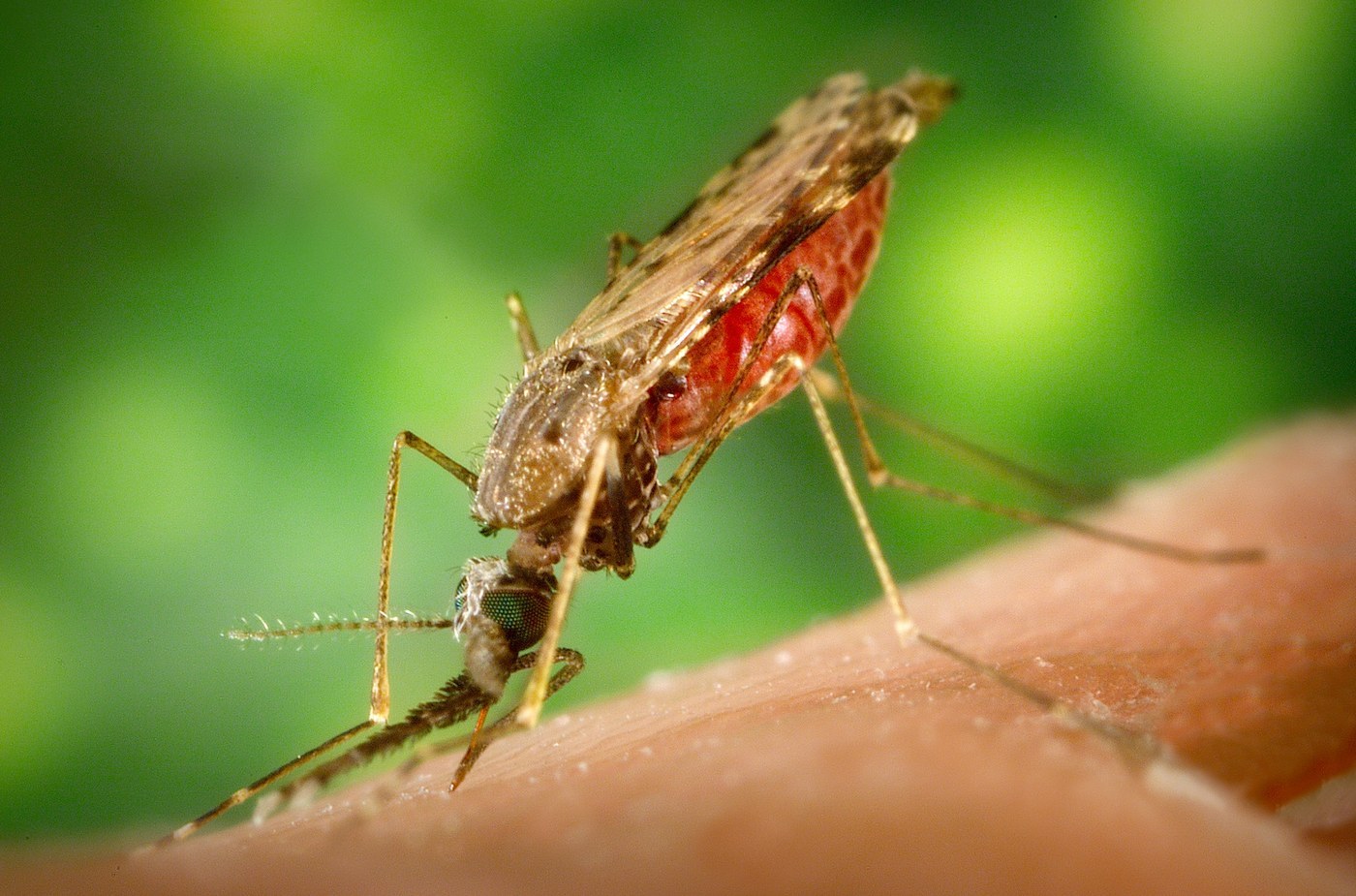
Anopheles Mosquito
Clean, still or slow-moving freshwater habitats such as marshes, ponds, and rice paddies
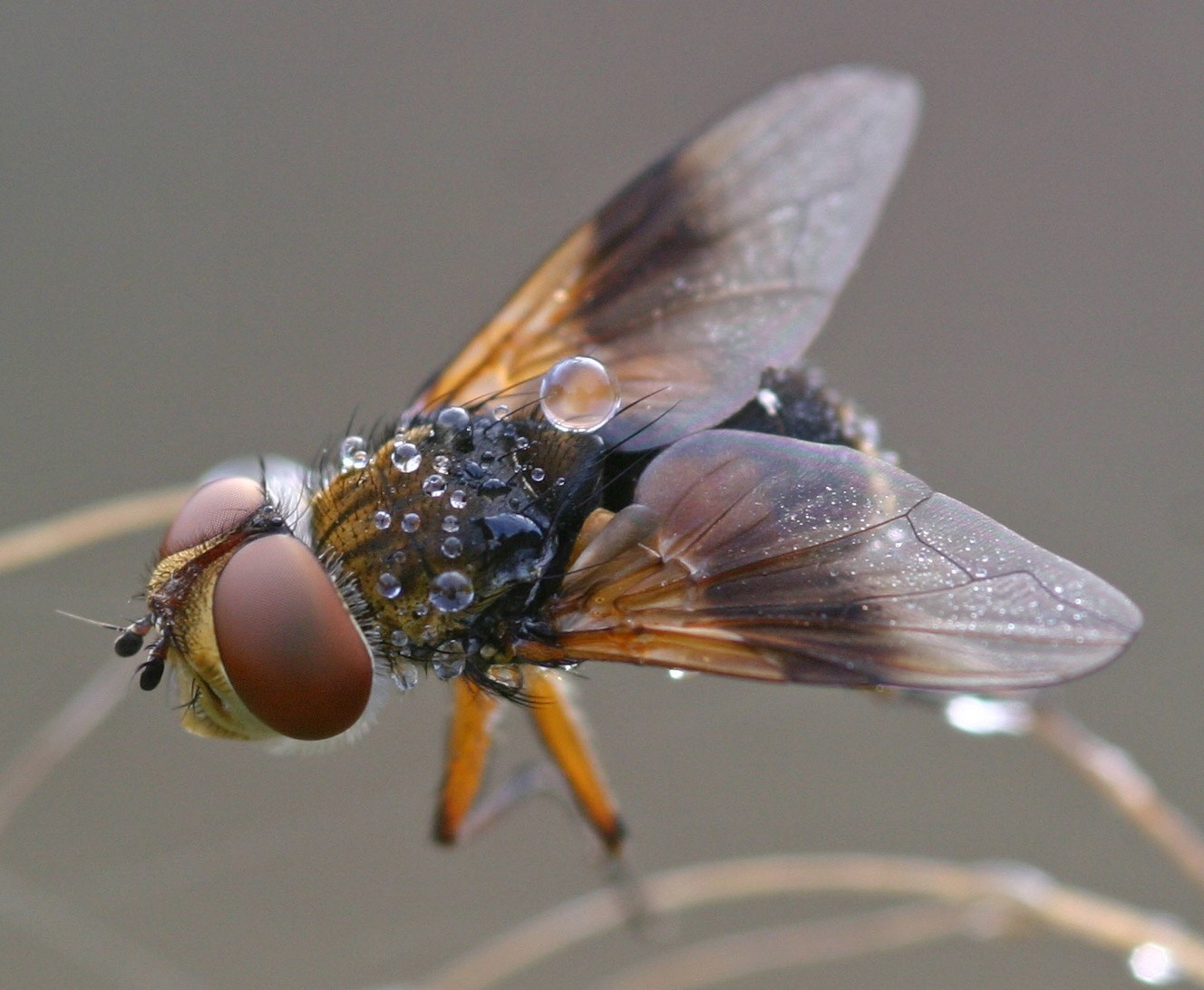
Tachinid Fly
Gardens, meadows, and woodlands wherever host caterpillars and other insects occur
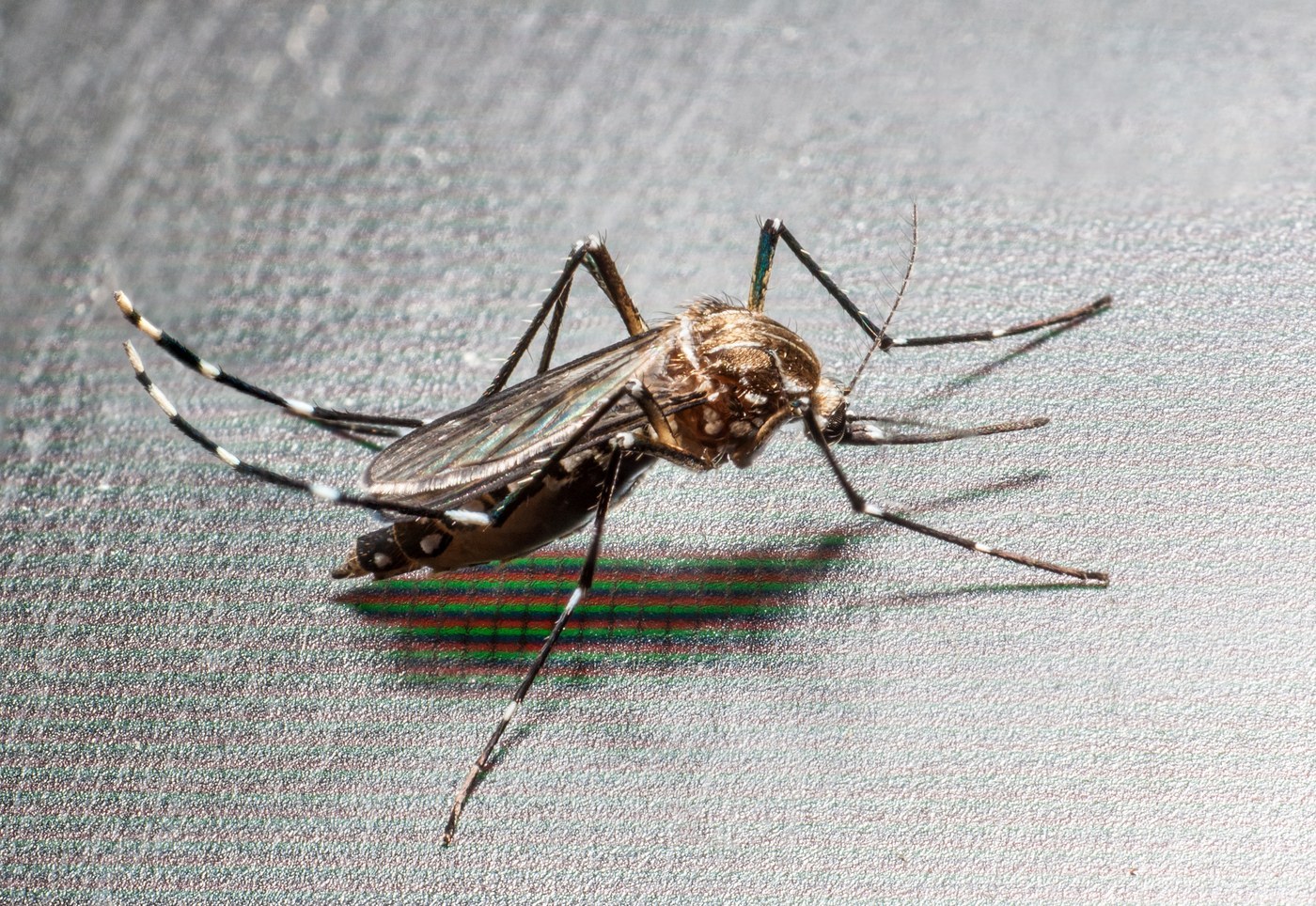
Asian Tiger Mosquito
Shaded urban and suburban areas near small water-holding containers, tires, and tree holes; native to Southeast Asia, now widespread
Tsetse Fly
Wooded savanna, riverine thickets, and forest edges across sub-Saharan Africa
Vinegar Fly
Around overripe fruit, compost, and fermenting materials worldwide
Yellow Dung Fly
Pastures and fields with fresh cattle dung
Screwworm Fly
Warm, humid lowlands of the Americas, especially near livestock and wildlife wounds
Soldier Fly
Wetland margins, decaying organic matter, and vegetation near water
Punkie
near marshes, mudflats, ponds, and other standing water