
Fishfly Larva
Chauliodes spp.
A flattened, armor-plated predator of stream bottoms, the fishfly larva spends one to three years underwater seizing prey with sickle-shaped jaws before briefly taking wing as a short-lived winged adult.
- Size
- Larva 4-7 cm (1.5-2.75 in) long; adult body length 2.5-6 cm
- Habitat
- Streams, rivers, and lake margins with submerged debris and rocks
- Danger
- Bites
Spotted a bug like this?
Identify any bug or insect from a photo, free.
Overview
Fishfly larvae belong to the family Corydalidae in the order Megaloptera, the same group that includes the larger dobsonflies. They are elongated, somewhat flattened aquatic insects with a tough, segmented exoskeleton, powerful biting mouthparts, and a row of filamentous gills running down each side of the abdomen. Because they resemble dobsonfly larvae (commonly called hellgrammites), the two are frequently confused, though fishfly larvae are generally smaller and lack the branched, tufted gills found at the base of each dobsonfly proleg.
These larvae are voracious ambush predators that hide beneath rocks, logs, and leaf litter in flowing or still water, striking at other invertebrates that wander too close. Their presence is considered a good sign of water quality, since fishfly larvae are sensitive to pollution and low oxygen and tend to disappear from degraded streams. After a long aquatic larval period, the fully grown larva crawls onto land to pupate, eventually emerging as a large, soft-bodied winged adult that lives only a short time.
How to Identify
- Elongated, somewhat flattened body, usually brown, olive, or mottled gray to blend with stream substrate
- Strong, sickle-like mandibles used for gripping prey
- A row of simple, unbranched filamentous gills along each side of the abdomen (dobsonfly/hellgrammite larvae have bushier, tufted gills)
- Eight pairs of lateral abdominal filaments and a pair of hooked terminal prolegs used for anchoring in current
- Adults are large, soft-bodied insects with long, net-veined wings held roof-like over the body and comb-like or feathery antennae, distinguishing them from the smooth antennae of dobsonflies
Habitat & Range
Fishfly larvae live in clean, well-oxygenated streams, rivers, and the rocky margins of lakes and ponds across North America, tucked beneath stones, submerged wood, and organic debris. Adults are found near the same waterways from spring through summer, often resting on streamside vegetation or attracted to lights at night.
Behavior & Diet
The aquatic larvae are nocturnal ambush predators, feeding on mayfly and caddisfly larvae, midge larvae, and other small invertebrates they encounter on the streambed. Adult fishflies feed little if at all, spending their brief lives seeking mates near water, usually after dark. Their long larval stage makes them an important link in freshwater food webs, both as predators of smaller invertebrates and as prey for fish and other larger animals.
Life Cycle
Females lay flattened masses of eggs on rocks, bridges, or overhanging vegetation above water; newly hatched larvae drop or wash into the stream below. Larvae undergo complete metamorphosis, molting through many instars over one to three years while living entirely underwater. When mature, the larva leaves the water and burrows into damp soil, moss, or rotting wood along the bank to form a pupal cell. After pupating for several weeks, the winged adult emerges, mates, and dies within days to a couple of weeks.
Frequently asked questions
How do fishfly larvae differ from hellgrammites?
Hellgrammites are the larvae of dobsonflies and have bushier, branched gill tufts at the base of each abdominal proleg, while fishfly larvae have simpler, unbranched filament gills and tend to be somewhat smaller overall.
Do fishfly larvae bite?
They have strong mandibles adapted for gripping prey and can pinch in defense if handled.
What do adult fishflies look like?
Adults are large, soft-bodied insects with long, net-veined wings held tent-like over the body and feathery or comb-like antennae, quite different in appearance from the armored aquatic larva.
Where is the best place to find fishfly larvae?
Look under rocks, logs, and leaf packs in clean, flowing streams or along gravelly lake shorelines, since the larvae are sensitive to poor water quality.
Fishfly Larva guides
In-depth guides for identifying, understanding, and living alongside Fishfly Larva.
Other bugs you may enjoy
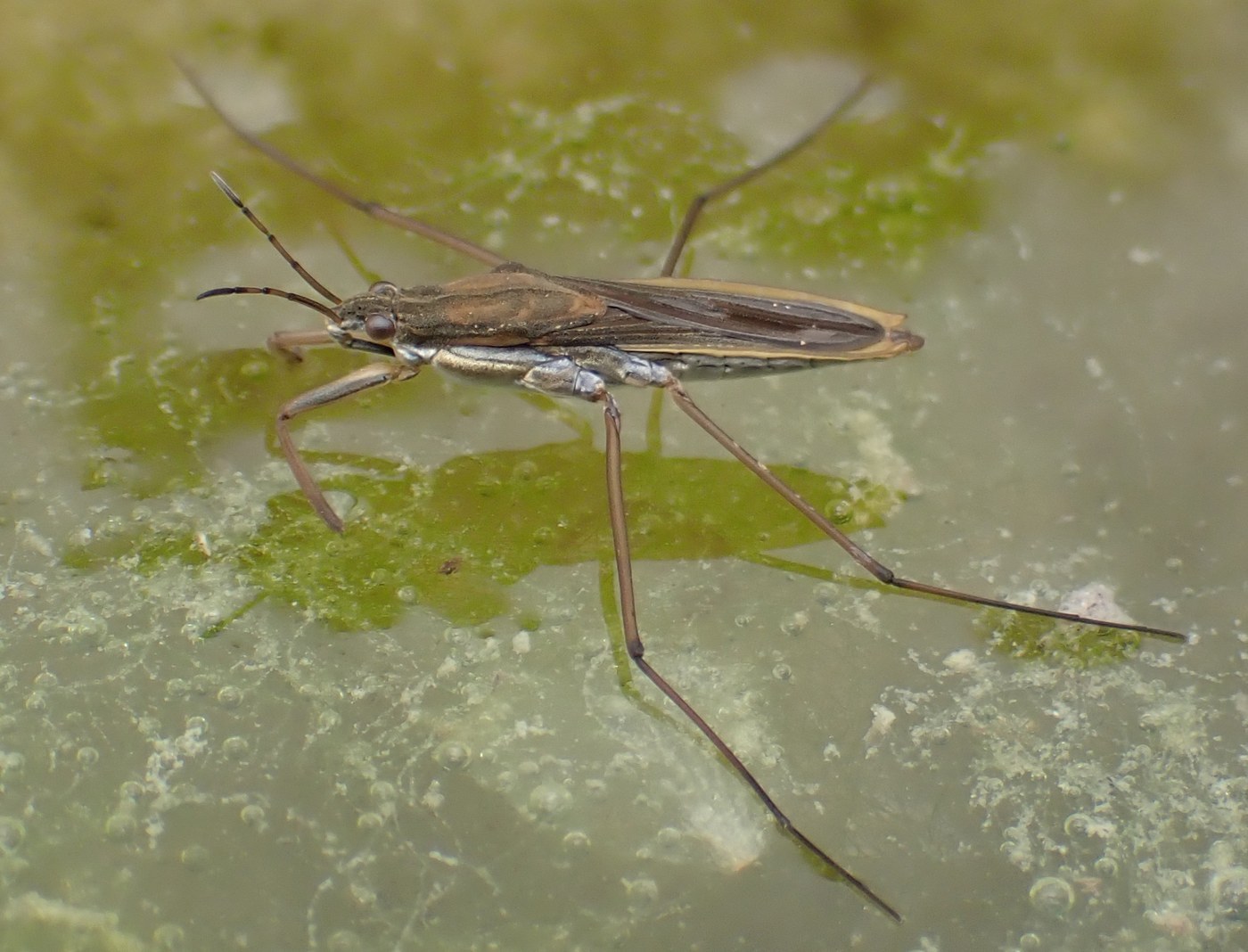
Water Strider
Still or slow-moving fresh water: ponds, lake edges, slow streams, puddles
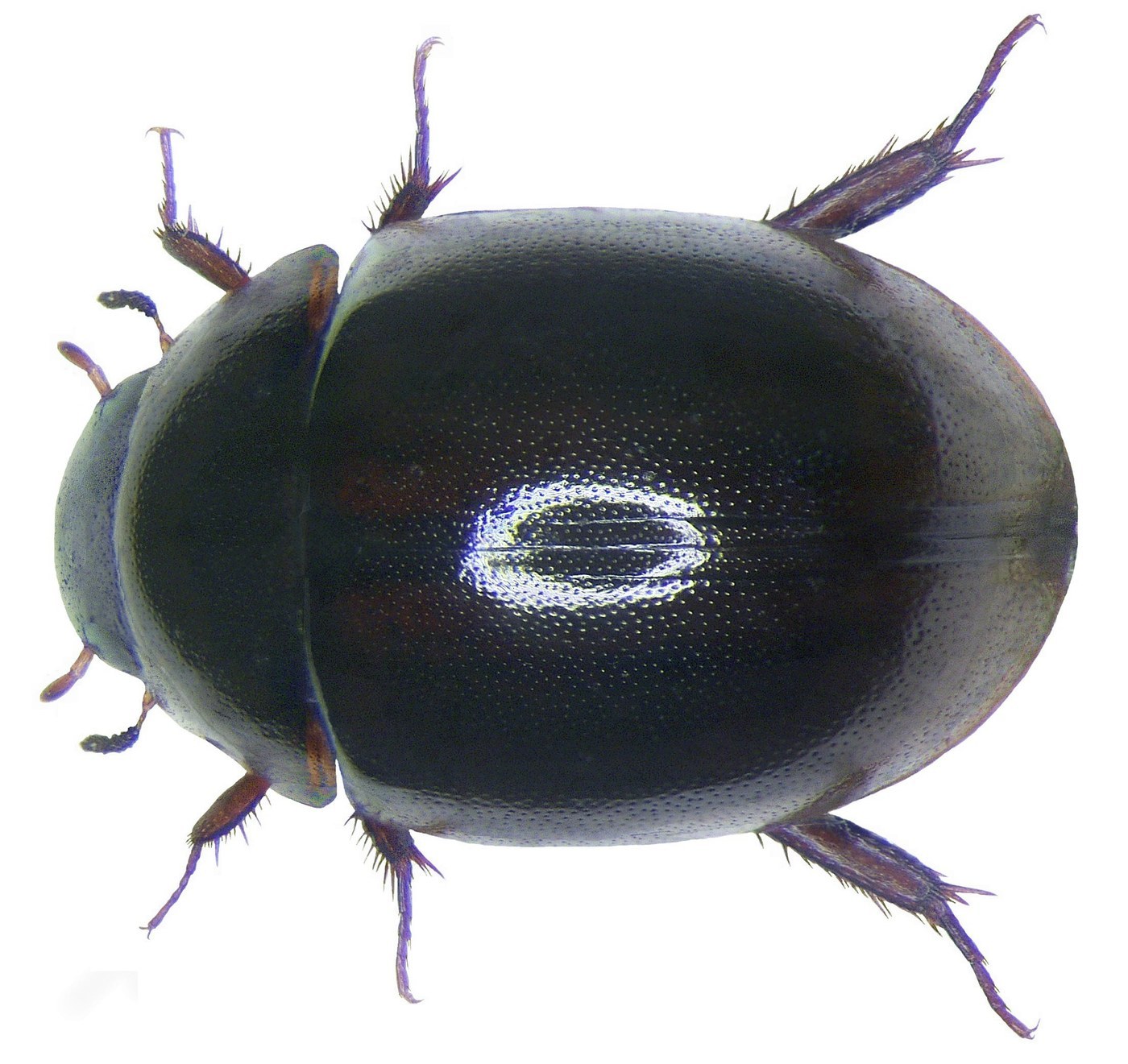
Water Beetle
Ponds, slow streams, marshes, still fresh water
Water Penny Beetle
Fast, rocky, well-oxygenated streams
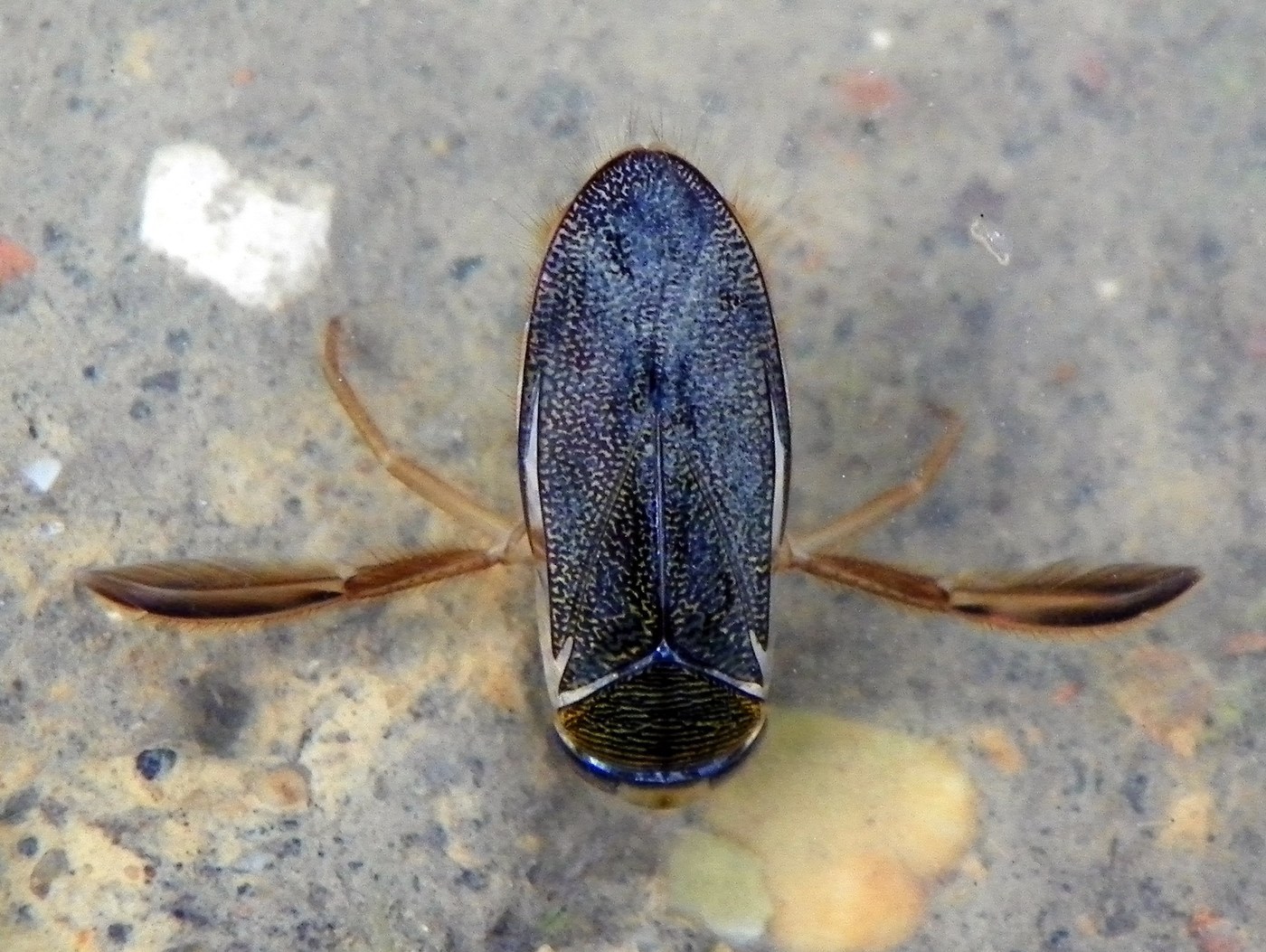
Water Boatman
Ponds, lakes, slow streams, freshwater with vegetation
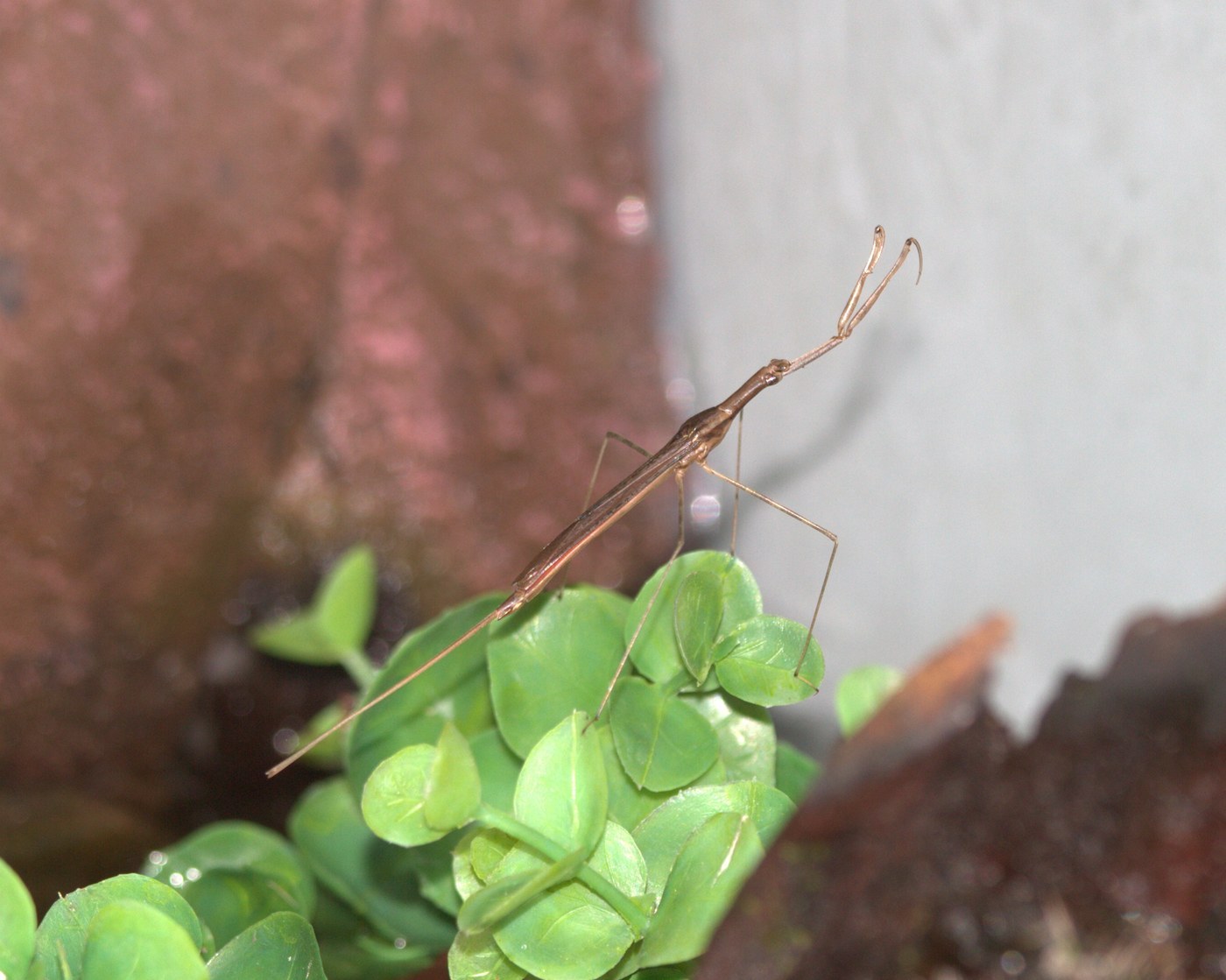
Water Scorpion
Still or slow-moving water with submerged vegetation
Stonefly
Cold, clean, well-oxygenated streams and rivers
Stonefly Nymph
Cold, fast-flowing, well-oxygenated streams
Toad Bug
Muddy or sandy shorelines of ponds, streams, and rivers
Soldier Fly Larva
Ponds, marshes, and slow streams with organic sediment
Mosquito Larva
Standing water in ponds, ditches, containers, and puddles
Whirligig Beetle
Surface of ponds, lakes, and slow streams
Rat-Tailed Maggot
Stagnant, oxygen-poor water such as manure pools, drains, and compost