
Non-Biting Midge Larva (Bloodworm)
Chironomus spp.
Wriggling through soft bottom mud in dense colonies, the bloodworm gets its striking red color from a specialized blood pigment that lets it survive in oxygen-poor water where few other insects can.
- Size
- 10-30 mm
- Habitat
- Mud and sediment of ponds, lakes, and slow streams
- Danger
- Harmless
Spotted a bug like this?
Identify any bug or insect from a photo, free.
Overview
The non-biting midge larva, widely known as a bloodworm, is the aquatic larval stage of a large and diverse family of small flies (Chironomidae) whose adults resemble mosquitoes but lack biting mouthparts. Its distinctive deep red color comes from a specialized form of hemoglobin dissolved directly in its body fluid, an adaptation that allows it to extract oxygen efficiently even from stagnant or low-oxygen water and mud.
Bloodworms are extremely abundant in the soft sediments of ponds, lakes, and slow streams, often occurring in dense colonies that construct small silken tubes in the mud for shelter. They feed primarily on decaying organic matter and microorganisms within the sediment, making them important decomposers and nutrient recyclers in freshwater ecosystems.
As fly larvae, bloodworms undergo complete metamorphosis, passing through a pupal stage before emerging as small, delicate adult midges that do not bite and often gather in large mating swarms near water. Because of their tolerance for low-oxygen conditions and their abundance, bloodworms are frequently used as indicators of water quality and are an important food source for fish.
How to Identify
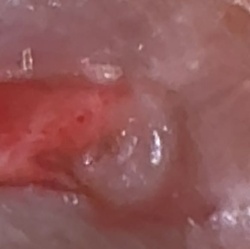
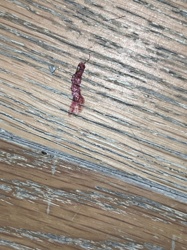
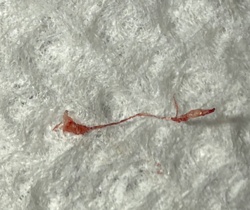
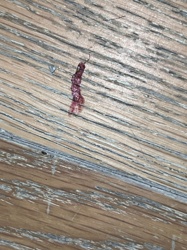
- Slender, worm-like, segmented body 10-30 mm long, typically bright red to reddish-brown due to hemoglobin in its body fluid
- Small, distinct head capsule at one end, with a pair of small fleshy prolegs near the front and rear of the body
- Lives within a self-constructed tube of silk and sediment particles in soft mud
- Undulating, S-shaped swimming motion when disturbed or moving between tubes
- Distinguished from black fly larvae by its red color and mud-dwelling tube habit, versus the pale, filter-feeding black fly larva attached to rocks in current
- Distinguished from phantom midge larvae by its opaque red color and bottom-dwelling habit, versus the transparent, open-water glassworm
Habitat & Range
Bloodworms are found in the soft mud and sediment of ponds, lakes, slow-moving streams, and even some brackish or polluted waters with low oxygen levels, where their specialized hemoglobin gives them a competitive advantage over less tolerant species. They occur nearly worldwide and are present year-round in many temperate water bodies, with peak abundance often in warmer months.
Behavior & Diet
Bloodworms construct small protective tubes out of silk and fine sediment particles within the mud, remaining largely hidden while feeding on decaying organic matter, algae, and microorganisms filtered or gathered from the surrounding sediment. Their red hemoglobin pigment allows them to survive in bottom sediments with very low dissolved oxygen, conditions that exclude many other aquatic invertebrates, giving them a niche largely to themselves. When disturbed, they can swim with a distinctive whip-like, S-shaped motion to relocate. As decomposers, bloodworms play an important role in breaking down organic material and recycling nutrients within pond and lake sediments, and they form a major food source for fish and other bottom-feeding predators.
Life Cycle
Females lay gelatinous egg masses on the water's surface or on submerged objects, which sink and hatch into larvae that burrow into the mud and construct silk tubes. The larvae pass through four instars over several weeks, feeding on organic matter within the sediment and growing steadily, with some species overwintering as larvae in colder climates. When fully grown, the larva pupates within or near its tube for a short period before the pupa rises to the surface, and the adult non-biting midge emerges to join mating swarms near the water, typically living only a few days to disperse and reproduce.
Frequently asked questions
Why are bloodworms red?
They contain a specialized form of hemoglobin dissolved in their body fluid, which gives them their red color and helps them extract oxygen efficiently from low-oxygen mud and water.
Do bloodworms bite?
No, they are the larvae of non-biting midges, small flies that resemble mosquitoes but lack biting mouthparts as adults.
What do bloodworms eat?
They feed on decaying organic matter, algae, and microorganisms within pond and lake sediments, acting as decomposers.
Why are bloodworms used to assess water quality?
Their tolerance for low-oxygen conditions means their abundance can indicate nutrient-rich or oxygen-poor water, making them useful bioindicators for researchers.
Non-Biting Midge Larva (Bloodworm) guides
In-depth guides for identifying, understanding, and living alongside Non-Biting Midge Larva (Bloodworm).
Non-Biting Midge Larva (Bloodworm) identified by the community
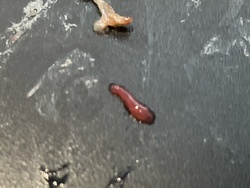
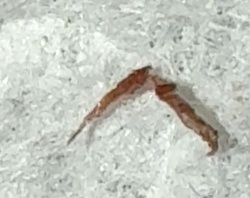
Real finds identified with Bug Identifier.
Other bugs you may enjoy
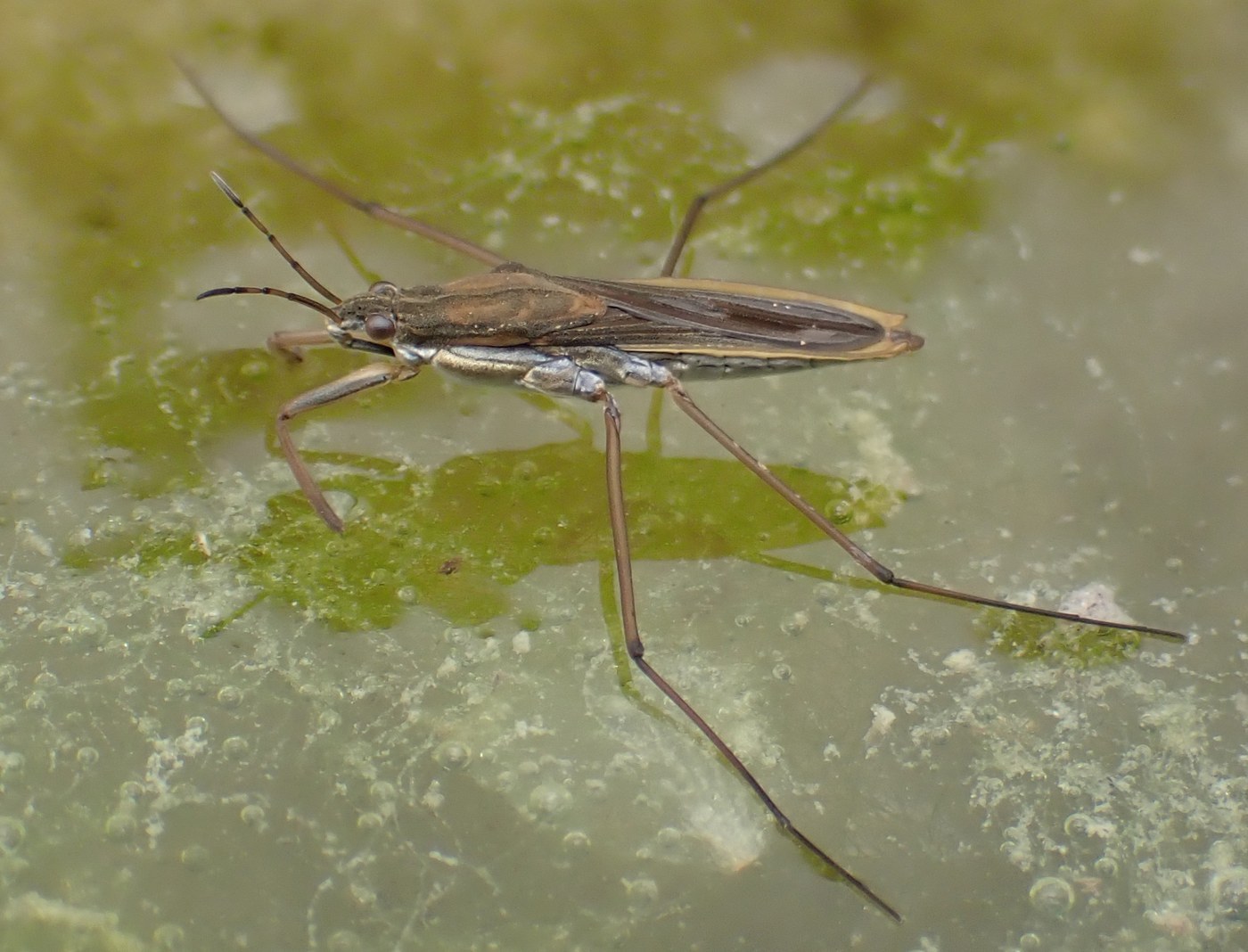
Water Strider
Still or slow-moving fresh water: ponds, lake edges, slow streams, puddles
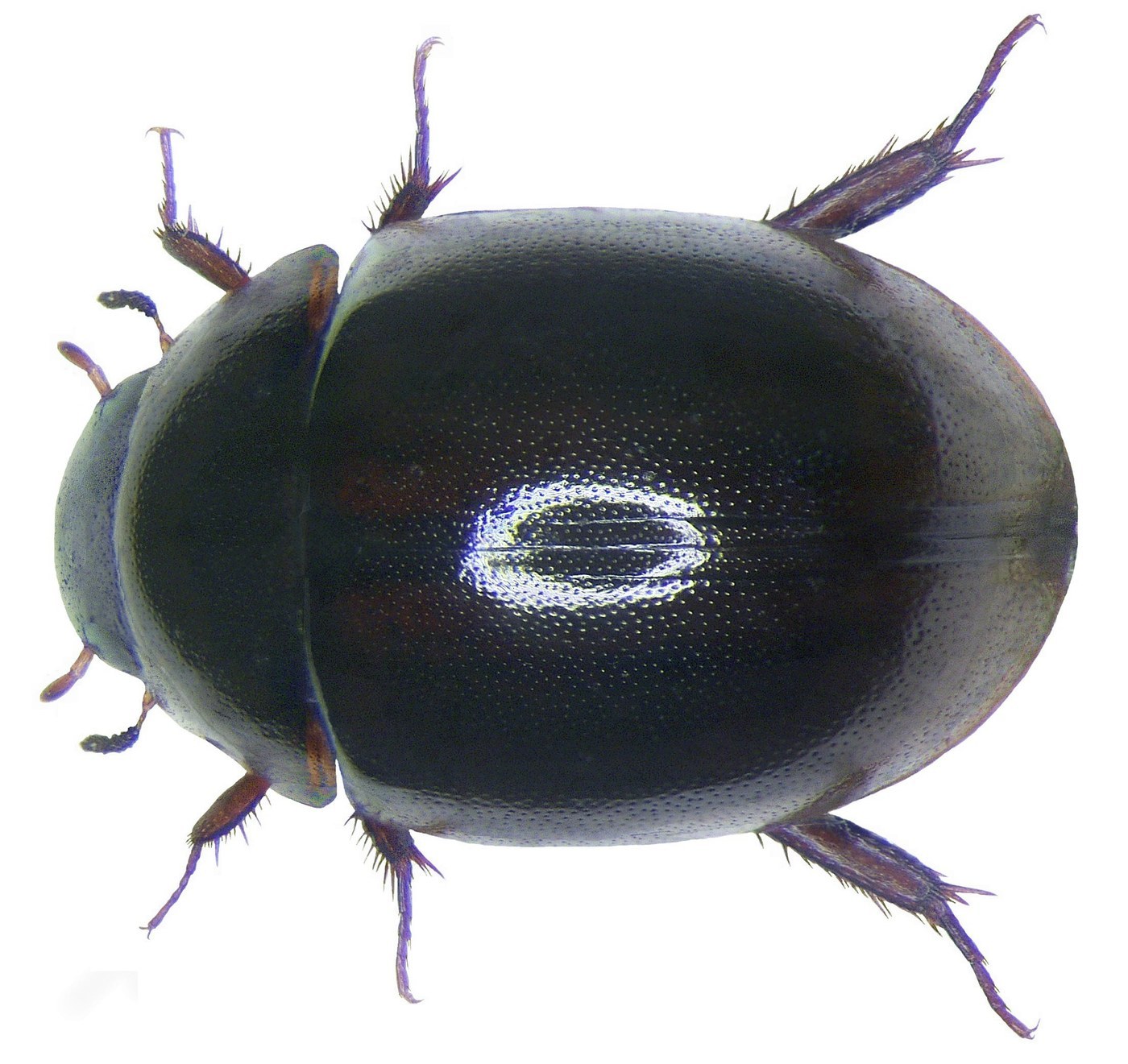
Water Beetle
Ponds, slow streams, marshes, still fresh water
Water Penny Beetle
Fast, rocky, well-oxygenated streams
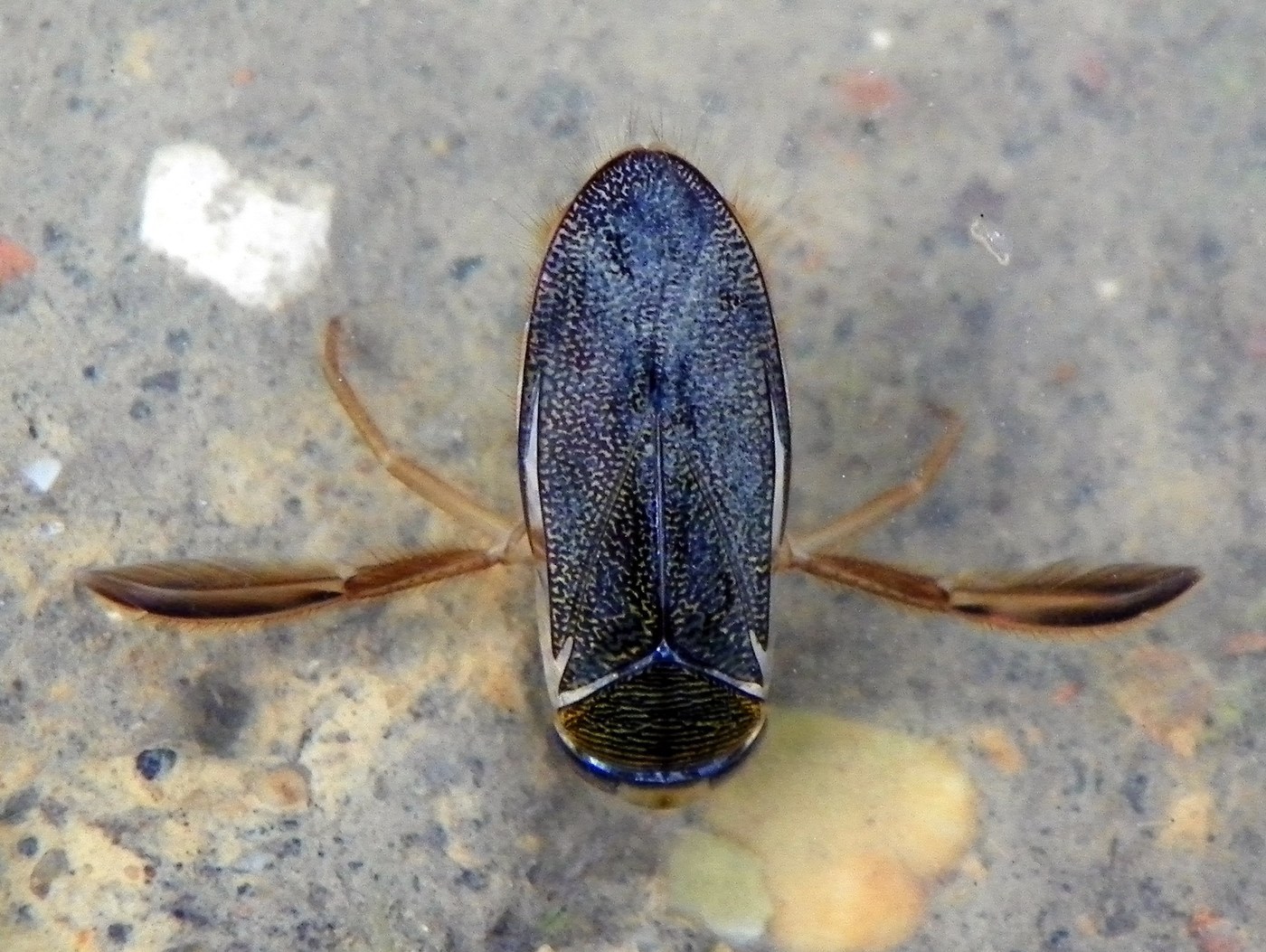
Water Boatman
Ponds, lakes, slow streams, freshwater with vegetation
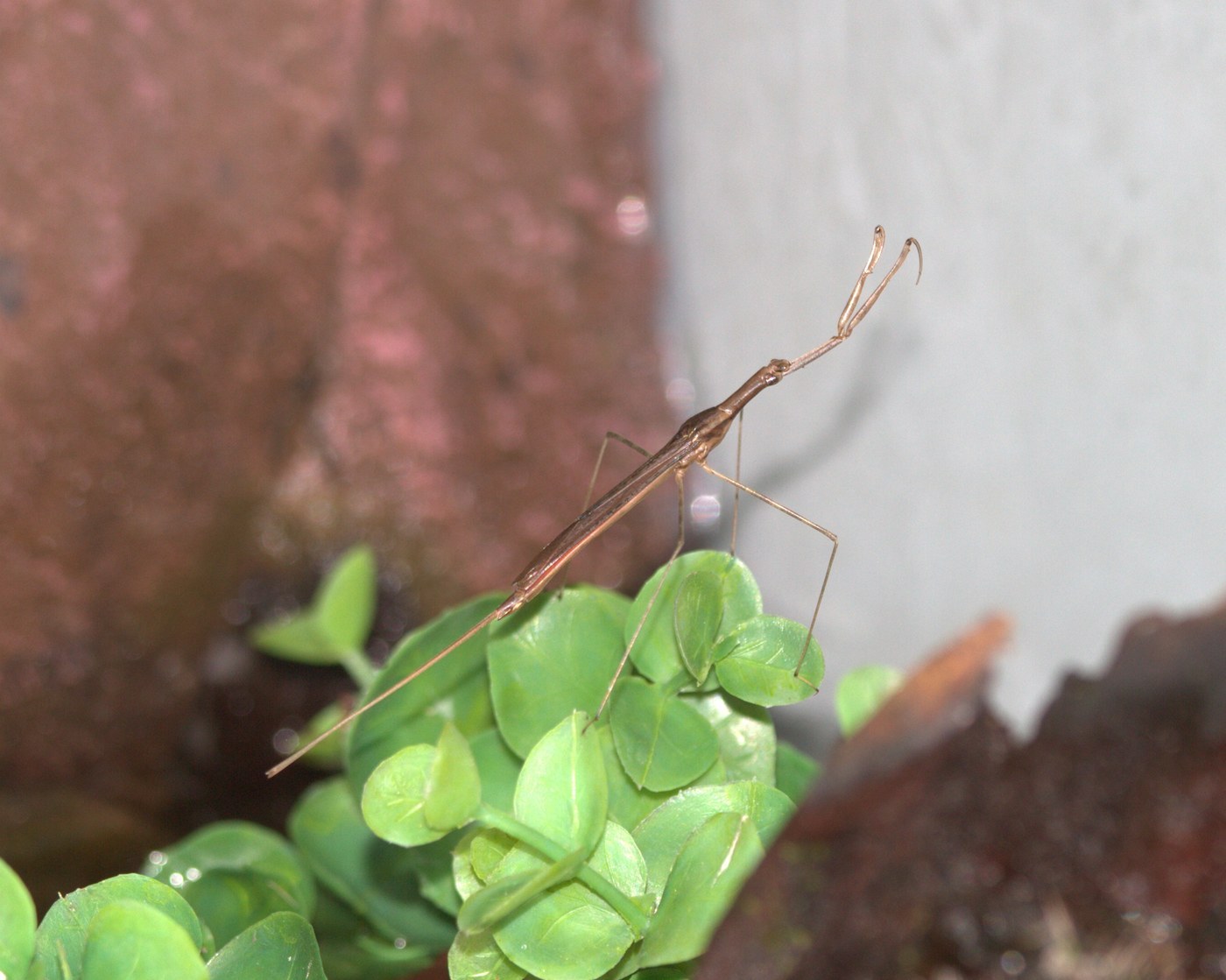
Water Scorpion
Still or slow-moving water with submerged vegetation
Stonefly
Cold, clean, well-oxygenated streams and rivers
Stonefly Nymph
Cold, fast-flowing, well-oxygenated streams
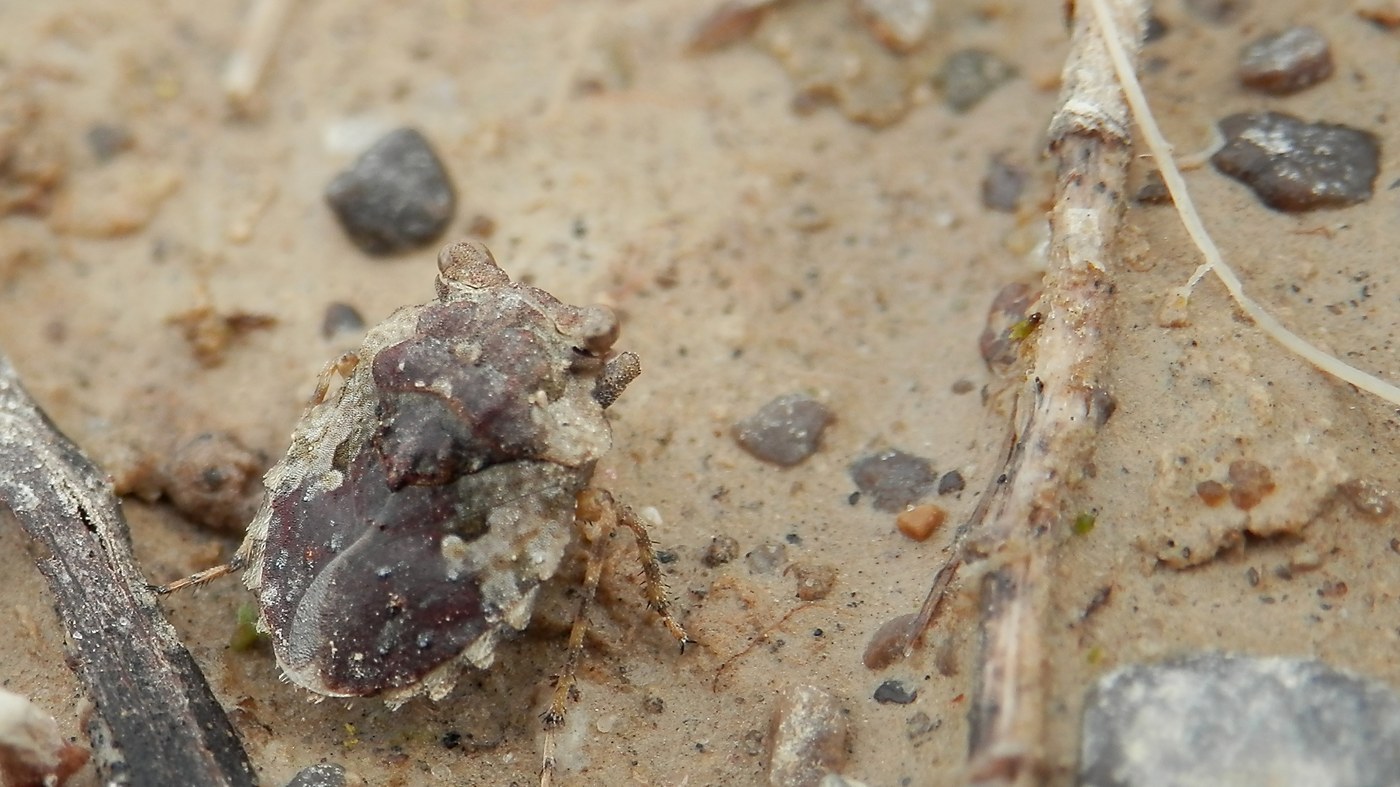
Toad Bug
Muddy or sandy shorelines of ponds, streams, and rivers
Soldier Fly Larva
Ponds, marshes, and slow streams with organic sediment
Mosquito Larva
Standing water in ponds, ditches, containers, and puddles
Whirligig Beetle
Surface of ponds, lakes, and slow streams
Rat-Tailed Maggot
Stagnant, oxygen-poor water such as manure pools, drains, and compost