
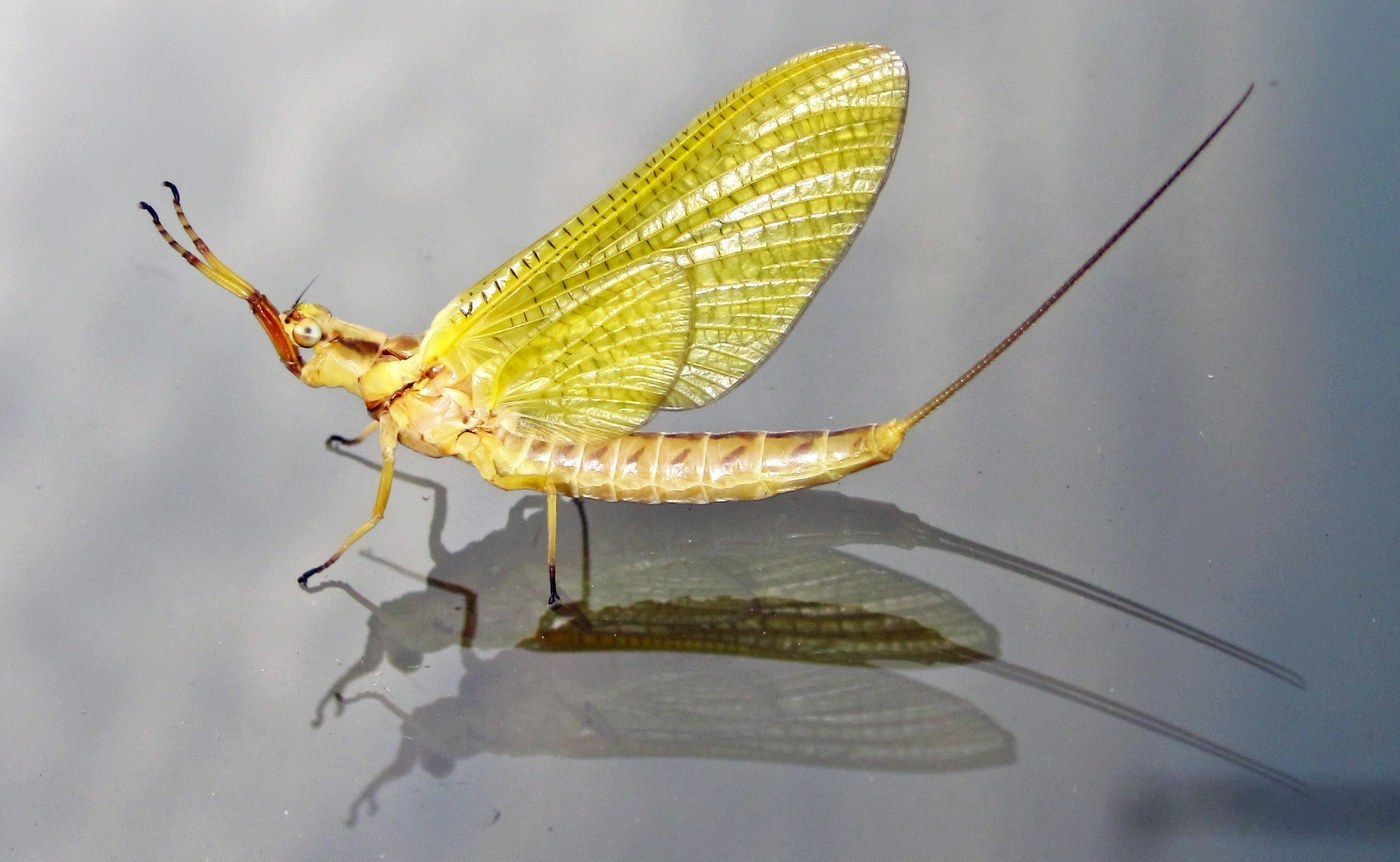
Giant Mayfly
Hexagenia limbata
Known for emerging by the billions in summer swarms so dense they can show up on weather radar, the Giant Mayfly is one of the largest and most abundant mayflies in North America.
- Size
- 0.8-1.4 in (20-35 mm) body length, larger with tails
- Habitat
- large lakes and rivers with soft, muddy or silty bottoms
- Danger
- Harmless
Spotted a bug like this?
Identify any bug or insect from a photo, free.
Overview
The Giant Mayfly, also widely known as the Michigan Mayfly or burrowing mayfly, is one of the largest mayfly species in North America, belonging to the family Ephemeridae. It is found throughout much of the continent in large lakes and slow, muddy rivers, and is famous for producing some of the most spectacular mass emergences of any insect, with swarms sometimes so dense they have been detected on weather radar and have caused local traffic hazards where accumulated adults coat roads and bridges.
Adults are large, with a pale yellow-tan to amber body and long tail filaments, and they emerge in extraordinary numbers over a short period in summer, often over just a few nights at a given lake or river. This synchronized emergence is thought to overwhelm predators, ensuring enough adults survive to reproduce despite intense predation from fish, birds, bats, and other insects during the event.
As nymphs, Giant Mayflies burrow into soft mud or silt at the bottom of lakes and rivers, where they construct U-shaped burrows and filter organic matter from the water for one to two years before emerging. Their presence in large numbers is considered a sign of a productive, though not necessarily pristine, aquatic ecosystem, since the species tolerates somewhat enriched, silty waters better than more pollution-sensitive mayflies.
How to Identify
- Large mayfly, among the biggest in North America, with a pale yellow, tan, or amber body
- Two pairs of wings, the forewings much larger than the hindwings, often held upright over the body at rest
- Three long, thread-like tail filaments extending from the abdomen tip
- Subimago (dun) stage is duller and more opaque than the shinier, translucent-winged adult (spinner) stage
- Distinguished from smaller mayflies primarily by its large size and pale amber-yellow coloring
- Lookalikes: other Hexagenia species are similar in appearance; genus-level identification (Hexagenia spp.) is often sufficient without detailed examination
Habitat & Range
Giant Mayfly nymphs live in soft mud or silt at the bottom of large lakes, reservoirs, and slow-flowing rivers, particularly in nutrient-rich waters across much of the central and eastern United States and Canada, including the Great Lakes region for which one common name is derived. Emergences are famously synchronized, typically occurring over a handful of nights in mid to late summer, with adults swarming most heavily around dusk near shorelines and over adjacent water.
Behavior & Diet
Nymphs live within U-shaped burrows they excavate in soft lake or river bottom sediment, using feathery gills to circulate water through the burrow and filtering out fine organic particles and algae as food. When mature, nymphs rise to the surface in massive, highly synchronized numbers to emerge as winged subimagos. Adults do not feed and live only a day or so, during which males form large mating swarms near shorelines and over water at dusk, after which females release eggs onto the water surface. The sheer scale of these emergences makes Giant Mayflies an important seasonal food pulse for fish, birds, bats, and other insectivores, and their nymphs' burrowing and filtering activity contributes to nutrient cycling in soft-bottomed lake and river habitats.
Life Cycle
The Giant Mayfly develops through incomplete metamorphosis with egg, aquatic nymph, subimago, and adult stages. Eggs sink to the bottom after being deposited on the water surface and hatch into nymphs, which burrow into soft sediment and live there for one to two years, molting numerous times while filtering organic material for food. When development is complete, nymphs rise to the surface in a tightly synchronized mass emergence, molting into the subimago stage before a final molt within about a day produces the mature, reproductive adult. Adults live only briefly, focusing entirely on mating swarms and egg-laying before dying, typically completing one generation per year, with the synchronized timing of emergence thought to help swamp predators and improve reproductive success.
Frequently asked questions
Why do Giant Mayflies emerge in such huge numbers at once?
Highly synchronized mass emergence is thought to overwhelm predators, so that even with intense feeding by fish and birds, enough adults survive to reproduce.
Where do Giant Mayfly nymphs live?
They burrow into soft mud or silt at the bottom of large lakes and slow rivers, constructing U-shaped burrows where they filter organic matter for food.
How long do adult Giant Mayflies live?
Adults are short-lived, typically surviving only about a day, during which they do not feed and focus solely on mating and egg-laying.
Is a large mayfly swarm a sign of pollution?
Not necessarily; while the species tolerates somewhat nutrient-enriched waters, large emergences generally indicate a productive aquatic ecosystem with abundant soft-bottom habitat.
Giant Mayfly guides
In-depth guides for identifying, understanding, and living alongside Giant Mayfly.
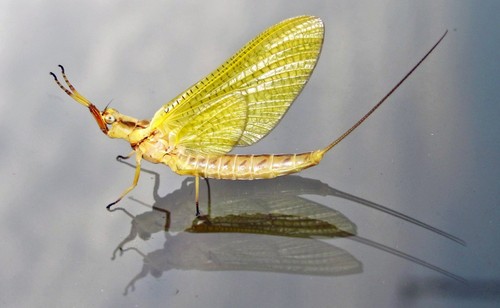
Giant Mayfly identified by the community
Real finds identified with Bug Identifier.

Other bugs you may enjoy
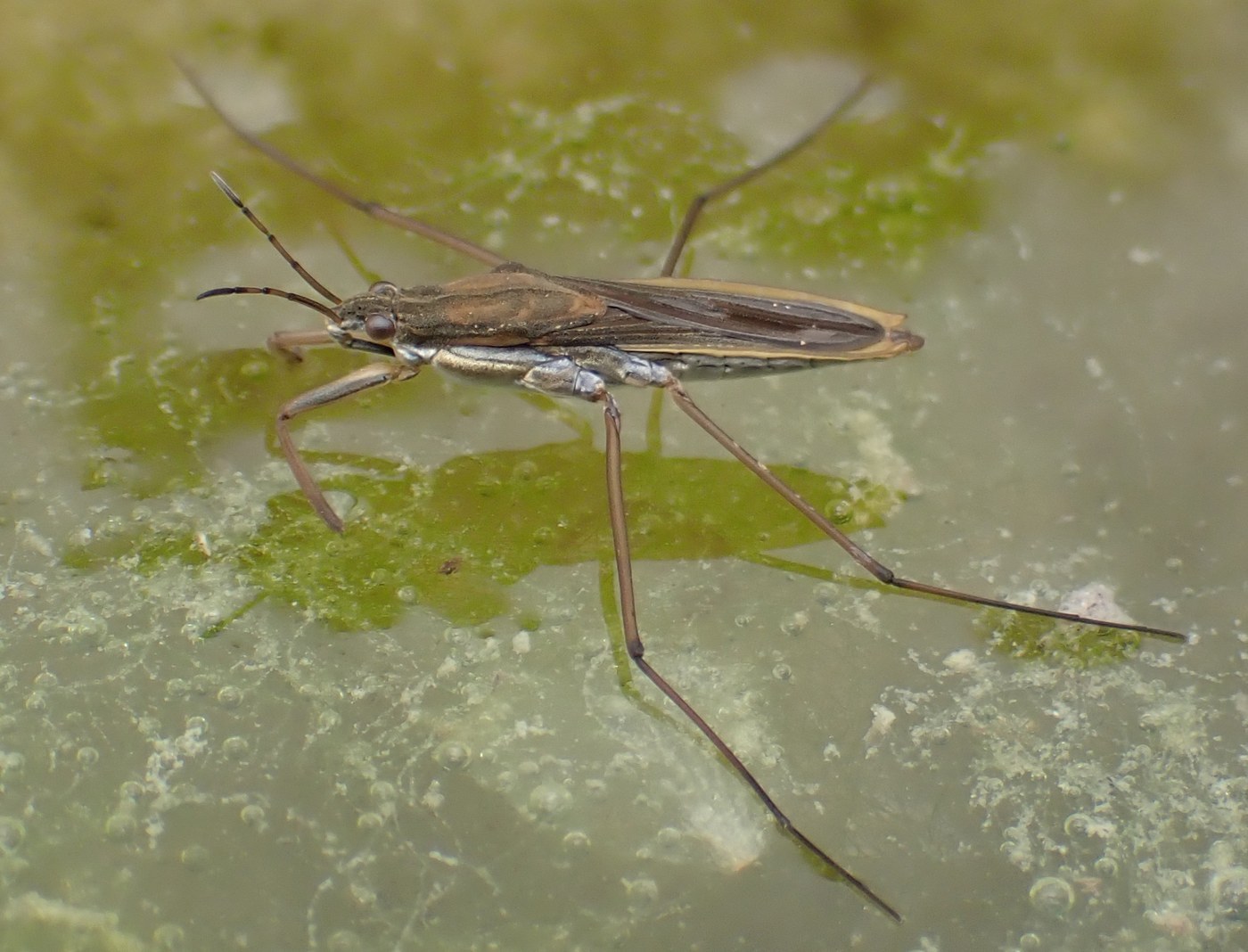
Water Strider
Still or slow-moving fresh water: ponds, lake edges, slow streams, puddles
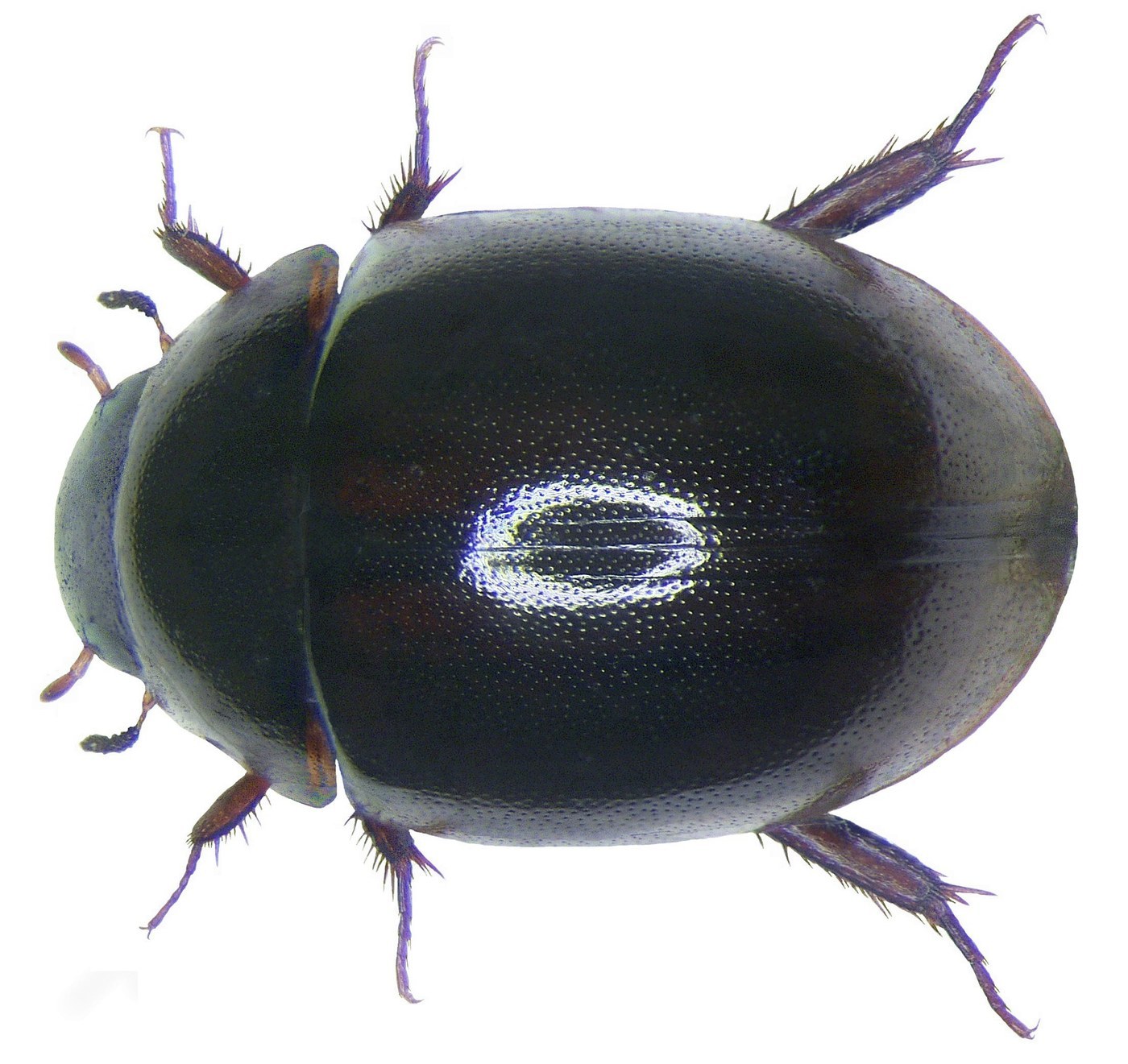
Water Beetle
Ponds, slow streams, marshes, still fresh water
Water Penny Beetle
Fast, rocky, well-oxygenated streams
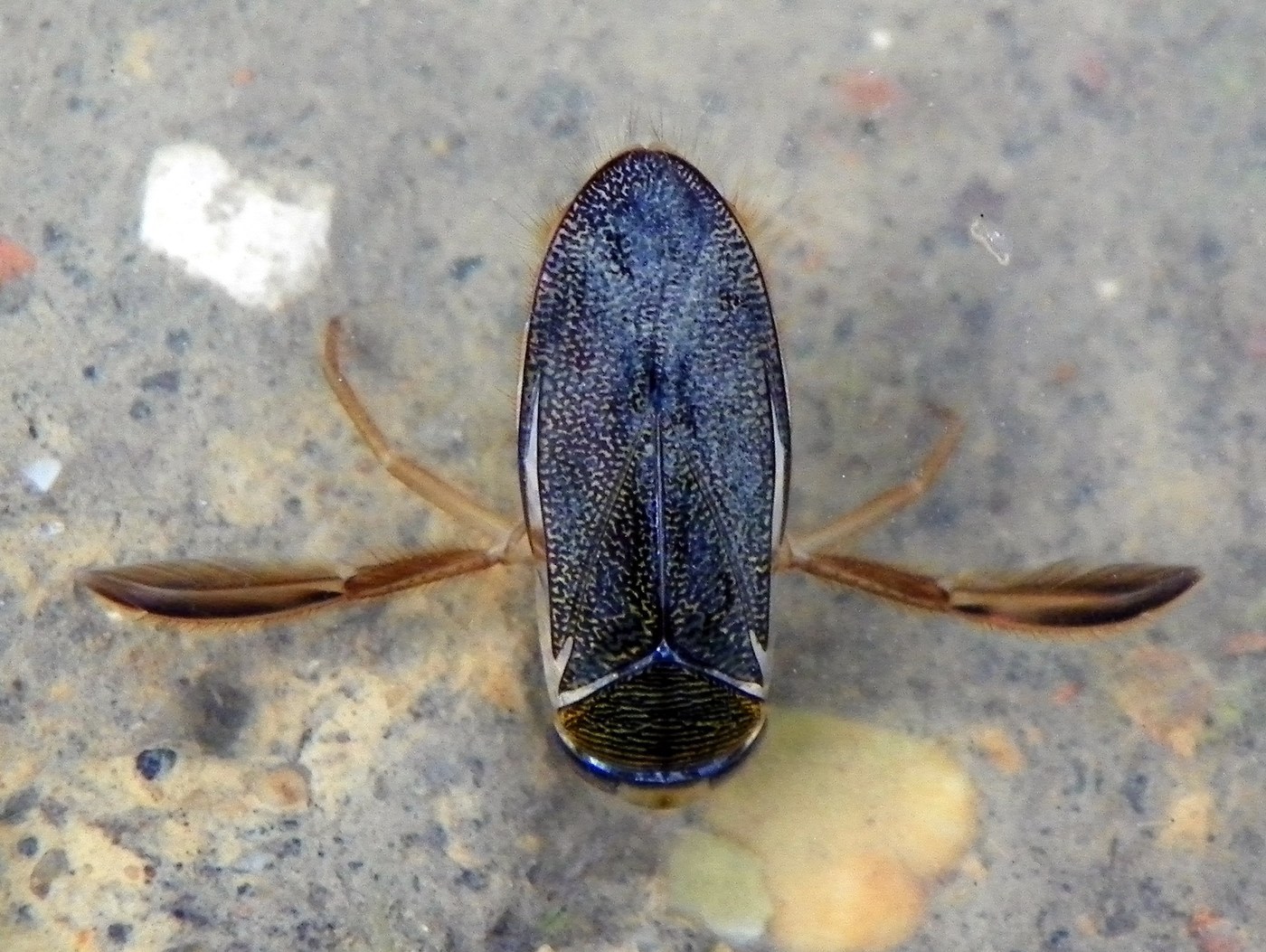
Water Boatman
Ponds, lakes, slow streams, freshwater with vegetation
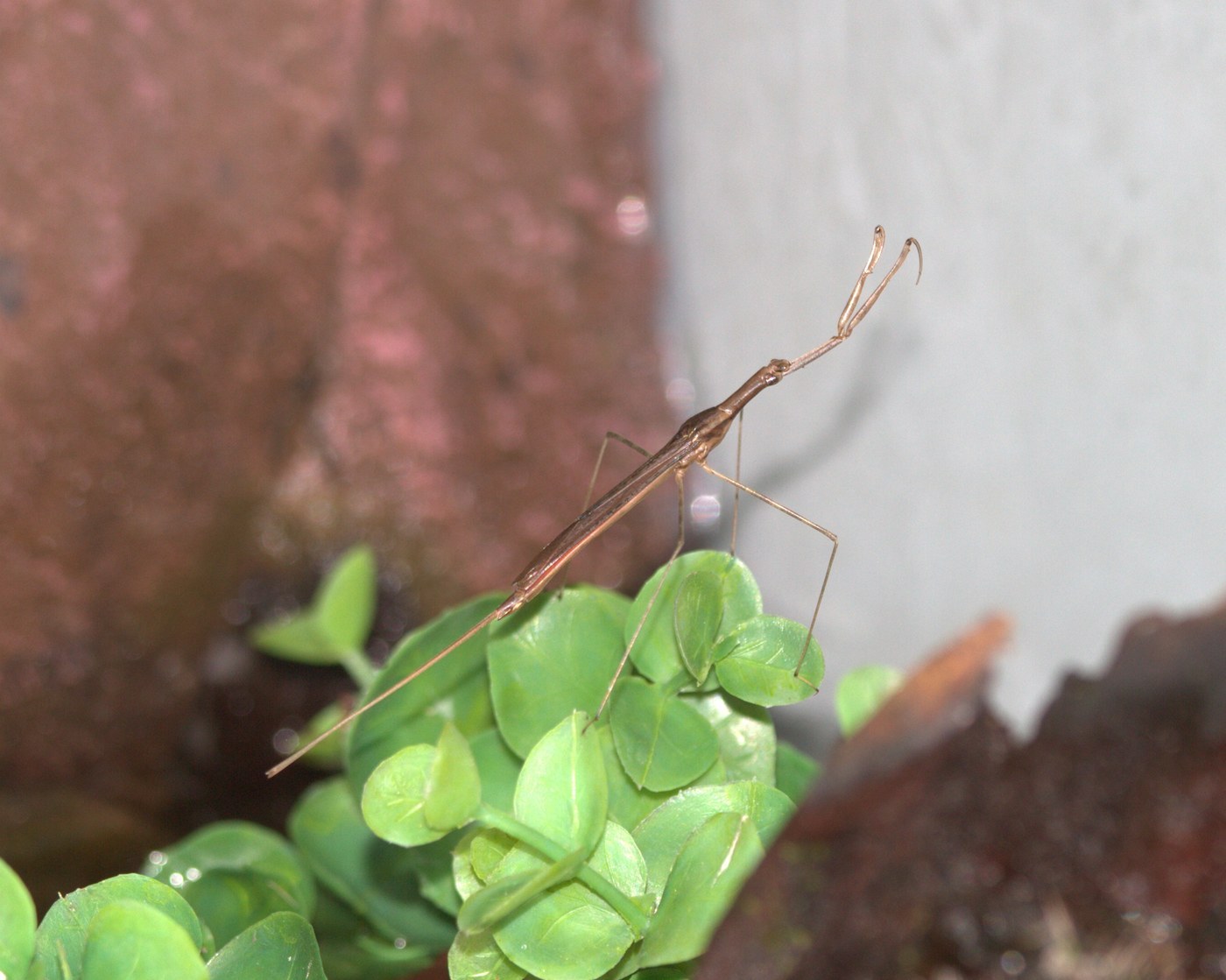
Water Scorpion
Still or slow-moving water with submerged vegetation
Stonefly
Cold, clean, well-oxygenated streams and rivers
Stonefly Nymph
Cold, fast-flowing, well-oxygenated streams
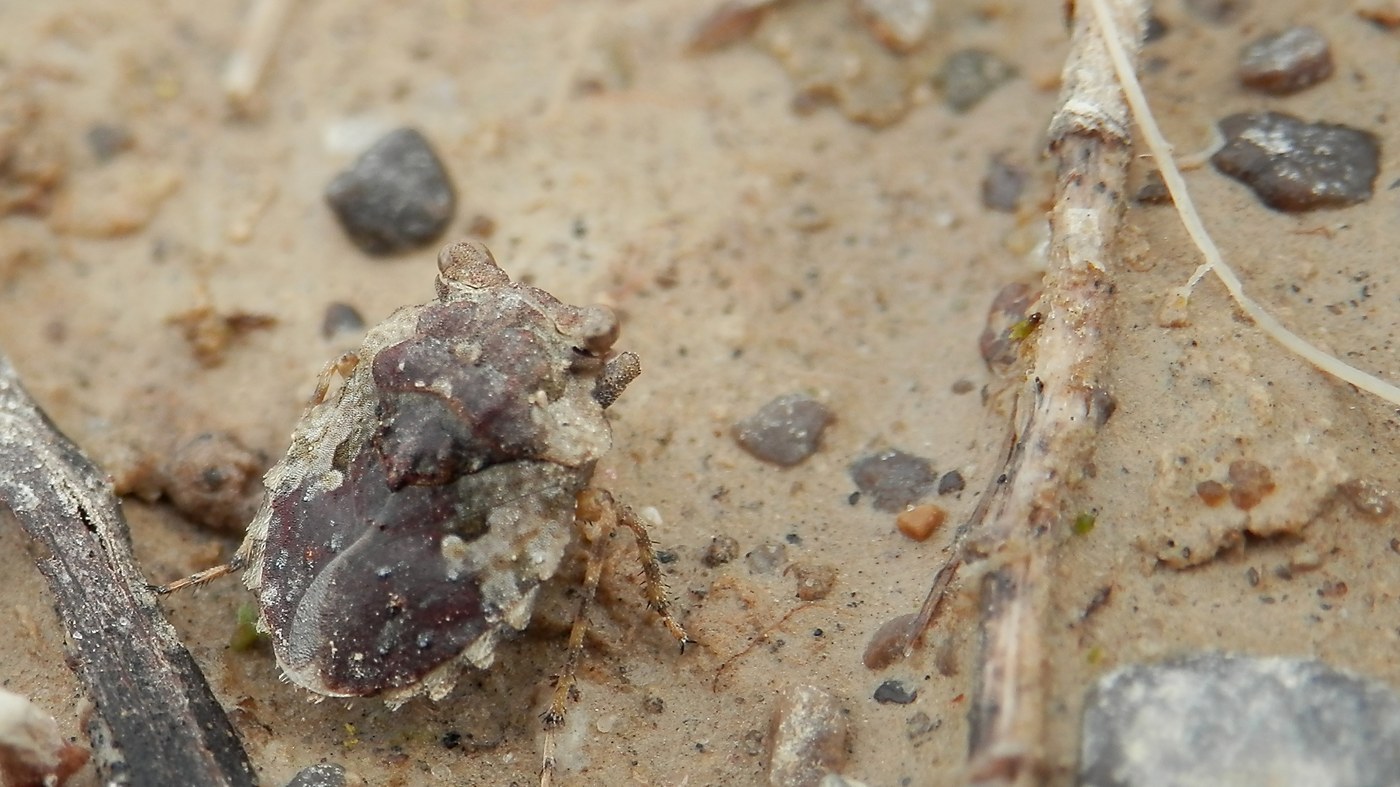
Toad Bug
Muddy or sandy shorelines of ponds, streams, and rivers
Soldier Fly Larva
Ponds, marshes, and slow streams with organic sediment
Mosquito Larva
Standing water in ponds, ditches, containers, and puddles
Whirligig Beetle
Surface of ponds, lakes, and slow streams
Rat-Tailed Maggot
Stagnant, oxygen-poor water such as manure pools, drains, and compost