
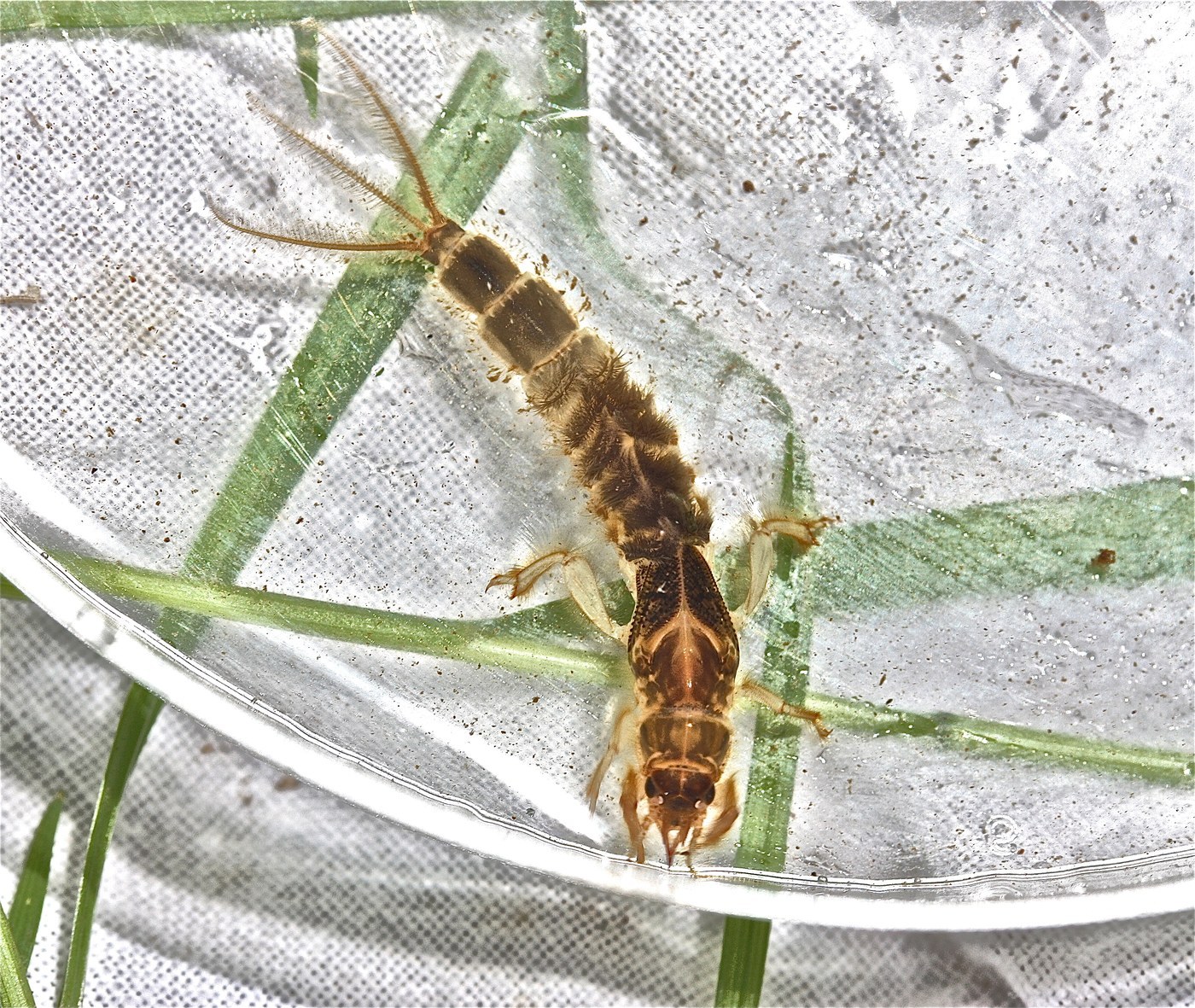
Green Drake Mayfly
Ephemera guttulata
Famous among anglers for triggering explosive trout feeding frenzies, the Green Drake Mayfly is a large, striking insect whose brief springtime emergence is one of the most anticipated events on many rivers.
- Size
- 0.6-0.9 in (16-24 mm) body length, larger with tails and wings
- Habitat
- clean, moderately flowing rivers and streams with silty or sandy bottoms
- Danger
- Harmless
Spotted a bug like this?
Identify any bug or insect from a photo, free.
Overview
The Green Drake Mayfly is a large mayfly species in the family Ephemeridae, found in clean rivers and streams across much of the eastern United States. It is one of the best-known mayflies in North America, largely because its mass emergences in late spring produce dramatic hatches that draw intense feeding activity from fish, a phenomenon closely watched by anglers and naturalists alike.
Adults are large for a mayfly, with a mottled yellowish-green to tan body, prominent mottled wings, and three long tail filaments. The common name refers to the greenish cast of the body, particularly in the subimago (or "dun") stage that emerges from the water before the final molt into the fully mature spinner stage.
As nymphs, Green Drake Mayflies burrow into silty or sandy riverbed sediments, where they filter or gather organic material for food over one to two years before emerging in a highly synchronized hatch. Their brief adult life, often lasting only a day or two, is devoted entirely to mating and egg-laying, making them a classic example of the fleeting adult stage typical of mayflies.
How to Identify
- Large mayfly with a body length often exceeding half an inch, among the biggest common mayfly species in the East
- Mottled yellowish-green to tan body with darker markings
- Large, mottled or veined wings held upright over the body at rest
- Three long, slender tail filaments (cerci) extending from the abdomen tip
- Subimago (dun) stage appears duller and grayer than the shinier, more contrasted adult (spinner) stage
- Lookalikes: other large Ephemera species look similar; the Green Drake's timing (late spring), size, and greenish-tan mottled coloring help distinguish it from smaller mayfly species
Habitat & Range
Green Drake Mayfly nymphs require clean, well-oxygenated rivers and streams with soft, silty, or sandy substrate into which they can burrow. They are found across much of the eastern United States, particularly in the Appalachian region, in streams with good water quality. The famous mass emergence typically occurs over a short window in late spring, often lasting only one to two weeks at a given location, with adults active mainly in the evening.
Behavior & Diet
Nymphs live burrowed into soft streambed sediment, where they feed by filtering or gathering fine organic particles and detritus from the water and substrate. When ready to emerge, nymphs rise to the surface in large synchronized numbers, molting into the winged subimago stage, which soon molts again into the reproductive adult (spinner) stage. Adults do not feed and live only briefly, during which time males form mating swarms over or near the water at dusk, followed by females depositing eggs on the water surface. The mass emergence provides an enormous, concentrated food source for fish and other predators, making it an ecologically significant event in river food webs.
Life Cycle
The Green Drake Mayfly undergoes incomplete metamorphosis typical of mayflies, with egg, aquatic nymph, subimago, and adult (imago) stages. Eggs sink to the riverbed after being laid on the water surface and hatch into nymphs that burrow into soft sediment, where they live for one to two years, molting many times as they grow. Upon maturity, nymphs swim to the surface and emerge as winged subimagos, a stage unique to mayflies among insects, before molting once more within a day into the fully mature spinner stage capable of reproduction. Adults live only a day or two, devoting this brief period entirely to mating swarms and egg-laying before dying, completing one generation per year in most populations.
Frequently asked questions
Why is the Green Drake Mayfly famous among anglers?
Its large, highly synchronized late-spring emergence produces intense feeding activity from fish, making it one of the most anticipated mayfly hatches on many rivers.
How long do adult Green Drake Mayflies live?
Adults typically live only a day or two, during which they do not feed and focus solely on mating and egg-laying.
Where do Green Drake Mayfly nymphs live?
Nymphs burrow into soft, silty, or sandy sediment in clean, well-oxygenated rivers and streams, where they feed on organic material.
What does a Green Drake Mayfly look like?
It is a large mayfly with a mottled yellowish-green to tan body, big mottled wings, and three long tail filaments.
Green Drake Mayfly guides
In-depth guides for identifying, understanding, and living alongside Green Drake Mayfly.
Other bugs you may enjoy
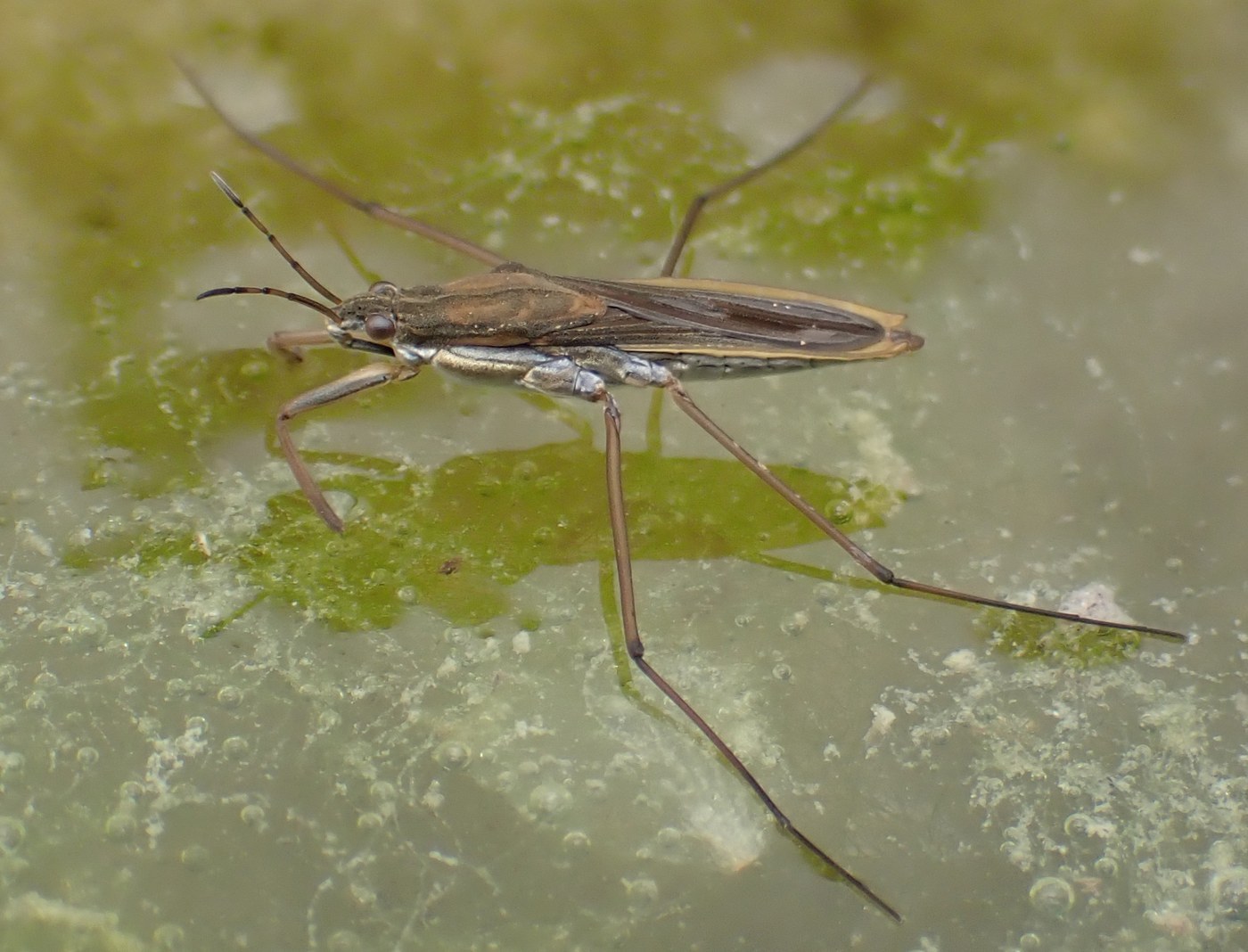
Water Strider
Still or slow-moving fresh water: ponds, lake edges, slow streams, puddles
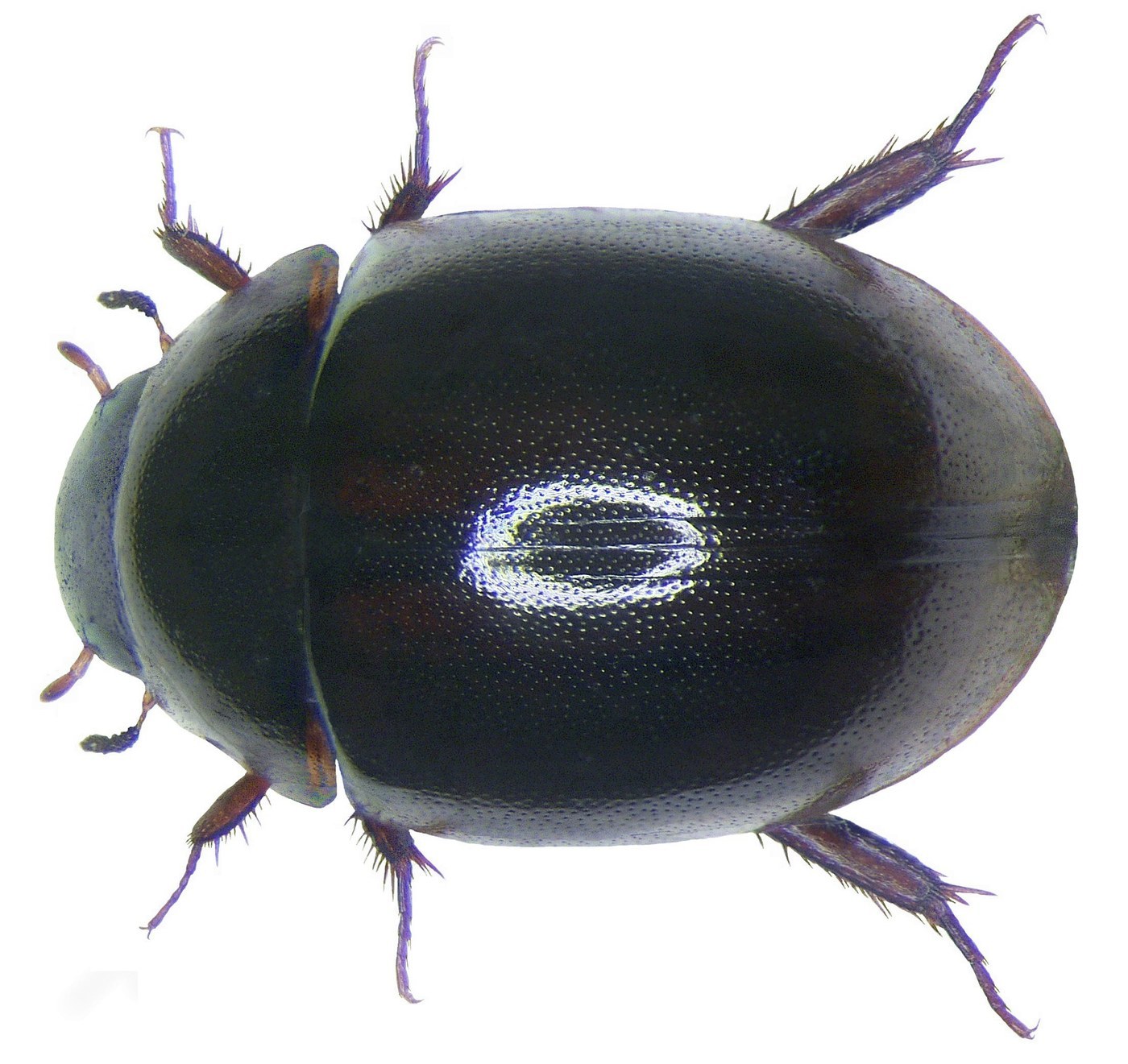
Water Beetle
Ponds, slow streams, marshes, still fresh water
Water Penny Beetle
Fast, rocky, well-oxygenated streams
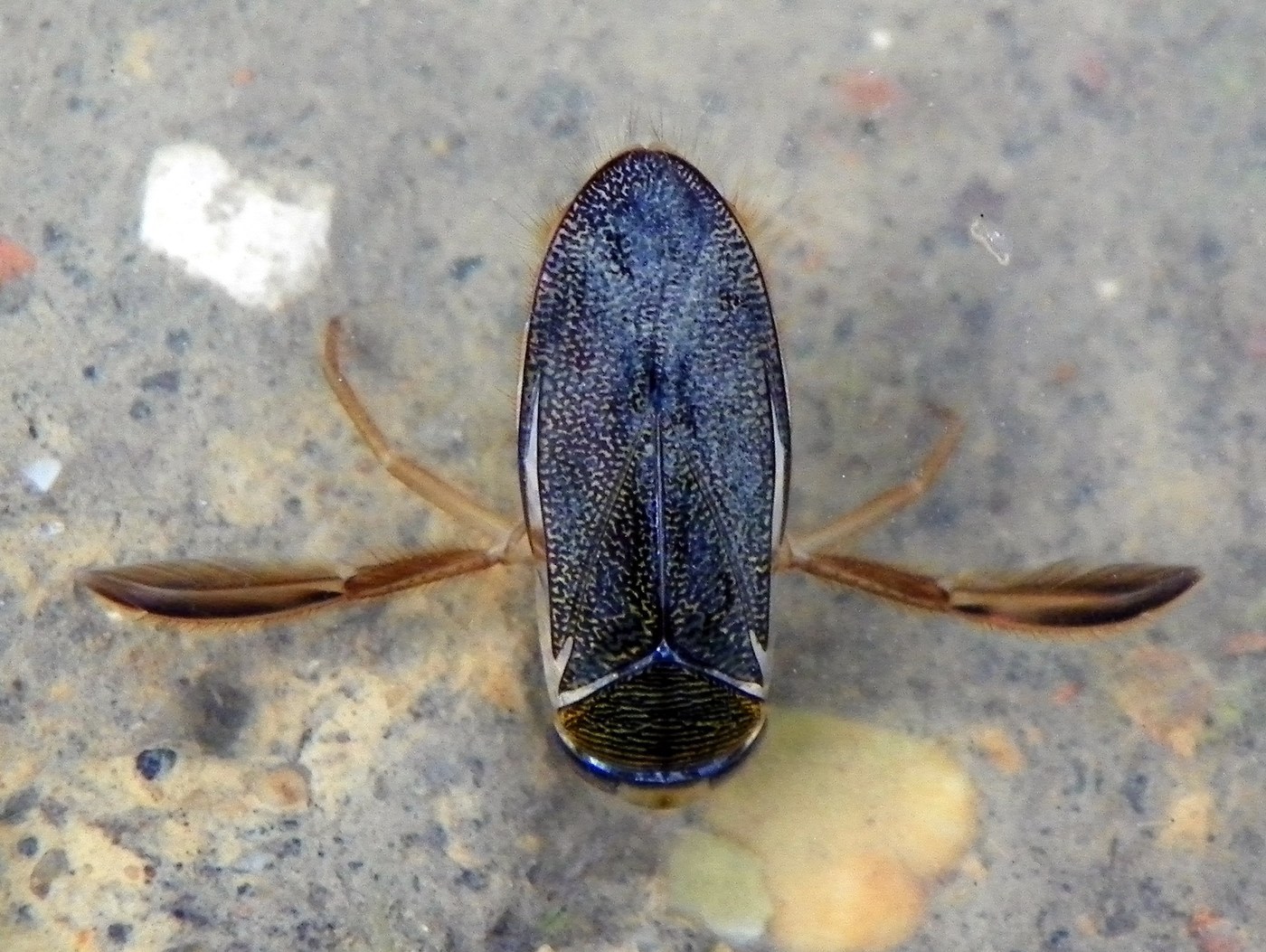
Water Boatman
Ponds, lakes, slow streams, freshwater with vegetation
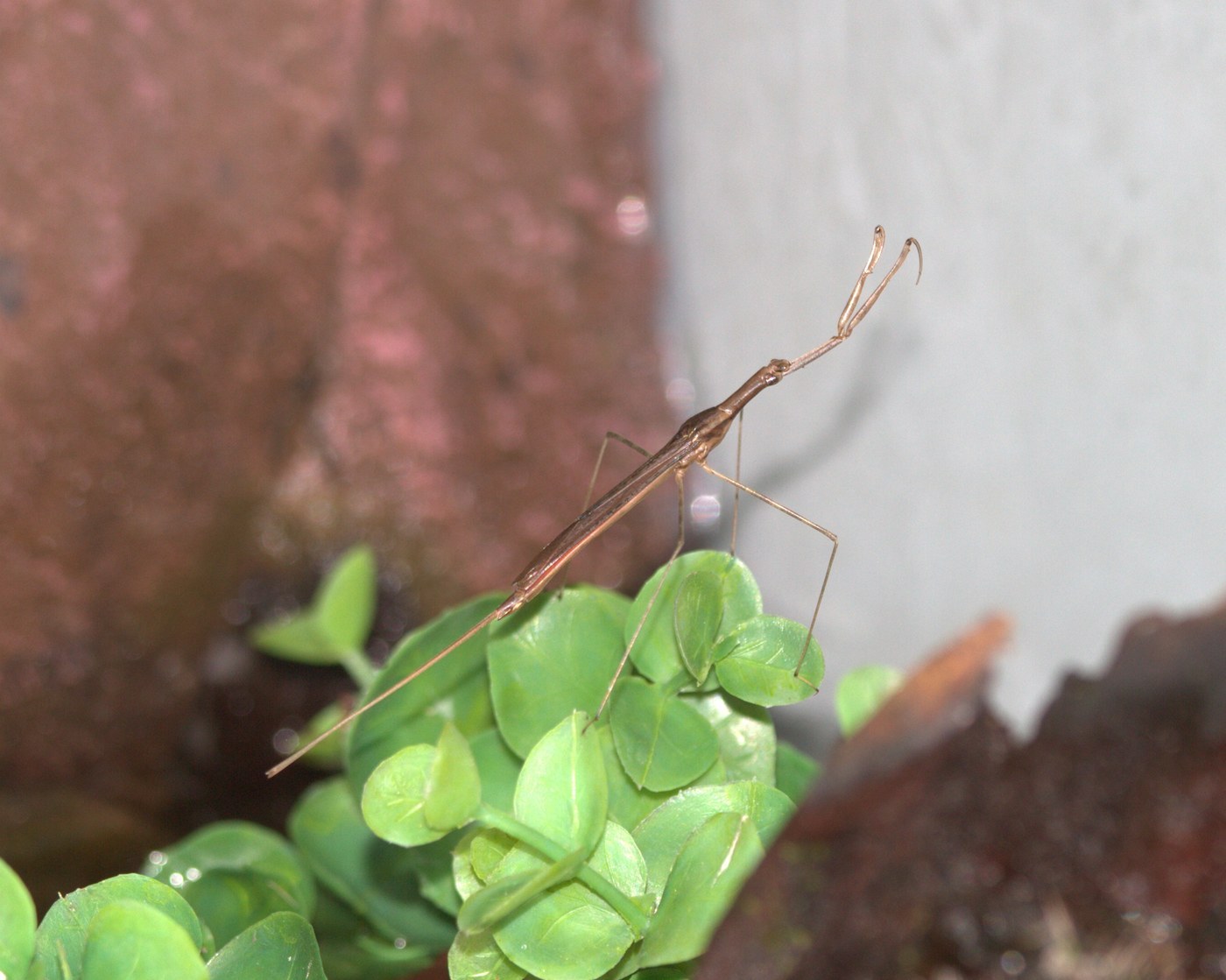
Water Scorpion
Still or slow-moving water with submerged vegetation
Stonefly
Cold, clean, well-oxygenated streams and rivers
Stonefly Nymph
Cold, fast-flowing, well-oxygenated streams
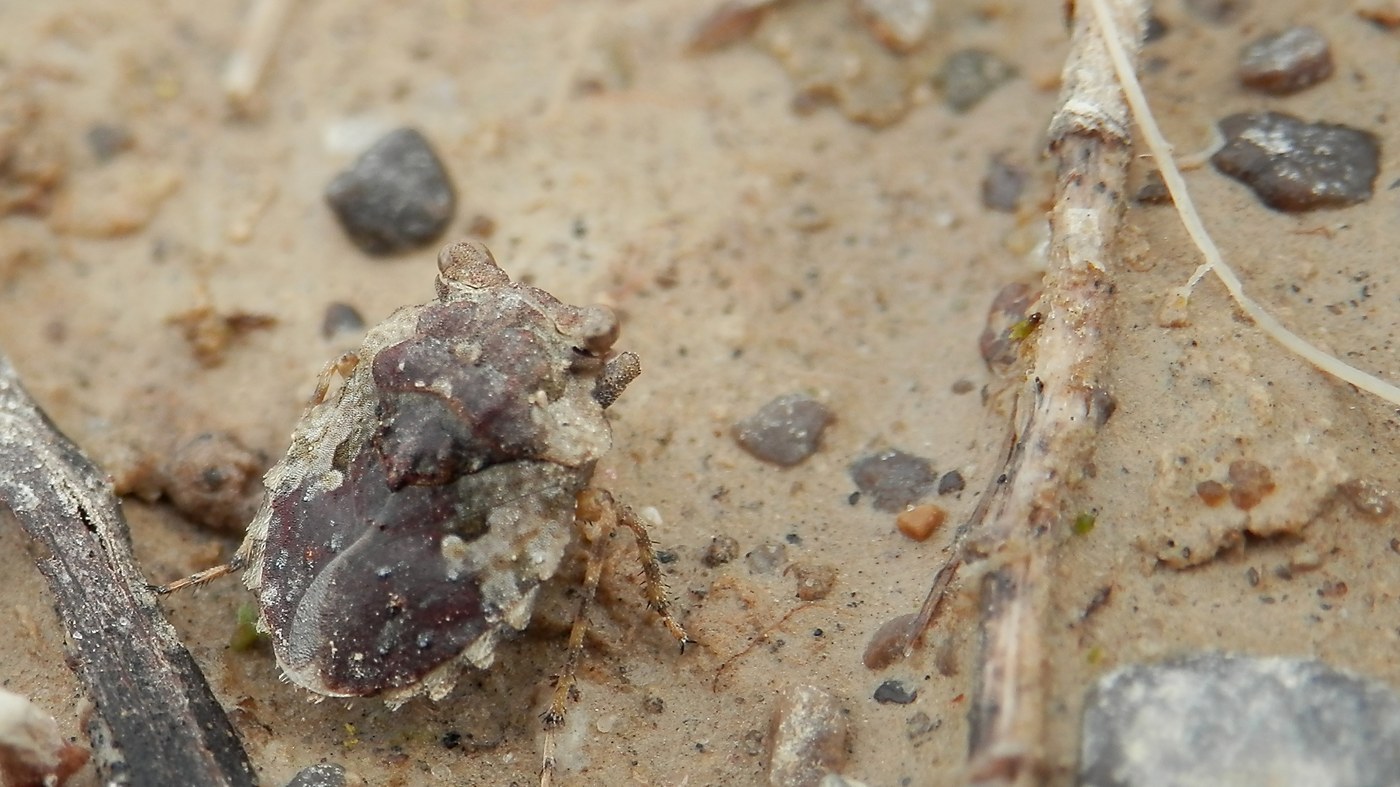
Toad Bug
Muddy or sandy shorelines of ponds, streams, and rivers
Soldier Fly Larva
Ponds, marshes, and slow streams with organic sediment
Mosquito Larva
Standing water in ponds, ditches, containers, and puddles
Whirligig Beetle
Surface of ponds, lakes, and slow streams
Rat-Tailed Maggot
Stagnant, oxygen-poor water such as manure pools, drains, and compost