
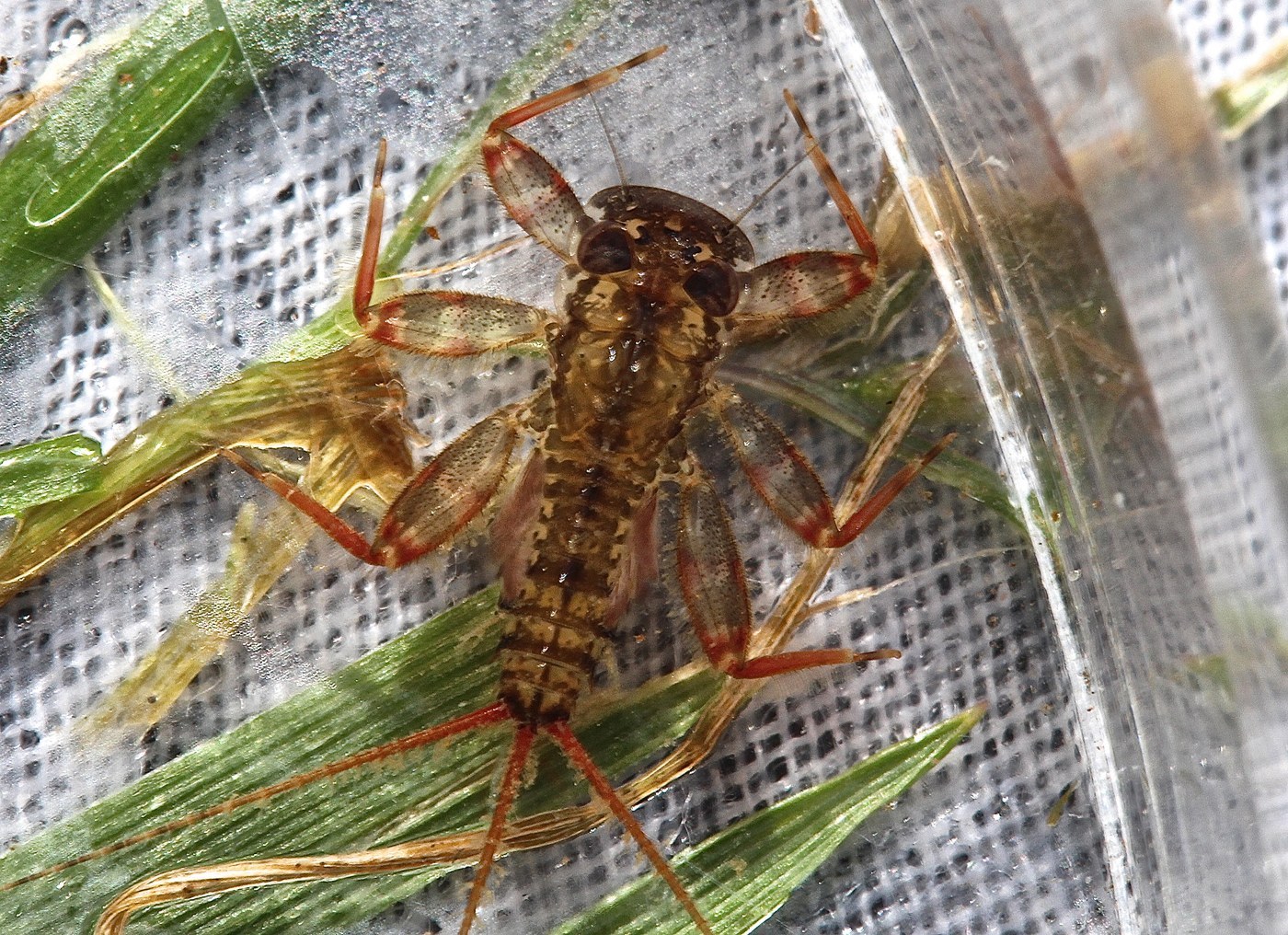
March Brown Mayfly
Maccaffertium vicarium
A speckled, mottled-winged mayfly whose springtime hatch is prized by anglers, the March Brown emerges from clean, rocky streams and is one of the earlier large mayflies of the season.
- Size
- 0.5-0.7 in (13-18 mm) body length, larger with tails
- Habitat
- clean, moderately fast-flowing rivers and streams with gravel or rocky bottoms
- Danger
- Harmless
Spotted a bug like this?
Identify any bug or insect from a photo, free.
Overview
The March Brown Mayfly is a mayfly in the family Heptageniidae, associated with clean, moderately fast-flowing rivers and streams across parts of the eastern United States. Despite its name, referencing early-season emergence, the hatch in many regions actually occurs later in spring, and the common name is applied to more than one related species across different regions, all sharing a similar mottled brown appearance.
Adults are moderately large mayflies with mottled tan-to-brown wings and a brownish body marked with darker patterning, giving them excellent camouflage against streamside vegetation and rocks. As with other heptageniid mayflies, the nymphs are flattened in shape, an adaptation that allows them to cling to the undersides of rocks in fast-flowing water without being swept away.
March Brown Mayflies require clean, well-oxygenated water and are considered sensitive to pollution, making their presence a useful indicator of good water quality in the rivers and streams they inhabit. Their emergence provides an important seasonal food source for trout and other stream fish, and the species has long been a favorite subject for anglers who imitate it with artificial flies.
How to Identify
- Moderately large mayfly with a mottled tan, brown, and cream wing pattern
- Brownish body with darker mottled markings, providing camouflage against rocks and bark
- Two or three long tail filaments extending from the abdomen tip
- Flattened, splayed-leg body shape in the nymphal stage, an adaptation for clinging to rocks in current
- Lookalikes: several related Maccaffertium and Stenonema species share the "March Brown" common name and similar mottled coloring; precise species identification often requires expert examination, so genus-level identification is often used
Habitat & Range
March Brown Mayfly nymphs require clean, moderately fast-flowing rivers and streams with gravel, cobble, or rocky substrate and good oxygenation. They are found in suitable streams across parts of the eastern United States. Adults typically emerge in a hatch during mid to late spring, with timing varying by region and water temperature, and are most active around dusk.
Behavior & Diet
Nymphs cling tightly to the undersides and surfaces of submerged rocks in flowing water, their flattened bodies reducing drag from the current, and they graze on algae, biofilm, and fine organic material coating the rock surfaces. When mature, nymphs swim or drift to the surface to emerge as winged subimagos before completing a final molt into reproductive adults. Adults do not feed and live only briefly, with males forming mating swarms over the water, typically in the evening, followed by females depositing eggs on the water surface. The species' emergence provides a significant food pulse for trout and other stream fish, and its sensitivity to water quality makes it a useful bioindicator species.
Life Cycle
The March Brown Mayfly develops through incomplete metamorphosis, progressing through egg, aquatic nymph, subimago, and adult stages. Eggs sink to the streambed after being laid and hatch into flattened nymphs that cling to rocks in the current, grazing on algae and organic matter and molting many times over roughly one year of development. Upon maturity, nymphs rise to the surface to emerge as subimagos, which molt again within a day or so into fully mature spinners capable of reproduction. Adults live only a short time, focused entirely on mating swarms and egg-laying, typically completing one generation per year with nymphs overwintering in the streambed.
Frequently asked questions
Why is it called the March Brown if it emerges later in spring?
The common name reflects early-season timing seen in parts of its range or historical usage, though the actual hatch in many areas occurs later in spring depending on water temperature.
What do March Brown Mayfly nymphs eat?
They graze on algae, biofilm, and fine organic material coating submerged rocks in flowing streams.
Why are March Brown Mayflies considered indicators of water quality?
They require clean, well-oxygenated water and are sensitive to pollution, so their presence suggests good stream health.
How can I recognize a March Brown Mayfly nymph?
Look for a flattened body with splayed legs, an adaptation that lets it cling to rocks in fast-flowing water without being swept away.
March Brown Mayfly guides
In-depth guides for identifying, understanding, and living alongside March Brown Mayfly.
Other bugs you may enjoy
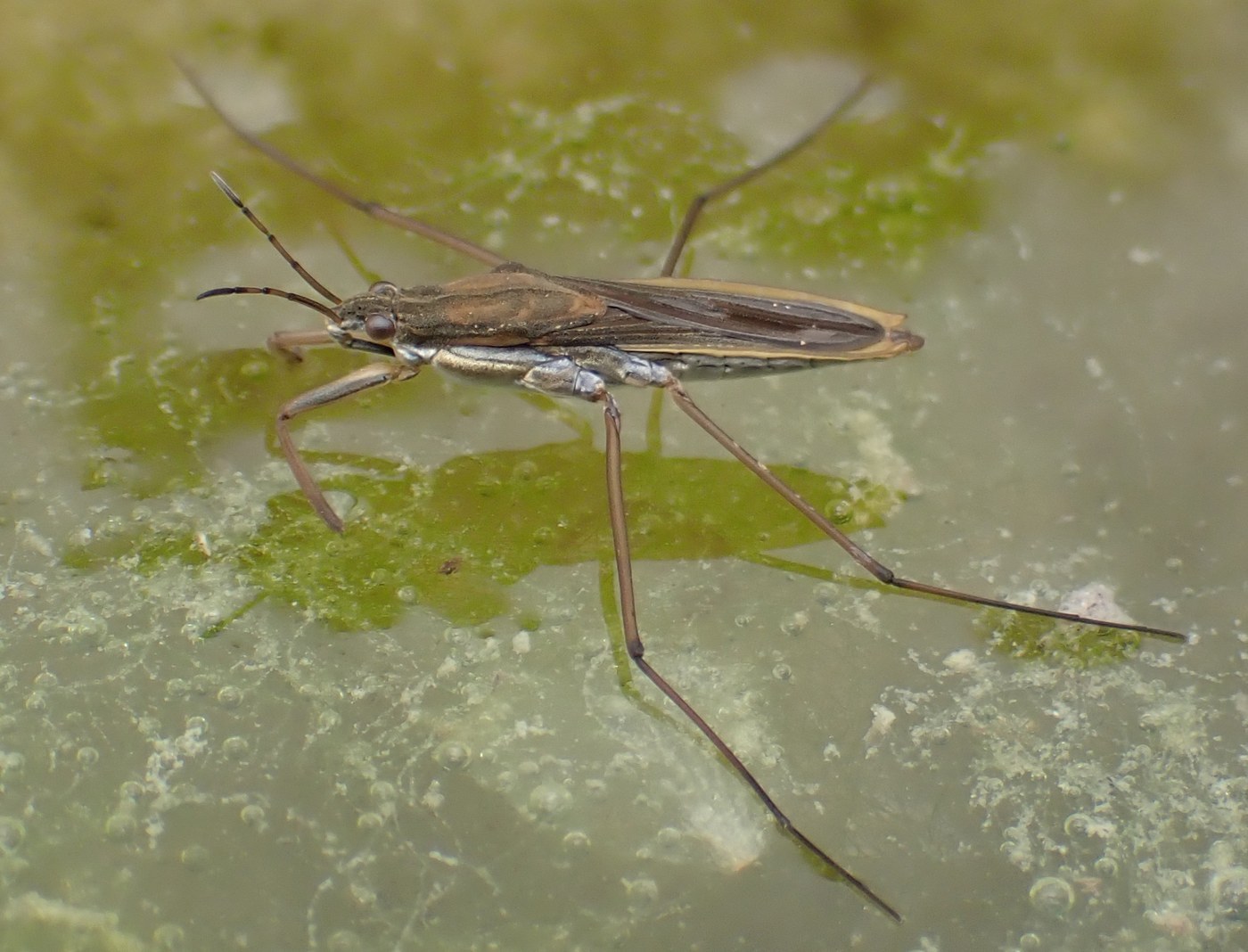
Water Strider
Still or slow-moving fresh water: ponds, lake edges, slow streams, puddles
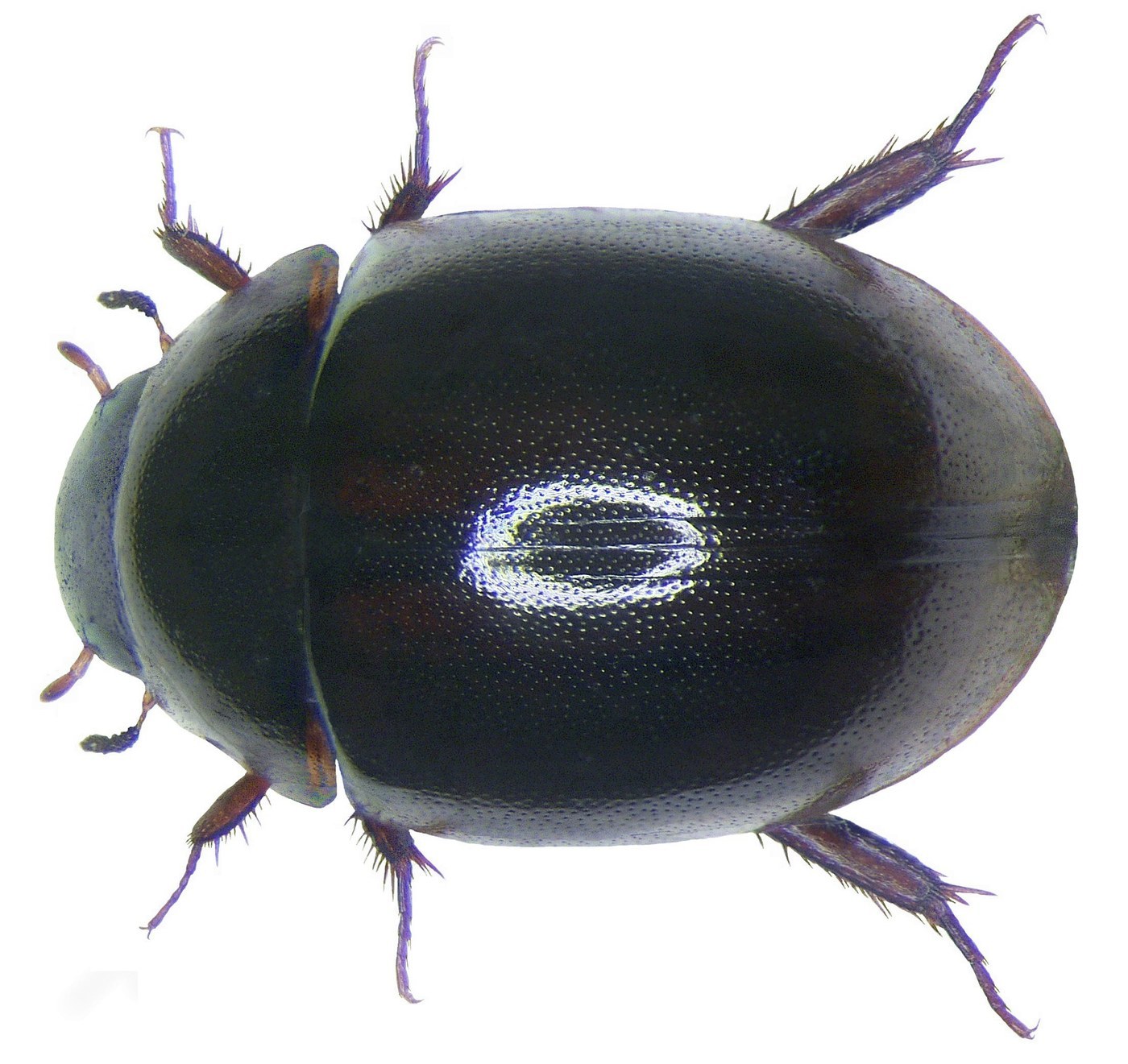
Water Beetle
Ponds, slow streams, marshes, still fresh water
Water Penny Beetle
Fast, rocky, well-oxygenated streams
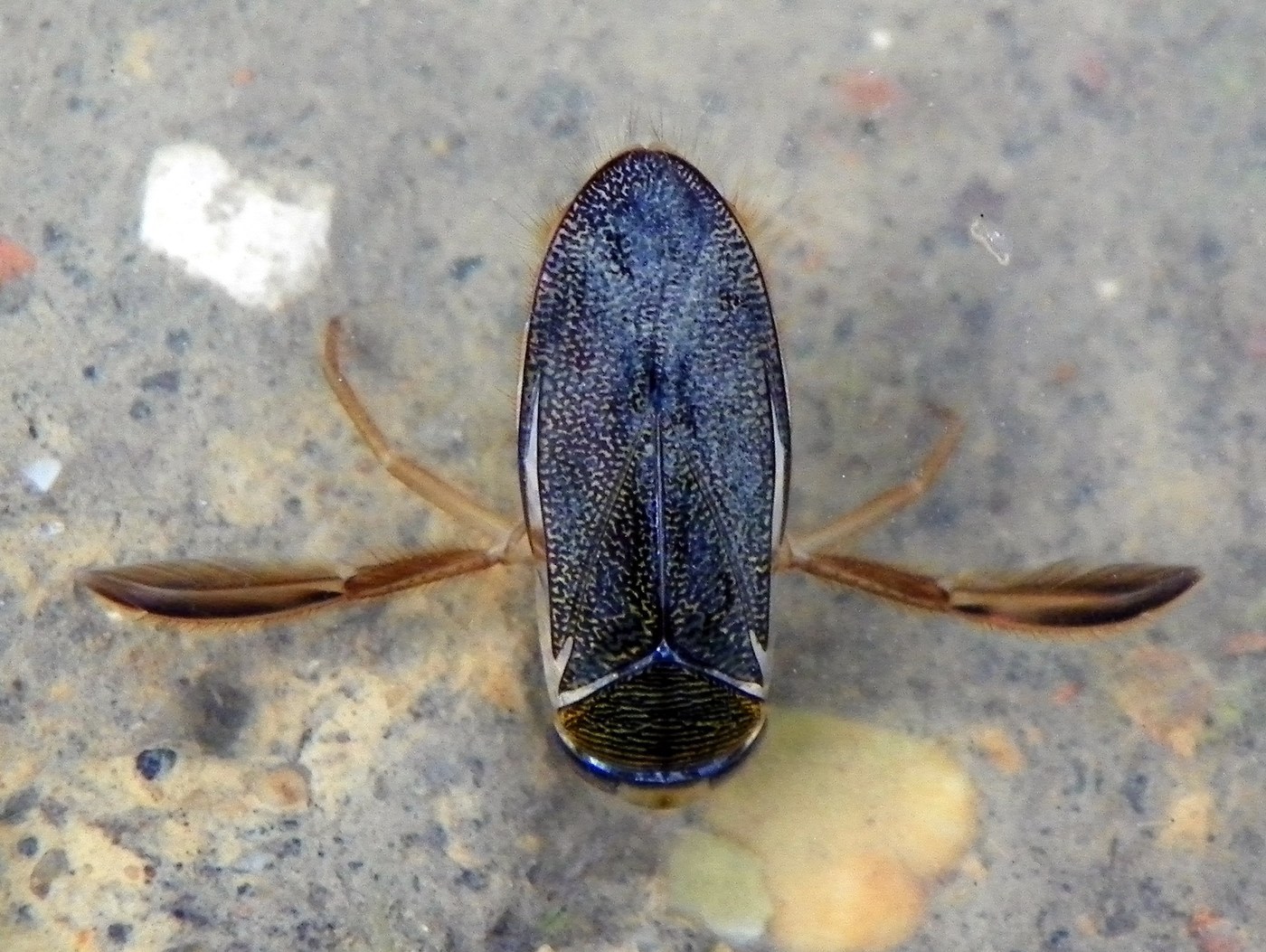
Water Boatman
Ponds, lakes, slow streams, freshwater with vegetation
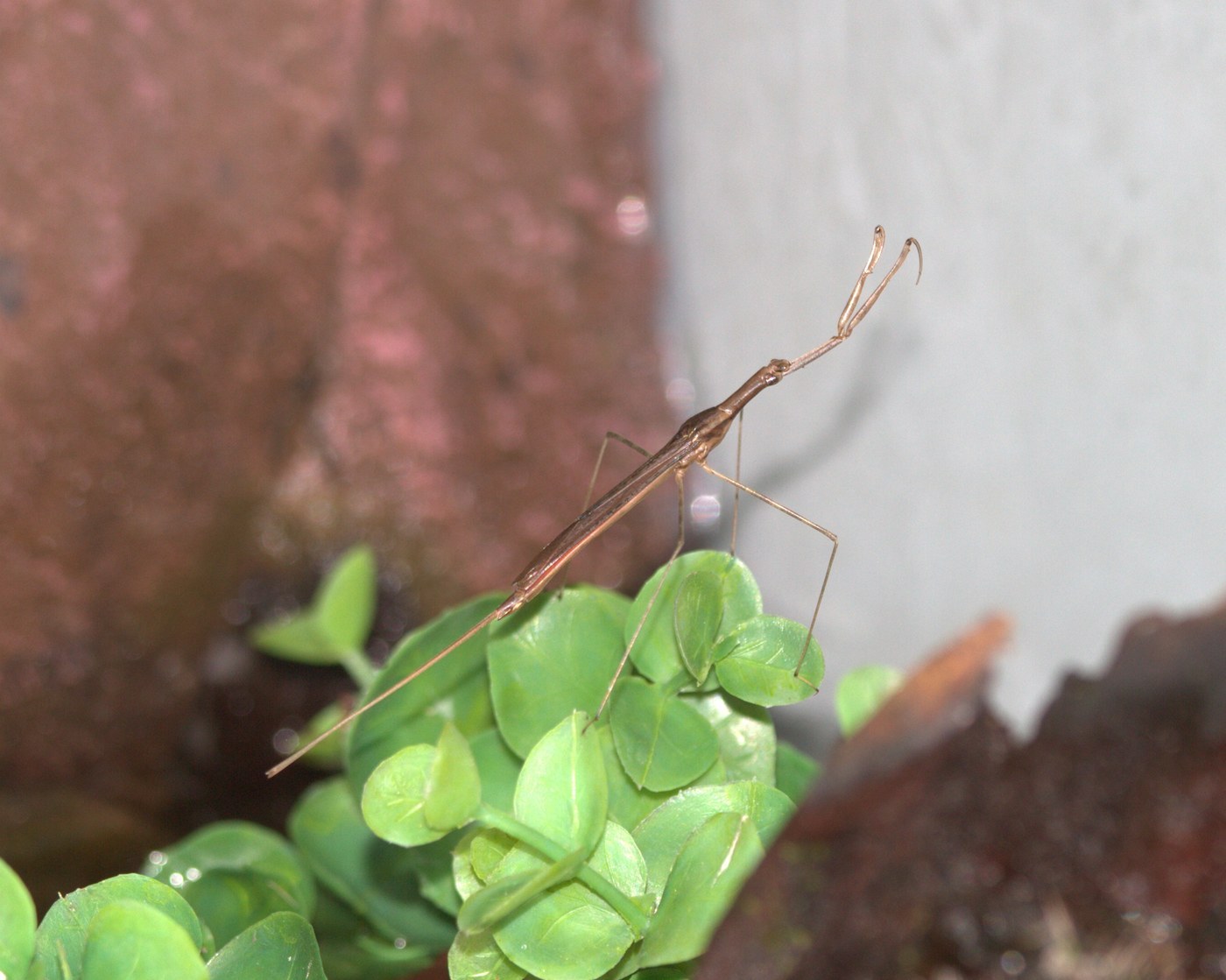
Water Scorpion
Still or slow-moving water with submerged vegetation
Stonefly
Cold, clean, well-oxygenated streams and rivers
Stonefly Nymph
Cold, fast-flowing, well-oxygenated streams
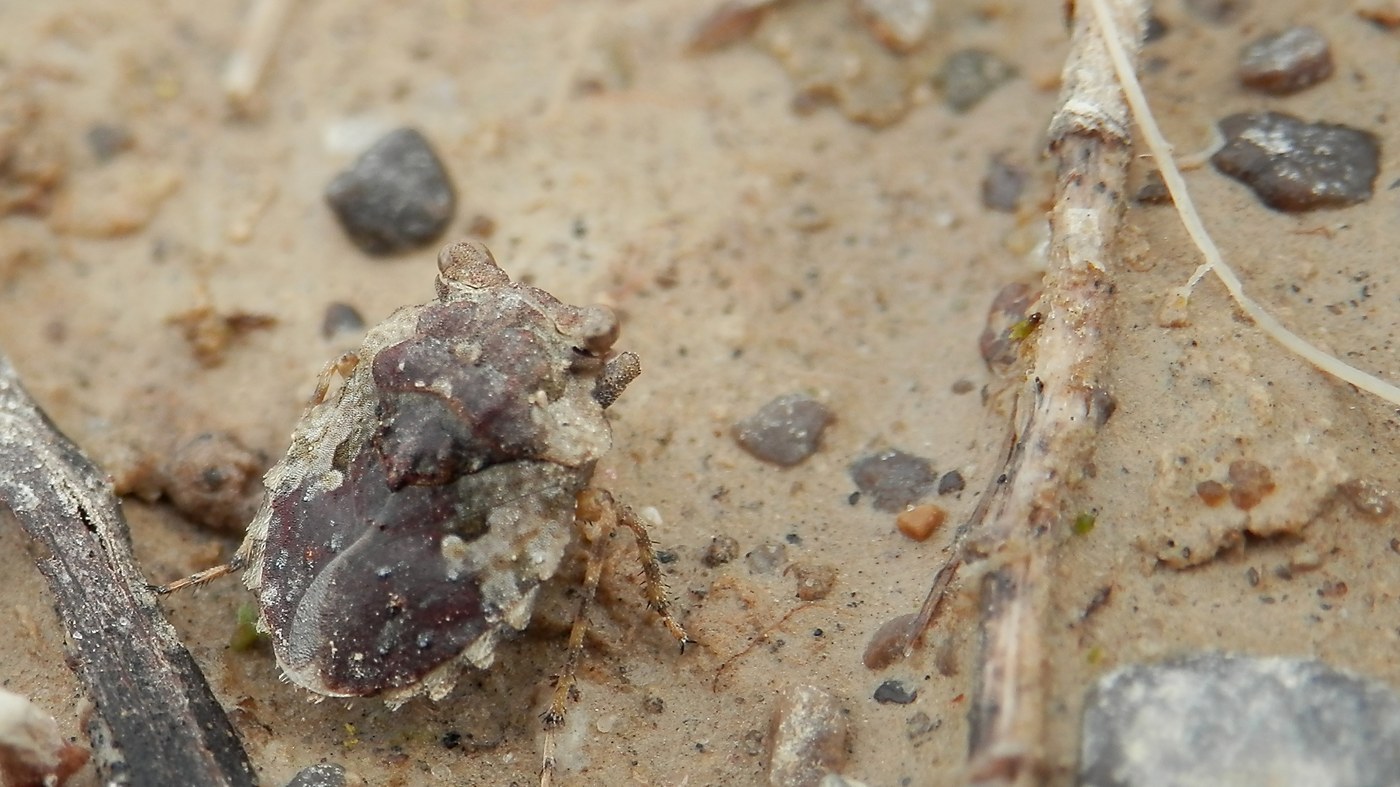
Toad Bug
Muddy or sandy shorelines of ponds, streams, and rivers
Soldier Fly Larva
Ponds, marshes, and slow streams with organic sediment
Mosquito Larva
Standing water in ponds, ditches, containers, and puddles
Whirligig Beetle
Surface of ponds, lakes, and slow streams
Rat-Tailed Maggot
Stagnant, oxygen-poor water such as manure pools, drains, and compost